REVIEW · CHIANG MAI
Chiang Mai: 2-Day Jungle Trek with Elephant Farm & Raft Ride
Book on GetYourGuide →Operated by Chiang Mai Footsteps Travel · Bookable on GetYourGuide
Jungle trekking in Chiang Mai hits different when you spend the night in a mountain village. This 2-day plan strings together rice fields, bamboo forest hiking, a Karen Hill tribe overnight, and close-to-nature time at a jungle elephant sanctuary, plus a relaxing float by raft. It is a small-group adventure (up to 12) that feels built for real walking, not just quick photo stops.
What I like most is the mix of scenery and pace: you start with market life, then ease into the Mae Wang River on a 40-minute bamboo raft, then earn your lunch at a tucked-away jungle waterfall. I also like the way it introduces you to local culture during the overnight, with dinner and campfire time in the Karen Hill tribe village.
One thing to consider: this is an active tour. Expect uphill walking, muddy or slick patches, and mosquito-sun-rain conditions that change fast in Northern Thailand. If heat, long hikes, or uneven ground is a struggle for you, this may not be your best match.
In This Review
- Key points worth knowing before you go
- Why This 2-Day Chiang Mai Trek Feels Like a Real Mountain Escape
- Meeting at Baan Meesuk and the Morning Start Time
- Market Time: Fuel Up With Northern Thai Flavors
- Mae Wang Bamboo Raft Ride: The Calm Part That Makes the Hike Worth It
- Hike to a Jungle Waterfall (Plus Picnic Lunch and a Swim)
- Karen Hill Tribe Village Overnight: Dinner, Campfire, and Real Mountain Life
- Breakfast at the Village and the Second-Day Trek Rhythm
- Ethical Elephant Sanctuary: Feeding and Bathe Time With Rescued Elephants
- Bamboo Rafting Again? Not This Time. It’s the Swim-Day Memory
- Return to Chiang Mai: Arrive Around 4:30 PM
- Price and Value: What $97 Actually Buys You Here
- Guides Make or Break It: Witoon, Moon, Toon, Sami, and More
- Packing List That Prevents the Usual Regrets
- Who Should Book This Trek (and Who Should Skip It)
- A Quick Note on Ethics and Elephant Rules
- Should You Book This Chiang Mai Jungle Trek and Raft Ride?
- FAQ
- What is the duration of the Chiang Mai jungle trek?
- What is included in the price?
- Are drinking water bottles included?
- How big is the group?
- What languages are spoken by the guide?
- Where do I meet if I am not using pickup?
- What should I bring for the trek and rafting?
- Is riding elephants allowed?
- Who should not book this tour?
Key points worth knowing before you go
- Small group pace (12 max) with a live English/Thai guide who keeps you moving and organized
- Mae Wang bamboo rafting as a calm break between hikes
- Karen Hill tribe village overnight with local meals and a night under the stars
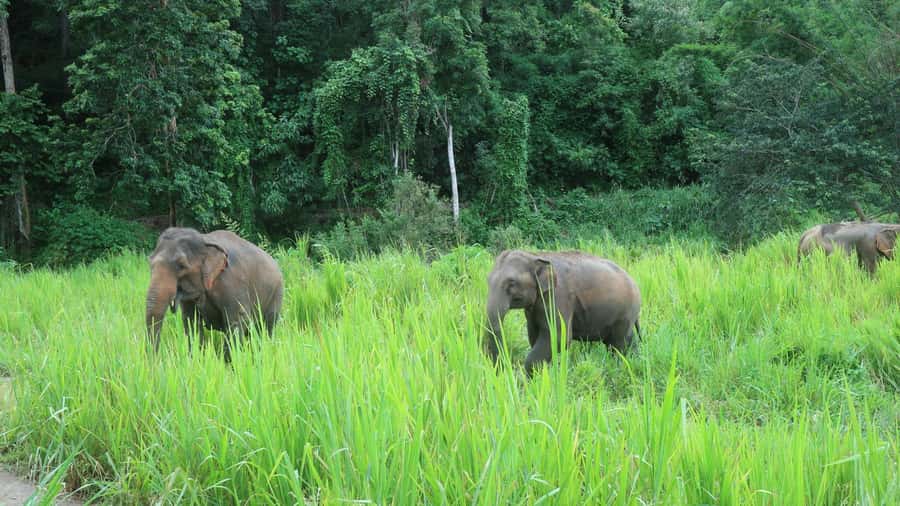
- Elephant sanctuary visit focused on rescued elephants, with feeding and bathing
- Jungle waterfall swim paired with a picnic lunch after the hike
- Bring the right gear because rain, insects, and cold nights can all matter
Why This 2-Day Chiang Mai Trek Feels Like a Real Mountain Escape
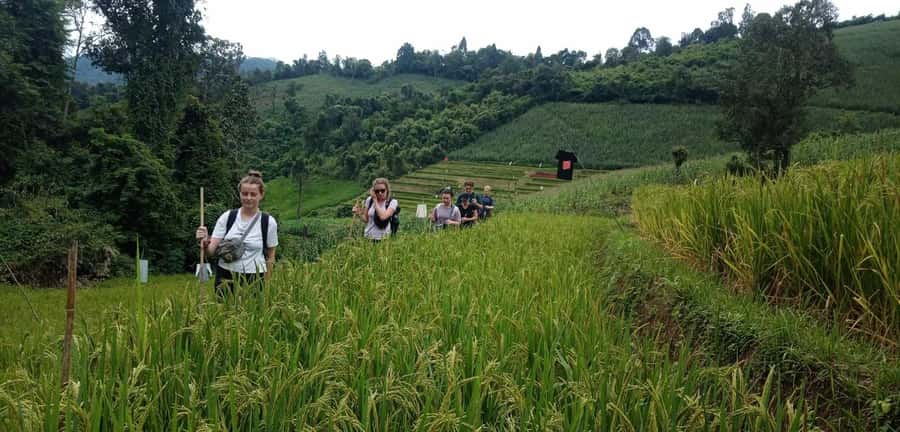
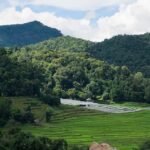
This tour works because it does not treat Chiang Mai like a city you merely pass through. You start close to town for an easy warm-up, then you gradually trade convenience for real jungle time—paddy fields, bamboo stands, waterfall country, and the kind of nighttime quiet you do not get in the old city.
I like that it gives you both mental variety and physical rhythm. You get a slow glide on the river, then you work for views and a swim, then you switch gears to campfire-and-dinner living with a Karen Hill tribe family. It is not one long “do everything” slog. It is a sequence of different experiences that each land well.
The overnight is also the secret sauce. The Karen Hill tribe village stay turns the whole trip from a day hike into something more human: you are eating, sleeping, and waking up in the mountains, not just returning to a vehicle at sunset.
You can also read our reviews of more tours and experiences in Chiang Mai.
Meeting at Baan Meesuk and the Morning Start Time
The tour meets at Baan Meesuk, an accommodation spot in Chiang Mai old town. If you choose pickup, it is done by van or traditional songthaew, and pickup is typically between 9:00 AM and 9:30 AM.
This matters for two reasons. First, it keeps your morning simple: you are not hunting for a meeting point miles away. Second, it usually helps you get into the countryside before the day gets too hot and before the river and trail conditions feel more unpredictable.
Group size is kept small (up to 12), so you are not stuck behind a crowd. You will still walk at a human pace, and you will have time to ask questions without shouting over a bus.
Market Time: Fuel Up With Northern Thai Flavors
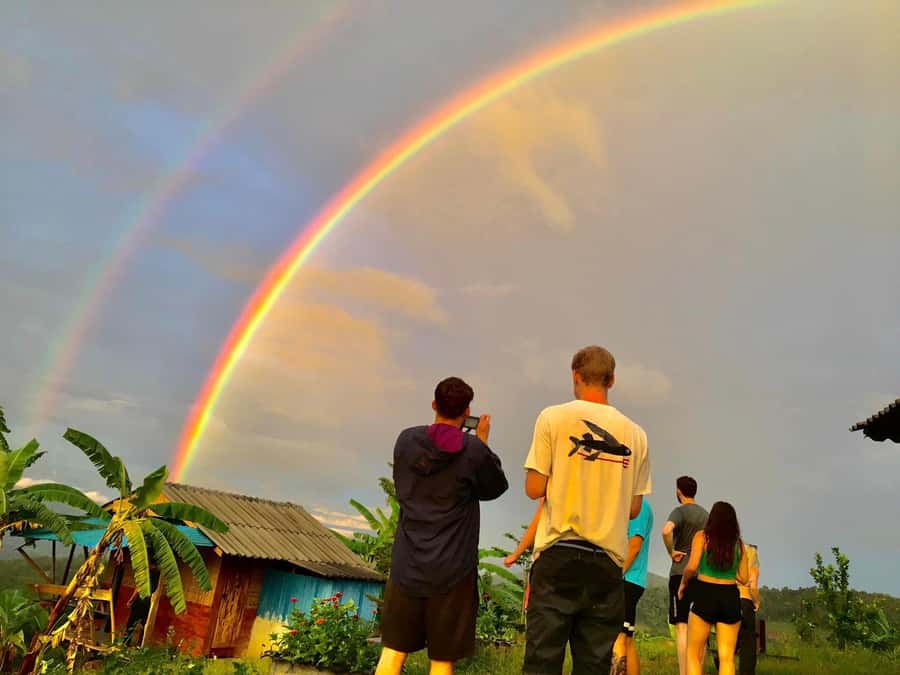
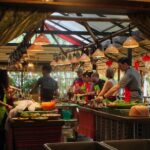
After pickup, you head to a local market. This is not a long shopping detour. You explore stalls with fresh vegetables, fruits, and regional delicacies with your guide.
I like the market stop because it gives you context before you leave town. Food in Thailand is not just about taste; it is also about how people shop, what they choose seasonally, and what daily life looks like nearby.
Practical note: drinking water is not included. If you tend to forget, this is your moment to pick up water for the morning and keep it handy during the raft and hikes.
Mae Wang Bamboo Raft Ride: The Calm Part That Makes the Hike Worth It
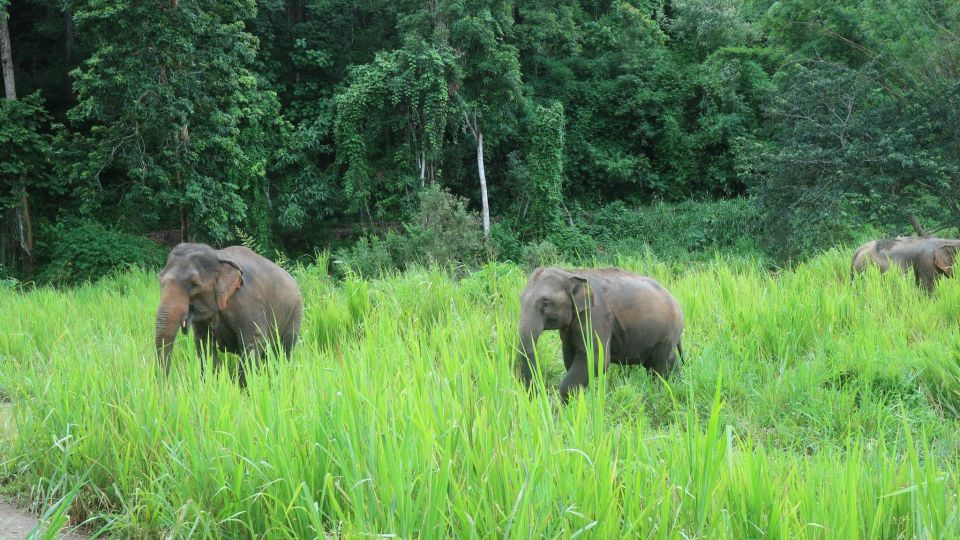
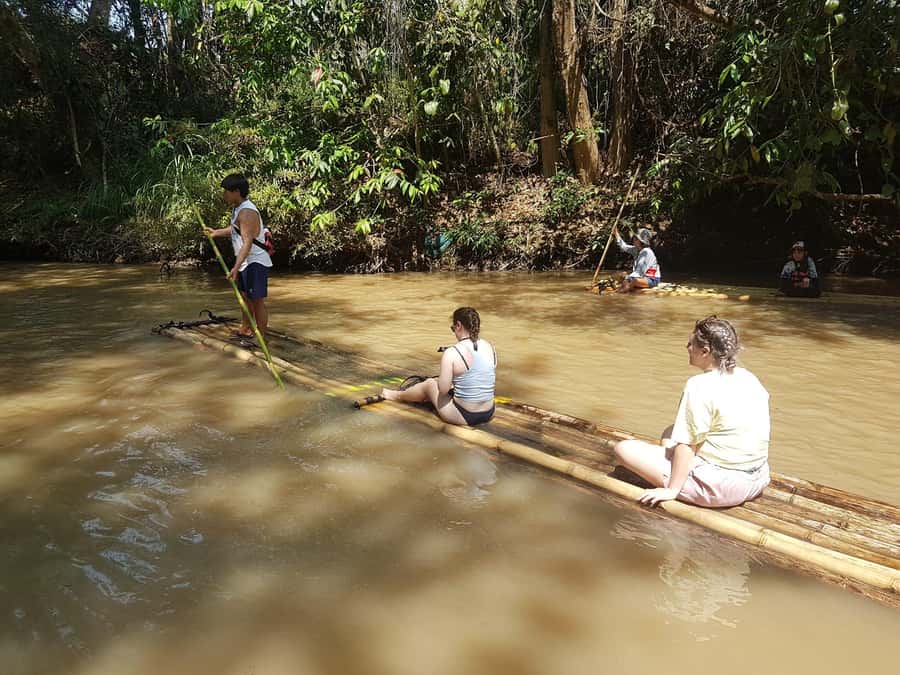
Then comes the river reset: a 40-minute bamboo rafting adventure down the Mae Wang River. The water is described as calm, which makes this a good breather between hikes.
This stop is also where you can adjust your pace. If you have been worried about the physical parts, the raft helps you feel the day’s rhythm: move, rest, move again. You are still outdoors the whole time, so you keep that jungle feeling without the steep effort.
What to wear: the tour recommends long sleeves and long pants to protect against sun and mosquitoes. That is not just a comfort suggestion—it helps you avoid the kind of irritation that can turn the rest of the trek into a scratchy distraction.
Hike to a Jungle Waterfall (Plus Picnic Lunch and a Swim)
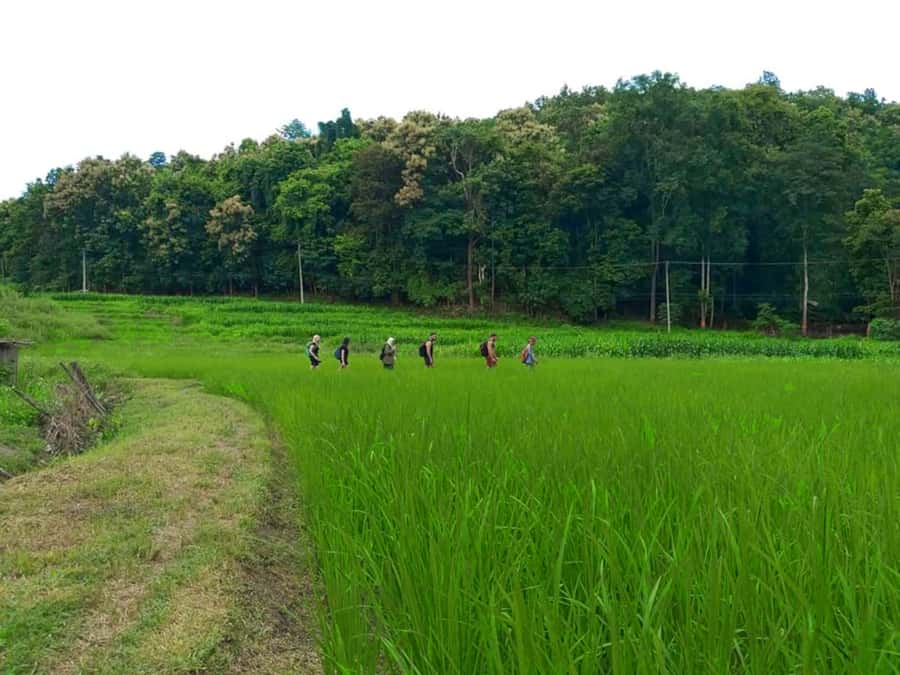
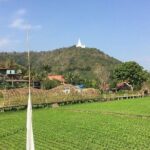
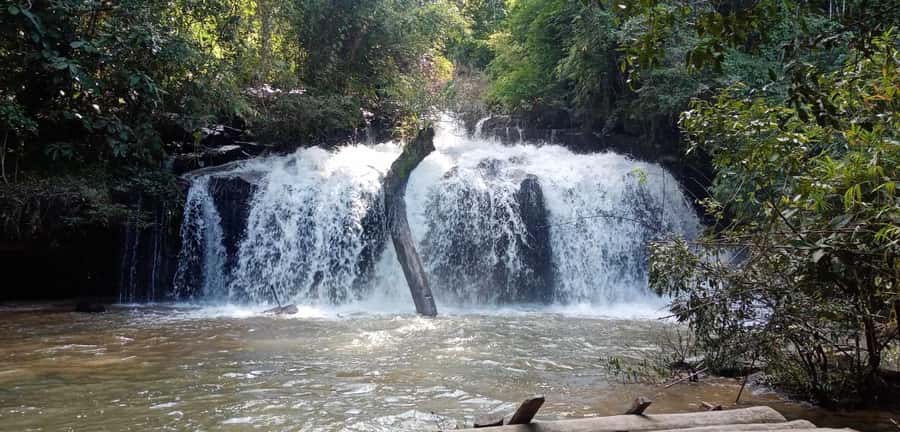
Next you hike toward a jungle waterfall. You will walk through mixed forest and paddy fields for about 2 hours before reaching the waterfall area.
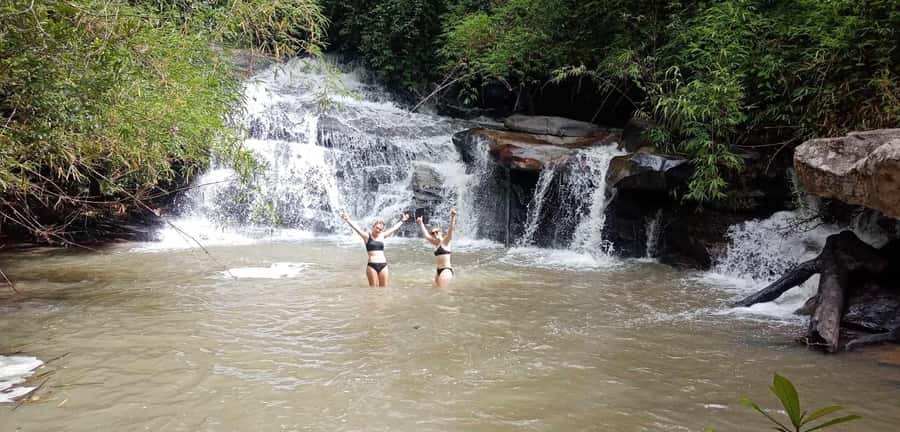
This is where the tour shows its outdoor side: you get a tucked-away swim spot, a picnic lunch, and a chance to cool off in the refreshing waters. It is one of the most memorable “Thailand nature” moments, especially if you time your snack and water breaks well before the hike starts feeling steep.
A few tips that matter here:
- Wear hiking shoes you trust on uneven, possibly wet ground.
- Pack rain gear even if the morning looks clear. Conditions can change.
- Bring a small bag method for wet swim stuff, since you will want to keep your dry clothes usable for camp.
Karen Hill Tribe Village Overnight: Dinner, Campfire, and Real Mountain Life
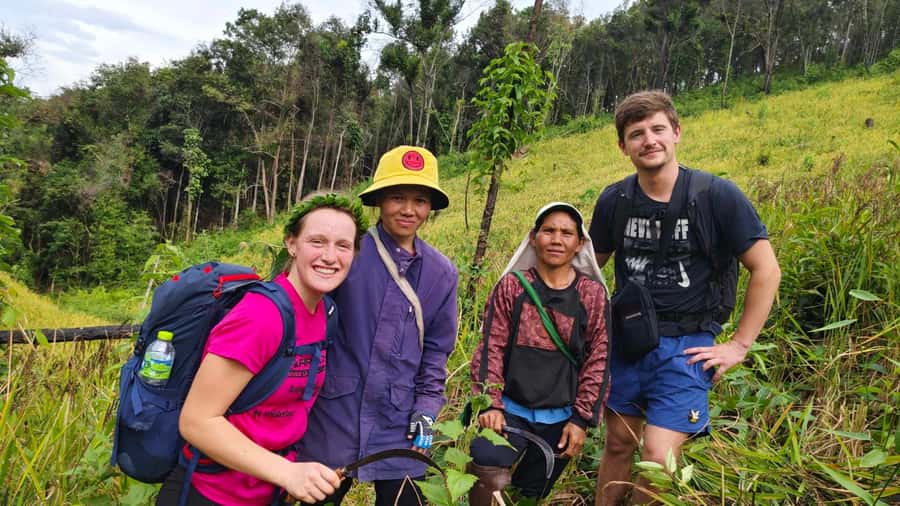
After lunch, the walking continues uphill for about 2 more hours to the Karen Hill tribe village. This is not just a place to sleep. It is part of the experience: you get time to learn about traditions, share a meal, and spend the evening with the community.
Dinner is included, and the day ends with a campfire or small party under the stars. The vibe is often described as cozy and welcoming in the way mountain families can be with guests—still structured, still respectful, but genuinely warm.
Accommodation is basic 1-night lodging. One review detail that I think you should take seriously: nights can get cold in the village. So do not show up assuming tropical-night weather. Bring a jacket and plan for cooler air after dark.
Also: you are walking all day, so comfy and simple matters. You do not need fancy gear, but you do need clothes that can get dirty and a plan for sweat and mosquitoes.
Breakfast at the Village and the Second-Day Trek Rhythm
The next morning starts with breakfast at the Karen Hill tribe village. Then you resume trekking.
This portion is part of how the tour balances effort: you do not rush out of bed and sprint. Breakfast gives you fuel, and the morning pacing helps you avoid the “too tired to enjoy it” feeling that can hit after a night outdoors.
You will keep moving through the jungle to reach the next big highlight: the elephant sanctuary.
Ethical Elephant Sanctuary: Feeding and Bathe Time With Rescued Elephants
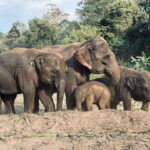
The elephant portion is reached after about 2 hours of trekking. You arrive at an elephant sanctuary described as ethical and focused on rescued elephants.
What you do here is hands-on but not animal riding. The tour explicitly says riding the animals is not allowed, which aligns with safer, more ethical expectations for most visitors.
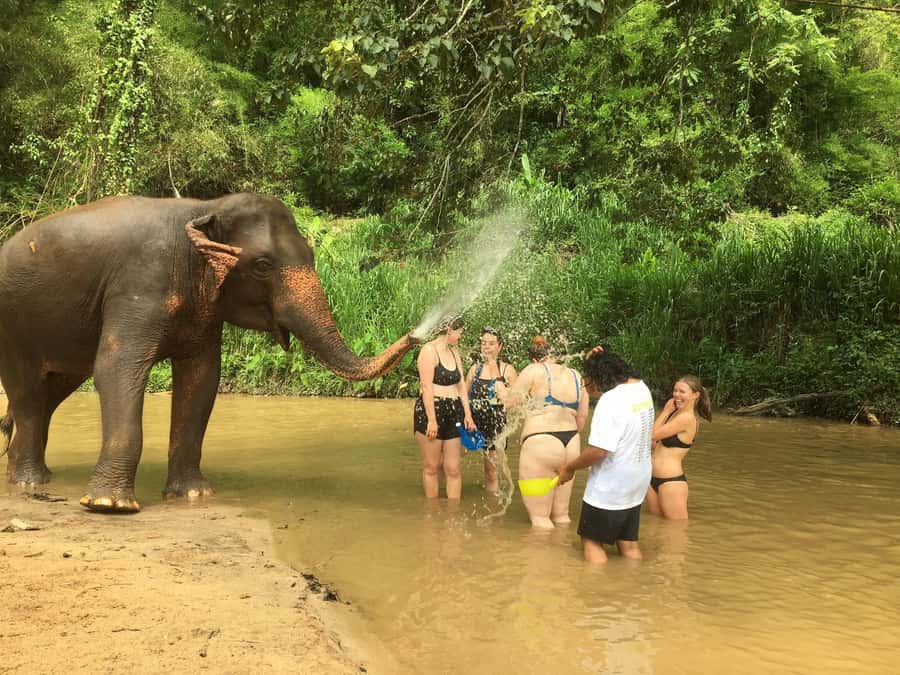
You can feed and bathe the elephants and learn about these creatures in a safe, respectful environment. If you care a lot about animal ethics, this is the part to think through. You are not just watching; you are interacting. For some people, that interaction feels positive and educational. For others, any human-elephant contact raises questions. If you fall into the “strict no-interaction” camp, this might not match your comfort level.
That said, the sanctuary angle is built into the tour design, and it is one of the biggest reasons people rate this experience highly. I recommend you go with open eyes and follow the guide’s instructions closely.
Bamboo Rafting Again? Not This Time. It’s the Swim-Day Memory
The second day includes a trek and then transport to bamboo rafting after you reach the road area and get driven to the river. Depending on conditions, the order and timing can shift slightly, but the plan always centers on a bamboo raft segment as a fun, lighter finish.
If you packed for the waterfall swim on day one, you will be happy you did. Flip-flops and a towel are useful here too, since you will likely want quick-on quick-off convenience after wet time.
Return to Chiang Mai: Arrive Around 4:30 PM
You end with a 1-hour drive back to Chiang Mai. The tour aims to get you back around 4:30 PM.
This timing is helpful because it gives you the late afternoon back. You are tired, yes, but you are also not losing your entire evening to transport. It is a strong setup for dinner in the old city afterward.
Price and Value: What $97 Actually Buys You Here
At about $97 per person for 2 days, this is one of those tours that feels fair if—and only if—you value the included items.
What is included:
- Hotel pickup and drop-off
- Round-trip transport by songthaew or van
- A live guide (English and Thai)
- Market visit
- Jungle trek and waterfall picnic
- Meals: 2 lunches, 1 dinner, 1 breakfast
- Basic 1-night accommodation
- Bamboo rafting
- Elephant sanctuary visit
The value is in the combination. You are not paying just for the trek. You are paying for multiple paid activities stacked with food and one night out in the mountains. When you add in that the group is capped at 12, you also get more guide attention than most big-group tours.
If you were to price these pieces separately—transport, guide, meals, and a sanctuary visit—this kind of package pricing often becomes the cheapest way to get the whole set in two days.
Guides Make or Break It: Witoon, Moon, Toon, Sami, and More
The guide quality is a repeated theme. Names that come up include Witoon, Moon, Toon, and Sami.
Here’s what matters for you when choosing this kind of trek:
- A good guide sets pace so you do not blow up on uphill sections.
- A good guide explains culture as you walk, instead of dumping facts at the end.
- A good guide adds small moments that make the hike feel personal—like pointing out interesting animals or stopping for photos.
One specific bonus: Witoon is praised for taking photos during the tour and sharing them afterward on WhatsApp. That is a practical thing—your phone stays in your daypack more often, and you still get group memories without juggling a camera constantly.
Packing List That Prevents the Usual Regrets
The tour’s suggested packing list is solid, and I would follow it closely:
- Sunglasses and sun hat
- Swimwear, change of clothes, and towel
- Hiking shoes and flip-flops
- Sunscreen, rain gear, insect repellent
- Long pants (plus shorts if you like)
- Toiletries and clothes that can get dirty
- Daypack and jacket
One extra reality tip: if you are picky with food, bring a few small snacks. Meals are included, but the mountain rhythm can mean you eat what is available and move on.
Also, keep your dry stuff protected. You are dealing with waterfall swim time and river dampness, and wet gear can make sleep uncomfortable in cold mountain nights.
Who Should Book This Trek (and Who Should Skip It)
This is for you if you:
- like active days and do not mind uphill walking
- want an overnight in a real mountain village setting
- care about elephants enough to visit a sanctuary rather than a city attraction
- enjoy nature moments like waterfall swimming and rafting
It is not suitable if you have mobility impairments, heart problems, vertigo, respiratory issues, epilepsy, or low fitness. The tour also lists no for pregnant women, wheelchair users, and children under 2 years (and babies under 1 year).
That list is not just paperwork. The itinerary includes hiking on uneven terrain, potential cold at night, and physical exertion. If you are on the edge physically, treat this as a serious hike, not an easy walk.
A Quick Note on Ethics and Elephant Rules
You will not ride the elephants here, which is clearly stated. You will feed and bathe rescued elephants under guidance, in a safe, respectful environment.
If your personal ethics depend on distance from animals, think carefully. This tour is designed for interaction, not observation-only. If you can align that interaction with your comfort level, you will probably find the elephant day meaningful.
Should You Book This Chiang Mai Jungle Trek and Raft Ride?
If your ideal Chiang Mai day includes walking in real jungle terrain, a Karen Hill tribe village overnight, and hands-on time at an elephant sanctuary, then yes, this is a strong pick. The raft ride and waterfall swim add variety so the trip does not feel like one long grind, and the included meals and basic accommodation make the $97 price feel more like a value package than a budget bargain.
If you hate hills, dislike long outdoor days, or need step-free movement, skip it. And if you feel strongly about any animal interaction, read the elephant activity part of the plan carefully before you commit.
For the right traveler, this is one of the more complete 2-day Chiang Mai experiences because it mixes nature, culture, and animal conservation themes into a schedule that actually flows.
FAQ
What is the duration of the Chiang Mai jungle trek?
The tour is 2 days.
What is included in the price?
It includes hotel pickup and drop-off, round-trip transportation, a guide, market visit, jungle trek, all meals (2 lunches, 1 dinner, 1 breakfast), basic 1-night accommodation, elephant sanctuary visit, and bamboo rafting.
Are drinking water bottles included?
No. Drinking water is not included.
How big is the group?
The tour is a small group limited to 12 participants.
What languages are spoken by the guide?
The live guide speaks English and Thai.
Where do I meet if I am not using pickup?
Meet at Baan Meesuk in Chiang Mai old town.
What should I bring for the trek and rafting?
Bring items such as hiking shoes, long pants, insect repellent, sunscreen, rain gear, swimwear, a towel, a change of clothes, and a jacket, plus other personal basics like toiletries and a daypack.
Is riding elephants allowed?
No. Riding the animals is not allowed.
Who should not book this tour?
The tour is not suitable for pregnant women, people with mobility impairments, heart problems, vertigo, respiratory issues, epilepsy, people with low level of fitness, wheelchair users, and babies under 1 year or children under 2 years.