REVIEW · CHIANG MAI
4-Hour Doi Suthep & Hmong Hill Tribe Village from Chiang Mai
Book on GetYourGuide →Operated by Touring Center · Bookable on GetYourGuide
Two temples and a hill-tribe village in four hours. This tour threads Wat Phra That Doi Suthep with the sacred hilltop stupa and pairs it with a visit to Doi Pui Hmong Hill Tribe Village for cultural context before you head back down to town.
What I like most is the way you get explained answers, not just photo stops. You’ll hear Buddhism stories at Doi Suthep from guides such as Pae, Kai, and Poonkie, and you’ll also get a museum introduction at Doi Pui before you wander around the village grounds.
One real consideration: the temple visit involves lots of walking and a big staircase. Even with the included cable car option, this isn’t the tour I’d pick if you have back or mobility issues.
In This Review
- Quick Hits You’ll Actually Feel
- Leaving Chiang Mai: The Half-Day Rhythm That Works
- Doi Pui Hmong Hill Tribe Village: Context First, Then Wandering
- Wat Phra That Doi Suthep: Sacred Stupa + Steps + Real City Views
- The Guide Factor: Why the Best Tours Feel Personal
- Transportation and Time: Air-Conditioned Comfort, Mountain Roads, and a Smart Schedule
- Price and Value: What You’re Paying For (And What You Aren’t)
- Clothing Rules and the Stairs Reality (Read This Before You Pack)
- Who This Tour Fits Best (And Who Should Skip It)
- Should You Book This 4-Hour Doi Suthep & Hmong Tour?
- FAQ
- What’s the duration of the tour?
- Where do they pick you up in Chiang Mai?
- What are the usual departure times?
- Is the cable car included for Doi Suthep?
- What’s included in the price?
- What should I wear to enter the temples?
- Is this tour suitable for wheelchair users?
- Can I get a refund if I cancel?
Quick Hits You’ll Actually Feel
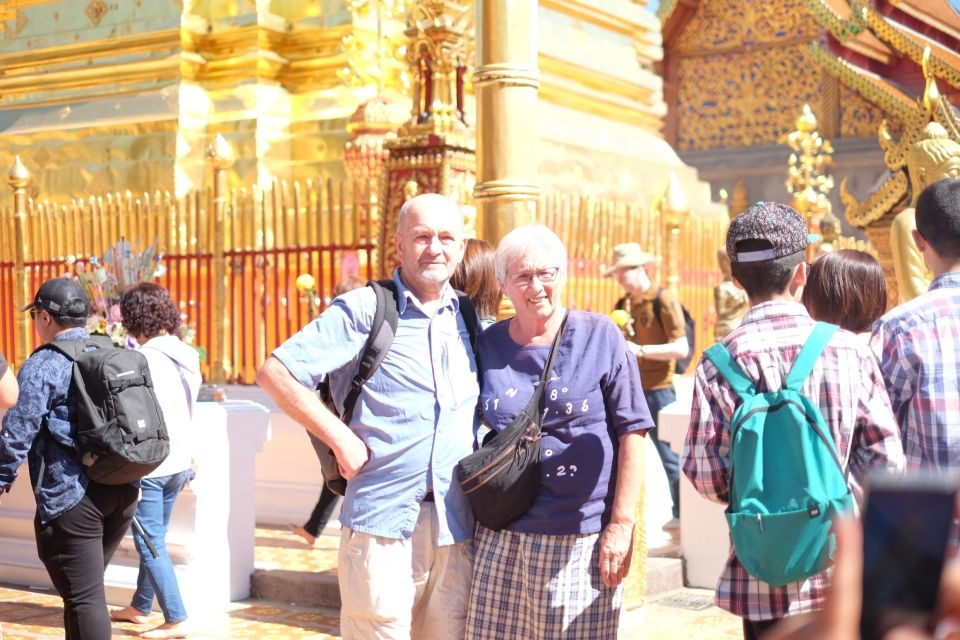
- Wat Phra That Doi Suthep: climb to the hilltop stupa (309 steps) or use the included cable car
- Guided temple meaning: you’ll learn the symbolism behind what you see, plus a holy relic story
- Doi Pui museum first: you get context before you explore the village area
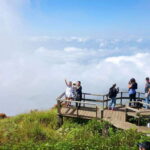
- City views from the terrace: Chiang Mai looks close enough to touch, weather and haze permitting
- Small group pace (up to 9): easier questions, more photo help, less rushing
- Half-day efficiency: temple + village in one morning or one afternoon, with hotel pickup
Leaving Chiang Mai: The Half-Day Rhythm That Works
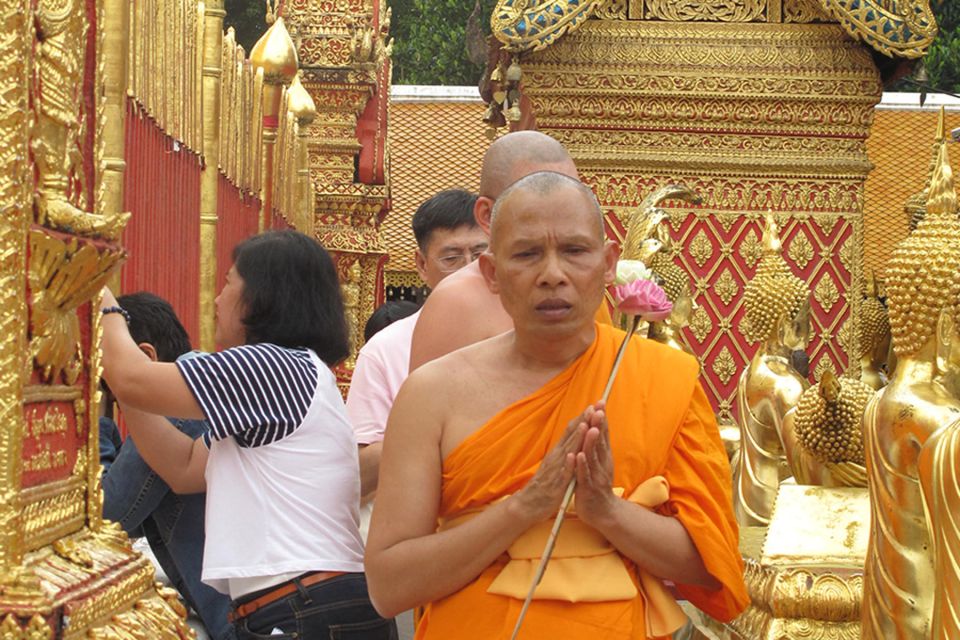
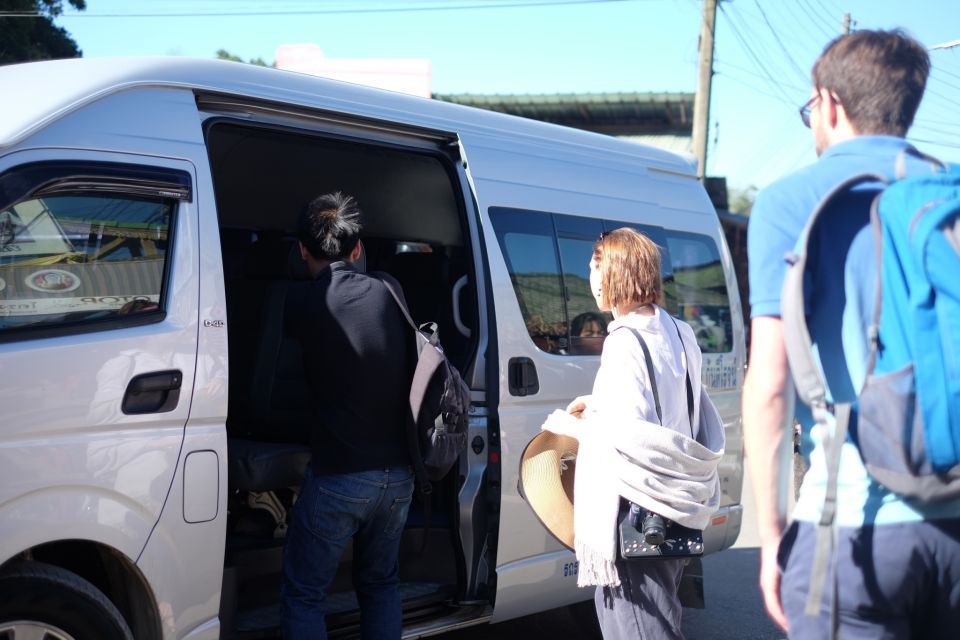
This is built for people who want a real outing without losing an entire day. You start with hotel pickup in Chiang Mai (within 6 km of the 3 Kings Monument area), then head up toward Doi Suthep–Pui National Park in a 9-seat air-conditioned minivan.
You’re not stuck in a long, slow tour loop. The drive is about 45 minutes each way, and the schedule is tight enough that you still feel like you got value at the end of the four hours, not just “a couple of stops.” Also, the tour includes drinking water and a refreshing towel, which sounds small until you’re climbing steps in warm mountain air.
The small-group size matters more than it seems. With limited seats, you’re more likely to ask the guide a question and get an answer that fits what you’re actually looking at—whether that’s a temple detail or how village life is organized.
You can also read our reviews of more tours and experiences in Chiang Mai.



Doi Pui Hmong Hill Tribe Village: Context First, Then Wandering
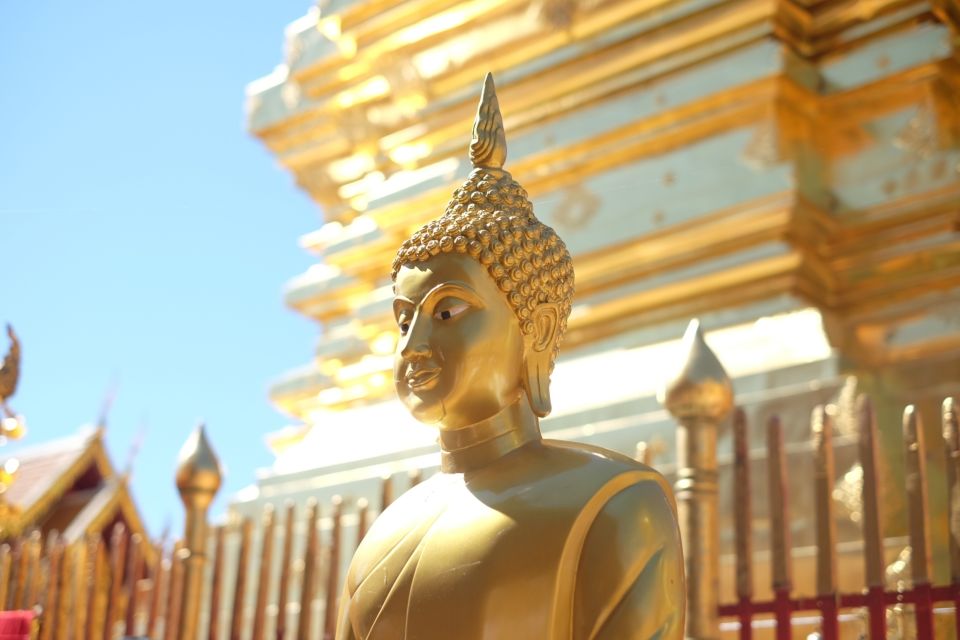
Your day starts with Doi Pui, where you’ll visit the hill tribe village museum and then explore the village area. This order is smart. The museum gives you background so the rest of what you see isn’t random. You’re not just watching people do day-to-day work; you understand how the guide connects it to Hmong culture and northern Thailand life.
What you’ll likely notice in this stop:
- A museum or interpretive area that sets the tone
- Village grounds you can walk through at your own speed
- A market feel in the village area where you can browse crafts and snacks
From what I’ve seen in the feedback, the Doi Pui portion is often the highlight for first-timers to Chiang Mai who want something besides temples. Some people also like the “in-between” moments—like short walks around the village grounds—because it feels closer to everyday life than a single building you step into, admire, and leave.
One practical heads-up: there can be plenty of shops. That’s not unusual at this kind of stop, and it can be fun if you want to browse. But if you’d rather avoid a sales-y atmosphere, keep your time focused on the museum and the places your guide points out, not the first row of stalls.
Also, food sampling is a common perk people remember here. Depending on what’s offered that day, you might run into things like sweet fruit snacks or other small treats while browsing.
Wat Phra That Doi Suthep: Sacred Stupa + Steps + Real City Views
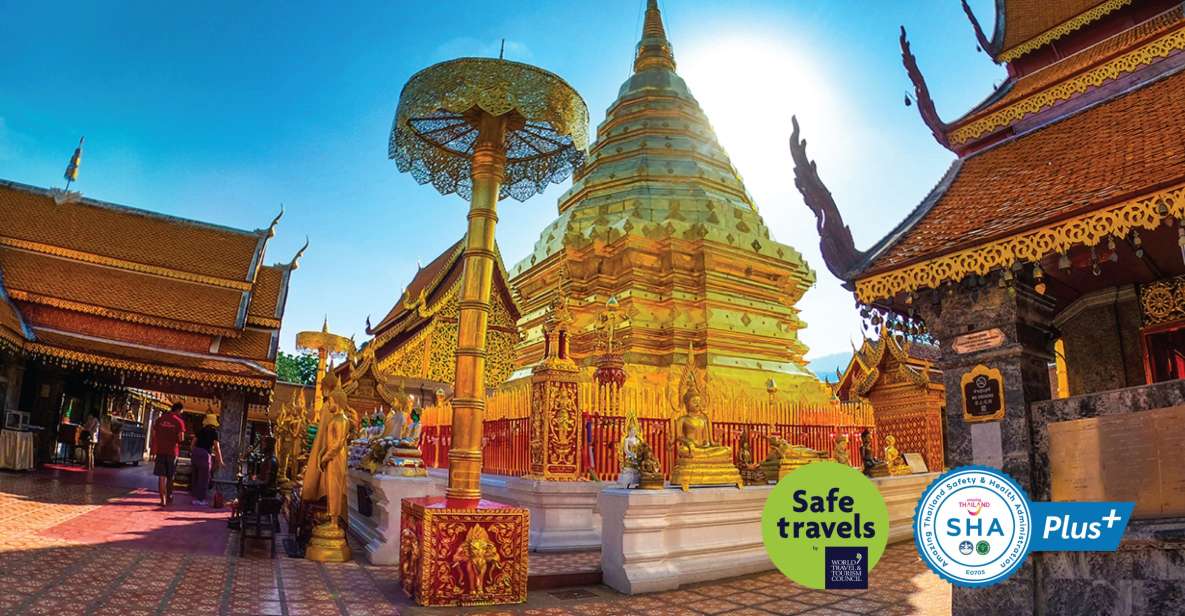
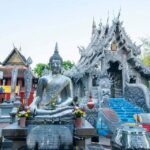
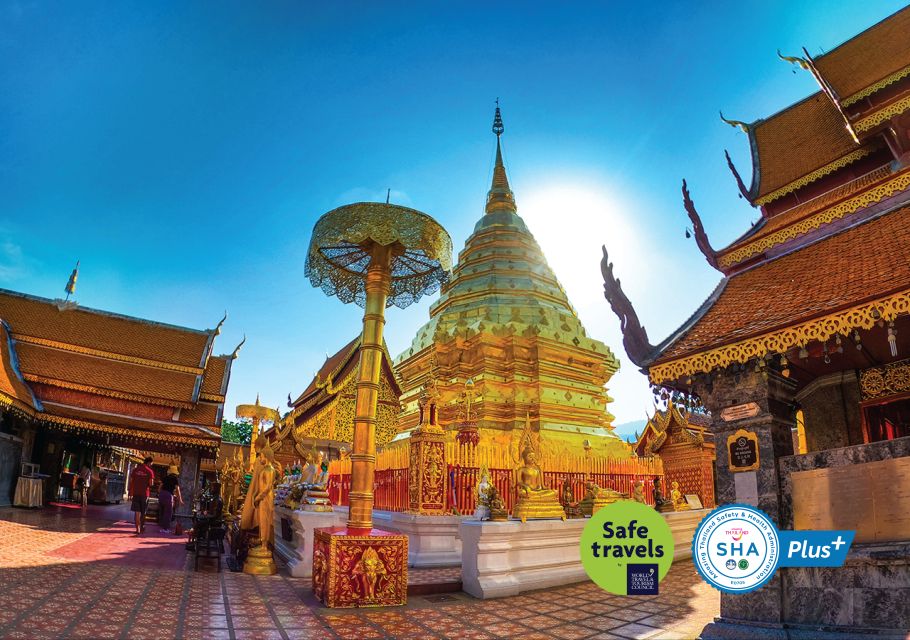
Next comes the star of the show: Wat Phra That Doi Suthep. This is the temple people point to when they want you to understand why Chiang Mai is more than just markets and night bazaars.
You have two ways to reach the stupa area:
- The famous staircase: 309 steps
- The included cable car for a more manageable ascent
If you choose the steps, you’ll feel the pilgrim vibe immediately—slow, purposeful, and shared. It’s also where you’ll understand why the terrace view is such a big reward. The temple is on a hill, and you really do climb into a better vantage point.
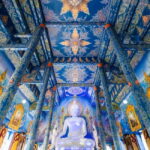
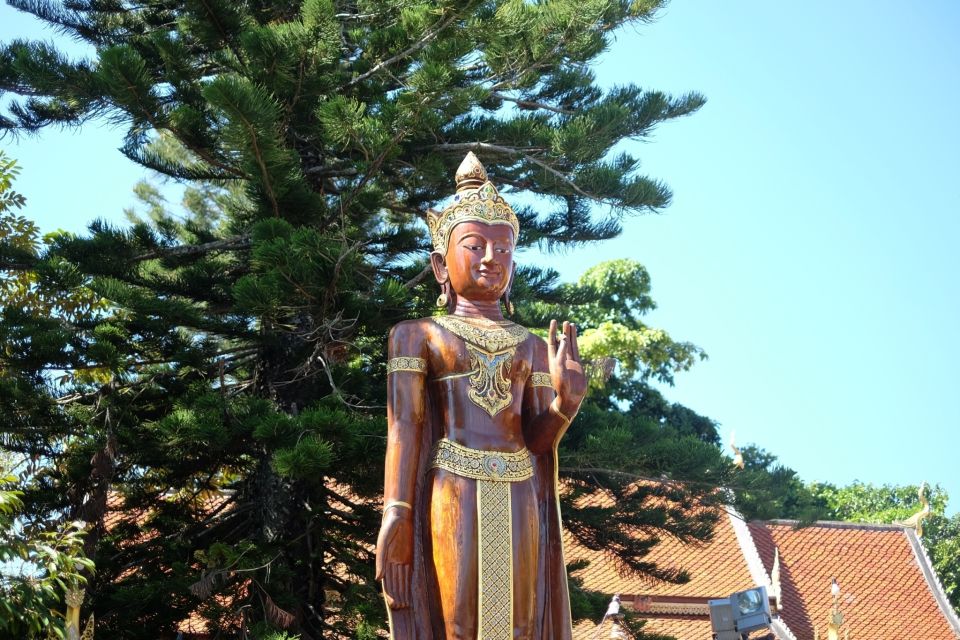
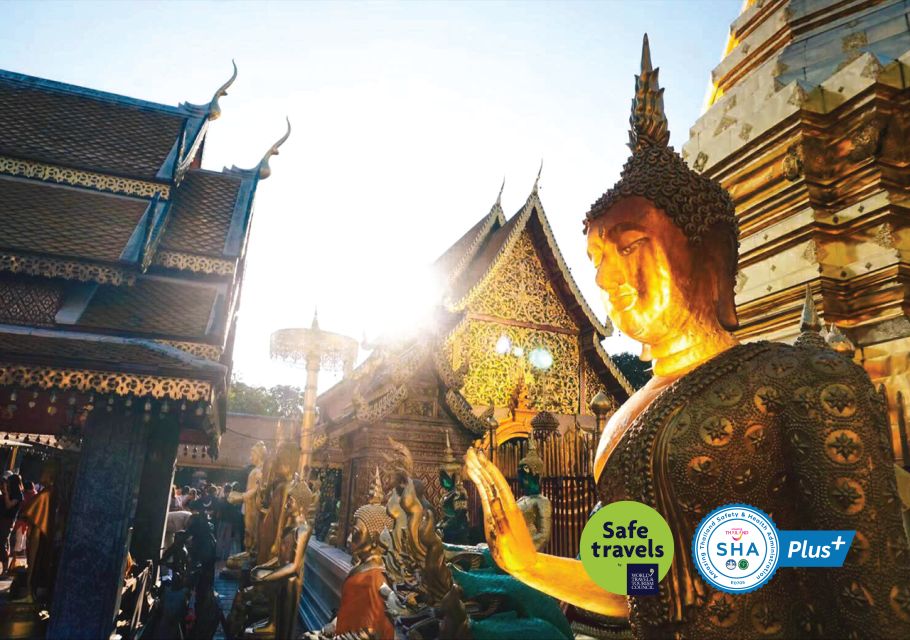
Once you’re there, your guide brings the place to life. You’ll explore the temple grounds with an explanation of Buddhist meaning and symbolism, and you’ll hear about the holy relic connected to the temple. Even if you’ve visited other Thai temples, a guided stop here can change how you read what you’re seeing.
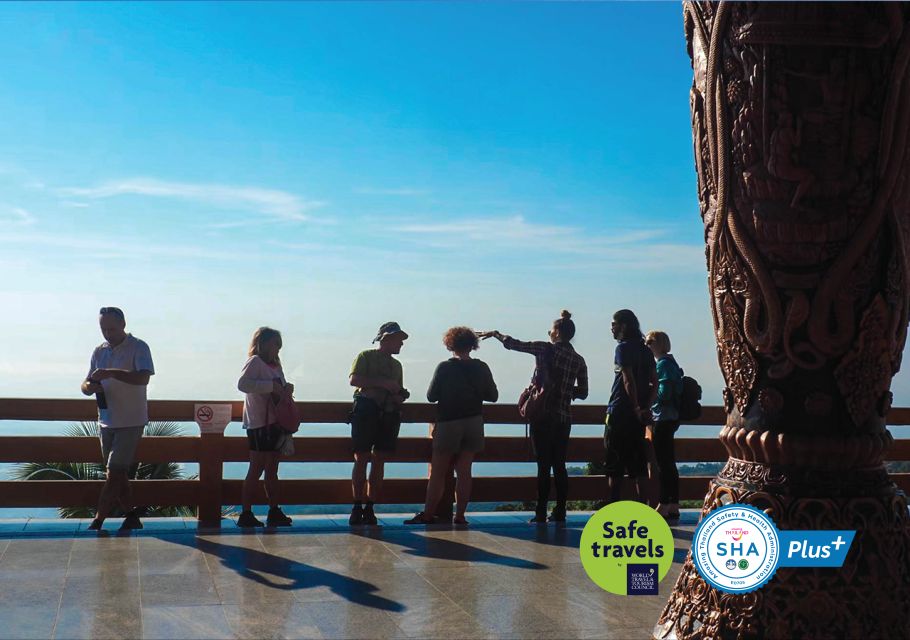
The views are a major reason this temple earns repeat visits. On a clear day, Chiang Mai’s sprawl looks close and layered, and the terrace becomes your photo moment. The only thing that can soften this part is weather. Haze, smoke, fog, or just a too-cloudy day can reduce the sharpness of the panorama, but the stupa area and temple details still make it worth going.
One more real-world note: restoration can be present. If scaffolding is up, it’s normal. Think of it as a sign the site is actively maintained, not a deal-breaker.
The Guide Factor: Why the Best Tours Feel Personal
This is one of those tours where the guide can make the difference between seeing temple structures and actually understanding them.
A lot of the top feedback calls out guides by name—people like Nong, Paul, Tui, Nut, Bee, and Om—and what stands out is the blend of calm patience and clear explanations. Many descriptions mention fluent English, and the guides aren’t just reciting facts. They explain the “why” behind what you see: Buddhism symbolism at the temple, plus cultural context at the village stop.
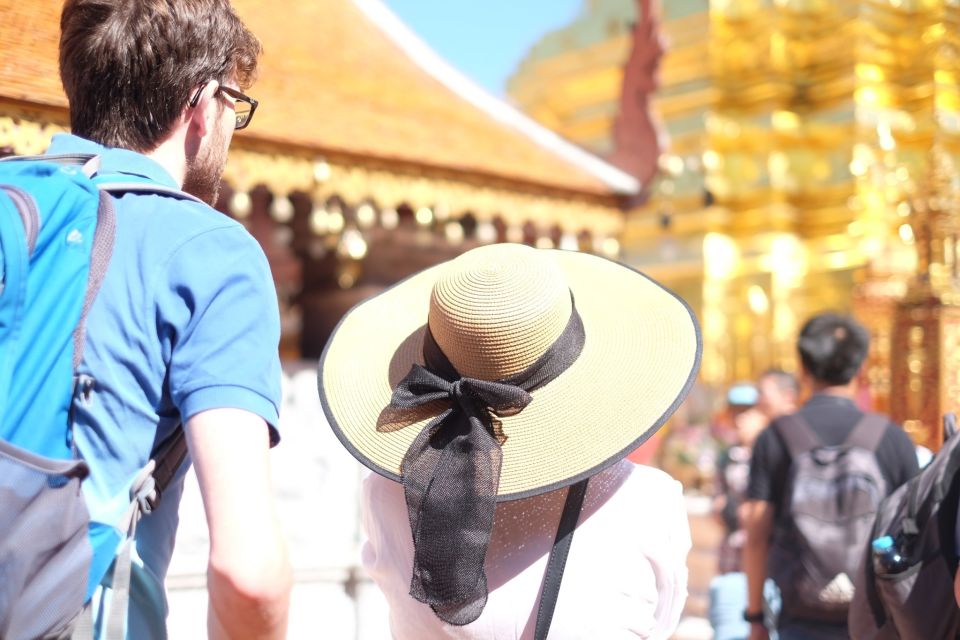
Guides also help with photos. If you’re traveling as a couple, or you want a clean group shot without asking strangers, you’ll appreciate this. It’s especially helpful at Doi Suthep where you’re trying to balance angles, crowds, and your own time on the terrace.
And pace matters. The best experiences feel relaxed, with enough room to look around and ask follow-ups. Even when the schedule runs a touch late (it can happen in mountainous traffic), the tone tends to be flexible rather than stressed.
Transportation and Time: Air-Conditioned Comfort, Mountain Roads, and a Smart Schedule
The van portion is included both ways, and it’s in an air-conditioned 9-seat minivan. For a mountain outing, that matters. You’ll also get hotel pickup and drop-off, which saves you the hassle of arranging your own ride up the hill.
The roads are narrow in places, and the best drivers handle the terrain smoothly without making it feel like a roller coaster. In feedback, people repeatedly note safe, careful driving—important when you’re with a small group and everyone’s balancing a walking schedule at the end.
Timing is the main reason this tour works as a “half-day win”:
- Morning start: pickup around 08:00–08:30
- Afternoon start: pickup around 13:00–13:30
- Return by about 12:00 (morning) or 17:00 (afternoon), depending on which departure you take
So you can pair it with lunch or a night market plan without losing your whole afternoon or morning.




Price and Value: What You’re Paying For (And What You Aren’t)
At $36 per person for a 4-hour tour, you’re paying for three things that add up fast if you do them on your own: transport, a guided explanation, and entry fees.
Included:
- Van transport in an air-conditioned vehicle
- An English-speaking guide
- Entry fees for the Doi Pui hill tribe museum, Doi Suthep Temple, and the cable car
- Water and a refreshing towel
- Travel accident insurance
Not included: personal expenses.
If you were pricing this yourself, the temple fees and cable car add up quicker than you might expect, and hiring separate local transportation would take more coordination. The guided element also has real value here because Doi Suthep in particular is easier to enjoy when you understand what you’re looking at.
The only “value mismatch” I can see is if you’re the kind of traveler who wants total freedom. This tour is structured. You’ll get some choice in how you walk and what you ask about, but you won’t have the flexibility of wandering the area for hours on your own.
Clothing Rules and the Stairs Reality (Read This Before You Pack)
The dress code is casual, but temples require proper coverage:
- Shoulders and knees must be covered for entering temples
- Bring comfortable shoes
- Plan on wearing long pants and a long-sleeved shirt if you can
Also, shorts and sleeveless shirts aren’t allowed. It’s not about being fussy; it’s about being respectful in places where worship matters.
Now for the real-body part: this isn’t suitable if you have back problems, mobility impairments, heart problems, or if you use a wheelchair. Even with the cable car included, you still walk around temple grounds and the village area. If stairs are a deal-breaker, you can use the cable car route, but the tour still involves being mobile.
If you’re in the middle—like you’re okay walking but not climbing—wear grippy shoes and take it slow. Your guide can help you manage the flow once you’re there.
Who This Tour Fits Best (And Who Should Skip It)
This is a strong fit if you:
- Want one half-day that combines temple culture + hill-tribe village context
- Like having an English-speaking guide explaining what matters
- Prefer a small group (up to 9) to keep it calm and question-friendly
- Are staying in central Chiang Mai and want hotel pickup
You might skip it if you:
- Need wheelchair access or very limited walking
- Have significant back/heart limitations
- Want a long, flexible day where you can linger in one place for hours
Should You Book This 4-Hour Doi Suthep & Hmong Tour?
My take: book it if you want a clean, efficient Chiang Mai cultural hit in one morning or one afternoon. The combination of Wat Phra That Doi Suthep and the Doi Pui stop is a good pairing—temple meaning on one side, village context on the other—so you leave with more than just scenery.
Book it especially if you appreciate guided detail. The strongest comments consistently point to guides who explain the symbolism, the life around the village, and what you’re seeing as you walk. That’s exactly what turns a “checklist temple day” into something that feels understandable and worth remembering.
I’d think twice only if your mobility is limited. The steps are famous for a reason, and while the cable car is included, the outing still expects you to walk.
FAQ
What’s the duration of the tour?
It’s a 4-hour experience.
Where do they pick you up in Chiang Mai?
Pickup is from your hotel lobby in Chiang Mai (within 6 km from the 3 Kings Monument).
What are the usual departure times?
There are two options: pickup around 08:00–08:30 in the morning or around 13:00–13:30 in the afternoon.
Is the cable car included for Doi Suthep?
Yes. Entry fees include the cable car.
What’s included in the price?
Transportation in a 9-seat air-conditioned minivan, an English-speaking tour guide, entry fees for Doi Pui and Doi Suthep (and cable car), drinking water and a refreshing towel, and travel accident insurance.
What should I wear to enter the temples?
You’ll need shoulders and knees covered. Bring comfortable shoes, long pants, and a long-sleeved shirt.
Is this tour suitable for wheelchair users?
No. It’s not suitable for wheelchair users, and it’s also not recommended for people with back problems, mobility impairments, or heart problems.
Can I get a refund if I cancel?
Yes. You can cancel up to 24 hours in advance for a full refund.