REVIEW · CHIANG MAI
Half-Day Thai Cooking Class at Organic Farm in Chiang Mai
Book on Viator →Operated by Smile Organic Farm Cooking School · Bookable on Viator
A market stop plus an organic farm kitchen equals a great Chiang Mai half-day. You’ll learn Thai cooking from scratch at Smile Organic Farm Cooking School, with hands-on prep like grinding curry paste and stirring sauces. I especially like the organic farm setting and the herb-and-veg garden time that makes the flavors feel real, not just learned.
My second big win is that you get menu choices and can keep dishes vegan or vegetarian (and tweak spice to mild or spicy). One thing to consider: you’ll eat a lot, and it can feel like a full meal marathon packed into a half-day—so don’t plan a heavy dinner right afterward.
In This Review
- Key things that make this class work
- Why Smile Organic Farm feels like the real Chiang Mai countryside
- Hotel pickup, market stop, and the rhythm of the half-day
- The farm garden lesson: herbs, smells, and ingredient context
- Choosing your dishes: vegan, vegetarian, and spice control
- Curry paste, curry, stir-fry, soup, spring rolls: learning the core Thai techniques
- Curry paste: the flavor engine
- Curry: turning paste into something silky and deep
- Stir-fried dishes: speed, heat, and correct timing
- Soup: comfort with real flavor structure
- Spring rolls: texture and assembly
- Vegan or vegetarian handling across the categories
- Eating the results: portions, pacing, and the real-world tip to plan
- Price value in Chiang Mai terms: why $29.35 can make sense
- Family fit: cooking stations for kids and how the class handles ages
- Should you book this Thai cooking class at an organic farm?
- FAQ
- How long is the Thai cooking class?
- Do they pick up from my hotel in Chiang Mai?
- Is the class limited to a small group?
- Can the dishes be made vegan or vegetarian, and can I choose spice level?
- What dishes or cooking categories will I learn?
- Is there a mobile ticket?
- What’s the cancellation window?
Key things that make this class work
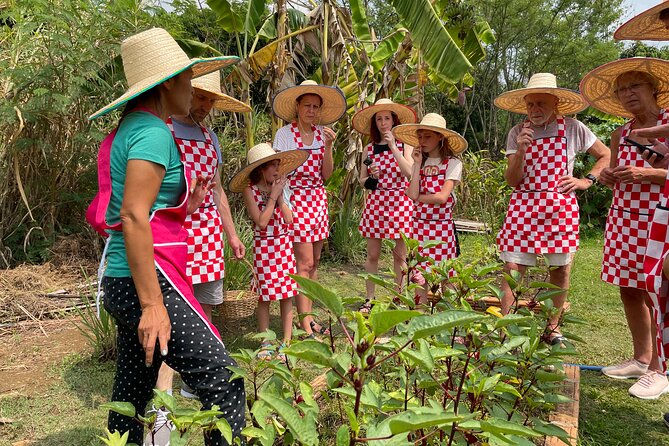
- Organic farm + kitchen garden time so you see where ingredients come from, not just how to cook them
- Market visit for spices and produce that helps you understand what you’re using later
- Pick your menu categories and adjust spice level mild to spicy
- Small groups (max 12) with real hands-on cooking at your station
- Hands-on Thai basics across curry paste, curry, stir-fry, soup, and spring rolls
Why Smile Organic Farm feels like the real Chiang Mai countryside
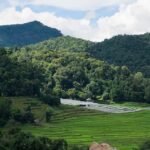
This isn’t a cooking class that stays in a classroom. The point is to get out into the countryside of Chiang Mai, then return to a kitchen setup designed for making food properly. Smile Organic Farm Cooking School gives you that “farm day” feeling, and you can actually connect the herbs and vegetables you see outside with what ends up on your plate.
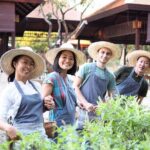
The farm setup also matters for comfort. Multiple guides are described as high-energy and organized, and that shows in the way the cooking flows: stations stay active, directions are clear, and you’re not standing around waiting for someone else to chop. With a maximum of 12 travelers, it’s small enough that people can get help while still moving through the lesson at a steady pace.
If you’re the type who likes learning by doing, this is a good match. You’re not just watching. You’re chopping, grinding, and cooking alongside everyone else, then eating what you made in a relaxed atmosphere.
You can also read our reviews of more tours and experiences in Chiang Mai.



Hotel pickup, market stop, and the rhythm of the half-day
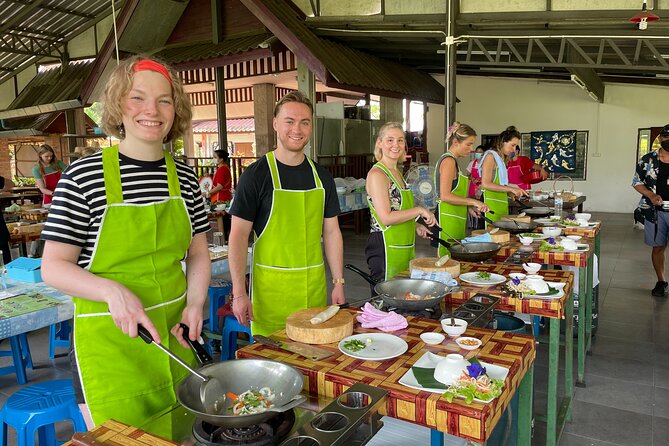
The day starts with round-trip transfers from your hotel or accommodation in Chiang Mai city. That is a big practical win. You don’t need to figure out rural transport, and you can focus on the food. Most classes like this live or die on timing, and the feedback here points to smooth pickup and an experience that keeps moving.
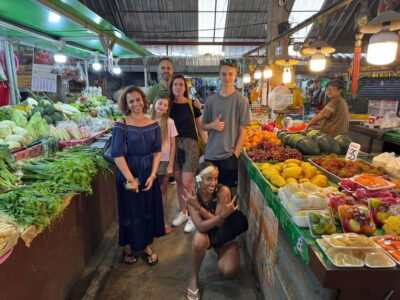
Before you head to the farm, you’ll stop at a local market for a brief visit. This is not a long wandering session. It’s more like a guided primer so you recognize common ingredients and spices. You’ll get a better sense of what Thai cooking is built on: herbs, aromatics, and spice blends that show up again and again once you start making curry paste and stir-fries.
You’ll then drive out to Smile Organic Farm Cooking School. Expect around 6 hours total. It still counts as a half-day in how it’s presented, but plan your day like it’s a full activity block with a meal built in.
One more small detail I like: you’ll have a mobile ticket, which makes check-in simple.
The farm garden lesson: herbs, smells, and ingredient context
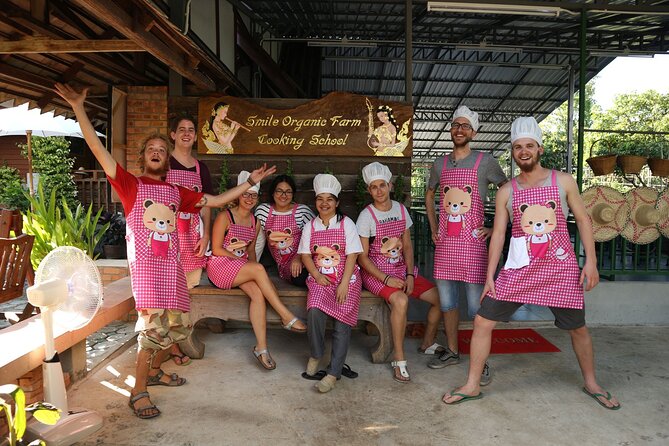
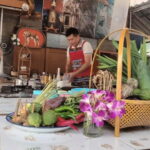
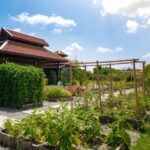
When you arrive, you’re not thrown straight into cooking. You start with menu planning and then learn about Thai herbs and vegetables in the organic kitchen garden. This is where the class feels more authentic than a generic “Thai cooking for tourists” experience.
The garden time is practical. You learn how Thai herbs and vegetables get used, which helps you understand why certain dishes taste the way they do. And it’s not just theory. You get to see the ingredient sources in a real growing environment.
Some farm moments also make people smile. One guest mentioned seeing animals around the farm area, including a chance to feed a tortoise and spotting French bulldogs. Those details aren’t the main event, but they add warmth and make the place feel lived-in, not staged.
If you like the idea of cooking with a clearer mental picture—what you picked in the garden turns into what you’re stirring in the wok—this garden portion is a big reason to book.
Choosing your dishes: vegan, vegetarian, and spice control
Here’s a feature that changes how much you’ll enjoy the class: you don’t just get assigned dishes. You’ll be shown the menu they provide, then you choose what you’ll cook in each category.
Every menu is able to be made vegetarian or vegan, and you can decide whether you want your dishes mild or spicy. That matters more than it sounds. Thai cooking can be intense if you’re not used to chili, and it can feel overwhelming when you’re trying to learn technique. Being able to control spice lets you focus on the real skills: balancing flavors, getting the right texture for curry paste, and learning how stir-fry timing works.
In the hands-on sessions, guides are described as supportive and funny, with clear step-by-step instructions. Names like Lilli, Luna, Love, K, Lizzy, Natalie, and Natty come up across experiences, which gives you a sense that different chefs lead different groups while keeping the same teaching style: energetic, organized, and hands-on.
One more practical upside: several guests mention having their own cooking station. That helps you actually cook, not just assist.
Curry paste, curry, stir-fry, soup, spring rolls: learning the core Thai techniques
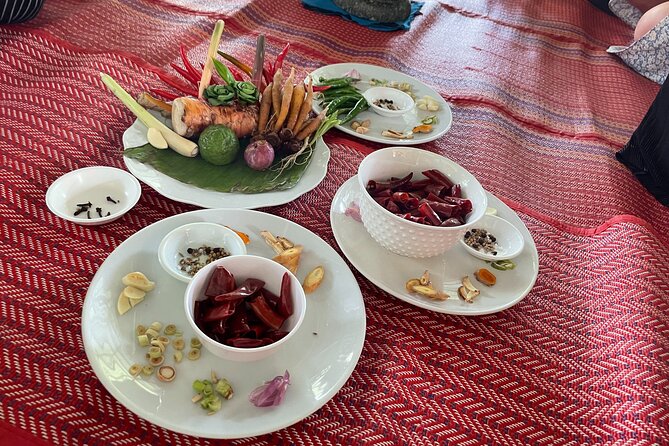
The teaching is organized into five cooking categories. You learn basic Thai cooking in each one, and you choose what you’ll make from that menu.


Curry paste: the flavor engine
Curry paste is where Thai cooking’s logic becomes clear. You grind and prep ingredients yourself, so you feel how aromatics and spices combine into a base that drives the rest of the dish. Guests specifically mention chopping and grinding, plus an introduction to the spices and pastes—exactly what you want if your goal is to cook at home later.
If you’ve tried Thai curry paste mixes before and thought they tasted flat, this is the fix. You’ll learn the building blocks and how to get the paste to feel right.
Curry: turning paste into something silky and deep
Once the paste is ready, you cook a curry with it. The class setup is designed so you can follow the steps and end up with a dish that tastes like real Thai food, not something watered down. Several examples in the experiences include curries and coconut-based dishes, and the guidance helps you understand the technique behind the flavor.
Stir-fried dishes: speed, heat, and correct timing
For stir-fry, you’re working with quick technique. Reviews mention doing the stir-frying yourself, and that’s the key. Stir-fry teaches you how Thai cooking handles heat and timing, not just ingredients. If you’re hoping to replicate meals later, this part is high value because it’s all about repeatable method.
Soup: comfort with real flavor structure
Soup shows you another side of Thai seasoning and balance. You’ll learn how the flavors come together and how to build something that feels both comforting and punchy. Some guests mention making coconut with chicken soup, and the overall feedback suggests the soups are part of the meal spread, not just a small side taste.
Spring rolls: texture and assembly
Spring rolls are part technique, part confidence builder. You’ll learn how the filling comes together and how the rolls are made. It’s also a crowd-pleaser, which helps if you’re cooking with family or friends who want at least one “everyone gets excited” dish in the mix.
Vegan or vegetarian handling across the categories
Because every menu can be made vegan or vegetarian, you’re not stuck with a single version of Thai food. You should still end up learning how flavors work together, whether the dish uses plant-based swaps or vegetarian-friendly bases.
Eating the results: portions, pacing, and the real-world tip to plan
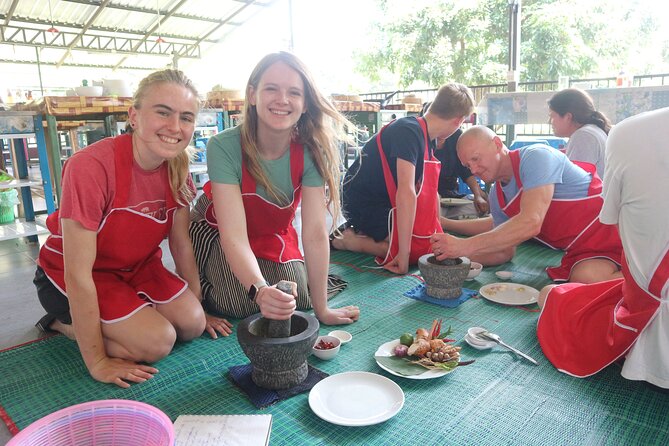
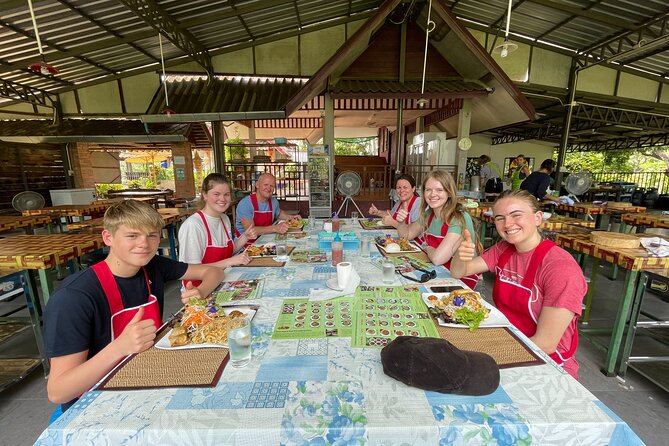
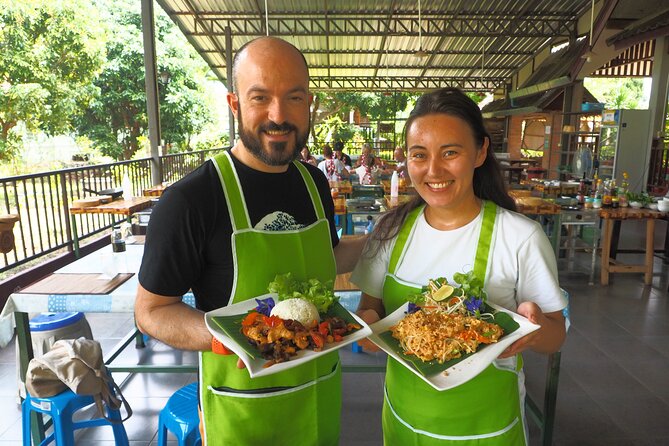
After cooking, you’ll enjoy the food you made in a relaxing atmosphere. This is one of those experiences where the meal is part of the lesson. You get to taste what you created right after you learned each step, which helps your brain connect technique to outcome.
The pacing is also mentioned as a strong point. Several experiences describe the class as well-timed and efficiently run, even when groups are around 12 people. That matters because Thai cooking can take momentum—chopping and cooking while multiple stations work means the pace shouldn’t drag.
Now the one drawback I’ll repeat because it’s real: you might leave very full. Multiple guests stress don’t eat all day, because the class dishes are enough to act like a real meal set. Even if you only cook three items, the portion and variety can still feel like a mini feast. If you’re the type who wants dessert later, consider how full you’ll be after curry, stir-fry, and soup-style dishes.
Price value in Chiang Mai terms: why $29.35 can make sense
At $29.35 per person, this class looks budget-friendly on paper. What makes it feel like a good value in practice is that you’re not paying just for “someone to teach cooking.”
You get:
- Round-trip transfers from your hotel area
- A market visit (short but focused)
- Time at an organic farm and kitchen garden
- Hands-on instruction across multiple cooking categories
- A meal made from what you cook (and you’ll likely want seconds)
For the price, it’s a solid option when you want more than a tasting. You want real technique. You want to leave with a mental map of how Thai flavor is built—from curry paste to curry to stir-fry and beyond.
Who should book it?
- Couples and solo travelers who want a memorable food experience without planning transport
- Families who enjoy doing activities together and want a hands-on meal
- Friends traveling as a small group who like learning in a lively setting
- Foodies who want to recreate Thai dishes at home and care about spices and prep methods
Who might want to think twice?
If you’re short on time in Chiang Mai, note that it runs about 6 hours. And if you’re not into cooking at all, you may find you’re doing more work than a simple tasting.
Family fit: cooking stations for kids and how the class handles ages
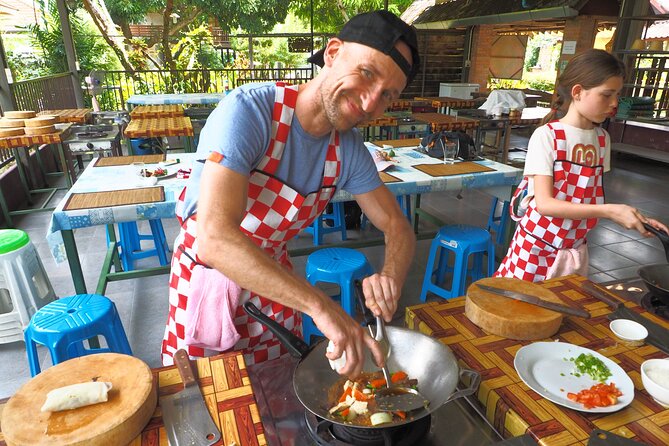
This experience is built to be flexible for kids. Children between 0–3 are free of charge. Children above 9 years old can have their own cooking stations as participants. For ages 4–8, there’s a specific visitor price noted.
If you’re traveling with mixed ages, this structure is helpful because older kids can participate properly rather than just watching. Younger children may be more suited to the viewing side of the day, depending on how they handle a multi-hour activity.
Should you book this Thai cooking class at an organic farm?
Yes, I’d book it if you want a Chiang Mai food experience that connects ingredients to cooking technique. The combination of market context, organic farm garden time, and hands-on cooking across core Thai categories is exactly what makes it more satisfying than a run-of-the-mill cooking demo.
Book this class if:
- You want to learn Thai basics you can actually repeat later
- You like small-group, station-based teaching
- You prefer the countryside setting over staying in town
- You need vegetarian or vegan options and want to control spice level
Skip it if:
- You’re trying to keep your day very light and quiet
- You don’t want to cook anything yourself
- You’re not prepared for a big meal payoff during the half-day slot
If you go in with an empty stomach and a willingness to get your hands messy, this is one of the most practical and fun ways to learn Thai cooking while seeing real Chiang Mai farm life.
FAQ
How long is the Thai cooking class?
The experience is listed at about 6 hours.
Do they pick up from my hotel in Chiang Mai?
Yes. Round-trip transfers are included, and pickup is offered from your hotel or accommodation in Chiang Mai city.
Is the class limited to a small group?
Yes. The maximum group size is 12 travelers.
Can the dishes be made vegan or vegetarian, and can I choose spice level?
Yes. The menu can be made vegan or vegetarian, and you can choose mild or spicy.
What dishes or cooking categories will I learn?
You learn basic Thai cooking in five categories: curry paste, curry, stir-fried dishes, soup, and spring rolls.
Is there a mobile ticket?
Yes. The tour includes a mobile ticket.
What’s the cancellation window?
You can cancel for a full refund up to 24 hours in advance of the experience start time.