REVIEW · CHIANG MAI
Chiang Mai: Chiang Rai Temples, Karen Tribe and Hot Springs
Book on GetYourGuide →Operated by MONKEY TRAVEL ASIA by Ask Discovery · Bookable on GetYourGuide
White and blue temples in one long day. This Chiang Rai tour strings together Wat Rong Khun and the nine-tier Huay Pla Kang temple, with breaks that actually help you stay human. I also like how the day starts at Mae Kachan Hot Springs, then shifts into real cultural stops before the big temple hits. The one catch: it’s a long haul with plenty of bus time.
You’ll go from Chiang Mai by air-conditioned coach to Mae Kachan, then keep rolling through the best-known (and a few less-visited) northern Thailand sites. The big value play here is focus: you don’t just drive past temples, you get guided context, plus an optional QR audio guide in 41 languages.
In This Review
- Key takeaways before you go
- A long day in Chiang Rai: what the pacing feels like
- Mae Kachan Hot Springs: a warm reset before temples
- Karen Long-Neck Mae Kachan Village: culture, crafts, and a sensitive side
- Wat Rong Khun, the White Temple: modern Buddhist art you’ll remember
- Wat Rong Suea Ten, the Blue Temple: gold details and a calmer center
- Huay Pla Kang Temple: Guan Yin, nine tiers, and the climb for views
- Price and value from Chiang Mai: what $35 buys you
- Timing, traffic, and how to not miss your moment
- What to bring (and what to skip) for a smooth day
- Who this tour fits best
- Should you book this Chiang Rai temples day trip?
Key takeaways before you go
- Mae Kachan Hot Springs as a warm-up stop: relaxing photo time and a guided visit, but swimming isn’t allowed.
- Karen long-neck Mae Kachan village: brass neck rings and handmade crafts, with an experience that can feel emotional.
- Wat Rong Khun’s white, glassy symbolism: modern Buddhist art with classic religious details.
- Wat Rong Suea Ten, the Blue Temple interior: gold accents, dragon guardians, and a calm central Buddha.
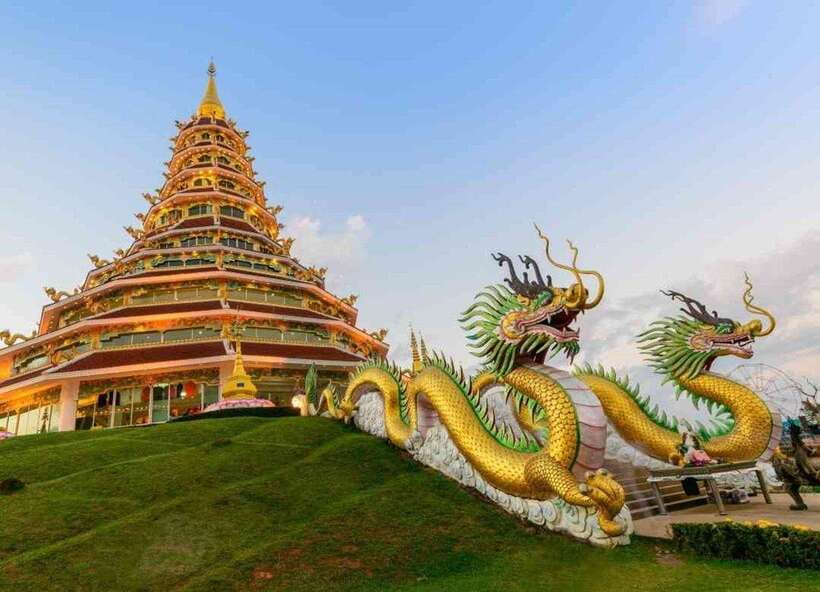
- Huay Pla Kang’s Guan Yin and nine-tier pagoda: lots to look at, plus stairs and views from the top.
- The guide matters: many guides on this route are praised for timing, clear explanations, and photo help (names you may see include Benz, Kwan, Ruby, Ann, and Dee).
A long day in Chiang Rai: what the pacing feels like
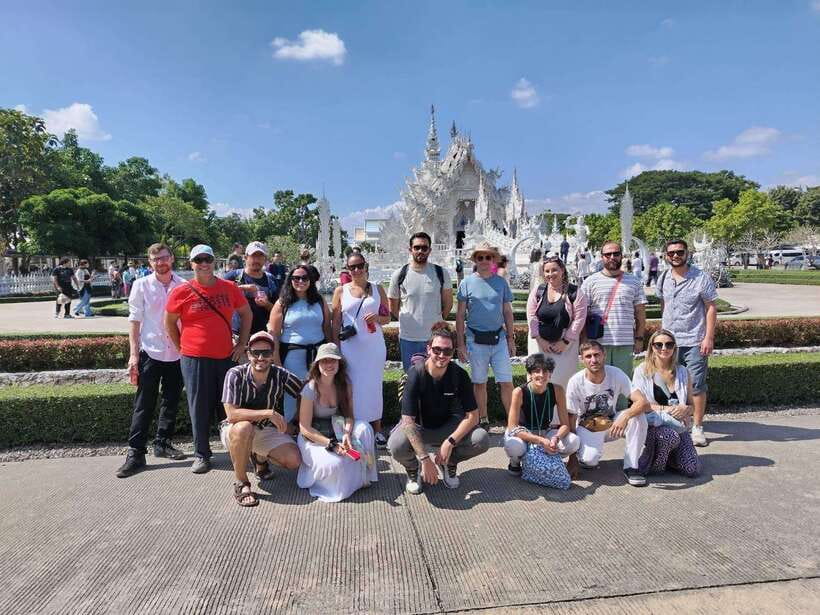
This is an all-day tour, starting with a coach ride out of Chiang Mai and ending back in town later that night. Plan for a full day of movement, sun, walking between temple areas, and time in a group schedule. If you hate tight timing, you’ll feel it most after the White Temple, where crowds and stairs can slow you down.
The upside is that the route is built like a playlist: warm reset first, then culture, then three standout temple stops. You’re not trying to conquer everything alone. The guide keeps you together and helps translate the meaning behind what you’re seeing.
You can also read our reviews of more tours and experiences in Chiang Mai.


Mae Kachan Hot Springs: a warm reset before temples
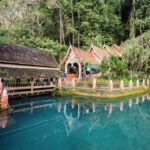
Your first real stop is Mae Kachan Hot Springs. You’ll get guided time to take in the scenery and let the warmth settle in before the heavier temple portion of the day. You can take photos and enjoy the calm, even if you’re not there to swim.
One practical note: swimming isn’t allowed here. That said, the hot-springs vibe still works as a comfort break, especially when Chiang Rai heat is starting to press in. I’d treat this as a recharge stop, not a full-on spa day.
Also, come with sensible expectations for time here. It’s long enough to feel like a proper start, but short enough that the day still moves. Bring water, and if you’re the type who forgets sunglasses, this is your moment to remember them.
Karen Long-Neck Mae Kachan Village: culture, crafts, and a sensitive side
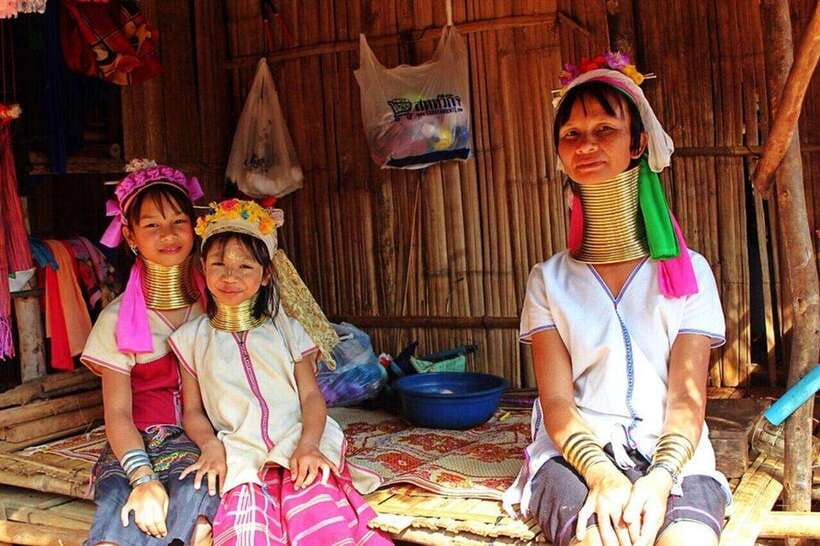
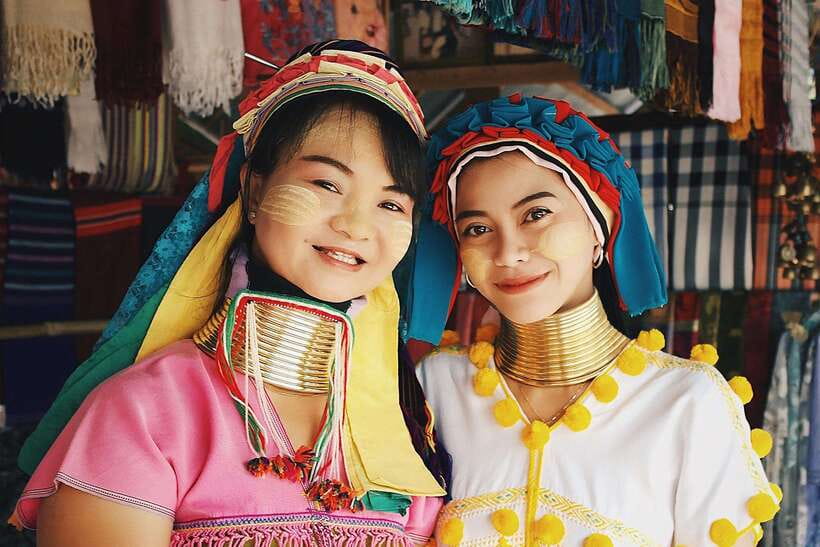
Next you head to the Mae Kachan Karen hill tribe village. This is where you’ll see the long-neck tradition associated with brass neck rings, a practice passed down through generations. You’ll also have time for photos and for browsing handmade crafts.
This is one of those stops that can land in two ways. It can feel fascinating—especially when you see the craft work and learn how daily life is shaped by tradition. At the same time, it can feel unsettling for some people, especially if you’re thinking about what this practice means beyond the photo.
My advice is to go in with respect and patience. Keep your expectations broad: this isn’t a staged museum, it’s someone’s home and history. If you buy crafts or textiles, do it thoughtfully, and don’t rush the conversation.
One extra cost: the long-neck village entrance fee is not included. The tour lists 300 THB for entry, so plan for that early so it doesn’t become a surprise mid-day.
Wat Rong Khun, the White Temple: modern Buddhist art you’ll remember
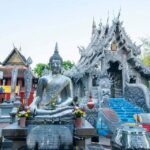
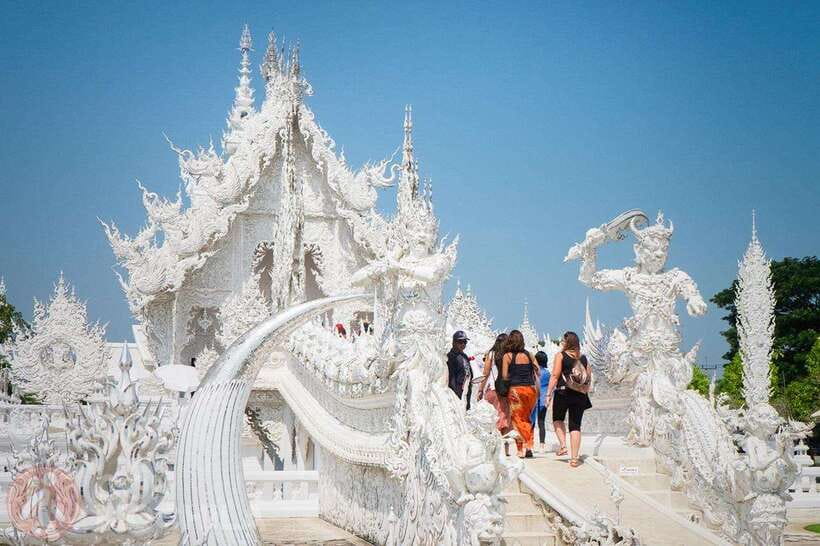
Wat Rong Khun (the White Temple) is the headliner most people picture when they think Chiang Rai. The temple’s all-white design is meant to represent purity, while intricate glass details are part of its Buddhist symbolism. It also mixes classic religious imagery with modern, surprising visuals, which is why it feels unlike any temple you’ve seen in Thailand.
Expect photos. Expect stairs. And expect that your “temple calm” will evaporate a bit during busy moments, because this site pulls in everyone. Still, the guided context helps a lot; you’ll understand what you’re looking at instead of just snapping pictures.
If you want the best experience here, slow down in small chunks: don’t try to speed-run every corner. Look for the details the white surfaces make obvious. And if your guide points out meanings behind the artwork, take it seriously—you’ll enjoy the temple more after the explanation.
Wat Rong Suea Ten, the Blue Temple: gold details and a calmer center
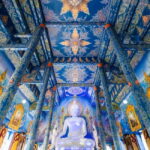
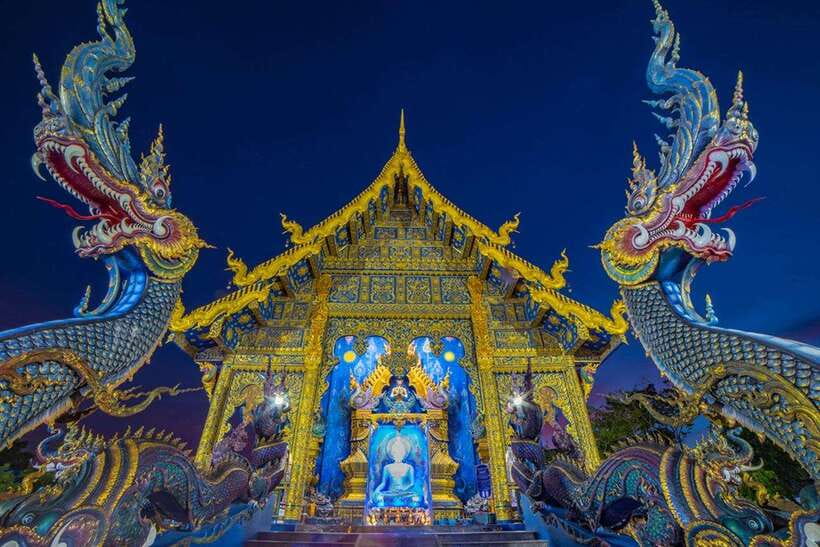
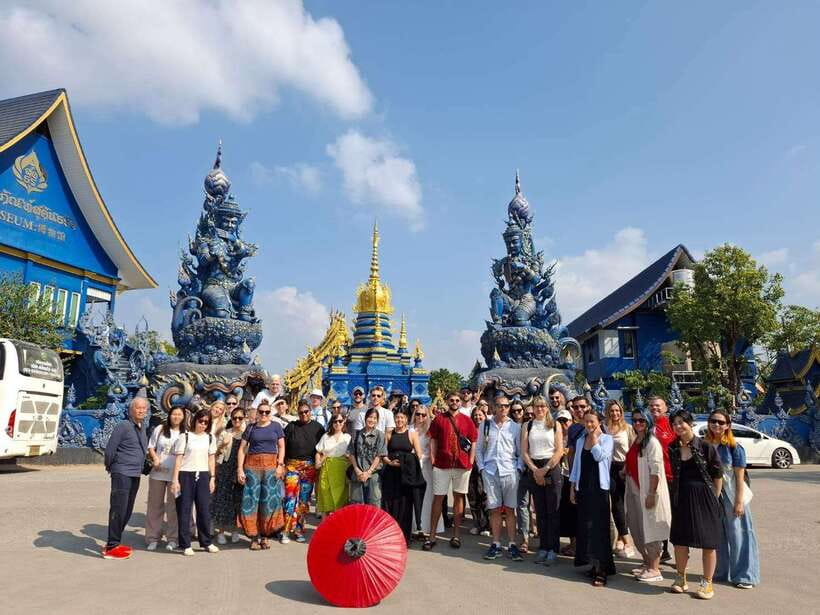
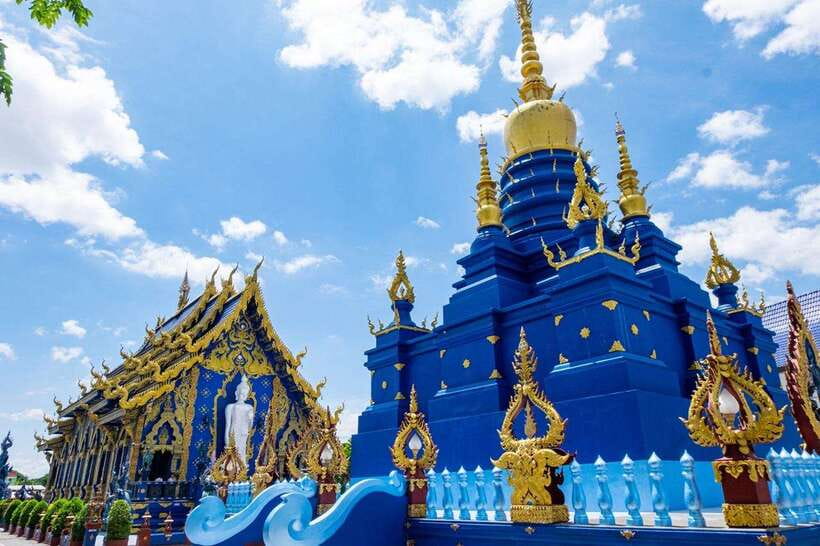
After lunch in Chiang Rai, the route shifts to Wat Rong Suea Ten, often called the Blue Temple. The vibe here is deeper and more enclosed: you’ll see deep blue interiors with gold details, plus dragon statues guarding the entrance.
Inside, there’s a calm, bright Buddha statue at the center. The contrast between the outside spectacle and the interior focus is part of why people love this stop. It’s more than a color theme; the temple feels like it’s asking you to slow down and look.
This temple also tends to offer small treats around the area, like the kind of ice cream people rave about after the tour. I’d still save your appetite for meals, but if a snack appears and you’re already in the mood, it’s an easy bonus.
Practical tip: wear shoes you can walk in comfortably. Temple floors and paths can be uneven, and you’ll likely be doing short bursts of climbing and descending.


Huay Pla Kang Temple: Guan Yin, nine tiers, and the climb for views
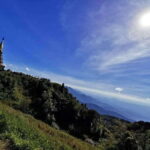
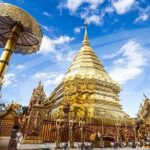
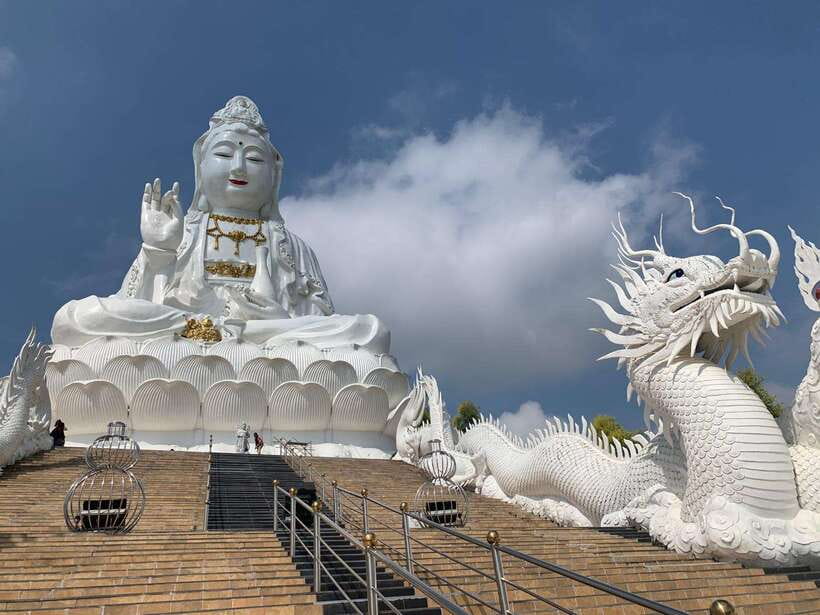
The day finishes at Huay Pla Kang Temple, known for a large statue of Guan Yin, the Goddess of Mercy, and for its impressive nine-tiered pagoda. This is the stop where you feel the scale. It’s also the one where you’ll likely spend more time navigating stairs and decorations across the grounds.
The route includes a guided visit and photo time. One of the reasons this temple works is that it rewards both kinds of visitors: you can focus on the big, iconic features (Guan Yin and the pagoda), or you can enjoy all the smaller carved details spread around the site.
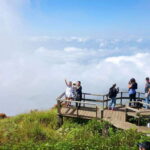
If your legs are tired by this point, don’t force a full climb to the maximum level. Go to the height that still feels enjoyable, then turn your attention back to what’s around you. You’ll still get the point of the place without pushing through discomfort.
Price and value from Chiang Mai: what $35 buys you
At around $35 per person, this tour is priced for a full day of structured temple time plus transportation from Chiang Mai. The biggest value comes from the combination of entrance fees and guidance: entrance fees are included for Wat Rong Khun, Wat Rong Suea Ten, and Huay Pla Kang, plus you get round-trip air-conditioned transport and an official guide.
What’s not included matters for budgeting: lunch and the long-neck village entrance fee (300 THB) are extra. Earphones for the QR audio guide are also not included.
So does $35 feel fair? Yes, if you want a one-day template for Chiang Rai highlights without planning your own route or worrying about timing. If you already know you’ll only want one temple stop, then the value drops. But for most people doing a first visit, this price-to-output ratio is strong.
I also like that there’s an optional audio guide via QR in 41 languages. The official guide is English-only, so audio helps if you want more detail in your own language. Just bring your own earphones.
Timing, traffic, and how to not miss your moment
Chiang Mai traffic can be real, so build in buffer time to the meeting point. You’re asked to meet the guide 15 minutes before departure at Burger King Thapae in Hotel M Chiangmai.
One more timing reality: the tour won’t wait for late arrivals. If you’re even slightly unsure about your morning transit, leave early and plan a calm buffer. That way you don’t spend the start of your day stressed.
Also, this tour isn’t about lingering for hours at one place. You’ll get time, but it’s structured time. Bring sunscreen and insect repellent, and expect that you’ll walk more than you think once you factor in temple stairs.
What to bring (and what to skip) for a smooth day
Come prepared for sun, steps, and a long coach ride. Bring passport or ID card, comfortable shoes, sunglasses, a sun hat, and sunscreen. Insect repellent helps too.
For equipment, bring your own earphones if you plan to use the QR audio guide. And if you carry a phone for photos (you will), consider charging options. Some buses have USB ports, which can be a lifesaver for a day packed with pictures.
Don’t bring large luggage or alcohol/drugs. This is a tour-day vehicle setup, not a carry-everything kind of trip.
Who this tour fits best
You’ll get the most out of this tour if you’re:
- Short on time in northern Thailand and want major Chiang Rai landmarks from Chiang Mai
- Interested in Buddhist art and architecture, not just quick photo stops
- Comfortable with a long day and group pacing
You should think twice if you have mobility issues. The tour isn’t recommended for people with mobility impairments, and temples like Huay Pla Kang involve stairs.
If you’re the type who loves guides, you’ll also appreciate that guides on this route are often praised for keeping energy up and offering practical help with what to look for and how to pace yourself.
Should you book this Chiang Rai temples day trip?
Book it if you want a single-day, guided route that covers the big iconic Chiang Rai hits: Wat Rong Khun, the Blue Temple, and Huay Pla Kang, plus a real cultural stop and a relaxing hot-springs start. The included entrance fees and transportation make the value feel solid, especially for a first-time visit.
Skip or reconsider if you hate long coach days, don’t want to climb stairs, or feel uncomfortable engaging with cultural practices at the long-neck village. If you do book, go in with respect, pace yourself after the White Temple, and budget the extra long-neck village entry fee and lunch.
If your goal is highlights-with-context in one day, this tour does that job well.