REVIEW · CHIANG MAI
Chiang Mai: Authentic Thai Cooking Class and Farm Visit
Book on GetYourGuide →Operated by Grandma's Home Cooking School · Bookable on GetYourGuide
Your curry starts in the garden. This Chiang Mai cooking class pairs a real organic farm walk with a hands-on Thai lesson in small groups; I love picking herbs and veggies and even collecting eggs for your meal, and you get to cook at your own station instead of crowding around one shared wok. The only real catch: you’ll eat a lot, so keep your evening plans light.
Before you ever touch a knife, you hit the market where ingredients are explained in plain English, then you build big Thai flavors from scratch. What really impressed me is the focus on curry paste—you’re not just following steps, you’re making the flavor base yourself with guidance from the instructor.
There’s also a full-day option that goes further into the texture and aroma side of Thai cooking. In the longer class, you’ll even make your own coconut milk using a coconut grater, which changes how you think about curry and mango sticky rice.
In This Review
- Key highlights I’d plan around
- Why this Chiang Mai class feels more like Thai life than a show
- The farm stop: vegetables, eggs, and Thai herb context
- Market walk: learning ingredients before you cook them
- Choosing your dishes: how the class menus typically work
- Inside the kitchen: individual stations and curry paste mastery
- Half-day vs full-day: when coconut milk grating becomes the star
- Half-day (morning or evening)
- Full-day (adds two extra courses)
- Eating what you make: sharing the table without the stress
- Pickup and timing: how to plan your day in Chiang Mai
- Price and value: is $33 really fair?
- Who this class is best for (and who should rethink it)
- Should you book Grandma’s Home Cooking School in Chiang Mai?
- FAQ
- What’s included in the Chiang Mai cooking class and farm visit?
- How many dishes will I cook?
- Is pickup available in Chiang Mai?
- Does the class offer vegetarian or halal options?
- What language is the instruction?
- What should I bring, and are pets allowed?
Key highlights I’d plan around
- Organic farm visit with hands-on harvesting: pick vegetables, collect eggs, and learn about Thai herbs right where they grow.
- Small group cooking with individual stations: easier pace, less confusion, more chances to ask questions.
- Make curry paste yourself: the class teaches you the flavor logic behind Thai curries.
- Market walk for ingredient context: you learn what matters in the dishes before you cook.
- Optional full-day coconut milk grating: a fun, memorable step that makes Thai desserts and curries feel real.
Why this Chiang Mai class feels more like Thai life than a show
Most cooking classes in Chiang Mai teach you recipes. This one teaches you ingredients first, which is why the food tastes more like what you’d get in Thailand instead of what you might recreate from memory later. You start with a market visit, then you move to an organic farm, and only then do you step into the kitchen.
That order matters. When you know what fresh galangal-like aromatics, herbs, and vegetables look like in real life, you cook with more confidence. And when you’ve collected eggs and harvested produce, the meal doesn’t feel like a script—it feels like your work.
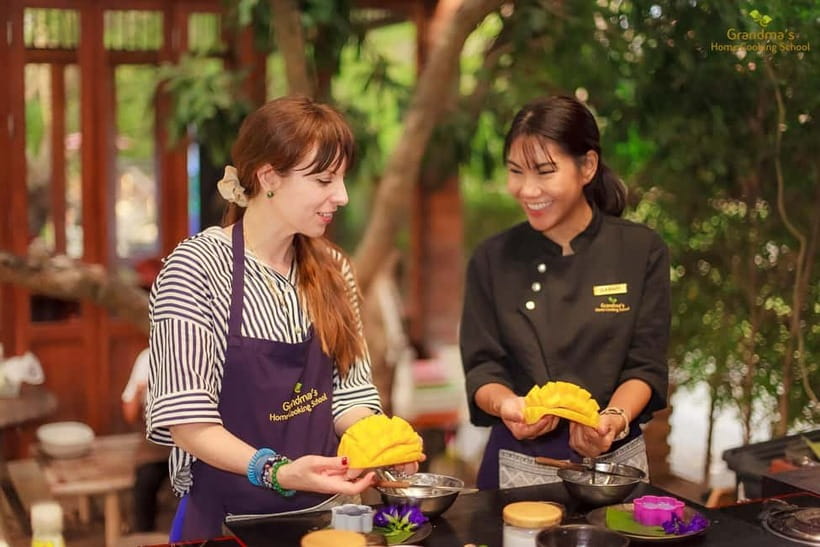
Another value point: the lesson runs with a small group (up to 10) and individual cooking stations. That means fewer bottlenecks and less standing around. In practice, you’ll be able to do more of the stirring, chopping, mixing, and adjusting that actually teaches you how Thai food comes together.
You can also read our reviews of more tours and experiences in Chiang Mai.



The farm stop: vegetables, eggs, and Thai herb context
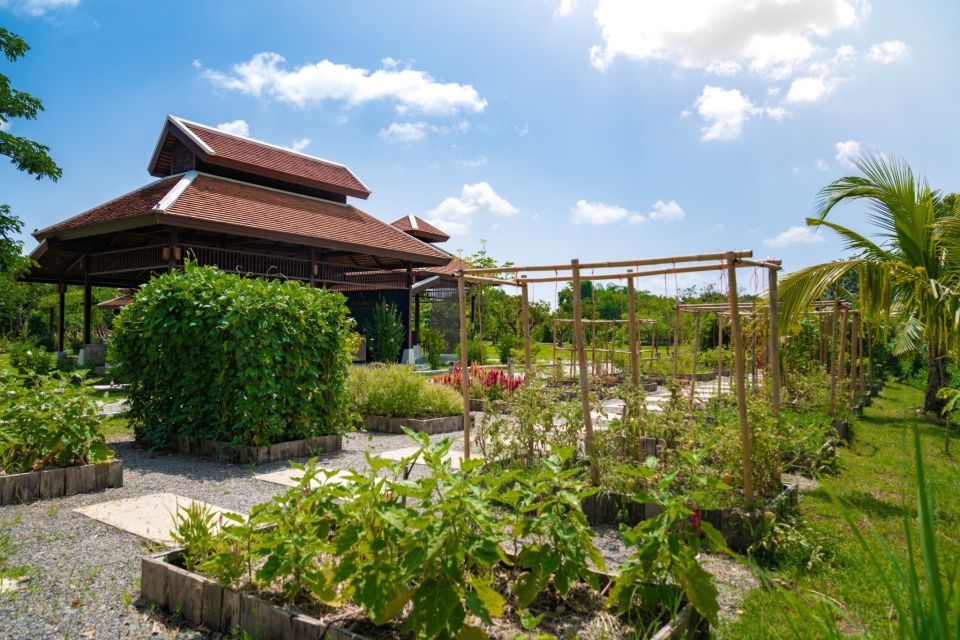
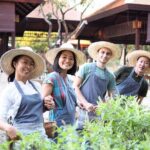
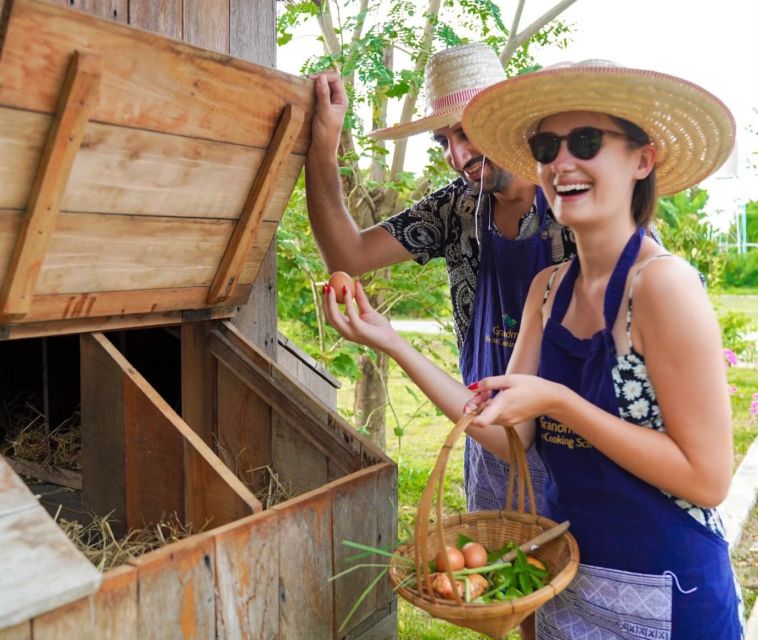
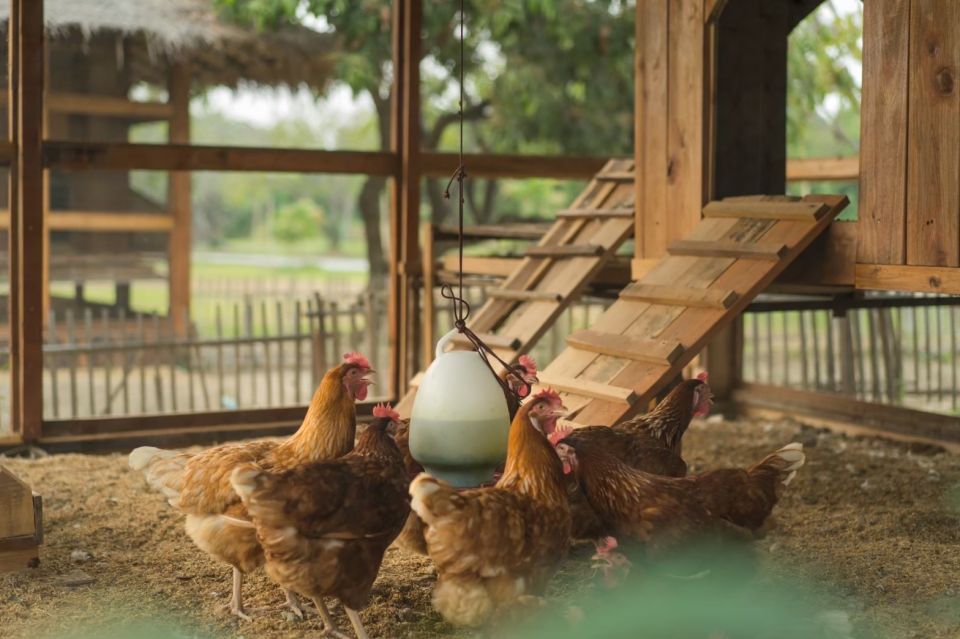
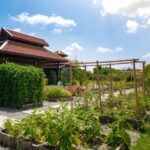
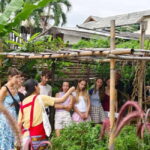
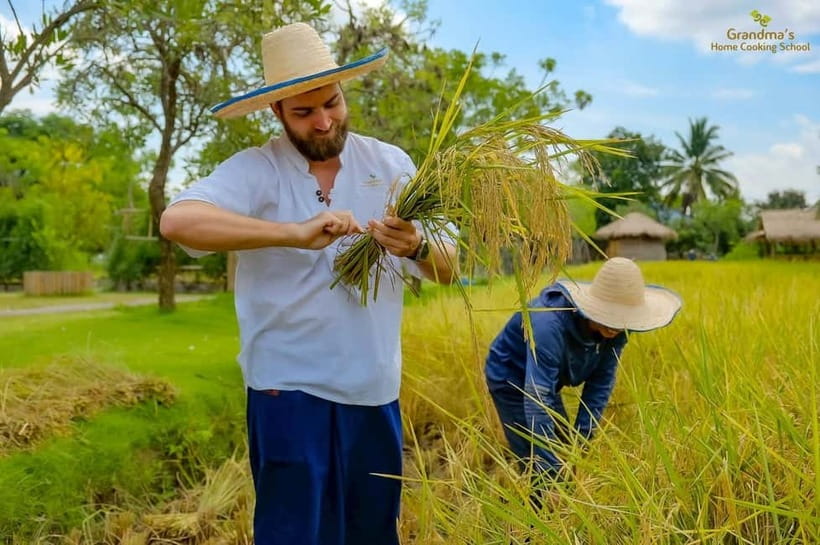
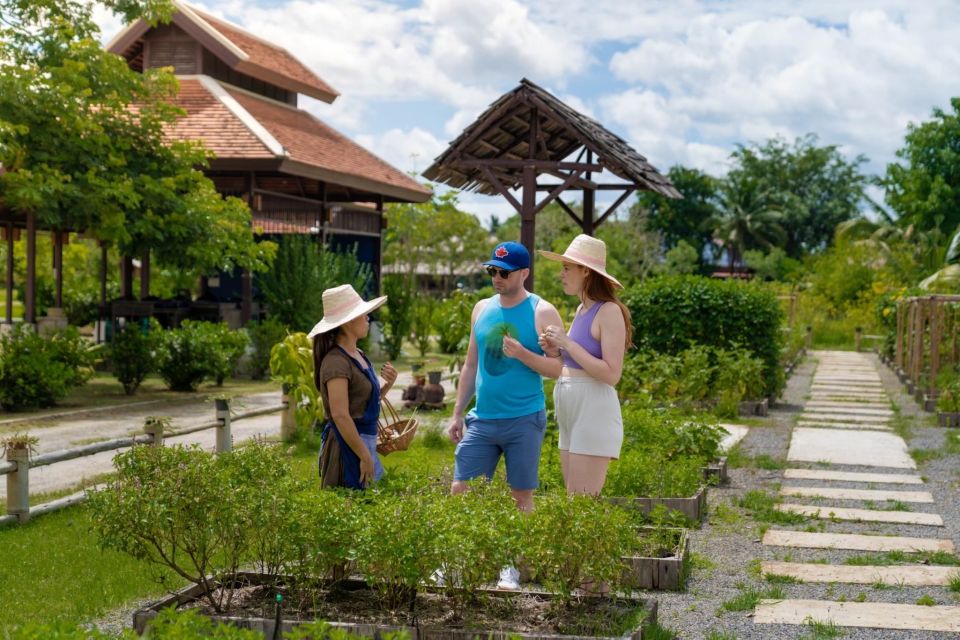
The organic farm visit is the heart of the experience. You’ll walk through the farm with your instructor to learn about Thai herbs and vegetables, then you pick fresh vegetables and collect eggs for your dishes. You may also help with feeding the chickens, which sounds simple—but it makes the farm feel active and personal instead of staged.
What I like about this part is the direct connection between what you saw outside and what lands on your plate inside. Thai cooking depends on freshness: herbs bruise differently, greens taste sweeter when they’re picked young, and eggs are part of the protein story in a way that doesn’t feel like an afterthought.
Practical tip: wear comfortable shoes. You’ll be walking on farm paths, not polished indoor flooring. A sun hat also helps, since you’re outdoors before you settle into the class.
Market walk: learning ingredients before you cook them
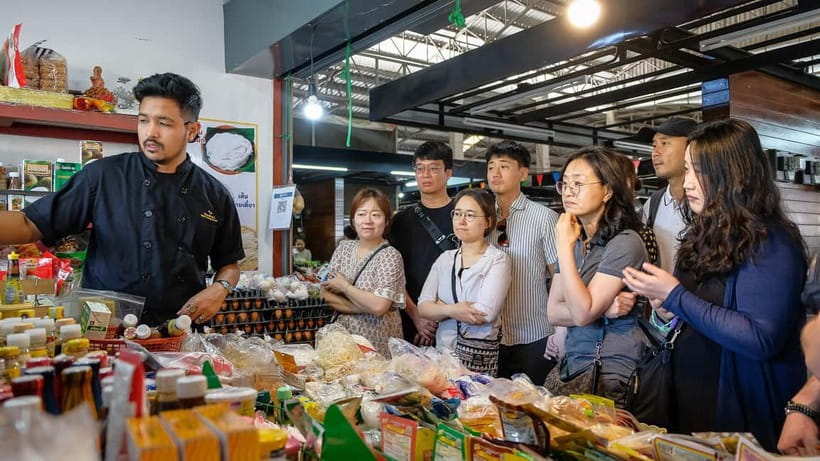
Next comes the market visit. The point isn’t to “window shop.” The point is to learn which ingredients matter and how they show up in Thai dishes you’ll make later.
Even if you’ve eaten Thai food plenty of times, markets change your understanding. You start noticing textures, colors, and the difference between fragrant herbs and strong-tasting ones. That’s the kind of knowledge that actually helps you when you’re back home trying to replace ingredients you can’t find.
This is also where the class gets its English-speaking structure. Your instructor (and market guide, depending on timing) explains ingredients clearly, so you’re not guessing. From what’s been shared by participants, guides often bring humor and lots of Q&A energy, which makes the market stop feel like learning, not just browsing.
Choosing your dishes: how the class menus typically work
You’ll meet your group and choose what you want to cook from the menu. In the half-day format, you cook 3 or 4 dishes. In the full-day format, you cook two extra courses beyond the half-day experience.
You’ll commonly see classic Thai favorites on the menu, including:
- Tom Yum Koong (Thai soup)
- Pad Thai
- Pad Kra Prao
- Curry (with multiple curry options)
One participant noted the menu structure included a soup choice with two options, pad Thai as a fixed option, plus multiple curry choices. Exact options can vary by session, so it’s smart to arrive ready to pick based on what you’re craving.
The key idea is simple: you get to cook enough to learn technique, but not so many dishes that you’re exhausted by the time you sit down.
Inside the kitchen: individual stations and curry paste mastery
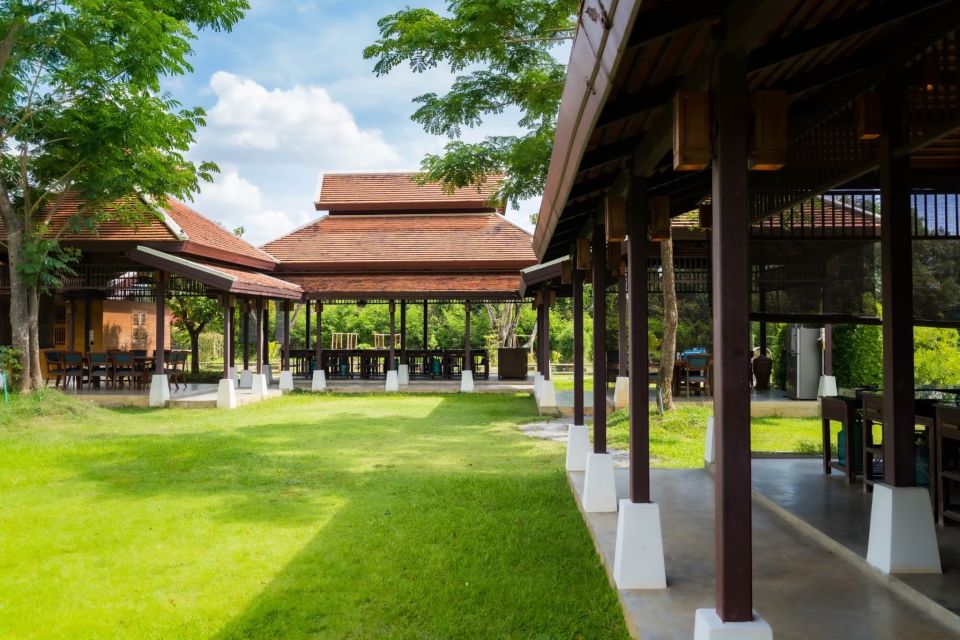
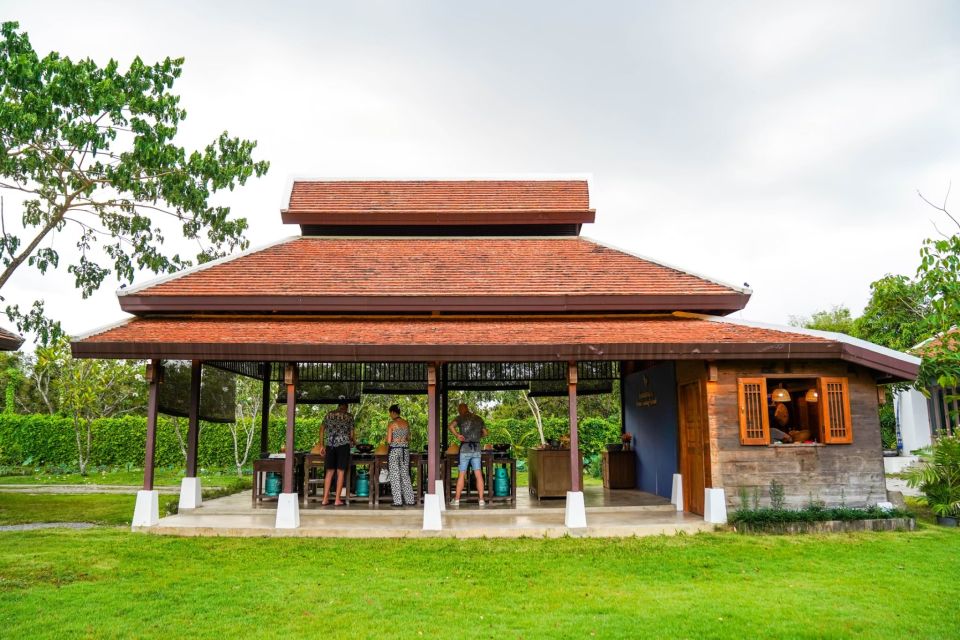
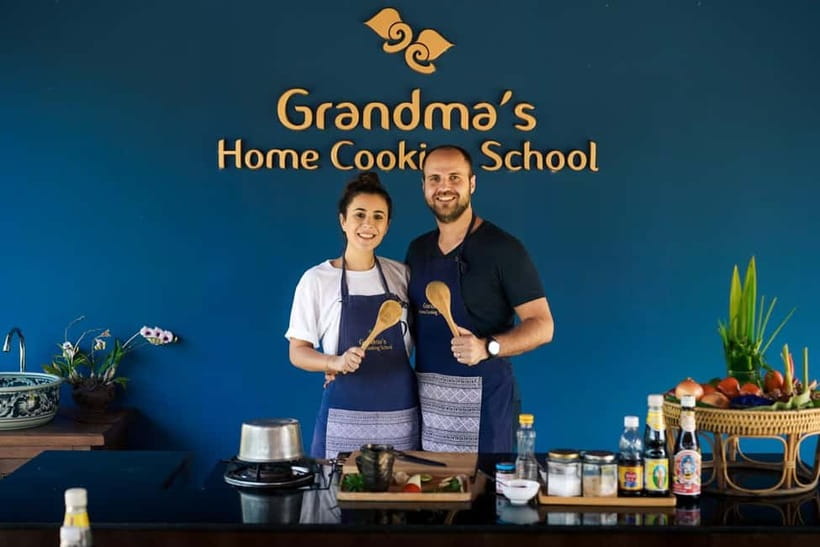
Once you’re back at the cooking area—set in the Lanna Pavilions style setup—you set up your own cooking station and start cooking.
Here’s where the “small group” benefit shows up again. With individual stations, you can actually work at your pace. You’re not waiting for a shared mortar or a single cutting board to become available. That means you’ll spend more time practicing and less time watching.
The biggest brain-and-taste moment is the curry paste step. You’ll create your own curry paste with the help of the instructor. That’s a major part of why curries can taste dramatically different even when they use similar base ingredients. Making the paste yourself helps you understand that curry isn’t only sauce—it’s flavor building blocks ground and blended into one base.
If you love Thai food and have ever wondered why one curry tastes earthy and another tastes brighter, this is the answer: paste work is the bridge between raw ingredients and the final dish.


Half-day vs full-day: when coconut milk grating becomes the star
You can usually choose a half-day class in the morning or evening. The longer option adds more cooking time and more technique, including coconut milk preparation.
Half-day (morning or evening)
In the half-day session, you’ll cook 3 or 4 dishes, including a mix of soup, stir-fries, noodles, and curry depending on your menu choices. It’s a great pick if you want Thai cooking lessons without taking over your whole day.
It also fits well with typical Chiang Mai planning. You can do this and still have time for temples, a night market, or just a relaxed Thai massage afterward.
Full-day (adds two extra courses)
In the full-day class, you’ll cook two additional courses and get the chance to make coconut milk yourself using a coconut grater. That’s a tactile, hands-on step—different from opening a can and hoping for the best.
And it’s not a random exercise. Coconut milk ties directly into your final dishes, including curry and mango sticky rice. The lesson becomes more memorable because you’re linking a physical action (grating) with the food result (creamy sweetness and body).
Eating what you make: sharing the table without the stress
This isn’t a “watch and sample tiny bites” type of class. You’ll enjoy a meal with your group after cooking, and you’ll have enough food that it can feel like more than you expected.
A few practical notes based on what’s been shared:
- Expect the class to be filling. People often recommend coming hungry.
- Mango sticky rice is commonly served at the end.
- If you want to slow down the waste, you can sometimes ask for something to take with you, depending on the flow of the class.
If you’re someone who likes to learn by doing and then actually eat what you made (not just a few forkfuls), you’ll probably feel like you got your money’s worth.
Pickup and timing: how to plan your day in Chiang Mai
Most sessions include pick-up and drop-off. Pickup is available within 10 kilometers of the city center of Chiang Mai, and you wait at your hotel lobby.
Timing depends on the session:
- Morning pickup is typically around 8:30 AM to 9:00 AM
- Afternoon pickup is typically around 11:30 AM to 12:00 PM
- Duration is listed as 4 to 6 hours, so confirm the exact schedule when you check availability
This matters because Chiang Mai days can fill up fast. If you’re doing temples or day tours, book this with buffer time, especially if you’re trying to fit it between other activities.
Also, you may find the cooking classroom has air-conditioning in at least some sessions, which can make a big difference in comfort when Chiang Mai is hot.
Price and value: is $33 really fair?
At around $33 per person, this class is priced in the “seriously worth it” range for Chiang Mai, mainly because it includes more than just cooking. You’re paying for:
- a market visit
- an organic farm visit
- market and cooking instruction in English
- pickup and drop-off
- small group size (up to 10)
- an e-recipe book
- the dishes you prepare and eat
The value comes from the full package. You’re not just learning recipes; you’re also learning what to buy and where your ingredients come from. That farm component alone is usually what separates a memorable class from a basic cooking demo.
If you compare cost to other half-day activities, this can still win because you leave with skills, recipes, and a meal that’s part of the lesson.
Who this class is best for (and who should rethink it)
This experience is a great fit if you:
- want a hands-on Thai cooking lesson with English support
- like learning ingredients and not only recipes
- enjoy farm-to-table style experiences without going full “tour-only”
- want to cook in a small group with individual stations
It may be less ideal if you:
- hate structured schedules (this tour has multiple stops in a set order)
- want a super-fast experience (it’s meant to be at least half a day)
- are only interested in one dish (you’ll likely cook several)
One note: the experience is applicable for non-Thai residents only. If that applies to you, great. If it doesn’t, you’ll need a different option.
Should you book Grandma’s Home Cooking School in Chiang Mai?
I think you should book it if you want more than a cooking class. The combination of a market ingredient lesson, a real organic farm visit, and the chance to make curry paste (plus coconut milk on the full-day option) makes this feel like a true taste of Thai food culture.
Also, the small-group format and individual stations are a big deal. In cooking lessons, that difference often determines whether you learn or just observe. With this setup, you’re doing the work, then eating the results.
If you’re trying to choose between half-day and full-day: pick half-day if you want classic Thai dishes and enough depth to cook confidently. Pick full-day if coconut milk and extra courses sound fun, and you want a longer, more immersive day.
FAQ
What’s included in the Chiang Mai cooking class and farm visit?
The experience includes a cooking class, market visit, welcome drink, local organic farm visit, an English-speaking instructor, small group size, pickup and drop-off service, and an e-recipe book.
How many dishes will I cook?
The half-day class is typically 3 to 4 dishes. The full-day class includes two extra courses.
Is pickup available in Chiang Mai?
Yes. Pickup is available within 10 kilometers of the city center of Chiang Mai. You wait at your hotel lobby. Morning pickup is usually around 8:30 AM to 9:00 AM, and afternoon pickup is usually around 11:30 AM to 12:00 PM.
Does the class offer vegetarian or halal options?
Yes. Vegetarian and halal options are available.
What language is the instruction?
The instructor is English.
What should I bring, and are pets allowed?
Bring comfortable shoes and a sun hat. Pets are not allowed.