REVIEW · CHIANG MAI
Chiang Mai: Doi Inthanon Trip with Pha Dok Siew Guided Trek
Book on GetYourGuide →Operated by LocalCNXTours · Bookable on GetYourGuide
Two hours of rainforest walking in the north. This Doi Inthanon day trip blends a Karen-led Pha Dok Siew trail with viewpoint stops like the King and Queen pagodas, and it feels respectful instead of rushed; the trade-off is an early 7:00–7:30 pickup plus chilly, foggy mountain weather that can make steps slick.
I also like the way the guides build the day around real place details, from tree and animal spotting to hill-tribe life. In recent tours I’ve heard guides like Toey, Chan, and Mr. Bobo keep the group moving, laughing, and learning without turning the day into a mad dash.
Before you pay, check your ticket option for the 400 THB national park fee. If it’s not included, you’ll pay cash on travel day, and you’ll want your warm layer ready because the higher you go, the colder it gets.
In This Review
- Key Highlights You’ll Feel Immediately
- Early Pickup From Chiang Mai and the Van Ride Rhythm
- Pagoda Stops: Meaning, Dress Code, and View Expectations
- Pha Dok Siew Nature Trail: Karen-Managed Trek With Bamboo-Bridge Support
- Lunch in the Jungle and Why It’s Timed for Energy
- Wachirathan Waterfall Photos: Cool Air, Wet Shoes, No Swimming
- Thailand’s Highest Point: The Roof of Thailand Isn’t Always Scenic
- The Real Win: Guides, Group Energy, and Getting Questions Answered
- What to Bring (and What Can Derail Your Day)
- Who This Tour Fits, and Who Should Rethink It
- Price and Value: What You’re Really Paying For
- Should You Book This Doi Inthanon Day Trip?
- FAQ
- Do I need to pay the national park fee separately?
- What time does pickup happen in Chiang Mai?
- How long is the trekking portion?
- Are you allowed to swim at the waterfalls?
- What should I bring for this trip?
- What footwear and clothing should I plan for?
- Is this tour suitable for wheelchair users or pregnant women?
Key Highlights You’ll Feel Immediately
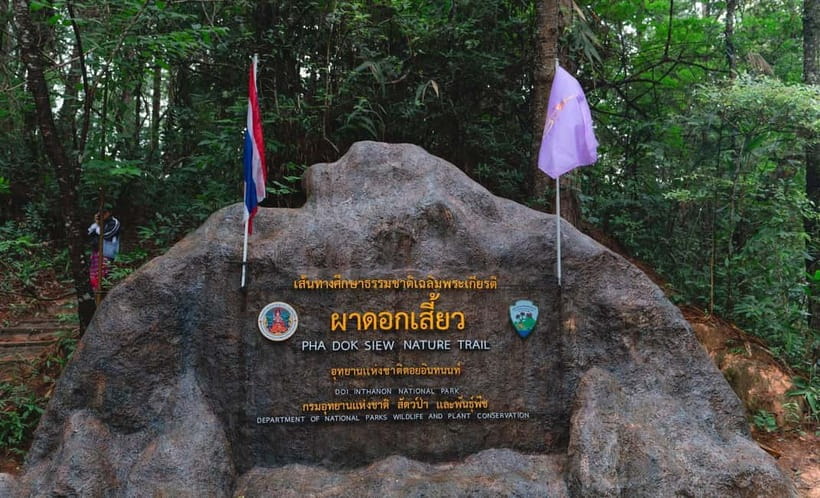
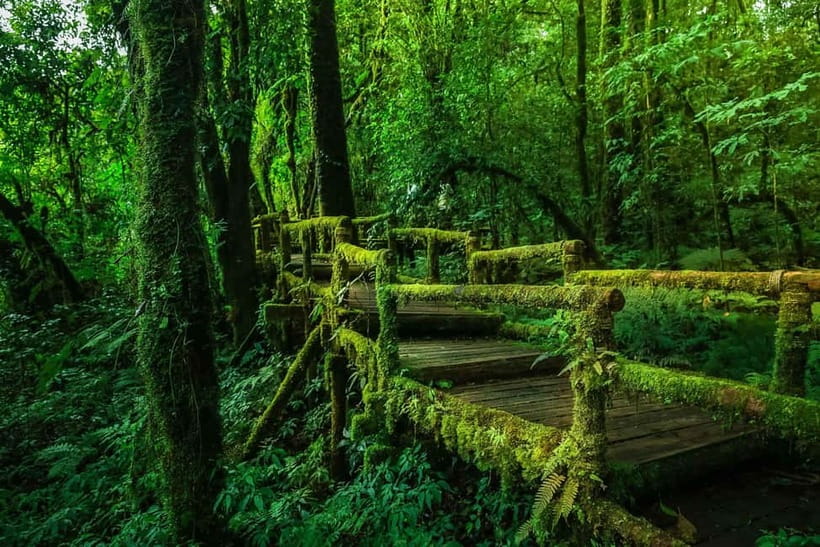
- Pha Dok Siew Nature Trail with Karen guidance on bamboo-and-wood improved paths near the waterfall
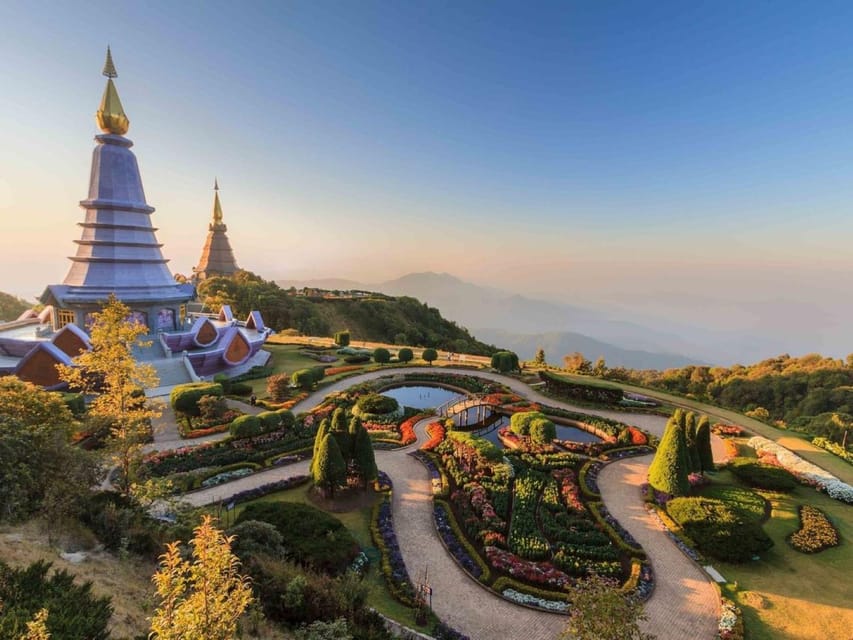
- King and Queen pagodas with panoramic views when the mist clears, plus a simple dress code
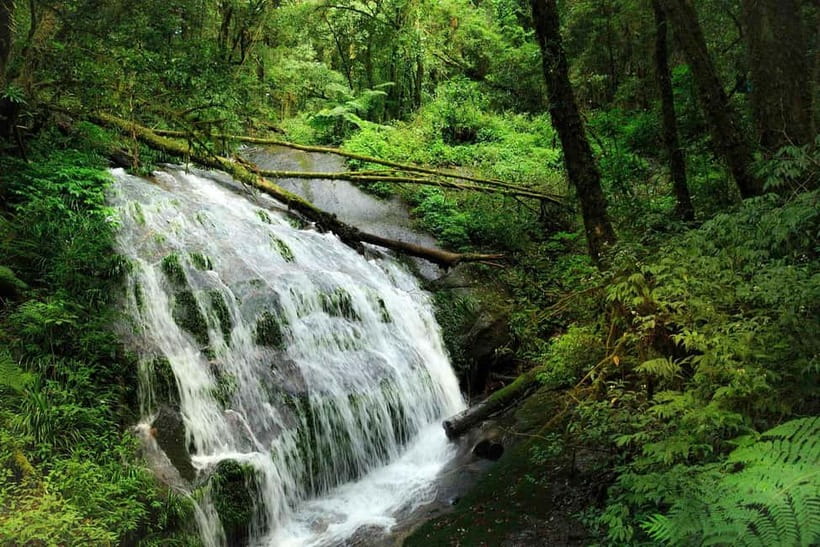
- Wachirathan Waterfall photo stop (no swimming) with that cool, wet mountain air
- A guided 2-hour nature walk that’s often straightforward but can still be slippery in rainy season
- Thailand’s highest point on Doi Inthanon (The Roof of Thailand), usually cool and often foresty at the top
- Small joint group (10–12 people), so you still get questions answered rather than shouted over
Early Pickup From Chiang Mai and the Van Ride Rhythm
This is a proper day trip, meaning you leave before sunrise. Pickups run roughly from 7:00 to 7:30 in the Old City area (and around Burger Kings), and traffic can be heavy enough that your travel time may differ from what Google Maps promises. The tour meeting point commonly ties to Imm Hotel Tha Pae, and the key rule is simple: be there early, because guides wait up to 10 minutes.
Once you’re rolling, you’re in an air-conditioned van for much of the morning. That matters because Doi Inthanon sits high enough that weather shifts fast. You’ll want to treat the ride as part of the experience: use it to hydrate, prep your layers, and get your camera ready for when the views finally show up.
You can also read our reviews of more tours and experiences in Chiang Mai.



Pagoda Stops: Meaning, Dress Code, and View Expectations
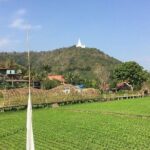
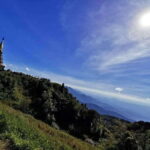
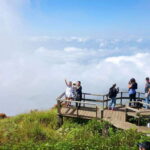
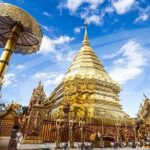
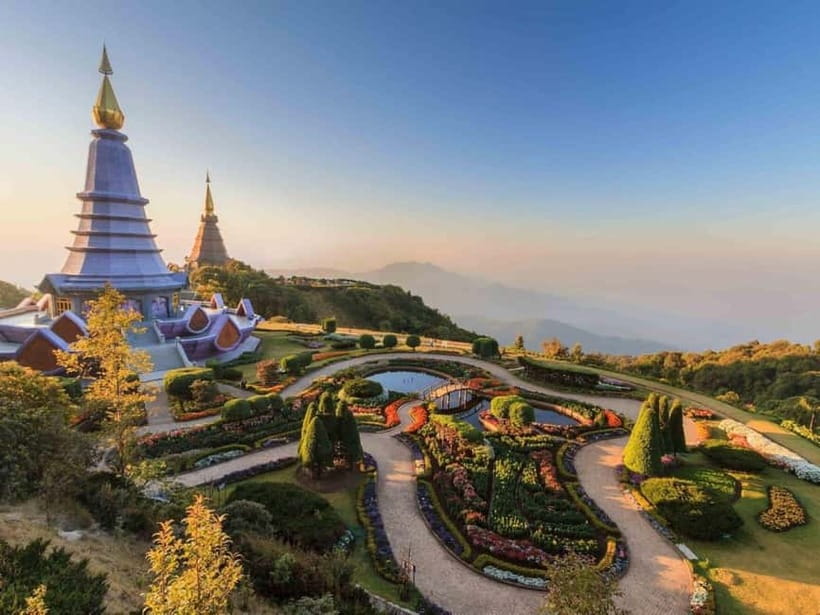
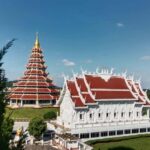
The first major cultural stop centers on the twin pagodas area at Grand Pagoda Nabhapolbhumisiri (the King and Queen pagodas complex). These are not just quick temple photo ops. They’re placed for viewpoints over the mountains, so on clear days you can see why people come here for wide, airy panoramas.
There’s also a practical dress code to respect. Plan on casual shoes and modest clothing: no tank tops and no flip-flops. Sneakers or sports shoes are fine. If you forget, you can end up trying to improvise, which is never fun when you’re already juggling cold air and a long day.
One honest heads-up: weather can be thick. If you arrive in fog or low visibility, you might get the pagodas’ atmosphere more than big scenic horizons. Still, it’s a worthwhile stop for the design and the calm break from hiking.
Pha Dok Siew Nature Trail: Karen-Managed Trek With Bamboo-Bridge Support
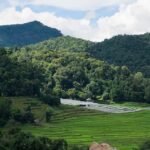
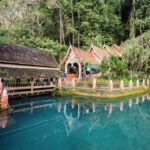
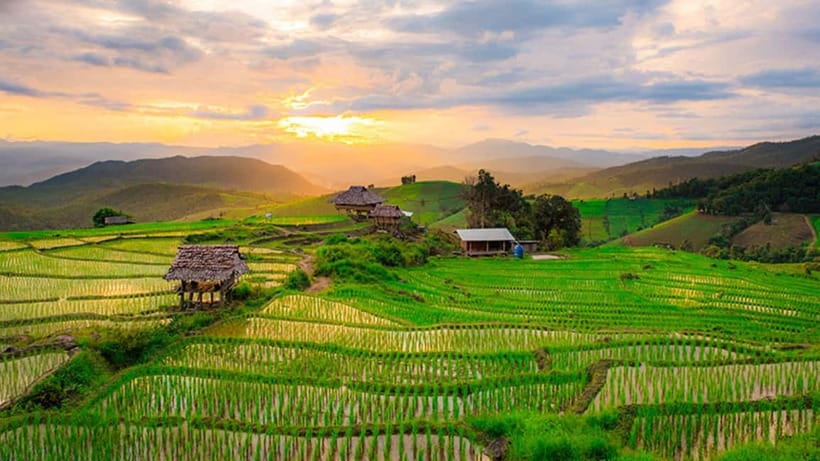
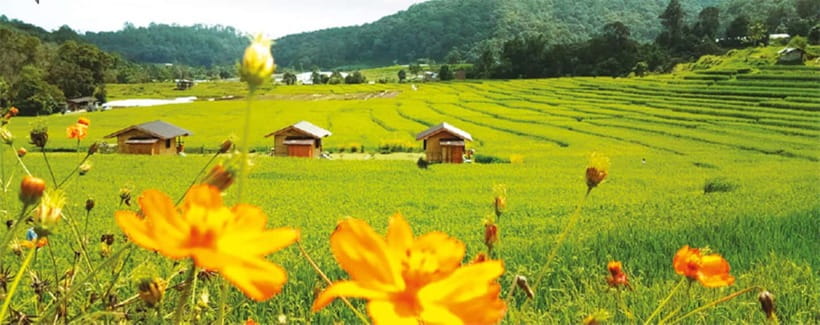
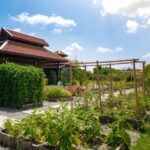
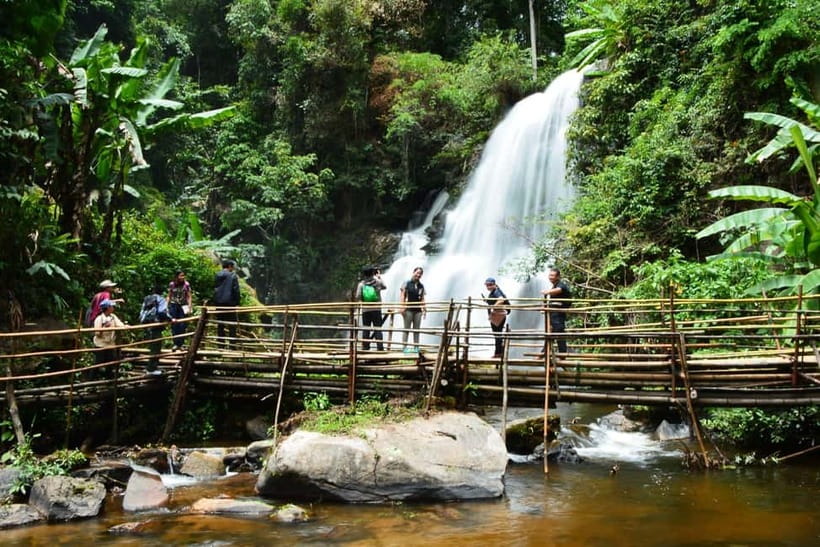
The heart of the day is the guided hike at Pha Dok Siew Nature Trail, scheduled for about 2 hours. This trail is managed by the Karen people, and it has been improved with safety features like bamboo and wood bridges, stairs, and railings near the waterfall areas. There are also educational boards along the way to help you connect plant and animal life to what you’re actually walking through.
What you’ll feel on the trail depends a lot on conditions. In drier weather, it’s more of a nature walk than a pounding workout. In rainy season, expect slick footing. Even when the pace is comfortable, steps, bridges, and uneven ground can still test your balance—especially if you don’t wear grippy shoes.
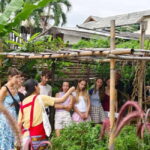
A detail I really like about this part of the tour is that it’s not just sightseeing; it’s explanation. Guides often point out vegetation and small wildlife and explain how local people read the forest. The Karen guides also tend to make the walk feel more human, less like a theme-park route.
Lunch in the Jungle and Why It’s Timed for Energy
Lunch comes after the trek, with about 1 hour set aside. Expect a set menu lunch, and plan for the fact that it’s being served in a park setting, not a restaurant kitchen. Based on the tone of past group experiences, the meals can range from basic to quite satisfying, but the main value is that it keeps you fueled for the rest of the day without rushing.
This is also often where the hill-tribe culture gets practical. Many guides include a chance to try local tea and coffee, connected to the broader hill-tribe tradition of coffee-making. One guest described the coffee and tea tasting as a standout, and that tracks with how these communities earn a living—by growing, roasting, and sharing.
If you have dietary needs, ask ahead. Vegetarian options have come up positively in past experiences, but you shouldn’t assume every group can handle every request. A quick message before pickup can save stress later.
Wachirathan Waterfall Photos: Cool Air, Wet Shoes, No Swimming
The schedule then shifts to the Wachirathan Waterfall area. You’ll get a photo stop and a visit window of about 1 hour. This is one of those stops where you’ll feel the mountain air change: cooler, damp, and usually windier the closer you get.
The big rule here is straightforward: no swimming. So bring a mindset geared toward photos, short walks on safe viewing points, and letting the waterfall do the talking. In rain or mist, the waterfall often looks even better, but it also means more slipping risk on paths. Wear shoes you can trust.
If you hate cold mist, bring a light rain layer anyway. You don’t need a mountain expedition kit, but you do want something that keeps your jacket workable once you’re wet.


Thailand’s Highest Point: The Roof of Thailand Isn’t Always Scenic
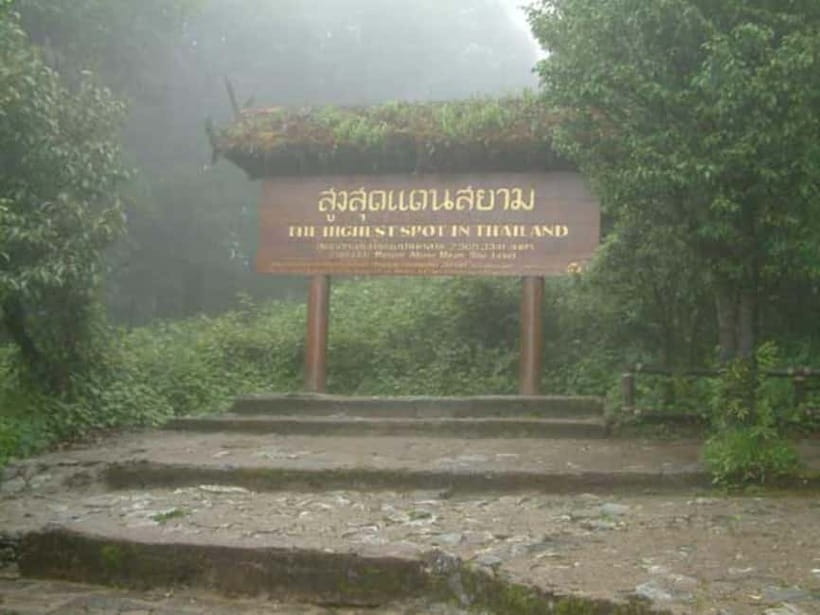
Yes, you’ll visit the highest point on Doi Inthanon, often described as Thailand’s Roof of Thailand. Here’s the reality check: the summit area can feel more like forest than postcard scenery. Fog can hide distance, and trees can dominate the view.
That said, this stop still has value. It anchors the whole day—your earlier climbs, the pagoda viewpoints, and the waterfall atmosphere all make more sense when you reach the top. Even if the view is limited, you’ll feel the altitude shift. Expect cooler temperatures and bring a warm layer even if Chiang Mai feels warm that morning.
The Real Win: Guides, Group Energy, and Getting Questions Answered
This is a joint tour for 10–12 customers, and that size is part of why it works. You’re not stuck waiting behind a single loud group for every photo. Instead, you can actually ask questions.
Guide styles vary, and that’s a good thing. Past groups have had guides like Toey, Chan, Mint, Nena, and Mr. Bobo, and the common thread is humor plus explanations. Expect talk about forest plants and survival skills, hill-tribe traditions, and how daily life connects to the landscape you’re walking through.
If you want the best experience, come with curiosity. Ask what you’re seeing, what’s safe to touch, and how locals recognize weather changes. You’ll get more than just route directions—you’ll get context.
What to Bring (and What Can Derail Your Day)
This trip gives you limited time at each stop, so packing matters. At minimum:
- A hat
- A warm layer (cooler summit air is common)
- Grippy shoes for slick steps and bridges
Because it’s in a national park environment, you’ll want to keep your kit light. The tour also notes no big bags and no luggage that takes up space.
Don’t plan on bringing pets or alcohol. And for temple visits, remember the dress code: no tank tops and no flip-flops.
Also consider the physical reality of a 2-hour guided walk and uneven terrain. It’s not described as a hardcore mountain expedition, but it can still wear your legs—especially in heat and rain.
Who This Tour Fits, and Who Should Rethink It
This trip is a great match if you want one day that covers nature, waterfalls, and hill-tribe culture with a guide. It’s especially good for people who like structured pacing and don’t want to navigate park roads, entrances, or trail information alone.
But it’s not suitable for everyone. The tour states it’s not suitable for pregnant women, wheelchair users, people with altitude sickness, babies under 1, and people over 70. If any of those apply, it’s worth picking a different Chiang Mai option with less uneven walking and fewer altitude variables.
If you dislike cold weather, understand this is a higher-elevation day trip and you’ll likely feel it.
Price and Value: What You’re Really Paying For
The posted price is around $50 for a day trip, but your total value depends on whether the national park fee is included in your option. You might see two clear choices:
- Option including the park fee, where you don’t pay more later
- Option excluding the park fee, where you pay 400 THB per person in cash on travel day
Here’s how to think about value. You’re paying for roundtrip transport from Chiang Mai, a guide, lunch, and trail fees, plus the benefit of having local Karen guidance on a specific nature trail. If you’re comparing to self-guided options, the guide is the difference-maker: it adds interpretation, safer trail navigation, and cultural context that you wouldn’t reliably get on your own.
So if you hate surprises, pick the option that includes the park fee. If you’re comfortable carrying a bit of cash and double-checking ticket terms, either option can work.
Should You Book This Doi Inthanon Day Trip?
Book it if you want a full Chiang Mai day that doesn’t just do temples. You’ll get a real guided forest walk on the Pha Dok Siew trail, plus pagodas, waterfalls, and a meaningful “Roof of Thailand” stop—all with a group size that still lets you talk to your guide.
Skip or reconsider if you’re sensitive to cold, have mobility limits, or want a purely relaxed, low-step outing. This is a structured day with a guided trek and national-park walking conditions. And if you’re traveling in rainy season, plan for wet footing.
If you’re in the sweet spot—healthy legs, curious mind, warm layers ready—this is one of the better-value ways to see Doi Inthanon in a single day.
FAQ
Do I need to pay the national park fee separately?
It depends on your ticket option. Some options include the national park fee, while others require an additional 400 THB per person paid in cash on the day you travel. Double-check your ticket carefully.
What time does pickup happen in Chiang Mai?
Pickup is typically 7:00 to 7:30 am in the Old City area (and around Burger Kings). Heavy morning traffic can affect timing, and the guide will wait up to 10 minutes.
How long is the trekking portion?
The guided hike at Pha Dok Siew Nature Trail is scheduled for about 2 hours.
Are you allowed to swim at the waterfalls?
The tour description says no swimming, even though you’ll visit waterfalls and enjoy photo stops.
What should I bring for this trip?
Bring a hat and expect cool conditions at higher elevations. A warm layer is a smart idea, especially if rain or mist is possible.
What footwear and clothing should I plan for?
Wear shoes that handle uneven, possibly slick paths. For the King and Queen pagodas, you must follow a casual dress code: no tank tops and no flip-flops.
Is this tour suitable for wheelchair users or pregnant women?
No. The tour states it’s not suitable for pregnant women and wheelchair users, and it’s also not suitable for people with altitude sickness or certain age groups.