REVIEW · CHIANG MAI
Thai and Akha Cooking Class in Chiang Mai
Book on Viator →Operated by Thai Akha Kitchen · Bookable on Viator
Six hours, one kitchen, two food worlds. This Chiang Mai class pairs a morning market (when you choose the morning session) with serious hands-on cooking, including Thai staples and Akha-style specialties. I like the way it gives you real instructor time in a small group, and I like how you end up eating a full meal made by your own hands.
You should also know the class is a long, food-focused stretch—come with an empty stomach and expect to stay busy. The trade-off is worth it for most people, because you’re not just watching dishes go by; you’re cooking, tasting, and learning how the flavors work.
In This Review
- Key things I’d circle first
- Morning market first, then a real cooking rhythm
- How Thai and Akha cooking fit together on the menu
- The kitchen setup: individual stations, high cleanliness, and steady coaching
- What you’ll actually cook: courses and standout Akha flavors
- The meal you eat: why the sit-down matters
- Price and value: how $42 buys a full teaching day
- Who should book this class in Chiang Mai
- Quick tips to make your day easier (and better)
- Should you book Thai and Akha Cooking Class in Chiang Mai?
- FAQ
- How long is the Thai and Akha Cooking Class in Chiang Mai?
- Is hotel pickup included?
- Does the class include a market visit?
- How many people are in the group?
- What kinds of dishes will I cook?
- Is coffee included?
- Do you get a cookbook?
- Are alcoholic drinks included?
- What should I bring with me?
- Is free cancellation available?
Key things I’d circle first
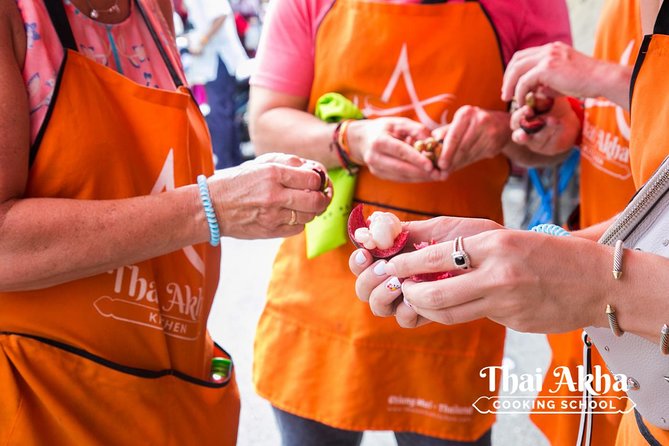
- Market shopping in the morning session to pick herbs, vegetables, and fruits tied to your recipes
- Akha signatures like Akha salad, Akha soup, and sapi thuong tomato dipping sauce
- Small-group coaching (max 12) at your own cooking station
- Instructors like On and Niti praised for clear, funny, step-by-step guidance
- Lots of variety in one day: appetizers, soup, curry paste, curry, and two desserts
- You leave with a full color cookbook to recreate the meal at home
Morning market first, then a real cooking rhythm
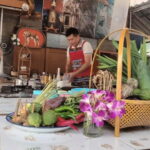
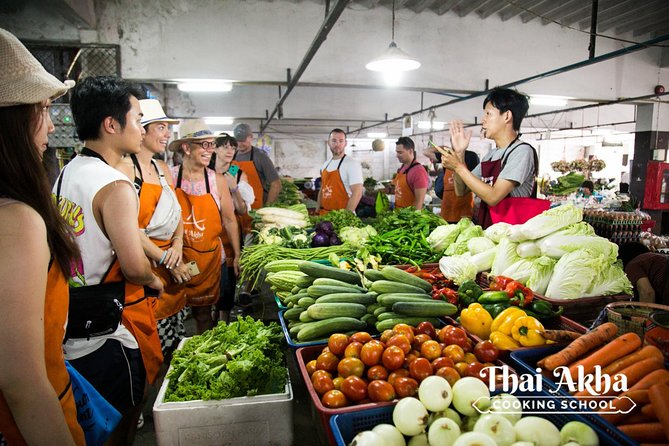
Your day starts with hotel pickup in central Chiang Mai, then the class moves to the cooking school. If you book the morning session, you’ll head out for a local market visit before you cook. That market stop isn’t just scenery. It’s where you get oriented to the ingredients that make Northern Thai cooking taste like Northern Thai—herbs, fruit, and vegetables that may be unfamiliar if you usually shop only by name.
I like the flow because it mirrors how cooking actually works: see the ingredients, understand what they’re for, then use them in a step-by-step plan. If you choose the afternoon session, you skip the market and go straight to the kitchen portion, which can feel easier if your mornings are packed.
Plan to arrive ready to work. The class guidance is clear: come with an empty stomach. Reviews repeatedly flag that as the easiest way to enjoy the day, because you’ll be tasting as you cook and then eating the full meal at the end.
One practical note: the pickup is only within a limited radius of the city area. If your hotel is outside that range, you might need to arrange your own ride to the meeting area.
You can also read our reviews of more tours and experiences in Chiang Mai.

How Thai and Akha cooking fit together on the menu
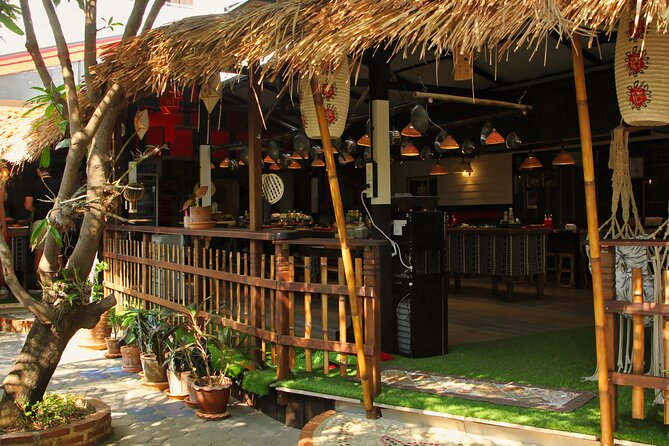
This isn’t a generic “Thai food cooking class.” The menu is built to teach the connection between Thai fundamentals and Akha Hill Tribe flavors. You’ll cook a set of dishes that includes Thai-style curry work (including curry paste and curry), plus Akha dishes that use different ingredient ideas and flavor patterns.
What makes this class useful is that it doesn’t treat Thai and Akha as separate worlds. It puts them in the same rhythm of shopping, prep, and cooking so you can see how techniques overlap. And you’ll get to hear how certain ingredients show up across dishes, which is what helps later when you try to cook at home.
Expect a menu that’s large enough to feel like a meal tour of your own making. You’ll prepare multiple courses—two appetizers, a soup, curry paste and curry, and two desserts. On top of that, you’ll make special Akha-style dishes such as Akha salad, Akha soup, and sapi thuong (tomato dipping sauce). In some sessions you may also encounter dishes like fuk kiow soup, since it’s specifically called out in feedback.
If you like the idea of learning flavors beyond the usual pad thai-and-tom-yum pattern, this class is built for you.
The kitchen setup: individual stations, high cleanliness, and steady coaching
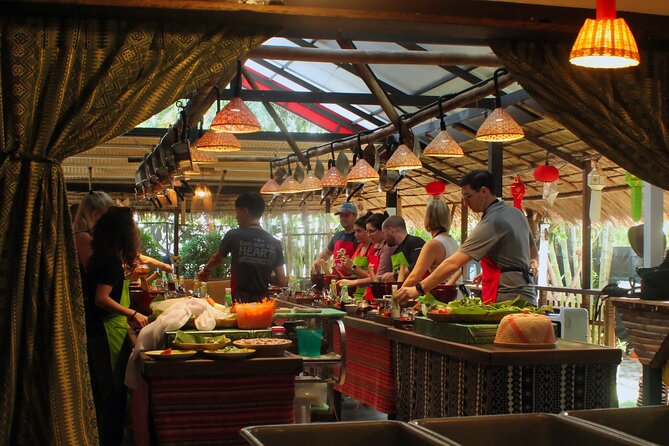
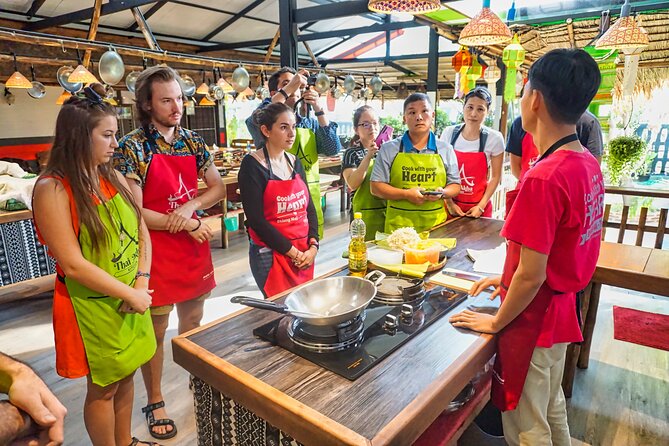
A lot of cooking classes say hands-on. This one is structured to actually make it happen. You’ll work at an individual cooking station, which matters because you’re not waiting for someone else to finish before you can try the next step.
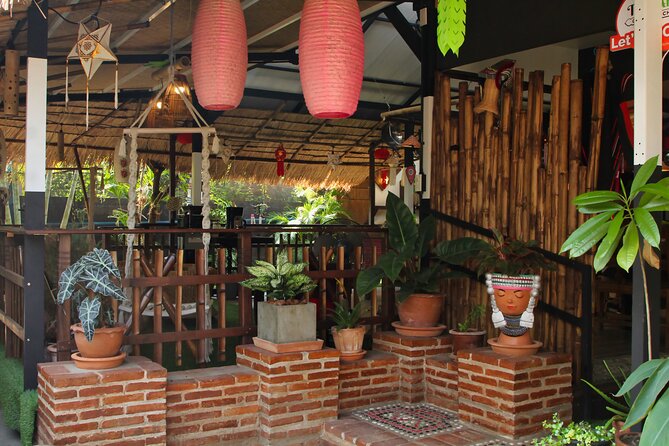
The facilities are repeatedly described as bright, well lit, and very clean. Reviews mention spotless stations and high hygiene standards, plus staff keeping things organized without making the stations cluttered. That detail sounds small, but it affects the whole experience. When tools are where you need them and the setup is tidy, you can focus on learning flavor and timing.
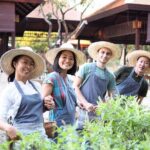
The other reason this works is the teaching style. Instructors such as On and Niti come up again and again for being warm, humorous, and clear with step-by-step guidance. A helpful ingredient tip that shows up in feedback: you may get substitutions like cucumber for green papaya when recreating dishes later.
For me, that’s one of the most valuable parts of a cooking class. It turns the lesson from a vacation activity into something you can use when you’re shopping back home.
What you’ll actually cook: courses and standout Akha flavors
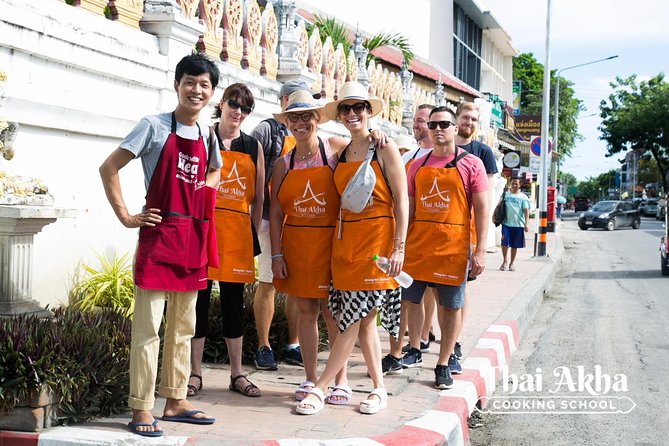
You’re looking at a full-course session, not a quick snack lesson. Your cooking includes a mix of Thai and Akha dishes, and the day ends with you eating everything you made.
Here’s the structure you should expect:
- Two appetizers to get your palate warmed up
- One soup that reinforces how Thai-style flavor balances work
- Curry paste and curry, so you see the paste-building logic rather than only tasting curry at the end
- Two desserts to finish with something sweet
- Akha-style dishes, including Akha salad, Akha soup, and sapi thuong tomato dipping sauce
A couple of these are especially worth paying attention to during class. Akha salad and Akha soup help you understand that “Northern Thai” flavor isn’t only about curry and herbs—it’s also about how the dish is assembled and how sour, salty, and fresh elements talk to each other. Sapi thuong (tomato dipping sauce) is another one that often becomes a home-cooking win, because dipping sauces are easier to repeat than a whole multi-step dinner.
You’ll also get Akha Hill Tribe coffee included. That’s a nice touch because it gives you a local-drink reference point, not just more tea and water while you cook.
The meal you eat: why the sit-down matters
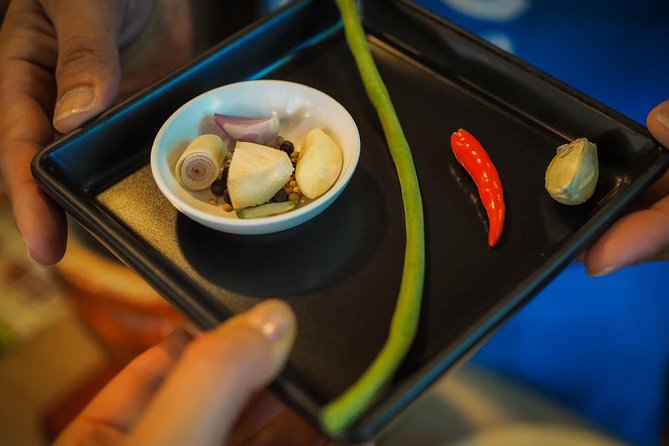
At the end, you’ll eat your home-cooked meal featuring all your creations. This might sound routine, but it’s a big part of why cooking classes can either be fun or frustrating.
If you don’t taste what you cooked right away, it’s harder to connect technique to flavor. Here, the sequence is tight: you build dishes through the day, then you eat them while the learning is still fresh. That makes it easier to notice what you nailed—like balancing salt or getting the right texture—and what you’d tweak next time.
Reviews also point out that you’re not just stuck repeating one dish. The menu is set up so you may have choices among multiple dishes and course options, which helps the day feel less repetitive even if you’re cooking several items.
The drink situation is simple: coffee is included, and alcoholic drinks are available to purchase if you want them. If you’re sensitive to alcohol while you’re tasting and cooking, you might keep it to coffee and water.


Price and value: how $42 buys a full teaching day
At about $42 per person for roughly a six-hour class, this lands in the category of good value in Chiang Mai. The price doesn’t just cover a few recipes. It covers a full set of courses, individual stations, instructor guidance, a souvenir cookbook, and hotel pickup/drop-off for central-area hotels.
The real value is in the mix:
- Market access (morning only) adds context you can’t get from a supermarket list.
- A large menu means you practice different techniques—paste making, soup logic, assembling dishes, and finishing with desserts.
- Take-home materials (a full color cookbook) give you a repeat path, not just a memory.
If you’re trying to choose between doing a cooking class and doing another activity in town, I’d compare it based on what you’ll still be doing at home. This one gives you dishes you can recreate with ingredient lists and methods, plus tips that may include ingredient swaps.
If you’re the type who loves food but doesn’t love long structured activities, the length might be a push. But if you want one day that feels like both a cultural taste lesson and a practical cooking workshop, this price is easy to justify.
Who should book this class in Chiang Mai
This is a strong fit if you want:
- Thai food skills that go beyond ordering
- Akha cooking exposure without needing to travel to a remote area
- A small-group format where instructors can help when you get stuck
- A day that combines shopping, cooking, and eating instead of splitting into separate tours
It can also work well for families. One review specifically mentions a multi-generation group that included a teen and a pre-teen, with the class described as fun and interactive.
If you’re short on time, choose the afternoon session to skip the market. If you care about local ingredients and want that morning sensory experience, pick the morning slot.
Quick tips to make your day easier (and better)
A few practical moves can make a big difference:
- Come hungry. The day is long and you’ll be tasting along the way, so eating breakfast first can cut into the fun.
- Wear comfortable shoes. You’ll likely move between prep areas and stations during the course.
- Ask about substitutions. Feedback includes examples like swapping cucumber for green papaya when recreating recipes later.
- Pay attention to the sauces and finishing elements. Dipping sauces like sapi thuong are often the easiest to repeat at home.
- Use the cookbook right away. You’ll get a full color souvenir cookbook, and having it while the flavors are fresh helps you cook again later.
- If you like coffee, make room for it. Akha Hill Tribe coffee is included, and it’s part of the local flavor story.
Also, don’t stress about memorizing every step in real time. The best cooking class outcome is learning the logic behind flavors, then using the cookbook as your guide later.
Should you book Thai and Akha Cooking Class in Chiang Mai?
If you’re looking for a hands-on cooking day where you actually cook a lot, learn Thai fundamentals, and also try Akha-style dishes like Akha soup and sapi thuong, then this is a solid booking. The small-group cap (max 12) and the repeated praise for instructors like On and Niti—clear directions plus humor—suggest you’ll feel supported, not overwhelmed.
I’d skip it only if you strongly dislike long, food-centered afternoons or you’re not comfortable with a day that’s about tasting and trying. Otherwise, the combination of market context, individual stations, and a full color cookbook makes this one of the most practical “one-day” culinary experiences in Chiang Mai.
FAQ
How long is the Thai and Akha Cooking Class in Chiang Mai?
The class lasts about 6 hours.
Is hotel pickup included?
Yes. Pickup and drop-off are included for hotels within 3 km of the city area.
Does the class include a market visit?
If you book the morning session, you’ll visit a local market to shop for ingredients. The market tour is morning only.
How many people are in the group?
The class has a maximum of 12 travelers.
What kinds of dishes will I cook?
You’ll prepare two appetizers, a soup, curry paste and curry, and two desserts, plus Akha-style dishes such as Akha salad, Akha soup, and sapi thuong (tomato dipping sauce).
Is coffee included?
Yes. Akha Hill Tribe coffee is included.
Do you get a cookbook?
Yes. A full color souvenir cookbook is included.
Are alcoholic drinks included?
No. Alcoholic drinks are available to purchase.
What should I bring with me?
The guidance is to come with an empty stomach.
Is free cancellation available?
Yes. You can cancel up to 24 hours in advance for a full refund.