REVIEW · CHIANG MAI
Spiritual Sunrise Wat Doi Suthep, Pha Lat, Alms & Meditation
Book on GetYourGuide →Operated by Elephant Welfare Sanctuary · Bookable on GetYourGuide
Dawn worship in the hills changes your pace. I love the chance to join monk chanting and basic meditation in a calm setting, and I also love the respectful alms offering moment that feels deeply intentional. The only real drawback: the start is very early (5:00 am), and you’ll be on your feet—there are 306 steps up, though there’s a tram option.
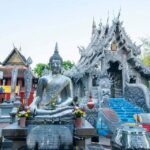
This morning is built around three temple experiences, starting with the gold pagoda viewpoint at Wat Phra That Doi Suthep and then shifting into quieter, more unusual places like Wat Pha Lat and the underground U-Mong. Guides are often ex-monks (ordained for roughly 8–20 years) and you’ll ride in an air-conditioned SUV or VIP van with a small group capped at 9.
Come prepared for the dress code and the temperature. Wear long pants and a long-sleeved top (shorts are not allowed), and bring an umbrella in rainy season or a jacket in winter, because early mountain mornings can feel chilly.
In This Review
- Key things you’ll notice fast
- Why this sunrise temple morning feels different
- From 5:00 am pickup to the climb at Doi Suthep
- Monk chanting, basic meditation, and the alms offering ritual
- Sunrise at the gold pagoda: what you’re really paying for
- After sunrise: breakfast, Wat Pha Lat’s jungle calm, and U-Mong’s tunnels
- Local breakfast that tastes like Chiang Mai
- Wat Pha Lat: jungle temple energy with Lanna + Myanmar touches
- U-Mong (underground temple): a serene pause under the jungle
- Price and value: what you’re getting for about $59
- Who should book this dawn ritual (and who should skip it)
- Quick practical tips so your morning goes smoothly
- Should you book this Spiritual Sunrise tour?
- FAQ
- FAQ
- What time does the tour start?
- How long is the tour?
- How big is the group?
- Which temples will we visit?
- Do we have to walk all the way up Doi Suthep?
- Is breakfast included?
- Is the alms offering part included?
- What’s included in the price?
- What should I bring?
- Is it suitable for everyone?
Key things you’ll notice fast
- You’ll do the Doi Suthep steps (or take the tram): 306 steps up, and you get a clear choice.
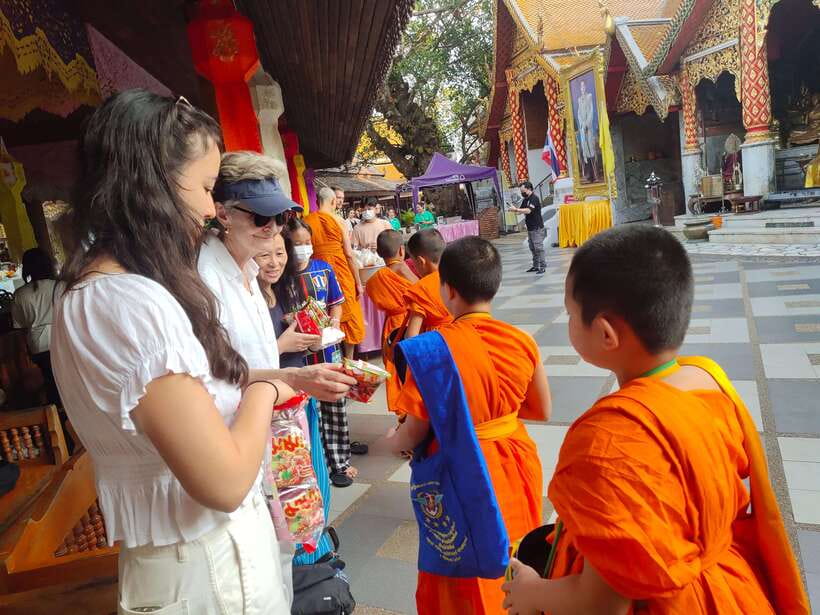
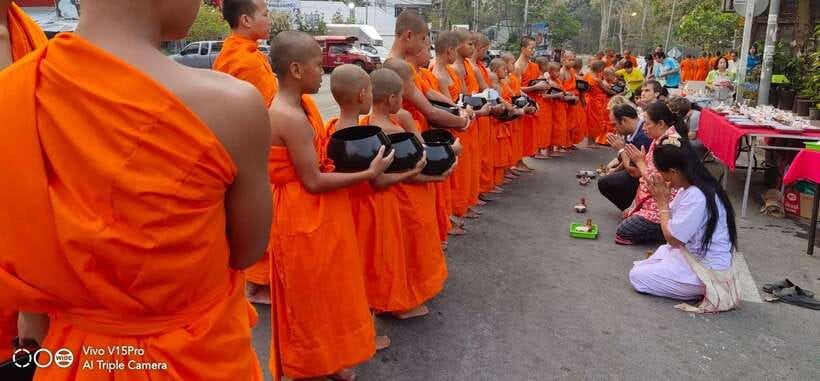
- Alms offering is part of the ritual, not a photo-op: you’ll offer food to monks in the Thai way and receive a blessing in return.
- Your guide brings real monk-life perspective: you might be led by former monks like James, Non, Tu, Blue, or Tom.
- It’s a small group at dawn: limited to 9 participants, which helps the whole morning feel less chaotic.
- Two less-famous temple stops add variety: Wat Pha Lat (jungle + Lanna/Myanmar touches) and U-Mong (tunnels/underground peace).
Why this sunrise temple morning feels different
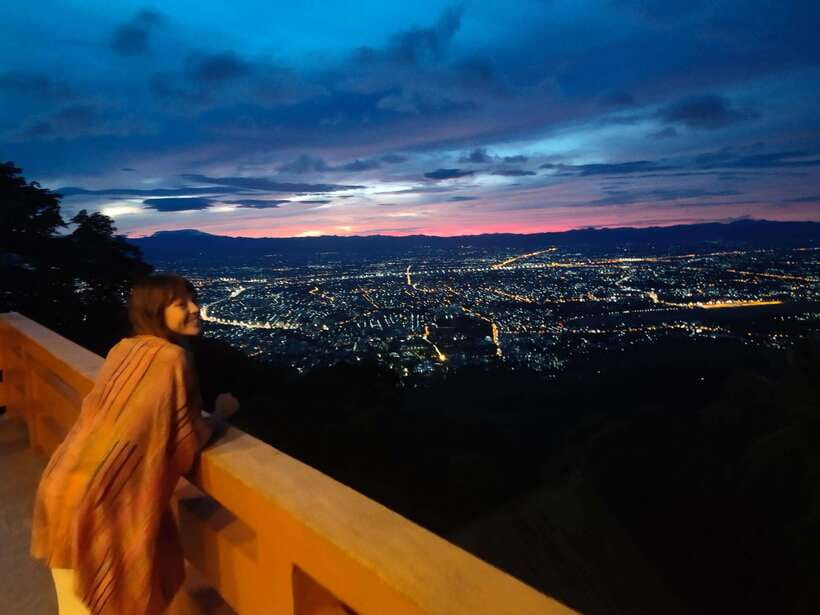
Chiang Mai at sunrise has a special kind of quiet. You’re not arriving when tour buses unload; you’re there while the temple is still waking up, and the monks are rousing for their morning routine.
What makes this day work is the structure: guided time at the main landmark, then chanting/meditation, then the sunrise payoff, and only after that do you broaden out to two other temple styles. It’s a spiritual morning, but it’s also practical travel—your guide answers questions as you go, and you’re not left guessing what to do or where to stand.
The whole thing also runs on small-group energy. With a maximum of 9 people, it’s easier to move together and get the respectful rhythm right during the monks’ ceremony.
You can also read our reviews of more tours and experiences in Chiang Mai.

From 5:00 am pickup to the climb at Doi Suthep
You’ll get picked up around 5:00 am from one of three meeting points: Hotel M Chiang Mai (opposite the Thapae Gate), Wat Chedi Luang (near the main entrance opposite 7-Eleven), or Chang Phueak Gate on the north side of the Old City. After that, you ride by air-conditioned SUV (5–7 seats) or a larger VIP van (10–14 seats), depending on the group.
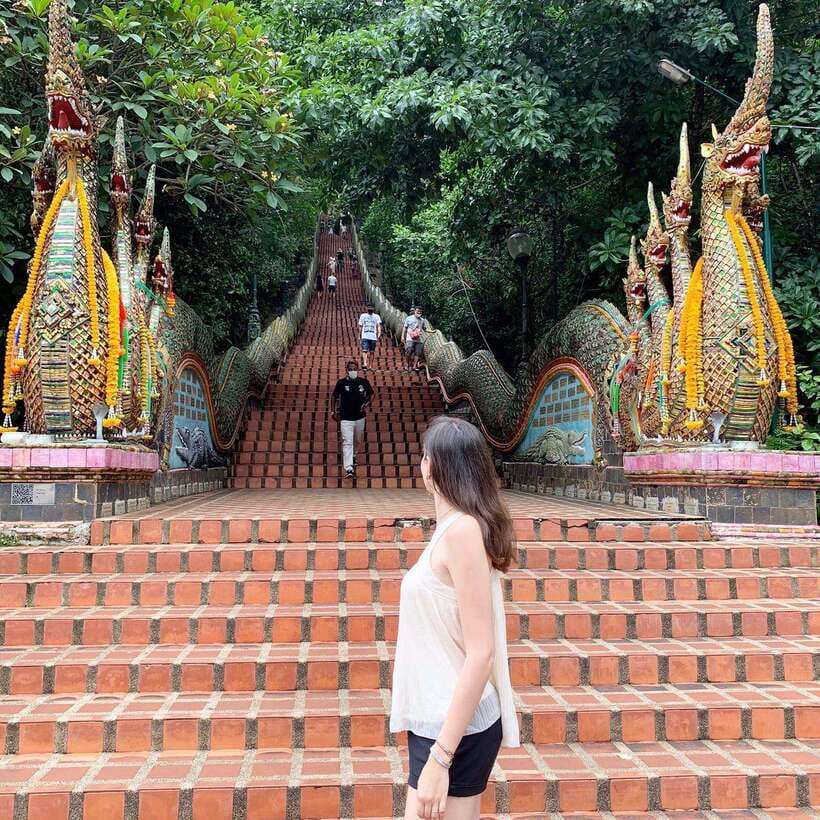
The drive is about 45 minutes, which matters because you’re not just rushing—you’re timing the day to reach the temple before crowds. Once you arrive at Wat Phra That Doi Suthep, you walk up 306 steps or take the tram. If you have knee trouble or you just want to save your energy for the morning rituals, choose tram without guilt.
Your first guided block at Doi Suthep runs about 1.5 hours, followed by a break time of about 45 minutes. That break is where you can catch your breath, adjust your clothing, and prepare for the sunrise moment rather than trying to do everything back-to-back.
Monk chanting, basic meditation, and the alms offering ritual
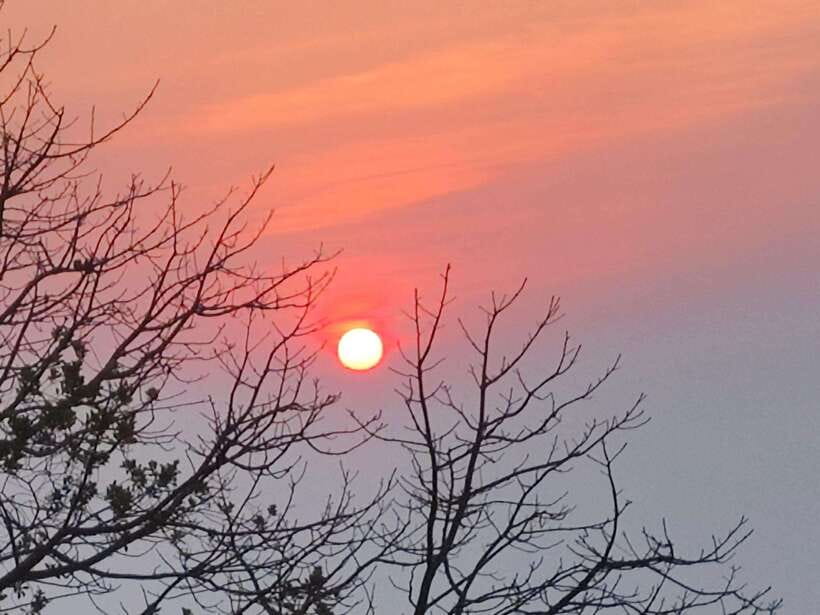
This is the heart of the tour. You join the holy morning atmosphere with monks chanting, and you also practice basic meditation. The goal isn’t complicated technique—it’s more about learning the rhythm and the intent behind the practice while your guide explains what’s happening and why.
Then comes the alms offering. You’ll participate in offering food to monks in the Thai way, and the ceremony includes receiving a blessing back for good fortune, safety, and staying clear of dangers. It’s one of those moments that can feel awkward at first if you’re not sure what to do—but your ex-monk guide walks you through it so you don’t feel like you’re winging it.
A small note to keep expectations realistic: on certain monks’ holy days, the schedule can shift. In at least one case, meditation didn’t happen exactly as planned because of the temple’s day, but the guide still made the morning meaningful and moved smoothly through the experience.
Also, if you’re sensitive to accents, keep an open mind. Some guides are funny and engaging (and occasionally the accent can be hard to catch on the first try), so don’t hesitate to ask for clarification.
Sunrise at the gold pagoda: what you’re really paying for
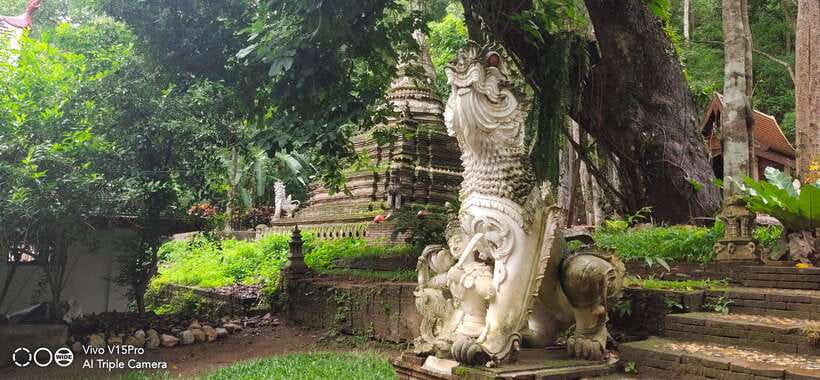
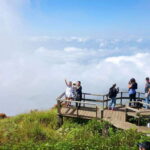
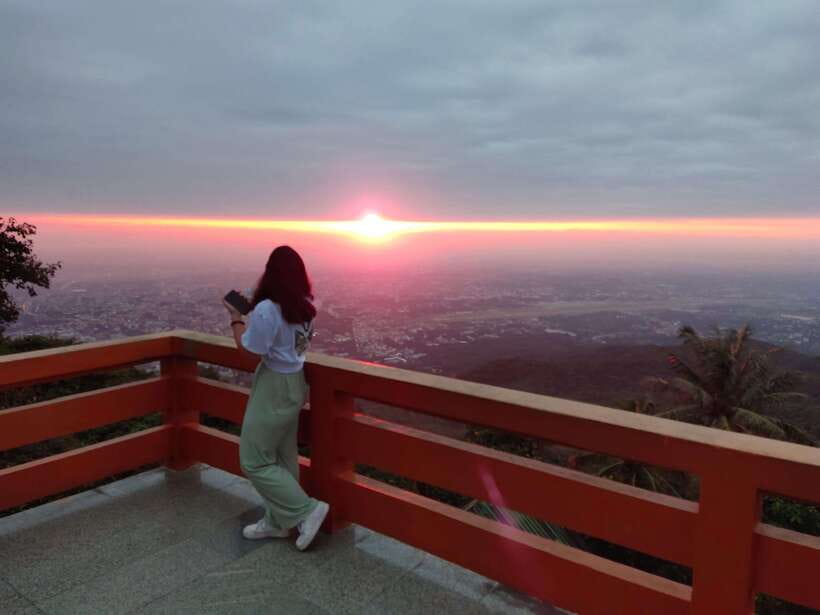
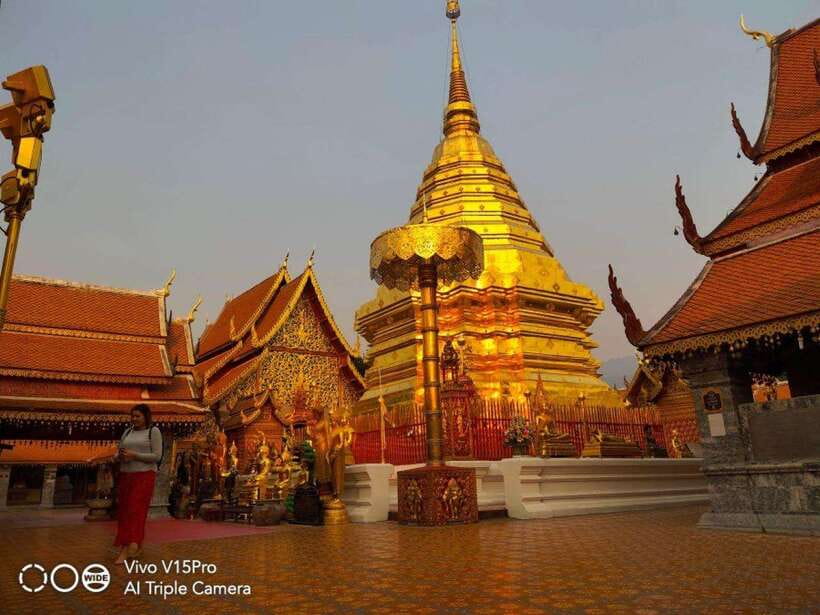
The sunrise setup at Doi Suthep is a major reason this tour gets such strong marks. The temple sits on the mountain peak, and the viewpoint gives panoramic spreads over Chiang Mai and the surrounding hills. When the sun breaks behind the city, the scene turns golden and you can take photos that look like a postcard without needing heavy editing.
You’ll want your camera ready, but also your attention. The sound of bells, the monks’ voices, and the open view all combine into something that’s hard to replicate by visiting later in the morning. Your guide can help you find good angles and good timing, and being there early means you’re not stuck battling the crowd for space.
Dress matters here. Plan on long pants and a long-sleeved top, and in winter bring a jacket. In rainy season, bring an umbrella. The temple day starts early, and cool air + waiting around for sunrise can make you feel colder than you expect.
After sunrise: breakfast, Wat Pha Lat’s jungle calm, and U-Mong’s tunnels
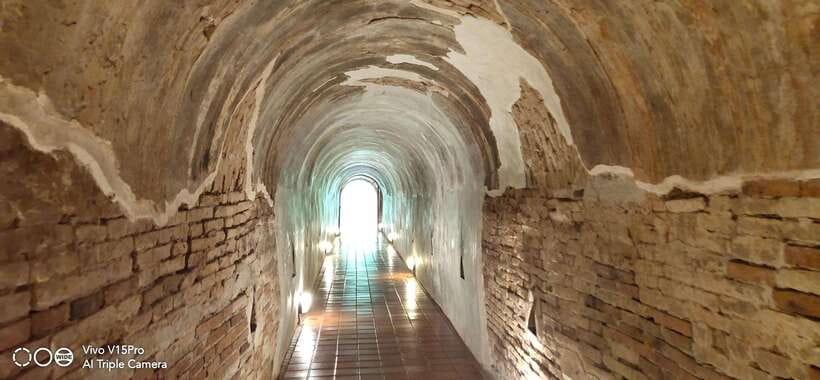
Once the sunrise and offering moment is done, you continue with two additional temples that change the mood of the morning.


Local breakfast that tastes like Chiang Mai
Before you head deeper into the temple circuit, you get a local dish breakfast. The tour commonly mentions options like khao soi (Khoi Soy) or other local Thai dishes. This is a nice reset after chanting and walking, and it helps turn the morning into something more than just ceremonies and steps.
Wat Pha Lat: jungle temple energy with Lanna + Myanmar touches
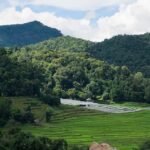
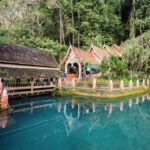
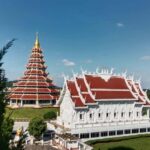
Wat Pha Lat is the quieter, more “off the main path” stop. It’s described as a hidden jungle temple, with a style that mixes Lanna and Myanmar architecture influences. The setting is meant to feel ancient and peaceful, and it’s often praised for being different from the other temples you’ll see.
You’ll get a guided visit here for about 1 hour. If you’re the type who enjoys slow wandering, this is the place to take your time—there’s also mention of a monk trail, which adds a more walk-and-explore feel rather than only looking from one point.
You might even spot temple animals wandering around freely—some reviews mention dogs, cats, chickens, and various birds. It’s part of the real atmosphere, not something staged.
U-Mong (underground temple): a serene pause under the jungle
Your last stop is U-Mong, sometimes described as the underground temple. Expect peace and a very different feel from Doi Suthep’s peak pagoda. Reviews mention tunnels that were used by jungle monks for shelter during the rainy season, which gives the site a practical, lived-in history rather than just visual beauty.
This guided visit runs about 40 minutes, so it’s not rushed, but it’s also short enough that you’ll still have energy for the ride back. The surrounding quiet is the point—think of it like a calm exhale before you head down into the city.
Price and value: what you’re getting for about $59
At around $59 per person for a roughly 330-minute (5.5-hour) morning, you’re paying for three things more than just temple tickets.
First, you’re paying for real guide time with an ex-monk who’s ordained for at least 8–20 years and is ready to answer questions in English. That matters because the ceremonies are easier (and more respectful) when someone explains the meaning and the rules as you’re doing them.
Second, you’re paying for access and logistics at dawn: pickup, transport in an air-conditioned vehicle, and the timing that lets you reach the temple while it’s still quiet. Unlimited water in the car is a small perk, but it helps when you’re up early.
Third, the tour includes admissions and the elements tied to participation: temple tickets, food for alms offering, and the local breakfast. Since these core items are bundled, you’re less likely to feel surprised by extra costs mid-day.
The only value caution I’d flag: this is not a “see 12 temples” kind of tour. It’s focused. If you mainly want maximum sights and minimal ceremony, you may feel like you wanted more time at each place. But if you want meaning at the main landmark and variety at two quieter temples, it’s a strong match.
Who should book this dawn ritual (and who should skip it)
This works best for you if:
- you enjoy spiritual travel where you can ask questions and learn as you participate
- you’re okay waking early and walking stairs
- you like small groups and a calm morning pace
It might not be for you if you need lots of physical accessibility. The tour notes it is not suitable for wheelchair users, and it also lists diabetes as not suitable. It’s also not ideal for babies under 1 year. Even though tram is available up to Doi Suthep, the overall morning still involves walking and temple ground conditions.
Quick practical tips so your morning goes smoothly
Here’s how to make the experience feel easier and more respectful:
- Wear long pants and a long-sleeved shirt. Shorts are not allowed, so plan ahead.
- Bring a camera, and keep your battery charged. Sunrise timing is quick.
- Have cash with you. The tour info explicitly asks for it.
- If it’s rainy (July–October), bring an umbrella. If it’s winter (Dec–Feb), bring a jacket.
- Use the tram at Doi Suthep if stairs feel like too much. Save your legs for chanting/meditation time.
- Ask your guide anything. With former monks like James, Non, Tu, Blue, or Tom sometimes leading groups, the Q&A is usually where the day turns personal.
Should you book this Spiritual Sunrise tour?
Book it if you want a morning that actually feels like part of local Buddhist life, not just temple sightseeing. The combination of early arrival, monks chanting, basic meditation, and alms offering is rare—and the small group size keeps it from feeling rushed.
Skip it if you can’t handle a very early start, you’re not comfortable with walking (even with a tram option), or you want a purely sightseeing-focused schedule. For everyone else, this is one of those Chiang Mai mornings that stays in your memory because you experienced it, not just watched it.
FAQ
FAQ
What time does the tour start?
Pickup starts at 5:00 am from your chosen meeting point.
How long is the tour?
The total duration is 330 minutes (about 5.5 hours). Finish time is approximately 10:30 am.
How big is the group?
It’s a small group limited to 9 participants.
Which temples will we visit?
You’ll visit Wat Phra That Doi Suthep, Wat Pha Lat, and Wat Umong (U-Mong).
Do we have to walk all the way up Doi Suthep?
You’ll have a choice. The temple involves 306 steps, and the tour notes you can take the tram instead.
Is breakfast included?
Yes. The tour includes a local dish breakfast (such as khao soi / Khoi Soy or other local Thai dishes).
Is the alms offering part included?
Yes. The tour includes food for alms offering to monks.
What’s included in the price?
Included: hotel pickup/drop-off, local breakfast, food for alms offering, required temple admission fees, an experienced English-speaking ex-monk guide, air-conditioned transport (SUV or VIP van), and unlimited bottle drinking water.
What should I bring?
Bring a camera, a long-sleeved shirt, long pants, and cash.
Is it suitable for everyone?
No. It’s listed as not suitable for wheelchair users, people with diabetes, and babies under 1 year. Shorts are also not allowed.