REVIEW · KRABI
Krabi: Traditional Thai Cooking Class
Book on GetYourGuide →Operated by Anda Krabi Seatour · Bookable on GetYourGuide
Spice up your Krabi day with a real cooking lesson. In about 3.5 hours, you’ll pick your dishes, learn what makes Thai flavors tick, then cook them yourself on individual woks. A favorite part is the way the instructor guides you through steps clearly, with English support (Siam is one of the instructors you might meet).
I especially like the menu choice, because you can build a plate that matches your cravings. I also like the hands-on setup: you cook on the stove, not just watch, and you end up with a lot of food to take home if you want it. One thing to consider is that some dishes can be pretty spicy by default, though you can ask to make them non-spicy.
In This Review
- Key highlights you’ll feel (not just read)
- Krabi cooking class basics: what makes this one worth your time
- Pickup in Ao Nang (and why the timing matters)
- Choosing your dishes: how the 4-dish plan works in real life
- Morning options (9:00 AM)
- Afternoon options (1:00 PM) and late afternoon (2:00 PM)
- Evening options (6:00 PM)
- Your cooking lineup: how each dish teaches a different Thai flavor skill
- Curries that teach backbone flavors
- Soups and salads that teach brightness
- Noodles and stir-fries for everyday texture
- Coconut comfort: tom kar kai
- Dessert that locks in the trip
- Spring rolls for confidence
- Inside the kitchen: small-group flow, hot woks, and clear steps
- Vegetarian and non-spicy options without the side-eye
- The take-home payoff: cookbook plus plenty of food
- Price and value: what $57 buys you in Krabi
- Who should book (and who might not)
- Tips for choosing the right time slot
- FAQ
- What dishes do I get to choose?
- How long is the cooking class?
- Is the class vegetarian-friendly or can food be non-spicy?
- Do I need to know how to cook?
- Is English instruction available?
- How big is the group?
- Where do pickups and drop-offs happen?
- What should I bring?
- Is there anything I can’t bring to the class?
- Should you book this Krabi Thai cooking class?
Key highlights you’ll feel (not just read)
- Small group cooking with a hands-on station for each set of cooks (no long lines waiting your turn)
- Choose your own dishes from a rotating menu, with a few differences by time slot
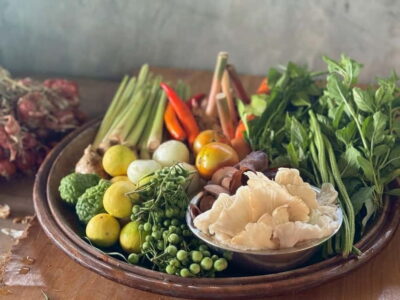
- Thai herbs and spices in context, tied to each dish you actually make
- English instruction so you’re not stuck guessing technique or ingredient names
- You leave with recipes, not just a full stomach
- Optional tweaks like vegetarian or non-spicy versions for most dishes
Krabi cooking class basics: what makes this one worth your time
If you’ve ever watched Thai food get made and thought, I want the method, not the mystery, this is your kind of activity. The class is built around practical cooking: you select dishes, you prep with raw ingredients, and you cook in a set order so nothing turns into chaos. The best part for me is that you’re not memorizing a list of ingredients—you’re learning how Thai flavors are assembled dish by dish.
You’ll spend about 3.5 hours cooking and eating, and the experience is designed for real output. You’re given an apron and you use the cooking equipment on site, then you take home your cookbook so the next time you’re shopping at home, you know what to look for and how to put it together.
You can also read our reviews of more tours and experiences in Krabi.



Pickup in Ao Nang (and why the timing matters)
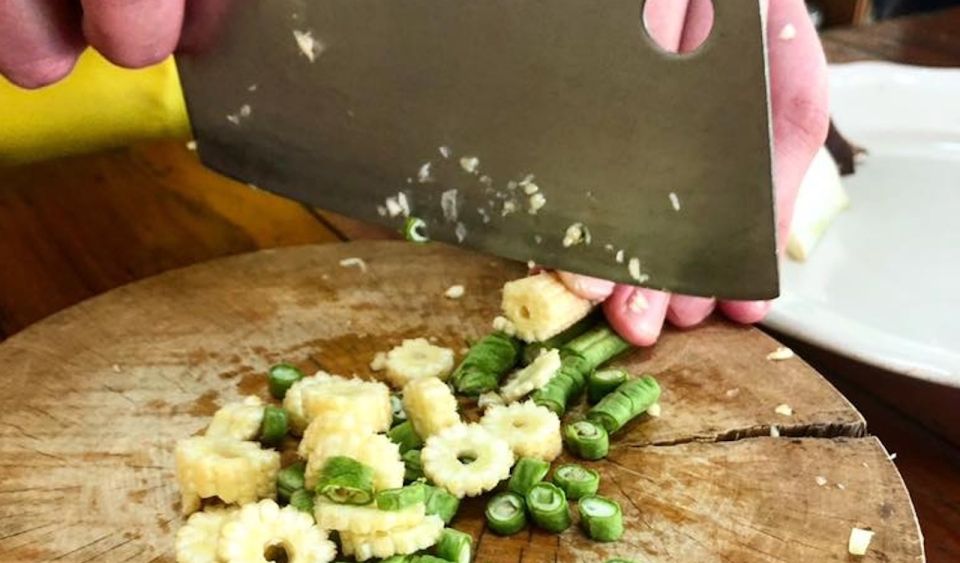
You’ll typically start with hotel pickup in Ao Nang, then ride to the cooking location. The class runs from different times throughout the day—morning, afternoon, late afternoon, and evening—so your schedule can match your plans on the coast.
Here’s the practical layout:
- There are multiple pickup points used in the area (including Nong Thale and 102 Panurat), but hotel pickup is specifically included for Ao Nang hotels.
- If you’re staying farther out (like Klong Muang, Tubaek, or Railay), there’s an additional fee mentioned for pickup.
- After class, you’ll get dropped back in Ao Nang, 102 Panurat, or Nong Thale.
Why this matters: cooking classes are easiest when you don’t fight transit time. This one is built for convenience around the Krabi hotel zone, so you’re not spending half your day getting to a kitchen and half guessing where to meet again.
Also, a small-group format means they move you through the process efficiently. Even if you’re a nervous cook, you usually feel like you’re part of a system, not stuck waiting.
Choosing your dishes: how the 4-dish plan works in real life
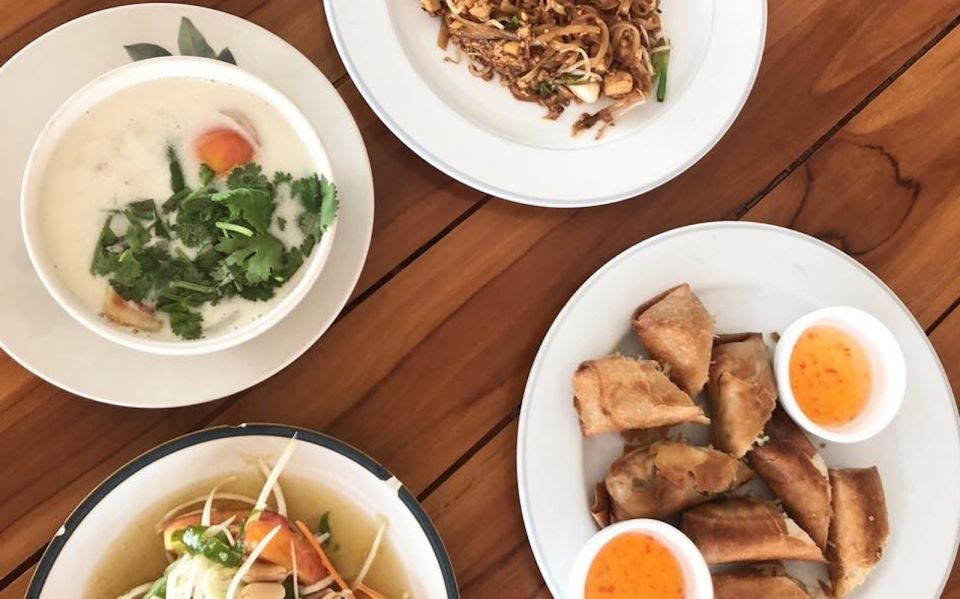
The structure is simple. You choose dishes from a list, and you cook multiple items during the session. The main info says you’ll pick four traditional dishes per person, but the menu availability can shift a bit by time slot, and many groups end up cooking around six dishes total per group or per person depending on the slot.
So think of it like this: you’re selecting from a range of classics—curries, noodles, salads, stir-fries, and desserts—and the session is arranged so you get enough variety without turning into a rushed scramble.
What makes this valuable is the control. You can avoid dishes you won’t eat, and you can target the flavors you actually want to recreate later.
Morning options (9:00 AM)
You’ll see choices like:
- Massaman curry
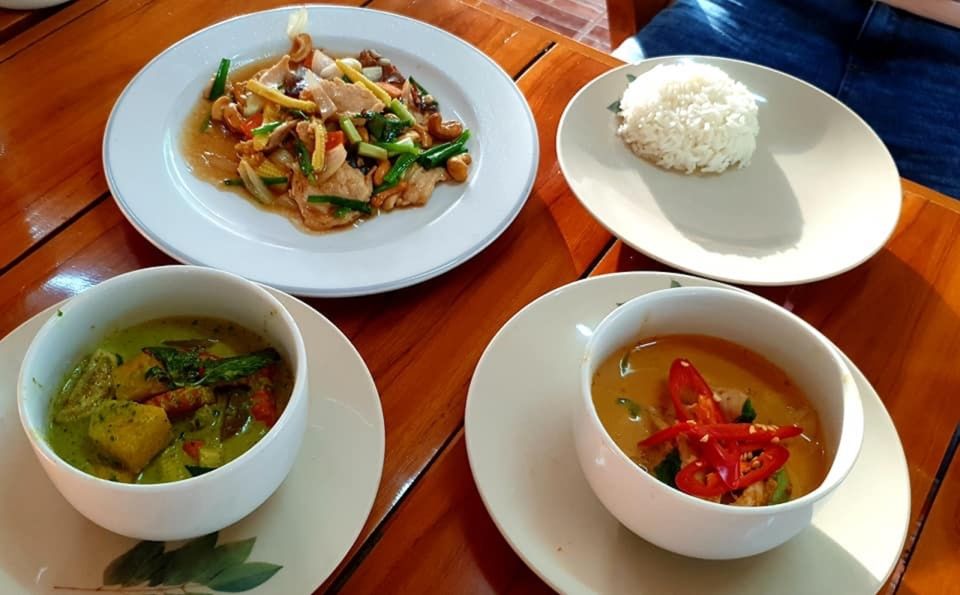
- Red curry chicken with vegetables
- Spicy prawn soup (tom yam goong)
- Lab kai (chicken mint salad)
- Pad Thai
- Stir-fried chicken with cashew nuts
- Stir-fried sweet and sour chicken/vegetables
- Fried rice with chicken/vegetables
Afternoon options (1:00 PM) and late afternoon (2:00 PM)
These overlap a lot, but desserts and curry choices can differ slightly:
- Spring roll
- Mango sticky rice
- Surry pastes / curry pastes
- Green curry
- Panang curry
- Pad Thai
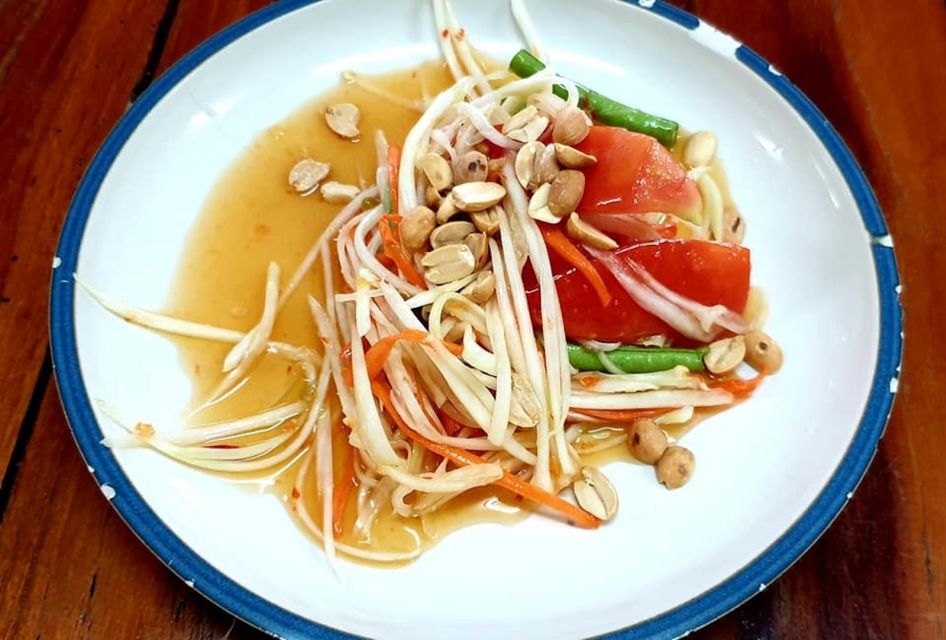
- Papaya salad (som tam)
- Chicken in coconut milk (tom kar kai)
- Stir-fried chicken in Thai basil
- Stir fried morning glory






Evening options (6:00 PM)
Evening slots often include more variety and sometimes dessert-heavy options:
- Curry pastes
- Green curry
- Panang curry
- Pad Thai
- Papaya salad (som tam)
- Chicken in coconut milk (tom kar kai)
- Stir-fried chicken in Thai basil
- Stir-fried morning glory
- Mango sticky rice
A heads-up: the menu options can slightly differ by time slot by a few dishes, so if there’s one dish you really want, pick the time that includes it on the list.
Your cooking lineup: how each dish teaches a different Thai flavor skill
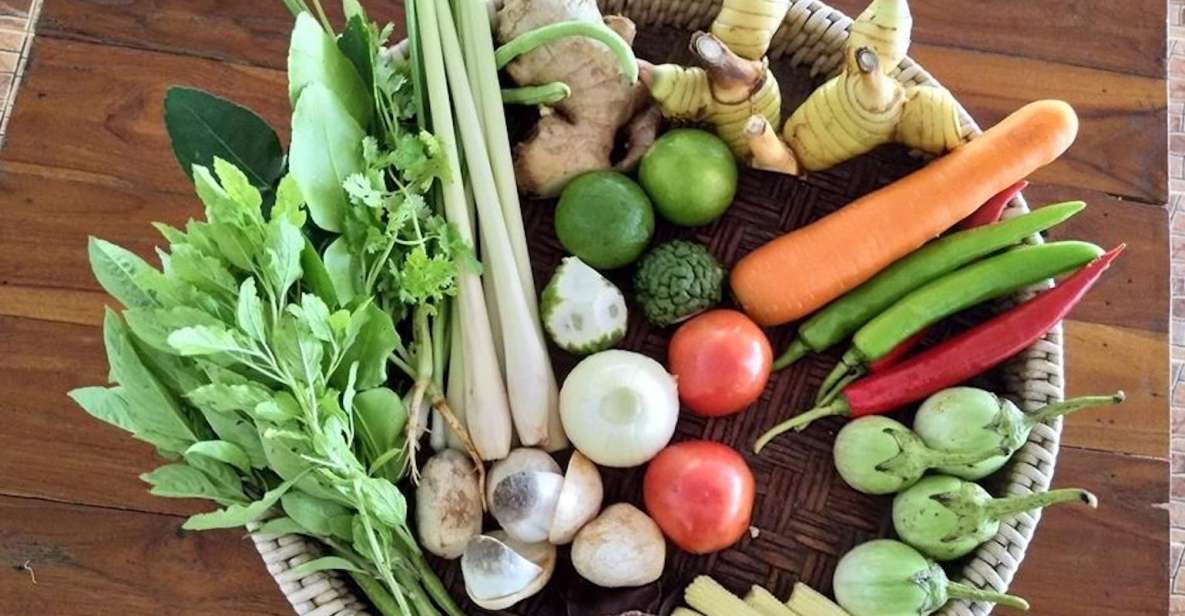
A good cooking class doesn’t just give you recipes. It teaches you what to watch for. This one does that by mixing dishes that rely on different flavor strategies. Here’s how the common choices translate into skills you can use later.
Curries that teach backbone flavors
Massaman curry, red curry, green curry, and panang curry give you practice with Thai curry profiles and the building blocks behind them. Curry cooking is where aromatics and spice balance matter, and learning this in Krabi (where the ingredients feel fresh and fragrant) makes it easier to recreate at home.
If you choose one curry plus another, you also learn the idea of shifting flavor weight—thicker, creamier, more savory, or more punchy depending on the dish.
Soups and salads that teach brightness
Tom yam goong (spicy prawn soup) is all about heat plus tang, and it teaches you how Thai soup flavor stays lively instead of just salty-spicy.
Lab kai (chicken mint salad) and som tam (papaya salad) train a different muscle: balancing salty, sour, and herb freshness. These are great picks if you don’t want every dish to be heavy and creamy.
Noodles and stir-fries for everyday texture
Pad Thai is classic for a reason: it’s a sauce-and-heat test, and you learn timing.
Fried rice and stir-fries (cashew nuts, Thai basil, sweet and sour, morning glory) teach you how quick cooking changes outcomes. These dishes are also the ones that travel best to your kitchen at home because they’re less about special cooking tools and more about correct heat and sequence.
Coconut comfort: tom kar kai
Chicken in coconut milk (tom kar kai) is creamy comfort, with a flavor structure that’s different from curry. Cooking it teaches you how coconut changes the way spices read—less sharp, more rounded.
Dessert that locks in the trip
Mango sticky rice is the easy win for most people. It gives you a sweet finish and a reminder of why Thai desserts often feel simpler than Western ones, but still deeply satisfying.
Spring rolls for confidence
Spring roll is a practical dish to learn because it’s a format you can reuse. You learn assembly and frying technique, which means you can remix fillings later without needing a whole new “recipe personality.”
Inside the kitchen: small-group flow, hot woks, and clear steps
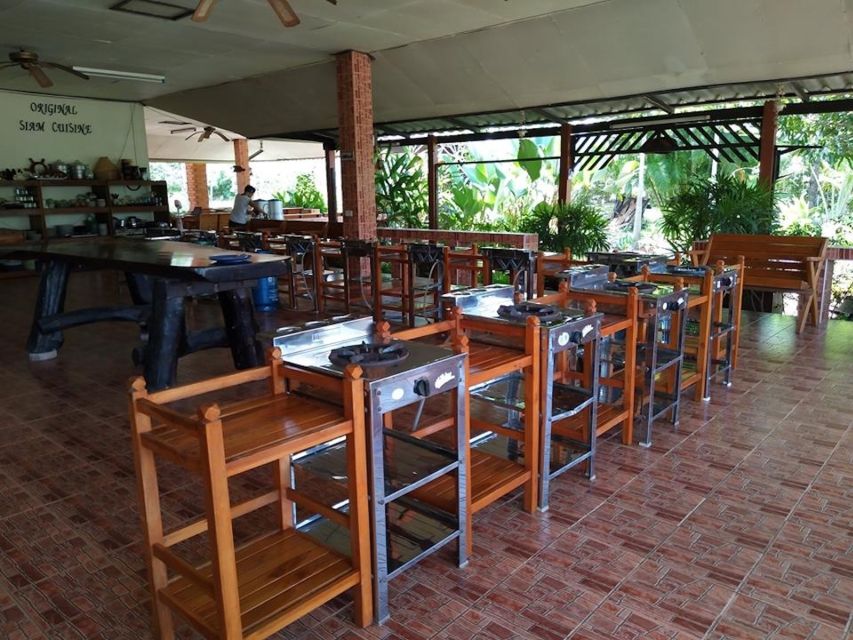
You cook in a real working setup with individual gas-fired woks, and that matters. When you’re at your own station, you can control your heat and timing without a crowd bottlenecking your movements.
The class setup is also designed for pace. You don’t just cook one thing slowly and call it a day—you move through steps with the instructor guiding you, and the kitchen staff keep things stocked so you’re not hunting for ingredients.
A practical note: cooking over woks can get hot and humid. There are fans, which helps, but still plan to dress for warm conditions and sweat a little. It’s part of the experience and not something you can fully “opt out” of.
One more thing I like about this class: the instructor explains flavor logic while you cook. You’re not just told what to do—you’re told why. That’s what turns a recipe from a sheet of instructions into a method you can repeat.
Vegetarian and non-spicy options without the side-eye
This class makes it easy to adjust. The info says dishes can be made vegetarian or non-spicy, depending on what you want. That’s huge, especially if your group has different spice tolerance or dietary needs.
In practice, this means you can choose dishes that normally include meat, then request a vegetarian or milder version. The overall structure stays the same, so you’re still learning the Thai technique, not being handed a totally separate class menu.
If spice is your concern, go non-spicy for the first try. You can always add heat later at home with chili paste or chili flakes once you know the dish’s baseline flavor.
The take-home payoff: cookbook plus plenty of food
This is a cooking class that doesn’t send you home still thinking about hunger. You make and eat your creations, and the portions are generous. You’ll likely leave feeling full, and many people also take food away in takeaway containers.
What really makes this worth it is the cookbook at the end. You’re given a recipe book that includes the dishes you made and often extra recipes too, so your next meal doesn’t start from scratch. If you’re the person in your family who cooks, this is the kind of book you’ll actually open instead of storing.
Some groups also receive a certificate and receipt book vibe, which is a fun touch if you like “proof” you did something memorable.
Price and value: what $57 buys you in Krabi
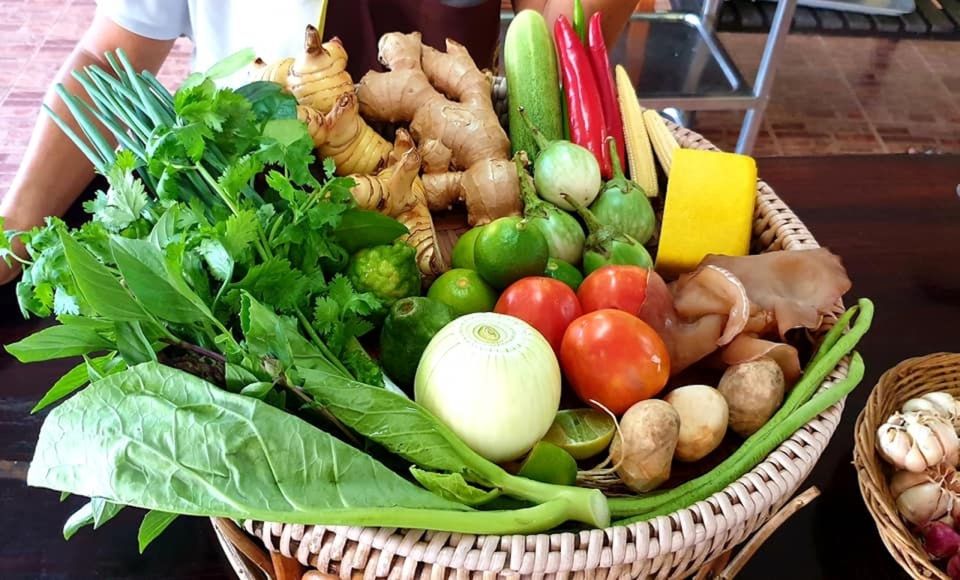
At around $57 per person, this class sits in the mid-range for cooking experiences in Thailand. The value comes from three things:
- You get hands-on cooking on real woks, not a demo-only format.
- You choose multiple dishes, so the food you learn lines up with what you already like to eat.
- You get a cookbook, which extends the class beyond those 3.5 hours.
When you break it down, you’re paying for instruction time, ingredients, equipment use, and the recipes you’ll reuse. If you’re already planning to eat Thai food multiple times during your trip, this class gives you a skill upgrade instead of just another meal.
Who should book (and who might not)
This works best for:
- Food lovers who want to cook Thai dishes themselves later
- Couples who want a shared activity (it’s easy to handle in a small group)
- People who like structure and step-by-step guidance
- Anyone who wants to learn Thai ingredients and flavor profiles in context
It’s not a great fit if:
- You’re traveling with young children (it’s not suitable for children under 12)
- You hate heat and close-quarters cooking stations (the kitchen can be warm)
- You need to bring large bags. The class says luggage or large bags are not allowed.
If you can follow basic rules and show up with comfortable shoes, you’ll be fine even if you don’t cook much at home.
Tips for choosing the right time slot
Pick based on your day, not just your preference.
- Morning (9:00 AM): great if you want to cook early and still have the rest of the day free.
- Afternoon (1:00 PM) and late afternoon (2:00 PM): good if you want to eat and still catch evening plans.
- Evening (6:00 PM): nice if you want your meal to feel like dinner and you’re hoping for dessert options like mango sticky rice.
One practical strategy: show up with an appetite. The portions can be big, and if you eat too much beforehand, you might not enjoy the food as much—or you’ll leave less room to take extras home.
FAQ
What dishes do I get to choose?
You choose from a menu list that includes options like curry dishes, pad Thai, tom yam goong, papaya salad, stir-fries, spring rolls, and mango sticky rice. The exact menu can vary a little by time slot.
How long is the cooking class?
The duration is about 3.5 hours.
Is the class vegetarian-friendly or can food be non-spicy?
Yes. Dishes can be made vegetarian or non-spicy to suit your preference.
Do I need to know how to cook?
No special experience is required. The class uses clear steps and you cook with guidance.
Is English instruction available?
Yes. The instructor speaks English.
How big is the group?
It’s a small group limited to 8 participants.
Where do pickups and drop-offs happen?
Hotel pickup is included for Ao Nang hotels. Drop-off options include Ao Nang, 102 Panurat, and Nong Thale. Areas like Klong Muang, Tubaek, and Railay may require an additional fee.
What should I bring?
Wear comfortable shoes and comfortable clothes. An apron is provided.
Is there anything I can’t bring to the class?
You can’t bring luggage or large bags.
Should you book this Krabi Thai cooking class?
Yes—if you want a hands-on day that teaches you how Thai dishes come together, this is a strong choice. The small-group setup, the instructor-led steps in English, and the fact you take home a cookbook make it feel like more than a tour.
Book it especially if you like the idea of cooking curries, stir-fries, salads, and noodles—and you want to recreate them at home without guessing. If you’re sensitive to spice, choose non-spicy options when you select your dishes, and plan to dress for a warm kitchen.