REVIEW · CHIANG MAI
Half-Day Elephant Experience at Rantong
Book on Viator →Operated by Ran-Tong Save & Rescue Elephant Centre · Bookable on Viator
One-hour rides turn into unforgettable elephant time. At Ran-Tong Save & Rescue, you spend a half day with rescued elephants in a setup that keeps the interactions calm and hands-on. What makes this one click is the mix of feeding, walking, and bathing, plus the learning time where guides explain what you’re seeing and how the elephants move at their own pace.
My favorite part is how much personal attention you get in a small group (max 15). I also like that you’re not just watching from behind a fence; you get structured, safe-feeling chances to help prepare food and then join the elephants around the water.
One consideration: the day depends on a drive out of Chiang Mai city, and the ride can feel long or bumpy. If you’re tall or sensitive to cramped vans, plan for that in advance.
In This Review
- Key highlights you’ll care about most
- Ran-Tong Save & Rescue Centre: what this half-day is really about
- Getting to Ran-Tong from Chiang Mai: pickup, ride time, and comfort
- What happens after pickup: clothes change and orientation
- Elephant care activities: vitamins, feeding, sugar cane, and walking
- Bathing time: why you shouldn’t treat it as just a photo stop
- Lunch time: Thai food, fruit, and an easy reset
- The vibe and ethics: what to expect from the interaction style
- Price and value: is $58.70 a good deal for a half-day?
- What to bring: the wet-day packing list that actually helps
- Who should book this elephant experience (and who might skip it)
- Should you book the Ran-Tong half-day elephant experience?
- FAQ
- How long is the Half-Day Elephant Experience at Rantong?
- Do you get hotel pickup and drop-off?
- How big is the group?
- What will I do with the elephants during the visit?
- Is lunch included?
- What’s the cancellation window for a refund?
Key highlights you’ll care about most
- Hotel pickup and drop-off in Chiang Mai city, so you’re not hunting meeting points.
- Small group size (15 max), which matters for hands-on time with elephants.
- Mahout-style Karen clothing change on arrival, so you’re dressed for the interaction.
- Hands-on elephant care tasks, including making vitamins for elephants with special needs.
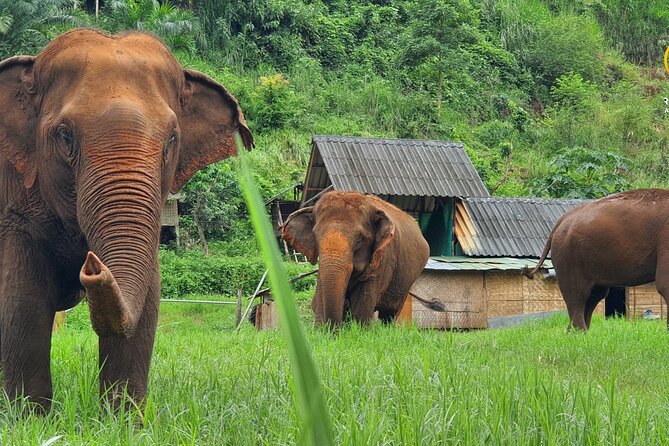
- Feeding, walking, and bathing in a more natural, open setting than typical tourist shows.
- Thai lunch/dinner included, with seasonal fruit and drinking water.
Ran-Tong Save & Rescue Centre: what this half-day is really about
This tour is built around one clear idea: rescued elephants need daily care, and you get to learn what that looks like up close. Ran-Tong Save & Rescue Elephant Centre is the setting, and you’ll spend the bulk of your time there meeting elephants and understanding how the team supports them day after day.
The best part is that the experience is not framed as a performance. You’re given instructions, then the elephants set the rhythm. That changes the tone of the day. Instead of feeling like you’re forcing an animal to do tricks, you’re mostly learning how elephants behave, communicate, and choose what they do next.
Also, the centre has a mix of elephants with different backgrounds. You may meet individuals described as pregnant, injured, or older, and the “why” behind the care is part of what you’re taught, not just a list of rules to follow.
You can also read our reviews of more tours and experiences in Chiang Mai.


Getting to Ran-Tong from Chiang Mai: pickup, ride time, and comfort
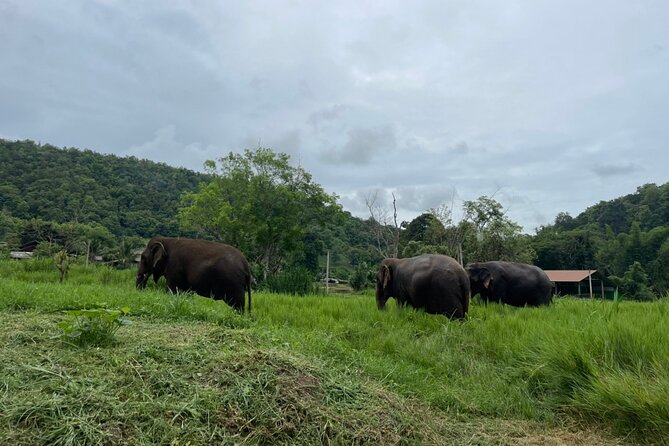
You’ll start with hotel pickup from Chiang Mai city and then ride out to Mae Taeng District, which takes about 1 hour each way based on the schedule. In real life, road time can stretch a bit depending on traffic.
The upside of pickup is obvious: no juggling tuk-tuks or trying to match a GPS pin to a moving van. The downside is you’re relying on shared transport, and that can mean tight seating. Some people have flagged rough driving and cramped conditions, especially on the way out and back.
So here’s my practical advice: if you’re uncomfortable in smaller vehicles or you’re prone to motion stress, treat the ride as part of the experience, pack accordingly, and try to keep a little buffer in your schedule. Once you’re at the centre, the day usually shifts gears in a good way.
What happens after pickup: clothes change and orientation
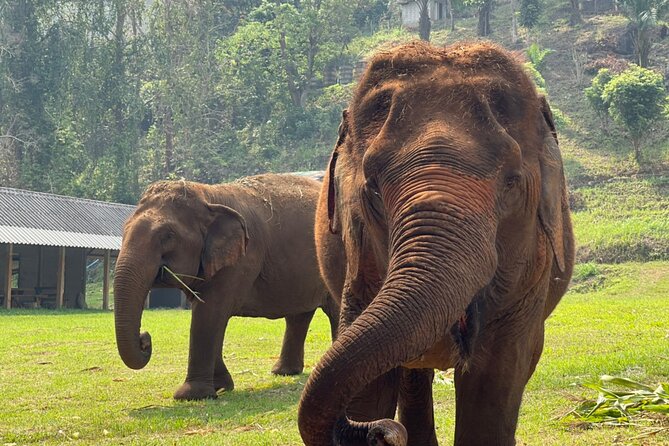
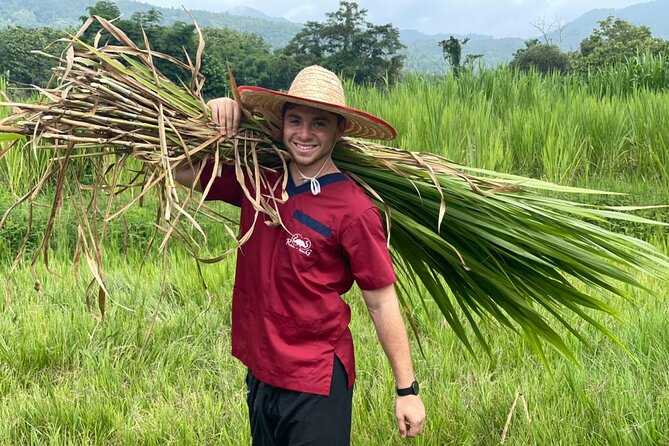
When you arrive at Ran-Tong, you’ll change into Mahout-style Karen clothes. The point isn’t just costumes. It helps you feel part of the routine and marks the shift from city-tour mode to elephant-care mode.
Before you start interacting, you get an orientation on how to behave around elephants—what to do, what not to do, and how to keep your distance and your movements steady. This is where guides with names like Seven, Rambo, Nikon, or Oh-Oh come up in the tour stories people share: they tend to explain elephant behavior in a way that makes the interactions feel safer and calmer.
One more useful detail: the centre typically gives you what you need for the muddy/wet parts of the day. Many visitors note that clothes/boots are provided, and you’ll usually change again afterward. That’s a big deal because it lowers the risk that your normal clothes become a permanent Chiang Mai souvenir.
Elephant care activities: vitamins, feeding, sugar cane, and walking
This is where the day earns its reputation. After your initial orientation and clothes change, you’ll move into hands-on elephant time.
Here are the specific activities you should expect:
- Making vitamins for the elephants, including elephants described as pregnant, injured, and older.
- Feeding them with prepared foods.
- Walking with elephants as part of the guided flow of the day.
- You may also be involved in processing items like sugar cane, depending on timing and what the team is preparing that day.
What’s valuable about these tasks is that they translate elephant care into something you can actually understand. Instead of just pointing at an elephant and saying it’s healthy, you’re doing small parts of what the staff does daily. It also slows the pace, which helps you pay attention to body language—ears, tail position, head height, and how they approach (or don’t).
And yes, you’ll likely feel close. That can be thrilling, but the best moments often come when you stay calm and let the elephant decide how much contact it wants. When you keep your movements slow and follow guide timing, the interaction tends to feel more like cooperation than contact.
Bathing time: why you shouldn’t treat it as just a photo stop
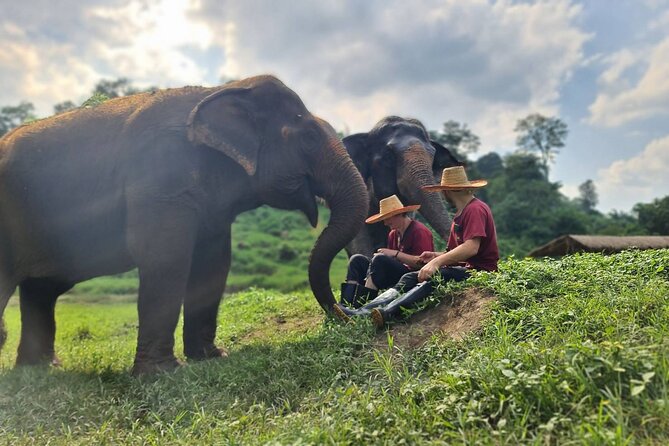
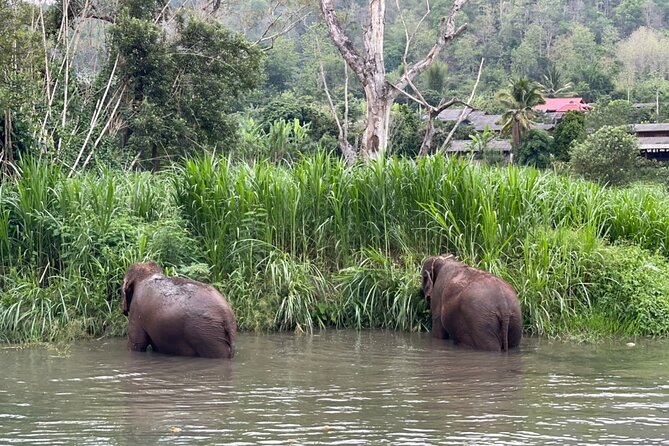
Bathing is the headline for a reason. You’ll get to take part in helping elephants bathe, observing them in conditions closer to their natural habitat than the typical splash-and-run setup you might imagine.
The bathing portion works because it’s structured. You’re not just handed a bucket and told to go wild. The staff and guides guide where you stand, when you move, and how to keep your actions gentle. That matters because elephants aren’t props; they’re big, strong animals with their own decisions.
One practical point: you should bring spare clothes, and wear shoes or sandals you don’t mind getting wet and dirty. Even with provided footwear or boots, things can get muddy. That’s normal. The best mindset is to plan for the wet part and stop worrying about your outfit.
Why it’s worth caring about: bathing often reveals personality. Some elephants seem curious about water. Others prefer to approach slowly, then settle. If you watch instead of rushing for the perfect shot, the experience becomes more meaningful.




Lunch time: Thai food, fruit, and an easy reset
After the main elephant interactions, you’ll head into the lunch or dinner portion (Thai food), plus seasonal fruit and drinking water. Your exact meal timing depends on whether you book the morning or afternoon start time, but either way, you’ll get a real break before the ride back.
This part is underrated. When you spend time around large animals, you burn energy and you forget you’re hungry. A proper Thai meal and fruit keep the day from feeling like a string of activities that ends with snack-chasing.
If you’re planning the rest of your Chiang Mai day, keep it simple afterward. You’ll likely want time to shower, dry off, and process the fact that you just spent hours learning elephant care in person.
The vibe and ethics: what to expect from the interaction style
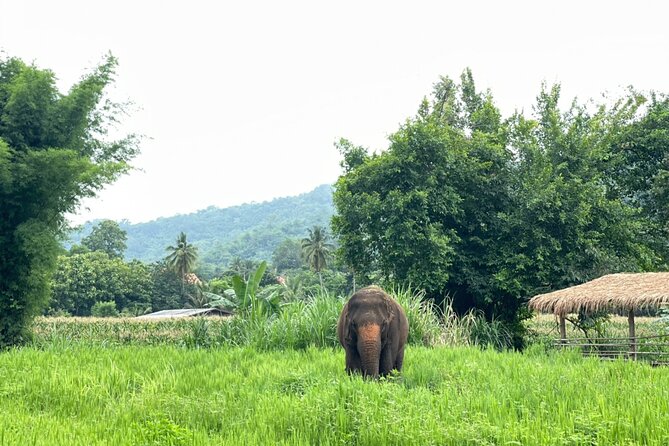
Ran-Tong’s model, as reflected in how guides manage interactions, focuses on giving elephants freedom to move and choose. You’re not meant to push them into contact. Instead, guides provide instructions and then manage the experience so you can enjoy time with the elephants without feeling like they’re forced to perform.
That’s also why the pace matters. The day is organized so each stage happens in sequence: orientation, care tasks, feeding/walking, then bathing, then goodbye and a clothing change. This reduces chaos and helps you feel like you’re following a plan instead of improvising around a large animal.
You’ll also notice something else: the guide tone tends to be practical and upbeat. People often mention guides like Seven or Rambo being fun and informative, and that matters because it keeps the experience from turning into a confusing crowd scene. When instructions are clear, you spend less time panicking about how close to stand and more time watching how elephants behave.
Price and value: is $58.70 a good deal for a half-day?
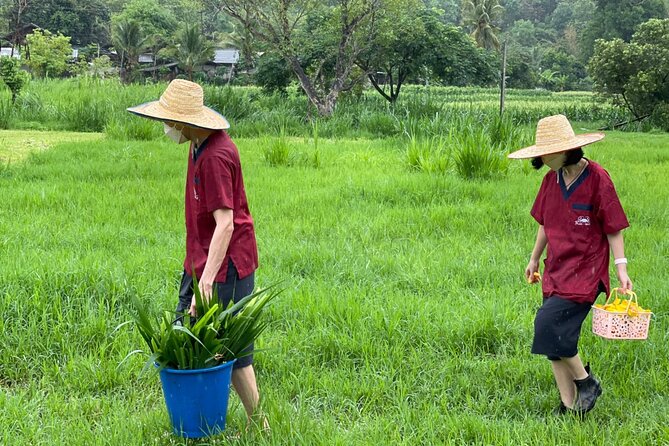
At about $58.70 per person, this tour isn’t the cheapest elephant option. But it can be strong value if you compare what’s included in the half day: small-group time, hotel pickup/drop-off, clothes change, guided elephant care activities, and a Thai meal with fruit and drinking water.
For your money, you’re buying three things:
- Transportation that removes the hardest part (getting to Mae Taeng District).
- Structure so you know what to do with the elephants besides taking photos.
- Time that’s distributed across multiple interactions—feeding, walking, and bathing—rather than one quick segment.
If you’re only looking for a distant viewing or a short stop, you might feel this is more expensive than you wanted. But if you want a real half-day with genuine participation, the price starts to make sense fast.
My take: you’re not paying for a show. You’re paying for access to a caretaking day and a guide-led experience that includes food and a meal.
What to bring: the wet-day packing list that actually helps
You’ll have a better time if you show up prepared for a “wet and dirty” reality. Based on what the tour notes and visitor tips emphasize, bring:
- Spare clothes (this is huge).
- Comfortable shoes and/or sandals you don’t mind getting wet and dirty.
- Shampoo and soap if you want to freshen up after.
- A camera (you’ll want it for sure).
- Mosquito spray or insect repellent.
- Any small personal items you’ll want right after you change back.
Also, think about wet hair and skin. If you bring a lightweight towel or plan to use what the centre provides, you’ll feel less stressed after bathing. Many visitors note that showers and towels are available, so plan for it—but don’t count on it being identical for every group day.
Who should book this elephant experience (and who might skip it)
This tour fits best if you:
- Want a hands-on half-day rather than a short viewing.
- Like guided experiences with clear instructions and a small group size.
- Are okay with getting wet, muddy, and changing clothes.
It might feel less ideal if you:
- Strongly prefer minimal animal interaction and very low physical contact.
- Are uncomfortable with the transfer ride outside the city.
- Have mobility issues that make changing clothes or moving around muddy areas difficult.
If you’re traveling with kids, the structure can work well because the day stays organized and safety-focused. Still, keep an eye on how long you’ll be on your feet and how children handle getting wet.
Should you book the Ran-Tong half-day elephant experience?
I think it’s a great choice when you want more than a photo stop. The combination of small group size, the structured care tasks (like preparing vitamins), and the chance to feed, walk, and bathe makes this one of the more complete half-day elephant experiences near Chiang Mai.
Book it if:
- You value learning and instruction, not just spectacle.
- You’re comfortable with water, mud, and changing clothes.
- You want a day that ends with a proper meal instead of a grab-and-go snack.
Consider skipping or choosing a different format if:
- You know the drive and van seating will stress you out.
- You don’t want the wet part at all.
- You prefer an ultra-low-contact experience.
If you go in prepared and keep your expectations realistic—follow the guide, watch first, move slowly—you’ll likely leave with a memory that feels honest, not staged.
FAQ
How long is the Half-Day Elephant Experience at Rantong?
The duration is about 5 hours (approx.), including pickup, time at the centre, and the ride back.
Do you get hotel pickup and drop-off?
Yes. Pickup and drop-off are offered from Chiang Mai city, so you don’t need to find the meeting point yourself.
How big is the group?
The tour has a maximum group size of 15 travelers.
What will I do with the elephants during the visit?
You’ll meet the elephants, walk with them, take part in bathing, and help with activities like making vitamins for the elephants. You also receive instruction at the centre.
Is lunch included?
Yes. You’ll have Thai food plus seasonal fruit and drinking water as part of the half-day experience.
What’s the cancellation window for a refund?
You can cancel for a full refund up to 24 hours before the experience’s start time. If you cancel within 24 hours, the amount paid is not refunded. Free cancellation is offered, based on the local cutoff time.