REVIEW · CHIANG MAI
Chiang Mai: HALF-DAY COOKING COURSE at a Thai Cooking Farm
Book on GetYourGuide →Operated by THE RICE BARN THAI COOKING FARM CHIANGMAI · Bookable on GetYourGuide
Your hands do the work here. This half-day Thai cooking course in Chiang Mai starts with a local market trip and ends at The Rice Barn Thai Cooking Farm, where you cook the real stuff with an English-speaking instructor. I like the combo of the market ingredient lesson (you learn what Thai pantry staples actually do) and the completely hands-on kitchen setup with individual cooking stations.
One thing to keep in mind: the class is designed for comfort and speed, so some ingredients and amounts may be prepped or measured for you. If you want total control like you’re cooking from scratch with zero guidance, this might feel a bit too structured—though you’ll still leave knowing the logic behind Thai flavor.
In This Review
- Key points before you go
- From Your Hotel to the Market: Getting Oriented in Chiang Mai
- The Rice Barn Thai Cooking Farm: A Clean, Organized Cooking Setting
- Hands-On Cooking With Your Own Station (Not a Sit and Watch Class)
- Market Lessons Turn Into Real Flavor: How the Class Teaches Thai Cooking
- What You’ll Cook at The Rice Barn (Tom Yum, Pad Thai, Curry, and More)
- Time, Transport, and a Full Half-Day That Feels Like More
- English Instruction and Dietary Notes You Should Raise Early
- Price and Value: Why $28 Can Feel Like a Deal
- Who Should Book This Chiang Mai Thai Cooking Farm Course
- Should You Book This Thai Cooking Course at The Rice Barn?
- FAQ
- How long is the Chiang Mai half-day cooking course at The Rice Barn?
- What is the price per person?
- Is English instruction available?
- Does the price include transportation?
- Do I cook myself or just watch demonstrations?
- What’s included in the class?
- Are multiple starting times available?
- What is the cancellation policy?
- What if I need to keep my plans flexible?
Key points before you go
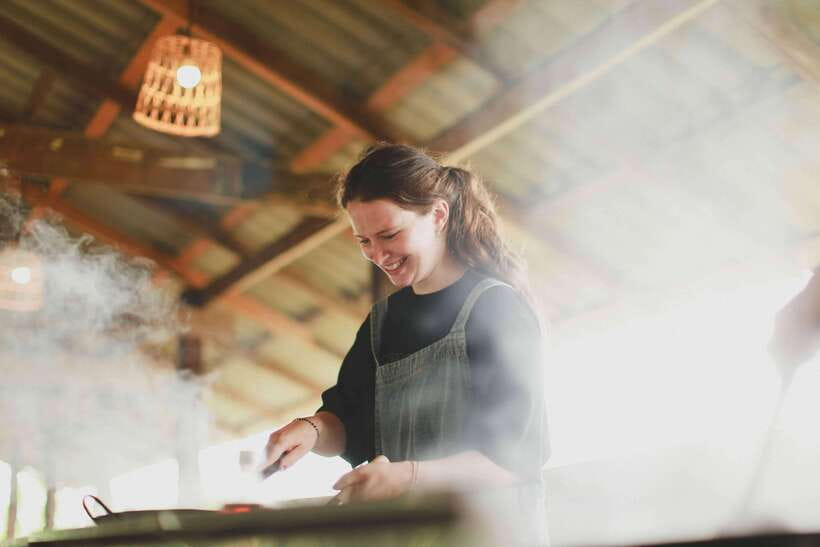
- Market-to-farm flow: You learn ingredients up close, then cook them right away.
- Truly hands-on stations: You cook, not just watch.
- English instruction: Instructors like Oily, Timi, Katie, and Gobby are repeatedly mentioned for clear teaching.
- Big output for the time: Multiple classic dishes with lots of food.
- Clean, well-run kitchen: People call out organized work areas and a tidy farm setup.
From Your Hotel to the Market: Getting Oriented in Chiang Mai
The day starts with hotel pickup in Chiang Mai, using an air-conditioned vehicle for the ride out. That matters more than it sounds: Chiang Mai traffic can be slow, and you want to arrive ready to learn, not already fried (and hungry).
Then comes the market stop. This is not a quick photo moment. Your instructor walks you through the ingredients that make Thai cooking click—especially the things that can look similar until you taste or understand how they’re used. Many sessions include a fruit and vegetable market, and a few guides also show how items like coconut milk are made, which turns a common ingredient into something you actually understand.
Practical tip: go with one simple goal. Try to remember what each ingredient does in flavor—sweet, sour, salty, herbal, smoky—not just what it is called. Thai recipes are built on balance, and that’s the skill you’re really buying here.
You can also read our reviews of more tours and experiences in Chiang Mai.



The Rice Barn Thai Cooking Farm: A Clean, Organized Cooking Setting
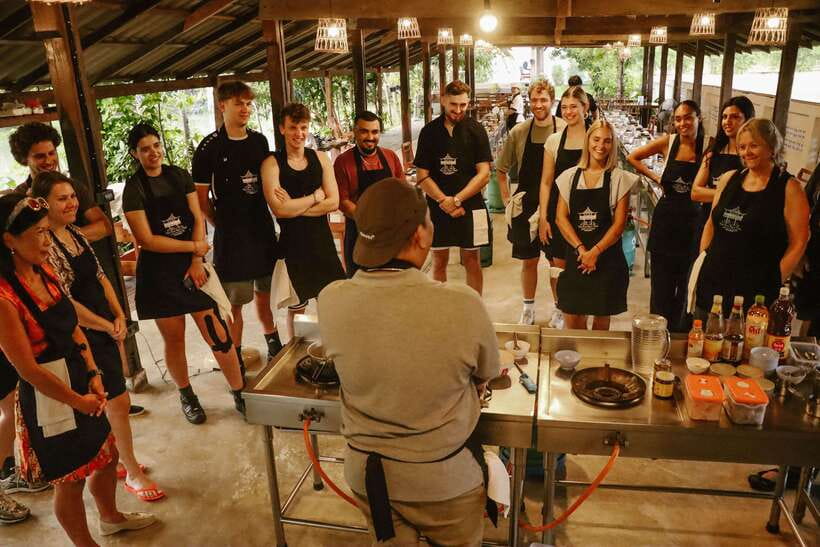
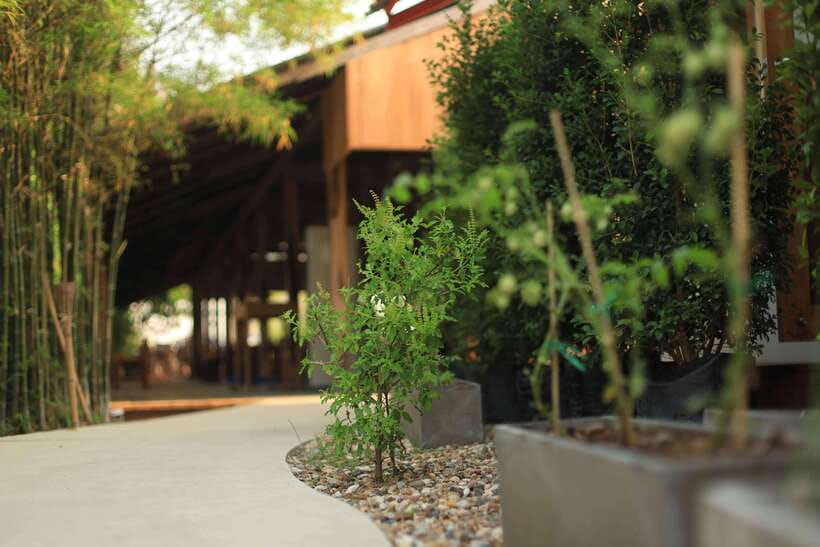
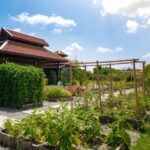
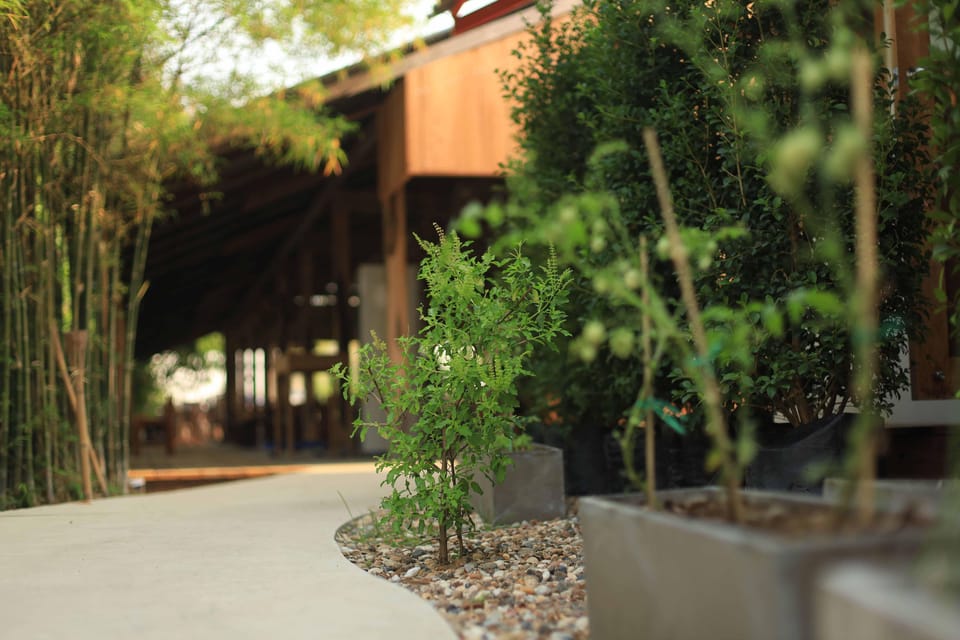
The cooking part happens at The Rice Barn Thai Cooking Farm, in a setting people describe as beautiful and very well organized. One repeated theme is cleanliness: work areas are described as tidy, and the kitchen setup feels professionally run. You’ll also see an outdoor feel with gardens and produce growing nearby in the farm environment, which helps you connect the food on your plate to what’s grown locally.
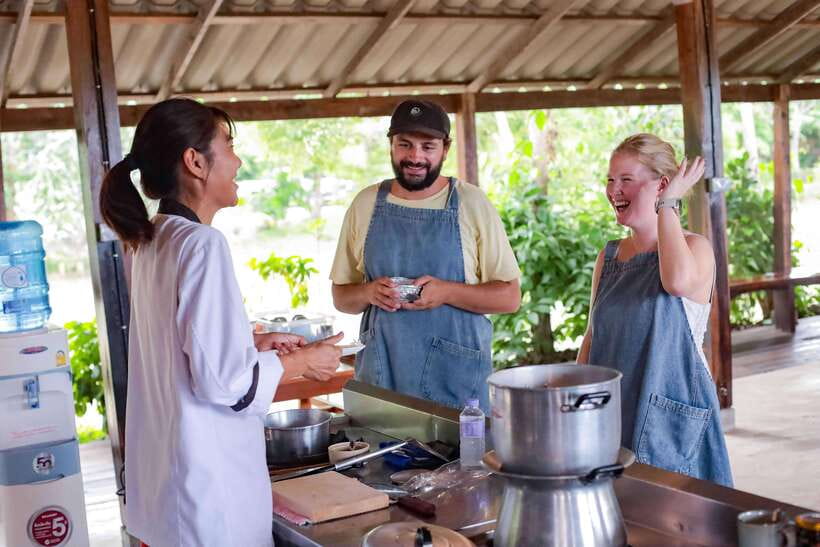
The kitchen is set up for individuals. Multiple reviews mention individual stainless-steel stations and a layout that keeps you working at your own station instead of crowding around one pot. If you’ve done cooking classes where everyone fights for counter space, you’ll appreciate this.
One more underrated detail: people mention the facilities were great, including bathrooms. It sounds basic, but in an open-air kitchen, it makes the whole experience easier to enjoy without distraction.
Hands-On Cooking With Your Own Station (Not a Sit and Watch Class)
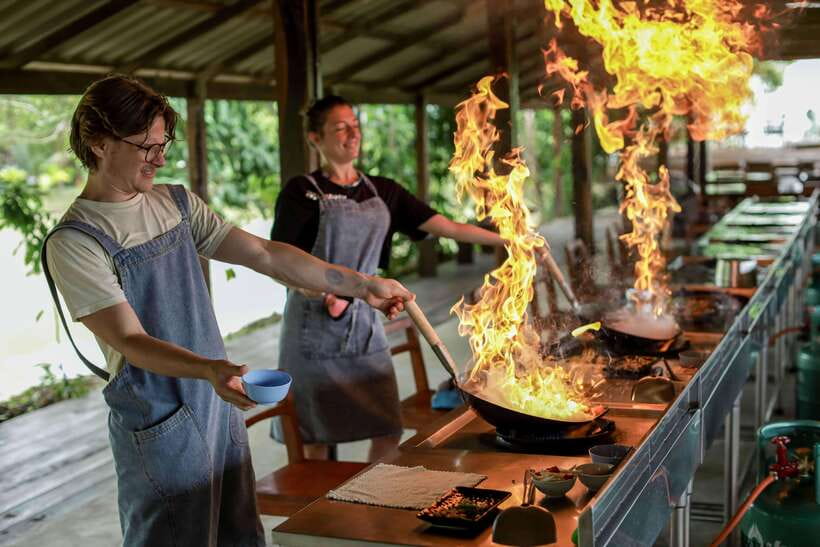
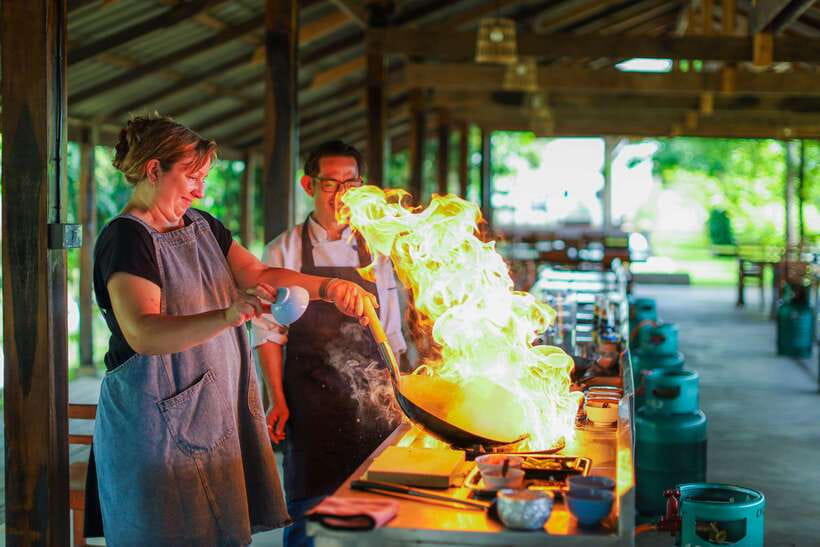
This is a hands-on course in the truest sense. Each person commands their own cooking station, and you cook the dishes yourself. The instructor still demonstrates first, but then you take over—so you learn by doing, not by copying from across the room.
The teaching style gets strong praise. Guides such as Oily, Timi, Katie, Gobby, and others are mentioned as funny, energetic, and attentive. That matters because Thai cooking can feel chaotic if someone’s just tossing tips at you. Here, the explanations tend to connect flavor to technique: why something goes in first, what changes when you heat spices, and how sauces come together.
Group size can be small in some sessions. One review called out a group around eight people, and the kitchen still had room for everyone’s workflow. That balance—small enough to get attention, big enough to share the day—seems to be part of why people rate the experience so highly.
Market Lessons Turn Into Real Flavor: How the Class Teaches Thai Cooking
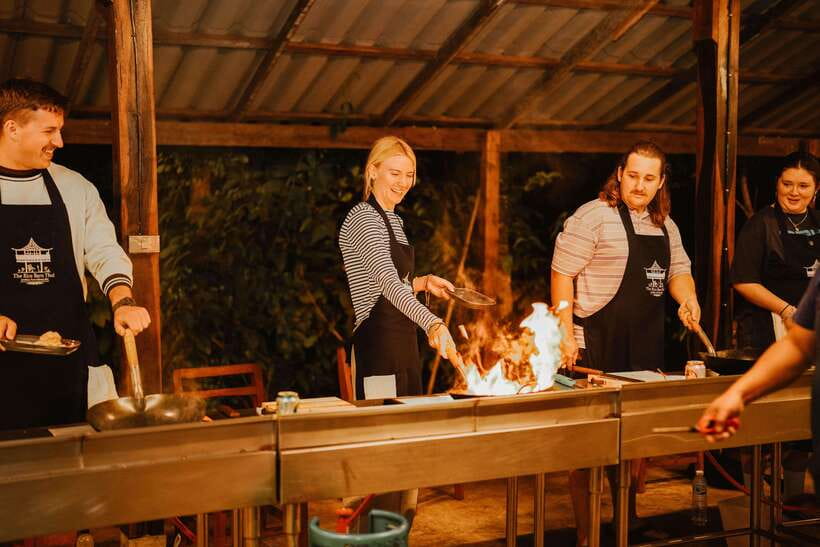
Thai cooking isn’t hard because it’s complicated—it’s hard because you’re missing the invisible rules. This course focuses on those rules.
At the market, you learn about ingredients Thai people actually use day to day: aromatics, herbs, dried spices, and the key “supporting players” that show up in multiple dishes. Back at the farm kitchen, the instructor then translates that into action—how to use them in the right order and how to build a sauce instead of guessing.
You’ll also get confidence for home cooking. That’s not hype; it comes from the recipe format and the instruction rhythm. In addition to cooking, you get a color recipe ebook. That means you can repeat what you made without relying on memory (or on a phone camera that only captures steam and chaos).
One honest caution from the feedback: some people felt the class is beginner-friendly and that ingredients might be prepped or measured. That’s great if you’re new. If you want a tougher challenge—choosing ingredients freely and mixing sauces without guidance—you might still get value, but you may want to treat the class as training wheels rather than a full independent “cook the whole meal yourself” experience.
What You’ll Cook at The Rice Barn (Tom Yum, Pad Thai, Curry, and More)
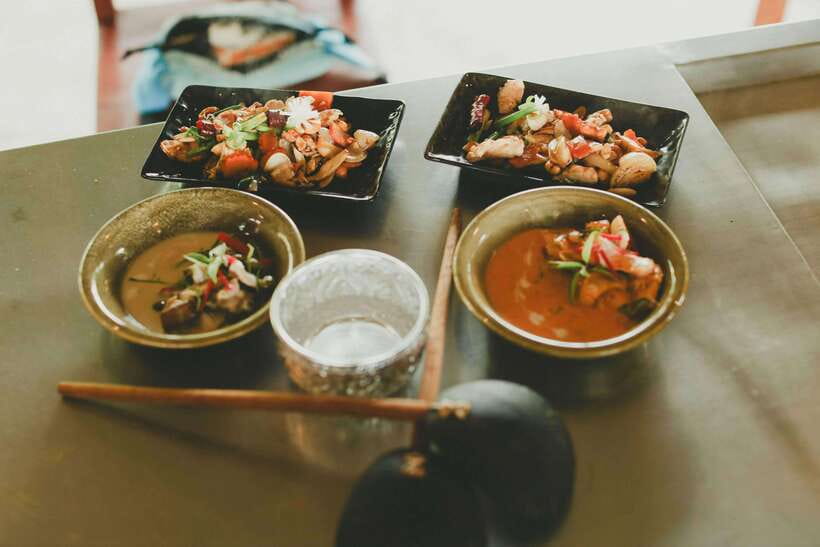
The course covers multiple classic Thai dishes, and the exact mix can vary by session. Across the experience, common dishes mentioned include:
- Tom Yum Goong (hot and sour shrimp soup)
- Pad Thai
- Panang and Green Curry (you may choose between them)
- Cashew stir-fried chicken
- Sticky rice options, including mango sticky rice
Some sessions also mention a flambé-style moment with the cashew dish, which is one of those techniques you remember because it looks dramatic and teaches heat control. Another recurring theme is that everything is fresh and plentiful. In other words, you’re not just tasting while standing there—you’re cooking and then eating a real meal you made.
Important practical note: you’ll likely get enough food to feel full, and multiple people suggest not eating beforehand. I agree with the logic. Plan your day so this class is the main event for your calories.




Time, Transport, and a Full Half-Day That Feels Like More
Even though it’s often described as a half-day, it’s a full 6 hours. That’s the right length for a market walk and a multi-dish cooking session. It also means you won’t feel rushed during the cooking steps, because there’s time to demonstrate, troubleshoot, and let you actually practice.
You get round-trip transportation by air-conditioned vehicle from your Chiang Mai hotel area. People rate transport highly, often mentioning smooth pickup and drop-off. That’s worth caring about in Chiang Mai because it reduces friction and keeps you focused on learning instead of juggling rides.
You’ll also be served coffee and/or tea, which helps during the earlier part of the program. Then you shift into full dining mode afterward.
English Instruction and Dietary Notes You Should Raise Early
The instructor is listed as English-speaking, and many reviews praise guides for clarity. Names come up repeatedly—Oily, Timi, Katie, Gobby—but the real point for you is whether you’ll understand the steps. In feedback, instructors are described as good at explaining ingredients and methods, not just performing.
If you have dietary needs, raise them before you go. One review mentions the team being attentive to a gluten-free need. That’s encouraging, but it’s still smart to ask directly rather than assume. If you have allergies or a strict diet, message the organizer and confirm what you can safely eat.
Price and Value: Why $28 Can Feel Like a Deal
At $28 per person for a 6-hour hands-on cooking class with transport and ingredients included, the value mostly comes from four things:
- You’re not paying only for instruction. You’re also paying for the ingredients and materials, and you eat what you cook.
- Transport is included. Many classes in Chiang Mai leave you to sort rides out yourself. Here, pickup and round-trip transport are part of the package.
- Multiple dishes in one sitting. People often mention cooking several Thai dishes, then eating a plentiful meal.
- You take learning home. The color recipe ebook makes it easier to recreate dishes later.
If you usually spend money on tastings or short demos, this is the upgrade: you pay once and leave with both meals and skills.
Who Should Book This Chiang Mai Thai Cooking Farm Course
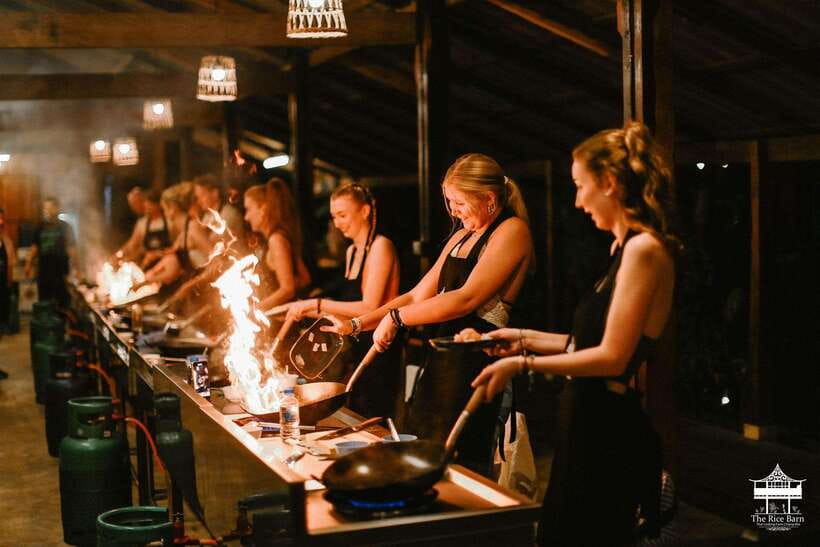
This is ideal if you want a hands-on experience and you’re serious about learning the basics of Thai flavor building. Couples seem to love it, and solo diners also describe making quick connections while still cooking individually at their own stations.
It also suits beginners. The teaching tends to be supportive and structured, and the class setup helps you follow along without needing advanced knife skills or spice experience. If you’re traveling with kids, there’s at least one note that the guide was great with children—though you should still keep expectations reasonable for a 6-hour class.
If you’re an advanced cook and you want zero guidance, you might find the prepped structure a little limiting. But you’ll still learn Thai ingredient logic and sauce construction, which is useful even for experienced home cooks.
Should You Book This Thai Cooking Course at The Rice Barn?
I’d book it if you want the easiest path to cooking Thai classics at home: market knowledge first, then hands-on practice, then a big meal you made yourself. The big wins are the market ingredient lesson, the individual cooking stations, and the consistently praised teaching style from guides like Oily, Timi, Katie, and Gobby.
I’d skip it—or pick a different class—if you want a totally independent, freestyle cooking challenge with minimal structure. Otherwise, this is strong value for a real skill-building day in Chiang Mai.
FAQ
How long is the Chiang Mai half-day cooking course at The Rice Barn?
The course duration is 6 hours.
What is the price per person?
The price is $28 per person.
Is English instruction available?
Yes. The instructor is listed as English-speaking.
Does the price include transportation?
Yes. Round-trip transportation is included with an air-conditioned vehicle, with pickup from your hotel in Chiang Mai.
Do I cook myself or just watch demonstrations?
It’s completely hands-on. Each person has their own cooking station.
What’s included in the class?
The course includes materials and all ingredients for cooking, coffee and/or tea, and a color recipe ebook.
Are multiple starting times available?
Yes. Starting times depend on availability, and the course can be offered as a morning or evening session.
What is the cancellation policy?
Free cancellation is available up to 24 hours in advance for a full refund.
What if I need to keep my plans flexible?
There’s a reserve now & pay later option, where you can book your spot and pay nothing today.