REVIEW · CHIANG MAI
Cooking Morning Class Chiang Mai Visit Organic Garden and Market
Book on Viator →Operated by Siam Garden Cooking School · Bookable on Viator
That smells like a good plan for your day. You get a market walk, an organic garden stop, and a hands-on cooking class that ends with lunch you made. I like the choose-your-own menu setup and the fact each cook gets their own station—one person per wok—so you are not just watching.
I especially appreciated the way instructors such as Gift and Cream keep things moving without rushing the teaching. One possible drawback: it runs in a structured, station-style pace, so some steps may feel like guided assembly rather than fully slow cooking from scratch.
In This Review
- Key Things I’d Prioritize Before Booking
- A Morning Schedule That’s Easy to Love
- Hotel Pickup to the Market: Start Where Your Day Is Most Convenient
- The Organic Garden Stop: Herbs You’ll Recognize After the Class
- Six Courses and Your Own Cooking Station
- How the Class Actually Moves: Stations, Guidance, and Plenty of Food
- What You’ll Likely Cook (and Why It Matters)
- Price, Value, and the Real Cost of a Good Ingredient Lesson
- Who Should Book This Cooking Class (and Who Might Not Love It)
- Should You Book It?
- FAQ
- What time does the class start and end?
- Is hotel pickup included?
- Where does the market visit happen?
- What will I cook during the class?
- Do I cook by myself or in groups?
- Can I choose vegetarian, vegan, or gluten-free options?
- Can I control how spicy my food is?
- Is sticky rice with mango included?
- What’s included with lunch and drinks?
- Is Wi-Fi and a recipe book provided?
Key Things I’d Prioritize Before Booking
- Pick your own 6-course menu (appetizer, curry paste, curry, stir-fried dish, soup, dessert)
- Your own wok and mortar for the work that matters most
- Market + organic garden so ingredients make sense, not just appear on a cutting board
- Spice control and dietary menus including vegetarian, vegan, and gluten-free options
- Hotel pickup/drop-off in Chiang Mai Oldtown area for an easy start
- Lunch in two settings: air-conditioned dining room or open-air Thai pavilion by the garden
A Morning Schedule That’s Easy to Love
This is a half-day class designed to fit into a Chiang Mai itinerary without eating your whole day. The pace is tight but fair, and it has a clear flow: pick up, market, garden, cook, eat, done.
You’re looking at about 4 hours 30 minutes total, and the morning runs roughly 9:00 to 14:00 (the end time can shift a bit depending on your group). With a maximum of 15 travelers, you should expect a small-group feel even if the kitchen is working like a production line.
For a price like $13.04 per person, the value comes from what’s included: market and organic garden time, ingredients, hands-on cooking, lunch, and a full color online recipe book plus online photo albums.
You can also read our reviews of more tours and experiences in Chiang Mai.



Hotel Pickup to the Market: Start Where Your Day Is Most Convenient
Pickup happens from select hotels in the Chiang Mai Oldtown area, usually between 9:00 and 9:30. If you’re staying elsewhere, you’ll want to confirm where the meet point fits your location, because the activity ends back at the meeting point.
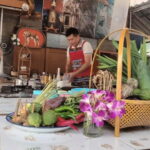
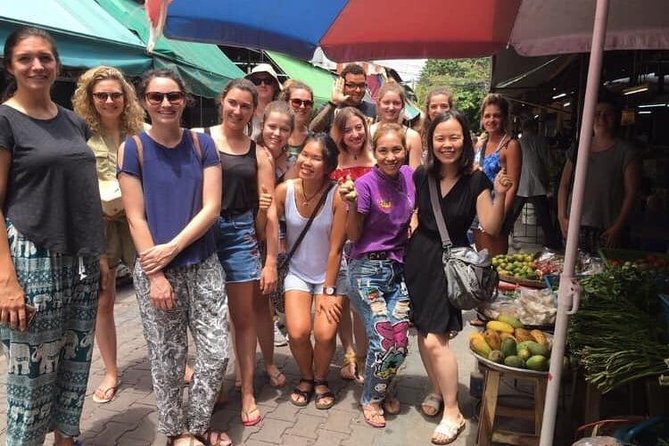
Once you’re gathered, you head to the local market for around 10:00. This stop is more than a quick photo op. You learn what you’re actually going to cook with—fruits, vegetables, herbs, and the ingredients that define Thai flavors.
From the way the instruction is described, you’re not just buying items. You’re learning how to recognize them and what role they play in dishes. That matters, because Thai cooking is ingredient-driven. If you get the ingredient logic, you can repeat the food later at home without guessing.
The Organic Garden Stop: Herbs You’ll Recognize After the Class
After the market, you move to the cooking school around 10:30, where you visit the organic garden. This part is one of the main reasons I’d choose this class over a pure cooking-only option.
In the garden, you see herbs and plants before they become food. That single shift—seeing the leaf or herb in plant form—makes the later steps much easier to follow. You also get a chance to pick herbs you’ll use in your dishes, which is satisfying in a hands-on, non-performative way.
One lesson that’s specifically called out is learning about glutinous rice for sticky rice with mango. Even if that dessert isn’t your first pick, the rice lesson is the kind of Thai “don’t mess this up” skill that usually gets glossed over in shorter classes.
A practical note: the garden and the outdoor pavilion can make weather more relevant. If it’s a hot or wet day, you’ll be glad the tour also includes air-conditioned dining time.
Six Courses and Your Own Cooking Station
Now for the part you came for: you cook your own meal.
You choose a 6-course menu, with one selection in each category:
- Appetizer
- Curry paste
- Curry
- Stir-fried dish
- Soup
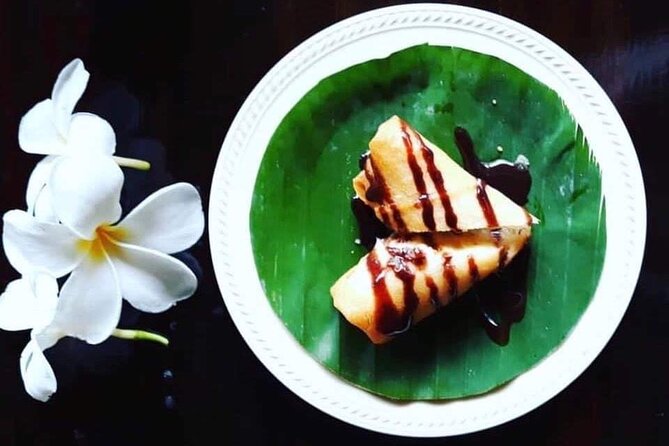
- Dessert
What I like here is the control. You’re not forced into a fixed menu that only works for one palate. If you eat vegetarian, vegan, or need gluten-free, the class lists those options as available.
Spice is also adjustable. You can make food spicy or mild depending on your preference, which is important in Thai cooking where heat often doubles as flavor (not just punishment).
And the “hands-on” claim is not fluff. The class is set up with:
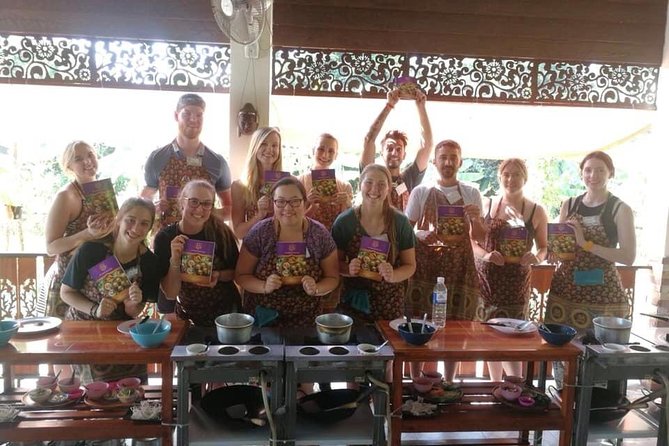
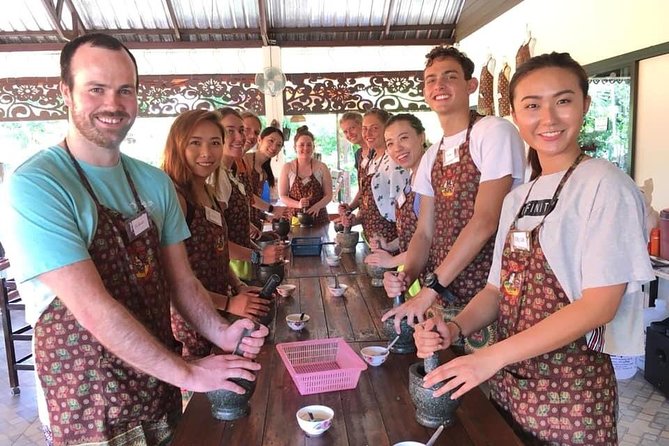
- One person per wok
- Make curry paste with one person per mortar
That mortar detail matters because curry paste isn’t just chopping. It’s the grinding and balancing step where texture and flavor start to lock in.
How the Class Actually Moves: Stations, Guidance, and Plenty of Food
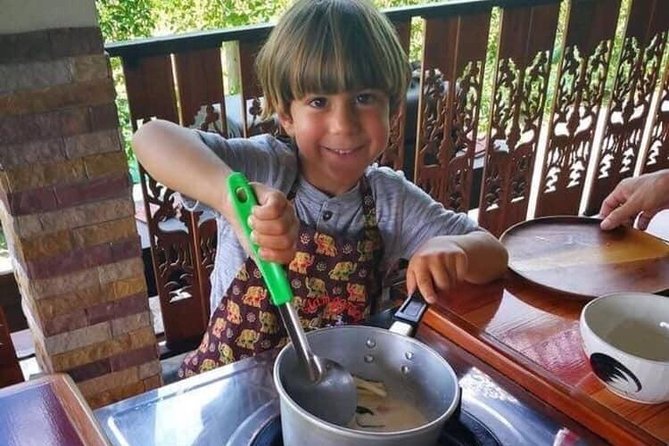
The class works like a structured cooking flow. You start with explanation and instruction, then you cook your selected dishes. The description also notes that groups may begin cooking in an organized way, with help available as you go.
This style can feel slightly intimidating at the start if you’re used to slower cooking experiences. But the upside is efficiency: you get through six dishes without turning lunch into a never-ending project.
You’ll also get a place to eat in one of two ways:
- Chiang Mai-styled dining room with air conditioning
- Open-air Thai pavilion in the garden area
Eating in air-con is a relief after market time. Eating outdoors can be lovely if the weather cooperates—just know it’s part of the experience, not a guarantee.
Throughout the class, you get tea, coffee, and drinking water. There’s free Wi-Fi, plus online photo albums after the class. Alcohol is not included, but it’s available to purchase separately.



What You’ll Likely Cook (and Why It Matters)
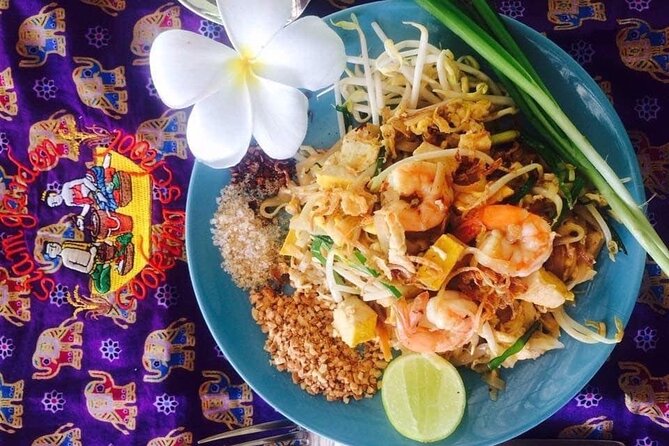
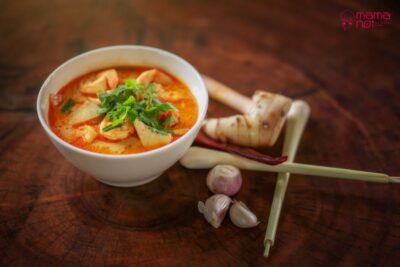
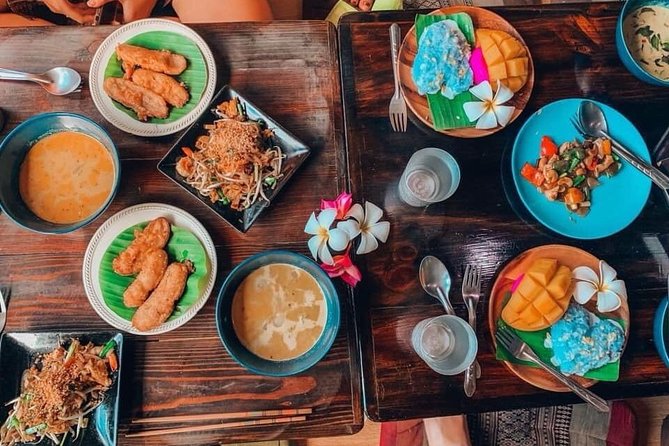
The course examples mentioned in the experience description include Thai favorites such as sticky rice with mango, Pad Thai, and Tomyum soup. You’re choosing your own menu, so you won’t necessarily get all of those, but they show the direction: classic Thai comfort food with bold, balanced flavor.
Here’s what makes this class valuable for your future self: you’re not just tasting Thai food. You’re practicing the specific techniques that create Thai taste—rice for sticky mango, the curry paste foundation, and the way soups and stir-fries get their flavor layers.
Also, you’re cooking enough that it feels like a full meal, not a snack. Many Thai cooking classes stop at a couple dishes. This one is built for a proper lunch, and the program notes that you can either eat all your food on site or take it away.
If you like the idea of learning and then immediately eating your results—no museum-style waiting—this format fits.
Price, Value, and the Real Cost of a Good Ingredient Lesson
Let’s talk value without the marketing fog.
At $13.04 per person, you’re paying for far more than “someone shows you how to stir a pan.” You’re paying for:
- Pickup/drop-off support in the Oldtown area
- A market visit to learn ingredients firsthand
- An organic garden stop where herbs show up in their natural form
- Fresh ingredients for your cooking
- Hands-on work with your own wok and mortar
- Six-course lunch (including dessert)
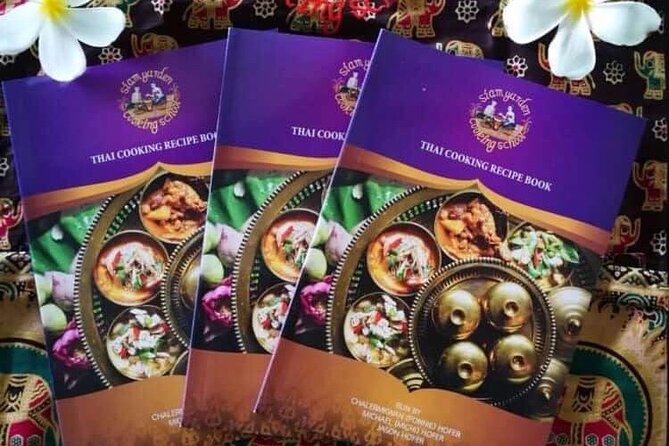
- A full color online recipe book
- Tea/coffee/water and free Wi-Fi
The only clear “extra” that pops up is alcohol (purchase) and any additional fees for non-participant visitors or infants—since visitor and infant are not available under this experience, you’ll want to plan accordingly if you’re traveling with little ones or additional family.
If you’re comparing options in Chiang Mai, the big value lever is that this class tries to connect the dots: market knowledge + garden ingredients + cooking practice + take-home recipes.
Who Should Book This Cooking Class (and Who Might Not Love It)
This is a great fit if:
- You want a morning activity that ends with a real lunch
- You like structured classes but still want hands-on cooking
- You need dietary flexibility (vegetarian, vegan, gluten-free options are listed)
- You care about learning ingredients, not just following recipes
- You’ll use the recipes later—because you get a digital cookbook after
It may be less ideal if:
- You want a totally unstructured culinary experience with lots of free roaming
- You dislike station-style pacing (the kitchen is organized and moves efficiently)
- You’re bringing an infant or a non-participant visitor, since this experience notes that visitors/infants are not available
Should You Book It?
Yes—if you want maximum cooking time for a small chunk of Chiang Mai morning. The best reason to book is the combination of market + organic garden + your own cooking stations. You get a teachable ingredient lesson, not just a meal.
My practical advice: choose your menu in a way that matches how you like to eat. If you love curry, pick curry paste and curry options that fit your spice comfort. If you’re trying Thai food for the first time, start with familiar flavors in soup and stir-fry form so the heat feels intentional, not random.
If you’re organized, hungry, and curious about real Thai ingredients, this one is a strong bet.
FAQ
What time does the class start and end?
It runs in the morning, roughly 9:00 to 14:00. Pickup typically begins around 9:00–9:30, and the schedule can finish before or later depending on the group.
Is hotel pickup included?
Yes, transport from/to the hotel in Chiang Mai Oldtown is included for participants (select hotels).
Where does the market visit happen?
You go to a local market as part of the morning program, after pickup and before arriving at the cooking school.
What will I cook during the class?
You choose a 6-course menu, including an appetizer, curry paste, curry, stir-fried dish, soup, and dessert.
Do I cook by myself or in groups?
This is set up as one person per wok, with guidance from an English-speaking instructor.
Can I choose vegetarian, vegan, or gluten-free options?
Yes. The experience lists vegetarian, vegan, and gluten-free menu options, plus meat options, and asks you to inform staff on the day of the class.
Can I control how spicy my food is?
Yes. You can set your dishes to be spicy or mild, depending on your preference.
Is sticky rice with mango included?
The class specifically notes that you’ll learn how to cook glutinous rice for sticky rice with mango.
What’s included with lunch and drinks?
You eat what you cook (or you can take food away), and you’re provided tea, coffee, and drinking water. Alcohol is not included (it’s available to purchase).
Is Wi-Fi and a recipe book provided?
Yes. There’s free Wi-Fi, plus a full color online recipe book and online photo albums after the activity.