REVIEW · KO SAMUI
Koh Samui: Elephant Sanctuary Entry and Feeding Experience
Book on GetYourGuide →Operated by Elephant Jungle Sanctuary Samui Co., Ltd. · Bookable on GetYourGuide
Elephants are close here, and it feels gentle. For a $28 hour, you get hands-on feeding in a sanctuary setup that aims for natural behavior, plus time to take photos while the elephants roam. My favorite part is how feeding time drives the whole experience, not staged tricks; my one drawback is that this is still an animal encounter, so you should expect some walking on uneven paths and you won’t be in control of exactly which elephants come to you.
You’ll spend about an hour with a live guide (English and Thai) and a small group capped at 10. The big ethical point: no rides, no harmful activities, just respectful interaction at feeding time, with elephant welfare prioritized.
In This Review
- Key things I’d watch for
- Ethical Elephant Feeding in Koh Samui: What You Really Get
- Your 1-Hour Schedule at the Sanctuary Feeding Camp
- Feeding Time: Baskets, Elephant Choice, and Photo Moments
- What the Sanctuary Setting Teaches You About Welfare
- Price and Value: Is $28 Worth It?
- Who This Experience Suits Best on Koh Samui
- Practical Tips for a Better Visit
- Should You Book This Koh Samui Elephant Sanctuary Feeding Experience?
- FAQ
- How long is the Koh Samui elephant sanctuary feeding experience?
- What is included in the ticket price?
- How much does it cost?
- Is elephant riding part of this experience?
- Can I feed the elephants myself?
- What group size should I expect?
- What languages are the guides?
- Is this experience wheelchair accessible?
- Is there free cancellation?
- Who is this best for?
Key things I’d watch for
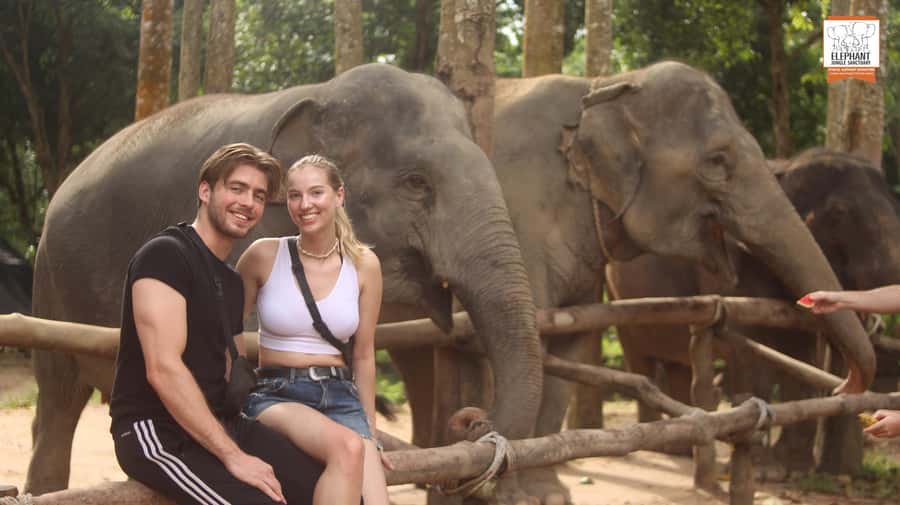
- Feeding is the main event: you hand-feed elephants yourself with elephant food provided
- Ethics are built in: elephant rides and other harmful activities are not part of the experience
- Small group feel: limited to 10 participants, so you’re not lost in a crowd
- Photo-friendly moments: you’ll have time for pictures, and guides help with them
- Elephants choose the distance: you’re close, but the interaction follows their comfort
Ethical Elephant Feeding in Koh Samui: What You Really Get
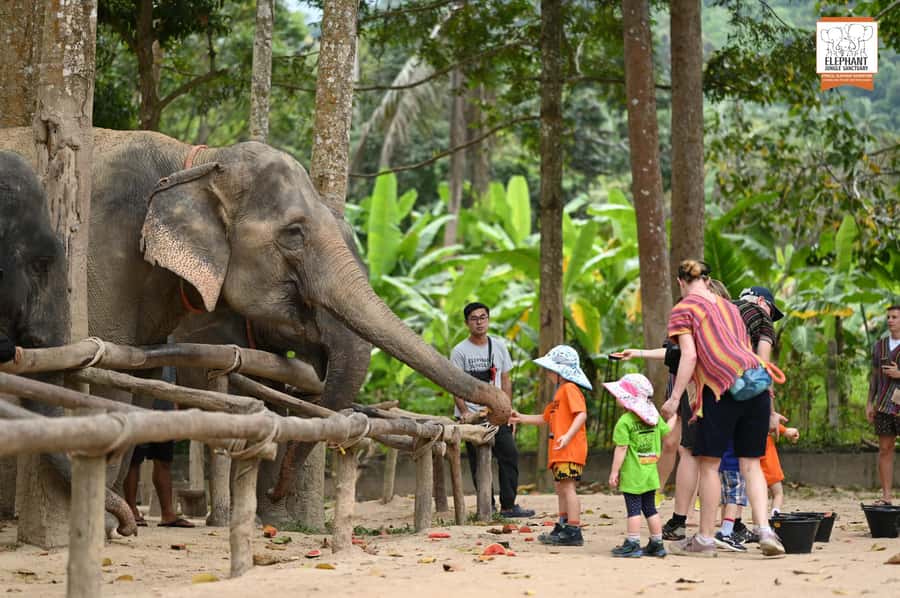
This Koh Samui experience is not about sitting on an elephant. It’s about meeting them during their meal time, in a sanctuary that aims to simulate their natural environment as closely as possible. The core activity is simple: you enter, you’re given elephant food, and you feed elephants yourself while a guide explains what you’re seeing.
What I like most is the way the experience is framed around behavior and welfare. Since elephant rides and other harmful activities aren’t included, you’re not part of the same “perform for me” model that still exists in some places. Instead, you’re practicing respectful distance and watching how elephants interact with people when they’re not being forced.
The second big win is the time structure. With a 1-hour duration, you get the emotional payoff without feeling like you’ve lost most of your day. It also helps if you’re planning around heat, beach time, or a short stay on the island.
The one caution: even in a sanctuary, you’re walking around in real terrain. Some people report long, uneven stretches. If you’re coming with mobility limits, it’s great that the activity is listed as wheelchair accessible, but plan for uneven ground.
You can also read our reviews of more tours and experiences in Ko Samui.



Your 1-Hour Schedule at the Sanctuary Feeding Camp
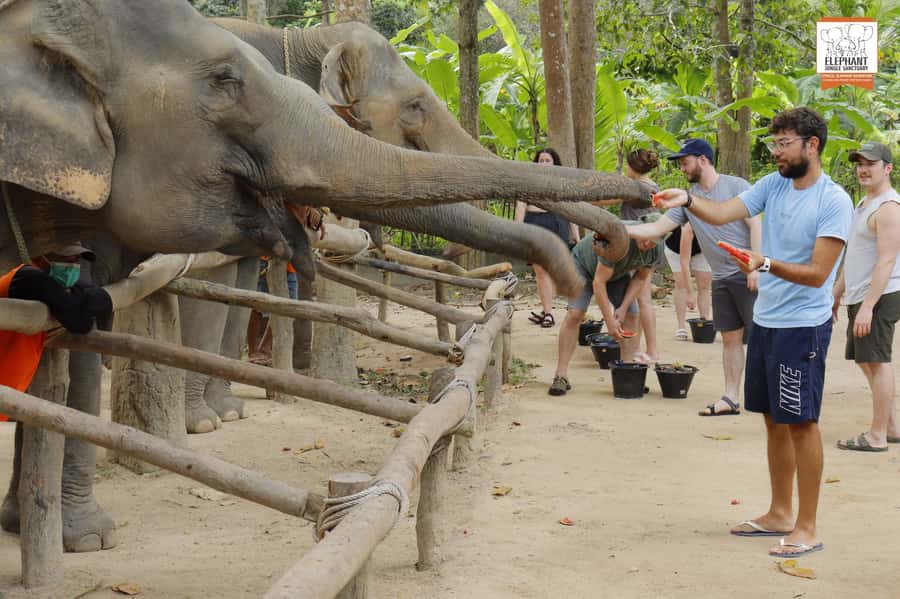
This is an hour-long visit with a live tour guide and a small group. You’ll join a feeding session at the provider’s camp, where the “magic” happens when the elephants come in for their meals.
In practice, the flow usually feels like this:
- Check in at the sanctuary area and get set up for feeding
- Receive elephant food (often in baskets)
- Join feeding time in the camp area while a guide explains what to look for
- Spend time with multiple elephants for relaxed interaction and photos
- Wrap up and head out when your hour is done
You’re not trapped in a classroom-style lecture. The guide’s role is to connect what you’re watching—calm roaming, social dynamics, how elephants take food—with why the sanctuary is set up this way.
A detail that shows up in people’s stories: you may be asked to wash hands before you handle the food and interact. It’s a small step, but it makes the feeding feel clean, controlled, and respectful.
Feeding Time: Baskets, Elephant Choice, and Photo Moments
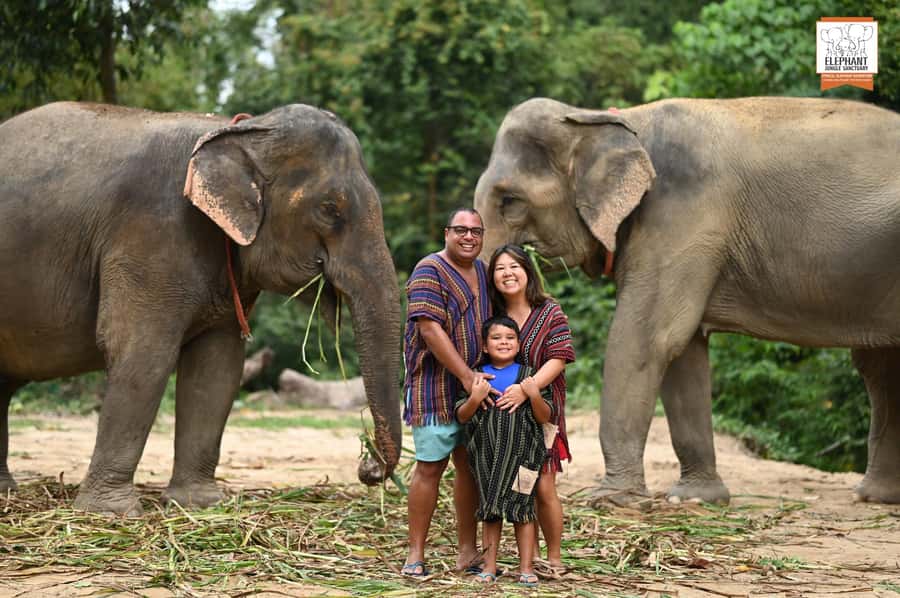
Feeding elephants yourself is the part you’ll remember. You’re handed elephant food, you hold it, and you offer it when the elephants come close. One review specifically described feeding watermelon to different elephants, and other people mentioned feeding leafy branches as well. So expect a mix of foods and see what your session provides.
The best part is also the most important ethical cue: the elephants are not forced. People describe that the elephants come toward them when they want to, and that the guides help manage interactions so the elephants can rest. You’ll also see natural behaviors in between the moments of feeding—things like relaxed roaming and mud-related play that people associate with elephants being allowed to live a more normal routine.
On the photo side, the setup is built for sharing. Many participants say the guides help you capture the moment, including pictures while you’re close to the elephants. You should still treat photos as secondary to the elephants’ comfort. If an elephant leans in, you take the picture you want. If it doesn’t, you don’t chase it.
A small reality check: because elephants are animals, their timing is their timing. If one elephant ignores the basket for a minute, you wait. If an elephant takes a bite and moves on, you go with it. That’s part of the value here: the encounter feels more like observing behavior than controlling a performance.
What the Sanctuary Setting Teaches You About Welfare
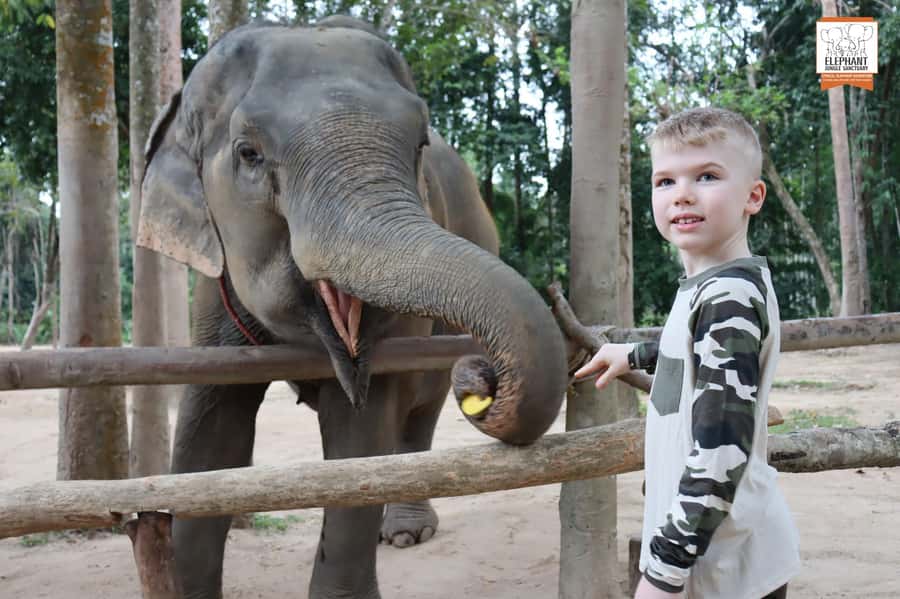
This sanctuary is designed to prioritize elephant welfare. The description emphasizes that the environment tries to simulate what elephants experience in the wild as closely as possible. In a real-world sense, that shows up as elephants wandering freely in a natural setting, rather than being held in place for entertainment.
Multiple reviews mention no chains and no sticks in sight during interaction, and that the elephants look healthy and well-cared-for. That matters because it’s not only about what you get to do—it’s about what the elephants are not being made to do.
You’ll also hear context from the guide about rescued elephants and why they’re in sanctuary care. One named guide that comes up is Karam, praised for helping make the experience enjoyable and for taking photos. Even if you don’t get that exact guide, you can expect a hands-on explanation of the elephants’ behavior and social dynamics during feeding time.
If you’re worried the experience will feel like a zoo, pay attention to the tone of the guide and the way the feeding is managed. The ethical focus is meant to come through in small behaviors: letting elephants set the pace, encouraging breaks, and keeping interactions calm.
Price and Value: Is $28 Worth It?
For $28 per person, you’re paying for entry to the sanctuary plus elephant food, with a 1-hour guided experience. That’s the main value equation here: the price includes what you need to participate in the activity, and it avoids the cost of extra packages that often come with rides or other harmful add-ons elsewhere.
Also, short duration can be a hidden bargain. It’s easier to fit into a day. It’s easier to pair with beaches, temples, or a sunset drive without burning your whole schedule.
Is it expensive for a “ticket”? In Thailand, yes, it’s not a bargain-basement attraction. But it’s also not a ride-and-dash experience. You’re paying to be in an ethical setting with close contact during feeding, plus guided interpretation in English or Thai and a small group size.
If you want the most value, show up rested and ready to slow down. This isn’t a fast photo line where you get your checklist moment and leave. It’s an interaction window where you’ll likely get better photos and a better experience when you’re patient and respectful.






Who This Experience Suits Best on Koh Samui
This activity fits best if you want close-up elephant time without riding, and you care about welfare-focused encounters. It’s also a strong option for families because it’s only an hour long and centered on feeding and watching. One review described a 6-year-old having a great time, and many other reviews highlight that adults enjoy it too.
It’s also a good fit if you’re a first-timer with elephants. People describe their first feeding here as emotional and memorable. Since the guide is present, you don’t feel like you’re wandering into the unknown.
Where you might adjust your expectations:
- If you need guaranteed, perfect photo angles, you won’t get that here. Elephants move at their own pace.
- If you have mobility limitations, even with wheelchair accessibility listed, expect uneven terrain and plan accordingly.
- If you want a long, day-long sanctuary program, this one is short by design.
Practical Tips for a Better Visit
I’d plan your visit like you’re going for an animal encounter, not a theme park. That means small preparations that make a difference on the ground.
Wear simple shoes you don’t mind getting warm or damp. You’ll be close enough to elephants that you want stable footing. Bring sunscreen and water too, because even with short duration, the heat can build fast.
When you get your food basket, listen to the guide and follow their pace. Don’t offer food aggressively or try to “force” closeness. The best interactions happen when you wait calmly and let the elephant come to you.
For photos, use the time wisely:
- Take a few quick shots when the elephant is near
- Then put the phone down and watch for behavior cues the guide explains
- Ask the guide for help with pictures if they offer it during your moment
If you’re one of those people who really wants the full emotional experience, treat this as a quiet hour. You’ll likely get a more meaningful connection when you don’t sprint through it.
Should You Book This Koh Samui Elephant Sanctuary Feeding Experience?
Book it if you want ethical elephant interaction, a short time commitment, and feeding that follows the elephants’ comfort. The combination of entry plus elephant food, small group size (up to 10), and explicit removal of elephant rides makes this one of the safer choices for people who care how animals are treated.
Skip it or rethink your plan if your top priority is a guaranteed, choreographed show. This place aims for calm, natural behavior. You’re there to watch and participate in feeding, not to direct the experience.
If you’re on Koh Samui with limited time, this hour-long format is one of its biggest advantages. And if you’ve been comparing encounters, the no-rides rule plus the welfare-focused setup is what makes the ticket feel like more than just a photo opportunity.
FAQ
How long is the Koh Samui elephant sanctuary feeding experience?
It lasts about 1 hour.
What is included in the ticket price?
Your ticket includes entry to the sanctuary and elephant food.
How much does it cost?
The price is listed as $28 per person.
Is elephant riding part of this experience?
No. Elephant rides and other harmful activities are not part of the experience, since ethical treatment of the animals is prioritized.
Can I feed the elephants myself?
Yes. The experience includes feeding during feeding time.
What group size should I expect?
It’s a small group, limited to 10 participants.
What languages are the guides?
The live tour guide is listed as English and Thai.
Is this experience wheelchair accessible?
It’s listed as wheelchair accessible.
Is there free cancellation?
Yes. You can cancel up to 24 hours in advance for a full refund.
Who is this best for?
It’s especially good for people who want a close-up, feeding-focused elephant encounter with welfare as the priority, and for families who can handle a short, guided visit without animal riding.