REVIEW · CHIANG MAI
Chiang Mai: Cooking Class with Organic Farm at Mama Noi
Book on GetYourGuide →Operated by Mama Noi Cookery School · Bookable on GetYourGuide
Cooking in Chiang Mai starts with your own ingredients. At Mama Noi, you pair a local market ingredient hunt with an organic farm garden walk, then you cook multiple Thai dishes from scratch with an English-speaking chef (names like Nook and Mai come up often).
I love two things most. First, you learn by doing: you choose what you’ll cook, then chop, stir, and taste right at your station with a patient instructor who keeps the class moving. Second, the setting matters—those herbs and vegetables aren’t just props, they’re grown on-site, so flavors feel fresh and grounded in how Thai cooking really starts.
One consideration: the pace can feel a little brisk, meaning you’ll learn the mechanics and flavor logic, but you may not get tons of time for slow, deep theory about every ingredient. If you want a relaxed, slow-cooker style of learning, plan for a bit of momentum.
In This Review
- Key takeaways before you book
- Entering Mama Noi’s market-and-garden setup in Chiang Mai
- Hotel pickup and the 4-hour flow that keeps it moving
- The local market stop: picking ingredients with purpose
- Mama Noi’s organic garden walk (including the fun extras)
- Cooking station time: how the chef teaches you five-dish Thai meals
- Choosing your dishes (this matters more than you’d think)
- English instruction and small-group attention
- The best part: sitting down to eat what you cooked
- Spice level and pacing
- What you take home: cookbook, recipes, and certification
- Price and value: why $32 can make sense here
- Who should book Mama Noi, and who should skip it
- Kids and the adult/student rule
- Practical tips to get the most out of your 4 hours
- Should you book this Mama Noi organic farm cooking class?
- FAQ
- How long is the Mama Noi cooking class?
- Do I get hotel pickup and drop-off in Chiang Mai?
- Is the market visit part of the experience?
- Will I cook Thai dishes during the class?
- Are kids allowed?
- What’s included in the price?
- Are drinks included?
Key takeaways before you book
- Market time where you pick ingredients, not just watch from the sidelines
- Organic garden walk with practical talk on how herbs and vegetables are grown and used
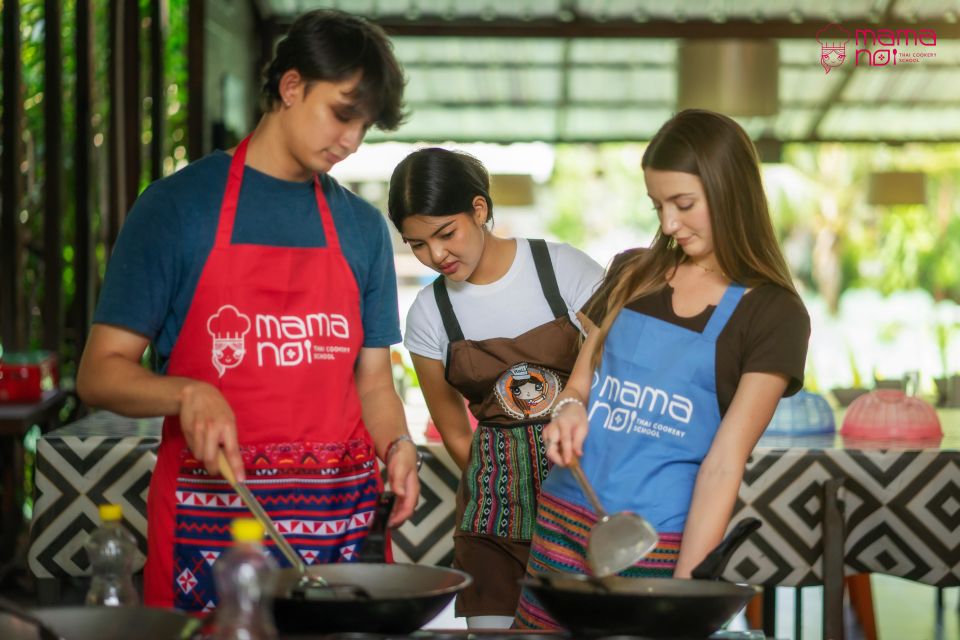
- Cook multiple Thai dishes from scratch with an English instructor at your own station
- Your meal is the reward: you sit down and eat what you made, not a sample-and-run situation
- Take-home recipe booklet and certification, so you can recreate dishes later
Entering Mama Noi’s market-and-garden setup in Chiang Mai
This isn’t your usual cooking class where you arrive, get a quick tour, and then rush into chopping. Mama Noi builds your Thai cooking from the ground up: first you head to a local market, then you walk the farm garden, and only then do you cook. That order helps a lot.
When you see ingredients in context first—spices, herbs, vegetables—you understand why Thai dishes taste the way they do. Later, when you’re at your stove, you’re not guessing. You’re matching what you bought and tasted to what your chef is teaching.
And the organic garden part isn’t just a nice photo stop. You’ll see and use vegetables grown in Mama Noi’s organic garden, which shows up repeatedly in their farm and cooking school menus. That’s one reason the meal you eat at the end tends to feel lighter, fresher, and more “alive” than what you might expect from a class kitchen.
You can also read our reviews of more tours and experiences in Chiang Mai.



Hotel pickup and the 4-hour flow that keeps it moving
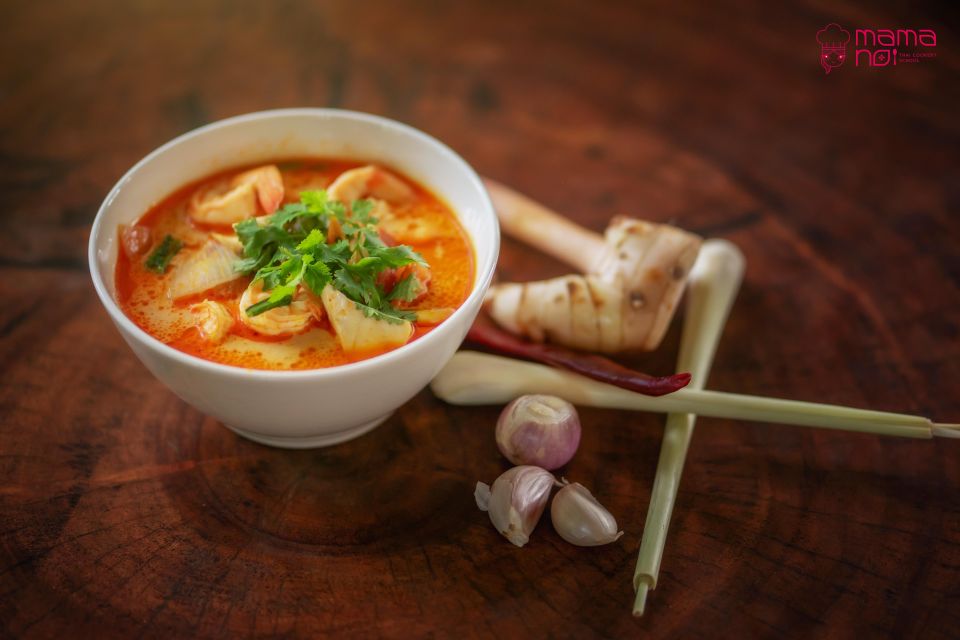
The experience runs about 4 hours, including hotel pickup and drop-off from the Chiang Mai city area. There’s a local driver involved, so once you’re picked up, you don’t have to stress about transport logistics or timing.
The rhythm usually looks like this:
1) pickup
2) market visit
3) garden tour
4) cooking and meal
5) take-home items afterward
Because it’s set up for a small group, you still get attention while things stay efficient. If you hate waiting around, this style works well. If you prefer classes that linger, you’ll want to mentally accept that you’re going to move through several steps in one afternoon.
The local market stop: picking ingredients with purpose
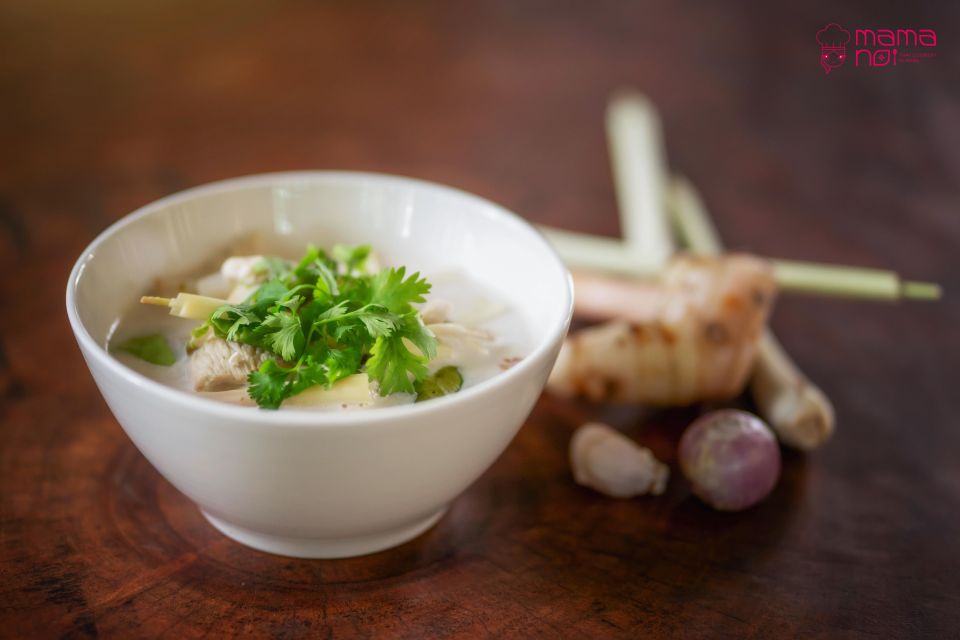
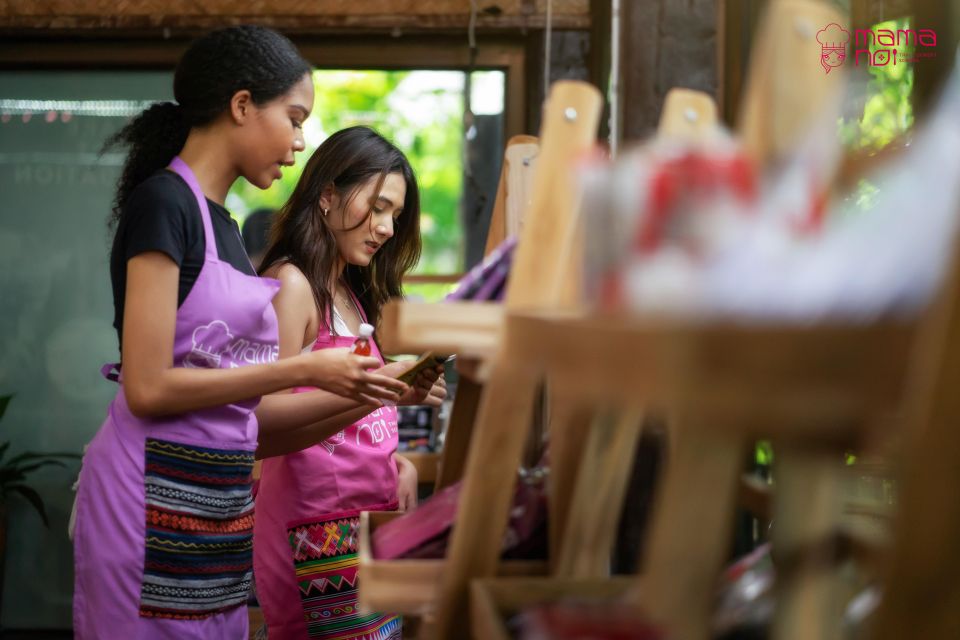
A key part of the experience is the market visit. This is where you actually get to pick ingredients yourself—so later, your cooking feels personal. Instead of following someone else’s shopping bag, you’re choosing items tied to the dishes you’ll make.
In Thai cooking, ingredient quality and the right herb/spice match are huge. Even without formal “lecture time,” the market stop teaches you how ingredients relate to the dishes you’ll cook—things like which aromatics go into curries, what fresh herbs brighten stir-fries, and how different vegetables behave when heated.
Practical tip: don’t overthink it while you’re choosing. If your instructor gives guidance on what to look for or how to handle items, follow that. You’re learning the workflow, not running a produce exam.
Also, the market portion is often described as more authentic than the very tourist-focused stops in Chiang Mai. That means you get a better sense of how Thai locals source ingredients day to day.
Mama Noi’s organic garden walk (including the fun extras)
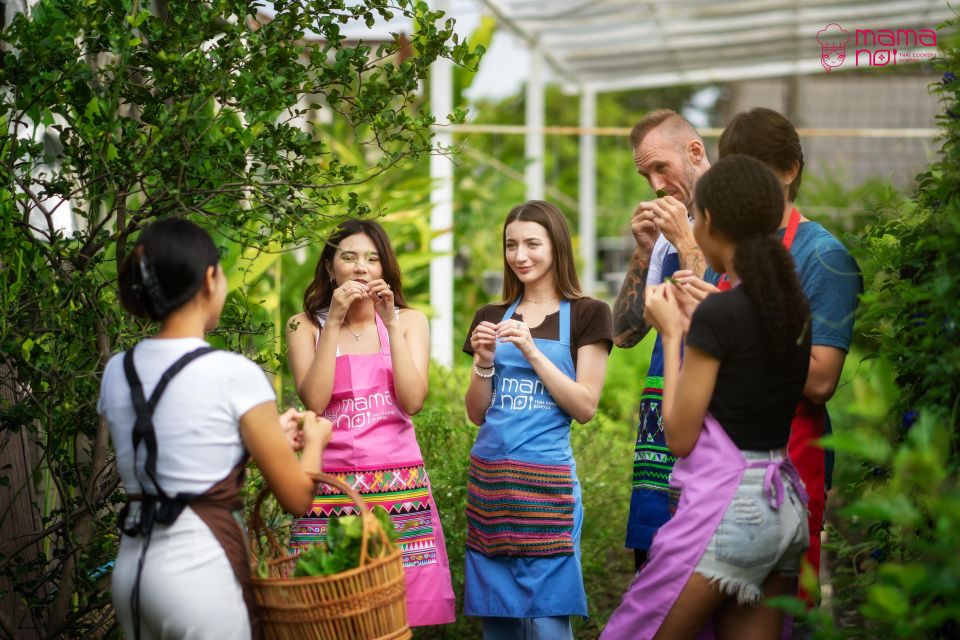
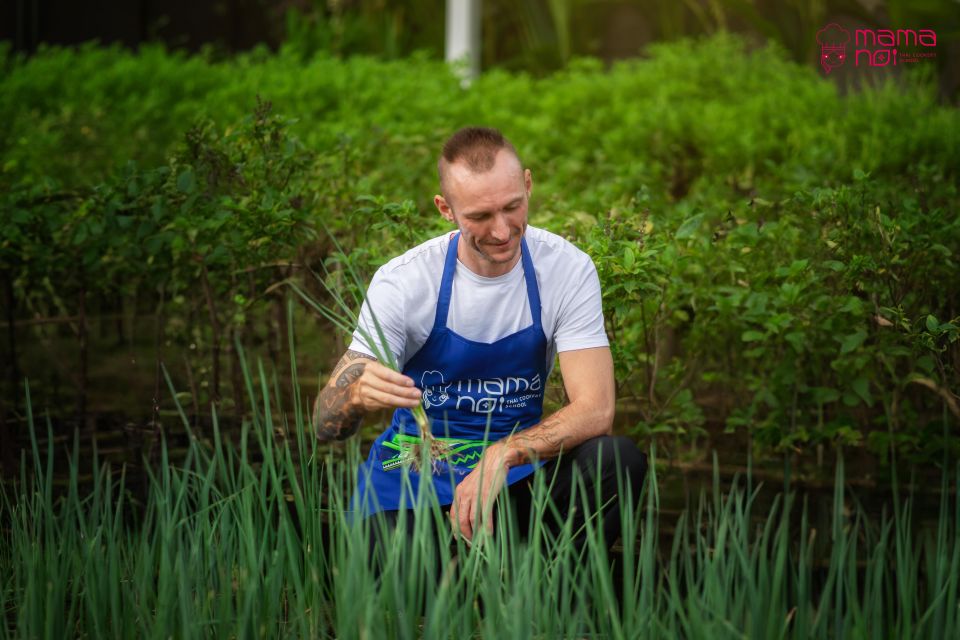
After the market, you head to Mama Noi’s cookery school and walk through the organic garden. This part is worth slowing down for. You’ll see plants being explained in a real “grown here, used here” way, which helps you connect the dots between farming and flavor.
This is also where you might get small, memorable moments that make the day feel less like a classroom. For example, some classes include time around pet tortoises on-site, which adds a friendly, local atmosphere.
The garden tour supports something very practical: you’ll notice which vegetables and herbs are used repeatedly in their menus. When you cook later, you’re not trying to “translate” Thai ingredients from a name on paper. You’ve already seen the plant and heard what it’s for.
If you’re the type who loves food photos, this is also one of the better photo windows—just remember you’re there to learn how those herbs work, not only to snap pictures.
Cooking station time: how the chef teaches you five-dish Thai meals

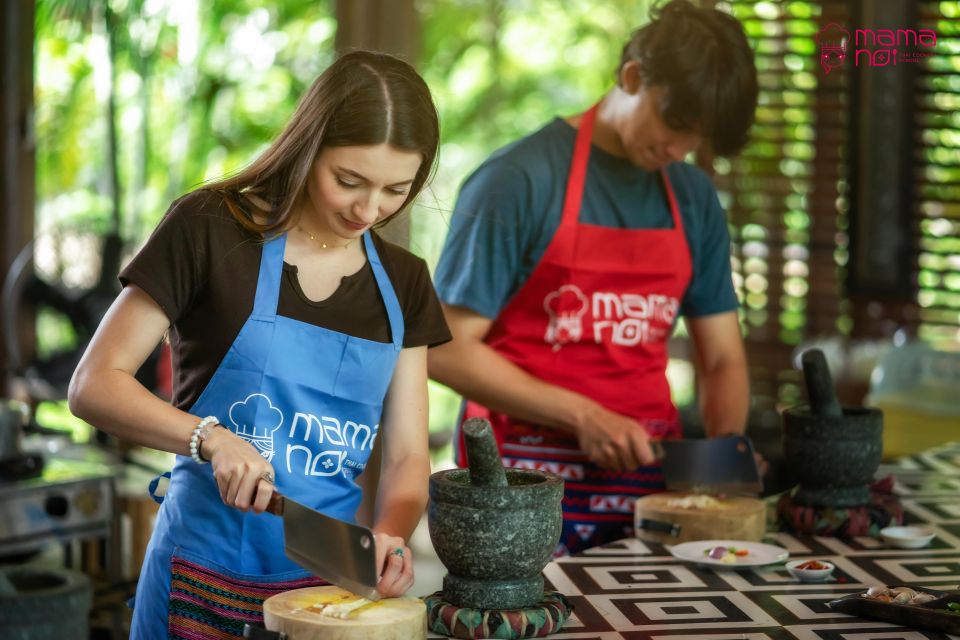
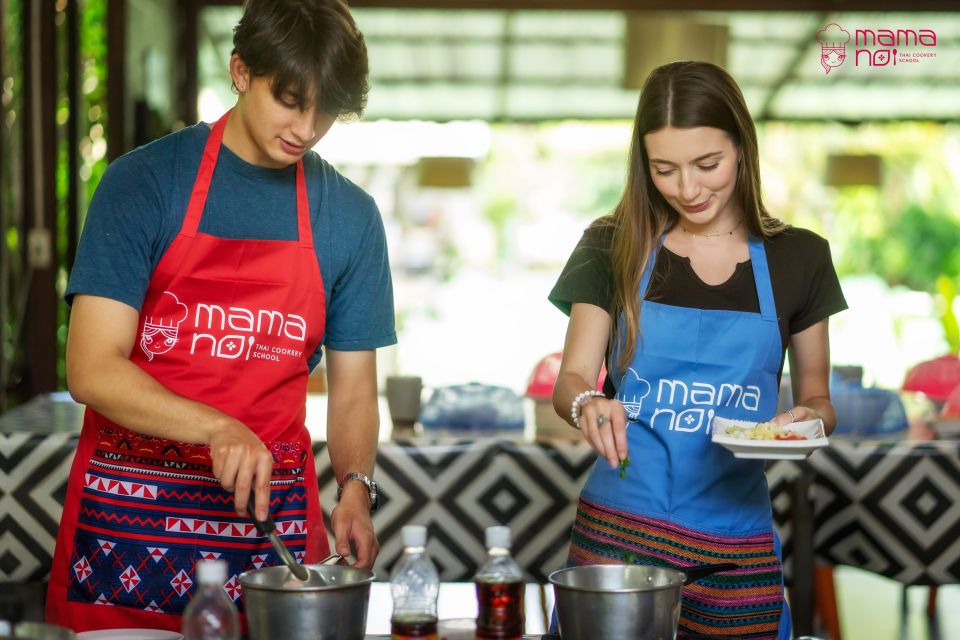
Once you’re back in the kitchen, the class becomes hands-on. You work at your own cooking station and follow your chef’s guidance, chopping and cooking from scratch.
The structure is designed around learning technique through execution. You’ll generally make a combination of Thai favorites such as:
- a soup
- a stir-fry or curry
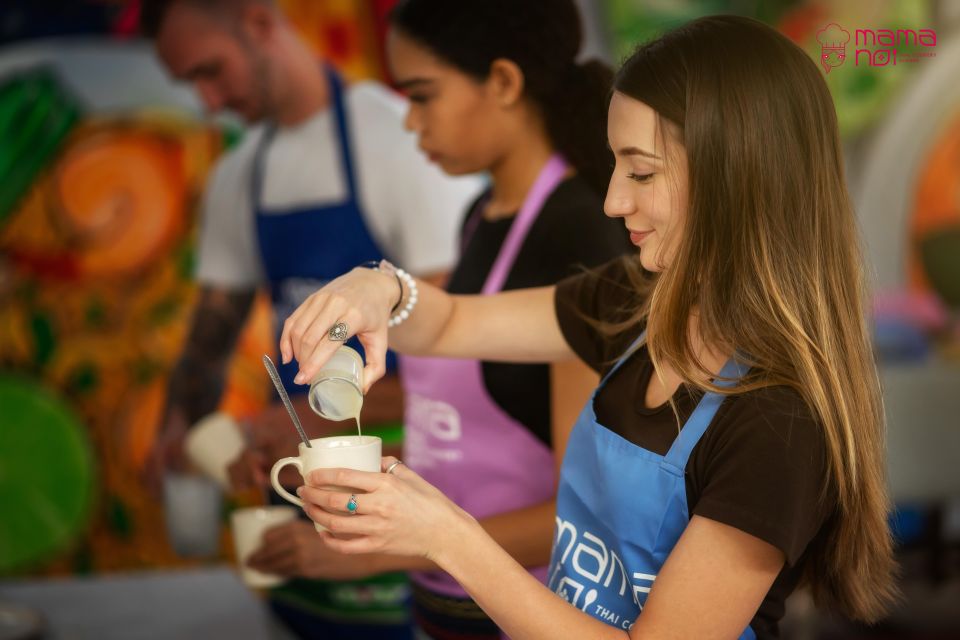
- mango sticky rice and Thai milk tea (often included)
The class description notes that you’ll prepare five authentic dishes from scratch. In practice, different dish combinations can show up depending on session and menu options, but the big pattern is consistent: you cook several items, not just one dish with a side.



Choosing your dishes (this matters more than you’d think)
You usually get menu choice, where you may pick from set options for each dish category. That’s a real advantage. Thai cooking can be broad—spicy, sour, sweet, creamy, herbal—and having choices helps you steer the experience toward your tastes.
It’s also a confidence-builder. When you choose something you actually want, you’re more likely to pay attention to the steps that make it work.
English instruction and small-group attention
Instruction is in English, and there’s the option for a small group. That combination tends to help when questions pop up mid-cook—like timing, texture, or how much heat to use.
Different instructors have different styles and energy, and several names show up in the mix, including Nook, Mai, Pam, Ray, Tida, Fern, and Blue. Regardless of the name you end up with, the goal is consistent: clear steps, patient guidance, and a kitchen that keeps everyone moving.
The best part: sitting down to eat what you cooked
This class finishes with your handmade meal. You’re not just tasting sauces. You sit down and eat the dishes you made—often with a full spread that can leave you happily overfull.
Food quantity is a common theme. Plan your day like you’re going to get a proper meal, not a snack. If you start the class after a big lunch, you might not finish everything, even if it’s delicious.
Spice level and pacing
Thai food can swing spicy depending on the dish and how it’s prepared. Some classes note that it can be a bit spicy, so if you’re sensitive, say so early. The chef can often guide you on how to adjust taste.
Also, because the class is action-heavy, the meal part feels like the payoff. You’ve worked for it. That’s usually why this experience sticks with people—it’s satisfying in a real way, not just educational.
What you take home: cookbook, recipes, and certification
You receive a recipe booklet with the recipes you made. This is more useful than you might expect. Thai cooking has a lot of “feel” to it—balance, texture, timing—and having the written version of your menu helps when you’re back home.
You also get certification after you complete the class. It’s not life-changing, but it’s a fun final touch that makes it feel like an actual accomplishment.
If you like cooking long-term, the booklet is what turns the day from entertainment into something you can repeat.
Price and value: why $32 can make sense here
At about $32 per person for a 4-hour experience, the value comes from the package deal quality.
You’re not just paying for a recipe. What’s included in the experience adds up:
- hotel pickup and drop-off from Chiang Mai city area
- a local driver
- local market visit
- the cooking class itself
- a cooking recipe book
- organic farm ingredients used for your dishes
- market and farm portions that build context, not only instruction
Alcoholic drinks are not included (you can purchase them), and personal expenses are on you. But the core food experience, transport, ingredients, and take-home recipes are handled.
If you compare that to paying for a market tour plus a separate cooking class, this often feels more efficient. It’s a single ticket that strings together the “where food comes from” part and the “how to cook it” part.
Who should book Mama Noi, and who should skip it
This class is a great fit if:
- you want to cook multiple Thai dishes in one go
- you like hands-on learning more than lectures
- you care about ingredient freshness and want to see a real organic setup
- you want something social but still structured, thanks to small groups
It may not be the best fit if:
- you prefer very slow instruction and lots of theory
- you want a class that feels like a relaxed cooking studio with minimal timing pressure
- you’re traveling with children under 10, because the activity is not suitable for them
Kids and the adult/student rule
The experience notes clear rules for families:
- the adult is the student participating in the cooking class
- a child is a visitor who won’t participate in the cooking class
- one visitor per student is allowed
- visitors can join the market tour, meals, and transportation, but can’t join cooking activities
- children below 10 are considered accompanying travelers and won’t be allowed to participate in cooking
If you’re traveling as a family, this is important to get right before you go.
Practical tips to get the most out of your 4 hours
A few small choices make a big difference:
- Eat lightly before you go. You’ll likely get a full meal at the end.
- Tell your chef about dietary needs when you arrive. Some sessions mention accommodating dietary requirements.
- Wear comfortable shoes. You’ll walk through a garden and move through market areas.
- If you’re sensitive to heat, mention it at the start. Adjustments are easier earlier than at the final tasting stage.
If you do those things, you’ll spend less time worrying and more time enjoying the actual cooking.
Should you book this Mama Noi organic farm cooking class?
Book it if you want a Thai cooking class that feels connected to ingredients. The market pickup-to-kitchen-to-meal flow gives you a “complete loop” that many cooking classes miss. The organic garden adds real context, not just scenery, and the hands-on station work means you leave with skills you can repeat.
Skip it if you’re looking for slow-paced, deep theory lessons. Mama Noi is built for action and efficiency, so the learning is practical and fast. If that sounds like your style, you’ll have a great time. If you need quiet, unhurried explanation, you might prefer a different format.
If you’re in Chiang Mai and you only have a short window, this is one of the stronger ways to experience Thai cuisine without spending all day on the logistics. You’ll cook, you’ll eat, and you’ll take home recipes you can actually use.
FAQ
How long is the Mama Noi cooking class?
The experience runs for about 4 hours, including pickup and drop-off.
Do I get hotel pickup and drop-off in Chiang Mai?
Yes. Pickup and drop-off from the Chiang Mai city area are included.
Is the market visit part of the experience?
Yes. You’ll visit a local market and pick ingredients yourself.
Will I cook Thai dishes during the class?
Yes. You’ll prepare several Thai dishes from scratch at your cooking station, guided by an English-speaking instructor.
Are kids allowed?
Children under 10 are not suitable for the cooking class. There is a one-visitor-per-student rule for visitors who won’t participate in cooking activities.
What’s included in the price?
Included items are pickup/drop-off, a local driver, the market visit, the cooking class, organic farm ingredients, and a recipe book. Certification is provided after you complete the class.
Are drinks included?
Alcoholic drinks are not included, but they can be purchased. Food and drinks are only included as specified for the experience.