REVIEW · CHIANG MAI
Chiang Mai: Cooking Class with Market and Pickup
Book on GetYourGuide →Operated by Chiang Mai Daddy's Kitchen · Bookable on GetYourGuide
Thai cooking starts with a market.
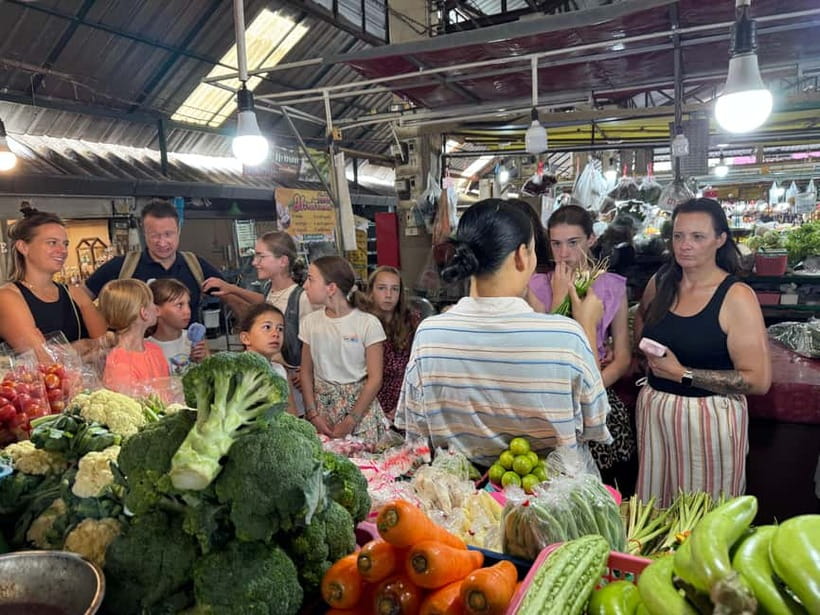
This Chiang Mai class at Daddy’s Kitchen is built for real learning: you begin with a local fresh market run to spot Thai herbs and vegetables, then head to a Thai family-style cooking space where instructors like Wave and Cha-em keep the group moving and laughing in English.
What I like most is the hands-on setup. I really appreciate that everyone gets their own wok and cooking station, and that the menu choices let you learn multiple styles, from curry paste to stir-fries and dishes people rave about like Pad Thai. The main drawback to consider is simple: this is an eat-more-than-you-think activity, so show up hungry rather than fed.
In This Review
- Quick Take: What Makes This Cooking Class Feel Different
- Market First: Thai Herbs, Veggies, and the Why Behind the Flavors
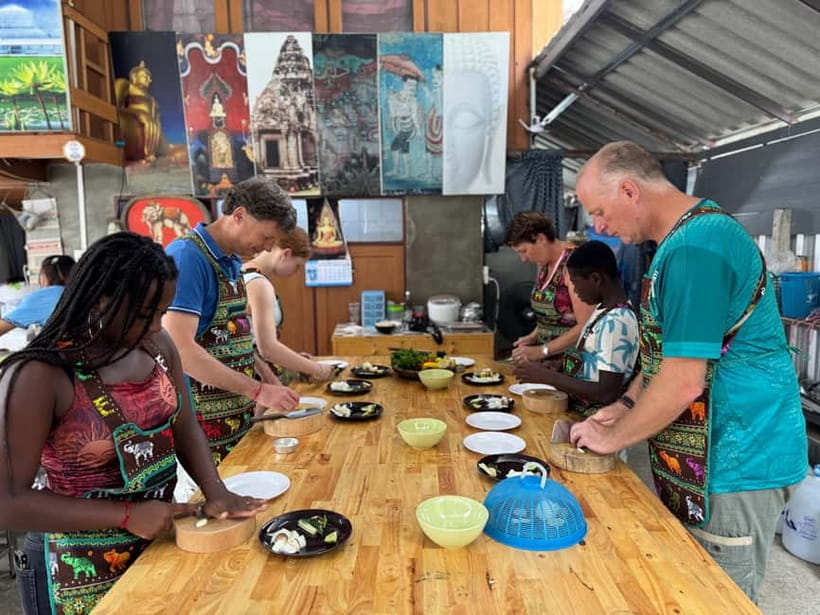
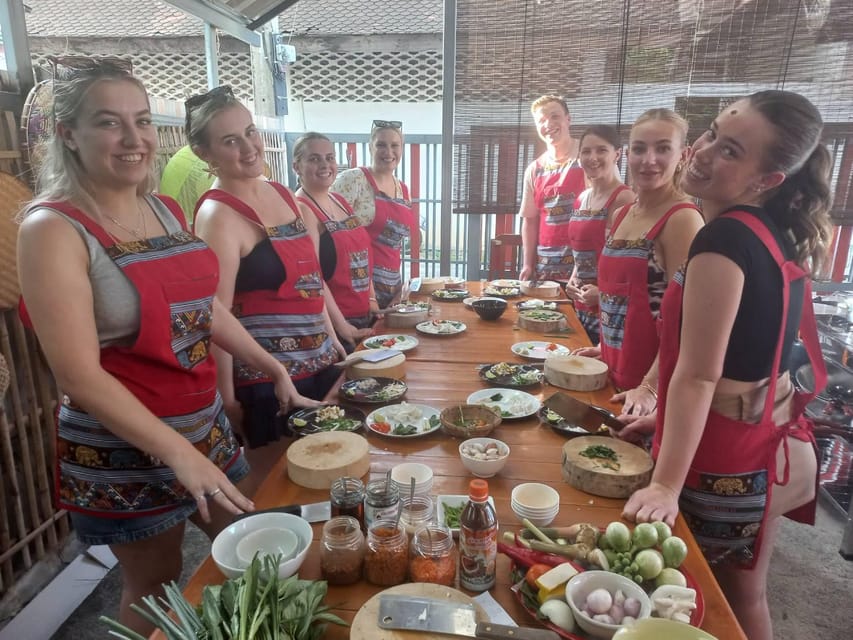
- Daddy’s Kitchen Setup: A Thai Home Atmosphere and Real Cooking Stations
- Hands-On Learning: How Thai Cooking Gets Made Simple
- What You’ll Cook: Menu Choices From Soups to Curries and Classic Favorites
- A note on portion expectations
- Mango Sticky Rice: Included Dessert and Why It’s Part of the Lesson
- Your Take-Home Recipe PDF and Photos That Actually Help
- Value at $25: What You’re Paying For (and What You’re Not)
- Who This Cooking Class Is Best For (and Who Should Skip It)
- Who might want to choose differently
- Should You Book Chiang Mai Daddy’s Kitchen?
- FAQ
- FAQ
- How long is the cooking class?
- Does this experience include hotel pickup and drop-off?
- How many people are in the group?
- Is the class okay if I’m a beginner at cooking?
- What food is included besides the meal?
- Do I get recipes to take home?
- Are alcoholic beverages included?
- What’s the cancellation policy?
Quick Take: What Makes This Cooking Class Feel Different
- Market first: You see the herbs and vegetables before you cook, so the flavors make sense.
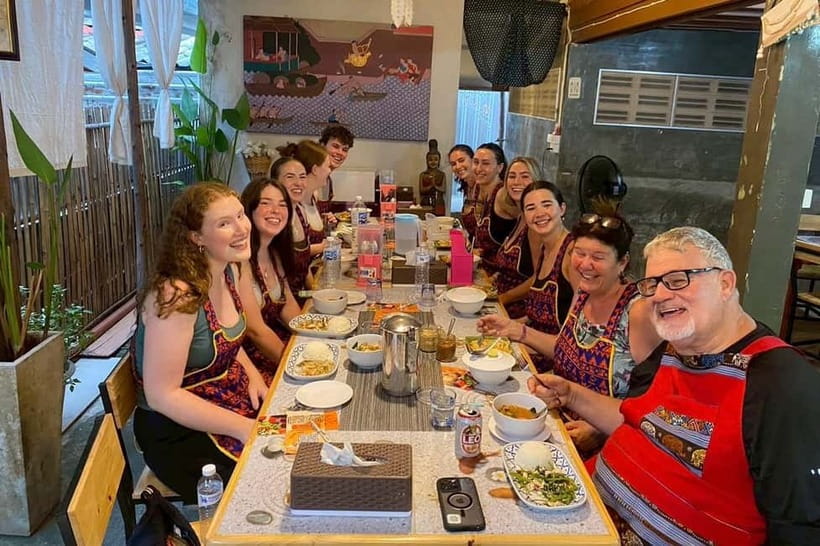
- Your own wok and tools: No hovering at the sidelines. Everyone cooks.
- Small group pace: Limited to 10 participants, which helps the instructor stay on track.
- Choice-based menu: You pick dishes from several options, including curries where you can make paste.
- Easy to take home: A digital recipe e-book (PDF) and photos of the activities.
Market First: Thai Herbs, Veggies, and the Why Behind the Flavors
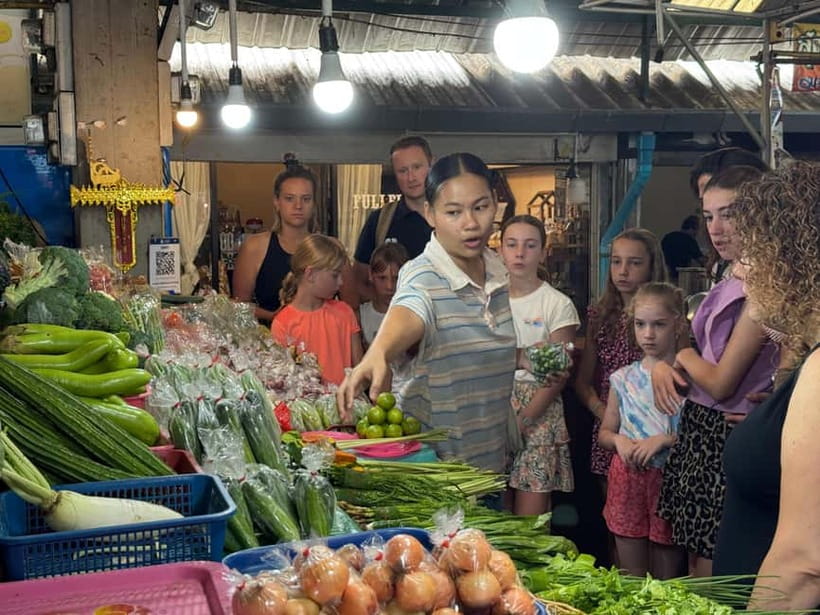
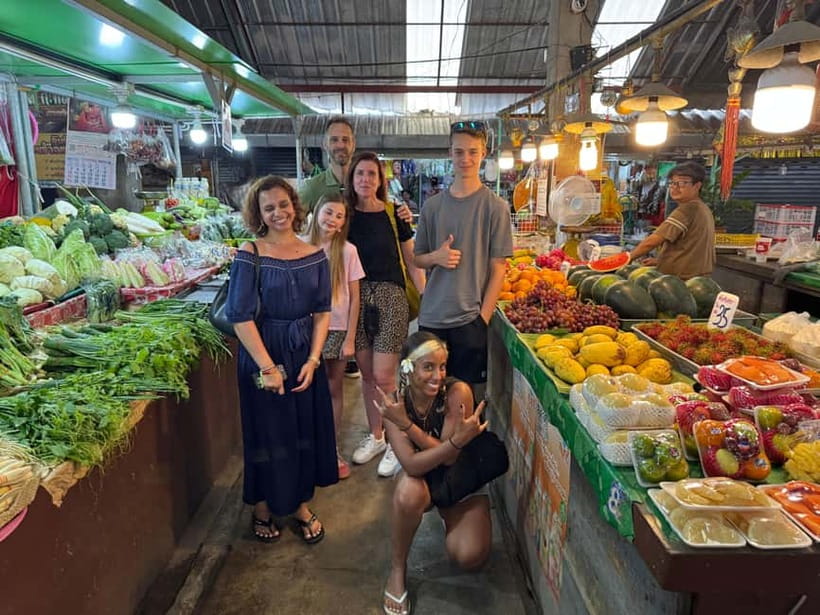
The experience starts with pickup from your hotel in Chiang Mai. Plan to wait in the lobby about 30 minutes before the class start time so you don’t miss your driver. Once you’re together, you head out to a local fresh market where you get a guided introduction to Thai herbs, spices, and vegetables.
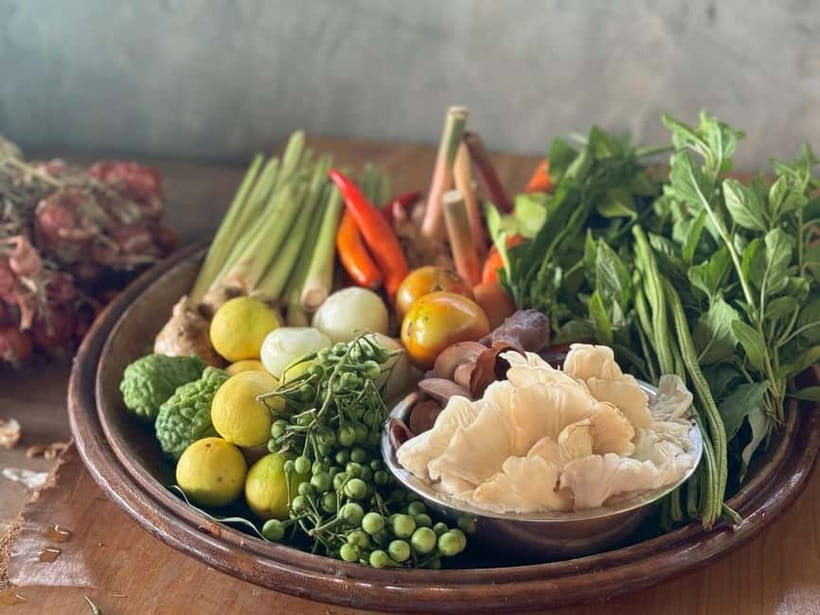
This part matters more than it sounds. Thai cooking is built on balance: aromatic herbs, salty-sweet seasoning, and fresh ingredients that change depending on the dish. Seeing the produce up close helps you remember what you’re tasting later. One review noted how fascinating it was to spot so many varieties of eggplant. That’s the kind of detail that makes the cooking lesson feel grounded, not like a generic demo.
You’ll also use this market stop as your ingredient shopping window. That means by the time you reach the kitchen, you’re not guessing what went into your curry or stir-fry. You’ve already handled the context.
Practical tip: don’t treat this like a quick photo stop. Ask questions while you’re there. The best learning happens when you connect what you see at the market with what you’re about to cook.
You can also read our reviews of more tours and experiences in Chiang Mai.



Daddy’s Kitchen Setup: A Thai Home Atmosphere and Real Cooking Stations
After the market, you return to Daddy’s Kitchen. There’s a welcome drink and snack to reset you before the cooking starts. Then you move into the main event: hands-on cooking.
This school leans into a family-kitchen feel. The atmosphere is casual, not stiff. And the structure is very practical: small group size (limited to 10 participants) means your instructor can actually check in. You’re not fighting for attention while a dozen people crowd around one cutting board.
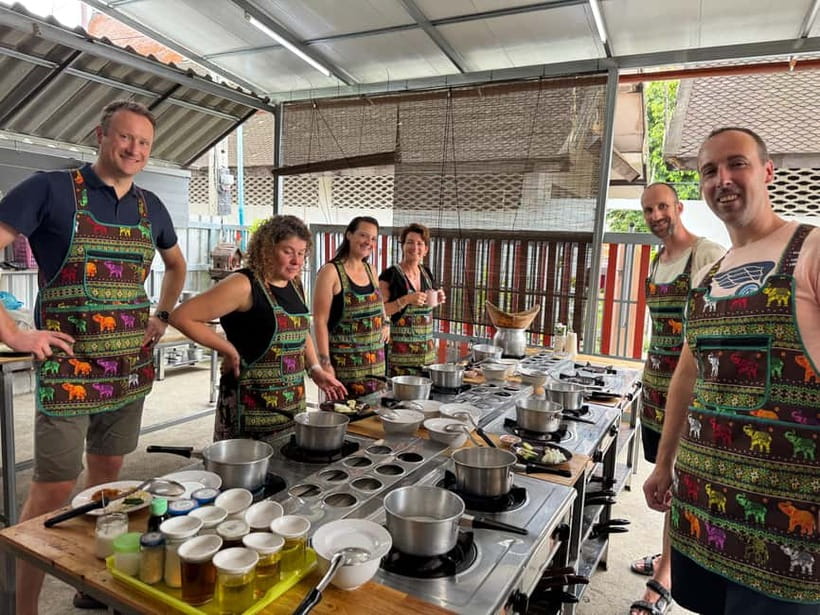
Most important for the value: everyone has their own cooking station and their own wok and utensils. That prevents the most common cooking-class problem, where you end up watching while someone else does the real work. Here, you cook your own dishes and keep your hands in the process.
If you get an instructor with a big sense of humor (names you may encounter include Wave, Cha-em, New, Tu, Emy, and Kimmy), that can make the learning easier too. A few people mentioned the same pattern: clear English instruction paired with a playful teaching style, so even zero-cook confidence gets a boost.
Hands-On Learning: How Thai Cooking Gets Made Simple
The class runs about 210 minutes, so it’s long enough to actually learn, but short enough that you still have part of your day or evening free afterward. The teaching style is hands-on from the start: you’re shown the steps, then you do the work.
You’ll build confidence in a few key ways:
- You learn timing and sequence, not just a list of ingredients. Thai dishes often move fast: prep, heat, add, and finish at the right moment.
- You learn how flavors are layered—especially in curries and stir-fries.
- You get guided station-level support since your instructor can see what each person is doing.
One of the best pieces of reassurance from the activity details is that it’s suitable whether you’re a skilled cook or a complete beginner. That doesn’t mean it’s hands-off. It means they teach you like you’re learning a craft: step-by-step, with your hands on the tools.
Also, since the instructor teaches in English, you don’t need to translate the technique in your head. That’s a big deal if you’ve ever taken a cooking class where the language is the barrier, not the cooking.
What You’ll Cook: Menu Choices From Soups to Curries and Classic Favorites
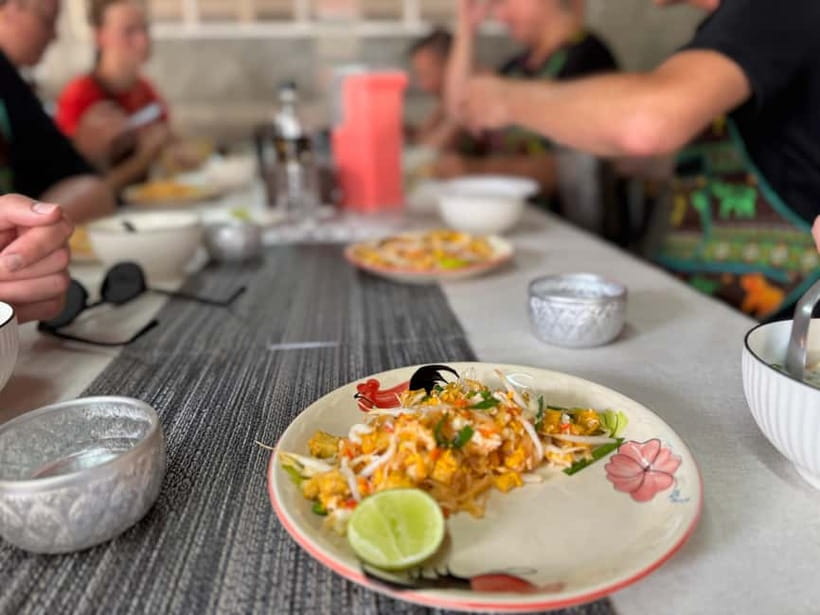
The menu system is a big part of why people leave happy. Instead of getting stuck with one fixed “everyone makes the same thing” meal, you choose dishes from a list. One detailed example described choices such as 3 soups, 3 stir-fries, and 4 curries (including making curry paste), plus the included mango sticky rice dessert.
In practice, you should expect a mix that usually covers:
- a soup
- a stir-fry or main dish
- a curry (sometimes including preparation of curry paste)
- mango sticky rice for dessert
Some reviews mention classic dishes like Pad Thai, and others note that there’s a lot of variety within the menu categories. The exact dish mix can vary by session and what you select, but the takeaway is consistent: you’re not just learning one technique. You’re sampling how different Thai dishes are built.
A note on portion expectations
This is not a light snack class. Multiple people pointed out you’ll be cooking multiple dishes and eating what you make. One review even suggested you skip breakfast before a morning session, since the first meals land around 10:30.
So if you want to pace yourself, plan your day accordingly. Come ready to eat.





Mango Sticky Rice: Included Dessert and Why It’s Part of the Lesson
Mango sticky rice is included, full stop. It’s the sweet finish that ties the meal together and gives you a Thai dessert you can recreate at home.
One review mentioned the dessert got mixed reception from their group. That doesn’t invalidate it; it just means the flavor and texture profile is what it is—sweet, creamy, and sticky with mango. If you love Thai desserts, you’ll probably be thrilled. If you’re picky about sweet rice desserts, treat it as something to try once you’ve learned the rest of the meal.
Either way, the bigger win is that you get a complete meal structure: savory cooking plus the dessert you can practice later.
Your Take-Home Recipe PDF and Photos That Actually Help

A cooking class is only half a memory. The other half is whether you can reproduce it later.
Here, you get a digital recipe e-book in PDF format. You also receive photos of the activities. For me, the value is that it lowers the friction at home. You don’t have to guess measurements or ingredient steps from memory. You can cook again without turning the kitchen into a research project.
People also like the fact that the recipes are delivered digitally. That means you can reference them on your phone or tablet while you cook, and you don’t have to carry paper sheets around.
Value at $25: What You’re Paying For (and What You’re Not)
At $25 per person for about 3.5 hours, this class is priced like a value play—but only if you understand what’s included.
You’re paying for:
- hotel pickup and drop-off
- a small-group hands-on cooking class
- all ingredients
- your own cooking station, wok, and utensils
- mango sticky rice
- a digital PDF recipe book
What you’re not paying for:
- alcoholic beverages (if you want them, they’re available for purchase)
- anything outside the class structure
And there’s one more value factor that’s easy to miss: the class includes the “in-between” stuff—market context, a welcome snack, and guided technique—so the learning is more than just cutting and stirring. You come away with a story you can tell and recipes you can use.
One small logistics detail: transport is highly rated, with 90% of reviewers giving it a perfect score. That matters in Chiang Mai, where travel time can eat your energy if you’re doing it yourself.
Who This Cooking Class Is Best For (and Who Should Skip It)
This is a great fit if you:
- want a hands-on Thai cooking experience, not a seated demonstration
- like the idea of learning from a real market stop first
- enjoy small groups and clear English guidance
- want recipes you can actually cook again at home
It also works well for both confident cooks and nervous beginners. The structure is built for learning, with each person cooking at their own station.
Who might want to choose differently
I’d think twice if:
- you hate cooking or don’t want to get involved
- you want a super quiet experience (this is interactive and fast-moving)
- you’re traveling with very young kids or someone extremely elderly, since the activity isn’t suitable for children under 5 and people over 95
Also remember the “come hungry” reality. You’ll be eating what you make.
Should You Book Chiang Mai Daddy’s Kitchen?
Yes—if your goal is to leave Chiang Mai with two things: Thai food skills you can use and a market-to-kitchen story that makes the flavors click.
Book it if you:
- want market context plus cooking instruction
- like choosing your own dishes from a menu
- appreciate a setup where everyone cooks with their own wok
- want a PDF recipe book and photos to take home
Skip it if you’re looking for a light, no-effort tasting. This class is work—in the best way.
FAQ
FAQ
How long is the cooking class?
The class runs for about 210 minutes.
Does this experience include hotel pickup and drop-off?
Yes. Hotel pickup and drop-off are included.
How many people are in the group?
It’s a small group, limited to 10 participants.
Is the class okay if I’m a beginner at cooking?
Yes. The class is suitable for skilled cooks and nonskilled cooks since it’s taught with a hands-on learning approach.
What food is included besides the meal?
You’ll have a welcome drink and snack at the start, and mango sticky rice dessert is included at the end. Everything else you cook uses provided ingredients.
Do I get recipes to take home?
Yes. You receive a digital recipe e-book in PDF format, and photos of the activities are provided.
Are alcoholic beverages included?
No. Alcoholic beverages are not included (they’re available for purchase), and alcohol and drugs aren’t allowed.
What’s the cancellation policy?
You can cancel up to 24 hours in advance for a full refund.