REVIEW · CHIANG MAI
Chiang Mai: Historic Old City Bike Tour – Morning or Night
Book on GetYourGuide →Operated by Discova Thailand · Bookable on GetYourGuide
Chiang Mai by bike hits a sweet spot. You glide past Tha Phae Gate and the Three Kings Monument, then roll through temple grounds and calm back lanes at a relaxed pace. What I like most is the mix of major landmarks plus side streets you’d never find solo, and the way the guide ties each stop to how Chiang Mai was planned as a fortified Lanna kingdom. One consideration: this is still a bike ride—so you need to be comfortable on two wheels and able to handle short walks at temple stops.
The morning version feels bright and real, with quieter streets and you might spot monks starting daily rituals. The night version is cooler and moodier, with big temples lit up, especially around Wat Chedi Luang and Wat Lok Molee. If you hate heat, or you just enjoy a dramatic temple vibe, picking morning vs evening is the easiest upgrade you can make.
In This Review
- Key things that make this Chiang Mai bike tour worth your time
- Why biking the Old City beats walking
- Starting at Discova Day Tour Shop: your launch pad near Chang Puak Gate
- Pedal into history through Tha Phae Gate
- Wat Chedi Luang: the ruined chedi that still dominates the skyline
- Wat Inthakhin Sadue Muang: the city’s symbolic center
- Three Kings Monument: where the Old City story becomes a conversation
- Riding past moat and original walls: the city planned like a fortress
- The Lanna-style temple swap: Wat Chiang Man vs Wat Lok Molee
- How the market stop works: simple snacks, and the vibe changes at night
- Morning vs night: which one fits your trip style
- Bikes, helmets, and how the ride stays comfortable
- Temple etiquette rules you’ll actually notice
- Price and value: why $39 works for most budgets
- Who should book this Chiang Mai Old City bike tour
- Should you book it?
- FAQ
- How long is the Chiang Mai Historic Old City Bike Tour?
- How far do I ride during the tour?
- What are the main sights included?
- Is there a market stop and are snacks included?
- Does the tour include a bike helmet and drinking water?
- Are hotel pickup and drop-off included?
- What should I wear to the temple stops?
- Is the tour suitable for everyone?
- Is a child seat available for kids?
- Where do I meet the tour?
Key things that make this Chiang Mai bike tour worth your time
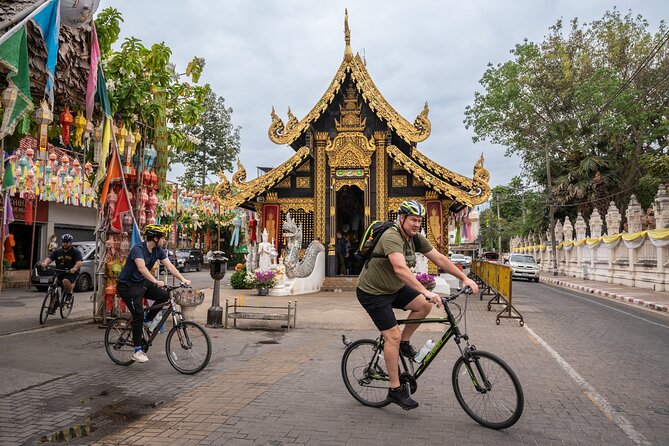
- Small-group feel: often relaxed and sometimes even just a couple of you, so you can ask questions without shouting over a crowd.
- Old City structure, explained: you’ll learn how the moat and old walls shaped the capital of the Lanna Kingdom.
- Iconic sights, not just selfies: Tha Phae Gate, the Three Kings Monument area, and major temple visits all get real context.
- Market stop with simple bites: you sample straightforward local snacks or fruit, and the vibe changes between morning and night.
- Guides manage tricky crossings: multiple guides emphasize safe routing on busier roads when it’s unavoidable.
- You cover real distance without punishment: about 12–14 km in around 4 hours, mostly easy riding with short walks.
Why biking the Old City beats walking
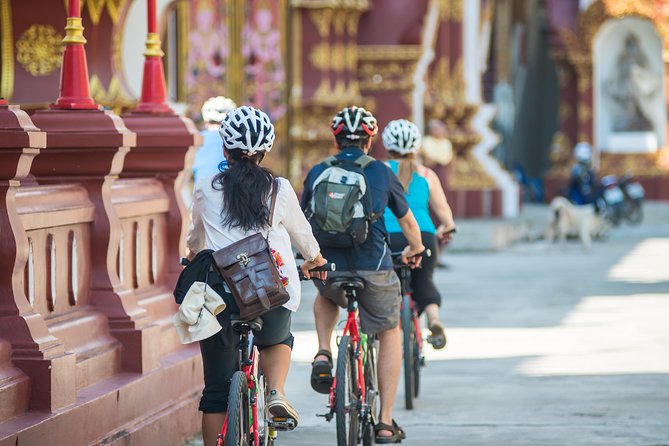
Chiang Mai’s Old City is compact, but it’s also maze-like. Walking can be great, but it’s slow-going when you’re doing temples back-to-back, especially in warmer hours. On a bike, you move from gate to gate without feeling like you need a nap halfway through.
This tour keeps the effort low-key while still moving you through the places that actually define the Old City. You’ll ride about 12–14 km on mostly easy terrain, with a pace that gives you time to stop, look, and listen. And because you’re not stuck tracing the main tourist path, you get a better sense of where locals live and how the area works day-to-day.
The other big win is your guide’s role. You’re not just passing landmarks; you’re getting the “why it matters” behind the walls, gates, and temples. Several guides mentioned in traveler feedback—like Kitty, Mai, T, Farm, Gun, and Don—are praised for clear explanations and for steering you safely through alleyways and the occasional busier road.
You can also read our reviews of more tours and experiences in Chiang Mai.


Starting at Discova Day Tour Shop: your launch pad near Chang Puak Gate
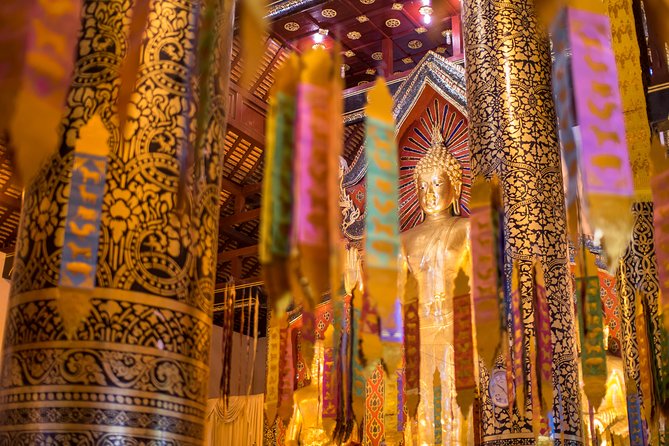
You meet at the Discova Day Tour Shop Chiang Mai at 10/3 Wiang Kaew Rd, near Chang Puak Gate (north gate). The shop is easy to spot if you’re looking for the Punspace greenery coworking space nearby. Plan to arrive about 15 minutes early so you can get your bike fitted and your helmet on without rushing.
One practical benefit: this is a fixed starting point in the Old City zone. That means you avoid the stress of waiting for a hotel pickup that can slide around with traffic. If you book a private tour, hotel pickup and drop-off is included, but the standard group experience starts right here.
Dress matters because temples do. You’ll want breathable clothing, but shorts, short skirts, and sleeveless shirts aren’t allowed. I’d rather you be comfortable and compliant than scrambling for a workaround right when you reach Wat areas.
Pedal into history through Tha Phae Gate
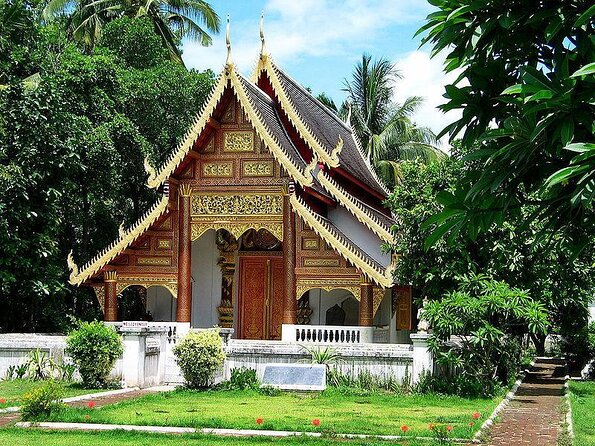
Tha Phae Gate is one of those landmarks you recognize immediately once you see it—because it’s tied to how Chiang Mai historically worked. This tour gives you a guided look (about 30 minutes) that frames the gate as a once-important trading entrance to the city.
Why that matters: gates aren’t just decorative. They’re choke points. They shaped movement, commerce, and who came into the city—and that’s the kind of context that makes the Old City feel like a system instead of a pile of temples.
After Tha Phae Gate, you start transitioning away from the “main streets” feel and into quieter lanes. That’s where biking shines. You get the sense of being in the Old City without the constant stop-and-start that happens when you walk through every crossing.
Wat Chedi Luang: the ruined chedi that still dominates the skyline
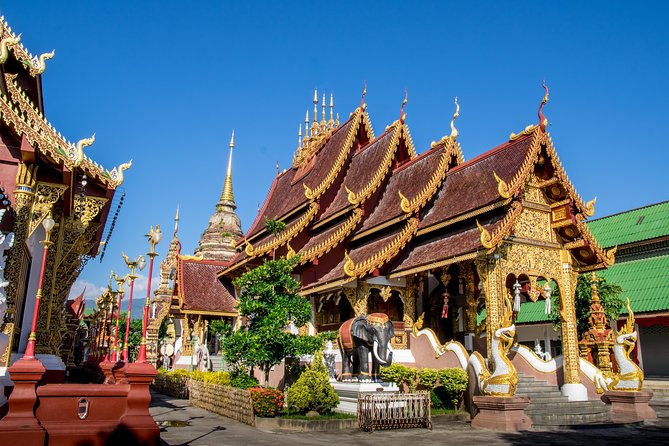
Next up is Wat Chedi Luang (about 30 minutes). This temple is famous for its massive ruined chedi, and it’s also linked with the City Pillar. Even if you don’t consider yourself a temple person, this stop tends to land because the scale is hard to ignore.
Here’s what I think makes this stop especially valuable on a bike tour: you’re arriving by moving through the Old City fabric, not arriving by taxi drop-off and then sprinting to a single photo spot. You can absorb how temples sit inside the city’s everyday space.
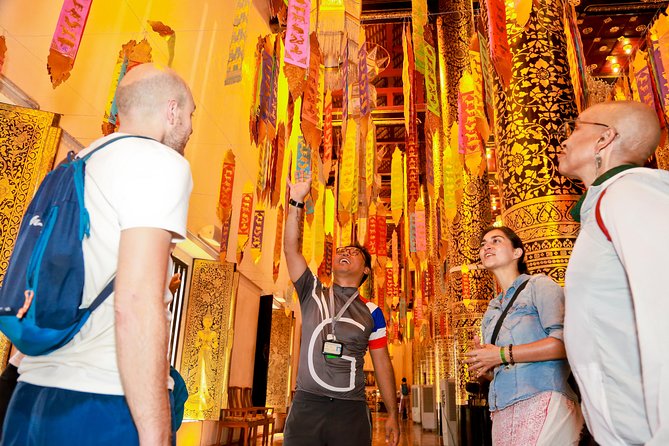
Depending on whether you choose morning or night, your experience changes. In the evening, Wat Chedi Luang (and nearby stops) can be illuminated, which turns familiar silhouettes into something more dramatic. In the morning, you may catch temple routines beginning, which adds that “this is lived religion” feeling rather than a staged visit.
Wat Inthakhin Sadue Muang: the city’s symbolic center
Then you’ll visit Wat Inthakhin Sadue Muang (about 30 minutes, with a bit of walking). This is known as the City Navel Temple—an important symbolic spot marking the center of the ancient kingdom.
If you want the Old City to click, this kind of stop does it. It answers questions like: Where is the city’s heart? How do people anchor meaning in geography? That’s the kind of interpretation that makes temple visits feel purposeful instead of just scenic.
You’re also gaining variety in temple styles and layouts. Between Chedi Luang’s monumental ruin and Inthakhin’s symbolic role, the tour avoids a repetitive “same-looking courtyard” problem.


Three Kings Monument: where the Old City story becomes a conversation
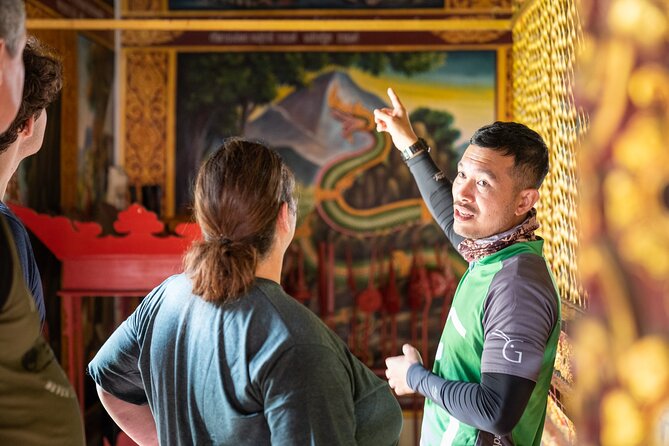
After Wat Inthakhin, you’ll circle into the area around the Three Kings Monument (about 30 minutes, with guided walking). This is a central point in the Old City’s story, and it’s one of those places where the surrounding streets feel like they’re built to funnel you through the past.
This stop is especially useful early in your Chiang Mai trip, because it helps you orient yourself. Once you understand where the monument sits and what role it played historically, you can navigate the rest of the city with more confidence later—on foot, by scooter, or even just on tuk-tuk rides.
Riding past moat and original walls: the city planned like a fortress
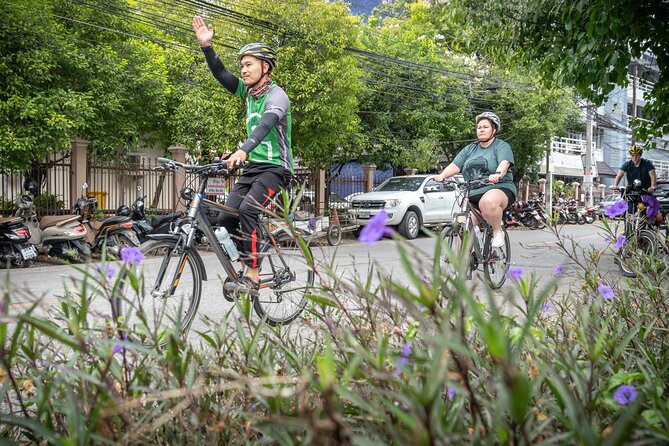
One of the tour’s underrated perks is what happens between stops. You’ll ride along the ancient moat and past sections of the original city walls. Even if you’re not a wall-and-ditch nerd, this helps you understand why Chiang Mai’s Old City feels the way it does: defined edges, controlled entrances, and pockets of calm inside the boundaries.
This is the difference between seeing Chiang Mai and figuring out Chiang Mai. Walls and moat are the geometry behind everything—temples, markets, and streets all sit inside that plan.
And because you’re biking, you see these features in motion. You’re not staring at a single wall segment from a distance. You get the sense of the route’s logic and how you could trace the city’s boundaries with your eyes.
The Lanna-style temple swap: Wat Chiang Man vs Wat Lok Molee
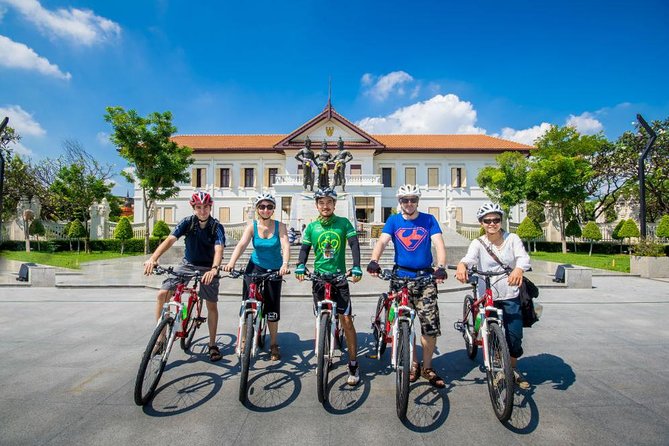
Depending on your departure time, the route includes either Wat Chiang Man or Wat Lok Molee (in addition to the main hits).
- Wat Chiang Man: described as the oldest temple in the city. This is your choice if you’re drawn to deep roots and older temple identity.
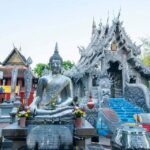
- Wat Lok Molee: known for a striking Lanna-style wooden viharn and a towering brick stupa. This one’s especially dramatic in the evening when the temple area is illuminated.
This swap is a smart design choice. It means morning and night tours aren’t just different by lighting—they offer different temple character. If you’re only doing one tour, I’d pick based on what you like most: morning history feel vs evening visual drama.
Also, temple architecture in Chiang Mai has personality. Wooden viharns and brick stupas carry a different mood than stone ruin alone, so this variation keeps the ride from blurring together.
How the market stop works: simple snacks, and the vibe changes at night
Your tour includes a stop at a local market with simple snacks (about 1 hour for the market/food tasting block). In the morning, you’re more likely to encounter fresh produce energy. In the evening, it shifts toward night-market buzz with street food.
Guides typically help you sample a few basics—often fruit and small bites rather than a heavy meal situation. In traveler feedback, you’ll see mentions of things like mango smoothies, local juices, and other small Thai treats during the market portion. I’d treat this as tasting time, not a full lunch.
Practical advice: plan to eat properly after the tour. The tour includes light snacks, drinking water, and a temple donation allowance, but meals beyond that are not included. If you finish hungry, you’ll still have plenty of options nearby, just don’t assume the market stop is a full meal.
Morning vs night: which one fits your trip style
Morning tour advantages
- Streets can feel calmer, and you may see monks starting daily rituals.
- The pace can feel easier if you’re sensitive to heat.
- You get the temple-and-gate context before the day gets busy.
Night tour advantages
- Temps are often more comfortable for riding.
- Temples like Wat Chedi Luang and Wat Lok Molee can be illuminated, which adds mood and photo-friendly atmosphere.
- The market scene tends to be more snack and street-food focused.
If you’re trying to choose just one, I’d go by your energy. If you want history plus morning routine texture, pick morning. If you want atmosphere and cooler riding, pick night.
Bikes, helmets, and how the ride stays comfortable
You’re provided with quality mountain bikes and a safety helmet. The route is designed for relaxed riding, and most of the time you’re on back lanes and calmer alleys rather than constantly battling heavy traffic.
That said, Chiang Mai isn’t traffic-free. Some reviews specifically praise guides for managing traffic at crossings and for using safe routing even when roads get busier. There’s also mention of a second support person in some cases, coming from the rear to help organize traffic flow. That’s exactly what you want to hear if you’re cautious about riding in an urban environment.
Also, the tour includes drinking water. Still, I’d bring your own small bottle too if you’re a heavy sweater, since Chiang Mai can surprise you with heat even at “easy” riding.
Temple etiquette rules you’ll actually notice
This is a practical tour, so etiquette rules are not theoretical. Shorts, short skirts, and sleeveless shirts aren’t allowed. If you arrive dressed in a way that’s not acceptable, you may be forced to adjust quickly, and that’s stressful when you’re already trying to keep the day moving.
Most temple visits include guided time plus some short walks. In addition to riding, you’ll be on your feet for stretches, so plan for that. If you have back problems, the tour isn’t suitable. If you can ride a bike comfortably, you’ll likely be fine—this isn’t an aggressive mountain bike route.
Price and value: why $39 works for most budgets
At $39 per person for about 4 hours, you’re paying for more than bike rental. You’re getting:
- the bike and helmet
- an English-speaking guide
- drinking water and light snacks
- temple donation allowance
- accidental insurance
- a route designed to cover multiple major Old City anchors without wasting time
For many people, that adds up as good value because you’re not piecing together tickets, guides, and transport one stop at a time. The tour is also time-efficient. Four hours in the Old City can be hard to stretch if you’re walking and crossing every lane by foot.
If you’re on a tight schedule or you want a first-day orientation, this price point feels fair. If you already know Chiang Mai extremely well and you only want one temple, you might spend less doing things on your own. But for most first-timers, the guide explanations and the structured route are exactly what you’re buying.
Who should book this Chiang Mai Old City bike tour
This tour is a strong fit if you want a first or second day overview. It’s also ideal if you like history, but you don’t want it delivered as a lecture. The ride helps you stay active, and the stop-by-stop explanations help you understand what you’re seeing.
It’s also a great match for people who enjoy markets, because you get a built-in snack tasting stop rather than hoping you’ll stumble on the right place by luck. And because it can run as a small group (sometimes just a couple of people), it works well for couples, small families with older kids, and anyone who hates crowds.
Avoid it if you’re pregnant, have back problems, or can’t comfortably ride a bike. Those constraints are built into the tour design.
Should you book it?
Yes, I’d book it if you want a practical way to connect Chiang Mai’s Old City landmarks with the logic of the city’s layout. The Tha Phae Gate to Wat Chedi Luang corridor, the City Navel Temple stop, and the market tasting add up to a full “Old City feel” in one morning or one evening.
I’d skip or rethink it if you can’t ride a bike confidently or you’re not comfortable with temple clothing rules. And if you want zero walking at all, this may not be for you since there’s guided walking between stops.
FAQ
How long is the Chiang Mai Historic Old City Bike Tour?
The tour lasts 4 hours, including guided visits and the market stop.
How far do I ride during the tour?
You’ll cover about 12–14 km at a relaxed pace.
What are the main sights included?
You’ll visit highlights like Tha Phae Gate, Wat Chedi Luang, Wat Inthakhin Sadue Muang, and the Three Kings Monument. Depending on the departure time, the route also includes either Wat Chiang Man or Wat Lok Molee.
Is there a market stop and are snacks included?
Yes. There’s a local market stop with food tasting, and light snacks are included.
Does the tour include a bike helmet and drinking water?
Yes. You get a helmet, and the tour includes drinking water and light snacks.
Are hotel pickup and drop-off included?
Hotel pickup and drop-off are not included for the standard tour. Private tours include pickup and drop-off at your Chiang Mai hotel.
What should I wear to the temple stops?
Shorts, short skirts, and sleeveless shirts are not allowed. You should wear clothing that covers appropriately for temple visits.
Is the tour suitable for everyone?
It’s not suitable for pregnant women, people with back problems, or anyone who can’t ride a bike.
Is a child seat available for kids?
Child seats are available upon request, and they can accommodate a child up to 14 kg.
Where do I meet the tour?
You meet at the Discova Day Tour Shop Chiang Mai, 10/3 Wiang Kaew Rd, near Chang Puak Gate. Look for the Punspace greenery coworking space nearby, and arrive about 15 minutes early.