REVIEW · CHIANG MAI
Chiang Mai: Cooking Class, Market and Thai Herbs Garden Tour
Book on GetYourGuide →Operated by Thai Cottage Home Cookery School · Bookable on GetYourGuide
A Thai cooking class, minus the tourist fluff. You’ll shop with your guide in a local market, learn about herbs used every day in Thai cooking, then cook a full meal in a family-run organic kitchen garden. I especially like the hands-on parts, like grinding curry paste with a mortar and pestle, and the fact that English-speaking instructors keep it practical from start to finish. One thing to consider: it’s a lot of food for 4–4.5 hours, so come hungry and wear comfortable clothes.
Two standouts for me are the market time with guides such as Balloon, Toey, Flook, and Wave—each of them focused on ingredients and easy explanations—and the way the meal ends in a relaxed garden setting instead of a rushed dining room. You also get a PDF recipe book to bring flavors home, which makes the experience more than a one-day show. The main drawback is that drinks aren’t included, so you’ll likely want to plan for what you’ll sip during the class.
In This Review
- Key things that make this class worth your time
- First stop: getting to the market (and why it matters)
- The herb garden setting: where cooking feels local
- What you cook: starters, mains, curry paste, and sticky mango rice
- Starters: choose your flavor path
- Main course: Thai classics and crowd favorites
- The big skill moment: curry paste from scratch
- Dessert: sweet sticky rice with mango
- Cooking with your instructor: what makes it click
- Eating Thai style in the organic kitchen garden
- Value for $28: what you really get
- Who should book this class?
- Small logistics that can affect your day
- Should you book this cooking class in Chiang Mai?
- FAQ
- What time does the class run?
- How long is the cooking class?
- Is hotel pickup included?
- Do I have to buy ingredients separately?
- Can I make the food non-spicy?
- Are dietary restrictions or allergies accommodated?
- Do I get a recipe to take home?
- Is water or other drinks included?
- Who teaches the class, and is English available?
- What should I bring?
Key things that make this class worth your time
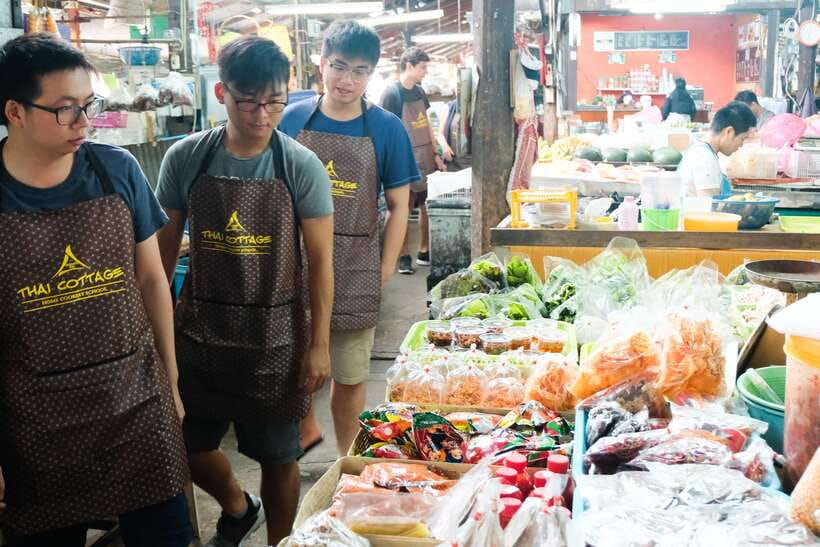
- Market shopping with herb talk: you pick ingredients and learn how they show up in real Thai cooking.
- Your curry paste is truly yours: grind with a mortar and pestle and choose from several curry styles.
- You cook multiple dishes: from starters to mains and finishers like sweet sticky mango rice.
- Garden eating feels authentic: you dine where the herbs are grown, not off-site in some generic room.
- Clear instruction from friendly guides: names you may see include Balloon, Toey, Flook, Wave, and Mew.
- Dietary options are handled: vegan/vegetarian, gluten-free, halal needs, and allergies can be supported.
First stop: getting to the market (and why it matters)
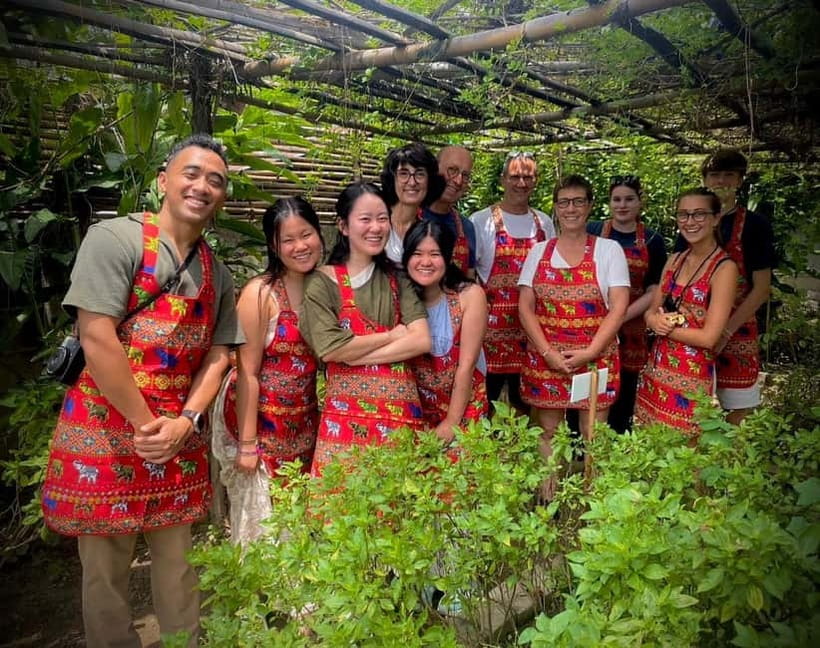
Your day starts with hotel pickup in Chiang Mai, with convenient timing options depending on whether you book a morning, brunch, afternoon, or evening slot. Pickup is included if you’re within 3 km of Chiang Mai Old Town, and the guide will collect you about 15–30 minutes before class. If your hotel is farther away, you’ll meet at the meeting point so the rest of the group isn’t delayed.
This matters because the market isn’t just a photo stop. It’s where Thai flavors start making sense. You’ll go to a local market to choose herbs and ingredients, then bring those choices into the kitchen. That connection—seeing the ingredient first, then using it minutes later—is one of the reasons people rave about the experience.
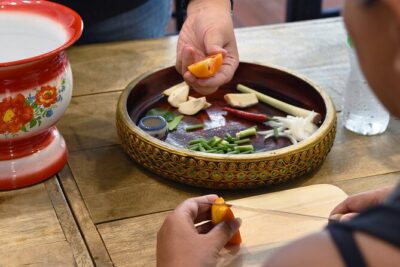
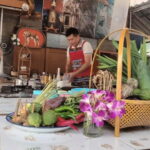
In the market, you should expect lots of sensory input: smells, spice colors, and ingredients you might not recognize at home. You’ll likely have a short window of free time to roam, grab small snacks, and pick up souvenirs. It’s a good blend: guided enough that you learn something, but not so rigid that you never get your bearings.
Practical tip: if you like spice, tell your instructor you want it hot. The class allows you to make dishes spicy or non-spicy to match your preference.
You can also read our reviews of more tours and experiences in Chiang Mai.



The herb garden setting: where cooking feels local
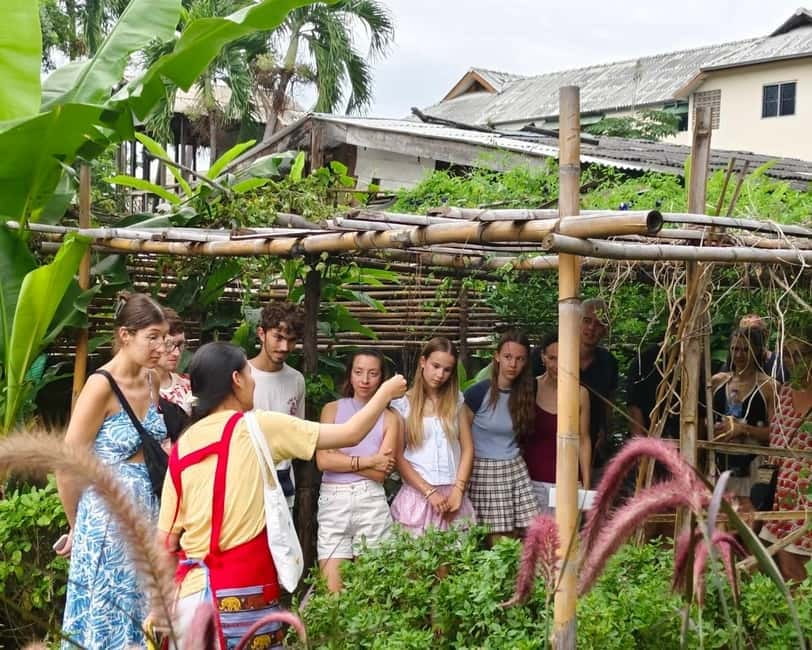
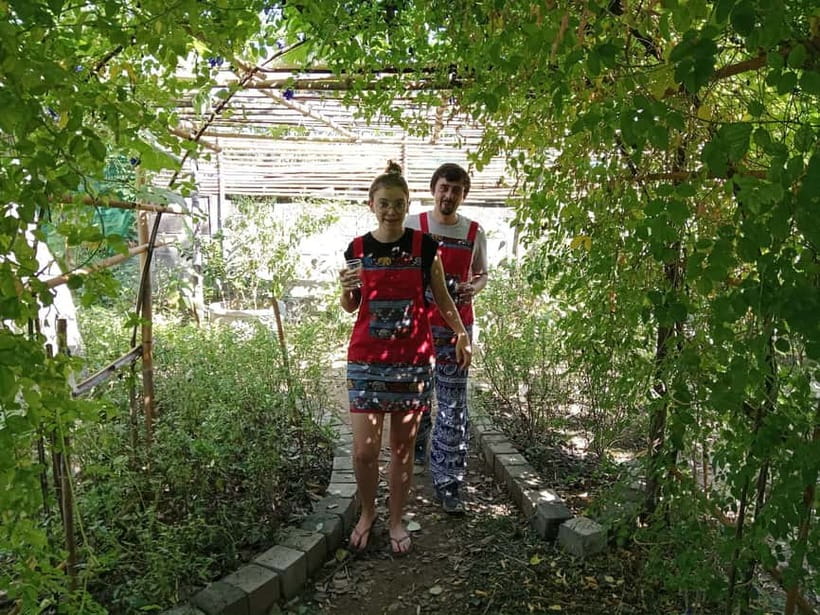
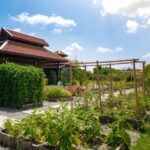
After the market, you head to the cooking school area, where an organic herb garden sets the tone. This is the part I like most when I want a class that feels tied to place. You’re not only learning recipes—you’re learning how Thai cooking connects to fresh ingredients grown nearby.
The garden isn’t just for looks. It’s the backdrop for the whole experience, and the staff keep the flow moving so you spend time cooking rather than waiting around. Reviews consistently mention the garden as “lovely” and the overall atmosphere as relaxed, which tracks with what you’re doing: harvesting the ideas from the market and turning them into dinner.
You’ll also want to think about how you dress. Wear comfortable clothes you can move around in. You’ll be standing at cooking stations, handling ingredients, and likely getting a bit messy. Closed-toe shoes are a good idea, even though the basic requirement is just comfortable clothing.
What you cook: starters, mains, curry paste, and sticky mango rice
This is not one recipe. It’s a full Thai meal built from choices across several categories. That’s why the 4 to 4.5 hours can feel like time flies: you’re moving from one skill to the next.
Starters: choose your flavor path
For starters, you can select options like:
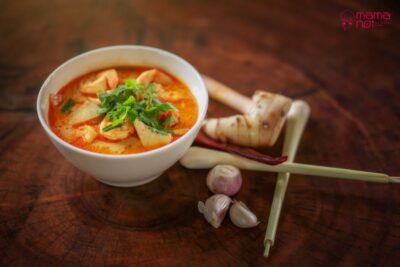
- Hot and sour prawn soup
- Local chicken soup
- Chicken in coconut milk
- Turmeric chicken soup
If you’re new to Thai flavors, these choices give you a quick education: sourness, herbs, coconut richness, and turmeric warmth. If you already love Thai food, you’ll appreciate how the dishes aren’t just copied from a recipe—they’re guided by cooking logic.
Main course: Thai classics and crowd favorites
Your main course options can include:
- Pad Thai
- Chicken fried rice
- Fried chicken with cashew nuts
- Pad Kra Pao
This variety is practical for you. You can match your meal to your taste—noodles, rice, or something punchier with stir-fry energy. And because you cook in stations, the class doesn’t feel like a single-person show where everyone else watches.




The big skill moment: curry paste from scratch
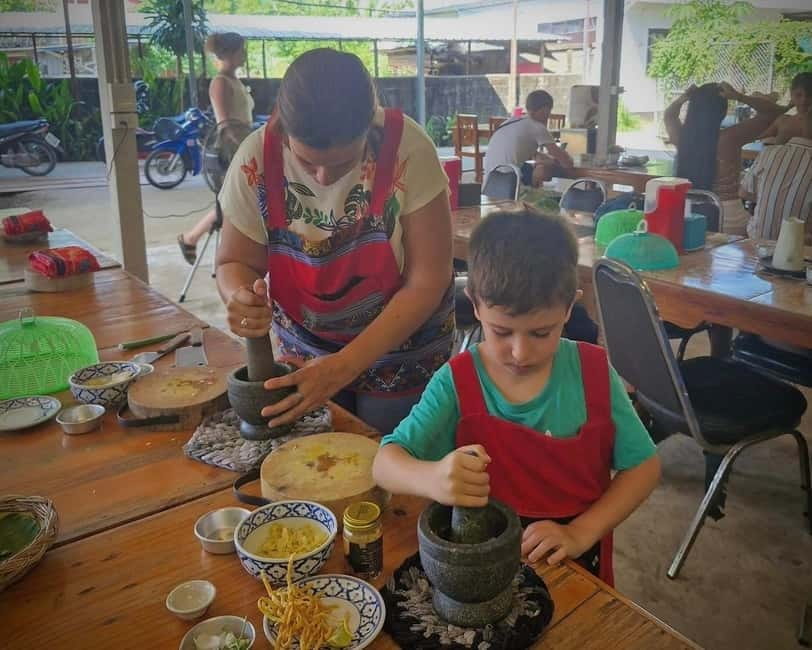
Here’s the centerpiece: you’ll make your own curry paste using a mortar and pestle. And you get choices, such as:
- Red curry
- Green curry
- Phanaeng curry paste
- Massaman curry paste
- Khao Soi curry paste
Grinding paste by hand is slower than using a food processor, so don’t expect this to be quick. But it’s also where you learn what actually changes a curry—aroma, texture, and balance. If you’ve ever bought curry paste and wondered why one brand tastes sharper or smoother than another, this step gives you a reason.
Then you’ll use your curry paste to prepare a chicken and coconut milk curry, built around authentic Thai flavor patterns.
Dessert: sweet sticky rice with mango
Finish with sweet sticky rice with mango. This is one of those desserts that tastes simple but is easy to get wrong. In this class, it’s guided and paired with your meal so it feels like a proper Thai ending rather than an afterthought.
One review detail that’s consistent: people call out the mango sticky rice as phenomenal. For many, it’s the moment they think, I can’t believe I made that.
Cooking with your instructor: what makes it click
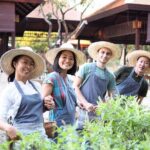
English-speaking instructors guide the class, and the vibe you’ll get is playful but not chaotic. Names that show up again and again in feedback include Balloon, Toey, Flook, Wave/Wav, and Mew. While each guide has their own style, the common theme is that they explain ingredients in plain terms, then help you execute.
You’ll see why this matters if you cook at home: the best classes don’t just tell you what to do—they show you how to judge taste and consistency as you go.
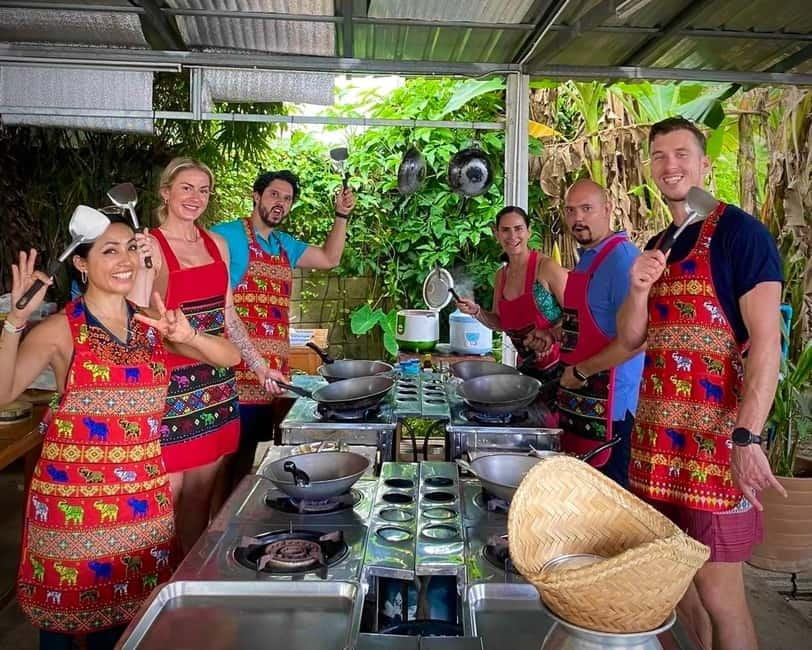
Also, many people mention that there’s a lot of food and that the cooking stations are clean and organized. That’s not a small point. In a good cooking class, you’re not fighting equipment or waiting on others. You’re cooking.
Food volume matters too. A tip from the crowd: come with an empty stomach. Even if you’re not a big eater, you’ll be tasting and eating your own dishes, plus the structured meal portion at the end.
Eating Thai style in the organic kitchen garden
Once the cooking is done, you eat in traditional Thai style in the garden setting. This is where the day comes together. You’re not rushing out right after cooking; you’re sitting down, tasting what you made, and enjoying the atmosphere.
For me, this part is key because Thai cooking is about balance—sweet, sour, salty, spicy, and herbal. Sitting down in a place tied to herbs makes it easier to notice how those components work together.
If you picked spicy options, you’ll feel it here too. The class can adjust spice, so you can keep it comfortable if you want. But if you like heat, Thai food can be pleasantly intense.
One more practical note: drinks aren’t included. That means you’ll want to plan water (or any non-alcoholic drink) ahead of time. You can also request non-spicy versions if you’d rather cool things down.
Value for $28: what you really get
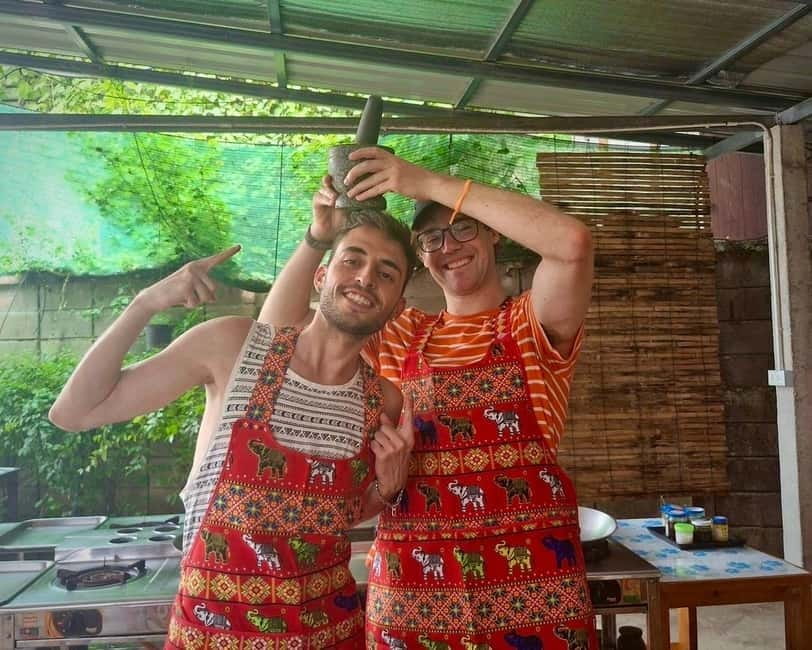
At $28 per person, this is priced like a budget-friendly activity, but it often plays bigger than that because you’re getting multiple ingredients, guided instruction, and a full meal.
Here’s how the value shakes out for you:
- Market + cooking + garden eating means you’re paying for more than a single cooking session.
- You make a curry paste from scratch, which is usually the step people either skip or simplify in cheaper classes.
- You leave with a PDF recipe book, so your cost doesn’t end when you walk out the door.
- Dietary needs are addressed (vegan/vegetarian, gluten-free, halal, and allergies), which is a major value point if you normally struggle with substitutions.
If you’re comparing to other cooking experiences in Chiang Mai, this one wins when you want hands-on cooking and a complete Thai meal, not just a demonstration.
Who should book this class?
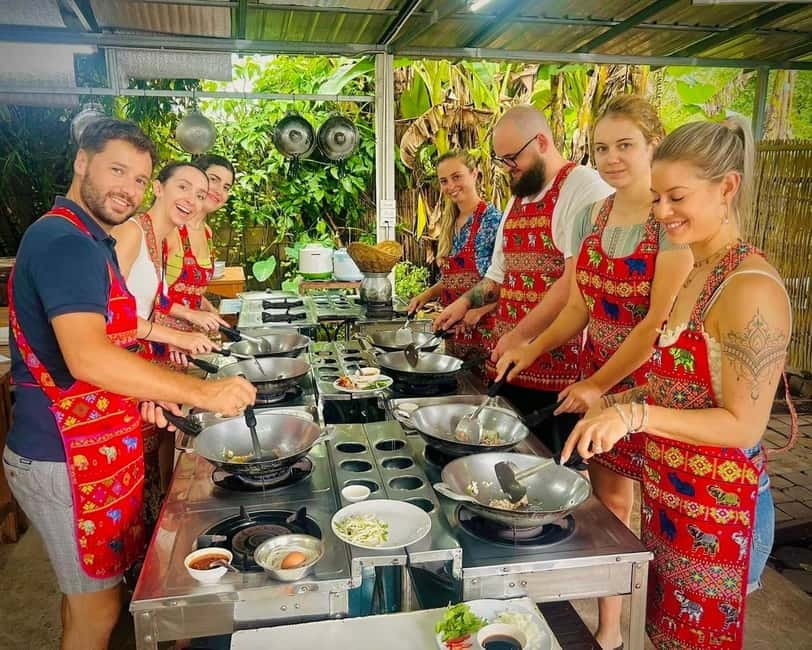
This experience is a great fit if you:
- Want a practical way to learn Thai cooking rather than just watch
- Like structured choices (starters, mains, curry styles) and building your own meal
- Enjoy markets and want help understanding herbs and ingredients
- Prefer a family-style, garden setting over a generic classroom
It may be less ideal if:
- You hate hands-on cooking (you’ll be actively preparing food)
- You’re sensitive to strong flavors or spice and don’t want to adjust menus (though non-spicy options are available)
It’s not suitable for children under 5 or people over 95.
Small logistics that can affect your day
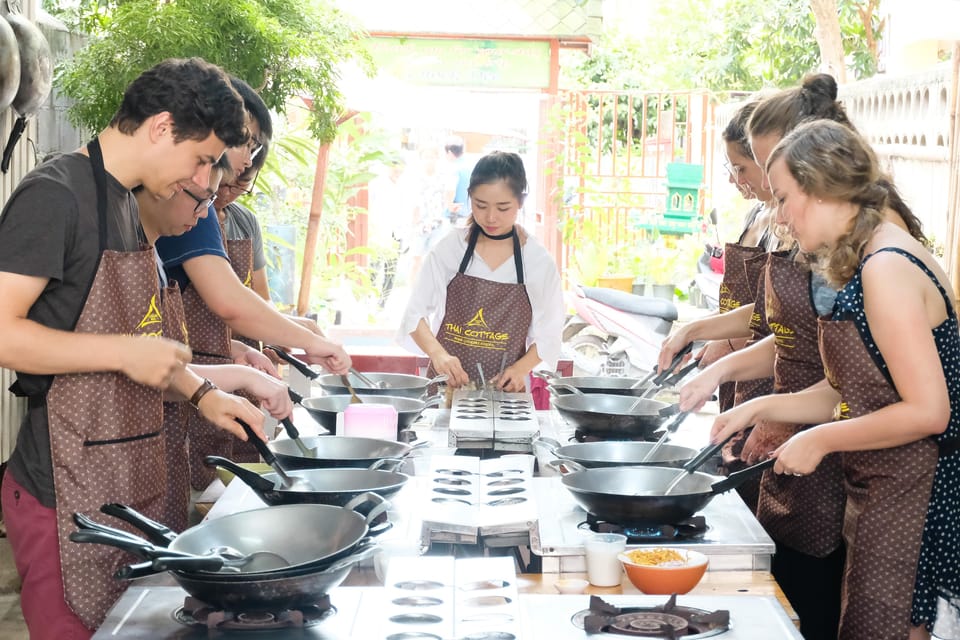
These classes run on scheduled pickup windows (morning, brunch, afternoon, evening). Traffic can cause delays, so don’t plan a tight next appointment right after your drop-off. Also, if you’re not within the pickup radius, you’ll need to meet at the meeting point.
For the cooking itself, remember:
- Wear comfortable clothes
- You can choose spicy vs non-spicy
- Alcohol and drugs aren’t allowed
That last point is straightforward, but it’s part of why the class stays focused and fun.
Should you book this cooking class in Chiang Mai?
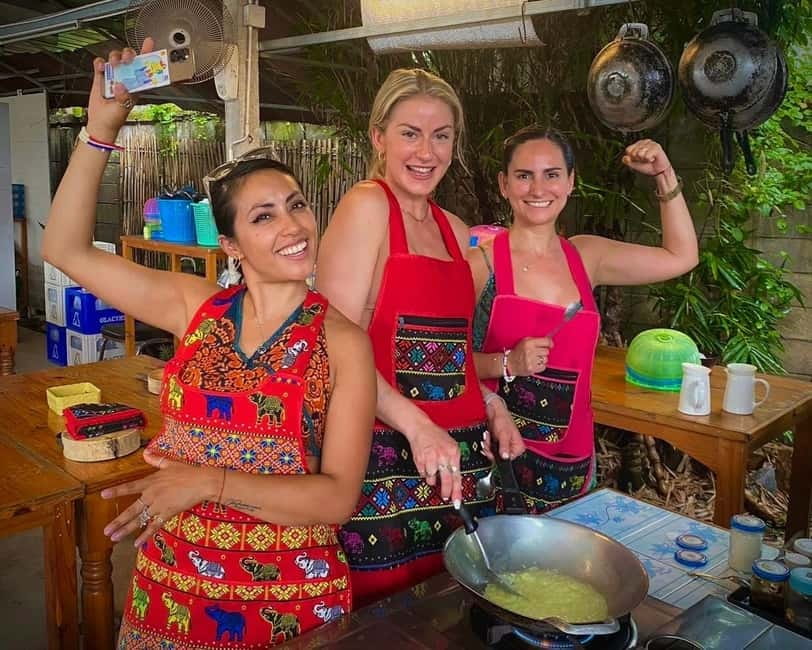
I think you should book it if you want more than a tasty afternoon. This is a real skills class: market knowledge, herb basics, curry paste technique, and a full meal you can recreate later with the PDF recipe book.
Skip it only if you’re looking for a quiet, low-effort activity. This one is hands-on, filling, and ingredient-focused. But if that sounds like your kind of day, it’s a smart use of time in Chiang Mai.
FAQ
What time does the class run?
You can choose from morning, brunch, afternoon, or evening pickup windows. The morning pickup is around 8:30–9:00, brunch is around 11:00–11:30, afternoon is around 13:30–14:00, and evening is around 16:30–17:00. Start times vary based on availability.
How long is the cooking class?
The experience runs about 4 to 4.5 hours.
Is hotel pickup included?
Yes, hotel pickup and drop-off are included. Pickup is offered within 3 km of Chiang Mai Old Town. If you’re farther away, you’ll meet at a designated meeting point.
Do I have to buy ingredients separately?
No. All ingredients for cooking are included.
Can I make the food non-spicy?
Yes. You can make your dishes spicy or non-spicy to match your preference.
Are dietary restrictions or allergies accommodated?
Yes. Vegan, vegetarian, gluten-free, halal, and allergy needs are welcome, and alternative ingredients are available.
Do I get a recipe to take home?
Yes. You receive a PDF recipe book online with the instructions.
Is water or other drinks included?
No. Drinks are not included.
Who teaches the class, and is English available?
A local chef/instructor leads the class, and the instruction is in English.
What should I bring?
Bring comfortable clothes. You’ll be cooking, so wear something you can move in.