REVIEW · CHIANG MAI
Chiang Mai: Authentic Cooking Class with Market & Farm Visit
Book on GetYourGuide →Operated by Grandma's Home Cooking School · Bookable on GetYourGuide
Your next Thai dinner starts with a market. This Chiang Mai experience pairs ingredient shopping and an organic farm visit with a step-by-step cooking class at your own station. You’ll learn how Thai flavors actually work, not just how to copy a recipe.
I especially like the farm-to-kitchen feel: feeding and even hugging chickens, collecting fresh eggs, and picking mushrooms in a special mushroom hut. I also like that you cook classic dishes like Khao Soi and curry paste from scratch, guided by instructors with serious energy (Kiki, Jimmie, Patty, Roger, and Joy all show up in the mix). The main drawback to consider is timing: pickup varies by session, and some guests note communication about exact pickup time can be a little tight—so build in a bit of buffer before your scheduled window.
In This Review
- Quick Reasons This Chiang Mai Cooking Class Feels Worth It
- First, The Big Picture: What This Class Is Really About
- Price and What You’re Actually Getting for $34
- Getting There: Pickup Timing, Van Ride, and When to Be Ready
- The Market Walk: Thai Ingredients You Can Spot and Buy Later
- Grandma’s Organic Farm: Chickens, Mushrooms, Herbs, and Eggs
- A realistic note about the farm activities
- The Open-Air Kitchen: Your Own Station, Step-by-Step Guidance
- What You’ll Cook: Pad Thai to Khao Soi (and Curry Paste From Scratch)
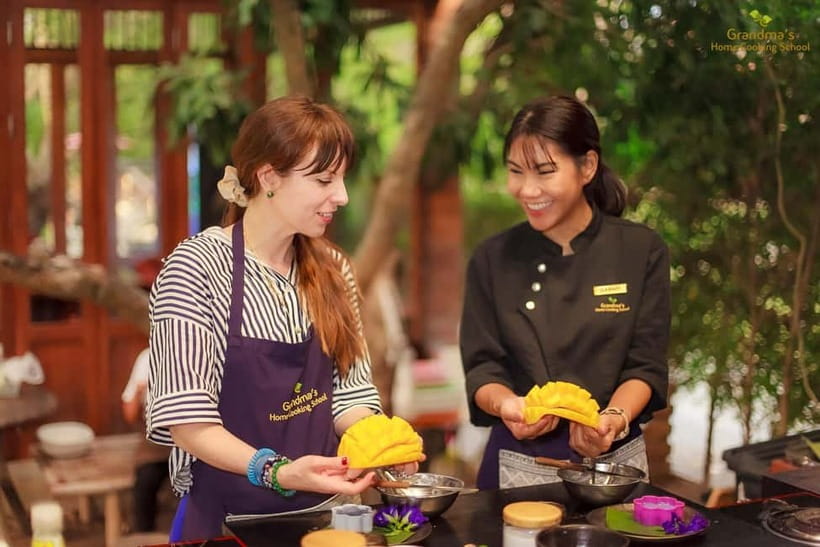
- Mango Sticky Rice and the Full-Day Coconut Milk Grater
- Drinks, Water, and the Pace of the Day
- Dietary Options: Vegetarian, Halal, Gluten-Free, and Allergy Adjustments
- Who This Class Suits Best (and Who Might Want to Pick a Different Option)
- Small Practical Tips That Make the Day Easier
- Should You Book This Chiang Mai Cooking Class?
- FAQ
- How long is the cooking class?
- Is hotel pickup included?
- What kind of cooking will I do?
- Does the class include market time and farm time?
- Is coconut milk preparation included?
- Can you accommodate vegetarian or halal diets?
- Can they handle gluten-free and allergies?
- What should I bring?
Quick Reasons This Chiang Mai Cooking Class Feels Worth It
- Market ingredient logic: learn what to buy and why each flavor matters.
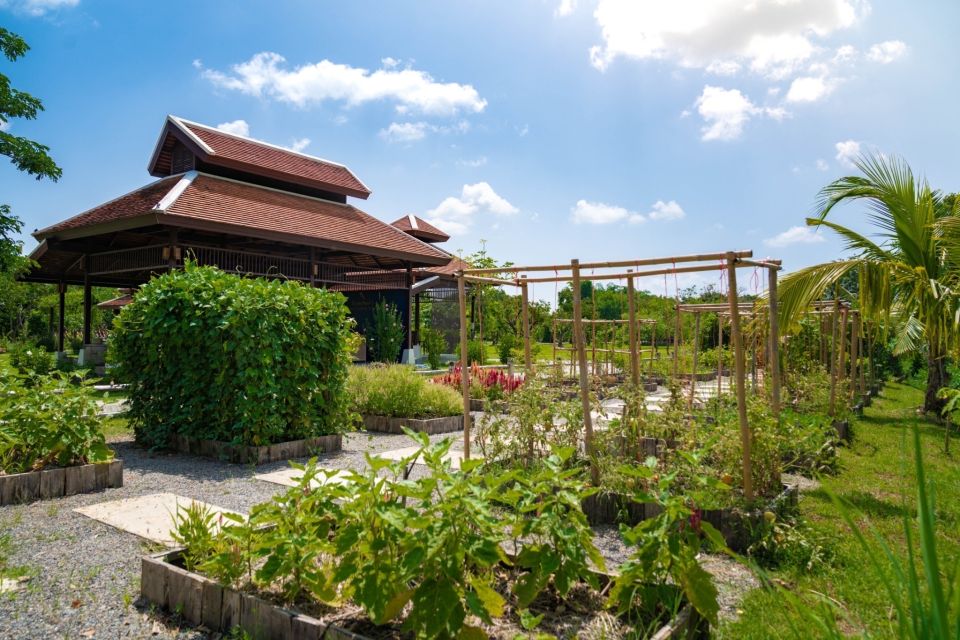
- Grandma’s organic farm activities: chickens, eggs, herb smells, and mushroom picking.
- Your own cooking station: fewer bottlenecks, more hands-on time.
- Curry paste and signature dishes: mortar-and-pestle techniques plus Khao Soi.
- Dessert and coconut milk options: mango sticky rice in many sessions, coconut milk grating for full-day only.
- Practical dietary help: vegetarian and halal options, plus allergy adjustments if you tell them early.
First, The Big Picture: What This Class Is Really About
This isn’t a cooking class where you watch someone else chop. It’s a full experience built around Thai food as a system: ingredients first, then technique, then cooking, then eating what you made.
You start with hotel pickup (within 5 km of the city center), then head into either a market-focused portion or a farm-focused one depending on the session. Either way, the goal is the same: by the time you’re at the open-air kitchen, you understand what you’re putting in your dishes and what role it plays.
And yes, you end up eating a lot. With the full day especially, it’s not a quick snack-and-leave situation. You’ll likely leave with the confidence to order Thai food more intelligently back in town—and to recreate the flavors at home without guessing.
You can also read our reviews of more tours and experiences in Chiang Mai.


Price and What You’re Actually Getting for $34
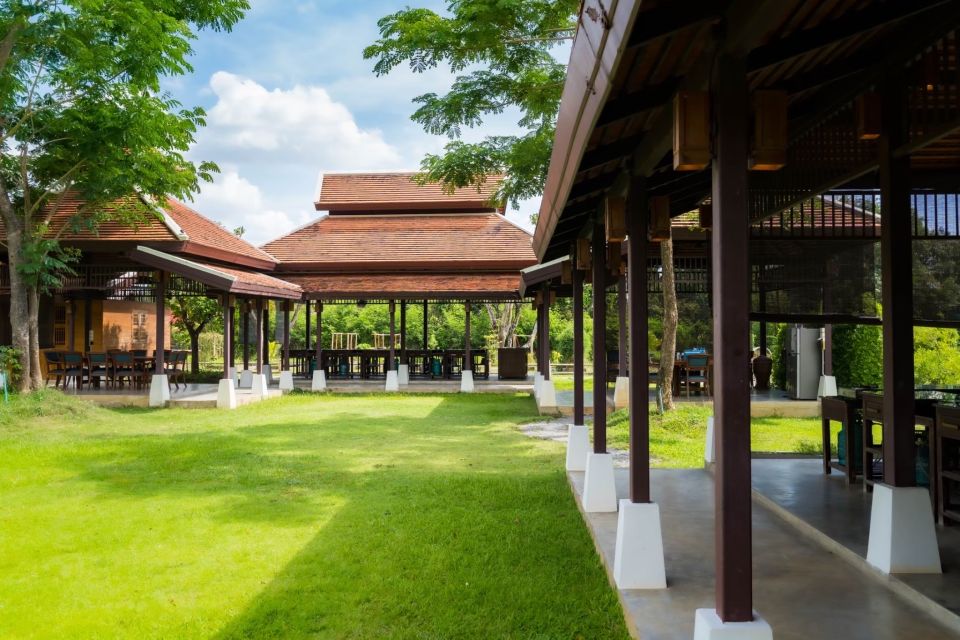
At $34 per person, this sits in the “value-for-your-day” zone in Chiang Mai. The best part isn’t just the price tag. It’s the mix of included stuff that would usually cost extra if you did it separately:
- hotel pickup and drop-off in an air-conditioned van (within 5 km of the city center)
- market tour (morning, afternoon, and full day sessions)
- farm tour and farm activities
- hands-on cooking at your own station
- drinks (welcome drink plus herbal drink) and unlimited water
- a digital recipe e-book
Add in the fact that you’re not just learning one dish. The menu coverage includes Thai classics like Pad Thai, Green Curry, Red Curry, Panang, Tom Yum, Tom Kha, Som Tam, spring rolls, and more—and Khao Soi is a highlight built into the curriculum.
Getting There: Pickup Timing, Van Ride, and When to Be Ready
You’ll use the included pickup/drop-off only if your hotel is within 5 km of Chiang Mai city center. If it’s farther out, you’ll likely need a meeting point or a small extra charge.
Pickup time depends on your session. The provided schedule notes pickup around 3:30 PM to 4:00 PM (commonly the afternoon/evening style timing). My advice: be ready a little early, and keep your phone handy the day of. A couple of guests noted minor communication issues with pickup timing, even though the transport itself is generally smooth and highly rated.
Once you’re in the van, expect it to feel organized rather than chaotic. The vibe is “everyone gets there on time” more than “wait and hope.”
The Market Walk: Thai Ingredients You Can Spot and Buy Later
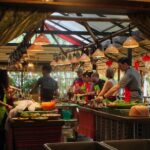
If you book a morning, afternoon, or full-day option, you’ll start with a lively market tour. This is where the experience gets practical.
Your instructors walk you through ingredients used in Thai dishes—what they look like, how they’re used, and how different flavors build the final taste. This matters because Thai cooking is about balance: sour, salty, sweet, heat, aromatics, and that unmistakable Thai herb punch.
You also get a sense of what’s easy to find if you want to recreate dishes later. The market portion helps you stop treating Thai recipes like a strange list of random items. Instead, you’ll start thinking like: this herb = aroma, this paste = backbone, this chili = heat level.
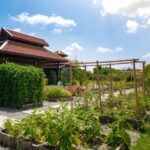
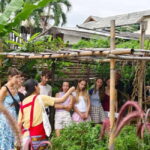
Grandma’s Organic Farm: Chickens, Mushrooms, Herbs, and Eggs
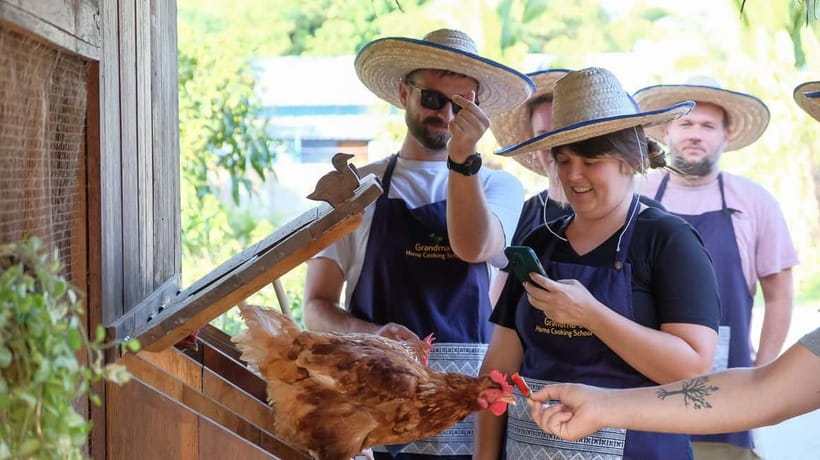
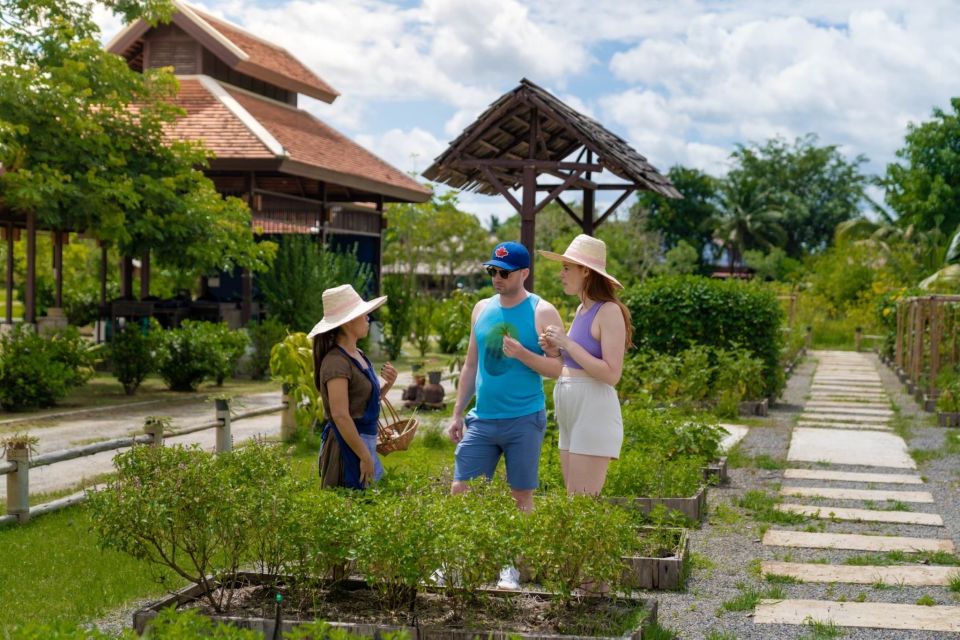
The farm is the part many people remember when they’re back home, and for good reason. It’s not just scenery. It’s hands-on, sensory, and oddly emotional in a good way.
On the farm, you can:
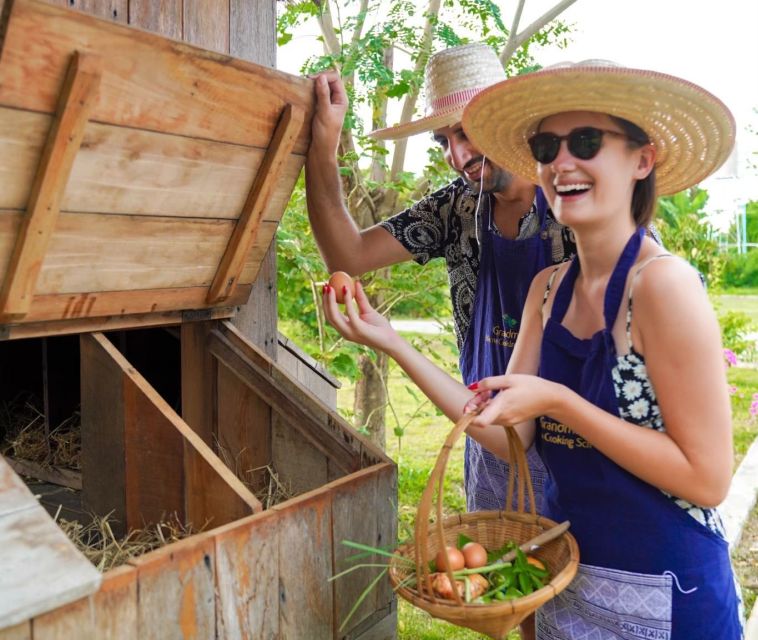
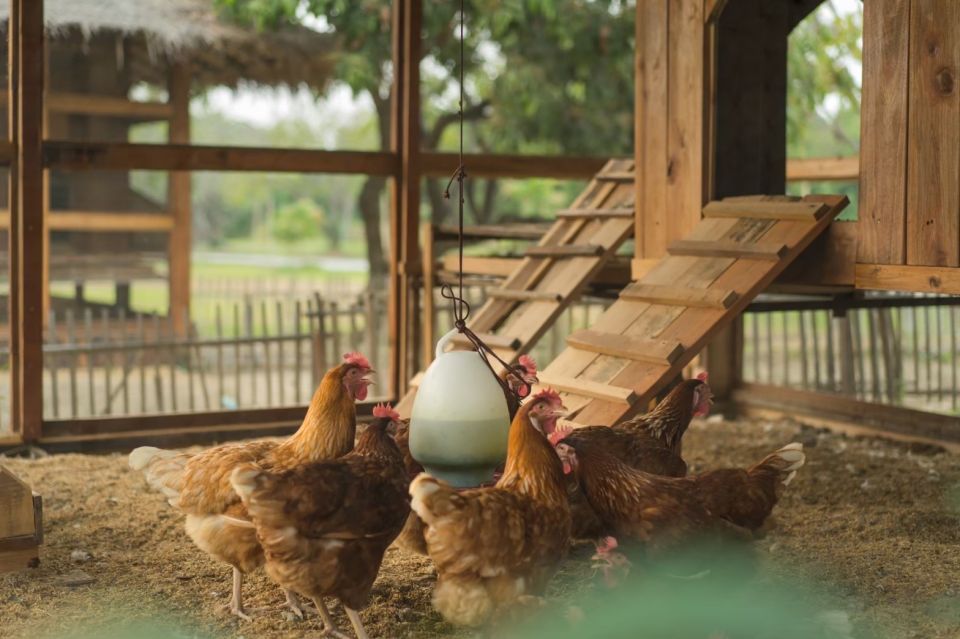
- feed the chickens
- collect fresh eggs
- hug the chickens (yes, that’s part of the experience)
- pick mushrooms from a one-of-a-kind mushroom hut
- smell and learn about herbs and fruits
- harvest vegetables sometimes, depending on what’s ready
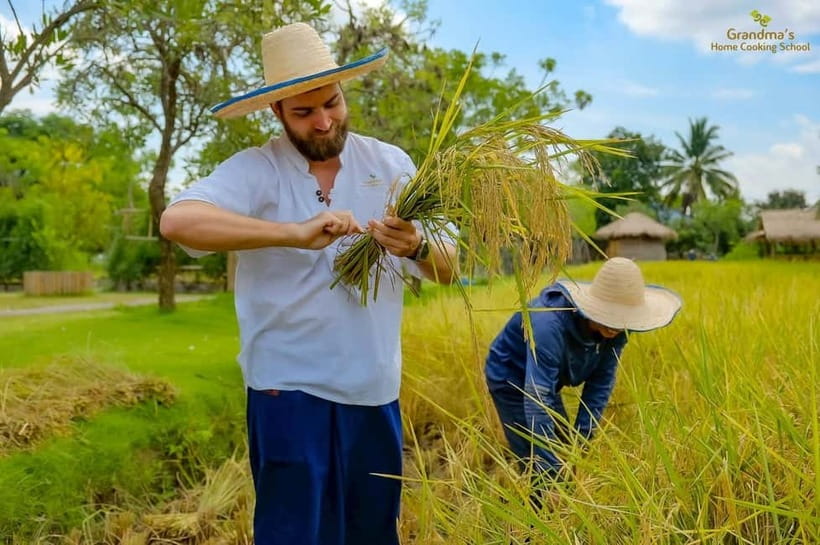
The whole place sits in a countryside setting with rice fields, and the experience has a slow, “breathe for a second” rhythm compared to the market’s energy.
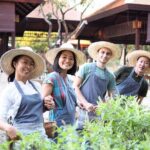
What to bring is simple: comfortable shoes. You’ll walk around on the farm grounds, and you’ll be glad your feet aren’t in flip-flops. A sun hat helps too, especially for the outdoor portions.


A realistic note about the farm activities
Vegetable picking depends on availability, so don’t assume you’ll pick specific items every time. Chickens and eggs are more consistent, and you can always feed—and hug—them.
The Open-Air Kitchen: Your Own Station, Step-by-Step Guidance
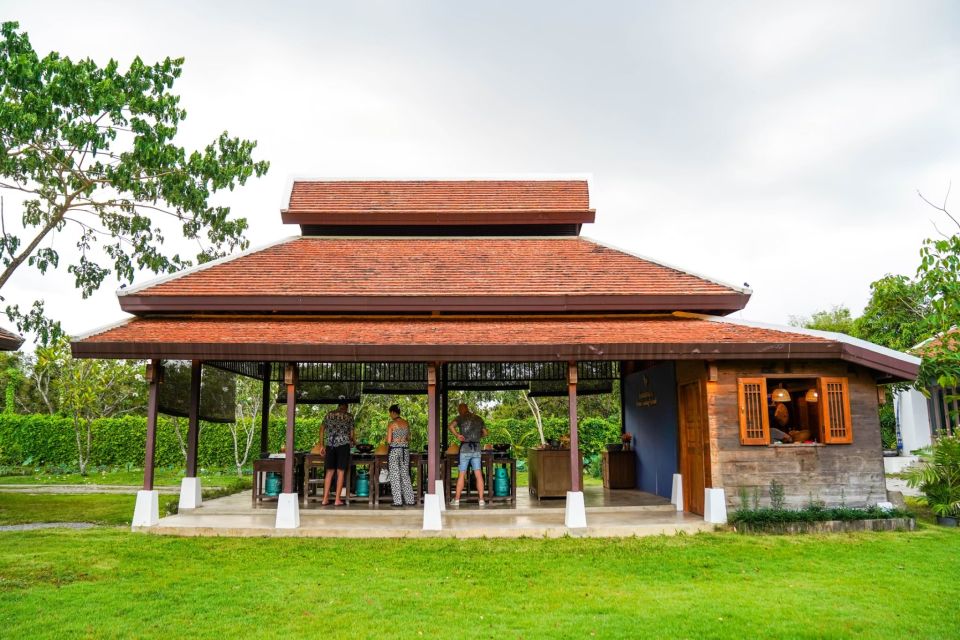
After market and/or farm time, you move into the cooking school kitchen. This is where you go from “learning Thai” to “making Thai.”
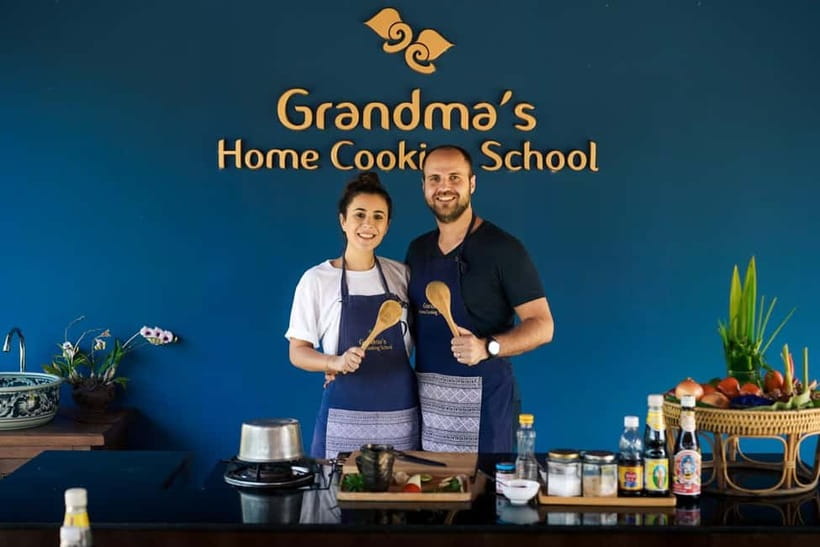
The kitchen setup is built so each person cooks at their own station. That’s a big deal. In many cooking classes, the group clusters around one space and you spend time waiting. Here, you get more control of your own workflow: chopping, mixing, stirring, tasting, adjusting.
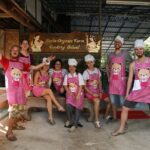
You’ll follow step-by-step instruction from your English-speaking instructor. In past sessions, guests have highlighted how energetic and funny teachers can be—names that come up include Kiki, Jimmie, Patty, Roger, Bryan, Best, Joyzaa, Le Vin, Garnet, and Mac.
Even if you’ve never cooked Thai before, you’re not stuck. The class is designed for beginners, which means you’ll learn techniques like making curry paste using a mortar and pestle, not just assembling ingredients.
What You’ll Cook: Pad Thai to Khao Soi (and Curry Paste From Scratch)
Your menu choice happens at the start of class, before cooking begins. That’s smart because it lets you tailor the experience to what you actually want to eat.
The curriculum includes a lineup of Thai favorites, including:
- Pad Thai
- Pad Kra Prao
- Green Curry, Red Curry, and Panang
- Tom Yum, Tom Kha
- Som Tam
- spring rolls
And then there’s the standout training dish: Khao Soi, Chiang Mai’s signature curry noodle soup. This isn’t just another plate. It’s a lesson in Thai regional style—creamy curry, noodles, and toppings that make it feel like a meal you’d only get in the north.
You’ll also learn to make curry paste from scratch with a mortar and pestle. That’s a skill with long-term value. Once you understand the process, the rest of the curry feels less like “mystery flavor” and more like technique.
Mango Sticky Rice and the Full-Day Coconut Milk Grater
Dessert is part of the learning here, not just a polite finish.
- Mango sticky rice is served in morning and afternoon classes, and it’s taught as part of the cooking for full day and evening sessions.
- If you choose the full day option, you’ll also make fresh coconut milk using a traditional coconut grater.
That coconut milk piece is the kind of detail that makes the day feel richer. It turns coconut milk from a store-bought ingredient into a real, tangible process—smell it, grate it, and see how the texture changes.
If you’re short on time, you can still get plenty from the half-day versions. But if you love hands-on food prep, full day is the one with the most “from scratch” momentum.
Drinks, Water, and the Pace of the Day
You’ll start with a welcome drink: you can choose Thai milk tea, Thai lemon tea, or butterfly pea flower tea. During the class, you’ll also get a herbal drink, plus unlimited drinking water all day.
The pacing is practical: market/farm energy, then cooking station work, then the shared meal. It’s not a rushed conveyor belt. It’s more like a guided day where you keep moving but still have time to cook properly.
And because you eat what you make, the quality control is built in: if you can taste and adjust, you learn faster.
Dietary Options: Vegetarian, Halal, Gluten-Free, and Allergy Adjustments
One of the most reassuring parts is how adaptable the class can be if you tell them early.
You can request:
- vegetarian and halal options
- gluten-free and allergy adjustments
- special needs accommodation (you’ll need to communicate details before the class starts)
Guests have described gluten intolerance being handled with substitutions like gluten-free soy sauce and oyster sauce. So if you have dietary limits, don’t treat this as a “maybe.” Message them ahead of time and be specific.
Also note: you pick your menu before cooking begins, which makes it easier for instructors to plan substitutions without scrambling at the stove.
Who This Class Suits Best (and Who Might Want to Pick a Different Option)
This cooking class fits best if you want more than a list of dishes.
You’ll probably love it if you:
- want a hands-on Thai cooking experience (not just watching)
- like learning ingredients in context—market first, farm second
- want the Chiang Mai specialties, especially Khao Soi
- enjoy active, outdoor parts of a tour (chickens, herbs, mushrooms)
It might be less ideal if:
- you hate animals of any kind (though farm tasks are gentle and optional to participate in at your comfort level)
- you’re tight on time and want only a short, light activity (half-day options exist, but the full learning arc is longer)
Family note: children under 10 are considered visitors. They can join with parents, but won’t have their own station unless booked as an adult price.
Small Practical Tips That Make the Day Easier
Here are a few things that help you get the best day with the least stress:
- Eat lightly before you go. You’ll cook and then eat a full meal (and in some sessions, you’ll be making enough food that skipping breakfast can make the experience even more enjoyable).
- Wear comfortable shoes for the farm walk.
- Bring a sun hat if you’re doing a session with outdoor farm time.
- If you have allergies or dietary needs, tell them clearly before the class starts so they can adjust ingredients and sauces.
Should You Book This Chiang Mai Cooking Class?
If you’re choosing between a generic cooking class and a market-plus-farm day, this one is a strong pick.
Book it if you want a Thai cooking day that teaches the why behind the flavors—market ingredients, farm learning, curry paste technique, and Chiang Mai’s Khao Soi—while also feeding you like you planned a full meal. At $34, the value comes from the full package: pickup, market and farm time, your own cooking station, and included drinks plus a digital recipe e-book.
Skip it only if you want something ultra-short, you’re not interested in outdoor farm activities, or you’d rather not be around chickens at all.
FAQ
How long is the cooking class?
The experience runs from about 210 minutes up to 7 hours, depending on which session you choose.
Is hotel pickup included?
Yes, pickup and drop-off are included by air-conditioned van for hotels within 5 km of Chiang Mai city center.
What kind of cooking will I do?
You’ll cook step by step at your own cooking station, and the menu includes Thai favorites such as Pad Thai, Green Curry, Red Curry, Panang, Tom Yum, Tom Kha, Som Tam, and spring rolls. Khao Soi is highlighted as part of the program.
Does the class include market time and farm time?
That depends on the session. Morning, afternoon, and full-day include a market tour. The farm tour and farm activities are part of the experience as well.
Is coconut milk preparation included?
Coconut milk preparation is included only with the full-day option, using a traditional coconut grater.
Can you accommodate vegetarian or halal diets?
Yes. Vegetarian & halal options are available if you tell the provider before the class starts.
Can they handle gluten-free and allergies?
They can adjust for gluten-free needs and allergies if you share details before the class starts.
What should I bring?
Bring comfortable shoes and a sun hat.