REVIEW · BANGKOK
Bangkok: Backstreets Food Tour with 15+ Tastings
Book on GetYourGuide →Operated by A Chef's Tour · Bookable on GetYourGuide
Chinatown can overwhelm your first night. This Yaowarat backstreets walking tour turns that chaos into a moveable feast of 15+ tastings over about 4 hours, led by a real team of two.
What I like most is the chance to eat your way through old-school lanes where tuk-tuks can’t go, plus the mix of Thai-Chinese dishes that explain why Bangkok’s flavors taste the way they do.
Two things I’d make you pay attention to: the 15+ tastings (it’s a lot of food, not a “snack tour”), and the small group size of 8 with a guide plus an assistant who helps keep you fed and moving. You’re not just following a route. You’re learning how to order and what to look for afterward.
One consideration: this is not built for strict vegetarians/vegans or for people with severe allergies, since cross-contact is a real risk in busy street-food kitchens.
In This Review
- Key takeaways before you go
- Why Yaowarat’s backstreets beat the easy lines
- Value check: 15+ tastings for about $62
- Meeting at Shanghai Mansion and how the tour actually runs
- The pace: 8–9 stops in 3.5 to 4 hours, with guide and assistant
- Stop by stop: what you’ll eat and what each bite teaches you
- Crispy chive dumplings with nam jim jaew
- Charcoal-grilled satay
- Slow-braised pork you eat with chopsticks
- Shrimp dumplings and poh taek seafood soup
- Noodles and stir-fries showing centuries of influence
- Soy sauce ice cream
- Big portions: plan your appetite
- Michelin-listed street food, but with local logic
- Guide style can make or break the experience
- Who should book this (and who should skip)
- Practical tips: shoes, umbrella, and how not to miss the best bites
- Should you book this Bangkok backstreets food tour?
- FAQ
- Where does the tour start?
- How long is the tour?
- How many people are in the group?
- How many tastings do you get?
- What kind of food stops are included?
- Is bottled water included?
- Are there dietary options?
- What should I bring?
- Is alcohol included?
Key takeaways before you go
- A tiny group (8 max) means you’ll actually hear the guide and ask questions without shouting over everyone.
- 15+ tastings in 8–9 stops keeps it varied from bite to bite, not repetitive.
- Two staff members (licensed guide plus assistant/runner) reduce waiting and help secure spots at crowded venues.
- Backstreets over tourist traps: you’ll walk where tuk-tuks can’t reach and where you’d probably miss “the good window.”
- Thai-Chinese fusion in action: you’re tasting the long connection between China and Thailand, not just eating randomly.
- Good fit for pescatarians, with fewer bites (you may miss 2–3 tastings where alternatives aren’t available).
Why Yaowarat’s backstreets beat the easy lines
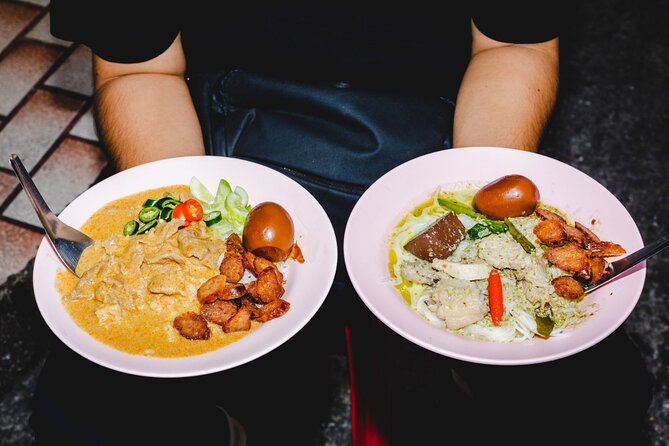
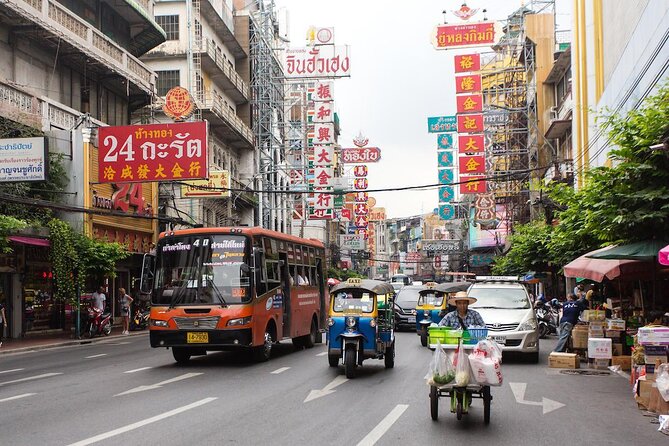
Yaowarat, Bangkok’s Chinatown, can hit you all at once: neon signs, steam rising from cooking pans, carts squeezing down narrow alleys, and lines everywhere. If you’ve never been, it’s easy to pick the places that look closest or most obvious. The problem is those can be the most touristy spots—or just the wrong window at the wrong time.
This tour solves that the practical way. You’re guided into backstreets where tuk-tuks can’t go, which matters because it changes what you can access. Less distance from the main road often means more locals, more frequent turnover, and more “fresh off the pan” food. You also avoid the typical trap of standing around waiting for a table at places you didn’t know to choose.
And the food isn’t just “random street snacks.” The tour is set up to show Thai-Chinese influence—think noodles, stir-fries, dumplings, and seafood soups—so when you taste something, you also learn what likely shaped it. That makes you a better street-food shopper for the rest of your trip.
You can also read our reviews of more tours and experiences in Bangkok.


Value check: 15+ tastings for about $62
At $62 per person for around 3.5 to 4 hours, this price only makes sense if you’re getting your money’s worth in food. Here, you do. The core promise is 15+ tastings, not a couple of token bites.
You’re paying for three things that add real value:
- Volume and variety: 15+ separate tastings across 8–9 stops. This is a different experience than tours where you just repeat one dish in three locations.
- Good placement: the route includes two Michelin-listed street food venues, which can be hard to reach or time right on your own.
- Time savings from two staff: the licensed guide is supported by an assistant (runner-style) so you spend less time stuck outside in the crowd. Some tours have one person herding the group. This one has two.
So yes, it’s not the cheapest option in Bangkok. But for a first-timer in Yaowarat, it’s often one of the most cost-effective ways to eat a lot, learn fast, and reduce decision fatigue. You’ll likely leave full enough that you don’t need an immediate second dinner.
Meeting at Shanghai Mansion and how the tour actually runs
Your meeting point is outside Shanghai Mansion Bangkok, in Chinatown. Look for staff wearing a black A Chef’s Tour polo shirt. You then head to a nearby café/bar on a sidestreet where the group gathers and you can use the restroom before you start.
That small step is worth it. Chinatown restrooms can be hit-or-miss, and you don’t want to lose momentum once you’re moving down alleys. It’s also a good moment to confirm you’re ready for the walking pace: comfortable shoes, water in your stomach, and a quick reset before the first tasting.
The tour starts on Yaowarat’s main strip vibe and then pushes into the side lanes. It ends back at the starting area on Yaowarat Road, where the neon and street energy are still there—just now you know what to order, where to look, and what dishes signal quality.
The pace: 8–9 stops in 3.5 to 4 hours, with guide and assistant
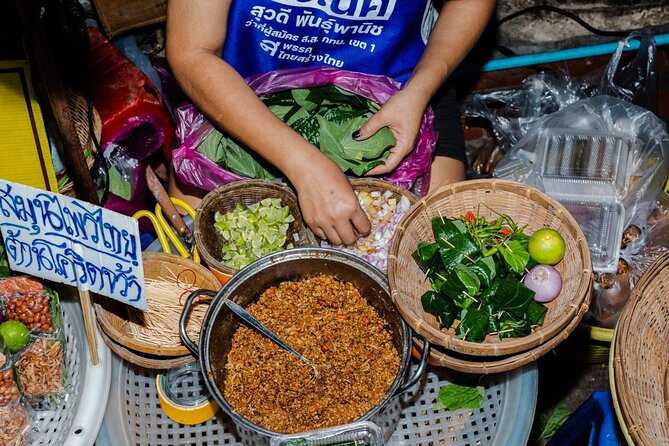
This tour is built for flow. Expect 8–9 stops over about 4 hours. Some stops are fast tasting counters; others are seats-and-serve moments at popular venues.
What stands out is the two-person setup. You’ll have a licensed guide, plus an assistant who helps the group at each stop. That usually means fewer awkward delays, more “tables are ready,” and a smoother transition when a vendor is busy.
Pace tips from what I’d watch for on a good food walk:
- Listen for the guide’s timing cues so you know when to pause, when to order, and when to watch the next dish arrive.
- Don’t rush your tasting. The guide often guides your order of operations—one practical example from the experience style here is tasting food before extra spices or sauces get added, so you learn the base flavor first.
You’ll still walk, and it’s street-level busy, but the structure keeps it from feeling chaotic.
Stop by stop: what you’ll eat and what each bite teaches you
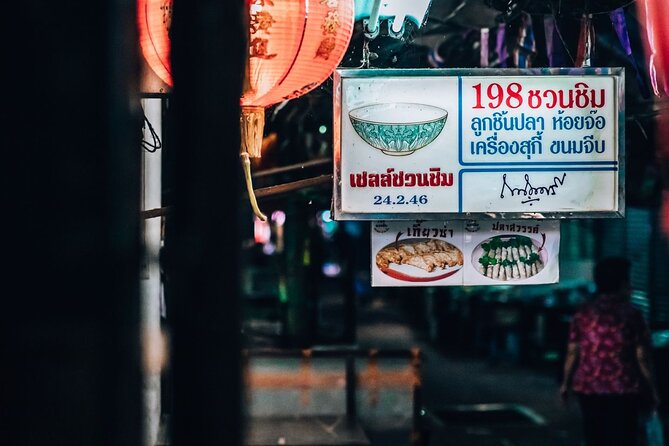
The exact lineup can shift, especially between morning and evening departures, but the tour is consistently designed around dumplings, noodles, grilled meat, slow-cooked flavors, and street desserts—plus that Thai-Chinese connection.
Here are the food highlights you should expect to look forward to:






Crispy chive dumplings with nam jim jaew
One of the mentioned favorites is crispy chive dumplings served with nam jim jaew. This is a great first “marker dish” because it teaches you what Thai-Chinese flavor often tastes like: savory, crisp edges, and a dipping sauce that brings tang and depth. When you eat it on the spot, you also get a feel for how the sauce should behave with the dumpling texture.
Charcoal-grilled satay
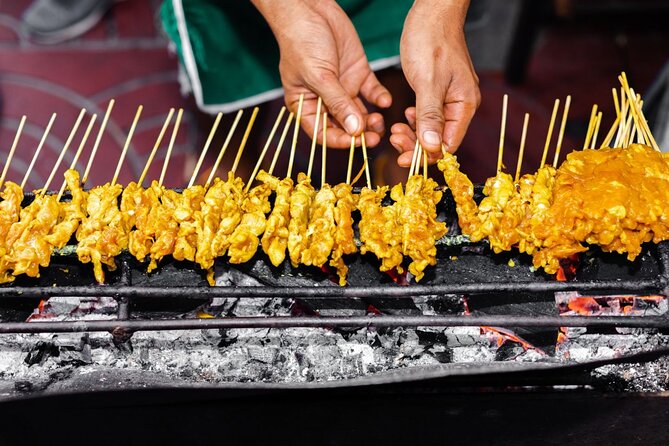
You’ll also find satay—specifically described as charcoal-grilled meat. Satay is simple on paper. It’s not simple in practice. The smoke, fat, and char change the whole profile, and street-food satay is one of those things you can’t easily replicate at a restaurant menu. It’s also a nice balance bite after dumplings or soups.
Slow-braised pork you eat with chopsticks
Another highlight is slow-braised pork, eaten with chopsticks. Slow cooking matters because it changes the mouthfeel and how the sauce clings. This stop is often where the tour helps you understand why Thai food doesn’t always taste like what you’d expect from the English descriptions. In short: sweetness, savor, and aroma can be layered in ways that feel effortless only because someone has cooked it patiently.
Shrimp dumplings and poh taek seafood soup
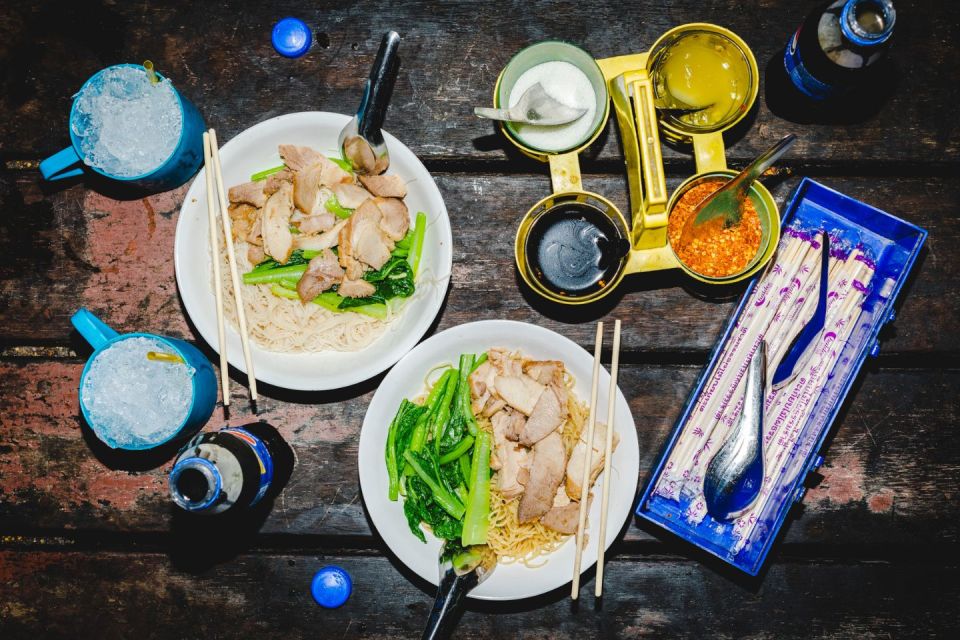
The seafood lane is real here. Expect shrimp dumplings and a fragrant poh taek seafood soup. Poh taek is a standout because it’s not just “seafood in liquid.” It’s built around aromatic herbs and the kind of seasoning street cooks get right when the pot is working and the timing is tight. This is also a strong stop if you want to learn what to look for in seafood soups—how the broth tastes before you add anything.
Noodles and stir-fries showing centuries of influence
You’ll also come across noodles and stir-fries, tied to China’s culinary influence on Thailand. The tour’s purpose isn’t academic. It’s practical. When you understand the “why” behind the style—dumpling habits, noodle textures, sauce patterns—you can identify similar dishes later without needing luck.
Soy sauce ice cream
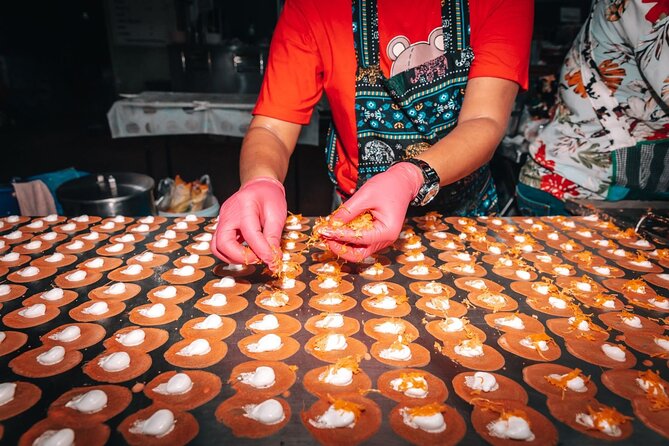
One dessert stop stands out in the experience pattern: soy sauce ice cream. It sounds odd until you taste it. The point isn’t shock value. It’s learning how sweet can be balanced by salty depth. If you like exploring flavors that are familiar but re-invented, this is the kind of street dessert that makes a tour feel memorable.
Big portions: plan your appetite
Multiple people mention leaving very full. That’s normal for a 15+ tasting tour. It’s also why pacing matters. If you worry about food waste or you hate feeling overloaded, keep your water intake steady and pace your bites rather than rushing through the favorites.
Michelin-listed street food, but with local logic
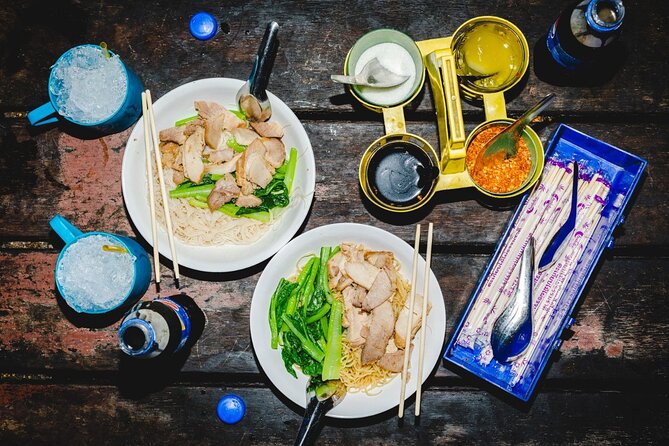
You’re not just eating at well-regarded spots. Two of the stops are Michelin-listed street food venues, which is a big deal in a city where great street food can be hidden in plain sight.
On your own, Michelin listings help but they don’t solve everything. Timing matters. Lines matter. Seating matters. This tour reduces the stress. The assistant’s job, in practice, is to help make sure you’re not standing around hungry while everyone else eats.
The better part: you don’t just get the dish. You get the context on what makes it work—like what ingredients are doing, and how the flavor should progress as you take bites. That means later, when you see a similar vendor or menu item, you’re not starting from zero.
Guide style can make or break the experience
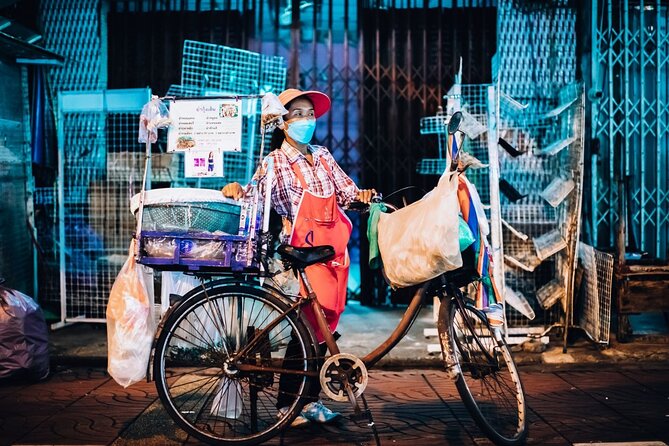
This tour gets praised heavily for guides and their assistants, and names show up often: Anya, Rainbow, Wan, JT, Oh, PopPik, Ninja, Pai, Pukpik, Milet, and more. Not every guide will match your exact style, but the common theme is that the guide isn’t just reading off a script.
Two style points I’d plan for:
- Some guides talk a lot, and that can slow the pace at certain stops. If you love stories, you’ll enjoy it. If you want a faster bite-to-bite rhythm, you’ll want to stay alert and ask questions rather than zoning out.
- In busy street settings, some guides can be soft-spoken on loud corners. If that’s your concern, you’ll do best if you position yourself where you can hear clearly and you don’t stay too far back.
The assistant/runner role often makes up for any guide-vs-noise issues by handling seating and timing logistics, which keeps you fed.
Who should book this (and who should skip)
This is a clear match for:
- First-time visitors to Bangkok who want a high-impact way to learn Yaowarat quickly.
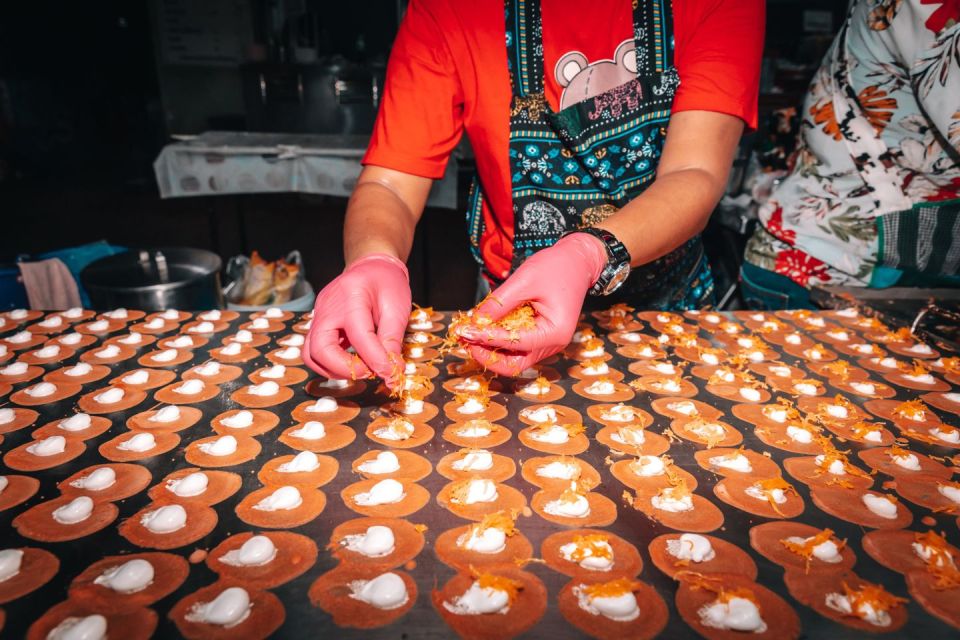
- Food lovers who want variety: dumplings, grilled meat, soups, noodles, and dessert in one afternoon/evening.
- People who like structured walking with small-group attention. Max 8 means you’re not treated like a moving mass.
It’s not a match for:
- Strict vegetarians or vegans. The tour description notes that most Thai dishes involve meat or seafood ingredients you can’t avoid.
- Severe allergy situations. The data is clear that cross-contamination risk exists in street food environments.
- Celiac disease. Mild gluten intolerances might be workable, but celiac isn’t advised because of trace gluten in unavoidable soy sauce.
Pescatarians may still do well. The tour notes pescatarians won’t go hungry, but they may have 2–3 fewer tastings because not every vendor can offer alternatives. If you’re pescatarian, you should still book—but email or message your needs at booking so the guide can plan for you.
Practical tips: shoes, umbrella, and how not to miss the best bites
You’ll be walking in Chinatown. That means you should pack like you’re going to work a little.
Bring:
- Comfortable shoes (non-negotiable)
- An umbrella (weather can turn quickly)
- Weather-appropriate clothing
How to make your food tour work better:
- Eat slowly at the first couple tastings. If you front-load too fast, later stops can feel overwhelming.
- Stay hydrated. There’s bottled water included, which helps, but you should still drink between stops.
- Don’t plan alcohol right before or during. Alcohol isn’t included here, and you’ll be walking for hours.
- If you want to repeat dishes later, ask what the dish is called and what ingredients to look for. The tour is designed to leave you with enough knowledge to keep eating street food across Thailand afterward.
Also: because the tour hits markets and venues with specific operating hours, the morning version may swap a couple stops for places open in daytime, while keeping mostly the same overall experience. If you have flexibility, an earlier start can be nice, but the core promise stays the same.
Should you book this Bangkok backstreets food tour?
Book it if you want a small-group, high-food-volume start to Bangkok, and you’re excited to eat in Yaowarat’s alleyways instead of hovering around the obvious spots.
I’d also book it if you like learning while eating. This tour is structured so you don’t just taste; you understand why dishes show up the way they do—especially the Thai-Chinese influence behind dumplings, noodles, sauces, and seafood soups.
Skip it (or pick a different style) if you’re strict about vegetarian/vegan eating, have severe allergies, or need a completely gluten-free route. Also, if you’re the type who dislikes long explanations on busy streets, be aware guide talk can sometimes stretch the time at individual stops.
If your goal is to leave Chinatown able to order with confidence and full enough to slow down your next meal plan, this is one of the best ways to do it.
FAQ
Where does the tour start?
It starts outside Shanghai Mansion Bangkok in Chinatown. You’ll find a staff member wearing a black A Chef’s Tour polo shirt.
How long is the tour?
The tour lasts about 4 hours, with 3.5 to 4 hours of walking and tastings.
How many people are in the group?
The group is limited to a maximum of 8 participants.
How many tastings do you get?
You’ll get 15+ tastings over the course of the tour.
What kind of food stops are included?
You’ll visit 8 to 9 stops, including 2 to 3 Michelin-listed street food venues.
Is bottled water included?
Yes, bottled water is included.
Are there dietary options?
Dietary options include pescatarian and other diets, but pescatarians may have 2–3 fewer tastings. Strict vegetarians and vegans are not suitable, and severe allergies aren’t recommended.
What should I bring?
Bring comfortable shoes and an umbrella, plus clothing appropriate for the weather.
Is alcohol included?
No. Alcoholic drinks are not included.