REVIEW · CHIANG MAI
Chiang Mai 2-Day: Good Morning Elephant & Overnight Homestay
Book on GetYourGuide →Operated by PON ELEPHANT (THAILAND) CO., LTD. · Bookable on GetYourGuide
Elephants wake you up in Chiang Mai. This 2-day Mae Wang Valley trip at Pon Elephant Thailand is interesting because you get to watch the elephants in their daily rhythm, not just pass through for a quick photo stop, and you sleep close enough that the morning feels unreal. I especially love the morning elephant time right outside your cabin and the chance to share dinner in the forest with the host family while the sanctuary atmosphere is still happening around you. The one thing to consider is that the schedule is full on both days, so if you like slow, unplanned travel, you’ll want good energy and comfy shoes.
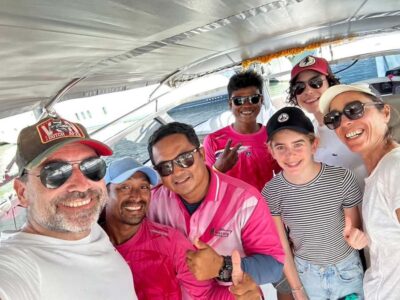
A big reason this works is the small group size (max 14). You’ll spend time with an English-speaking guide, and guide names like Saki, Noi, Yaya, and Hot show up again and again in the way people describe the vibe: patient guidance, lots of elephant-focused context, and an effort to make sure you’re comfortable.
Value-wise, I like that transfers, meals, and key activities are bundled together: pickup/drop-off in Chiang Mai City by van, an overnight stay, and experiences like bamboo rafting and a Mae Wang waterfall visit.
In This Review
- Key highlights to look forward to
- Mae Wang Valley: why this timing and location matters
- Day 1 afternoon: pickup, the Mae Wang Valley drive, and first sanctuary contact
- The homestay dinner: cooking with your guide and eating in the forest
- Overnight stay: cabins or tents and the sounds of the forest
- Day 2 morning: Good morning chants, breakfast on the terrace, and elephant learning
- Feeding, bathing, and slow walks in Mae Wang River
- Mae Wang Waterfall swim, then bamboo rafting on the river
- What’s actually included (and what you should budget for)
- Price and value: why $128 can be a good deal here
- Who should book this two-day elephant and homestay experience
- Should you book this Chiang Mai 2-Day Good Morning Elephant Homestay?
- FAQ
- What is the duration of this trip?
- Where does the tour pick you up and drop you off?
- Is an English-speaking guide included?
- How big is the group?
- What are the main included activities?
- What accommodation style is provided overnight?
- If I’m a single traveler, do I share a room?
- What should I bring since it’s not included?
Key highlights to look forward to
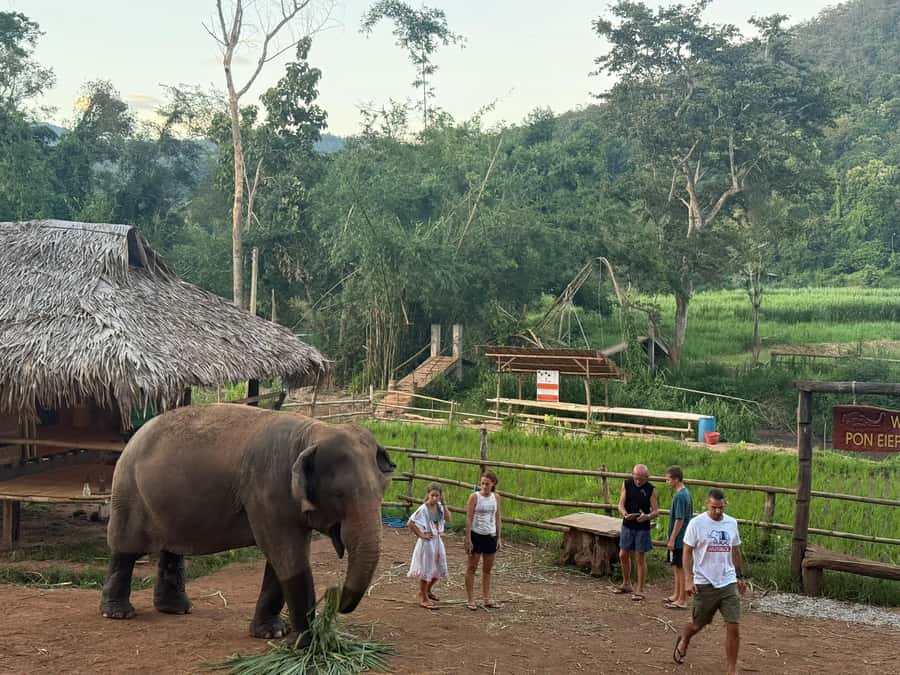
- Elephant mornings from your doorstep with chants and breakfast views
- Dinner with your host family in the jungle camp atmosphere
- Mae Wang River time including feeding, bathing, and observing safe interactions
- 40–50 minute bamboo rafting that feels like a reward after two active days
- Small group pacing that keeps things more personal than big bus tours
- Homestay forest life in simple cabins or tents, with real jungle quiet
Mae Wang Valley: why this timing and location matters
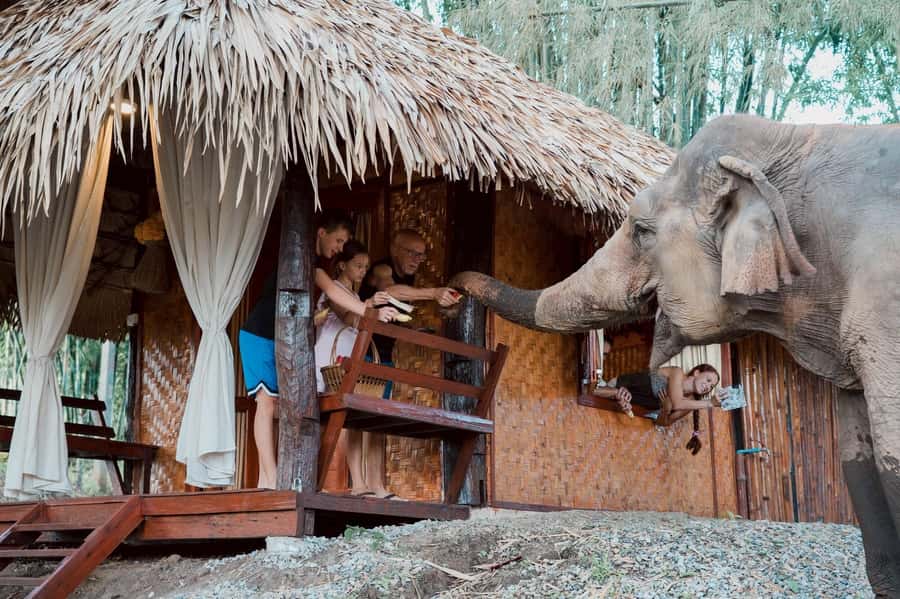
The drive south of Chiang Mai takes you into a different mood fast. You’ll spend about 1.5 hours heading toward the Mae Wang Valley, moving through rice fields, winding river sections, and valley scenery that makes the air feel cooler and more open. This matters because the experience is built around early and late moments—the times when elephants are most active and when the sanctuary feels calm rather than hectic.
Pon Elephant Thailand is set up so you’re not stuck watching from a distance all day. Instead, you’ll be in the sanctuary’s keeper area, then later spend time at the homestay where the elephants’ presence becomes part of the day. When a tour gives you the overnight, you’re not only buying “elephant sightseeing.” You’re buying time—quiet time, slow time, and the kind of moment you can’t rush.
And yes, there are plenty of photo and video opportunities. But the best images here come from doing less: standing still at the right moment, watching the elephants move and feed, and letting the guides manage the timing.
You can also read our reviews of more tours and experiences in Chiang Mai.


Day 1 afternoon: pickup, the Mae Wang Valley drive, and first sanctuary contact
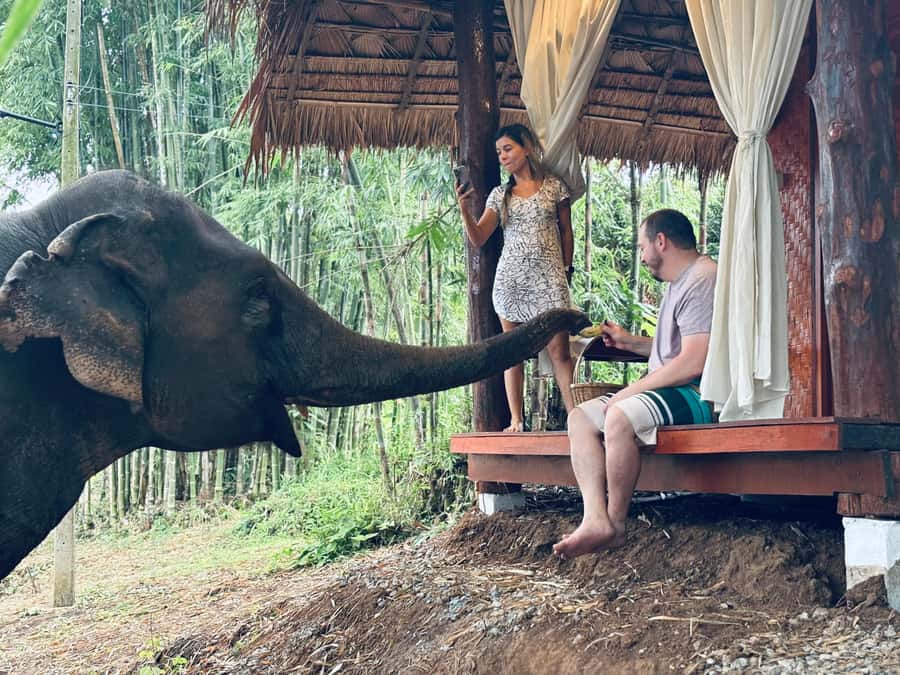
In the afternoon, you’ll start with hotel pickup in Chiang Mai City by van. Then you head toward the Mae Wang Valley (around 1.5 hours). Expect the trip to feel scenic rather than just “getting there,” because the route passes through valleys and rivers that set you up for the next part: the sanctuary welcome.
When you arrive at Pon Elephant Thailand, you begin with the keeper’s area. You’ll greet the elephants living in the friendly jungle village, and you’ll settle in before your first hands-on moments. The day includes time for bathing and relaxing, but the core idea is that your interaction is guided and structured—your job is to follow instructions for respectful distance and safe behavior while the caretakers guide the elephants through their routine.
This is where you’ll start understanding how different this is from the old-style elephant shows. Instead of a scripted “performance,” it’s more about learning how rescued elephants live now—habits, comfort, and how mahouts and caretakers communicate and care for them.
Practical note: you’ll be outside. Even if Chiang Mai feels mild, humidity and shade can make your comfort swing. I’d treat this like an outdoor day and wear shoes you can move in.
The homestay dinner: cooking with your guide and eating in the forest
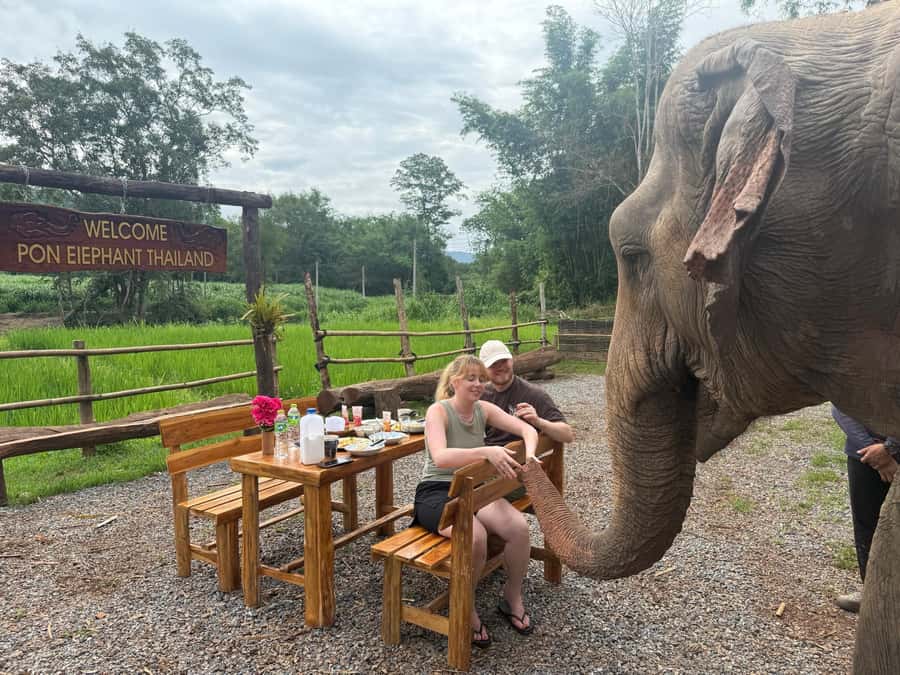
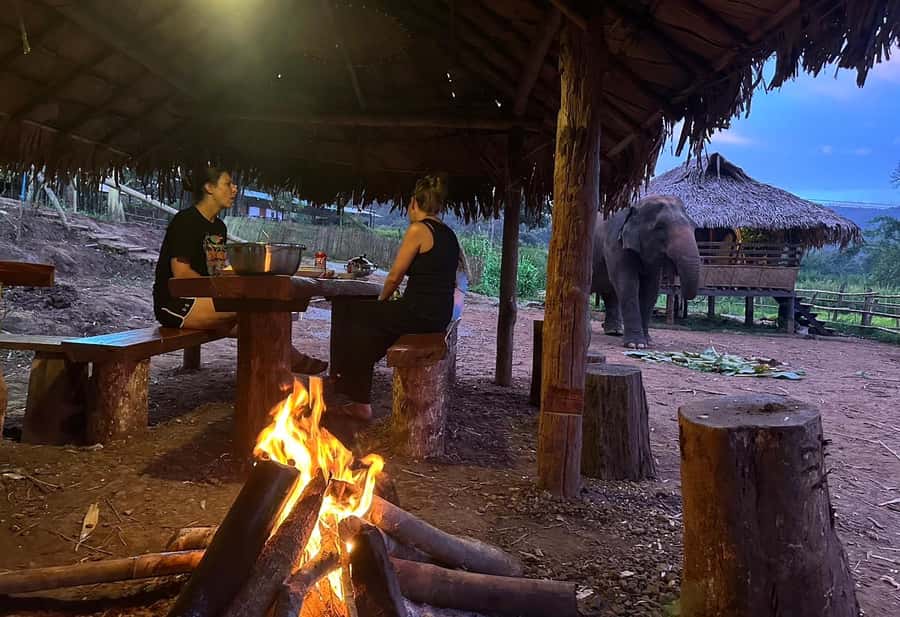
Evening is a major reason people remember this trip. After you’ve had time around the elephants in the afternoon, you’ll help your guide prepare a delicious dinner and then dine with the host family. The meal isn’t a formal show. It’s a warm, real, family-style moment—simple, tasty, and surrounded by jungle sounds.
After dinner, you can hang out by the campfire with the host family. Some nights include soft drinks or beer by the fire, depending on what’s going on at the camp and what your group prefers. This part matters because it slows the trip down. You stop thinking of elephants as a bucket-list item and start thinking of them as part of a working community.
If you’re the type who loves cultural travel beyond landmarks, this is the best payoff. Guides you might meet—like Saki and other staff names that show up often—tend to guide conversation in a way that feels friendly, not lecture-heavy.
Overnight stay: cabins or tents and the sounds of the forest
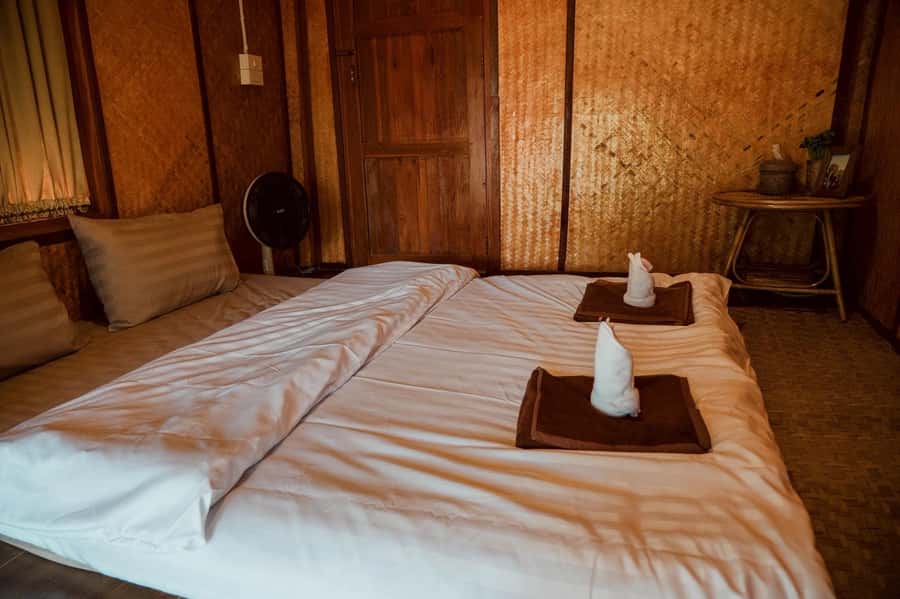
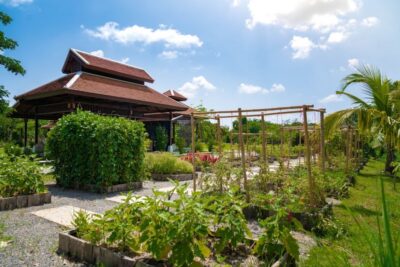
You’ll sleep for one night in a private room at the homestay, either in a wooden cabin or a tent. The exact room setup can vary, and that’s worth knowing. Some cabins have en-suite wet-room setups and hot showers, while other accommodations may feel more rustic. In general, reviews describe places that are clean and comfortable enough to recover after a busy day.
Two practical tips stand out from experience shared by past guests:
- Bring warm layers for the evening. January can feel chilly at night, especially once you’re in the mountains.
- Bug protection can depend on the specific cabin. You might get mosquito nets, but screens on windows can vary, so repellent and long sleeves can save your sleep.
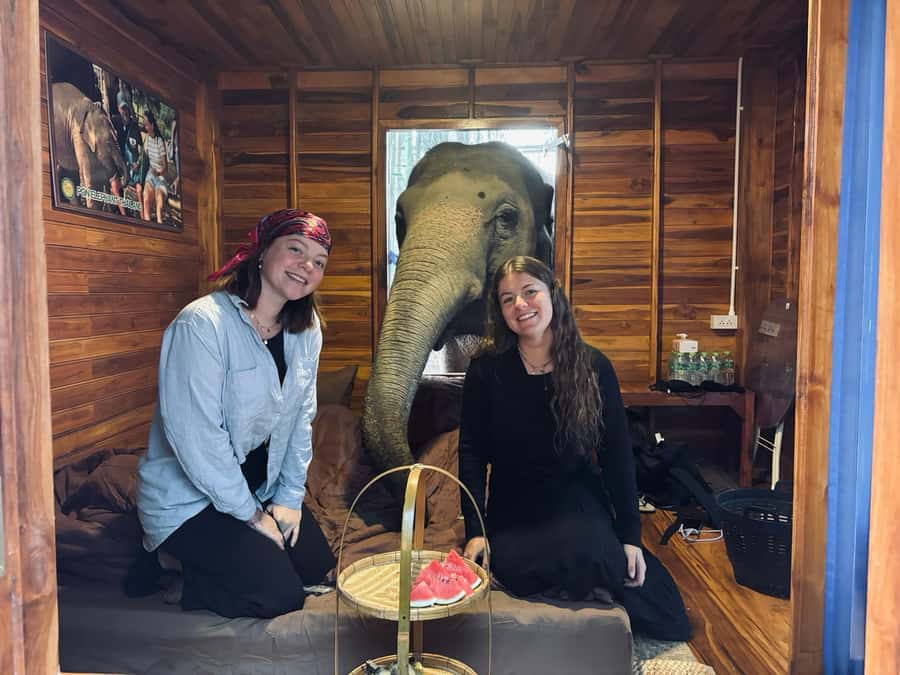
What makes the overnight special isn’t luxury. It’s proximity. People describe waking to the idea that the elephants are near even before you fully open your eyes. That’s the real “why” behind paying for two days instead of doing only a half-day.
And yes, for comfort: many people report good sleep once they’re settled in, even if the day was intense.
Day 2 morning: Good morning chants, breakfast on the terrace, and elephant learning
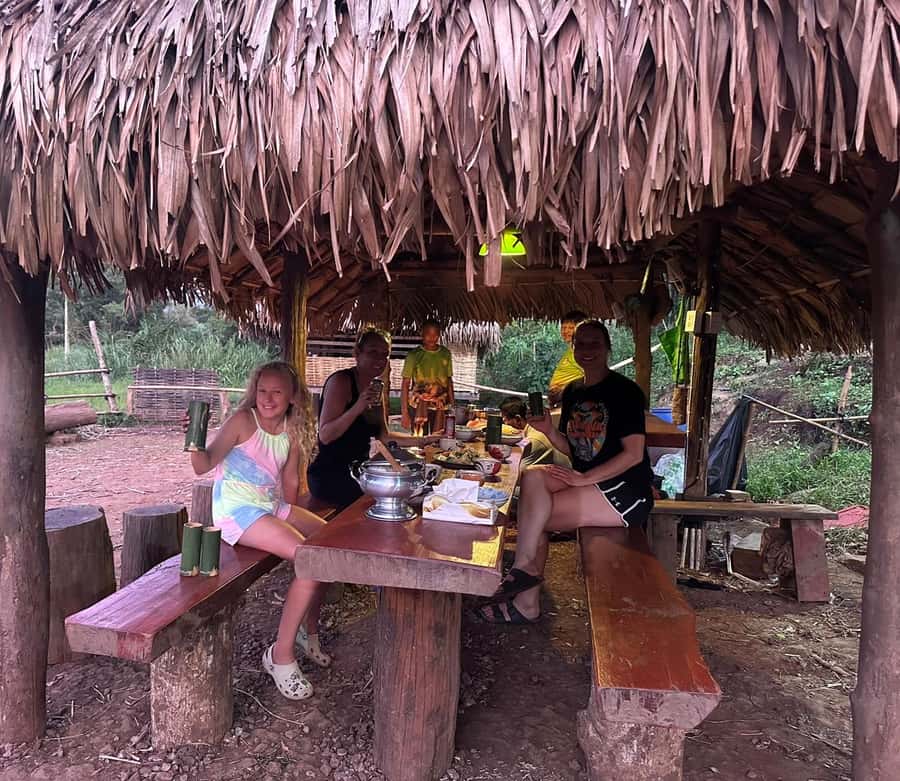
Day 2 starts at the homestay. The big moment is waking up to elephants “chanting” good morning in front of the bedroom area—then having them close enough that photos feel natural, not staged. You don’t need to sprint for a perfect shot. You just need patience and a camera ready.
After that, breakfast is served on a terrace with rainforest and elephant views. Breakfast here is more than fuel. It’s the emotional payoff: the trip stops feeling like an activity and starts feeling like you’re living inside the sanctuary rhythm for a day.
Then you move into learning time. You’ll hear about the history and traditional culture of elephants and mahouts, plus context on Asian elephants and the sanctuary’s background. You’ll also learn how caretakers communicate with rescued elephants and how to approach elephants safely.
This is also where you understand the role of the keepers and why a “do-it-all” schedule can still be responsible when it’s done carefully. Your guides manage distance and timing so you can observe and interact within the rules of the sanctuary.


Feeding, bathing, and slow walks in Mae Wang River
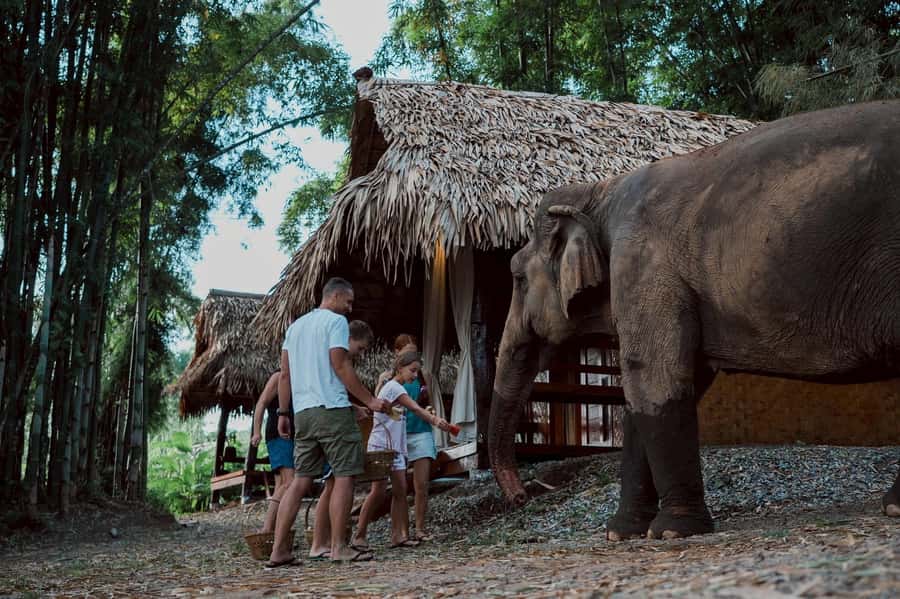
A key part of the second day is time in the Mae Wang River. You’ll feed and bathe elephants in the water, then observe them as they move slowly and search for food in the forest.
Here’s how to keep this respectful and comfortable:
- Listen to your guide’s instructions and don’t rush forward to be closer than you’re told.
- Treat “bathing” as something you watch and participate in only as directed. If you’re worried about wet activities, plan to wear quick-dry clothing and prepare to get splashed.
- Keep your expectations realistic: rescued elephants are individuals. Some approach calmly; some prefer slower interaction.
One thing I appreciate in how this experience is set up is that you’re not just seeing elephants. You’re learning how to exist around them without acting like a circus crowd. That’s the difference between “I saw elephants” and “I learned how caretakers work with elephants every day.”
Mae Wang Waterfall swim, then bamboo rafting on the river
Once your elephant time ends, you’ll collect your luggage and head out from Pon Elephant Thailand. Before returning to Chiang Mai, you visit Mae Wang Waterfall. There’s time to swim, so bring swim-ready items if that’s your plan.
Then comes the rafting: a traditional bamboo raft trip on the Mae Wang River, lasting about 40–50 minutes. It’s a fun contrast to the elephant-focused days. You shift from quiet observation to movement and scenery, and it feels like a reward after the earlier walking and river time.
You’ll finish the rafting, change clothes, and then return to Chiang Mai—aiming to arrive around 5:00 PM. If you’re planning dinner back in town, I’d schedule something easy that night. You’ll want a low-effort meal and time to process photos.
What’s actually included (and what you should budget for)
This trip is priced at $128 per person for two days, and the structure is what makes it feel fair. Here’s what you get included:
- Hotel pickup and drop-off within Chiang Mai City by van
- English-speaking tour guide
- All meals and drinking water (1 lunch, 1 dinner, 1 breakfast)
- One night of accommodation
- Accident insurance
- Elephant sanctuary visit
- Waterfall visit
- Bamboo rafting
That’s a lot for two days. You’re not paying separately for transportation, guide time, meals, and the big activity pair (elephants plus rafting). The main extras are personal items and what you might bring for comfort and hygiene.
Not included items you should plan to carry:
- Insect repellent
- Hat, torch/flashlight
- Towel, sunglasses
- Extra clothes (especially if you’ll get wet during river bathing/rafting)
- Any personal medication
Also note the luggage reality: the trip assumes you pack light. You’ll carry a small day pack and one carry-on size bag per person.
Price and value: why $128 can be a good deal here
For $128, you’re basically buying four categories of value: transportation, guided elephant time, meals, and an overnight nature stay, plus waterfall and rafting. In Chiang Mai, it’s easy to find elephant activities that cost less on paper but don’t include meals, transfers, or an overnight.
Here, the overnight is the value unlock. Without it, you miss the morning elephant moment and the campfire/social dinner time that most people remember most. That’s also why the small group matters: fewer people means the guide can manage the pace without turning the experience into a conveyor belt.
Is it expensive compared to a simple day tour? Yes, because you’re paying for time. But compared to two separate half-day tours—plus lodging—it often feels like a cleaner deal.
Who should book this two-day elephant and homestay experience
This is a strong fit if you want:
- An overnight elephant sanctuary experience rather than a quick visit
- A small group feel (max 14) with English-speaking guidance
- Time for elephants in multiple parts of the day, including morning and river activities
- A cultural homestay element where you eat with a host family and spend time around a campfire
It’s also a great choice if you’re traveling with a partner or a small group and want shared memories without the chaos of big crowds.
One consideration: this trip includes elephant feeding and bathing in the river. If you personally prefer a no-touch, no-bathing style of elephant interaction, you might feel uneasy with parts of this program. The good news is that safe distance and caretaking rules are part of the experience—so you’re not free to act randomly around the animals—but it still isn’t a strict observation-only visit.
Should you book this Chiang Mai 2-Day Good Morning Elephant Homestay?
Yes, if you want the kind of Chiang Mai elephant experience that starts before breakfast and doesn’t end when the photos are done. The overnight stay is the difference-maker: waking to elephants near your cabin, enjoying terrace breakfast, then learning how caretakers manage day-to-day elephant care with guides like Saki and Noi in the mix.
I’d only hesitate if you hate a full schedule or if you strongly prefer an observation-only approach around elephants. If that’s you, look for a strictly non-contact option.
Otherwise, pack warm layers, bring bug protection, wear sturdy shoes, and treat it like a two-day nature-and-animals rhythm. You’ll come back tired—in a good way—with elephant memories that don’t fade.
FAQ
What is the duration of this trip?
It’s a 2-day experience in Chiang Mai Province.
Where does the tour pick you up and drop you off?
You get hotel pickup and drop-off in Chiang Mai City by van.
Is an English-speaking guide included?
Yes. The tour includes an English-speaking tour guide.
How big is the group?
The group is small, limited to 14 participants.
What are the main included activities?
You’ll visit the elephant sanctuary, enjoy a bamboo rafting trip along the Mae Wang River, and visit Mae Wang Waterfall. Meals and one night of accommodation are included too.
What accommodation style is provided overnight?
You sleep in a private room at the homestay in a wooden cabin or tent.
If I’m a single traveler, do I share a room?
If you book as a single person, you must be prepared to share with another guest of the same gender.
What should I bring since it’s not included?
The tour notes that you should bring items like insect repellent, a hat, torch/flashlight, towel, sunglasses, extra clothes, and any personal medication you need.