REVIEW · CHIANG DAO
Chiang Mai: Full-Day Chiang Dao Caving & Jungle Kayaking
Book on GetYourGuide →Operated by CHIANG MAI MOUNTAIN BIKING & KAYAKS · Bookable on GetYourGuide
Chiang Dao Cave plus jungle kayaking is a great mix. I love the headlamp caving—Buddhist shrines, bats, and big chambers that feel truly cavernous—and you’ll also get Mae Ping River kayaking through bamboo jungle with birds and fish. One thing to consider: parts of the cave can be tight, so if you hate small passages, this won’t be your favorite kind of sightseeing.
The day stays active without feeling rushed. You get professional, hands-on guidance (including CPR/first aid certified support), plus kayak gear, water, and lunch—so you’re not hunting around for basics mid-day. The best payoff is how different each half feels: sacred, dim cave tunnels in the morning, then calmer paddling under overhanging trees.
That combination is ideal if you want an authentic Northern Thailand nature day, not just a quick photo stop. Bring wet-ready shoes and a change of clothes, and you’ll be set for the part where you get splashed and you’ll want to feel comfortable for the cave afterward.
In This Review
- Key highlights you should know before you go
- How the day flows: cave time first, then jungle kayaking
- Chiang Dao Cave: headlamps, temple shrines, and big chambers (with some tight spots)
- What to watch for during the cave walk
- Mae Ping River kayaking: bamboo jungle shade, birds, and beginner-friendly fun
- The one safety moment to take seriously
- Lunch break: cave-side or riverside Thai food with vegan and vegetarian options
- Timing, transfers, and the comfort reality from Chiang Mai
- How to make the commute easier
- What’s included (and what you’ll still want to buy or pack)
- My packing checklist for this specific day
- The guides: safety-minded, story-rich, and actually fun
- Who should book Chiang Dao Cave and Mae Ping River kayaking
- Should you book? My quick decision guide
- FAQ
- What’s the duration of the Chiang Dao Caving & Jungle Kayaking tour?
- Where do pickups happen?
- Is lunch included, and can I get a vegetarian or vegan meal?
- Do I need to pay extra fees for the river?
- Are kayaking essentials like the kayak and headlamp included?
- Do I need water shoes?
- What should I bring?
- Is the tour suitable for people with mobility issues?
Key highlights you should know before you go
- Headlamp cave time with a local guide, including entry into the main route once you join the illuminated areas
- Mae Ping River paddling through bamboo jungle, with shade, overgrown banks, and plenty of bird life
- Lunch included at a cave-side or riverside restaurant, with vegetarian and vegan options available
- Support truck + assistance, plus shuttles between cave and river so you’re not stuck hauling gear
- Kayaking is beginner-friendly overall, but you still need to follow steering instructions in tight moments
- Tight cave sections exist, so plan for uneven ground and smaller passages
How the day flows: cave time first, then jungle kayaking
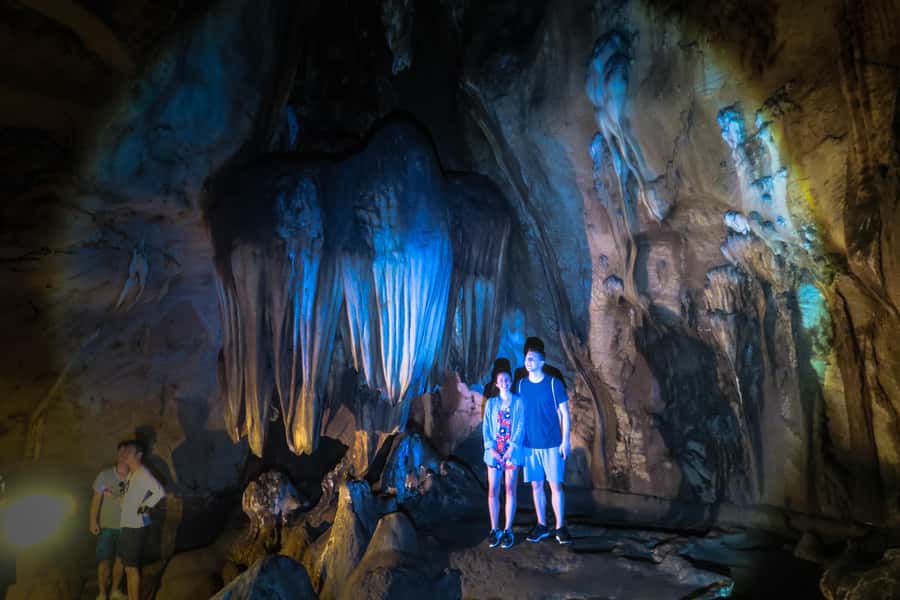
This is a full-day outing (about 9 hours) built around two very different settings: Chiang Dao Cave and the Mae Ping River. You start with transfers from your hotel area (pickup is included, usually from the lobby of your accommodation), then you’re guided through the cave portion before lunch, and you finish with kayaking on the river.
The practical value of this order is simple. The cave is best when you’re fresh: you’re not yet tired from paddling, and you can pay attention to what the local guide points out—shrines, animal life, and the way the cave system connects. After lunch, you switch gears into a slower rhythm on the water, where the jungle sounds do a lot of the entertainment.
You’ll also notice the pace is structured: briefings before you start, guided time inside the cave, a set lunch break, then a planned river route with on-the-water support and a shuttle back. It makes the day feel like an organized outdoor program rather than a loose collection of activities.
Chiang Dao Cave: headlamps, temple shrines, and big chambers (with some tight spots)
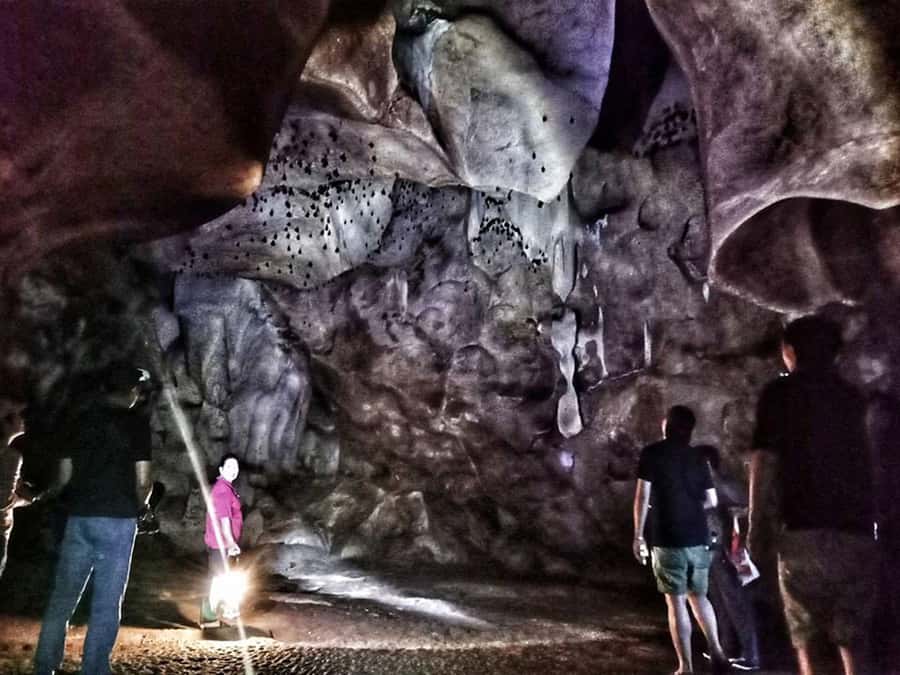
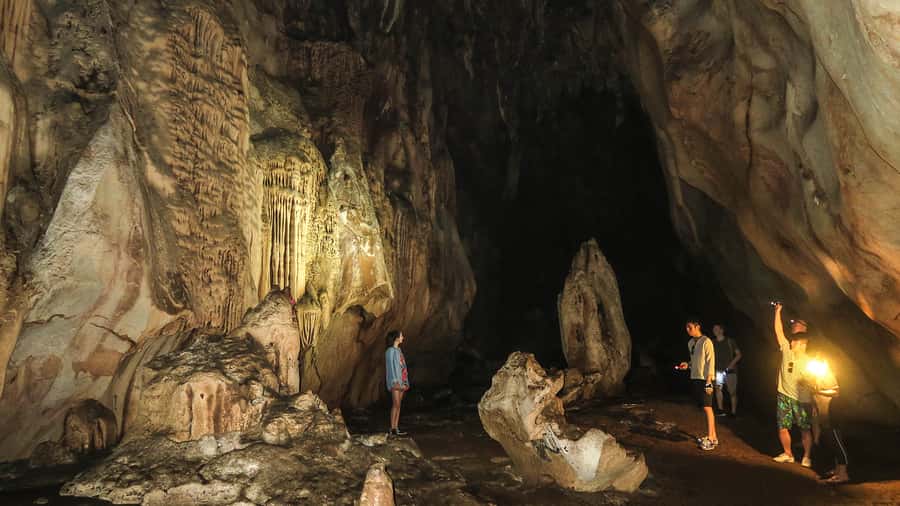
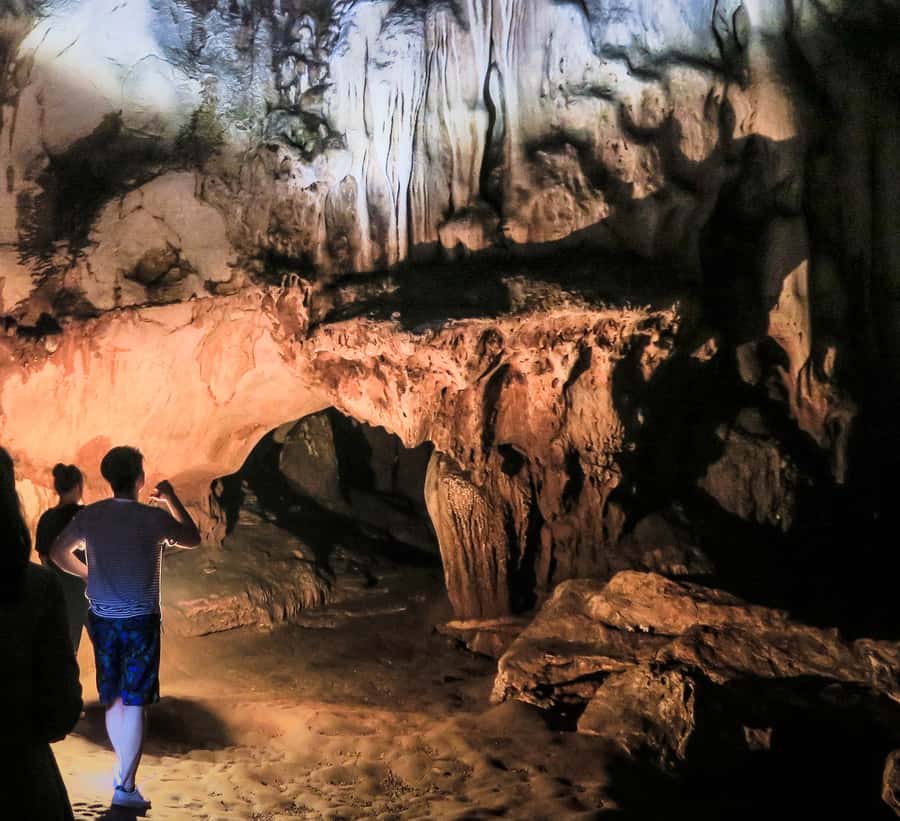
Chiang Dao Cave is the main cave system in Northern Thailand, and the scale is real. You don’t just walk into a single tunnel and leave. You’re guided by a local cave guide with headlamps and flashlights, starting through side arms before you join the main route into more well-lit caverns.
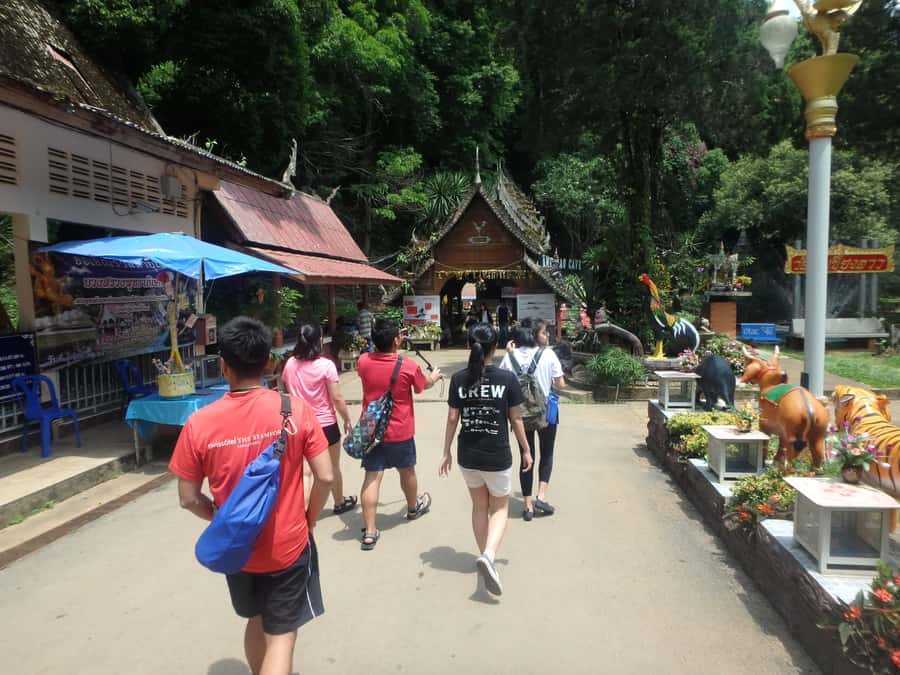
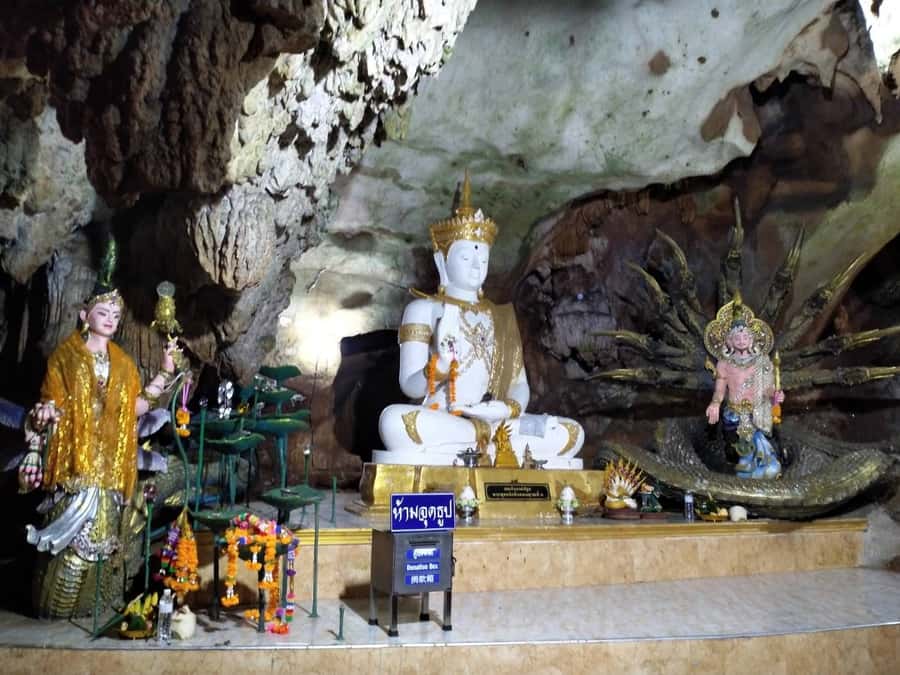
What makes this cave visit special is the mix of nature and faith. Buddhist shrines cover the entrance areas you see along the way, so even when you’re deep underground, you’re aware you’re moving through an active spiritual space—not a sealed tourist set. If you like animal life in caves, you’ll likely be talking about it later too: bats, crickets, spiders, and other small creatures show up as part of the atmosphere people notice.
The tone inside is warm and humid. One practical thing I’d plan for is dressing for that comfort reality. People note the cave is a temple space too, so you should come ready for modest clothing expectations. If you’re unsure, assume you’ll want clothing that covers appropriately, and be ready that some visitors are helped with leg-covering pants.
The one drawback I can’t ignore is the small-passage factor. Some routes include tight spaces between cave sections. If you’re claustrophobic, or you hate maneuvering around uneven rock, this could be stressful. On the other hand, if you’re okay with “adventure cave” rather than “museum cave,” the headlamp-guided progression makes the tight moments feel more controlled.
What to watch for during the cave walk
- Uneven surfaces and real cave footing: take your time, keep your balance, and don’t rush the guide
- Headlamp use: wear steady shoes so you’re not adjusting constantly while walking
- Temple rules: dress modestly; you may be offered cover options for women
Mae Ping River kayaking: bamboo jungle shade, birds, and beginner-friendly fun
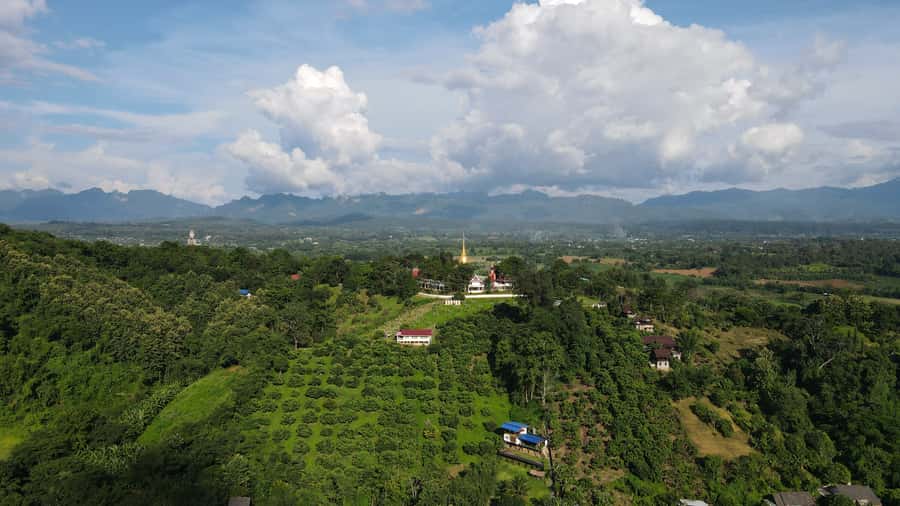
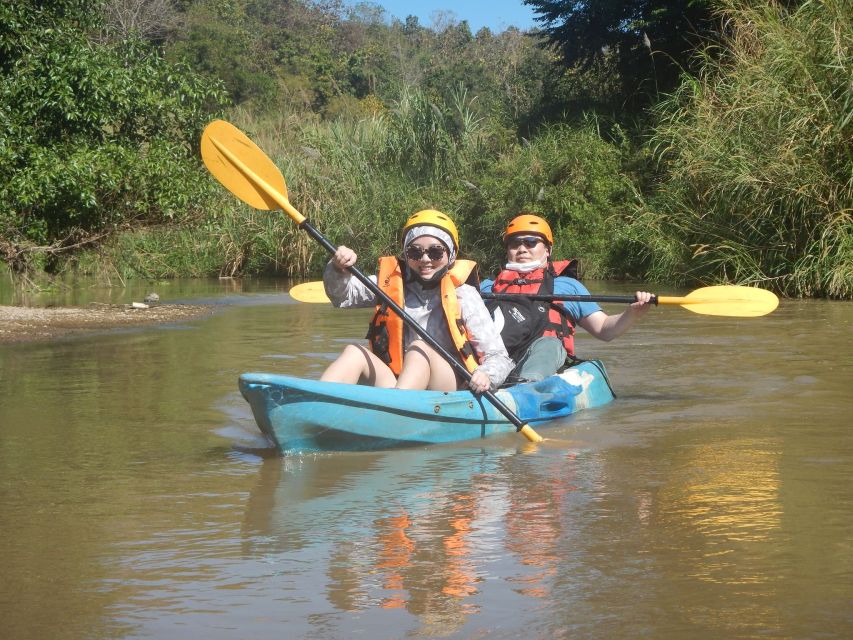
After lunch, it’s all about the river. You’ll head to the Mae Ping River area and get a kayaking briefing before you push off in a hard-shell single or double kayak (you’ll be using whatever setup the day assigns you).
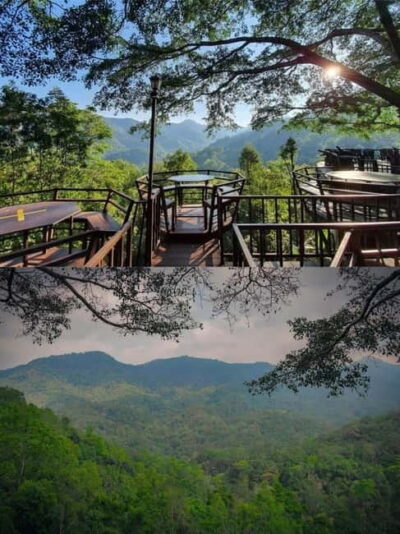
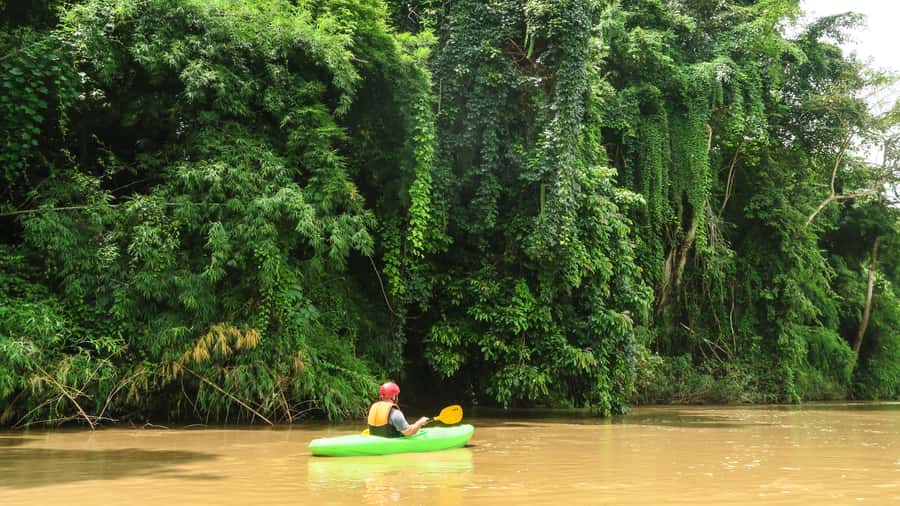
This is not “ride a treadmill of tourist scenery.” The paddling route runs through bamboo jungle and stays intimate. People describe overgrown banks, fallen trees, and thick shade from overhanging trees—so you’re not just looking at greenery from a distance. You’re moving through it, slowly enough to notice small sounds and movement.
Wildlife is part of the experience. Reviews mention birds and jumping fish, plus mysterious forest sounds that make the jungle feel alive. You’ll likely hear things that sound like they’re just off to the side, then you look and realize there’s activity right where the water bends.
Distance varies a bit by day and conditions, but multiple people mention routes around 12–15 km. Either way, it’s long enough to feel satisfying, but it’s paced in a way that many beginners manage well. Guides help you with steering, and you’re not expected to do a solo expedition.
The one safety moment to take seriously
A key thing: follow steering instructions, especially near the end of the ride. One review described an end-stage misunderstanding that led to capsizing from a tiny waterfall, with quick rescue afterward. That story is a reminder that kayaking is easy until it suddenly isn’t. If the guide says stay on the correct side or adjust your angle, treat it like the main instruction of your day.
The good news: support is built in. There’s a support truck for assistance and luggage storage, and the schedule includes a shuttle so you’re not left improvising.
Lunch break: cave-side or riverside Thai food with vegan and vegetarian options
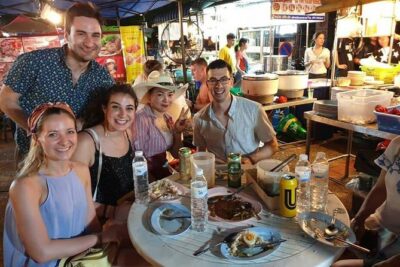
Lunch is included, and it’s one of the more comforting parts of a long outdoor day. You eat at a local restaurant tied to the activity—people mention it’s cave-side or near the stream area.
Food is generally described as delicious, with vegetarian and vegan options available. If you’re vegan, don’t panic—there are options planned at booking time. That said, one review noted a vegan meal choice that was more basic than expected for Thai food lovers, so if you’re picky about flavor complexity, you might want to communicate your preferences clearly when booking.
One small practical tip I like: bring patience for hunger timing. The day has a lot of activity, and after kayaking you can get hungry fast—especially if traffic delays your return to Chiang Mai.
Timing, transfers, and the comfort reality from Chiang Mai
The tour is long enough that transportation comfort matters. Pickup is included from either Chiang Mai or Chiang Dao area, and transfers are listed as air-conditioned van or 4×4 SUV. In practice, you might see different vehicle types depending on the group and the day.
Some people report roomy a/c minibuses and comfortable rides. Others mention a pickup truck setup with bench seating in the back, open-air exposure, and even motion sickness from traffic fumes. That means you should plan like this: expect a ride that takes real time, and pack your comfort strategy accordingly.
How to make the commute easier
- Bring a light layer if you tend to get cold in vehicles with air-conditioning
- If you’re sensitive to fumes or motion, plan for it mentally and physically
- Have something to do for the ride back, because return time can be slow
What’s included (and what you’ll still want to buy or pack)
This tour includes the core outdoor items that make it low-stress: kayak, briefing, water, lunch, headlamp access for the cave, and a guided cave route with a local cave guide. You also get shuttles between cave and river and support logistics like a support truck for assistance and luggage storage.
Here’s what’s explicitly included:
- Kayak (hard-shell single or double) and kayak briefing
- Headlamp and local cave guide
- Chiang Dao Cave entry
- Lunch at a cave-side restaurant
- Water provided
- Air-conditioned transfers (van or 4×4 SUV)
- Shuttle from the cave to the river
And here’s what you should plan to handle yourself or expect to purchase:
- Insurance/river fees (listed as 150 baht)
- Sunscreen and repellent (not included)
- Water shoes and other outdoor gear (available to purchase)
My packing checklist for this specific day
- A change of clothes (you’ll want it after the kayak)
- Shoes you don’t mind getting wet
- A towel if you like drying off before re-dressing (some people bring small towels and are glad they did)
- Modest clothing for cave temple areas
- Sunscreen and repellent if you burn easily
Some people also report being able to rent water shoes from the provider office. Even if that’s available, don’t assume it’s guaranteed for every size or every day—so if you’re traveling with your own water shoes, you’ll stay in full control.
The guides: safety-minded, story-rich, and actually fun
One reason this tour earns such high marks is the human part. Guides are described as professional, attentive, and genuinely good at explaining what you’re seeing—especially in the cave, where a headlamp without context would feel random.
Many names show up in people’s experiences, including Jane, JoJo, Golf, Dany, Denai, and also guides referenced as P’Jane and P’Lin. I wouldn’t obsess over which name you get, but it’s worth noting the pattern: the guiding style is not just instructions. People remember jokes, cultural stories, and “secrets of the area,” plus helpful coaching when kayaking technique matters.
There’s also clear safety structure. The tour includes first aid and CPR certified guides and keeps support close, which is a big deal for an active day involving both underground spaces and moving water.
Who should book Chiang Dao Cave and Mae Ping River kayaking
This is a strong fit if you want a Northern Thailand day that mixes nature + culture + real physical activity. You’ll like it if you:
- Enjoy caves and want a guided route with headlamps
- Like wildlife and quieter moments in the jungle
- Want kayaking that’s not a technical white-water challenge
- Prefer a guided day where gear and key logistics are handled
It’s not a great choice if you:
- Don’t like small/tight spaces in caves
- Have mobility impairments (uneven surfaces and cave movement are involved)
- Need wheelchair-friendly routes (the tour notes it’s not recommended for wheelchair use)
- Plan to bring unaccompanied minors (minors must be accompanied)
Age-wise, the minimum age is 8 years, and children must be accompanied by an adult. Kids who can handle moderate walking and uneven ground tend to do fine, especially if they’re excited about bats and adventure.
Should you book? My quick decision guide
I’d book this tour if you’re the kind of traveler who likes getting out of Chiang Mai and trading temples-only sightseeing for a day with underground exploration and a real jungle paddle. The value looks strong: for around $80 you get transfers, cave entry, headlamps, guided caving, kayaking gear, lunch, water, and support logistics—while paying only the river fee and arranging your own basic sun/bug/wet gear.
I wouldn’t book it if you’re sensitive to tight cave passages, have mobility challenges, or hate the idea of spending most of a day in transit. Also, plan for the commute comfort variable: some days are very comfortable, other days are less so.
If you’re flexible, bring the right clothes, and follow the guide’s steering cues on the river, you’ll likely come away feeling like you did something genuinely Northern Thai—cave temples and bamboo jungle in one long, memorable day.
FAQ
What’s the duration of the Chiang Dao Caving & Jungle Kayaking tour?
The tour runs for about 9 hours.
Where do pickups happen?
Pickup is included, and they pick you up from the lobby of your hotel or accommodation. There are also two pickup location options: Chiang Mai and Chiang Dao.
Is lunch included, and can I get a vegetarian or vegan meal?
Yes. Lunch is included, and vegetarian and vegan options are available. You should advise dietary requirements at booking.
Do I need to pay extra fees for the river?
Insurance/river fees are not included, and the listed additional river fee is 150 baht.
Are kayaking essentials like the kayak and headlamp included?
Yes. You get a hard-shell single or double kayak, plus water for the day, and headlamp access for the cave. Cave entry is also included.
Do I need water shoes?
Water shoes are not included, but outdoor gear including water shoes is available to purchase. Some people have also reported being able to rent water shoes at the provider office.
What should I bring?
Bring a change of clothes and shoes you don’t mind getting wet.
Is the tour suitable for people with mobility issues?
It’s not recommended for those with walking disabilities or wheelchair use due to uneven surfaces. It also isn’t suitable for people with mobility impairments.