Phuket does elephants really well, but this one is different. You spend your time watching rescued elephants act like elephants, not like performers, inside a forest reserve in the hills.
I especially like how ethical the interaction is (no riding, no touching, no bathing), and I also love that you get a vegetarian Thai buffet lunch after time outdoors.
One thing to plan for: there’s uphill walking on uneven, sometimes slick ground, and it can feel hot. If you have knee/ankle limits, this may not be your best day.
In This Review
- Key things you should know before you go
- Why this Phuket elephant reserve tour feels more human
- What ethical really means here (and what you won’t be doing)
- Getting there: pickup zones and how not to miss the window
- The first stop: refreshments, intro video, and feeding time
- The forest walk: where the elephants lead the route
- Bamboo observation huts and why they’re not just for sitting
- Lunch in the hills: vegetarian Thai buffet with elephant activity nearby
- Price check: is $99 really good value?
- What to bring (so the day stays pleasant)
- Group size, guide style, and the pace you should expect
- Who this tour is best for (and who should skip it)
- Should you book Hidden Forest Elephant Reserve in Phuket?
- FAQ
- Is lunch included on this Phuket elephant reserve tour?
- Does this tour include hotel pickup?
- Can you bathe or touch the elephants?
- What do you actually do during the visit?
- How long is the tour?
- Is bottled water included?
- What should I wear or bring for the walk?
Key things you should know before you go
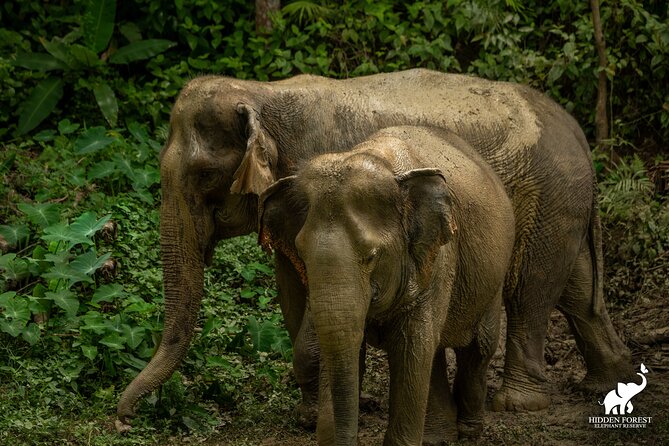
- Ethical, hands-off elephant time: you feed, but you do not touch or bathe
- Free-to-roam enclosure design: when elephants stop, you stop
- Forest walking plus bamboo observation huts for calmer viewing
- Vegetarian Thai buffet lunch included, served in elephant country
- Pickup around Phuket beach areas (Patong to Karon) in an air-conditioned van
- Small group limit (30 max), which helps keep the feel relaxed
Why this Phuket elephant reserve tour feels more human
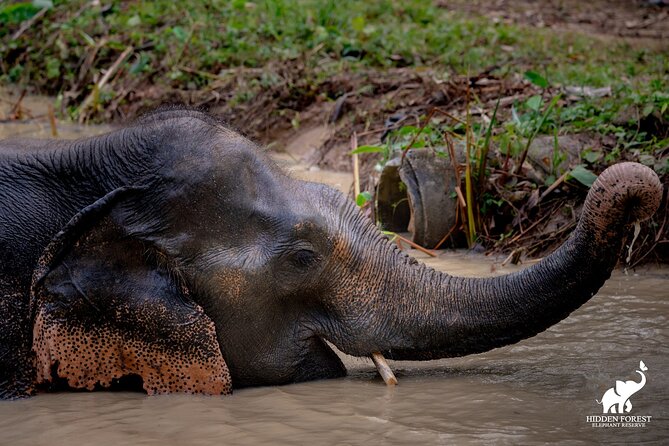
Most Phuket elephant stops boil down to one big photo moment. This one is built around behavior. You’ll see elephants bathe, graze, and move at their own pace, and your guide keeps the day focused on what you’re watching, not on forcing a schedule for selfies.
The other thing I like is the setting. You’re in forested hills around Phuket, not a flat roadside attraction. That matters because the elephants have room to forage and because the views give you a real sense of place, including a famous landmark you can see from the reserve.
If your goal is an ethical day with learning built in, this tour is set up to deliver that.
You can also read our reviews of more tours and experiences in Phuket.



What ethical really means here (and what you won’t be doing)
This is a no tricks elephant visit. Your interaction stays strictly hands-off for public contact: no touching, no bathing with elephants, and no riding. You do get to feed at the start of the visit under staff rules, but after that it’s about observation and respecting space.
From a visitor’s perspective, that’s good news for two reasons. First, the elephants aren’t trained to perform human behaviors just to entertain you. Second, you’ll spend more time watching natural routines like grazing, wandering, and rolling in mud.
You should also know you might hear about harsh histories behind the scenes during the education portion. That context is part of why the reserve focuses on welfare and recovery rather than entertainment.
Getting there: pickup zones and how not to miss the window
Pickup is part of the value here. The tour offers hotel pickup and drop-off by air-conditioned van from Patong, Chalong, Nai Harn, Kata, and Karon. That’s handy if you don’t want to fight traffic or plan a complicated ride into the hills.
Your day is about 3 hours 30 minutes (approx.), so the timing is tighter than a half-day “maybe we’ll get going” tour. If you’re staying in one of the pickup areas, plan to be ready a little early and don’t treat the pickup time like a suggestion.
If you’re coming from a cruise or you’re dealing with limited phone access, be extra strict with timing and location updates. One missed pickup scenario can mean you lose the experience because it’s a shared group schedule.
The first stop: refreshments, intro video, and feeding time
Your visit starts at the sanctuary with complimentary refreshments. Then you watch an educational introduction video. This part matters more than you might think. It helps you understand why the reserve is set up the way it is and what rules you’ll follow once you’re with the elephants.
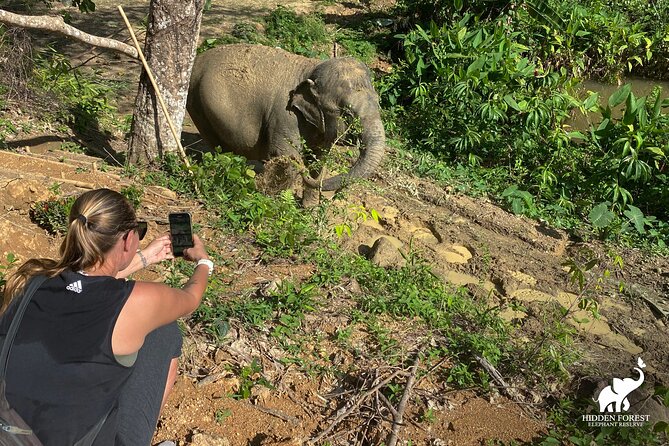
After that, you meet the elephants and do the guided feeding at the beginning. Feeding is usually the main “hands-on” moment in ethical sanctuaries like this, and it’s also one of the most memorable parts because you get close—without turning the visit into a touch-and-pose circus.
This is also where your guide’s explanation helps you read elephant body language better. Even if you’ve never seen elephants up close before, you’ll pick up what signals calm curiosity versus stress.
The forest walk: where the elephants lead the route
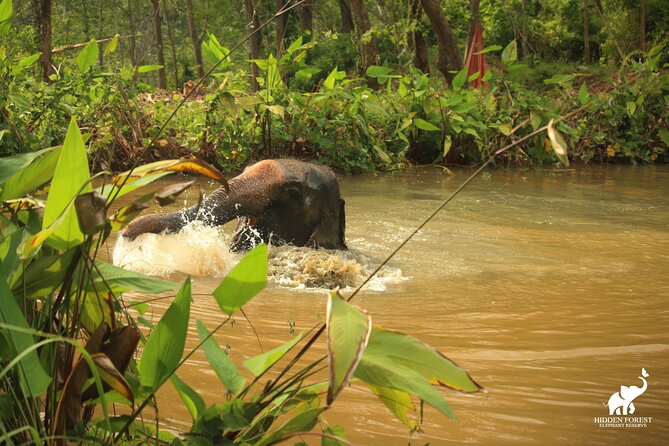
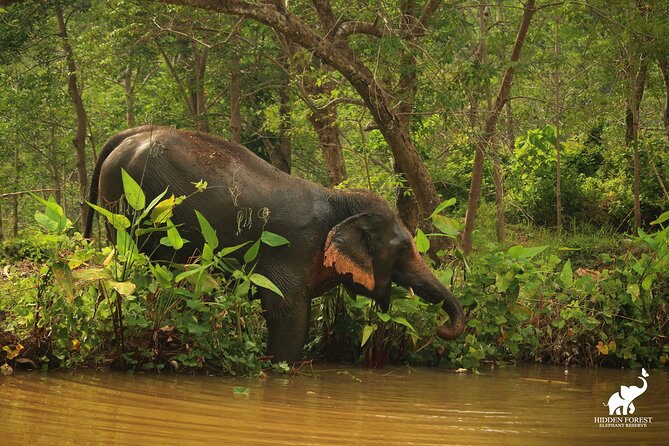
Once you’re walking, the tour shifts from “follow the guide” to “follow the elephants.” There’s not a fixed route in the usual sense. If the elephants pause to forage or bathe, the group pauses too. That rhythm is one of the biggest differences between this kind of ethical reserve and standard zoo-style tours.
You’ll walk through lush forest trails while staying focused on the elephants’ behaviors. The idea is simple: you’re there to learn how they live, not just to move from one viewing spot to another as fast as possible.
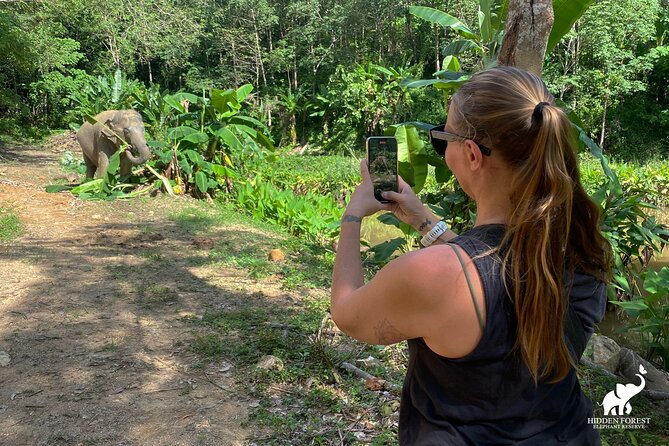
Photo and video opportunities are a big part of the appeal. Since elephants do natural things like dusting, bathing, and grazing, you’re not stuck waiting for a performer to cue. Still, keep your expectations practical. You’re in a forest reserve, not a perfectly lit studio.




Bamboo observation huts and why they’re not just for sitting
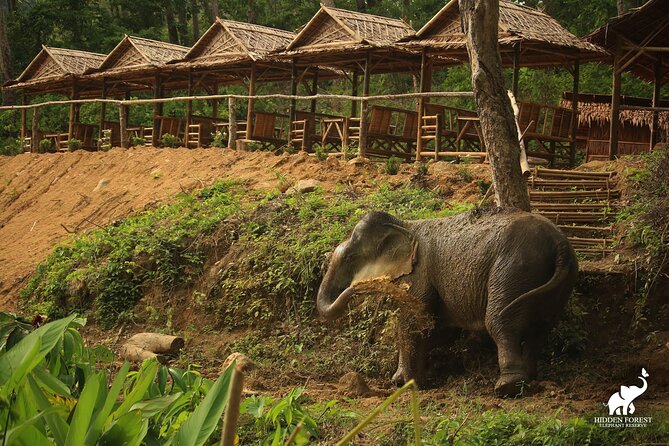
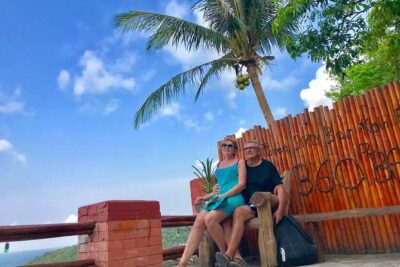
At some point during the walk, you reach bamboo observation huts—great spots to slow down and watch. These huts give you calmer viewing without forcing you to constantly hike uphill for every minute of the day.
From these viewpoints, you can see elephants graze, play in mud, and bathe nearby. That’s also where the valley scenery shines. There’s even a sightline to Big Buddha from the sanctuary area, which gives you a strong Phuket connection without the noise of a tourist viewpoint.
This is a good moment to step back from the camera. When you’re not rushing, you notice the details: the group dynamics, the way they shift grazing areas, and the way they choose when to move versus rest.
Lunch in the hills: vegetarian Thai buffet with elephant activity nearby
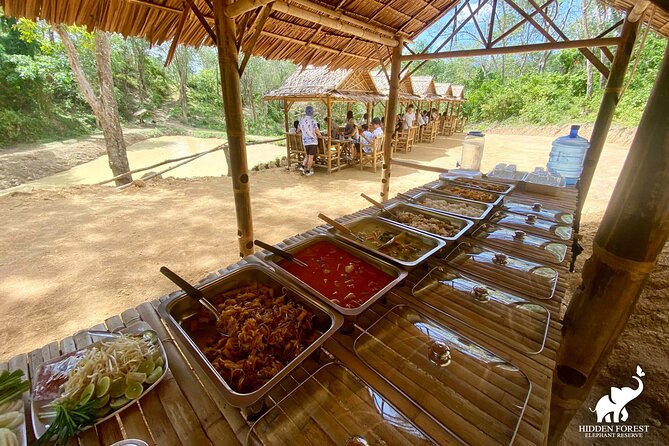
Lunch is not an afterthought here. You end your visit with a vegetarian Thai buffet served while you’re still in the sanctuary’s viewing area. You’re essentially eating with the elephants as part of the scenery, which turns lunch from a boring reset into another quiet observation window.
Many people love that the lunch spot sits where you might catch elephants bathing in a pond nearby. Whether they do it right at lunch time isn’t guaranteed, but the location is set up for that kind of natural theater.
Practical tip: if you want the best comfort, plan on wearing shoes that can handle damp ground. Even if the lunch area looks easy, the path up and around can get slick.
Price check: is $99 really good value?
At $99 per person, you’re paying for three things that usually cost extra elsewhere:
- Hotel pickup and drop-off from multiple Phuket areas
- An education-focused guided visit with a dedicated sanctuary setup
- A vegetarian Thai buffet lunch plus refill water during the day
In other words, you’re not just buying a ticket to stand behind a fence. You’re buying a guided experience that includes transport, meals, and time in an ethical reserve where the rules keep elephants from being turned into a show.
One caution: tipping is not included. That’s normal in Thailand, but it’s still something to budget for so you don’t feel caught off guard at the end.
What to bring (so the day stays pleasant)
This tour is outdoors and active, so pack like you mean it. Here’s what I’d bring based on common on-the-ground needs:
- Comfortable walking shoes or sneakers with grip
- A hat and sunglasses (sun can hit hard on the hills)
- Bug spray (forest areas can have mosquitoes)
- A hatched or capped water plan: refill water is included, but bottled refill water is not listed as included, so bring your own bottle
If you’re sensitive to heat, schedule your day around this tour with the rest of the day kept low-key. You don’t want to follow a hilly trek with a late night scooter ride if you can help it.
Group size, guide style, and the pace you should expect
The tour has a maximum group size of 30 travelers, which helps keep the day from feeling packed. Even with a group, the elephant-led pace naturally slows things down.
Your guide is English speaking and there’s a real education component: the video intro, plus explanations during feeding and throughout the forest walk. People consistently come away saying the staff care deeply, and that shows in how the rules are enforced.
Also, the pace is not a nonstop hike. You’ll have moments to rest and observe, including the hut viewing areas and breaks tied to water refills during the climb to the final lunch/viewing station.
Who this tour is best for (and who should skip it)
This is a great fit if you want:
- Ethical elephant interaction without riding or touching
- A day outdoors that includes learning and natural behavior
- A small-group feel with pickup convenience
You should consider skipping if you have:
- Postoperative medical issues (not recommended)
- Severe knee and ankle problems (not suitable)
In short: it’s not a “wheelchair-accessible easy walk” type of day. It’s doable for many people, but you should treat it like a forest walk with uneven ground and sun.
Should you book Hidden Forest Elephant Reserve in Phuket?
Book it if your top priority is ethical, hands-off elephant time and you’re happy to earn your great views with some uphill walking. The feeding moment plus the chance to watch bathing, grazing, and mud play in a natural reserve setup makes this feel like a real encounter, not a scripted performance.
Skip it (or choose a different format) if you know your body struggles with steep, slippery paths or if you need a very low-effort outing. And if you’re traveling on a tight schedule like a cruise port day, double-check pickup timing carefully so you don’t miss the start.
If you want the best value, go in with the right mindset: you’re not there for constant action. You’re there for elephants being elephants, guided by staff who focus on welfare first.
FAQ
Is lunch included on this Phuket elephant reserve tour?
Yes. You get a vegetarian Thai buffet lunch as part of the experience.
Does this tour include hotel pickup?
Yes. Pickup and drop-off are offered for areas including Patong, Chalong, Nai Harn, Kata, and Karon.
Can you bathe or touch the elephants?
No. The experience is hands-off for the public, and elephant bathing with guests is not included.
What do you actually do during the visit?
You’ll watch an informative introduction video, feed the elephants at the start, then take a scenic forest walk while observing elephants roaming and foraging. You’ll also use bamboo observation huts to watch from a viewing area.
How long is the tour?
The duration is about 3 hours 30 minutes.
Is bottled water included?
Refill water is included, but refill bottle water is listed as not included, so bringing your own bottle can make sense.
What should I wear or bring for the walk?
Wear walking shoes or sneakers, and bring sun protection like a hat and sunglasses. Bug spray can also help in a forest setting.