REVIEW · CHIANG MAI
Morning Cooking Class in Organic Farm with Local Market Tour
Book on Viator →Operated by The Best Thai Cookery School · Bookable on Viator
One good Thai breakfast starts with knowing your ingredients. This Chiang Mai morning class takes you from Somphet Market into an organic farm kitchen, so you cook with what you just learned to spot and select. I especially like that hotel pickup removes the hassle, and that you work at your own station instead of just watching. The main drawback to plan around is that much of the experience happens in an open-air farm setup, so weather and sun matter.
You’ll get a tight, friendly morning: about 30 minutes at the market, then roughly 4 hours at The Best Thai Cooking Course. The group stays small, with a maximum of 10 travelers, so the class doesn’t feel rushed or chaotic. Still, if you’re expecting a deep, long market wander, the market time is brief by design.
In This Review
- Key Points You’ll Care About
- Morning Start: 8:30 Pickup and What the 5-Hour Rhythm Feels Like
- Stop 1: Somphet Market and the Ingredient-Spotting Skill You’ll Use Later
- Stop 2: The Best Thai Cooking Course Organic Farm Kitchen (About 13 km Out of Town)
- What the Kitchen Setup Means for Your Cooking
- The Chef Energy: Instruction That Stays Friendly
- What You Actually Learn (Beyond Just Recipes)
- Why the Seasonal/Local Ingredient Focus Matters
- Pricing and Value: Why $29 Can Make Sense Here
- Who Should Book This Morning Thai Cooking Class
- Who Might Skip or Adjust Expectations
- Practical Tips Before You Go
- Should You Book This Chiang Mai Morning Cooking Class?
- FAQ
- What time does the cooking class start?
- How long is the tour?
- Is hotel pickup included?
- Do I visit Somphet Market first?
- Where is the cooking school located?
- Is the cooking area outdoors?
- What’s included besides the cooking class?
- How many people are in the group?
- Can I cancel for a full refund?
Key Points You’ll Care About
- Hotel pickup included to start smoothly at 8:30 am
- Somphet Market stop with a focused ingredient walkthrough
- Organic farm kitchen about 13 km outside busy Chiang Mai
- Hands-on cooking at your own station with knife and wok
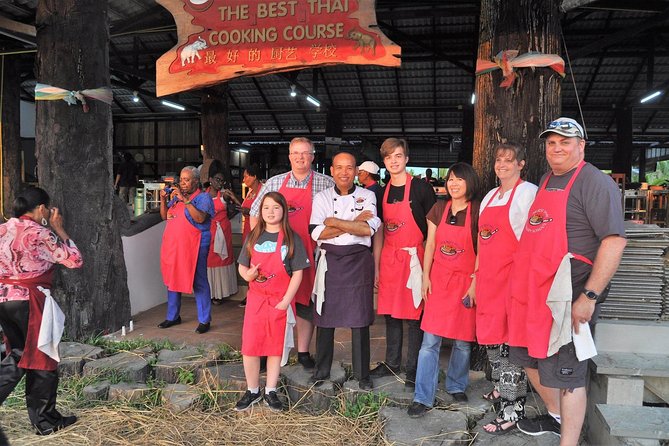
- Small group size (max 10) for better attention during class
- Market-to-meal flow using seasonal ingredients grown on-site
Morning Start: 8:30 Pickup and What the 5-Hour Rhythm Feels Like
This tour is built for people who want real Thai cooking skills without losing an entire day. It starts at 8:30 am, and the total time is about 5 hours. You’ll be picked up from your hotel, which is a big deal in Chiang Mai—less time coordinating rides, more time getting cooking.
The pacing is clear: a short market stop first, then the farm class. That rhythm matters. When you shop with context, you don’t just collect ingredients—you learn what to look for and why. And when you cook soon after, the lessons stick better than if you wait until later.
Also note the size. With up to 10 travelers, you’ll usually get more direct help than you would in a big group class. That’s especially useful when you’re learning knife skills and how Thai flavors get built step by step.
You can also read our reviews of more tours and experiences in Chiang Mai.



Stop 1: Somphet Market and the Ingredient-Spotting Skill You’ll Use Later
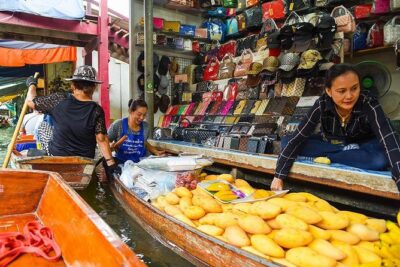
At Somphet Market, you get about 30 minutes to explore with purpose. It’s not just a quick look around. You’re guided through the kinds of produce and local items that show up in Northern Thai cooking and Thai dishes overall.
Here’s what I like about a market-and-class format like this: you stop guessing. You learn how ingredients should look and what types of vegetables, herbs, and flavor-makers matter. When you later cook at home (or even at a Thai restaurant), you’ll be able to recognize the components that create the dish’s backbone.
From what’s emphasized in this style of lesson, you don’t leave the market with generic souvenirs—you leave with better food instincts. If you’ve ever eaten Thai food and wondered why it tastes balanced, market learning is the start of that answer: sweetness, sourness, salt, heat, and aromatics are all chosen intentionally.
Small consideration: the market portion is short. If you love slow market wandering, you may want extra time on your own afterward. But for an efficient morning class, 30 minutes is enough to give you practical ingredient context without dragging the schedule.
Stop 2: The Best Thai Cooking Course Organic Farm Kitchen (About 13 km Out of Town)
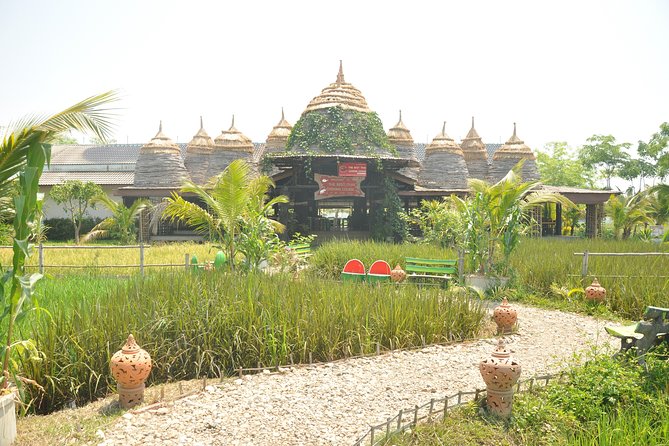
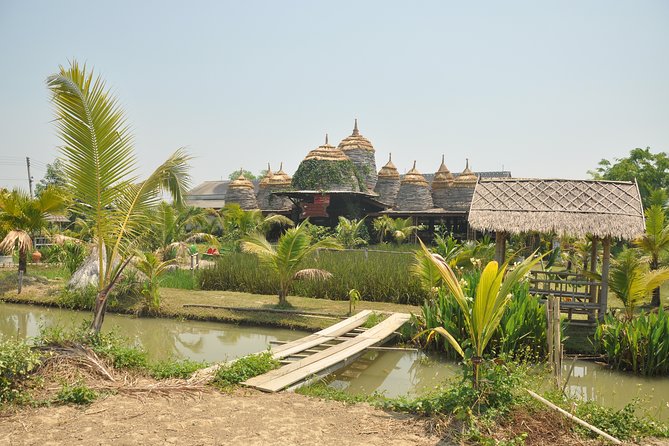
After the market, you head to The Best Thai Cookery School, which is about 13 km away from busy Chiang Mai. That distance is part of the appeal. You trade city traffic and shop streets for a farm setting where the food is grown.
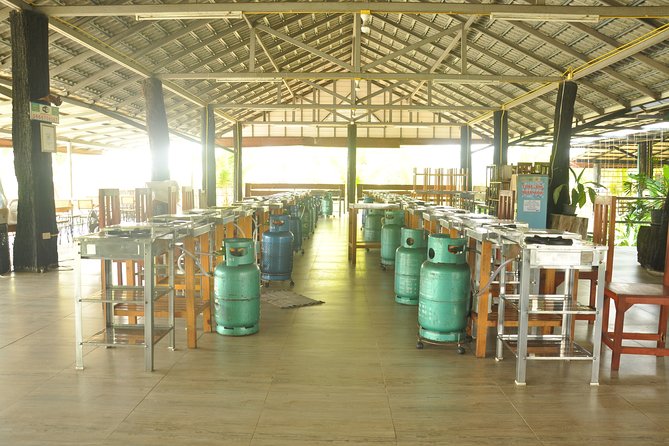
The school has been running since 2006, and the approach is hands-on from the start. You’ll cook in an open-air kitchen setup with protection from the elements, and you get your own cooking station. That layout matters because you’re not standing around. You’re doing the work: chopping, stirring, tasting, adjusting.
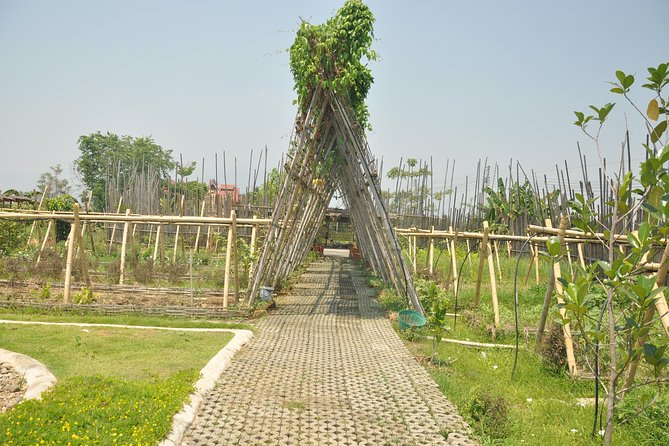
The farm element isn’t marketing fluff. Many of the herbs and spices used in class are grown on the grounds. In the most memorable moments from this experience, you may even get to pick herbs from the garden to use in what you cook. That makes your final dishes feel connected to a real place, not just a recipe demo.
What the Kitchen Setup Means for Your Cooking
A good class doesn’t just teach recipes—it teaches workflow. Here, the setup supports that.
- You have your own station to cook at, so you control the pace.
- You’re provided with key tools for Thai-style cooking, including a knife and wok.
- Utensils are kept clean and organized, which keeps you focused on flavor instead of logistics.
Also, there’s an emphasis on fire cooking. Thai cooking is about heat control, not just ingredients. If you’ve ever made stir-fries that taste flat or overcooked, the difference is usually technique and timing. A farm kitchen setting helps you understand those basics faster.
The Chef Energy: Instruction That Stays Friendly
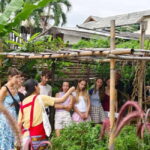
This course is described as guided by experienced chefs, and the tone comes across as lively and helpful. One of the standout comments from past guests is that the chef can be funny, but the teaching is detailed. That combo is exactly what you want in a cooking class: confidence while you learn, not intimidation.


What You Actually Learn (Beyond Just Recipes)
Cooking classes can be divided into two types: watch-and-copy, or learn-thewhy. This one leans toward learn-thewhy.
Even though you’ll make multiple Thai dishes, the real value is how you’re taught to build flavor. Market time sets up the ingredient awareness. Then the farm class teaches how those ingredients behave when combined.
Expect to cover core Thai cooking patterns such as:
- how aromatic herbs and spices show up in everyday Thai flavor
- how herbs differ from vegetables in texture and timing
- how balance happens when you mix sour, salty, sweet, and heat
You also get recipe cards, which is practical. After the class, you can recreate dishes at home without relying on memory. That’s especially important for Thai cooking, where small differences in ingredient ratios can shift the whole taste.
Why the Seasonal/Local Ingredient Focus Matters
You’re not just cooking because it’s fun. You’re cooking with inputs that match what the area is growing. That gives you two advantages.
First, your dishes taste more authentic because they use ingredients that fit the local growing reality. Second, you learn what seasonal Thai cooking looks like. That’s one of the biggest differences between eating Thai food in Thailand and trying to recreate it far away with mismatched produce.
Pricing and Value: Why $29 Can Make Sense Here
At $29, this is priced as a low-commitment way to get serious food value. The trick with value is what’s included.
You’re getting:
- hotel pickup
- a market stop with admission included
- entry to the cooking course with admission included
- a multi-hour class with hands-on work
- recipe cards
For Chiang Mai, cooking classes often cost more once you include transport. Here, pickup is part of the package, and the schedule is tight enough that you get a full morning experience for the price.
The best value angle is not the sticker price—it’s that you’re not only paying to eat. You’re paying to learn technique, ingredient recognition, and flavor building in a single sitting. If you want one food activity that gives you something you can use again, this one is designed that way.
Consideration: you should still treat it like a serious cooking class. The time at the farm is about 4 hours, so wear shoes you can stand in and expect to be active.
Who Should Book This Morning Thai Cooking Class
This is a strong pick if you:
- want a practical introduction to Thai cooking basics
- like the idea of learning ingredients at a market before cooking
- prefer small groups, with no more than 10 people
- enjoy farm settings and cooking with locally grown herbs and spices
- would rather spend a morning learning than spending it only sightseeing
It also fits couples and solo travelers who don’t want a huge tour group. The market-to-farm flow can be especially fun if you like food culture and want context, not just entertainment.
Who Might Skip or Adjust Expectations
If you’re mainly hunting for long hours at markets or lots of free time roaming, you may find the schedule compact. The market stop is only about 30 minutes, and the main focus becomes cooking instruction after that.
If your plan is very weather-sensitive, remember the kitchen is open-air even though there’s coverage. Bring sun protection and dress for warm outdoor time.
Practical Tips Before You Go
You’ll enjoy this class more if you show up ready to cook, not just ready to watch.
- Wear comfortable closed-toe shoes for standing and moving around.
- Bring a hat/sunscreen, since it’s an outdoor farm setup.
- Expect to taste during the class, so go easy on breakfast.
- If you like taking photos, you’ll want your phone charged—there’s a farm setting and you’ll likely see the garden herbs used.
One more small mindset tip: don’t think of it as collecting recipes. Think of it as learning a process. Even if you forget every dish name later, you’ll remember how the flavors get built.
Should You Book This Chiang Mai Morning Cooking Class?
Yes, if you want a hands-on Thai cooking experience that feels rooted in local ingredients and farm life. The combination of Somphet Market, a small-group farm class, and hotel pickup makes this a very efficient use of your morning. At $29, it’s also one of the better value setups for what you actually get: ingredient insight plus real cooking practice.
Skip it or temper expectations if you need a long market day or you dislike outdoor conditions. But if you’re flexible, this is the kind of tour that leaves you with skills, not just a meal.
FAQ
What time does the cooking class start?
The start time is 8:30 am.
How long is the tour?
The tour lasts about 5 hours (approximately).
Is hotel pickup included?
Yes. Hotel pickup is offered for convenience.
Do I visit Somphet Market first?
Yes. The tour includes a Somphet Market stop for about 30 minutes, and the admission ticket is included.
Where is the cooking school located?
The cooking school is about 13 km away from busy Chiang Mai in a peaceful farm setting.
Is the cooking area outdoors?
The class takes place in an open-air kitchen farm atmosphere (with an undercover/open-air style setup).
What’s included besides the cooking class?
You also get recipe cards, and the market stop includes admission.
How many people are in the group?
The experience has a maximum of 10 travelers.
Can I cancel for a full refund?
Yes. Free cancellation is available up to 24 hours before the experience’s start time for a full refund.