REVIEW · PHUKET
Hands-on Thai Cooking Class Phuket with Market Tour Option!
Book on Viator →Operated by Thai Cooking School Phuket · Bookable on Viator
Your lunch turns into a real skill. I love the hands-on setup at your own station, and I love how Chef Jim and Sally make the steps clear with real Thai ingredient talk before you start cooking. You also get the bonus of insider tips plus Thai recipes you can use later.
I also like the practical side: hotel pickup and drop-off are included, so you don’t burn time figuring out where to go in Phuket. You can choose a morning or afternoon class, and the whole thing runs about 3 hours.
One thing to consider: you’ll want to show up ready to cook and follow instructions closely, because the experience is built around doing it yourself, step by step. If you’re traveling with very small kids, plan on adult support throughout, since children must join with an adult.
In This Review
- Key things that make this Phuket class worth your time
- Kata Thai Cooking Class in Phuket: a hands-on Thai cooking lesson that’s not just watching
- A possible drawback: you’ll cook, so come with the right expectations
- Pickup, timing, and your own station (plus the headband)
- Optional market tour: you’ll spot ingredients before you cook
- Inside the 3-hour cooking class with Chef Jim and Sally
- Step 1: Ingredient explanation that actually helps
- Step 2: Cooking at your station (not a demo, not a lecture)
- Step 3: Enjoy your own food
- Dishes you might cook during class
- The host energy matters
- What you eat, how much, and the take-home comfort factor
- Vegetarian option and allergy requests: how to make the class work for your diet
- Who this Phuket Thai cooking class is best for (and who should think twice)
- Family-friendly note
- Price and value around $75 per person: what you get for the money
- Should you book this Phuket class with the market tour option?
- FAQ
- How long is the Thai cooking class in Phuket?
- What does the class include for transportation?
- Can I choose a morning or afternoon class?
- Is there an option for vegetarians?
- What about food allergies?
- Is the market tour included?
- What is the cancellation policy?
Key things that make this Phuket class worth your time
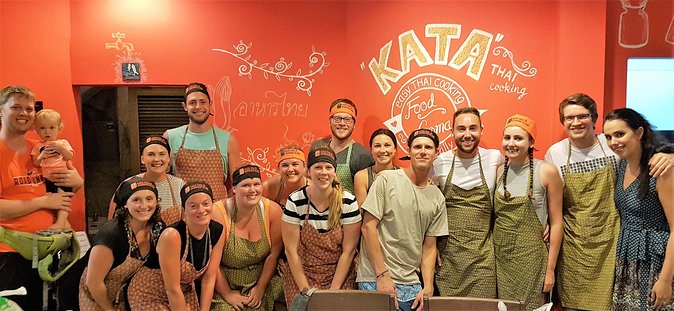
- Small group size (max 20 travelers) for a less rushed feel
- Hotel pickup and drop-off so you start cooking faster
- Hands-on cooking at your own station with step-by-step guidance
- Optional market tour to help you understand ingredients before class
- Take-home Thai recipes and insider tips, plus a headband
- Vegetarian option and allergy requests handled when you book
Kata Thai Cooking Class in Phuket: a hands-on Thai cooking lesson that’s not just watching
This is the kind of Phuket activity that works even on a “food only” day. The point is simple: you learn Thai cooking by actually cooking Thai food, not just standing around while someone else does the work.
I like that Chef Jim and Sally run the class like a friendly kitchen workshop. You move from ingredients to prep to cooking, and the vibe is relaxed enough for first-timers. That matters in Thailand, because the best food habits come from understanding why something tastes the way it does, not memorizing a recipe.
The class also feels designed for real life back home. You take away Thai recipes and insider tips, so you’re not left with only good memories. A small plus that tourists often overlook: you leave with a headband to take home, which is a fun way to remember the day.
You can also read our reviews of more tours and experiences in Phuket.



A possible drawback: you’ll cook, so come with the right expectations
If you’re hoping for a totally passive experience, this isn’t it. The structure is hands-on at your station, and the group moves together through preparation and cooking. For some people, that’s the best part; for others, it can feel a bit fast if you’re picky about timing.
Pickup, timing, and your own station (plus the headband)
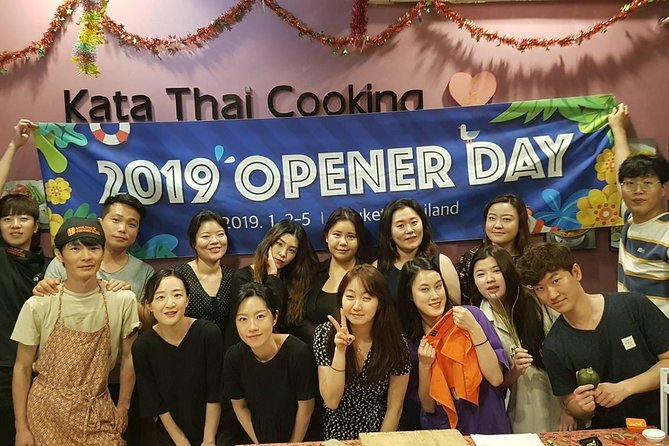
Logistics are where many tours lose points. Here, you get hotel pickup and drop-off included, and that removes the usual stress of finding the venue, especially if you’re staying away from central Phuket.
The class lasts about 3 hours. That timing is a sweet spot. It’s long enough to cover ingredients and cooking steps, but short enough that it won’t wreck your whole day or force you into a marathon schedule.
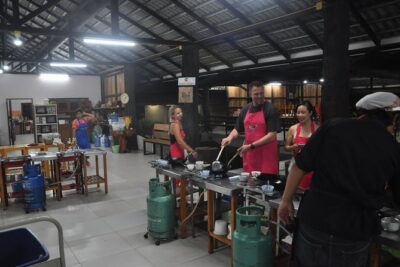
When you arrive, you’ll be taught how to prepare the dishes and what ingredients you need (and what you don’t). Then you cook by yourself at your own personal station. That “your station” detail is important because it keeps you engaged. You’re not just tasting and taking notes; you’re practicing.
And yes, there’s also the little fun souvenir: you take a headband back home. It’s not a life-changing perk, but it’s a nice touch.
Optional market tour: you’ll spot ingredients before you cook
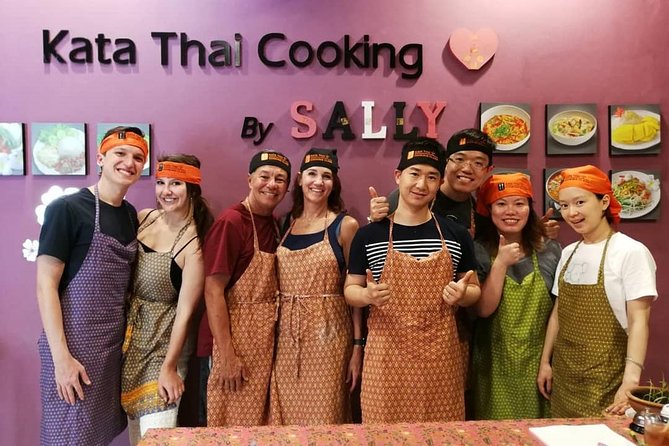
This experience offers a market tour option. If you choose it, you’re not just learning recipes in a vacuum. You get to see and talk about ingredients first, which helps you understand what’s going on in Thai food.
In a Thai market, a lot of the “magic” is simply recognizing what’s fresh and what different ingredients actually do. That context matters when you’re cooking later. Even if you don’t buy anything big, you’ll come away with clearer food instincts.
The market part also makes the class feel more like Thailand instead of a cooking studio. You’re getting the ingredient story before the chopping begins, and that usually makes the cooking steps make more sense.
One practical note: since the market tour is optional, it can shift the feel of the day from “class-focused” to “class plus ingredient adventure.” If you love food shopping and want to understand flavors, pick the market option.
Inside the 3-hour cooking class with Chef Jim and Sally
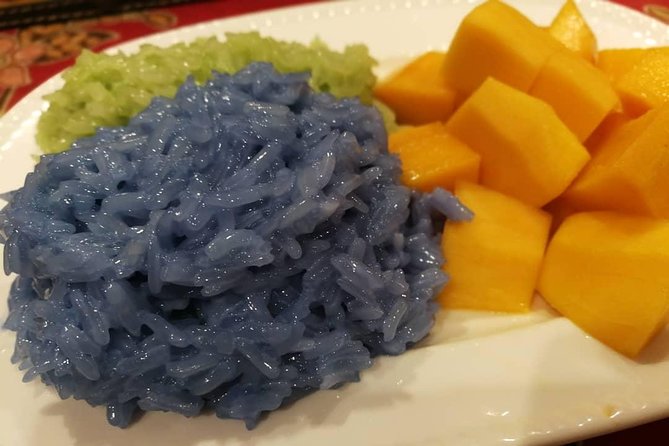
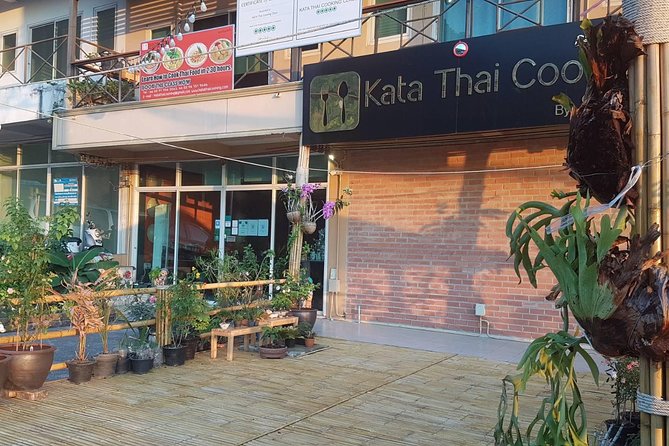
The class starts with pickup, then you head to the Thai Cooking School Phuket venue in Kata (Kata Thai Cooking Class). Once you’re there, Sally and Chef Jim guide you through the flow: ingredient explanations first, then hands-on cooking at your own station.





Step 1: Ingredient explanation that actually helps
Chef Jim’s teaching style is built around clarity and timing. You’ll be shown what ingredients you need, and the guide explains what matters in the process. This is where many cooking classes fall short, because they skim over ingredients.
Here, you get the “why” alongside the “how.” That’s what turns a dish from something you made once into something you can repeat.
Step 2: Cooking at your station (not a demo, not a lecture)
After the explanation, you start cooking yourself. You’ll follow steps at your own station, which helps you learn the rhythm of Thai cooking.
Many dishes in Thai cooking rely on a few key techniques: balancing flavors, timing, and using the right ingredients in the right order. When you do the prep and cooking yourself, you feel those differences. That’s also why the class works well for people who don’t call themselves cooks.
Step 3: Enjoy your own food
Once you’ve cooked, you eat what you made. This is one of the easiest ways to measure learning. If your flavors come together right on the spot, you know the steps clicked.
It also means you’re not just paying for instruction. You’re getting a full meal experience as part of the class.
Dishes you might cook during class
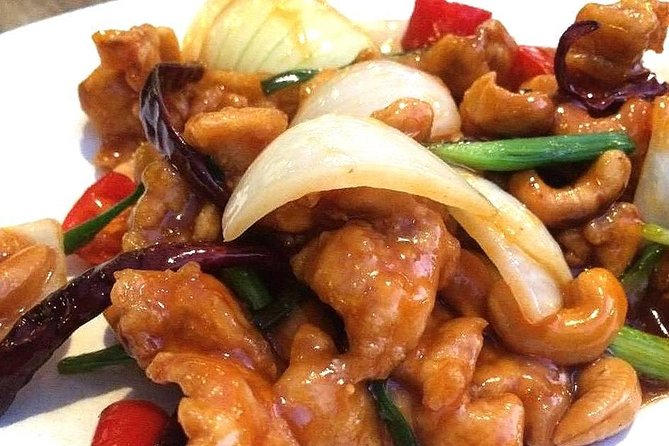
The exact menu can vary based on how the class runs. Still, the class has commonly included Thai favorites such as papaya salad, tom yum soup, pad Thai, and mango sticky rice. Even if your dish list is different, the core skill set—ingredient logic and hands-on prep—stays the same.
The host energy matters
A big reason people rate this class so strongly is the hosting style. Chef Jim brings humor and keeps the group moving, while Sally supports with hosting and guidance. The result is that you feel comfortable cooking even if you’re new.
What you eat, how much, and the take-home comfort factor
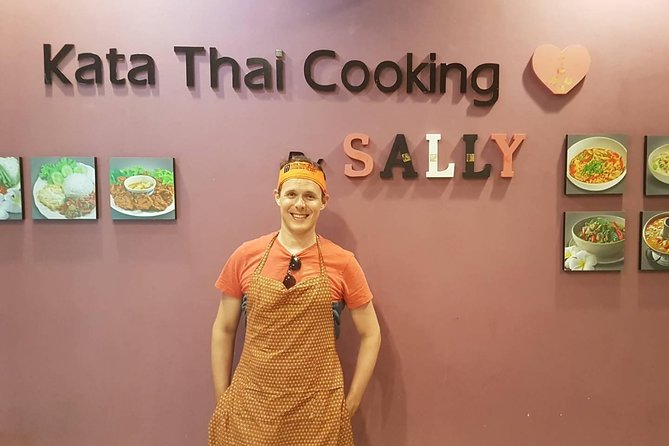
You’ll enjoy the food you cook during the class. That’s the main point. Thai cooking classes often end with snacks; this one is built so you sit down and eat what you’ve made.
Also, the portions can be generous. If you can’t finish everything, you can take it away with packaging. That’s one of those practical touches that turns a good meal into a useful lunch tomorrow.
The “take-home” side doesn’t stop with leftovers. You also leave with take-home Thai recipes and insider tips. Those are the real souvenirs if you want to cook at home.
Vegetarian option and allergy requests: how to make the class work for your diet
This is a food-focused tour, so diet needs matter. The good news is that a vegetarian option is available—just tell the team at booking if you need it.
Food allergies are also taken seriously. You should advise at booking if you have allergies, and the class setup is designed to handle dietary needs with the information provided.
One more detail that helps peace of mind: children must be accompanied by an adult. That matters for families, because it keeps the cooking part from becoming a free-for-all and supports safe participation at the station.
Who this Phuket Thai cooking class is best for (and who should think twice)
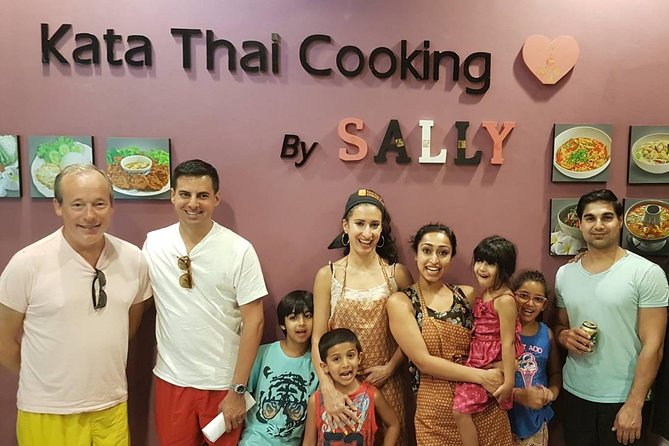
This class fits best if you want more than a meal. You want to learn the steps and leave with a usable recipe plan. It’s a strong pick for food lovers, first-time visitors, and anyone who likes the hands-on style of learning.
It’s also a good choice if you like small-group experiences. With a maximum of 20 travelers, you’re less likely to feel lost in the crowd. That makes a difference when you need timing support at your station.
It can be less ideal if:
- You want a fully passive activity
- You’re very short on time and can’t spare about 3 hours
- You’re uncomfortable following step-by-step instructions during cooking
Family-friendly note
Kids can join with an adult. The minimum age is listed as 4–8 years old (with parents), so families should be ready for a guided but still hands-on experience.
Price and value around $75 per person: what you get for the money
At about $75.01 per person, you’re not paying for an “instruction-only” show. You’re paying for:
- Hotel pickup and drop-off
- A hands-on cooking station
- Ingredient explanations
- A sit-down meal from what you cook
- Take-home Thai recipes and insider tips
- A small take-home item (headband)
When you break it down, it’s closer to a guided workshop than a typical restaurant dinner. You spend the money on skills you can repeat later, not just a one-time taste.
The value gets better if you care about understanding ingredients. The option to add a market tour is especially useful for people who want to connect what they bought (or saw) with what they cooked.
Should you book this Phuket class with the market tour option?
If you want a Thai cooking experience that’s genuinely hands-on, I’d book it. The mix of Chef Jim and Sally, the small group size, and the fact that you cook at your own station is exactly what makes this kind of class worth repeating.
Choose the market tour option if you love food shopping or want more ingredient context before you cook. Choose the class-only option if you’re short on time but still want hotel pickup, step-by-step guidance, and take-home recipes.
You should think twice only if you’re chasing a relaxing, no-effort activity. This is cooking class energy. Bring patience, follow the steps, and you’ll leave with real Thai cooking skills you can use back home.
FAQ
How long is the Thai cooking class in Phuket?
It runs for about 3 hours.
What does the class include for transportation?
Hotel pickup and drop-off are included, so you don’t have to meet the group on your own.
Can I choose a morning or afternoon class?
Yes. You can choose either a morning or an afternoon class.
Is there an option for vegetarians?
Yes, a vegetarian option is available. You should advise the team at booking.
What about food allergies?
You should advise any food allergy at the time of booking so the class can accommodate your needs.
Is the market tour included?
A market tour option is available. You can add it when you book.
What is the cancellation policy?
Free cancellation is available up to 24 hours in advance of the experience start time for a full refund.