REVIEW · CHIANG MAI
Half-Day Cooking Class with Market Tour
Book on GetYourGuide →Operated by Tom Yum Thai Cooking School · Bookable on GetYourGuide
Cook where Thai food truly starts. This half-day experience in Chiang Mai pairs a local market ingredient hunt with cooking in a real Thai home setup, not a factory classroom. You’ll learn what Thai vegetables and seasoning actually mean in the bowl and on the stove.
I especially like the market portion because you get to see what people shop for day to day, then connect those items to what you’ll cook. I also like the home setting because the class feels like you’re being taught by hosts, with a small, hands-on group at their pace. One consideration: this is a full-on meal experience, so plan your day after accordingly, because you’ll likely leave very full.
In This Review
- Quick takeaways
- Market Walk in Chiang Mai: seeing ingredients before the wok
- Snack and fruit breaks, without derailing the class
- In a Home Sweet Home Kitchen: small group, real stations
- Choosing your menu: 5 dishes plus sticky rice with mango
- Stir-fries
- Soups
- Appetizers and salads
- Curry pastes and curry options
- Dessert (everyone)
- The special dish idea
- What you’ll do during the cooking class (and why it matters)
- How the meal pacing works
- Tom Yum and curry options: the flavors you’ll actually be able to replicate
- Tom Yum (hot and sour prawn soup)
- Coconut-based chicken soup
- Curries: green curry, Panang, and Khao Soi
- Salad and spring roll choices: learning freshness and texture
- Papaya salad
- Cucumber salad
- Spring roll
- Mango sticky rice: the dessert that locks the lesson in place
- Price and value: why $36 can be a fair deal
- Timing that works: morning vs evening classes
- Dietary needs and allergies: make it easy for them
- Who this class suits best in Chiang Mai
- Should you book Tom Yum Thai Cooking School in Chiang Mai?
- FAQ
- How long is the cooking class?
- Where does the class take place?
- What are the available class times?
- Is hotel pickup included?
- How big is the group?
- What’s included in the price?
- What can I cook and eat?
- Can I handle allergies or special dietary requests?
- What language is the guide?
- What is the cancellation policy?
Quick takeaways
- Market first, then cooking: you shop for ingredients that match your menu choices.
- Home-kitchen setting: the class happens in the hosts’ house, with a cozy, family-style feel.
- Pick your dishes (and everyone makes dessert): you choose from a set menu, then everyone finishes with mango sticky rice.
- Small group: limited to 10 participants, so you actually cook instead of watching.
- Menu hits Thai classics: expect stir-fries, soups, salads, spring rolls, curries, and a dessert finish.
Market Walk in Chiang Mai: seeing ingredients before the wok
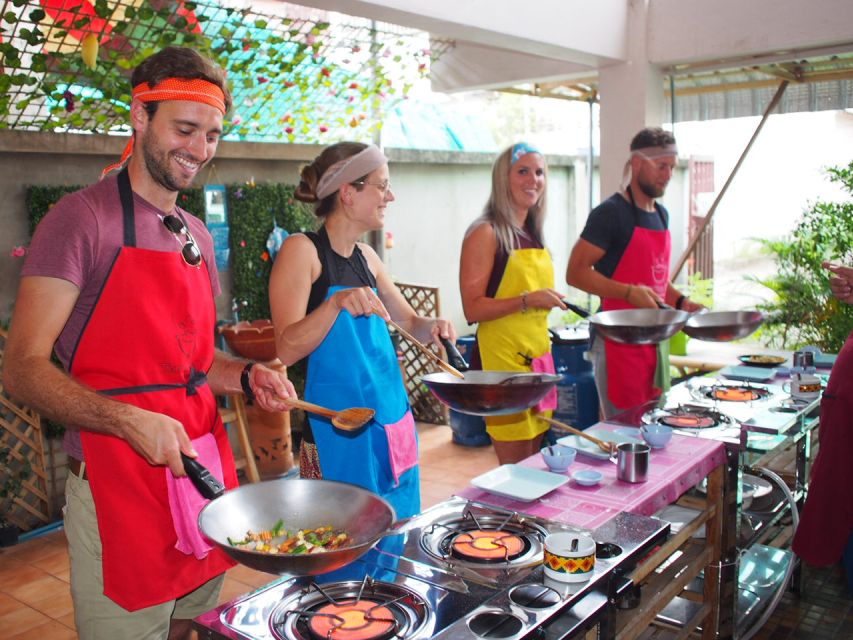
Your morning starts (or ends) with hotel pickup, then a short ride into the local food world. Pickup is included for hotels within 3 km of Chiang Mai old town, and the groups are small enough that the schedule feels calm instead of frantic.
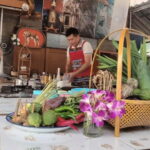
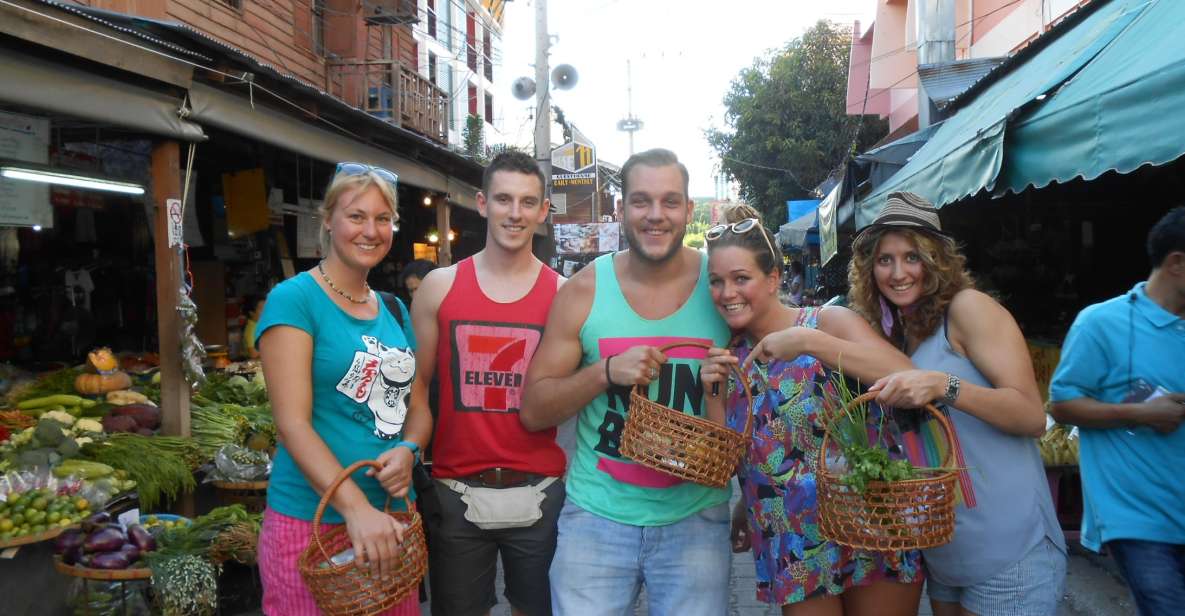
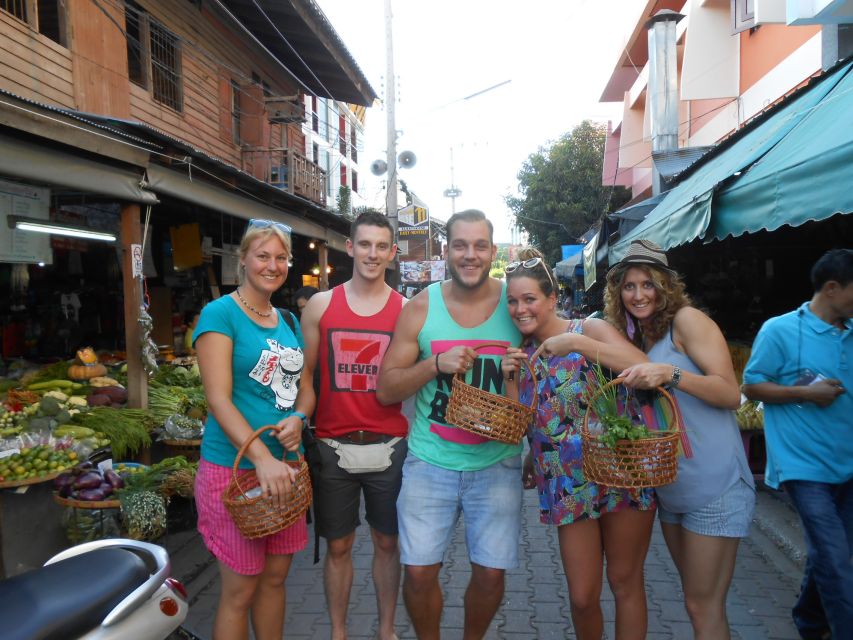
The market stop is the best kind of setup for a cooking class. You’re not just looking at pretty vegetables. You’re seeing Thai cooking ingredients as shoppers buy them: herbs, aromatics, vegetables, and seasoning items that decide whether a dish tastes flat or tastes like Thailand. This is also where the class gives you context that most cookbook recipes skip. When you later measure or chop, you understand what the ingredient does and why it belongs in that dish.
It also helps that the market walk is tied to what you’ll cook. You’re not wandering for an hour and then hoping it connects. You’re learning what matters for your own stir-fry, curry, soup, or salad choices.
If you’re the type who likes to eat well but also wants to get better at cooking at home, this part pays off. It gives you names to look for at home markets, and it helps you understand which ingredients are the “make or break” ones.
You can also read our reviews of more tours and experiences in Chiang Mai.



Snack and fruit breaks, without derailing the class
Before you start cooking, you’ll get to try some snacks and fruit in season. It’s a small moment, but it keeps energy up and makes the class feel like a real meal plan, not just a workshop.
In a Home Sweet Home Kitchen: small group, real stations
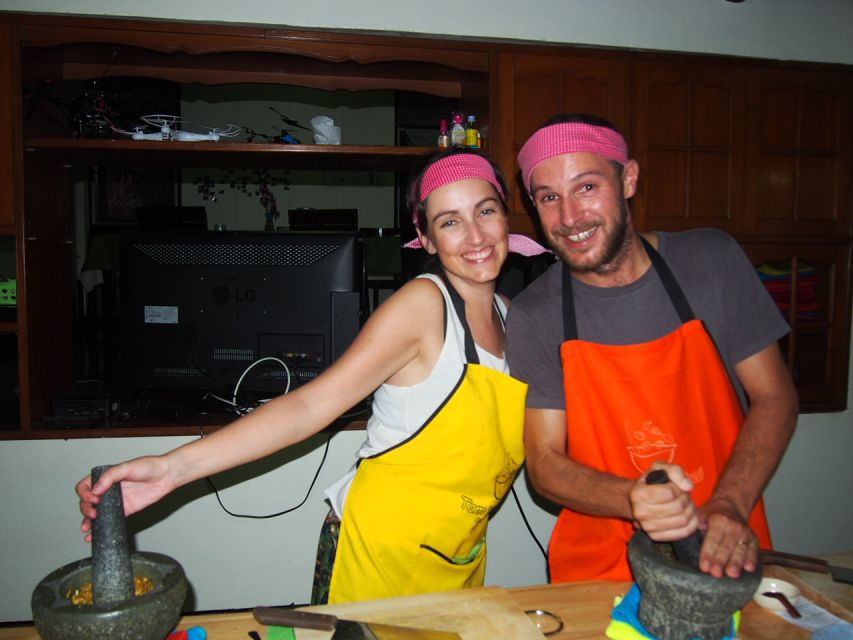
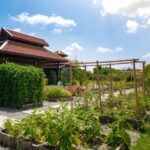
Then you head to the cooking school located inside the hosts’ home. That home setting is the whole point of why this class feels different from the big tourist-style cooking rooms. You’re working in a kitchen that has been set up for teaching, and it still feels personal.
The class is run in English with a live guide. Many guests highlight the friendly, welcoming approach of the hosts, including instructors like Mind and Oun (and the host couple dynamic shows up in how people describe the experience). Even if your Thai vocabulary is limited, the guidance is very practical: what to do, how to do it, and what to watch for while food cooks.
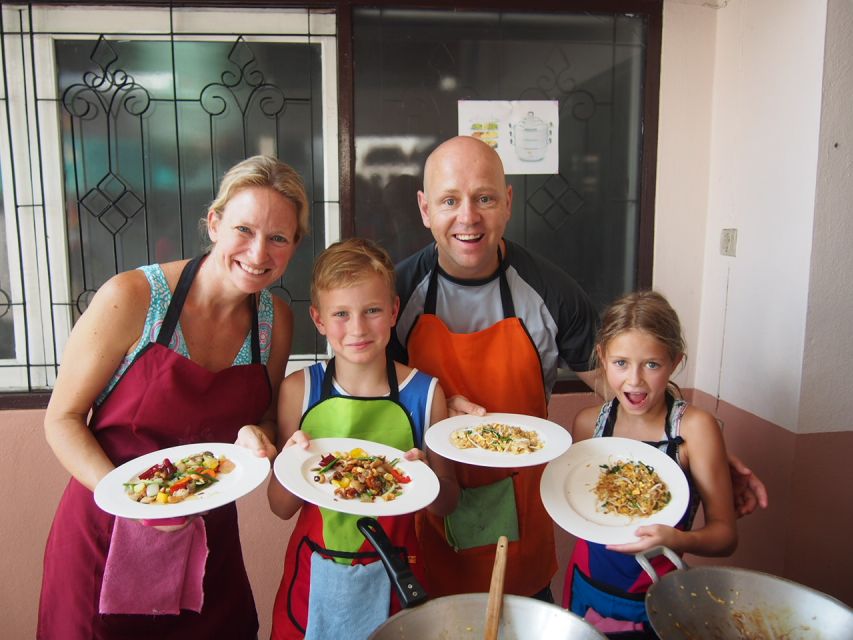
One detail that keeps coming up in descriptions of the setup is that you’re not stuck waiting your turn. People talk about having their own working area and skillet, plus a system that separates prepping, cooking, and eating. In plain terms: you cook, you taste, and you move through the meal without feeling like you’re in a line.
And since you’re in a home environment, the schedule also feels less rigid. There’s time to eat what you make, not just sample a bite and race to the next step.
Choosing your menu: 5 dishes plus sticky rice with mango
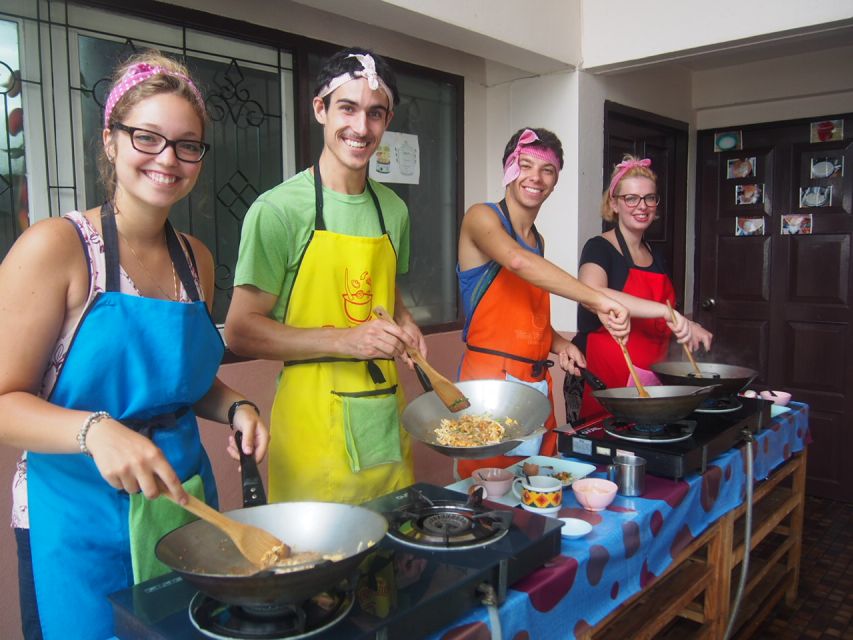
Here’s how the class meal is designed. You’ll cook 5 dishes plus 1 special dish, with the group also making sticky rice with mango for dessert. The menu is built around familiar Thai flavors, and the idea is that you make something you actually want to learn.
You can choose from the menu categories. The available options include:
Stir-fries
- Pad Thai
- Cashew Nut with Chicken
- Pad See Ew




Soups
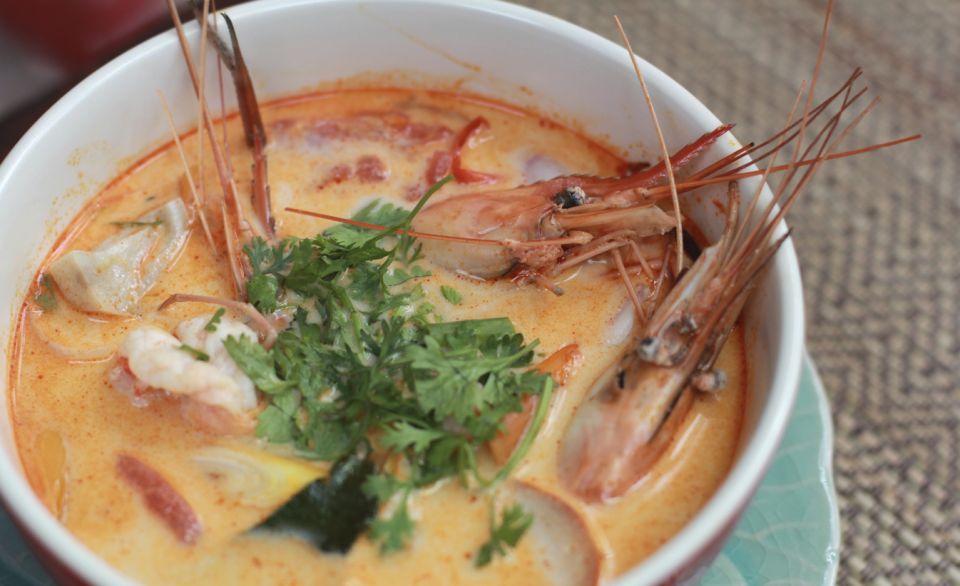
- Hot and Sour Prawn Soup (Tom Yum)
- Chicken in Coconut Milk soup
- Thai Noodle soup
Appetizers and salads
- Spring Roll
- Papaya Salad
- Cucumber Salad
Curry pastes and curry options
You can choose curry paste and curry dishes such as:
- Green curry paste
- Panang curry paste
- Khao Soi curry paste
- Green curry
- Panang curry
- Khao Soi
Dessert (everyone)
- Sticky rice with mango
Because choices are part of the experience, the class becomes more useful. If you already love a dish like Tom Yum, you can focus on the soup and learn the flavor logic behind it. If curries are your priority, you can pick the curry side and work with curry paste and sauce-making directly.
The special dish idea
The menu includes a special dish beyond the five dishes each person cooks. The exact dish can vary based on the set menu offered that day, but the structure is consistent: you’re building a meal that feels like an actual Thai table spread, not just five isolated cooking tasks.
What you’ll do during the cooking class (and why it matters)
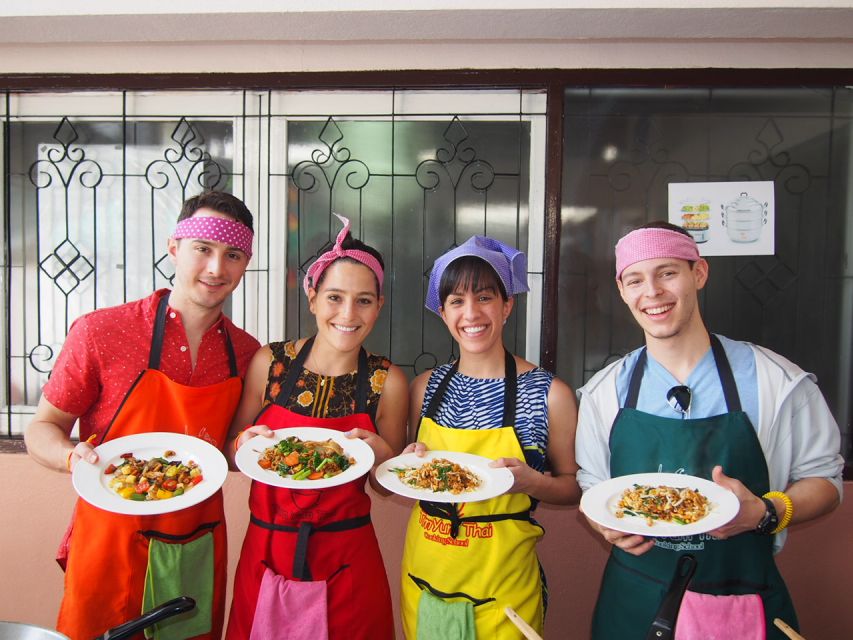
The class follows a simple rhythm that’s easy to repeat at home: ingredients in, prep done at your station, then cooking and tasting as you go.
You’ll handle real chopping and prep, but the class is organized so you’re not starting from scratch with all raw ingredients. Many guests mention ingredients are already laid out and ready for your session, and that teaching is step-by-step. You get instruction on flavor building, not just a show of technique.
The most valuable part is learning the order and logic:
- what goes in first for aromatics,
- when a paste or seasoning hits the pan,
- how a soup’s balance changes as ingredients combine,
- and how salads and appetizers stay fresh instead of turning soggy.
How the meal pacing works
You’ll cook and then enjoy what you made. That matters because you’re training your taste as you learn. Thai cooking is flavor-driven, and the only way to get it is to taste it during the process, not only at the end.
Also, the class is set up so you can get a full spread. Multiple guests point out that they were very full partway through and didn’t even want leftovers. That’s not a bad thing. It’s a sign the portions are real and you’re not being rushed.
Tom Yum and curry options: the flavors you’ll actually be able to replicate
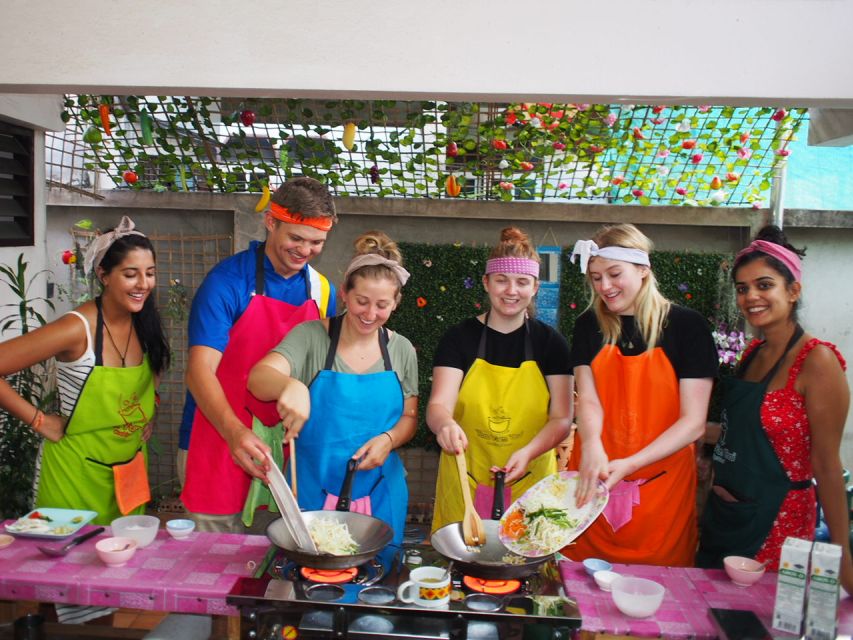
Some of the menu choices are a great training ground for home cooking because they show you the Thai flavor system.
Tom Yum (hot and sour prawn soup)
If you pick Tom Yum, you’ll be working with the balance of sour, hot, and savory elements. This dish is hard to fake unless you understand that the flavor comes from a mix of aromatics and seasoning—not one single ingredient. Cooking it in class helps you see the timing and how the broth changes as flavors bloom.
Coconut-based chicken soup
The chicken in coconut milk soup option is a good counterpoint to the sour-hot profiles. It teaches you how creaminess changes the feel of flavor and how seasoning lands when coconut smooths the edges.
Curries: green curry, Panang, and Khao Soi
If you select green curry, Panang curry, or Khao Soi, you’re learning the heart of Thai curry flavor: curry paste plus sauce building. The lesson isn’t just what to add, it’s how to cook curry paste so it becomes fragrant and integrated, and how to avoid a sauce that tastes one-dimensional.
This is also where curry paste options matter. The class menu includes curry paste choices like green curry paste, Panang curry paste, and Khao Soi curry paste, which gives you a direct link to how each curry’s personality forms.
Salad and spring roll choices: learning freshness and texture
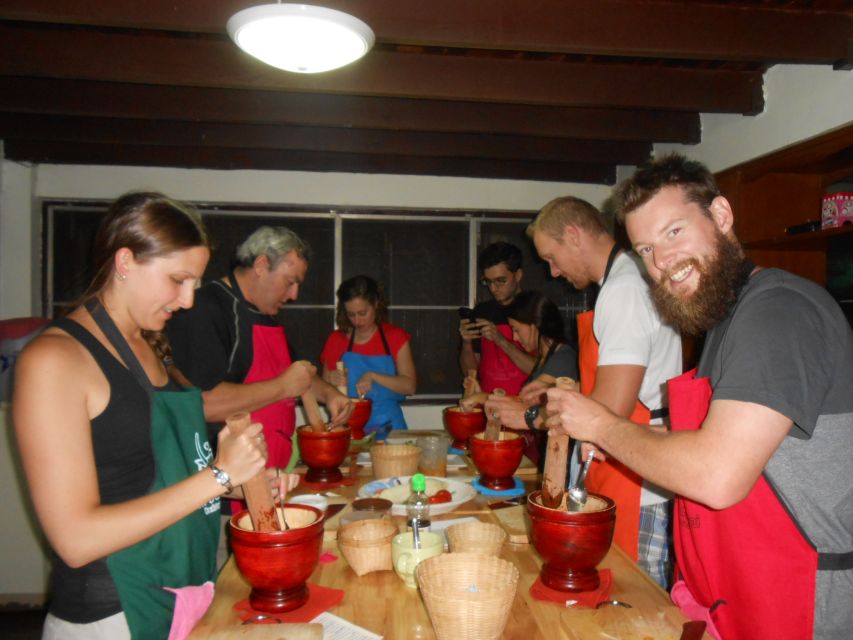
Thai appetizers teach you two big skills: keeping flavors bright and keeping textures right.
Papaya salad
Papaya salad is a great choice if you want to practice the sour-salty-sweet balancing act that Thai cuisine is known for. You learn how the flavors should taste together and how to handle fresh ingredients without losing crispness.
Cucumber salad
Cucumber salad is usually lighter and more refreshing, and it gives your meal a palate reset between heavier curry and soup dishes. It’s also a good way to learn Thai seasoning in a less intimidating format.
Spring roll
With spring rolls, the class helps you understand how fillings and wrapping technique work as one system. It’s one of the few appetizers where good instruction can noticeably improve your results at home.
Mango sticky rice: the dessert that locks the lesson in place
Everyone makes sticky rice with mango. It’s a smart ending. Dessert is simple, but it’s also a texture lesson: sticky rice needs the right handling and timing, and mango is the flavor partner that finishes the meal with something familiar and satisfying.
Because it’s shared by the whole group, it also creates a natural finish line. After cooking several savory dishes, you’ve got one clear sweet reward that feels like a real Thai ending.
Price and value: why $36 can be a fair deal
The class costs $36 per person for about 5 hours, including:
- hotel pickup and drop-off for hotels within 3 km of Chiang Mai old town
- a local market visit
- water
- tea and coffee
- a recipe book
- a small group experience (limited to 10)
That price feels fair because you’re not paying only for cooking. You’re paying for:
- guided shopping and ingredient context,
- instruction in a home kitchen,
- and the meal itself as part of the experience.
Most cooking classes you’ll find in Thailand charge extra for market time or don’t include a real meal. Here, you’re cooking multiple dishes and eating what you make. If you’re going to spend time learning Thai food, this format gives you a lot of return for the money.
Timing that works: morning vs evening classes
You can take this class either way.
- Morning class: 9:00 am to 1:30 pm, with pickup around 8:45 to 9:15 am
- Evening class: 3:30 pm to 8:30 pm, with pickup around 3:00 to 3:30 pm
The evening option can be nice if you want your day free for temples, cafes, or a massage, and then finish with dinner-style cooking. The morning option can be great if you want to avoid doing cooking too late and still have energy afterward.
One practical note: people consistently stress that you should not eat beforehand. You’ll likely be stuffed by the time the courses add up.
Dietary needs and allergies: make it easy for them
If you have an allergy or dietary request, you should tell the organizer ahead of time. The information specifically asks you to share allergies and special requests, and guests report that the hosts accommodated allergies in the meal planning.
If you’re vegetarian, this class may still work well, but you’ll want to communicate your needs clearly so your dish choices match what’s available.
The best approach is simple: send your request early, then choose from the menu with your needs in mind.
Who this class suits best in Chiang Mai
This is a strong pick for:
- food lovers who want more than a tasting experience
- beginners who want step-by-step help and real recipes
- anyone who wants to learn Thai flavor-building, not just copy a single dish
- people who like a small group and a personal host vibe
It’s also a good rainy-day activity. Chiang Mai weather can be unpredictable, and this is an indoor, house-based lesson that keeps the schedule steady.
If you’re short on time, the five-hour length is manageable. If you’re spending a few days in Chiang Mai, doing this earlier in your trip helps you shop and order with more confidence afterward.
Should you book Tom Yum Thai Cooking School in Chiang Mai?
Yes, if you want Thai cooking with real context. The market stop plus the home-kitchen format makes the learning stick, and the menu choices let you focus on what you actually like to eat.
Book it especially if you care about getting curry flavor, soup balance, and salad seasoning right. The class format is built to teach you how dishes behave, not just how they look on a plate.
Skip it only if you hate hands-on cooking or if you know you’ll struggle with eating a big multi-dish meal. Otherwise, this is one of those Chiang Mai experiences where you leave with both skills and a full stomach.
FAQ
How long is the cooking class?
It runs for about 5 hours.
Where does the class take place?
The cooking school is located in a home in Chiang Mai, in a Thai home setting.
What are the available class times?
There is a morning class from 9:00 am to 1:30 pm, and an evening class from 3:30 pm to 8:30 pm.
Is hotel pickup included?
Yes. Pickup and drop-off are included for hotels within 3 km of Chiang Mai old town.
How big is the group?
The group is limited to 10 participants.
What’s included in the price?
The price includes the market visit, drinking water, tea and coffee, a recipe book, and hotel pickup and drop-off within the stated area.
What can I cook and eat?
You’ll cook multiple Thai dishes from the menu choices, and everyone makes sticky rice with mango. The menu includes items like Pad Thai, Tom Yum, papaya salad, spring rolls, and several curry options.
Can I handle allergies or special dietary requests?
Yes. You should let them know in advance about any food allergy or special request.
What language is the guide?
The class is conducted in English.
What is the cancellation policy?
Free cancellation is available up to 24 hours in advance for a full refund. There is also a reserve now & pay later option.