REVIEW · CHIANG MAI
Go where the locals go, Eat what the locals eat! Food Tour with Local Foodies
Book on Viator →Operated by Chiang Mai Foodie Tours · Bookable on Viator
Skip the guesswork, follow the food. This Chiang Mai tour is built around two classic areas—the Old City and Warorot Market—so you eat what locals order, not what’s on a generic menu. You also get short temple and community stops that help the dishes make sense, including how some favorites got their start.
I especially like the food-first route. You’re guided through iconic bites like Kao Man Gai, Chiang Mai’s famous Kao Soi, and Northern-style sweets, with enough time eating that it doesn’t feel like you’re rushing between photos.
One thing to consider: the experience depends on which time slot you pick, and the number of stops can feel a bit “just enough” for the price if you’re expecting a bigger, longer crawl. Also, double-check the meeting spot for your start time—some days run from different locations, even though both are called the same tour.
In This Review
- Key things I’d plan around
- How this Chiang Mai food tour actually feels on the ground
- Morning and afternoon: two starts, two flavors of the day
- Three Kings Monument route: Kao Man Gai first, then temples and dessert
- Kao Man Gai at a longtime local spot
- Temple walk that connects to the Old City story
- Kao Soi: Chiang Mai’s signature noodle moment
- Dessert stop: Sakoo Sai Hmoo and Kao Griap Paak Hmaw
- Warorot Market (Kad Luang) at 4pm: the best place to start hungry
- Market tastings: Northern sausage, tea, fruit, and mango sticky rice
- Flower market stroll for a sensory reset
- A Northern Thai restaurant dinner-style feast
- The guides: names you may hear, and what they do well
- Private driver and timing: why it matters more than you think
- Price and value: what $50.52 buys you (and how to judge it)
- What to eat first, what to save, and how to not waste appetite
- Who should book this foodie tour in Chiang Mai?
- Should you book it? My practical call
- FAQ
- Does this tour run in the morning and afternoon?
- Where do I meet for the 9am and 4pm tours?
- What foods should I expect to taste on this tour?
- How long is the tour?
- What is included in the price, and what is not?
- Is there a dress code?
- Can I hear the guide clearly in busy markets, and how big is the group?
Key things I’d plan around
- Old City + Warorot Market: two different food zones, both legendary for locals
- Kao Soi and Kao Man Gai: you’ll hit Northern Thai hits, not just fruit and snacks
- Headsets on request: ask if you want to clearly hear your guide at busy spots
- Private driving time: less time stuck in traffic, more time eating
- Small group max of 20: easier pace, especially when you’re hungry and moving between stalls
How this Chiang Mai food tour actually feels on the ground
This isn’t a cooking class, and it’s not a sit-down restaurant parade. It’s a guided “taste-and-walk” day where you keep moving through real market rhythm—ordering, tasting, and learning why certain dishes matter in Chiang Mai and Lanna food culture.
The best part is the pacing. You’re not bouncing between far-apart areas under your own steam. Instead, you use a driver to cut down transit time, and the route is set up so you’re spending your energy on eating and street life rather than searching for the next stop.
And because it’s capped at 20 people, the group usually stays manageable at busy counters. That matters when you want quick answers about what you’re eating and what to try next.
You can also read our reviews of more tours and experiences in Chiang Mai.

Morning and afternoon: two starts, two flavors of the day
This tour runs at different times, and that affects the stops. The morning version starts at 9am near the Old City at Three Kings Monument, then layers in temple walking and dessert. The afternoon version meets at 4pm at Warorot Market (Kad Luang) and leans harder into Northern market food plus a sit-down Northern Thai meal.
Think of it like two chapters of the same story. If you’re the type who loves temple strolls and a sweet finish, the morning route fits. If you want maximum market energy first and then dinner-style dishes, the afternoon route usually hits the spot.
Three Kings Monument route: Kao Man Gai first, then temples and dessert
The day starts in the Old City area at Three Kings Monument, where you meet your guide and get oriented. From there, the plan is straightforward: one classic lunch-style dish, then a mix of food and cultural stops that help explain what you’re tasting.
Kao Man Gai at a longtime local spot
One of the first tastings is Kao Man Gai—a simple staple, but also a good reminder that Thai comfort food is often the most important. This specific restaurant is noted as family-owned since 1957, which gives you a sense of continuity. You’re not just trying a dish; you’re tasting something that has been part of daily life for decades.
Practical tip: show up hungry. Kao Man Gai is filling, and if you’ve had a big breakfast already, you’ll feel it later when the noodle dish and desserts come around.
Temple walk that connects to the Old City story
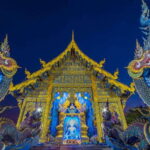
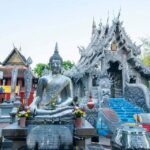
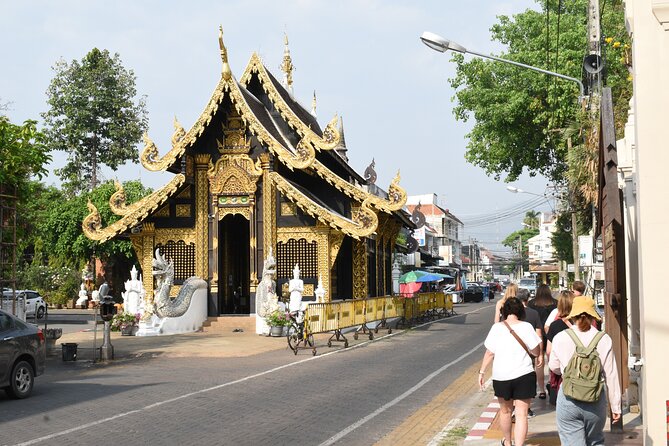
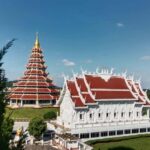
After that, the route includes a visit/walk to Wat Chiang Man, described as the first temple built in the Old City. It’s a short, meaningful break from eating, and it helps you see why food culture here isn’t separate from place and tradition.
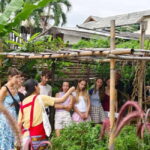
Then you move on through additional local stops like the Wat Gate Community. This part is less about a famous landmark and more about getting a feel for how the neighborhood supports everyday life around the market and temple zones.


Kao Soi: Chiang Mai’s signature noodle moment
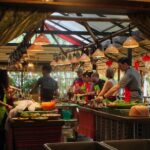
Next up is Chiang Mai’s famous Kao Soi—served with background on its history and origins. This is the dish I’d mark as a “don’t miss” if you only try one noodle item here.
Kao Soi can be one of those foods that tastes good instantly but also becomes more interesting once you understand what makes it regional. Having your guide explain the origins changes how you taste it—like you start picking up why the flavors are built the way they are.
Dessert stop: Sakoo Sai Hmoo and Kao Griap Paak Hmaw
Later, the tour swings toward dessert with Sakoo Sai Hmoo and Kao Griap Paak Hmaw, Chiang Mai’s dessert favorites. If you tend to skip dessert in the interest of being “practical,” this is the counter-programming you’ll be glad you did.
Practical tip: desserts here may be sticky, sweet, and slightly chewy. Plan for that texture, not just sugar.
Warorot Market (Kad Luang) at 4pm: the best place to start hungry
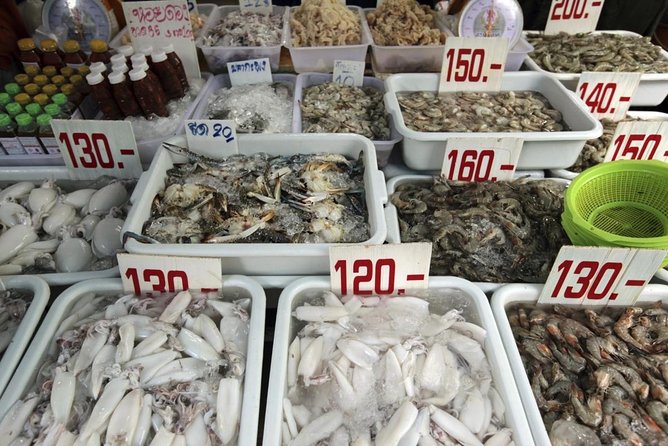
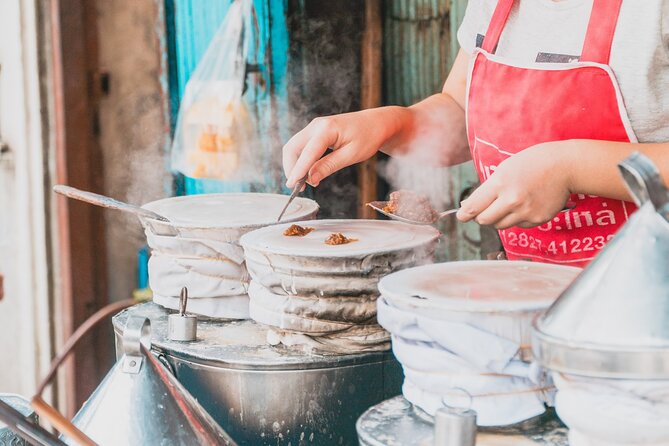
If you choose the afternoon departure, you’ll meet at Warorot Market (Kad Luang). This is one of Chiang Mai’s oldest and biggest markets, and it’s known for being diverse—food right alongside produce, souvenirs, and everyday shopping.
In practice, it’s great because you get the full market atmosphere fast. And because your guide chooses specific stands, you don’t waste time asking which stall is worth it.
Market tastings: Northern sausage, tea, fruit, and mango sticky rice
Inside the market, you stop at favorite stands and try Northern and Thai classics like:
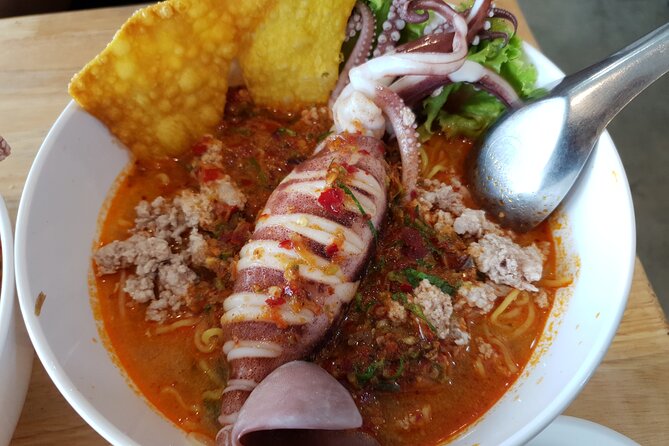
- Sai Oua (Northern Thai sausage)
- Golden Curl (freshly made)
- Mango sticky rice
- Thai iced tea
This is the stage of the tour where you start building your “flavor map” of Northern Thai food. The sausage and fermented-style snack items tend to be more intense than what you’d get in many tourist menus. The mango sticky rice and tea bring the balancing sweetness back in.
If you’re worried you’ll feel overwhelmed, that’s where the guide helps. They keep the order of tastings logical so your palate doesn’t crash before the best bites.
Flower market stroll for a sensory reset
Nearby, there’s a stop at the Flower Market. It’s not a food stop, but it works as a reset between all the savory tastings. You get a quick break from strong aromas and a chance to breathe before the heavier dishes later.
A Northern Thai restaurant dinner-style feast
After the market time, you ride to a restaurant for a proper Northern Thai meal. This is where the tour shifts from quick tastes to plates that feel like you’re actually eating dinner.
The meal includes dishes such as:
- Gaeng Hunglay
- Larb Moo
- Khua Jin Som
- Yum Samunprai (an award-winning herbal salad)
I like this structure. Market tastings show you the ingredients and street logic. The restaurant dishes show you how those same flavors turn into full meals. It’s a good contrast, and it makes the food feel more complete.
The guides: names you may hear, and what they do well
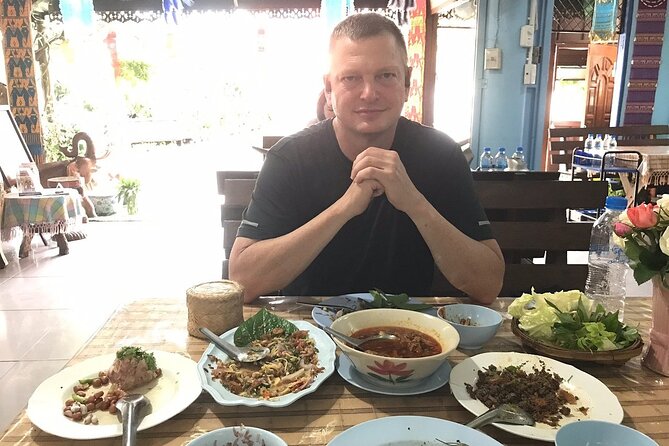
The tour listings point to a professional guide, and the experiences I’ve seen described include guides like PT, Sky, and Pondtip. The common thread is practical instruction: they explain what you’re eating and connect dishes to Chiang Mai and Lanna food culture.
In other words, you’re not just being fed. You’re being taught how to think about the food. That’s a big deal with Northern Thai dishes, where spice, herbs, and texture can be unfamiliar at first.
Also worth noting: headsets are available on request. If you tend to struggle hearing in loud markets, ask for headsets so you don’t spend half the tour guessing what your guide is saying.
Private driver and timing: why it matters more than you think
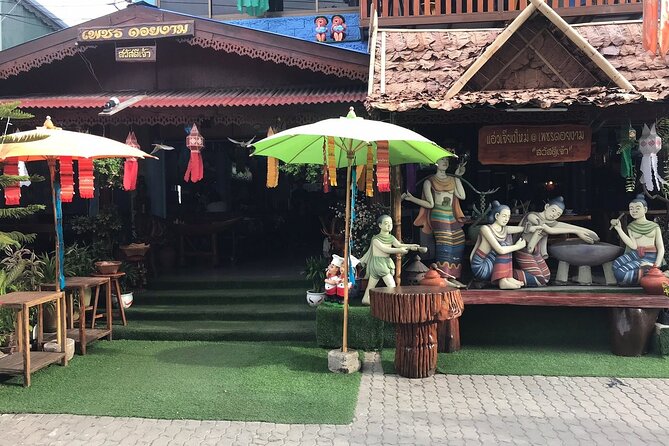
This tour includes a private driver (and driver/guide) so you spend less time stuck in traffic. In Chiang Mai, that’s not a small thing. Market stops can be short, and you don’t want long transfers eating into your tasting time.
The schedule is also designed to limit frantic movement. You’ll have guided pacing between stops like Three Kings and Wat Chiang Man for the morning route, or Warorot and the nearby flower market for the afternoon route.
And because the tour runs in a group up to 20, the day feels social, not chaotic. You get to ask questions without feeling like you’re shouting over everyone.
Price and value: what $50.52 buys you (and how to judge it)
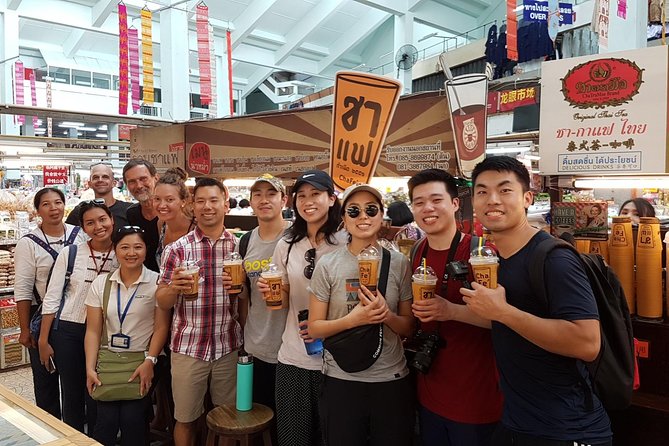
At $50.52 per person, this falls into the “reasonable if you eat well” category. What makes it feel like value is what’s included: a professional guide, bottled water, snacks, and food tasting, plus the driver/guide support.
The key is that you’re not just paying for conversation. You’re paying for access: a guided selection of market stalls and restaurant dishes you might miss on your own.
One more value clue: the food volume tends to be high. In the experiences shared, people talk about eating more than 15 items on market days. That kind of tasting count changes how you measure the price. If you go hungry and let the guide pace you, the tour becomes a meal worth more than the ticket cost.
Possible downside: a small number of experiences felt the tour was a bit expensive for how many stops were included on their specific day. That’s a reminder to pick your start time based on your expectations, and to come prepared to eat steadily from the beginning.
What to eat first, what to save, and how to not waste appetite
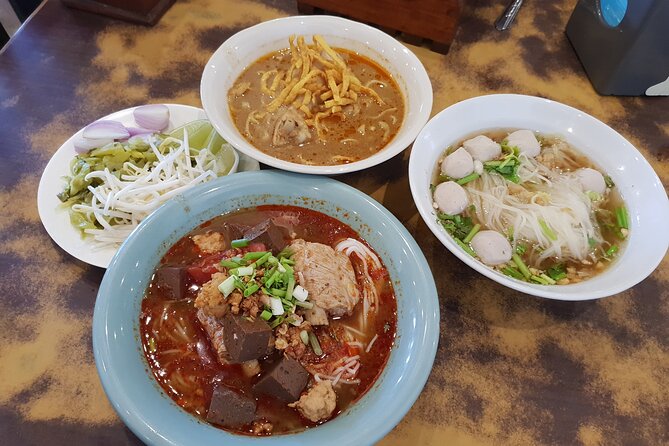
If you want the tastings to feel fun instead of stuffed, this is the order I’d mentally aim for:
- Start with the simpler basics early, like Kao Man Gai or the first market bites.
- Then expect the intensity: Kao Soi and Northern herb-and-spice dishes can be heavier than they sound.
- Keep dessert and sweet items for when you’ve built enough savory variety to enjoy the contrast, like the morning desserts (Sakoo Sai Hmoo and Kao Griap Paak Hmaw).
Practical tip: don’t plan a big sit-down meal right afterward. You might think you’re done after the final tastings, but dessert and restaurant dishes stick with you.
Also, alcohol is not included. Drinks are available to purchase, so if you want beer or cocktails, budget separately and keep that in mind when judging value.
Who should book this foodie tour in Chiang Mai?
This tour is a strong match if you:
- Want Northern Thai food beyond the usual tourist hits
- Like markets but don’t want to play stall roulette
- Enjoy guides who explain what you’re eating and why it matters
It’s also ideal if you’re short on time and want a structured way to see the Old City and Warorot area without wasting hours getting around.
You might think twice if you:
- Hate group pacing and prefer fully independent wandering
- Are extremely picky about spice or herbs, since Northern Thai flavors can be bold
- Expect an all-day crawl with lots of stops every time, regardless of which departure you choose
Should you book it? My practical call
I’d book this tour if your goal is to eat your way through Chiang Mai and learn as you go. The route design is smart—markets plus temple context in the Old City, or Warorot market intensity plus a Northern Thai restaurant meal in the afternoon.
The big “yes” signal is the included tastings and the overall satisfaction around guide quality and food variety. If you show up hungry, dress properly for temple stops, and pick the morning or afternoon version that matches your vibe, you’ll get a day that feels local, not rehearsed.
If you’re on a tight schedule, or you’re the type who needs exact stop counts before paying, then compare the start time options carefully. But for most people, this is an easy, high-value way to get real Chiang Mai food without the stress.
FAQ
Does this tour run in the morning and afternoon?
Yes. The morning option starts at 9am and meets at Three Kings Monument in the Old City. The afternoon option starts at 4pm and meets at Warorot Market (Kad Luang).
Where do I meet for the 9am and 4pm tours?
For the 9am tour, you meet at Three Kings Monument in the Old City. For the 4pm tour, you meet at Warorot Market (Kad Luang).
What foods should I expect to taste on this tour?
You can expect tastings of Kao Man Gai, Kao Soi, Sai Oua, Golden Curl, mango sticky rice, and Thai iced tea. The Northern Thai restaurant meal may include Gaeng Hunglay, Larb Moo, Khua Jin Som, and Yum Samunprai herbal salad, plus desserts like Sakoo Sai Hmoo and Kao Griap Paak Hmaw on the morning route.
How long is the tour?
It runs for about 4 to 8 hours depending on the day and version.
What is included in the price, and what is not?
Included are a professional guide, bottled water, food tasting, a driver/guide, and snacks. Alcoholic drinks are not included (but they are available to purchase).
Is there a dress code?
Yes. The dress code is appropriate for visiting temples, so plan clothing that covers respectfully.
Can I hear the guide clearly in busy markets, and how big is the group?
Headsets are available on request, which helps in loud market areas. The group size has a maximum of 20 travelers.
If you tell me which start time you’re considering (9am or 4pm) and what you like (noodles, herbs/spice, sweet desserts, or market snacks), I can help you choose the better fit for your day.