REVIEW · CHIANG MAI
Chiangmai: Temple And City Walking Tour With Ex-Monk
Book on GetYourGuide →Operated by Journey D Travel · Bookable on GetYourGuide
Buddhism feels personal here, fast. This Chiang Mai walking tour is led by an ex-monk, with deep, human explanations of temple life as you visit three major sights: Wat Chedi Luang, Wat Pan Tao, and Wat Phra Singh. I especially like the way the guide connects Buddhism to what you’re actually seeing, and how the ruined chedi at Wat Chedi Luang still carries weight through centuries of history. The one watch-out: temple rules are strict (no shorts, no sleeveless shirts), and you’ll be walking in the morning sun even though the start is at 08.20.
You’ll get a lot for $15 because the “real product” here isn’t just temple photos—it’s the ex-monk perspective, plus time at each stop so questions don’t get rushed. One more thing to know: entrances aren’t included, with Wat Chedi Luang and Wat Phra Singh charging separate fees, so budget a bit more than the headline price.
In This Review
- Key Points You’ll Care About
- A Morning Temple Walk With a Real Ex-Monk Mindset (08.20 Start)
- Value Check: What $15 Covers, and What Adds Up on Site
- Wat Chedi Luang’s Ruined Chedi: The 1545 Earthquake You Can Still See
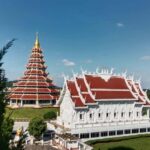
- Wat Pan Tao: Lanna-Style Ordination Hall and Buddha-Life Murals
- Wat Phra Singh: The Monastery of the Lion Buddha
- How the Ex-Monk Guide Turns Temple Sightseeing Into Real Understanding
- What to Wear, Bring, and Expect From the Temple Rules
- Who Should Book This Tour (and Who Might Skip It)
- Should You Book Chiang Mai’s Ex-Monk Temple and City Walk?
- FAQ
- What temples are included on this Chiang Mai walking tour?
- What time does the tour start?
- How long is the tour?
- What does the $15 price include, and what doesn’t it include?
- What languages is the tour guide available in?
- What are the main dress or behavior rules?
- Is this tour refundable if plans change?
Key Points You’ll Care About
- Ex-monk guide explanations make the statues, ordination spaces, and prayers feel understandable
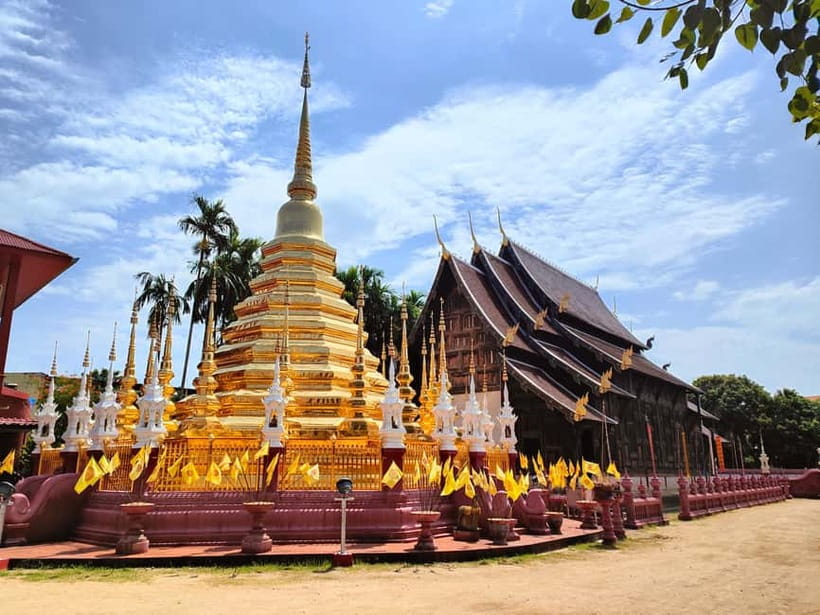
- Wat Chedi Luang’s ruined chedi reaches back to the 14th century, with damage from a 1545 earthquake
- Wat Pan Tao’s Lanna-style ordination hall and Buddha-life murals are a visual lesson in Buddhist art
- Wat Phra Singh’s revered Phra Singh Buddha statue is the emotional center of the stop
- Small-group pace and question time help you actually learn, not just follow along
- Dress rules are real (plan outfits early so you don’t get stuck at the entrance
A Morning Temple Walk With a Real Ex-Monk Mindset (08.20 Start)
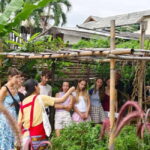
This tour is built for people who want more than a checklist. You start at 08.20 and spend about 4 hours walking through Chiang Mai’s Old City temple cluster. The best part is that you’re not getting a generic guide script. Instead, an ex-monk (guides you might hear called Katoon, Big, or similar names) translates Buddhist ideas into plain language while you stand in the actual places where those ideas show up.
Expect the pace to be relaxed. In the real world, temple mornings can get hot quickly, so it helps that the tour format usually includes short pauses for comfort. And you’re not stuck doing “listen-only” sightseeing. You can ask questions, and the guide’s answers tend to go beyond definitions to daily practice—like why certain objects are placed where they are, what different Buddha postures mean, and how people behave during prayer.
One practical note: there’s no hotel pickup or drop-off. So you’ll want to be on time and close to the start point. If you’re prone to getting flustered early in the day, give yourself a little buffer.
You can also read our reviews of more tours and experiences in Chiang Mai.


Value Check: What $15 Covers, and What Adds Up on Site
On paper, the price is $15 per person, and that covers the guide and the walking tour. What it does not cover are temple entrance fees at two stops:
- Wat Chedi Luang: 50 THB
- Wat Phra Singh: 40 THB
Wat Pan Tao is typically easier on the budget side, since the only entrance fees listed are for the first and last temples. Still, you should assume your total cost will be closer to “$15 plus about 90 THB” overall.
Is it worth it? For me, the value comes from the guide. You’re paying for a rare angle: someone who has lived the rules, routines, and mindset firsthand. When the guide also helps you interpret what you’re seeing—ruins, murals, ordination architecture, and a highly revered Buddha statue—the tour becomes more than sightseeing. It becomes understanding.
Wat Chedi Luang’s Ruined Chedi: The 1545 Earthquake You Can Still See
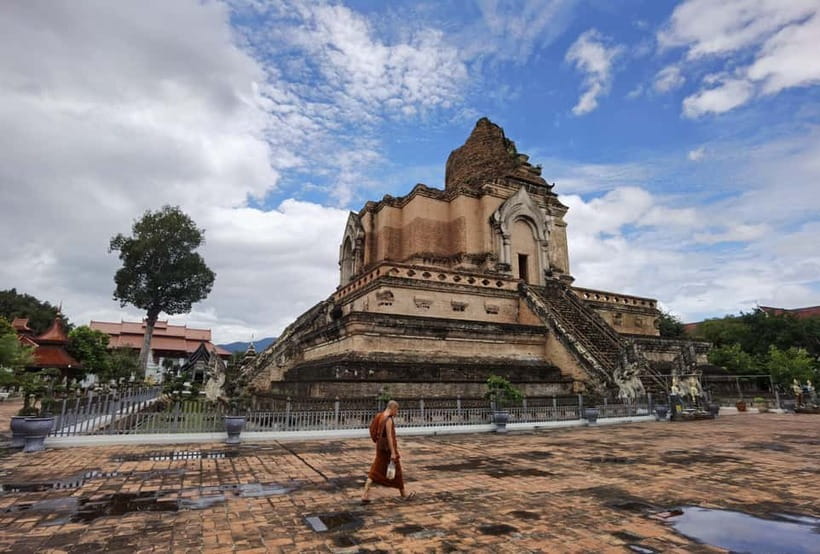
Wat Chedi Luang is the headline act at the start, mainly because it’s not fully intact. You’re looking at the ruins of a massive stupa (chedi) that originally dates to the 14th century. Then comes the key story: it was severely damaged by an earthquake in 1545.
That matters because the damage isn’t hidden behind new building. You can see the scale of what once stood here, and you can feel why the site is still famous. Even if you’re not a history nerd, ruins change how you view temples. They stop feeling like static monuments and start feeling like living landmarks that outlast disaster.
At this first stop, your ex-monk guide usually frames the place in Buddhist terms: why stupas are meaningful, how temple spaces communicate religious intent, and how people understand restoration and sacred space over time. It’s also a good moment to ask about “what you’re looking at,” because the chedi is visually complex and easy to misread as just old stone.
Practical drawback: this is where you’ll likely feel the heat the most, since it’s early morning but not early enough to ignore direct sun. Plan for it. Wear sun protection and go in hydrated.
Entrance fee: 50 THB (not included).
Wat Pan Tao: Lanna-Style Ordination Hall and Buddha-Life Murals
From Wat Chedi Luang, you walk a short distance to Wat Pan Tao. This stop is smaller and quieter than the first temple, which is part of its charm. Instead of focusing on scale, it focuses on detail—especially Buddhist art.
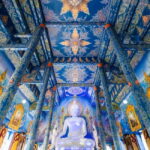
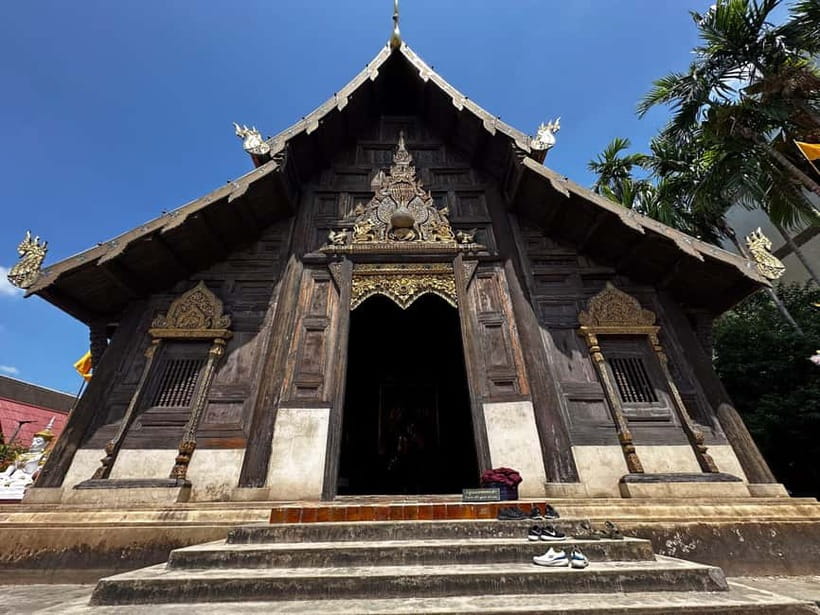
Wat Pan Tao is known for a Lanna-style ordination hall, and that’s not just an architectural label. You’ll get a chance to understand what an ordination space represents in monastic life and why the style matters in northern Thailand. The ex-monk perspective helps here because the guide can connect what you see in the building to what it means in practice.
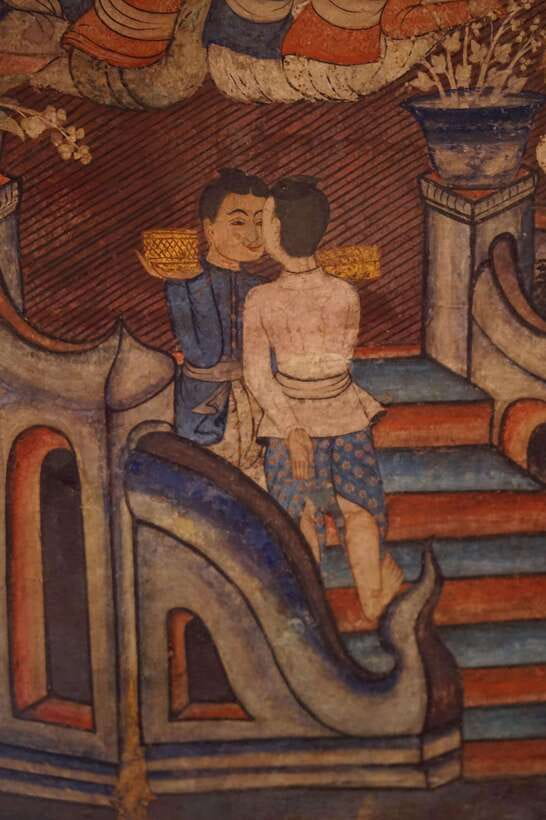
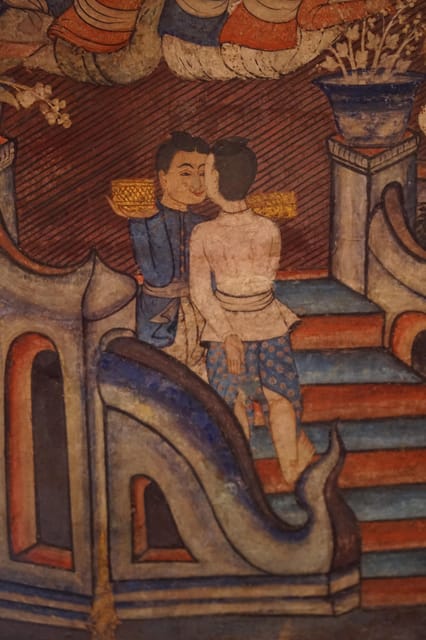
Then there are the murals. The murals depict scenes from the life of the Buddha, and that’s where the tour becomes more than viewing. With the guide explaining what the scenes are showing, you start to notice narrative patterns—how Buddhist stories are taught through images rather than text.
Why this matters for you: if Wat Chedi Luang teaches you about endurance and sacred space, Wat Pan Tao teaches you about meaning through story. Together, the two stops cover both the physical and the spiritual side of temple culture.
Tip: bring your questions. If you’ve ever wondered how Buddhism explains suffering, awakening, or daily ethics, murals are one of the easiest ways to see it explained visually.
Wat Phra Singh: The Monastery of the Lion Buddha
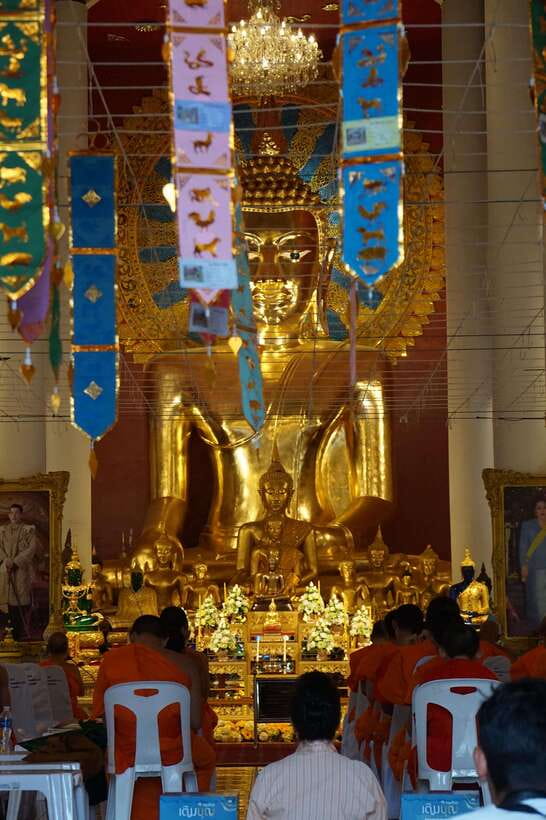
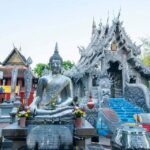
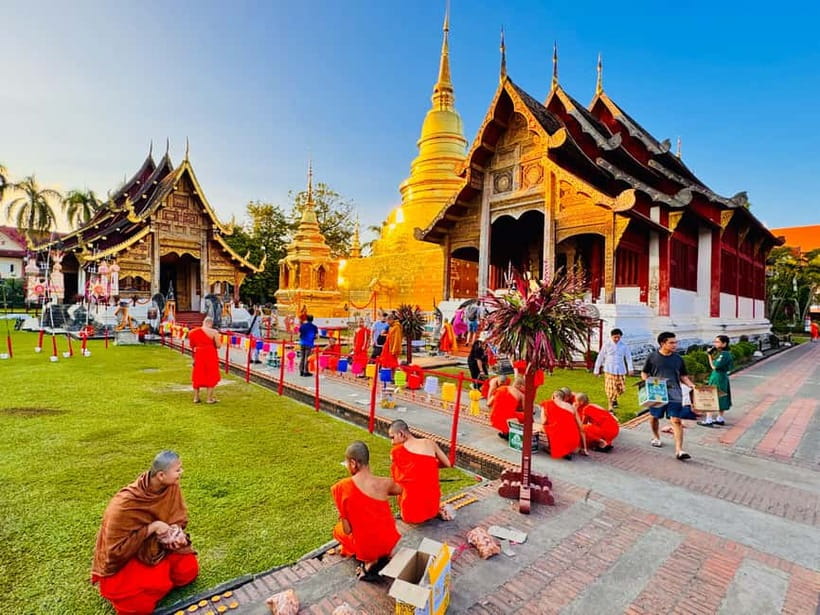
Next comes Wat Phra Singh, one of the most important temples in Chiang Mai. This is the stop that tends to feel the most “alive,” even for first-timers, because it centers on a highly revered relic.
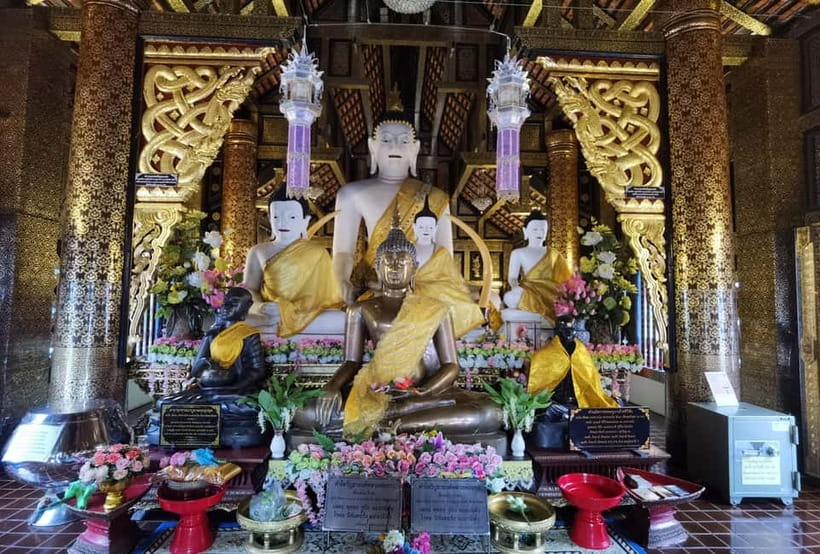
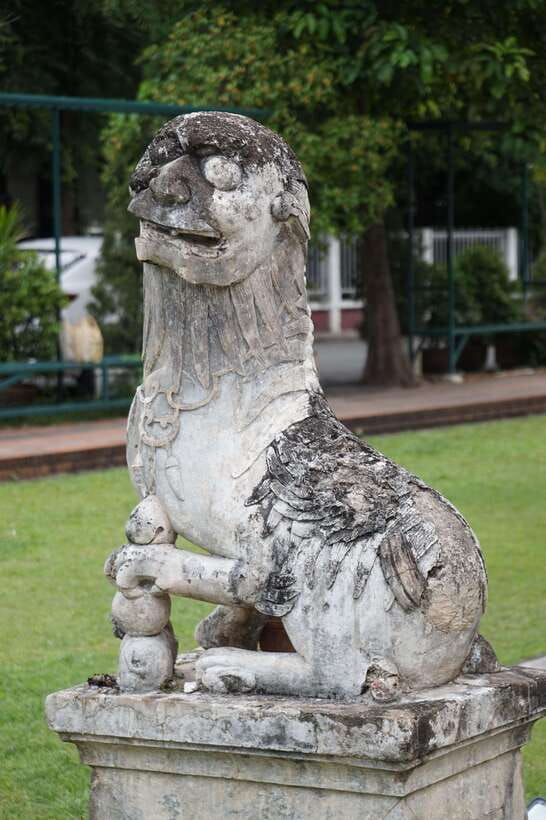
The star here is the Phra Singh Buddha statue, a major devotional image that people treat with real reverence. Your guide will help you interpret the statue and the meaning behind temple layout and worship behavior. If you’ve only seen Buddha images in photos back home, this is where it clicks. The statue isn’t just artwork—it’s the focus of faith, ceremonies, and daily religious rhythm.
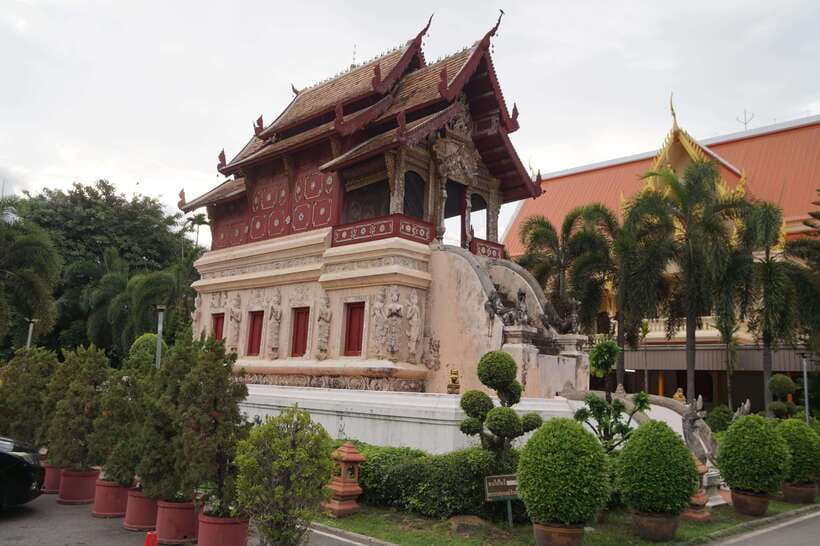
Wat Phra Singh is also known for beautiful architecture and grounds. Compared to the ruined chedi, you’ll feel the difference immediately: less “what was,” more “what is still used.” That change is valuable, because it stops the tour from becoming only about history. You get both the past and the present.
Entrance fee: 40 THB (not included).

How the Ex-Monk Guide Turns Temple Sightseeing Into Real Understanding
The reason this tour consistently gets high marks is simple: your guide isn’t repeating temple facts from a brochure. An ex-monk can explain the inside angle—the mindset behind prayers, the meaning of temple spaces, and why certain traditions look the way they do.
Here’s what I’d focus on if you want maximum value:
- Ask about Buddha postures and what each position means. The guide can usually connect statue details to teachings.
- Ask about monk life and the transition from monk to layperson. Several guides on this tour are comfortable answering the deeper human questions, not just the tourist ones.
- If you want a quieter, more focused moment, ask whether there’s a short meditation practice at the start. Some versions of this tour include a brief meditation session that helps you slow down before walking between temples.
You’ll also likely learn practical “how to” basics about temple behavior—things like how people show respect during worship and what to watch for around shrines and objects. Those small details matter. They help you avoid the awkward feeling of not knowing where to stand or what gesture is appropriate.
Also, a lot of the enjoyment comes from the guide’s tone. The ex-monk guides often bring humor and patience, so questions don’t feel like interruptions. That makes a big difference during a 4-hour walk, where attention can fade if the group feels managed too tightly.
What to Wear, Bring, and Expect From the Temple Rules
This tour includes temples with active cultural and religious practice, so the rules aren’t “suggestions.” The tour lists clear clothing and behavior limits. Don’t risk it—prepare your outfit before you leave.
Not allowed:
- Shorts
- Short skirts
- Sleeveless shirts
- Smoking (and smoking indoors)
- Drones
- Climbing
- Alcohol and drugs
- Nudity
So what should you wear? Go for breathable pants or long skirts, a top with sleeves, and closed-toe shoes if possible. You’ll be walking a fair amount, and temples aren’t ideal places for flimsy footwear.
Bring for comfort:
- Water and sun protection (it can get intense)
- A light layer you can adjust to shade
- Small cash for entrance fees (since they’re listed and you’ll need them on arrival)
If you’re sensitive to heat, choose an outfit that isn’t heavy but still meets the dress rules. The tour typically includes breaks when it gets too hot, but you’ll feel better if you’re proactive.
Who Should Book This Tour (and Who Might Skip It)
This tour fits best if you want a structured way to see Chiang Mai’s most recognizable temples while learning Buddhism from a perspective you usually can’t get from a standard guide.
You’ll probably love it if:
- You’re curious about Buddhism, history, and temple meaning
- You like asking questions in a small-group vibe
- You prefer walking tours where stops are explained, not just “photo time”
It’s not suitable for:
- Pregnant women
- Babies under 1 year
- People over 95 years
If you’re in good mobility shape, the walking pace is manageable. If you have walking limitations, you’ll want to think carefully about temple stairs and uneven surfaces.
Should You Book Chiang Mai’s Ex-Monk Temple and City Walk?
Yes, if you want your Chiang Mai temple visit to make sense, fast. This tour offers a rare advantage: an ex-monk guide who can explain what you’re seeing in a way that stays grounded. For most people, the best payoff is the combination of three distinct temple experiences—ruins at Wat Chedi Luang, art and ordination at Wat Pan Tao, and devotion focused on the Phra Singh Buddha at Wat Phra Singh.
Book it if you’re comfortable walking and ready for dress rules. Skip it if you’re looking for casual sightseeing only, or if you don’t like the idea of paying separate entrance fees.
Bottom line: for the money, you’re not just buying temples. You’re buying context, and that changes how the whole Old City feels.
FAQ
What temples are included on this Chiang Mai walking tour?
You visit three temples: Wat Chedi Luang, Wat Pan Tao, and Wat Phra Singh.
What time does the tour start?
The tour starts at 08.20 am.
How long is the tour?
The duration is 4 hours.
What does the $15 price include, and what doesn’t it include?
It includes the guide and the walking tour. Entrance fees are not included: Wat Chedi Luang (50 THB) and Wat Phra Singh (40 THB).
What languages is the tour guide available in?
The live tour guide is available in Thai and English.
What are the main dress or behavior rules?
Shorts, short skirts, sleeveless shirts, smoking, drones, climbing, alcohol and drugs, and nudity are not allowed.
Is this tour refundable if plans change?
It offers free cancellation up to 24 hours in advance for a full refund.