REVIEW · BANGKOK
From Bangkok: Death Railway & River Kwai Bridge Private Tour
Book on GetYourGuide →Operated by LJ Tour Cultural and Soft Adventure Tours · Bookable on GetYourGuide
The Death Railway ride lands hard. This private day trip uses an early hotel pickup to get you out of Bangkok and into Kanchanaburi for WWII context, a visit to the War Cemetery, then the train stretch people remember most. I especially like how the tour pairs museum facts with respectful stops, and how guides like Wes or Johnny make the story clear. One thing to plan for: it’s an emotionally heavy route and a long drive day, so traffic can stretch the schedule.
I also like the “you get your own pace” setup of a private group, plus the small transport details that make it easier. The air-conditioned car, arranged entrance fees, and the included train ticket mean you spend less time figuring things out and more time looking, listening, and asking questions. The possible drawback is simple: it’s not wheelchair-friendly, and the train seating can feel stiff, so bring a travel cushion if you’re sensitive.
In This Review
- Key highlights you’ll care about
- Early Morning Pickup From Bangkok: Worth It For the Long Day
- Burmese Railway Museum: Context Before You See the Bridge
- River Kwai Bridge + War Cemetery: The Story Gets Personal
- Death Railway Train Ride: The Best Part, With the Most Contrast
- Kra Sae Cave: A Change of Pace That Still Fits the Day
- Lunch and Comfort: The Parts That Make a 2-Way Drive Feel Manageable
- Price and Value: What You’re Paying For at $169 Per Person
- Who This Tour Fits Best (and Who Should Rethink It)
- Should You Book This Death Railway Day Tour?
- FAQ
- How long is the Death Railway & River Kwai Bridge private tour from Bangkok?
- What does hotel pickup and drop-off include?
- Is the train ticket included, and how long is the train ride?
- What are the main stops during the day?
- Is lunch included in the price?
- Can the museum or cemetery operate in the afternoon?
- Is this tour suitable for wheelchair users?
Key highlights you’ll care about
- Very early Bangkok hotel pickup so you reach Kanchanaburi before the day gets busy
- Interactive Burmese Railway Museum that explains the Thailand–Burma Railway story with photos and models
- River Kwai Bridge + War Cemetery in the right order for context before you ride
- A Death Railway train ticket with help for getting a good seat and views
- Kra Sae Cave stop for a change of pace after the WWII sites
- Lunch included at a local Thai restaurant as part of the day plan
Early Morning Pickup From Bangkok: Worth It For the Long Day
This tour is built for the logistics of getting out to Kanchanaburi. You start with an early pickup right from your hotel lobby in central Bangkok, then ride in an air-conditioned private vehicle with a driver. That matters, because the road trip is roughly 2 to 2.5 hours each way, and you’ll want the ride handled so you don’t waste the morning hunting for taxis or arranging transfers.
Once you’re on the road, you’ll appreciate the “real-world” comfort touches. In multiple guide experiences, people noted the car stays cool and the stops feel planned rather than chaotic. You’ll also see why private transport gets praised: your guide can adjust to what you need on the spot, and you won’t be waiting on a group shuffle.
One more practical note: the schedule starts early, and even when everything runs smoothly it’s still a big day. If you’re prone to motion sickness or early mornings, plan for it. If you want a calmer day with zero rush, this is not that kind of outing.
You can also read our reviews of more tours and experiences in Bangkok.

Burmese Railway Museum: Context Before You See the Bridge
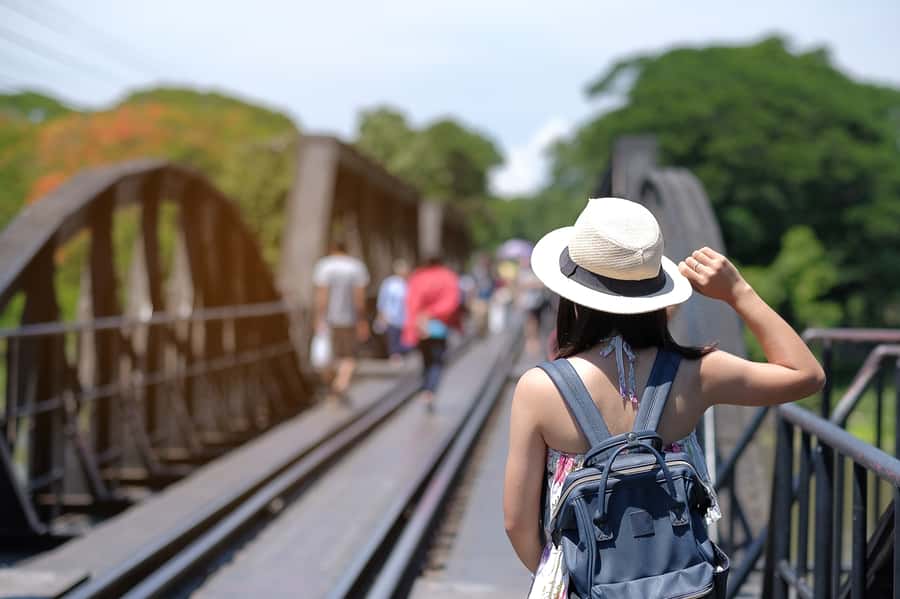
The first major stop is the interactive Burmese Railway Museum, designed to set the background before you reach the River Kwai area. You get around 40 minutes here, and it’s time well spent because you learn what the Thailand–Burma Railway was and why it was built in 1943 under Japanese orders.
What I like about this stop is that it doesn’t stay abstract. The museum uses period photos and models, plus interpretive displays, so you can connect names and events to places you’ll see later. This is also where a good guide becomes a big value. Guides such as Wes, Mr King, and George are repeatedly singled out for putting the pieces together in clear English and helping you understand how prisoner labor shaped what happened.
Possible drawback: if your museum visit lands in the afternoon window, you might feel a bit rushed depending on closing times. The tour information does note that the museum and cemetery can operate in the afternoon, so ask your guide what to expect for your day and be ready to follow their timing cues.
River Kwai Bridge + War Cemetery: The Story Gets Personal
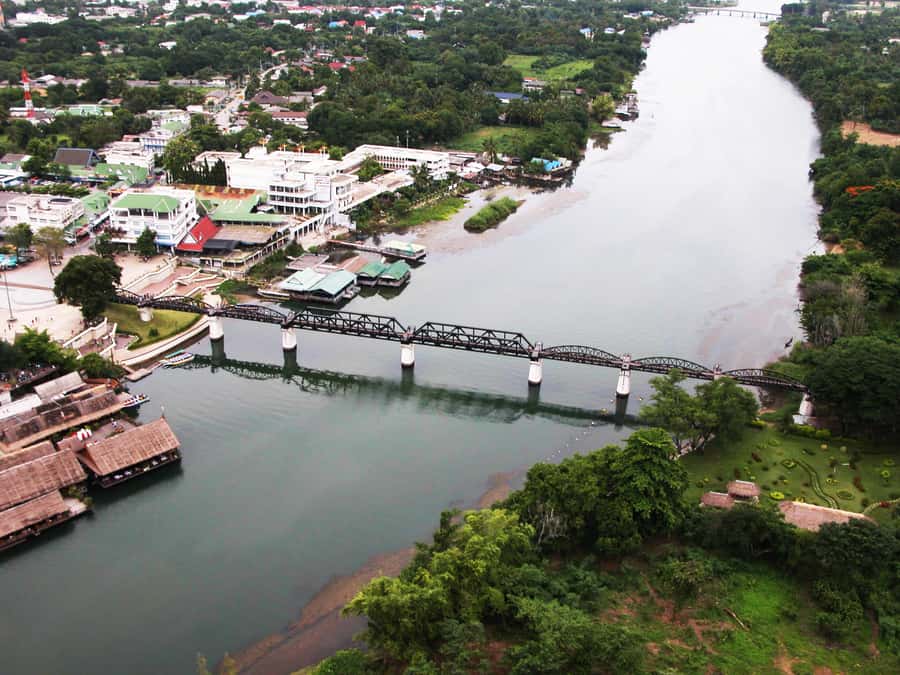
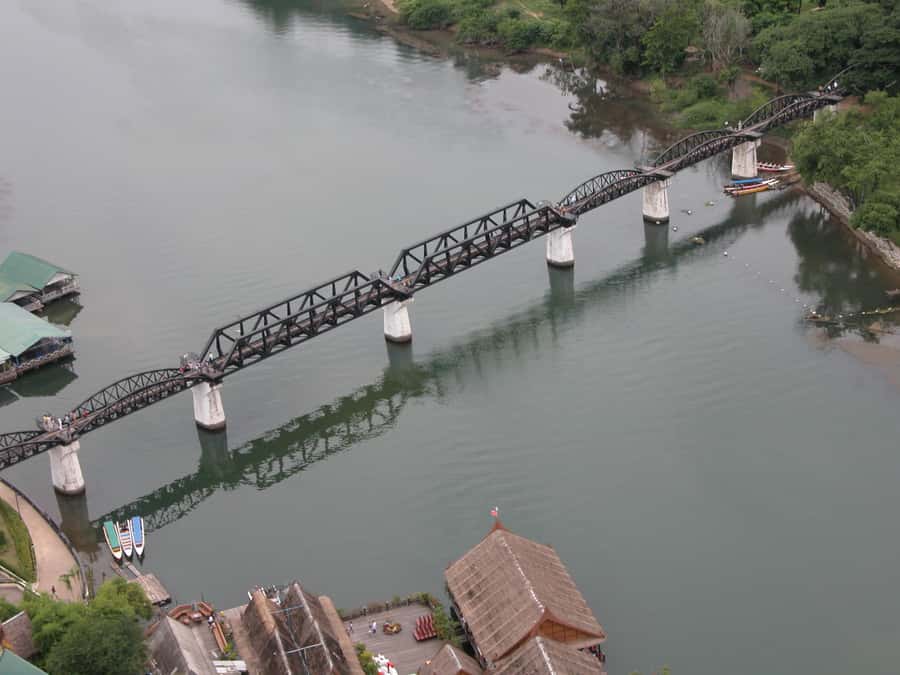
After the museum, the itinerary moves into the places where history turns from information into memory. You’ll have a photo stop and a guided visit at the River Kwai Bridge area—specifically an opportunity to see the original bridge over the river. This is one of those moments where the scenery can look calm, yet the meaning isn’t. That contrast is part of why it hits so hard.
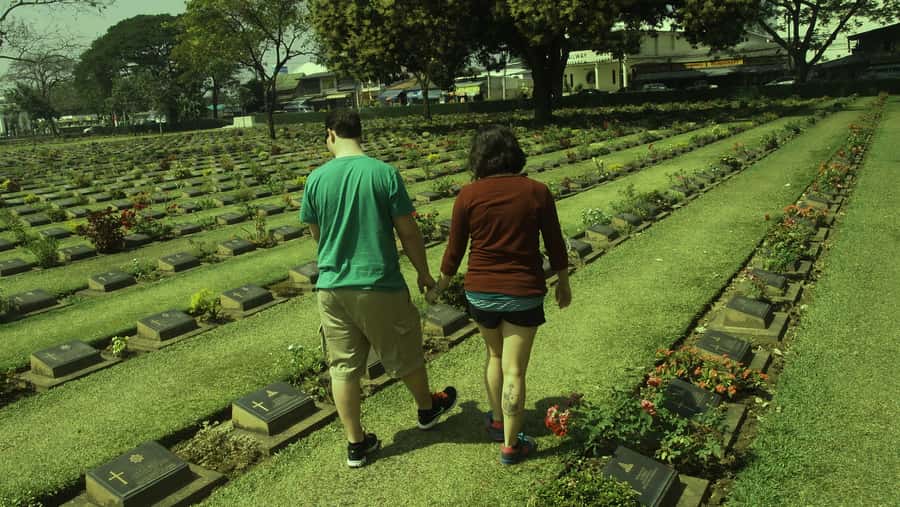
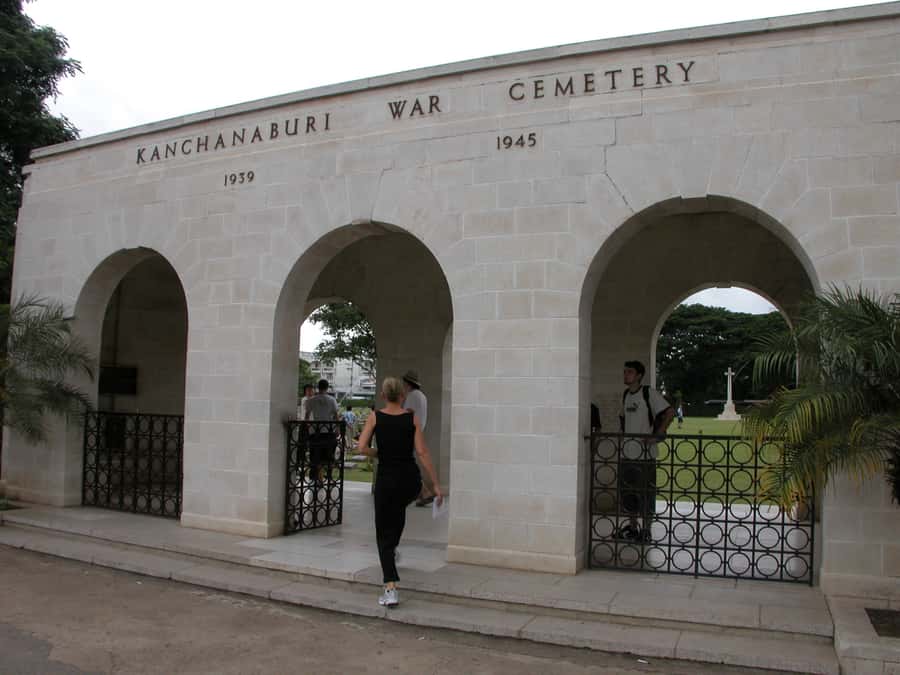
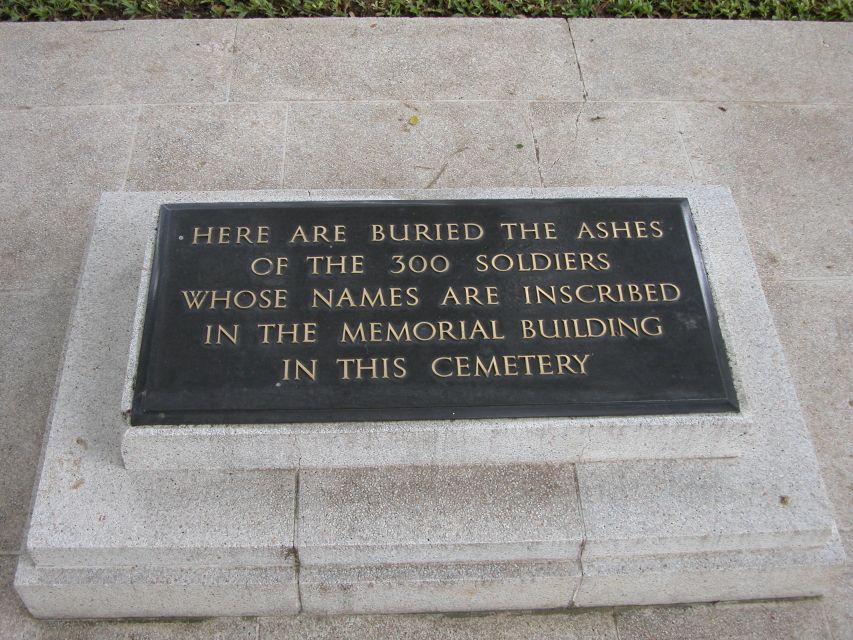
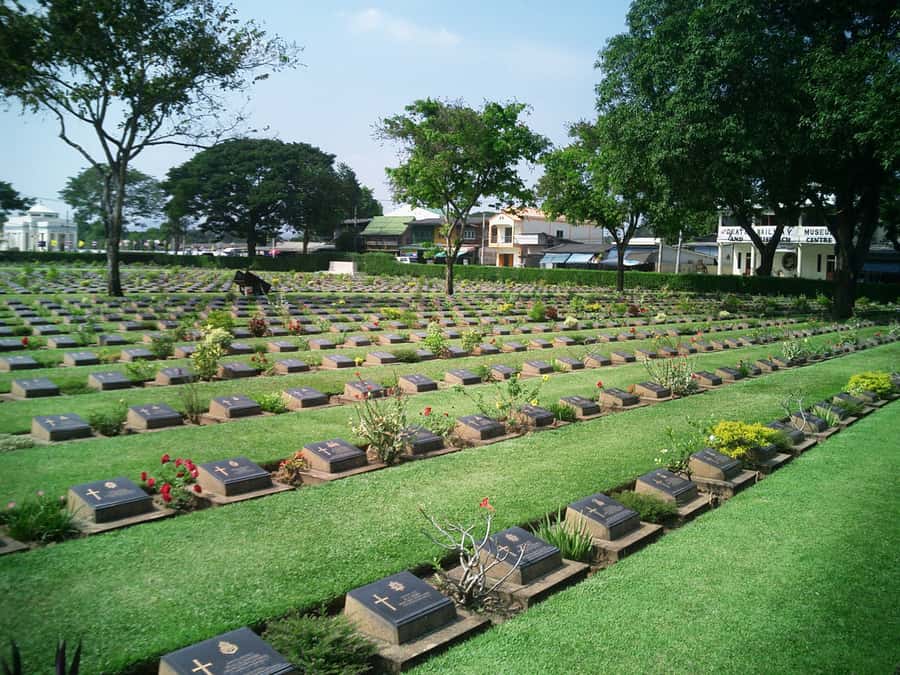
Then you visit the Kanchanaburi War Cemetery and pay respects. This stop is tied to the memorial for around 6,000 Allied prisoners of war. If you want the emotional impact to land, this is where you give yourself a few minutes to slow down. You’re guided, but you’re also allowed time to look at the rows and take in what the site represents.
A small but meaningful detail: many people mention that the day doesn’t feel like a checklist. Guides tend to keep things moving, but not in a pushy way. And if you’re the type who likes to pause for photos or read memorial plaques, you’ll usually get that breathing room.
Death Railway Train Ride: The Best Part, With the Most Contrast
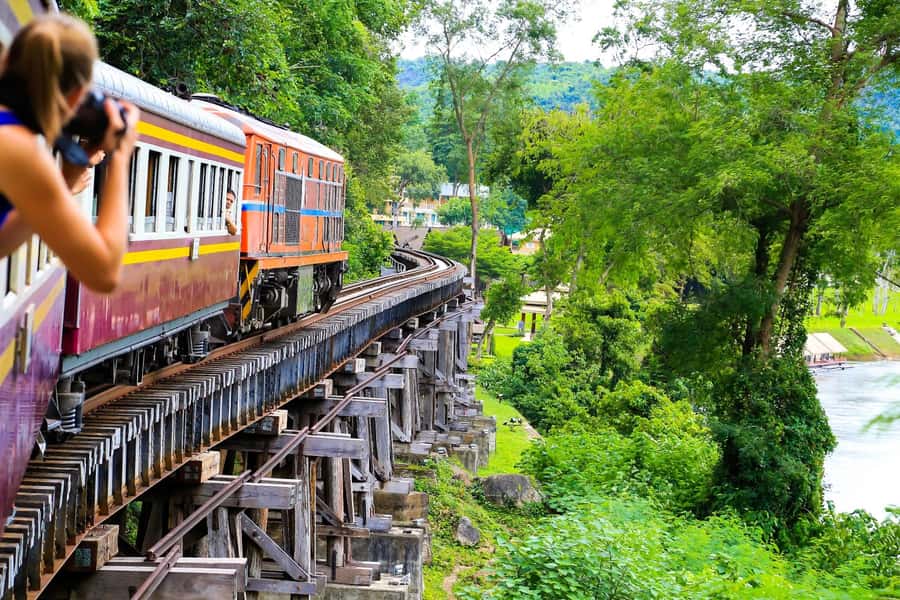
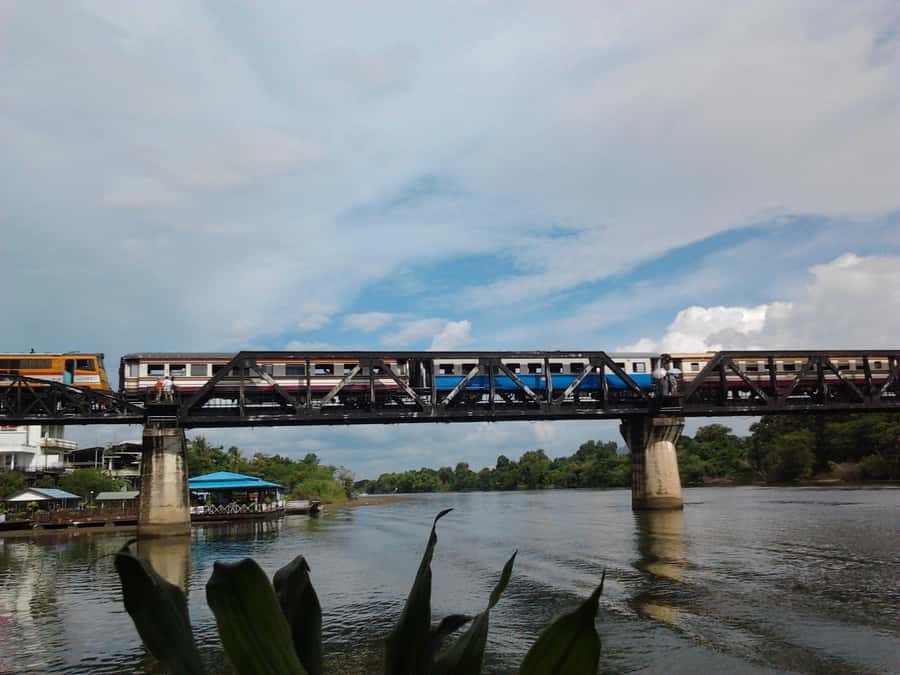
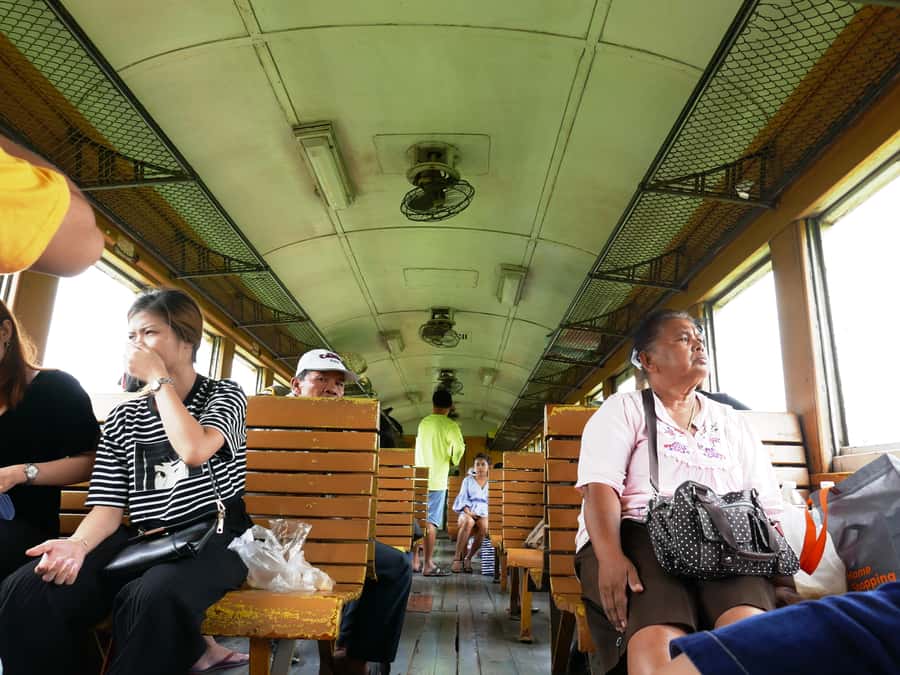
The centerpiece is the Death Railway train experience. You ride on the notorious line constructed by prisoners of war on orders from the Japanese, and that makes the short ride feel bigger than its length. The tour includes a train ticket, listed at about 40 minutes, and the ride often comes with the bonus of good scenery and a sense of seeing how the track sits in the area.
Here’s what matters for your experience: seat strategy. Multiple guides are praised for helping passengers get a good spot on the platform and ensuring you board comfortably. If you want photos, this is the time to let your guide handle positioning. It’s a small thing, but it can make your trip feel more “made for you.”
Comfort tip: train seating can be wooden. One practical recommendation you’ll see echoed is bringing a small cushion. It’s the kind of advice that costs nothing and can save your legs and backside for the rest of the day.
One more contrast that’s worth knowing: you don’t just ride. You also have time around the bridge and Tham Kra Sae area connections that let you see the tracks and the environment from different angles. That gives you a fuller picture than a train-only stop.
Kra Sae Cave: A Change of Pace That Still Fits the Day
After the hardest-hitting sites, you head to Kra Sae Cave. You get a short photo stop and guided time here. The cave stop is generally framed as a brief break from the WWII focus—nature, views, and a different kind of walking than you do at the cemetery.
What I like about this addition is pacing. Without it, a Death Railway day can feel like pure intensity from start to finish. The cave stop gives you a moment to reset, get some air, and see another side of the Kanchanaburi region.
Practical consideration: wear comfortable shoes. Even when the walking time is brief, you’re moving between stops with changing terrain and lots of standing for views and photos.





Lunch and Comfort: The Parts That Make a 2-Way Drive Feel Manageable
Lunch is included, and it’s typically at a local Thai restaurant. In different guide experiences, people have mentioned everything from classic Thai dishes like pad see ew to buffet-style meals. What you can count on is that lunch is treated as part of the flow, not an afterthought.
This matters because it’s easy to make day trips miserable when you’re hungry and stuck in a long queue. Here, the meal time is built in, so you can refuel without losing the day.
Comfort-wise, guides and drivers often get strong credit for keeping things smooth. You’ll likely get cold bottled water at stops, and the vehicle stays air-conditioned through the drive. In reviews, the driver is frequently described as professional and safe—exactly what you want on a long road between Bangkok and Kanchanaburi.
If you’re sensitive to long days, bring a bit of patience. Traffic can lengthen the schedule. One person noted the day ran longer than expected, and that’s the most common reality of leaving Bangkok early: roads don’t always cooperate.
Price and Value: What You’re Paying For at $169 Per Person
At $169 per person for an 8-hour private tour, you’re not paying just for tickets. You’re paying for the whole package: early pickup from your hotel, air-conditioned private transport, an English-speaking guide, all entrance fees, the train ticket, and lunch.
The best value here is the guide factor. This isn’t just a “see the sights” day. You’re dealing with WWII sites tied to prisoner labor, and you’ll get more out of the experience if someone explains the why behind what you see. People consistently praise guides like Johnny, Wes, Mr King, and George for clarity and for keeping the day thoughtful rather than rushed.
You’re also paying for time efficiency. Doing this on your own can be doable, but you’d have to stitch together museum access, cemetery stops, the bridge area, and a workable plan for the train ride. This tour takes away that coordination stress.
When the price might not feel like a bargain: if you truly prefer to travel on your own schedule and already know how to plan this route independently. If you want history explained while someone handles the timing, the private format is where the money tends to feel justified.
One more practical point: the tour says travel insurance is included, and entrance fees and expressway fees are covered. That helps reduce surprise costs.
Who This Tour Fits Best (and Who Should Rethink It)
This private tour style works best if you want three things at once:
1) WWII context that makes the sites meaningful
2) a guided plan you can follow at your pace
3) the practical comfort of private transport from Bangkok
It’s also ideal if you want the train ride as part of a full day, not as a standalone excursion. The cave stop and lunch keep it from becoming only solemn sites.
Who might rethink it:
- If you need wheelchair access, this tour isn’t suitable.
- If you hate early mornings and long drives, the Bangkok-to-Kanchanaburi travel time may feel like too much.
- If you’re easily overwhelmed by war memorials and WWII prisoner history, take care with pacing. A slower day might suit you better.
Should You Book This Death Railway Day Tour?
I think you should book if your goal is a guided, well-timed day that connects museum background to the bridge, the cemetery, and the train ride. The biggest reasons to go are the private setup, the inclusion of the train ticket and lunch, and the way guides like Wes and Johnny make the story understandable without turning it into a lecture.
Skip it if you want a light, casual outing or if the idea of visiting war memorial sites won’t work for your mood. Also consider bringing a small cushion for the train and planning for a long day from Bangkok, especially if traffic might affect your return.
If your schedule allows, this is one of those routes that gives you both the facts and the feelings. That combination is hard to recreate on your own without extra planning.
FAQ
How long is the Death Railway & River Kwai Bridge private tour from Bangkok?
The tour duration is 8 hours.
What does hotel pickup and drop-off include?
Pickup and drop-off are included from your hotel lobby in Bangkok city center, with multiple pickup and drop-off location options in central areas.
Is the train ticket included, and how long is the train ride?
Yes. The tour includes a train ticket, and the train time is listed as about 40 minutes.
What are the main stops during the day?
You’ll visit the Burmese Railway Museum, the River Kwai Bridge area, the Kanchanaburi War Cemetery, ride the Death Railway by train, and stop at Kra Sae Cave. Lunch is also included.
Is lunch included in the price?
Yes. Lunch is included.
Can the museum or cemetery operate in the afternoon?
Yes. The museum and war cemetery may operate in the afternoon, depending on the day.
Is this tour suitable for wheelchair users?
No. It is not suitable for wheelchair users.