REVIEW · CHIANG MAI
Chiang Mai: White, Blue & Red Temples Tour with Lalitta Cafe
Book on GetYourGuide →Operated by LocalCNXTours · Bookable on GetYourGuide
If art temples are your thing, this trip delivers. I like how the day mixes major Chiang Rai sights with a chill break at Lalitta Cafe. I also like that it’s small-group friendly with an English guide, so you’re not just shuttled around with no context.
One thing to consider: the day is long (early start, late return), and the pace can feel like a lot of seats in a van if you’re sensitive to bus time. Also, if Red Temple is a must for you, confirm it matches your exact option before you go.
In This Review
- Quick hits before you go
- Chiang Mai to Chiang Rai in one day: why this route works
- Timing note
- White Temple and Blue Temple: modern art with Buddhist roots
- Practical tip for both temples
- Red Temple option: what to expect and what to confirm
- Hot springs stop: relaxing toes, not a full swim
- What to bring in spirit
- Longneck Karen Village: interesting, but plan your mindset
- Lalitta Cafe: the fairytale break with real timing value
- What to try
- Lunch and vegetarian needs: plan for labels and options
- Transportation, guide style, and the small-group feel
- Seating and comfort
- A note about guide names
- Temple rules you’ll actually use on the day
- Costs and extra fees: what the $43 really covers
- Drink discount at Lalitta Cafe
- Who should book this tour (and who should skip it)
- Should you book this Chiang Rai White-Blue-Red Temples tour with Lalitta Cafe?
- FAQ
- What’s included in the Chiang Rai temples tour?
- How long do I spend at Lalitta Cafe?
- Which temples are included?
- Can I visit the Longneck Karen Village?
- Can I swim in the hot springs?
- Are there extra fees I should know about?
- What should I wear for temple visits?
Quick hits before you go
- White Temple plus Blue Temple: modern Thai art meets Buddhist symbolism in a way that’s easy to photograph and fun to interpret.
- Hot spring stop is toes-only: you get a relaxing natural soak vibe, but not a full swimming session.
- Lalitta Cafe time depends on your option: 30 minutes with the 3-temple plan, 1 hour with the 2-temple plan.
- Karen/Longneck Village is optional: included only if your package selects it.
- Budget for extras: Red Temple elevator and a White Temple fee kicking in from Jan 2026 can add up.
- Dress matters in temples: shoulders and knees covered, and shoes off in the main chapel area.
Chiang Mai to Chiang Rai in one day: why this route works
This tour is a smart way to see Chiang Rai without giving up your whole trip to packing and switching hotels. You start in Chiang Mai, then spend the day on the “greatest hits” side of Chiang Rai: iconic art temples first, a thermal break, and a famously photogenic café.
I like the shape of the day. It’s not just temples, temple, temple. The hot spring stop gives your feet a rest, and the café stop lets you reset your brain before you head back to Chiang Mai around 8–9 pm.
You can also read our reviews of more tours and experiences in Chiang Mai.


Timing note
Plan for a full day. Even if the stops are well organized, it’s still a one-day push across provinces, so bring a light layer (air-conditioning on the van can be cold) and keep your phone charged.
White Temple and Blue Temple: modern art with Buddhist roots
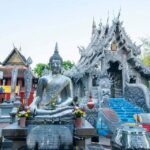
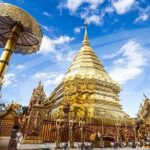
Chiang Rai’s White Temple (Wat Rong Khun) is one of those places where you either love it right away or you need a minute to adjust your expectations. It’s a modern art temple built by one of Thailand’s visionary artists, and the vibe is imagination-first rather than old-style temple austerity.
I like that the guide helps you read it. You’re not just looking at white surfaces; you’re seeing it as a designed message—symbolic and playful at the same time. The White Temple visit is also where you should be ready for the extra fee situation (more on that below).
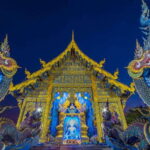
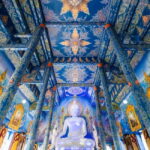
Then you hit the Blue Temple, a big visual jump. It’s vibrant in color and intensity, and it’s a good reminder that Chiang Rai mixes contemporary creativity with Buddhist sites. If White Temple makes you think in metaphors, Blue Temple pushes you toward mood and design—bright, bold, and very photo-friendly.
Practical tip for both temples
Go slow in the main viewpoints. People rush for the perfect angle, then miss the details. Take a few moments to look at the patterns and the way the structure frames the space before you sprint to your next photo.
Red Temple option: what to expect and what to confirm
The Red Temple you’re offered is Wat Huay Pla Kang. The story behind it is unusual: it began from a smaller monk office and grew over several years into the temple you see today, guided by a monk named Phra Ajarn Phob Chok.
Stylistically, it’s not what most first-time visitors expect from a Thai temple. The shapes and structure feel like a statement—designed to catch your eye, but also built with spiritual intention.
Two practical considerations:
- The tour data lists an extra elevator fee of 40 baht as not included, which matters if you want to use the elevator inside the Red Temple area.
- If your main reason for booking is the Red Temple specifically, double-check that your chosen option includes it on your departure day. On some schedules, time blocks can shift when the optional Longneck Karen Village is added.


Hot springs stop: relaxing toes, not a full swim
This is not a beach-day hot spring. The stop at the Mae Khachan hot springs is built around short relaxation. You won’t be swimming, but you can enjoy a break and even do the classic “hot pool” toe-in experience (and the tour description mentions a pedicure in the hot pools).
I like this as a pacing tool. When you’ve been walking around temples, standing in heat helps loosen things up without turning the day into a messy mud marathon. It also gives you a chance to cool down inside the van afterward.
What to bring in spirit
Wear flip-flops or sandals you can manage easily. The tour doesn’t mention towel rentals or changing facilities, so assume you’ll want to keep it simple and avoid bringing anything fragile that can get splashed.
Longneck Karen Village: interesting, but plan your mindset
If you select the option, you’ll visit the Longneck Karen Village. This stop is popular because it feels like a cultural encounter that’s different from temple sightseeing—something more human-scale than stone and sculpture.
The tour includes an entry fee for the village if it’s selected, so you don’t have to scramble for that part on the day.
That said, go in with realistic expectations. This is not a casual stroll like a market in town. It’s a structured visit, and there can be waiting time depending on how the group is organized. If you’re sensitive to crowds, schedule stress, or feeling rushed, you may want to keep that in mind when choosing the 3-temple option (which tends to add more time in the day).
Lalitta Cafe: the fairytale break with real timing value
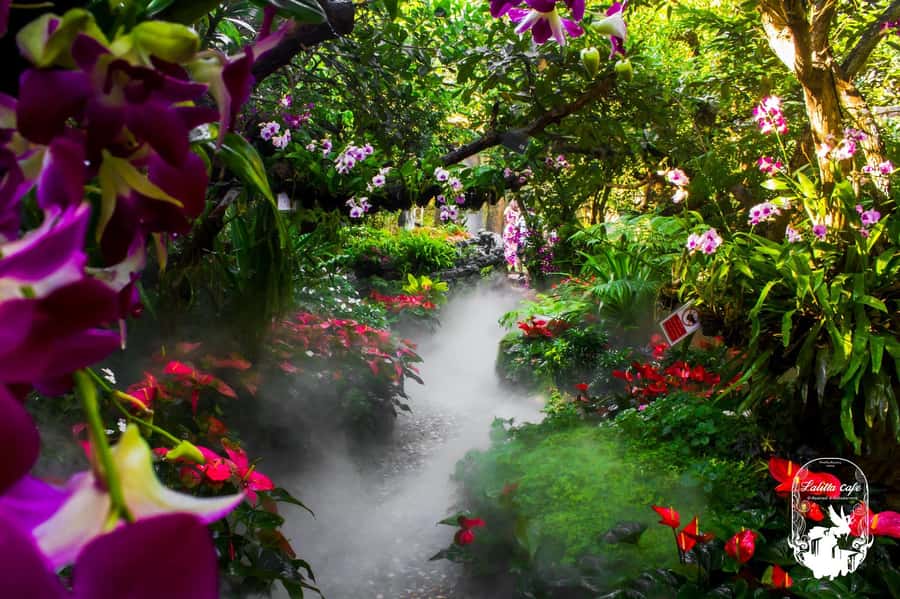
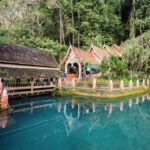
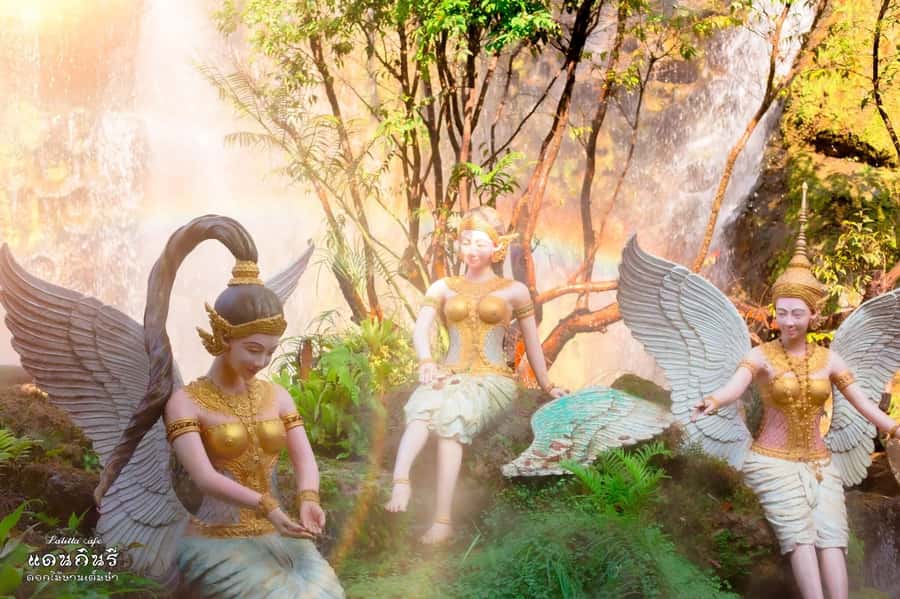
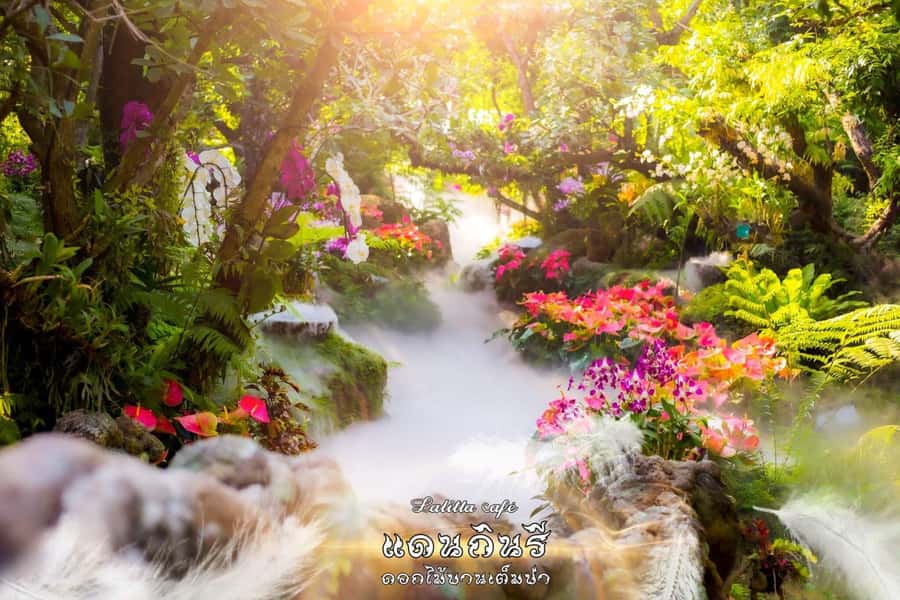
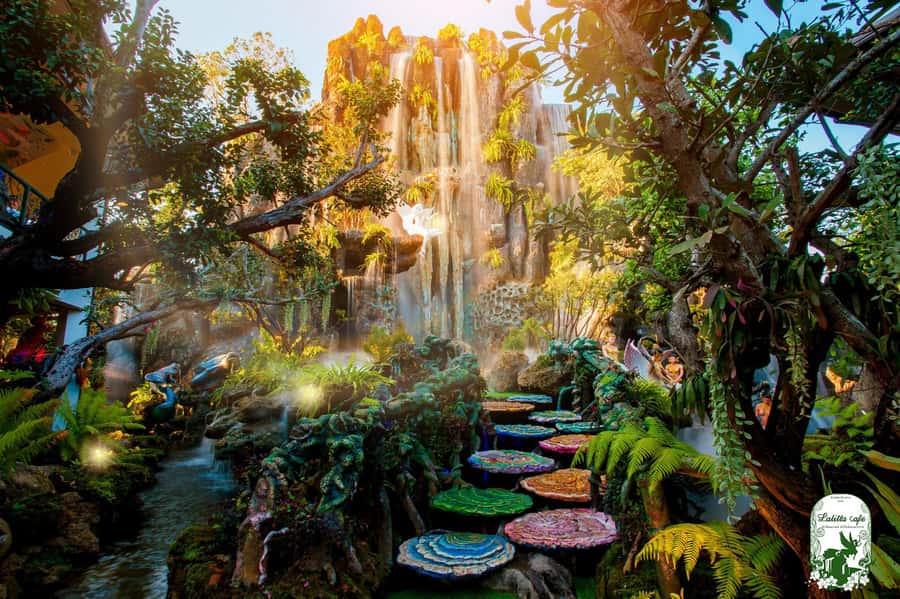
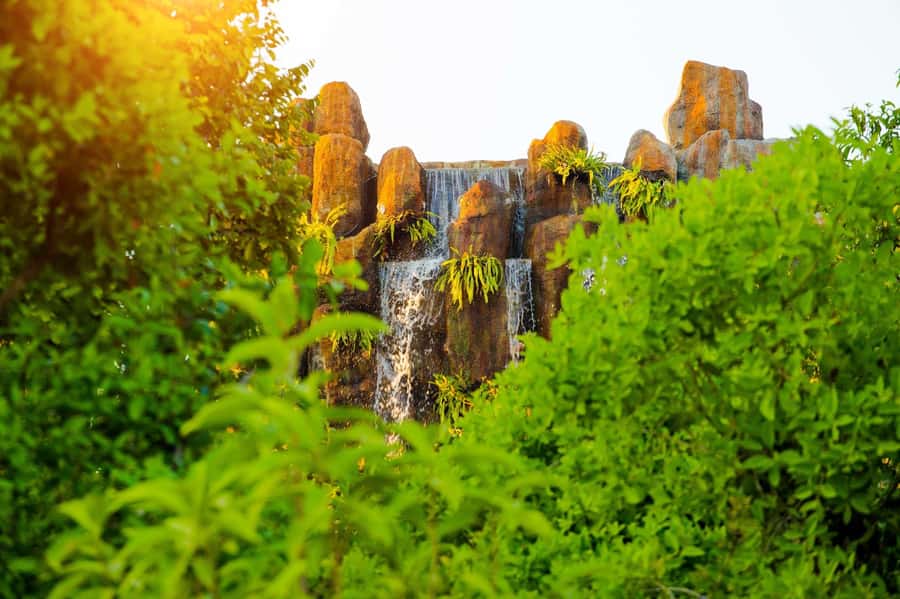
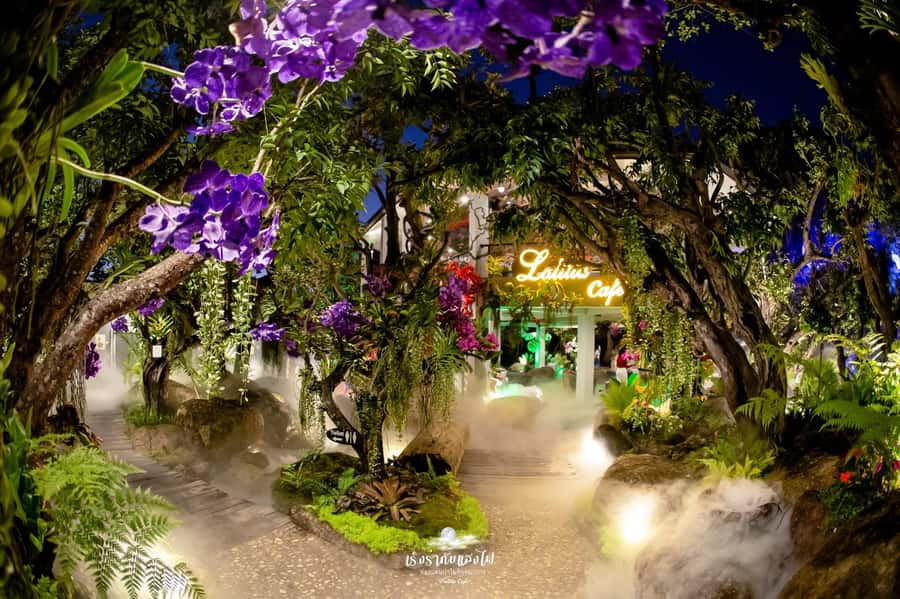
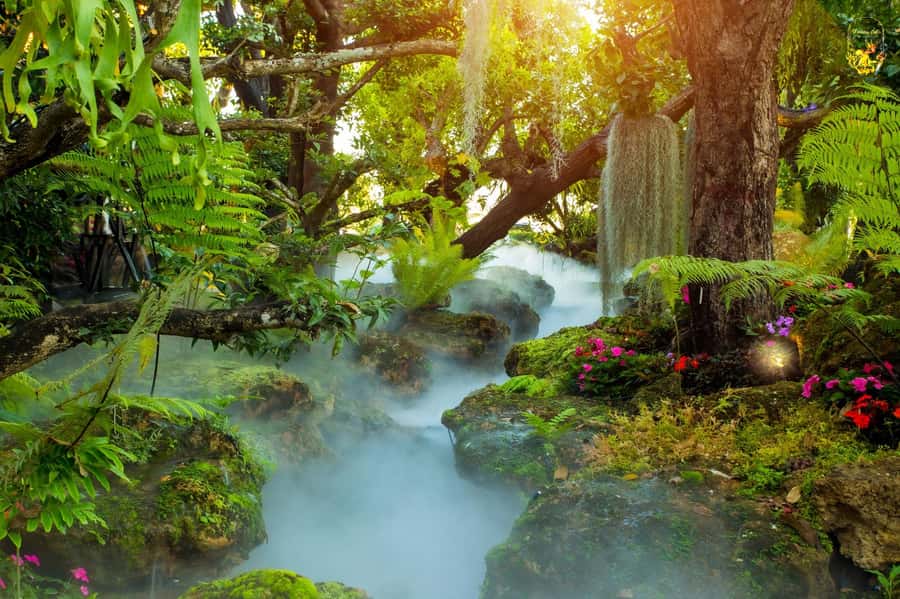
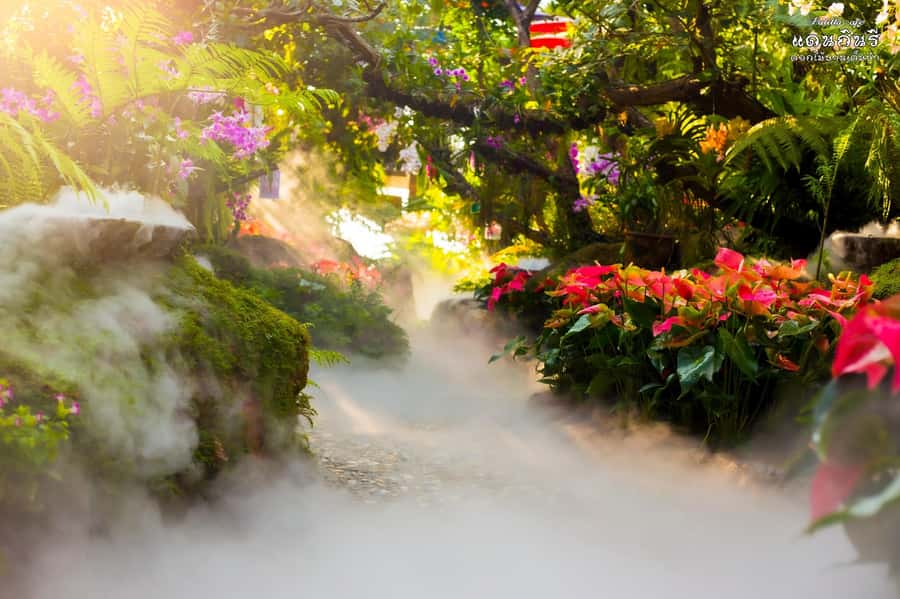
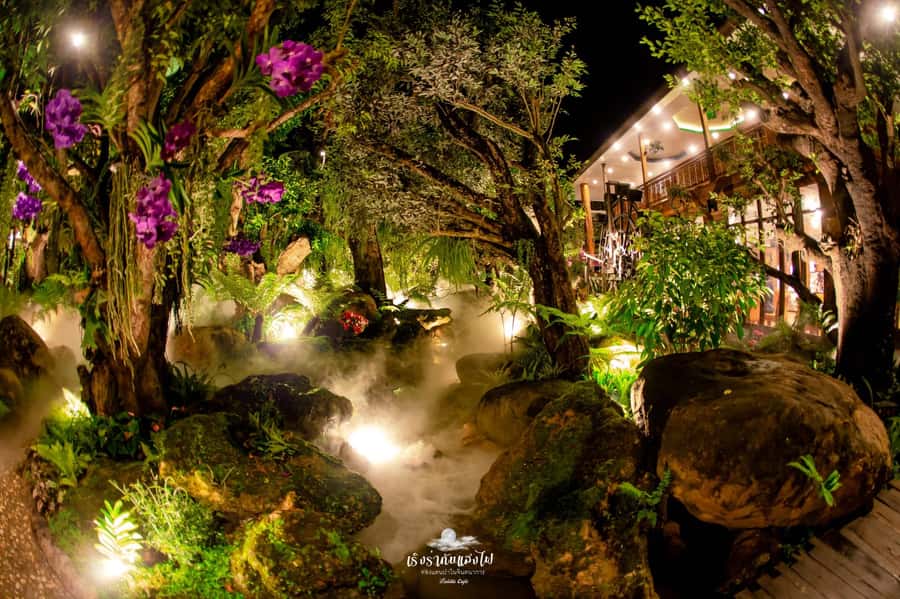
Lalitta Cafe is the kind of place that looks like it was designed for photos—greenery, cascading-water vibes, and that magical garden feel. It’s located in Chiang Rai in the Mueang Chiang Rai district, and the tour treats it as a genuine break, not just a quick drive-by.
Here’s the key detail that changes the value a lot: your package determines your café time.
- If you choose the 2-temple option, you get about 1 hour at Lalitta Cafe.
- If you choose the 3-temple option, you get about 30 minutes.
I’d pick the 2-temple plan if café time matters to you. A café stop isn’t just ordering food; it’s sitting, looking around, and letting the day slow down. With only 30 minutes, you’ll likely feel the need to rush your photos and your order.
What to try
Thai tea comes up as a standout drink. The café also sells cakes and snacks, and there’s even mention of a blue ice cream at the Blue Temple area (not inside the café, but still part of the day’s sweets energy).
Lunch and vegetarian needs: plan for labels and options
A buffet Thai lunch is included. That’s a big part of the value because it saves you from finding food in a tourist schedule.
But here’s the practical reality: buffet quality can vary, and vegetarian options may be limited. If you’re vegetarian or have allergies, the tour instructions say you should inform the guide so vegetarian food can be served upon request. Still, if you’re picky about flavor, spice level, or food labeling, don’t assume every buffet dish comes with clear ingredient information.
If vegetarian lunch is a top concern for you, I suggest you travel with a backup strategy: bring a small snack in your day bag for peace of mind, and communicate your needs clearly when you meet your guide.
Transportation, guide style, and the small-group feel
This is a small group limited to 10 participants, with hotel pickup and drop-off, plus an air-conditioned vehicle and a driver. The tour includes a private English-speaking tour guide, which makes a difference. Temples can be visually stunning, but without a guide, you often miss the meaning.
I also like that guides can help you move efficiently—where to stand, what to look for, and how to respect temple rules without turning it into a lecture.
Seating and comfort
The ride is generally described as smooth, but vans can feel cramped for some bodies. If you’re tall or broad-shouldered, reserve your seat preference when possible, and pack a small neck pillow or rolled jacket.
A note about guide names
English-speaking guides vary by departure. Names that come up include Joe, Andy, Puma, Peter, Sirin, Daniel, and Max. Whoever you get, the goal is the same: keep the day organized while giving you enough cultural context to make the temples more than just scenery.
Temple rules you’ll actually use on the day
This tour includes temple visits, so you’ll want to follow the standard Thai temple etiquette.
You’ll be asked to:
- Dress appropriately: cover knees and shoulders
- Take off your shoes before entering main chapel areas
- Behave respectfully in temple spaces
It’s not just politeness. Following the rules helps you avoid delays and keeps the experience positive for everyone in your group.
Costs and extra fees: what the $43 really covers
At $43 per person (up to 1), the value is mostly in the package deal: round-trip transport from Chiang Mai, English guide time, hotel pickup/drop-off, a Thai buffet lunch, temple entrance fees for standard activities, water, and travel accident insurance.
However, two extra charges can matter:
- White Temple fee: entrance can require an extra 100 baht per person starting Jan 1, 2026.
- Red Temple elevator fee: 40 baht not included.
Plus, tips aren’t included. If you know you’ll tip for good service, factor that into your total.
Drink discount at Lalitta Cafe
The tour includes a drink discount at Lalitta Cafe with a ticket. If you’re planning to have a drink anyway, that small discount offsets part of the café cost.
Who should book this tour (and who should skip it)
This fits best if you want an efficient day plan. Pick it if you:
- Want to see White and Blue Temple without arranging your own transport
- Like art-meets-religion places
- Enjoy structured visits with a guide who explains what you’re seeing
- Want a fun break at Lalitta Cafe
It’s probably not ideal if you:
- Need wheelchair access (the tour is listed as not suitable for wheelchair users)
- Are over 70 years old (listed as not suitable)
- Hate long days with lots of driving
- Are traveling with pets, oversized luggage, alcohol, or drugs (not allowed)
Also, plan your pickup carefully. Pickup is included in Chiang Mai’s old city area (about 5 km from the center). If your hotel is outside that area, you’re asked to contact the operator for pickup guidance—so do it early to avoid confusion.
Should you book this Chiang Rai White-Blue-Red Temples tour with Lalitta Cafe?
If you want one day that covers the big-name art temples in Chiang Rai plus a meaningful break afterward, I think this is a solid booking. The strongest reason to go is the pairing: White Temple + Blue Temple, then a calmer reset at the hot springs and Lalitta Cafe.
Before you commit, do two quick checks:
- Choose the option based on what you care about most. If Lalitta Cafe time matters, pick the 2-temple option for the full 1 hour.
- If the Red Temple is your non-negotiable stop, confirm that your chosen option includes it and note any elevator fee you might pay on site.
If you get the mix right for your priorities, you’ll end the day with photos you can actually explain—and a story you didn’t have to plan yourself.
FAQ
What’s included in the Chiang Rai temples tour?
The tour includes hotel pickup and drop-off, air-conditioned transportation and driver, a private English-speaking guide, entrance fees for standard temple activities, buffet Thai lunch, water, travel accident insurance, and a drink discount at Lalitta Cafe with a ticket. If you select the Karen/Longneck Village option, the entry fee is included too.
How long do I spend at Lalitta Cafe?
Your Lalitta Cafe time depends on your option: the 3-temple option includes about 30 minutes, while the 2-temple option includes about 1 hour.
Which temples are included?
You’ll visit the White Temple (Wat Rong Khun) and the Blue Temple as part of the tour. The Red Temple (Wat Huay Pla Kang) is included only if you select the option that includes it.
Can I visit the Longneck Karen Village?
Yes, you can visit the Longneck Karen Village if you select that option. The entry fee for the village is included when selected.
Can I swim in the hot springs?
The tour description indicates there is no swimming. It’s a short hot spring break with relaxation in the hot pools.
Are there extra fees I should know about?
Yes. The Red Temple elevator fee is listed as 40 baht (not included). Also, from Jan 1, 2026, there is an extra White Temple fee of 100 baht per person.
What should I wear for temple visits?
Plan to dress respectfully by covering your knees and shoulders. You’ll also need to take off your shoes before entering main chapel areas.