REVIEW · CHIANG MAI
Chiang Mai: Local Food and Markets Guided Walking Tour
Book on GetYourGuide →Operated by TripGuru Thailand · Bookable on GetYourGuide
Chiang Mai food hits different when you walk it. This short guided market-and-street tour strings together sweet, salty, and noodle stops so you can taste a lot in about two hours.
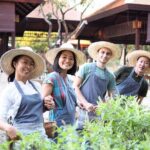
One thing I like right away is the way it’s built around real local places—markets and snack shops you’d never try to find alone. The other win is the guide: people like Nom, Koi, Patty, Banana, and Nana show up in these experiences as friendly, attentive, and strong at English.
The main thing to keep in mind: the food tastings cost extra, and the pace is brisk, so come hungry and wear shoes you can handle.
Key highlights you’ll actually feel
- Sweet-start snacks: Khao Kriab Pak Moh at Lung Khajohn Wat Ket is a great first taste
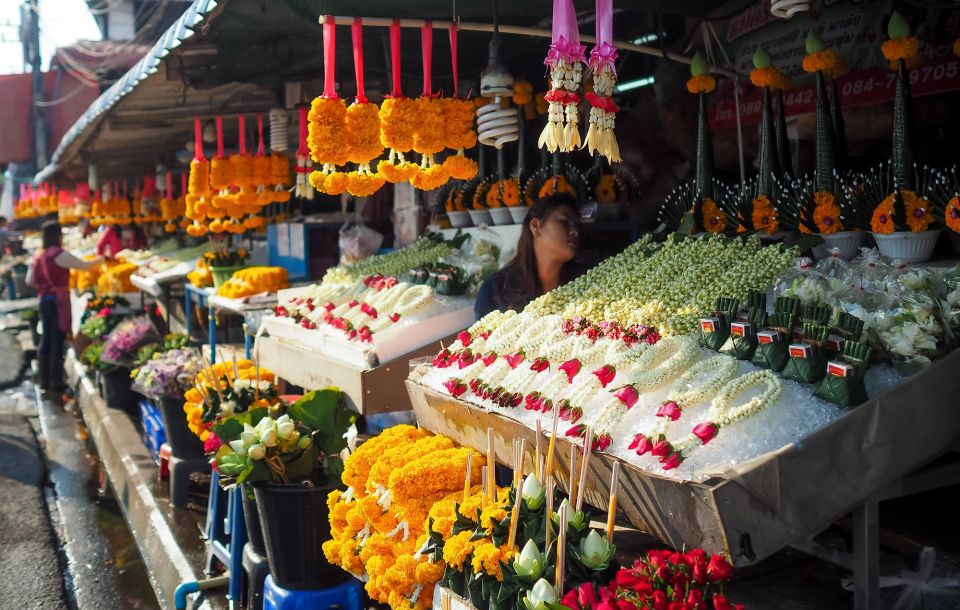
- Flower market reset: Ton Lamyai Market adds color, fragrance, and a different side of Chiang Mai
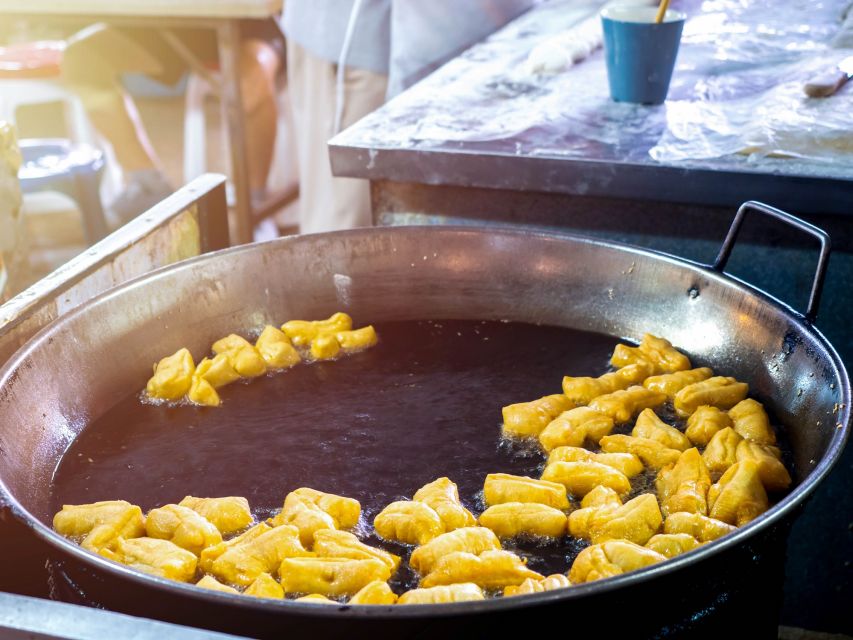
- Pa thong ko fun: Go Neng’s deep-fried dough sticks have that dinosaur-like look
- Warorot Market variety: You’ll bounce between snack stalls, produce, and everyday shopping
- Hakka noodle finale: Thana Ocha is where the tour goes savory and memorable
- Responsible touch: GSTC-certified with carbon emissions offset credits included in the tour price
In This Review
- Two Hours of Chiang Mai Street Food, Without the Menu Guessing
- Where You Meet and How the Walking Works
- Stop 1: Lung Khajohn Wat Ket and Khao Kriab Pak Moh
- Ton Lamyai Flower Market: A Break That Isn’t Just Pretty
- Stop 2: Go Neng for Pa Thong Ko (Dough Sticks With Character)
- Warorot Market: Where You Eat, Browse, and Spot Local Life
- Stop 3 Finale: Thana Ocha and Hakka-Style Noodles
- Food Costs: What You Pay vs. What You Get
- Choosing the Right Time: Beat Closures and Heat
- Responsible Tourism That Doesn’t Sound Like a Lecture
- Who This Tour Fits Best (and Who Should Skip)
- What Makes the Guides Matter (Nom, Koi, Patty, Banana, Nana)
- Should You Book This Chiang Mai Food and Markets Walking Tour?
- FAQ
- What is included in the $48 price?
- Where does the tour start and how do I find the guide?
- How long is the walking tour?
- Is there a vegan option?
- What food can I expect to taste?
- Is the tour responsible or eco-friendly?
Two Hours of Chiang Mai Street Food, Without the Menu Guessing
If you’ve ever stared at a Thai menu and thought, I have no idea what I’m ordering, this is your fix. In just 150 minutes, you’ll cover a handful of stops that show how Chiang Mai cooks across flavors—Thai, Chinese-influenced, and snack-shop classics.
I like that it’s short. You’re not committing a whole afternoon or taking a whole day just to eat. And you’re also not stuck doing the tourist version of food. This is the stuff locals grab when they want something quick, hot, and satisfying.
The pacing can be a bit fast. Some people love that energy, while others wish there was more time to sit and talk. If you’re the type who likes slow museum browsing, you may find this moves quickly between tastings.
Where You Meet and How the Walking Works
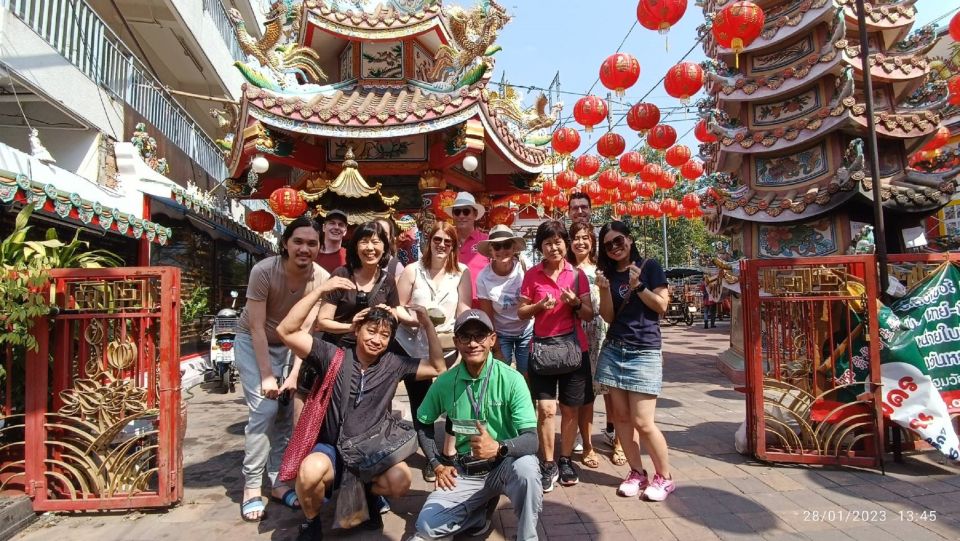
You’ll meet at Chansom Memorial Bridge, locally called Khua Khaek, on the side opposite Ton Lamyai Flower Market. The guide holds a TripGuru sign, and you should aim to arrive about 10 minutes early.
A practical note: morning traffic in Chiang Mai can surprise you. The tour guide can only wait for up to 10 minutes after the scheduled pickup time, so plan buffer time. If you’re taking Grab or a taxi, give yourself extra wiggle room.
The tour is built as a walking loop through food streets and markets. Bring cash for tastings and any extras you want, and don’t underestimate the heat. Sunglasses, sunscreen, a hat, and insect repellent are all smart.
You can also read our reviews of more tours and experiences in Chiang Mai.


Stop 1: Lung Khajohn Wat Ket and Khao Kriab Pak Moh
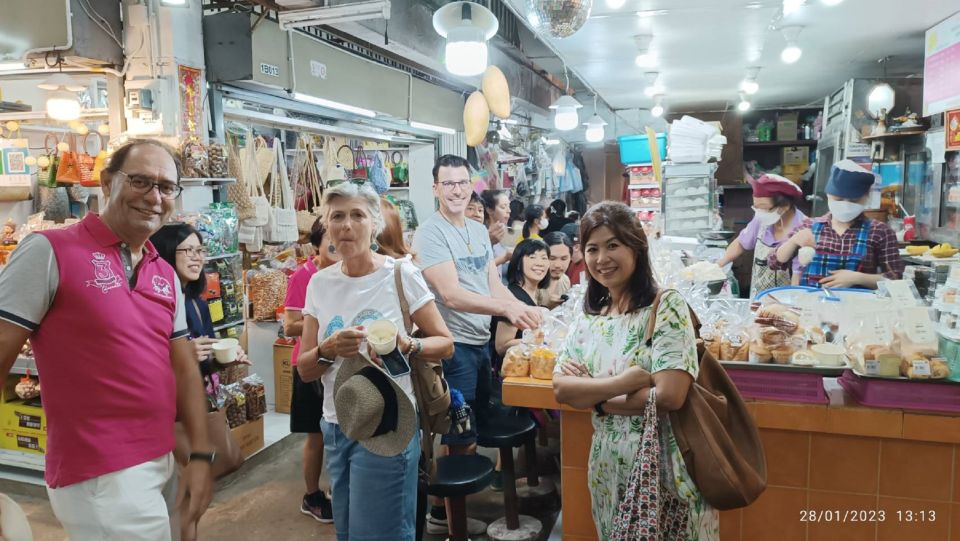
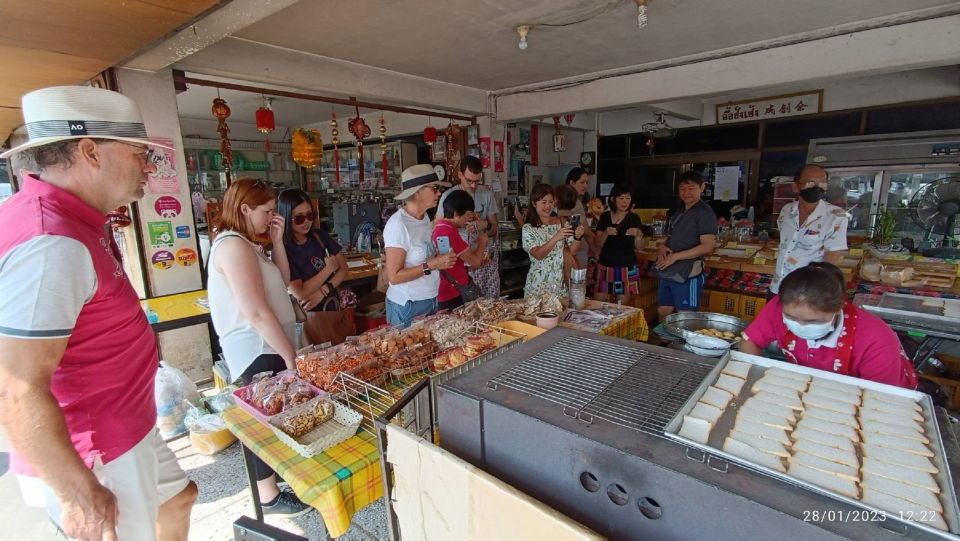
Your first food stop sets the tone: Lung Khajohn Wat Ket is known for sweet steamed rice skin dumplings usually stuffed with peanuts. The snack you’re hunting for here is Khao Kriab Pak Moh.
This is a good way to start because it’s friendly. It’s not spicy-first, and it’s easy to understand what you’re eating right away—soft, sweet, and fragrant. You also get your first real taste of Chiang Mai’s street-food pattern: snacks that feel casual, but are still made with care.
One small drawback: if you hate sweet snacks, you may feel slightly out of rhythm at the start. But in my view, that’s also the point. Sweet first makes the later savory dishes hit better.
Ton Lamyai Flower Market: A Break That Isn’t Just Pretty
Between food stops, you’ll pass through Ton Lamyai Flower Market. This is more than a photo stop. Flowers and herbs are part of daily life here, and stepping through the market gives you a reset for your senses after street-food aromas.
It’s also useful if you’re traveling in warmer months. Flower markets tend to feel cooler and more shaded than the busiest snack aisles. You’ll get a moment to slow your breathing, check your phone camera, and rehydrate before the deeper food action starts.
Don’t plan to linger too long, though. The tour stays moving, and you’re still on a two-hour clock.
Stop 2: Go Neng for Pa Thong Ko (Dough Sticks With Character)
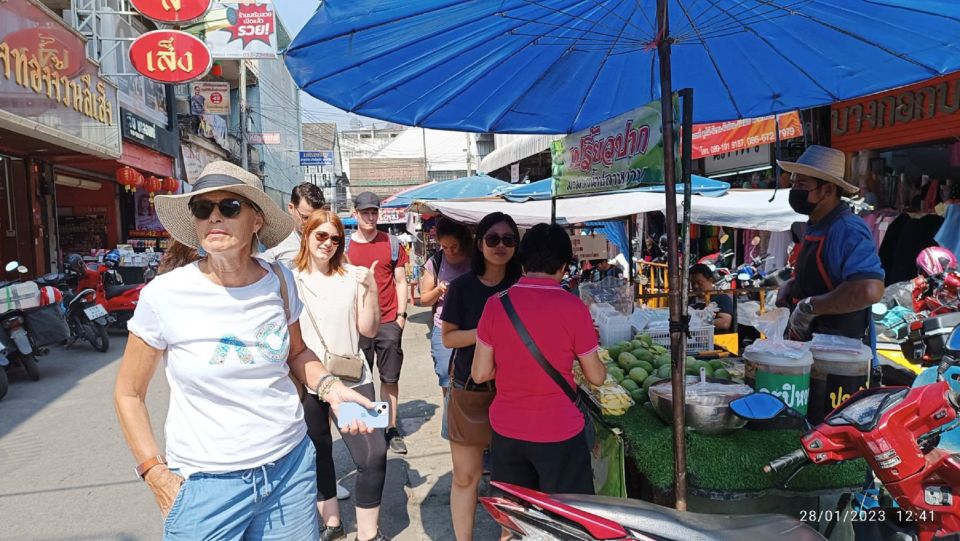
Next up is one of Thailand’s best snack carbs: Go Neng and its deep-fried dough sticks known as Pa Thong Ko.
Some people describe them as oddly shaped, even dinosaur-like. Whatever you call them, they’re crispy on the outside and tender inside, which is why locals keep coming back. And if you’re trying Thai snacks for the first time, pa thong ko is a smart entry point—easy to love, hard to mess up, and usually served fresh.
If you’re watching your sugar intake, this one can feel rich. But as a street snack, it’s the kind of indulgence you’ll remember after you’re full.
Warorot Market: Where You Eat, Browse, and Spot Local Life
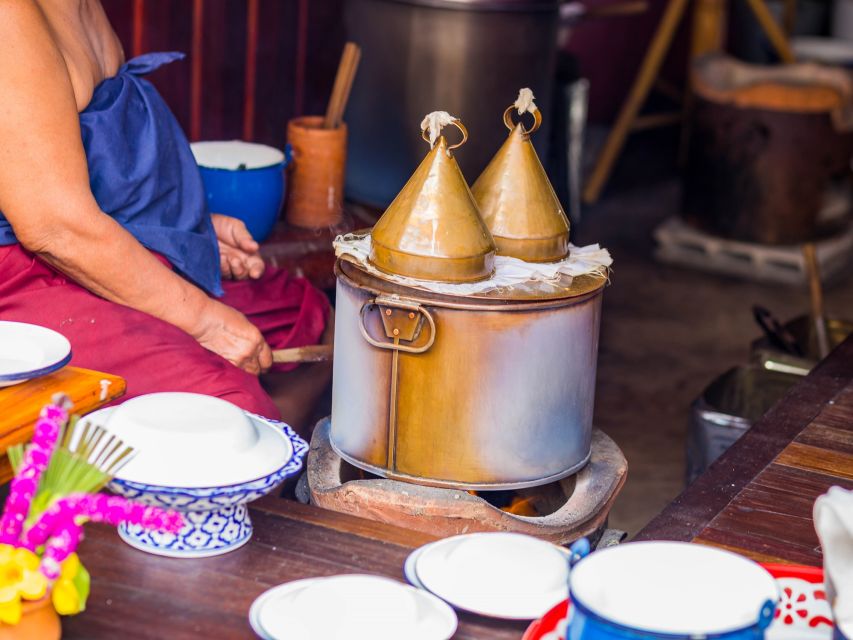
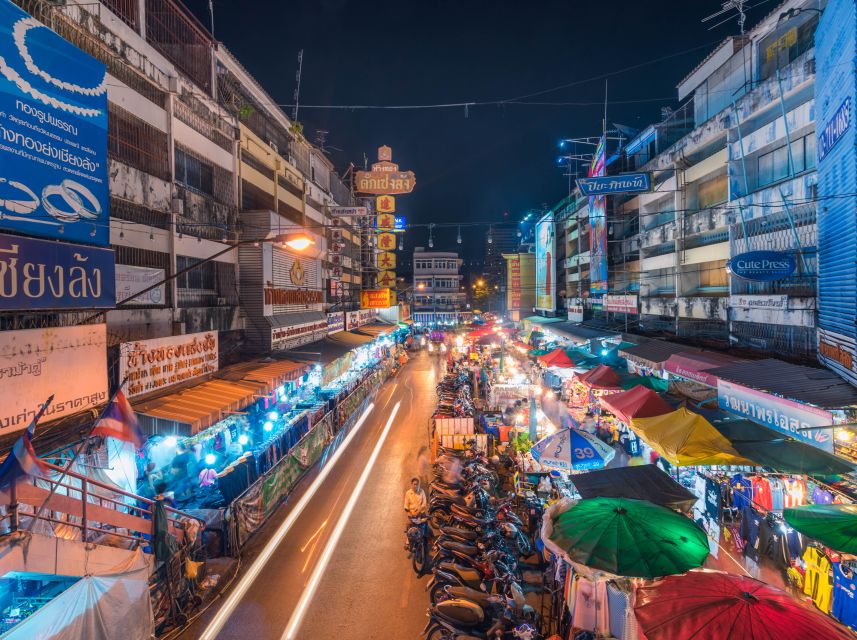
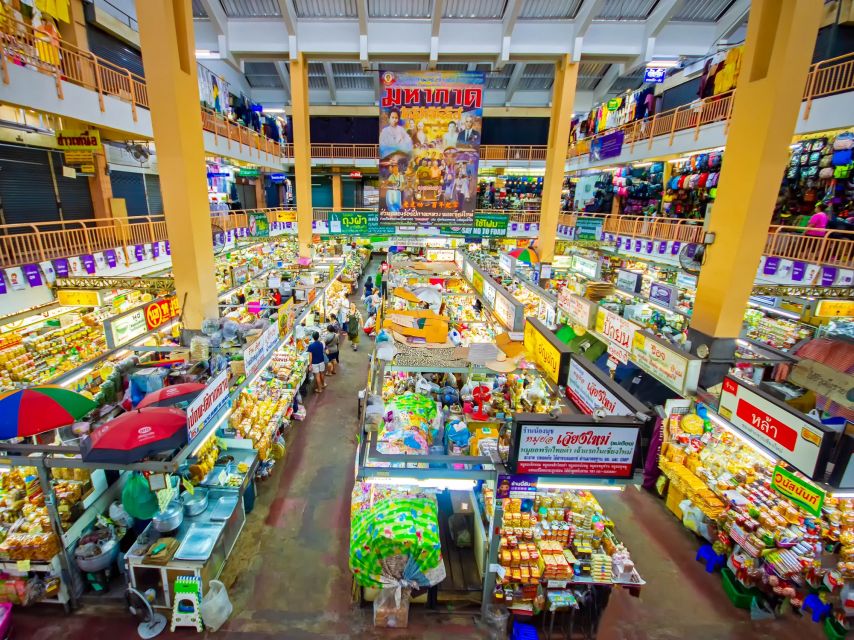
Warorot Market is where the tour gets more chaotic in a good way. You’ll find snacks, produce, clothes, and lots of everyday shopping—so it feels like you’re stepping into real market life instead of just chasing one food stall.
This stop includes the hunt for mango sticky rice, one of Thailand’s most famous sweet treats. Mango sticky rice is popular for a reason: creamy coconut sweetness plus fruity mango, with sticky rice that feels comforting rather than heavy.
Two practical tips for this part:
- Bring your patience. Markets get busy, and the walking rhythm can change with crowd flow.
- Don’t overpack your stomach. Warorot is a “sample and choose” moment, not a “try everything” moment.
If you’re doing the tour around lunch time, it’s also when you’ll feel the benefit of pace. You’re eating small portions across different stops, so you’re not stuck with one giant meal.



Stop 3 Finale: Thana Ocha and Hakka-Style Noodles
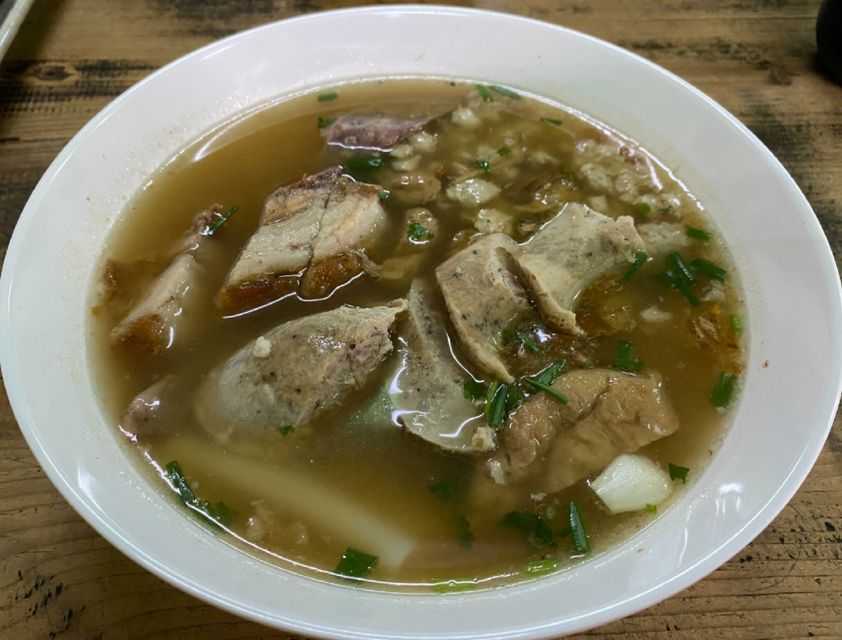
You end with something savory and satisfying: Thana Ocha’s Hakka-style noodles. This is the payoff for the whole walk.
You’ll get Hakka stuffed tofu along with fish sausage and wontons in the noodle bowl. That mix is one reason this finale stands out. It’s not just noodles; it’s a menu of textures and flavors that reflect the Chinese influence you’ll find in parts of Chiang Mai.
After two hours of sweets and fried snacks, this bowl is what makes the tour feel complete. It’s also a great dish to use later as a comparison point when you order similar noodles on your own. You’ll start recognizing what makes Hakka-style sauces, fillings, and toppings different.
If you’re sensitive to strong flavors or broth intensity, pace yourself. It’s delicious, but it is filling.
Food Costs: What You Pay vs. What You Get
The tour price is $48 per person, and what you’re paying for is the guide plus the walking experience and carbon offset credits. The food itself is not included in that price.
You’ll typically be offered tasting choices at your own expense. The options you might choose from include Hakka-style noodles, sticky rice with mango, Pa Thong Ko, and Khao Kriab Pak Moh.
Here’s how I’d plan your budget:
- If you choose multiple items at each stop, expect to spend more than the base fee.
- If you’re selective and only pick one dish per major stop, you can keep costs under control.
Also, bring cash. Some stalls and markets are straightforward, but you don’t want to be scrambling for a payment method in the middle of a busy food aisle.
Choosing the Right Time: Beat Closures and Heat
You can pick from multiple start time options. That matters because some restaurants and stalls can close earlier in the day. For later afternoon slots, your guide may take you to alternative street food stalls so you still get the taste of local cuisine.
If your goal is consistency and the exact flow of the classic stops, I recommend aiming for morning slots when possible. If you go later, be ready for a slightly different mix, even if it’s still local and tasty.
Heat is the other factor. Chiang Mai can feel intense, especially midday. If you’re doing this in hot season, start earlier when you can, and lean into the practical packing list: hat, sunscreen, and water awareness.
Responsible Tourism That Doesn’t Sound Like a Lecture
This is a GSTC-certified tour, with carbon emissions offset credits included. In plain terms, that means you’re not just getting a food walk—you’re also choosing an operator that’s paying attention to environmental impact.
It won’t change the taste of the mango sticky rice, but it does matter for how you travel. I like it when responsible choices are built into the trip rather than added on after the fact.
Also, because this is local markets and street food, the footprint is small compared with bigger day tours. The main “environmental” win you personally control is simple: wear good shoes, don’t waste food, and follow the guide’s pacing.
Who This Tour Fits Best (and Who Should Skip)
This tour is a strong match if you want:
- A fast, guided way to learn what to order in Chiang Mai
- Real market atmosphere, not just one restaurant meal
- A mix of snacks and a proper savory finish
It’s less suitable if you:
- Need step-free walking or have mobility limits, because it’s an active walking route
- Are pregnant or have heart or respiratory issues, since the walk and heat can be demanding
- Are vegan, because there’s no vegan option listed
If you’re coming with a picky eater, this tour can still work because the tastings are small and you can choose between options like sweet dumplings, mango sticky rice, fried dough sticks, or noodles. Still, it’s not a “custom for every diet” type of tour.
What Makes the Guides Matter (Nom, Koi, Patty, Banana, Nana)
One pattern shows up across these experiences: people care about pace and explanations. Guides like Nom, Koi, Patty, Banana, Nana, and others are described as attentive, friendly, and good at English, with many guests saying they learned what locals eat and how to think about flavors and customs.
I’d pay attention to that part. A food tour is not only about tasting—it’s about learning the logic behind the food. When your guide can explain what makes each dish Thai or Chinese-influenced, you walk away with smarter ordering for the rest of your trip.
Also, some guides help practically, like taking care of shopping bags when you buy snacks or market items. That sounds small until you’re holding a paper bag in one hand and trying to take photos with the other.
Should You Book This Chiang Mai Food and Markets Walking Tour?
Book it if you want a compact food education and you like the idea of markets plus a real noodle finale. At $48, it’s a decent value for the guided experience and the carbon offset credits, as long as you’re okay with paying for the tastings separately.
Skip or look for another option if:
- You’re vegan or need specific dietary accommodation
- You want a long sit-down meal rather than a walking format
- You’re uncomfortable with heat or a brisk pace
If you time it well (ideally morning) and come ready with comfortable shoes and cash, you’ll likely leave with two things most people want in Chiang Mai: a full stomach and a clearer idea of what to order next.
FAQ
What is included in the $48 price?
The price includes the tour guide, the walking tour, and carbon emissions offset credits. Food and tasting expenses are not included.
Where does the tour start and how do I find the guide?
Meet at Chansom Memorial Bridge (Khua Khaek), opposite Ton Lamyai Flower Market. The guide will be holding a TripGuru sign, and you should arrive about 10 minutes early.
How long is the walking tour?
It lasts 150 minutes (about two and a half hours).
Is there a vegan option?
No vegan option is available.
What food can I expect to taste?
At your own expense, you may be able to choose from items such as Hakka-style noodles, sticky rice with mango, Pa Thong Ko (deep-fried dough sticks), or Khao Kriab Pak Moh (sweet steamed rice skin dumplings).
Is the tour responsible or eco-friendly?
Yes. It’s a GSTC-certified tour and includes carbon emissions offset credits with every tour.