REVIEW · CHIANG MAI
Chiang Mai: Historic Temples and City Guided Walking Tour
Book on GetYourGuide →Operated by Beyond Experience · Bookable on GetYourGuide
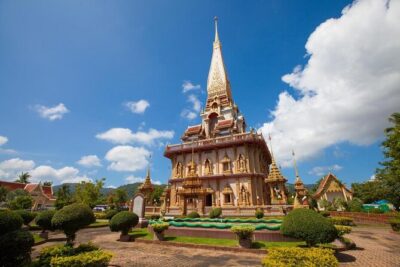
Chiang Mai’s old town tells its story on foot. This 3-hour guided walking tour strings together the best temple architecture and history in a compact route, starting at the city’s oldest temple and finishing at the dramatic ruins of Wat Chedi Luang. I especially like the stop at Wat Phra Singh for classic Lanna temple details, and Wat Phan Tao for its teak-wood viharn, where the craftsmanship is the whole point.
The main thing to consider is cost add-ons and logistics: two temples require entrance tickets (Wat Phra Singh and Wat Chedi Luang), and you’ll want the right clothes for temple interiors. Also, you’ll be walking in sun or rain, so bring what you need and wear comfy shoes.
In This Review
- Key things you’ll notice on this tour
- Why This 3-Hour Old City Temple Walk Is Such a Smart First Pick
- Start at Wat Chiang Man: The Oldest Temple Energy First
- Three Kings Monument: A Quick Reset in the Walled Old Town
- Wat Phra Singh: Classic Lanna Architecture You Can Actually Read
- Wat Phan Tao: The Teak Viharn and the Royal Throne Moment
- Wat Chedi Luang: Ruins, a Chedi Highlight, and a Buddha Inside
- Price, Value, and the Real Total Cost in Your Head
- Pace, Comfort, and the Small Details That Make It Easier
- Who Should Book This Tour (and Who Should Skip It)
- Should You Book This Chiang Mai Temple Walking Tour?
- FAQ
- What is the duration of the Chiang Mai historic temples walking tour?
- Where does the tour meet?
- What’s included in the price?
- What entrance fees are not included?
- What’s the tour language?
- What should I wear or bring for temple visits?
- Are shorts or sleeveless shirts allowed?
- Is this tour suitable for everyone?
- What happens if the weather is rainy?
Key things you’ll notice on this tour
- Small group (up to 10) keeps the pace human and makes it easier to ask questions as you walk.
- Real architectural variety: Lanna-style temple shapes, teak-wood halls, and a ruined chedi all in one loop.
- Old City routing: you’ll move through key points like the Three Kings Monument in the walled center.
- Guides like Jen and Pun are repeatedly praised for clear explanations and patience while you sightsee.
- Photo-friendly timing with short photo stops and time to look around instead of sprinting.
Why This 3-Hour Old City Temple Walk Is Such a Smart First Pick
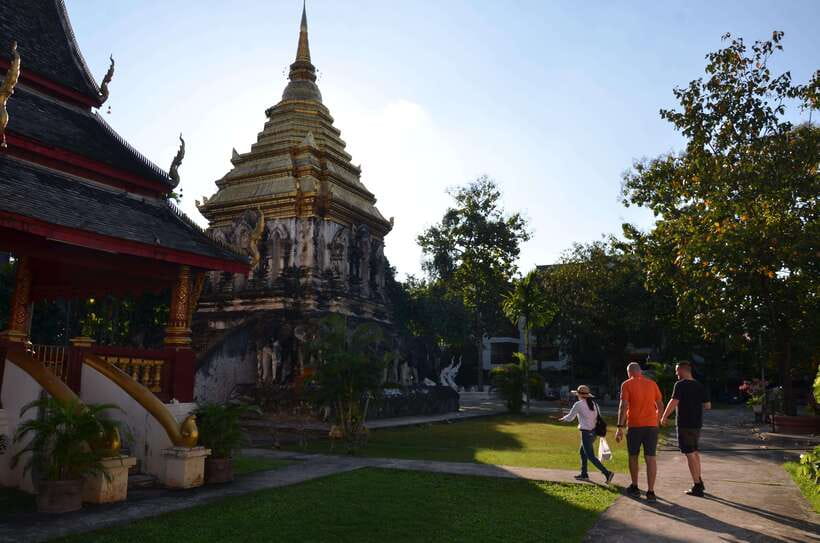
If you only have a few hours in Chiang Mai, this kind of walking tour is the fastest way to get your bearings. You’re not just ticking off temples; you’re walking through the ideas that shaped the city—Lanna architecture, Buddhist traditions, and the stories local guides connect to what you see in front of you.
I like that it stays compact and low-impact, which matters because the Old City streets can feel crowded. A walking route also helps you notice the small stuff: how temples sit along streets, where open squares fit into the layout, and how the vibe changes as you cross from one landmark zone to another.
And because it’s a small group (limited to 10), you usually get a calm pace. In the best moments, guides slow down when you have questions, and you can look closely instead of spending the whole time chasing the group.
One practical downside: it’s still a walking tour. If you’re sensitive to long periods on your feet, plan accordingly, and skip it if you’re dealing with back problems or are pregnant (the tour is listed as not suitable for those situations).
You can also read our reviews of more tours and experiences in Chiang Mai.



Start at Wat Chiang Man: The Oldest Temple Energy First
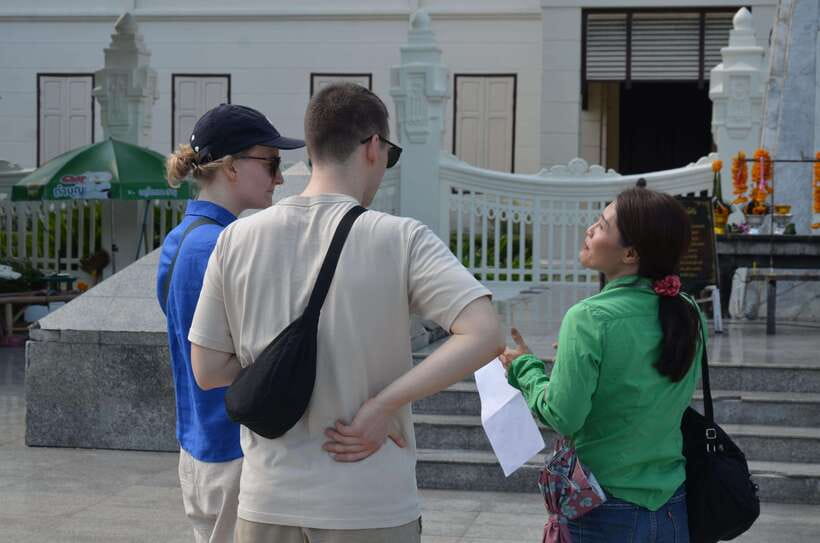
You’ll meet your guide at Wat Chiang Man, then start with a photo stop and guided visit (around 30 minutes). This is a great opening move because it anchors the whole experience. When you begin at the oldest temple in Chiang Mai (built in 1296), it gives everything else you’ll see a stronger sense of timeline.
Wat Chiang Man also works well as a warm-up stop. You’ll see how the guide approaches temple explanations—what to look for, what shapes and details mean, and how local legends and Buddhist context connect to the architecture.
If you’re the kind of traveler who likes to understand the why behind the wow, this first stop sets the tone. And if you need a moment to steady your camera settings and get used to walking in the Old City, this is the place to do it.
Three Kings Monument: A Quick Reset in the Walled Old Town
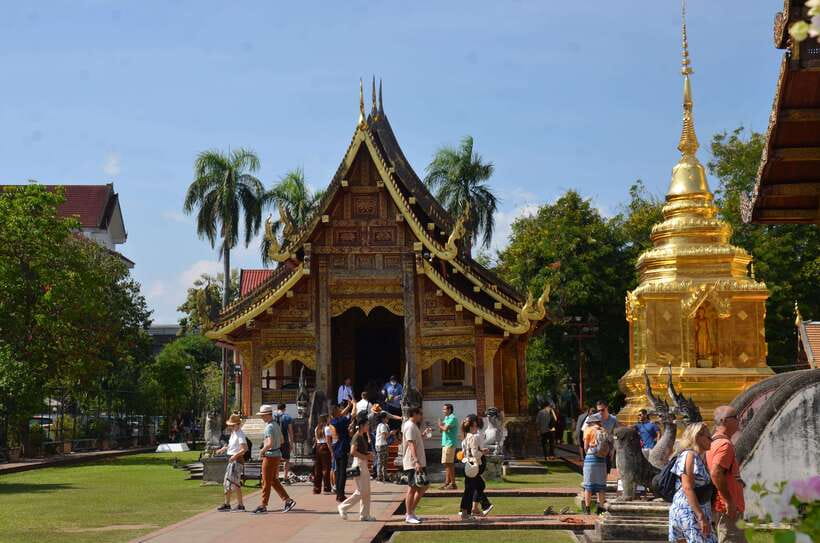
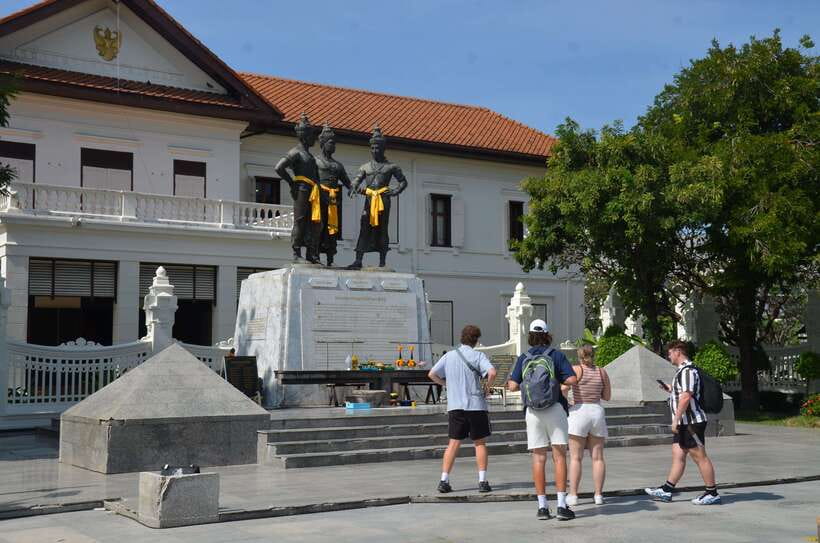
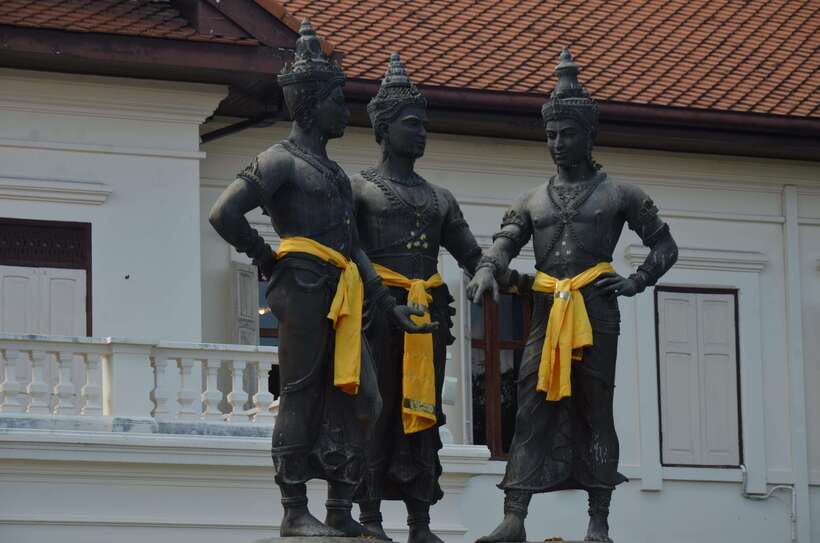
From Wat Chiang Man you’ll head west to the Three Kings Monument, a large open square in the heart of the walled old town. This isn’t just a photo stop; it’s a useful break between temple interiors.
Think of it like the tour’s breathing space. Open squares give your legs a rest, and you get an easier sense of how the city’s “walls-and-gates” shape movement between landmarks. It also helps you mentally map the Old City so later stops feel more connected rather than random.
The guided portion here is short (about 10 minutes), so you’ll see it, learn what matters, take photos, then move on without losing momentum.
Wat Phra Singh: Classic Lanna Architecture You Can Actually Read
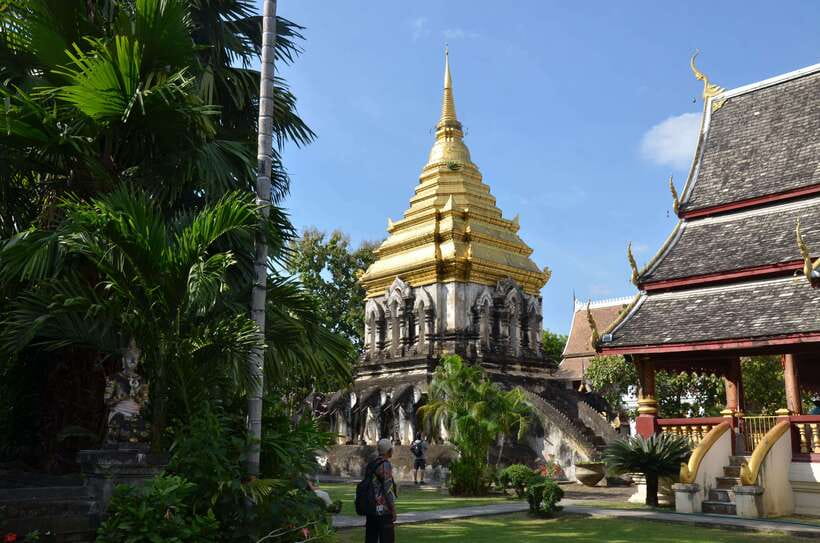
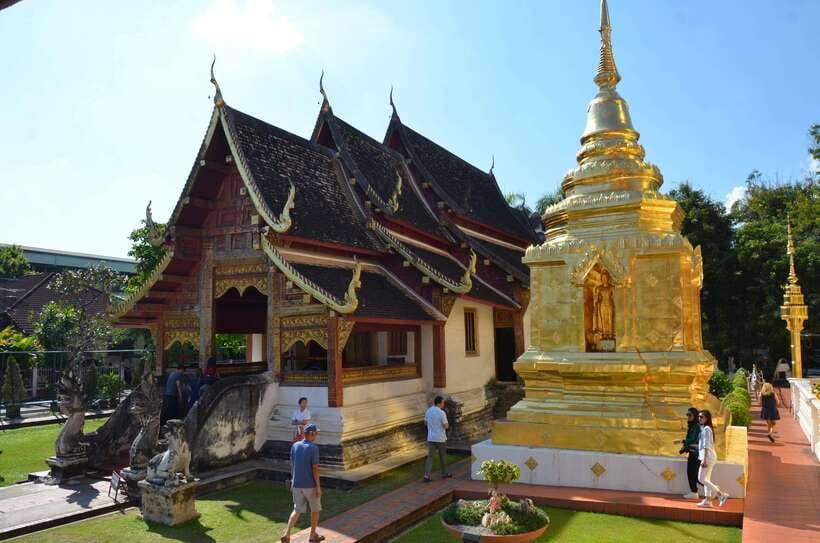
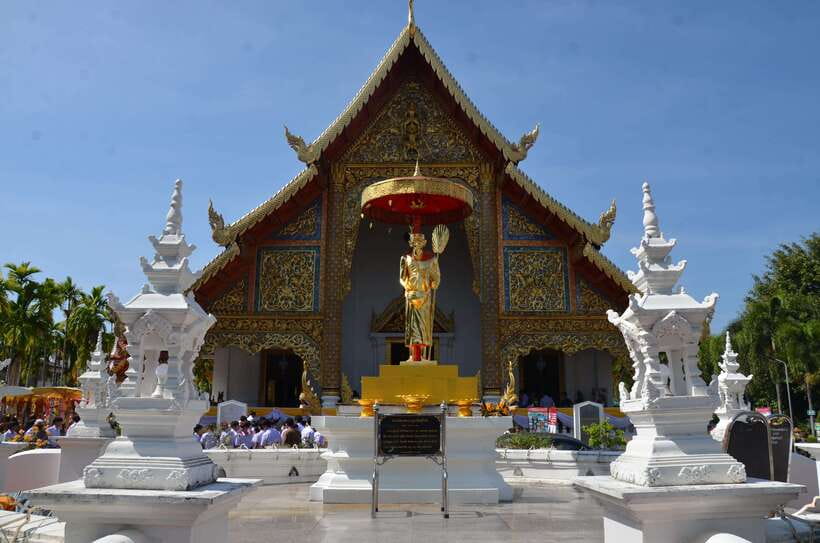
Next comes Wat Phra Singh. This is the stop I’d target even if you only did one temple on the tour, because Lanna architecture isn’t abstract here—it’s visible in the forms and details you’re guided to notice.
You’ll have about 40 minutes for photo time and guided exploration. That’s enough to look around calmly, not just get a quick glance at the facade. I like that the guide doesn’t treat it like a generic temple visit. Instead, you’re learning how this style fits into Chiang Mai’s history and identity.
One practical note: the tour does not include the entrance ticket for Wat Phra Singh (50 THB). If you want smoother cash handling, keep some Thai baht handy before you reach the ticket point.
Also, remember the dress code: shoulders and knees covered when you enter temples. Shorts and sleeveless shirts aren’t allowed, so pack something light but covering.
Wat Phan Tao: The Teak Viharn and the Royal Throne Moment
Then you get the most distinctive construction on the route: Wat Phan Tao, known for being built almost entirely of teak wood. The main hall is a teak-wood viharn, and the tour highlights the scale and importance of the space—plus a detail that makes it memorable: an enormous teak throne that was once used by Chiang Mai’s rulers.
The tour gives you about 15 minutes here. That might sound short on paper, but it’s enough for this particular kind of stop. When the building material and throne are the star, you don’t need an hour to appreciate them—you need the right amount of time to see the woodwork, notice design features, and let the guide explain what you’re looking at.
This is also a good temple for travelers who love photography. The contrasts—dark wood, bright daylight, ornate details—tend to show well on camera.
If you’re visiting in rainy season (July to mid October), check your umbrella and footwear here. Even with short time inside, your overall route still involves outdoor walking.





Wat Chedi Luang: Ruins, a Chedi Highlight, and a Buddha Inside
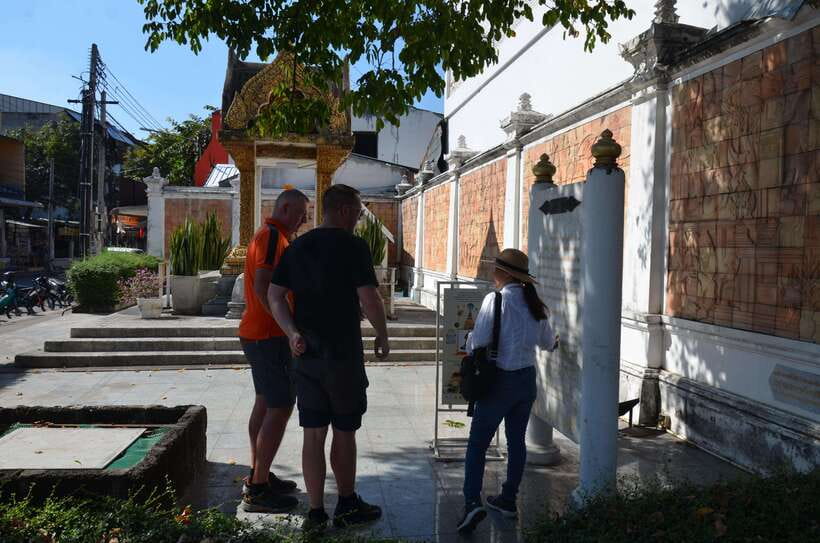
The final temple stop is Wat Chedi Luang, and it’s a highlight even without explanations. You’ll spend about 40 minutes for photo time and guided visit, wrapping up at Watchediluang Varaviharn.
Here’s what makes this stop land: you don’t just see a temple building—you’re looking at the impressive chedi of Wat Chedi Luang and you also get to view the Buddha inside the main prayer hall. The ruined chedi creates a strong visual atmosphere, and the Buddha inside adds the spiritual focus back into the scene.
Like Wat Phra Singh, there’s an entrance ticket add-on: Wat Chedi Luang costs 50 THB (not included in the tour price). This is a common reason people feel “surprised” by the total cost, so consider it part of your planning rather than an extra you missed.
If your group is the type that likes to linger, this is the stop where a guide’s pace matters. A good guide won’t rush the moment, and the best experience here feels like you’re standing in a place with history in the air—without turning it into a lecture.
Price, Value, and the Real Total Cost in Your Head

The tour is listed at $21 per person for about 3 hours, and it includes a local guide plus a bottle of water. That’s solid value if you treat it as your “orientation + temple interpretation” combo.
Here’s how I think about cost vs. benefit:
- For $21, you’re paying for guided context across multiple major stops, not just entry-level sightseeing.
- You’re also getting a small group (up to 10), which usually improves the quality of the explanation and how comfortable the pace feels.
- You’ll likely pay extra for two temple entrances: 50 THB for Wat Phra Singh and 50 THB for Wat Chedi Luang.
So your real budget looks like: tour price + about 100 THB in entrance fees (not including anything you eat). If you’re planning to skip food during the walk, you’ll want to either grab a meal before or plan something light after.
The best part: you’re not spending that money on a single temple. You’re seeing several standout sites that each contribute a different piece of Chiang Mai’s story.
Pace, Comfort, and the Small Details That Make It Easier
This tour is built for walking, and comfort is not optional. You’ll want comfortable shoes first, then add the rest of your protection kit.
Bring:
- a hat
- umbrella (especially in rainy season)
- sunscreen
- cash
- a scarf (useful for meeting dress rules)
The dress code is simple but strict: shoulders and knees covered. And shorts, short skirts, and sleeveless shirts are not allowed for temple interiors. There’s also a rule against luggage or large bags, so travel light for this one.
One thing I appreciate about guides on this style of tour is how they handle the messy reality of city walking. In the experience here, you’ll find the guide pays attention to traffic and timing, and you may get help with finding the meeting point if you’re running late.
Meeting point detail: you meet at Wat Chiang Man and look for the Beyond Experience sign. If you can’t find it, the guide support you with help locating the group (including using WhatsApp in at least some cases). This is exactly the kind of practical backup that saves stress.
Also, you’ll be in English. Guides are highlighted for good pacing and patience, including with questions and group needs.
Who Should Book This Tour (and Who Should Skip It)
This tour fits you if:
- you’re a first-timer who wants history and temple context fast
- you like architecture and want your questions answered while you’re standing in front of the details
- you want a manageable walking plan inside the Old City rather than a full-day shuffle
It’s especially good for travelers who don’t want to spend time figuring out routes or translating temple meaning on their own. The guide ties the sites together through Chiang Mai’s history, legends, and Buddhist tradition.
You might want to skip it if:
- you’re pregnant or have back problems (the activity is listed as not suitable)
- you hate walking on hot days or in rain (the tour includes a walking route and temple rules)
Should You Book This Chiang Mai Temple Walking Tour?
If you’re looking for a strong first introduction to Chiang Mai’s Old City, this is an easy yes—especially if you care about Lanna temple architecture and want explanations that connect what you see to the city’s past and traditions. The route is compact, the group stays small, and the temple lineup is varied enough to feel like you actually learned something, not just visited places.
Book it if:
- you want a focused 3-hour plan
- you’re okay paying small entrance fees for two key temples
- you can follow the temple dress code and walk comfortably
Skip it if:
- walking time is hard for you physically
- you don’t want to deal with covered-shoulder/covered-knee rules
If your goal is to leave Chiang Mai feeling like you understand the temple jewels of the Old City, this tour is a smart, practical start.
FAQ
What is the duration of the Chiang Mai historic temples walking tour?
It lasts about 3 hours.
Where does the tour meet?
You meet your guide at Wat Chiang Man, looking for the Beyond Experience sign.
What’s included in the price?
The tour includes a local guide and a bottle of water.
What entrance fees are not included?
Wat Phra Singh and Wat Chedi Luang each require an entrance ticket of 50 THB, and they are not included.
What’s the tour language?
The tour guide provides the tour in English.
What should I wear or bring for temple visits?
Wear comfortable clothes and cover shoulders and knees when entering temples. Bring comfortable shoes, a hat, umbrella, sunscreen, scarf, and some cash.
Are shorts or sleeveless shirts allowed?
No. Shorts, short skirts, and sleeveless shirts are not allowed for temple entry.
Is this tour suitable for everyone?
It is not suitable for pregnant women or people with back problems.
What happens if the weather is rainy?
The rainy season runs roughly from July to mid October, so bring an umbrella or raincoat.