REVIEW · CHIANG RAI
Chiang Rai: White, Blue, Red Temples, Long Neck Tour
Book on GetYourGuide →Operated by CHIANG MAI DAY TRIP · Bookable on GetYourGuide
Three temples, one long day, big payoff. I love the art-level detail at the White Temple (Wat Rong Khun) and the calm, almost meditative feel at the Blue Temple (Wat Rong Suea Ten). I also like how the guide turns architecture into meaning, not just pretty photos. The main trade-off is time: it’s an early pickup and a long, packed day of van riding.
You’ll start from Chiang Mai around 7:00–7:45am (or meet the group if you’re outside the city) and get back around 7:00pm. This is a small-group setup (up to 12), with A/C transport, entry fees handled, and lunch included—so you can focus on the sights instead of logistics. Still, plan for temple rules (covered shoulders/knees, shoes off) and expect the itinerary to move at a steady pace.
Key points worth planning for
- White Temple (Wat Rong Khun): expect intricate details and guided context, not a quick photo stop
- Blue Temple (Wat Rong Suea Ten): a rare calm pause after all the driving
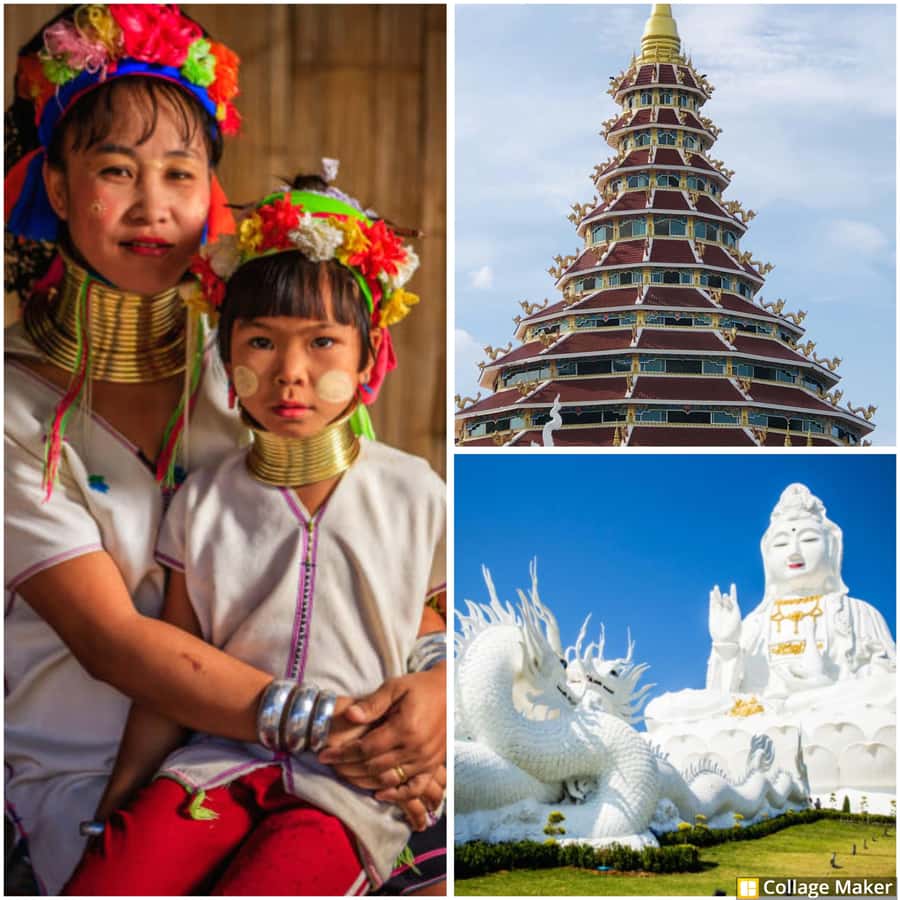
- Red Temple (Wat Huay Pla Kang): a 9-floor pagoda plus a giant Buddha and surrounding structures
- Long Neck Karen Village: cultural time plus souvenir browsing, with a respectful tone
- Mae Khachan Hot Springs stop: not for swimming—mainly a break to stretch your legs
- Small group with named guides: I’ve seen this run with guides like Bee, Goi, Koi, and Paul who keep things organized and fun
In This Review
- First stop: The Chiang Mai pickup and the long-van reality
- Mae Khachan Hot Springs: a break, not a swim
- Long Neck Karen Village: culture time and souvenirs
- Wat Rong Khun (White Temple): the art you can’t rush
- Wat Rong Suea Ten (Blue Temple): calm after intensity
- Huay Pla Kang (Red Temple): the 9-floor pagoda and giant Buddha
- Lunch and breaks: how the tour keeps people sane
- Getting back to Chiang Mai: plan for a late day
- Guides make or break it: Bee, Goi, Koi, Paul, and friends
- What this tour is best for (and who should skip it)
- Practical packing and temple etiquette that keeps things smooth
- Value check: is $57 per person worth it?
- Should you book this Chiang Rai White, Blue, and Red Temples plus Long Neck tour?
- FAQ
- What time does pickup happen?
- What time do you return to Chiang Mai?
- How long is the tour?
- What temples are included?
- Is the Mae Khachan Hot Springs stop for swimming?
- What is included in the price?
- What should I know about dress code?
- What luggage can I bring?
First stop: The Chiang Mai pickup and the long-van reality
This tour is built for people who want Chiang Rai highlights in one day, without having to plan a mini-road trip yourself. The trade is straightforward: the day starts early and it’s mostly travel time between sights.
Pickup typically lands between 7:00am and 7:45am, so set your alarm like you mean it. You’ll ride in an air-conditioned van with a driver and a live guide (English and Thai). The group stays limited to 12 participants, which helps the schedule and keeps the experience from turning into a cattle-car tour.
On the road, I like that the tour doesn’t pretend driving is relaxing. It’s a long stretch, but there are built-in moments to reset, including a hot-springs stop that functions more like a leg-stretch and bathroom break than an activity.
Mae Khachan Hot Springs: a break, not a swim
At Mae Khachan Hot Springs, you don’t come here to go for a swim. Instead, it’s a quick stop you can use to get moving after the morning drive. If you’ve been sitting, this is where you’ll feel the difference—short legs-on-ground time before the day intensifies.
You’ll also get a breather from the van noise, which matters because the schedule then pushes you into temple time. Think of this stop as the tour’s pressure-release valve, not a main attraction.
You can also read our reviews of more tours and experiences in Chiang Rai.

Long Neck Karen Village: culture time and souvenirs
After the hot-springs break, you head to Long Neck Village, a visit that’s often the most personal-feeling part of the day. You’ll get time for sightseeing, and this is where you’ll likely see a lot of handmade crafts and locally sold items.
In practice, the value here is twofold:
- It adds cultural texture between the temples, so the day doesn’t feel like three art stops in a row.
- It gives you time to interact respectfully, browse, and learn how the community presents itself.
One practical note: this stop can involve a lot of standing and walking at your pace. Wear comfy shoes that you can take on and off, because temple shoe rules show up again later.
Wat Rong Khun (White Temple): the art you can’t rush
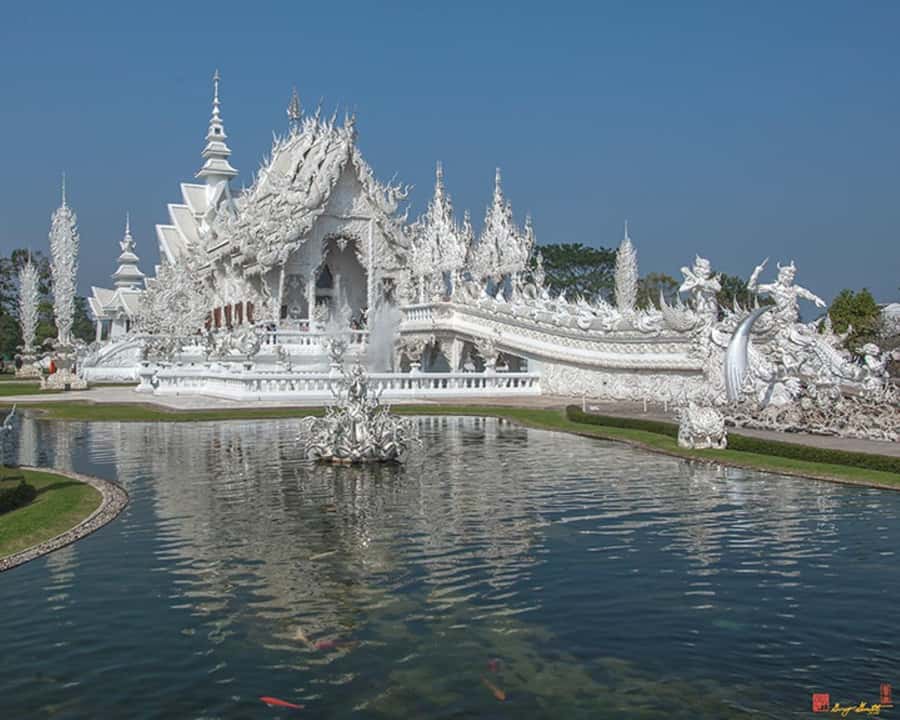
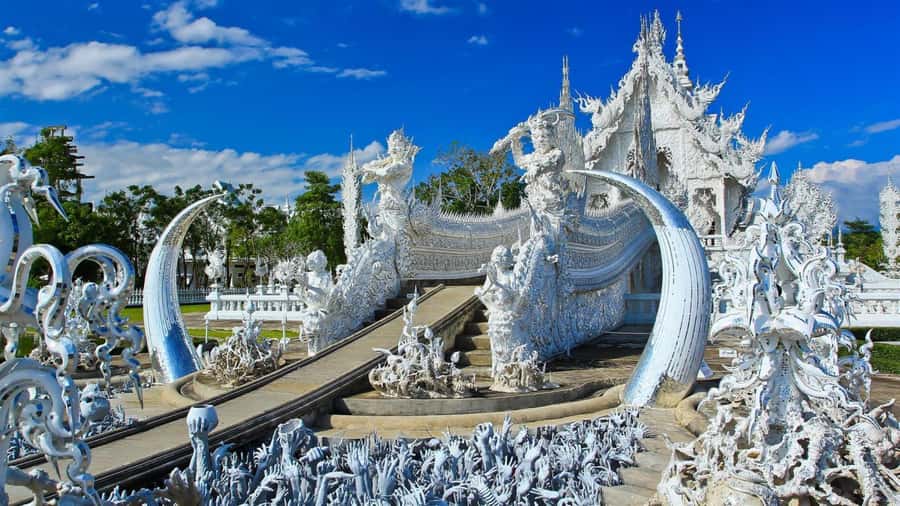
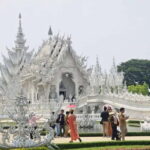
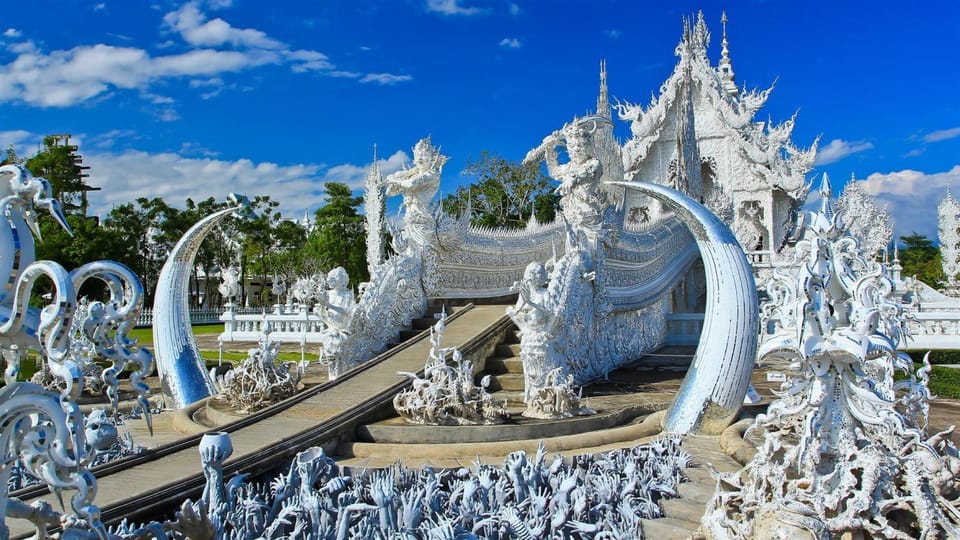
If you’re choosing just one “wow” stop, the White Temple is usually the one people remember. It’s officially Wat Rong Khun, and it looks like someone mixed Thai temple tradition with a design studio’s obsession with detail.
What I like most is how the guide helps you see it. You’re not just looking at white walls; you’re learning how the temple’s elements connect to meaning and symbolism. That context is what turns it from a pretty background into a real stop you can talk about later.
Timing matters here. You’ll spend time exploring the White Temple, not just a photo sprint. That’s the difference between seeing it once and actually appreciating why it draws crowds.
Dress note: Thai temples require respectful clothing. Plan on covering your shoulders and knees, and expect to remove your shoes before entering main areas. Even if you’re rushing, don’t treat this as optional—it’s part of being welcomed.
Wat Rong Suea Ten (Blue Temple): calm after intensity
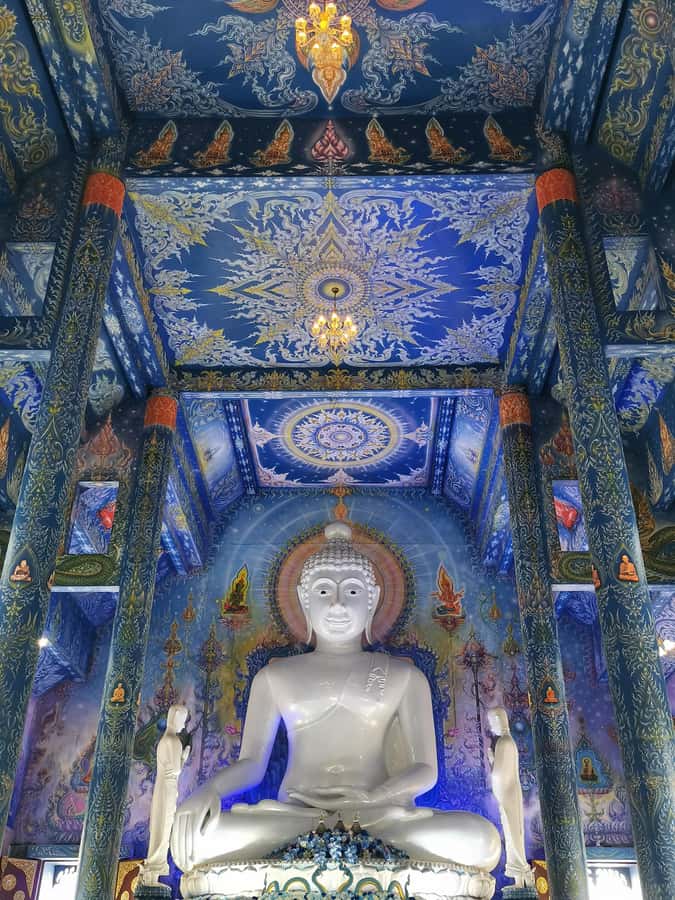
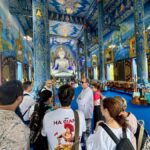
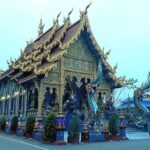
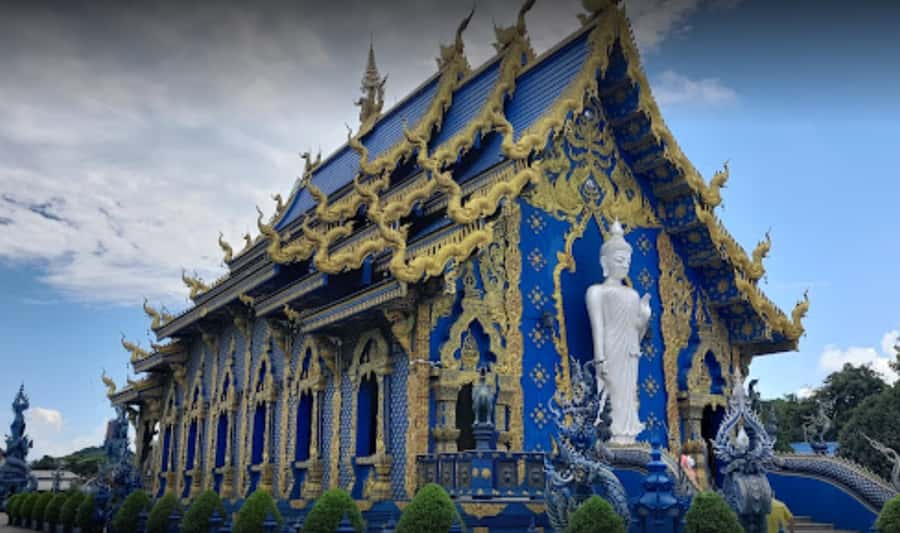
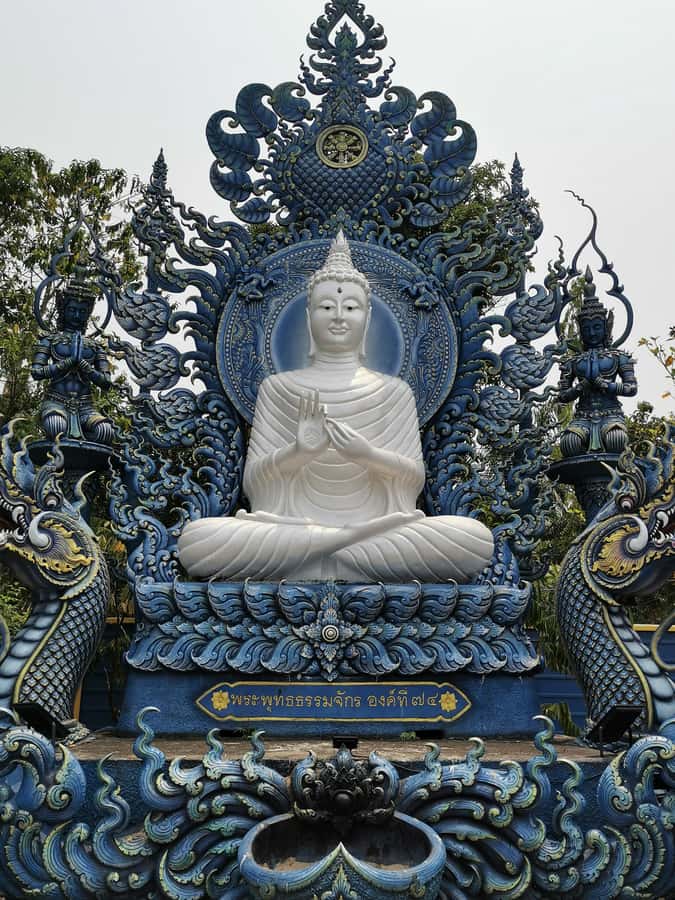
After the White Temple’s high-detail intensity, the Blue Temple feels like a reset. It’s known as Wat Rong Suea Ten, and the exterior’s deep blue roof is the headline—but the mood is the second headline.
This is where you’ll appreciate the architecture and then get a chance to slow down. The tour includes guided time plus sightseeing, and the overall pace here gives you room to absorb the place without feeling like you’re constantly moving on.
I also like the way the day balances itself:
- White Temple = intense detail and visual impact
- Blue Temple = architectural beauty plus breathing space
- Red Temple = big scale and unmistakable features
If you’re the type who likes taking photos, this is one of your best chances because the atmosphere encourages lingering.
Huay Pla Kang (Red Temple): the 9-floor pagoda and giant Buddha
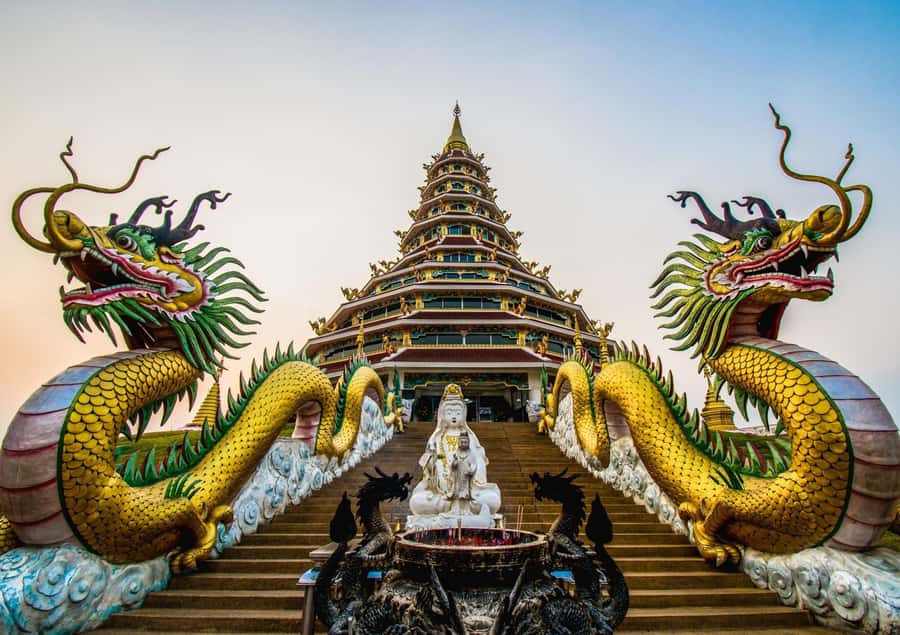
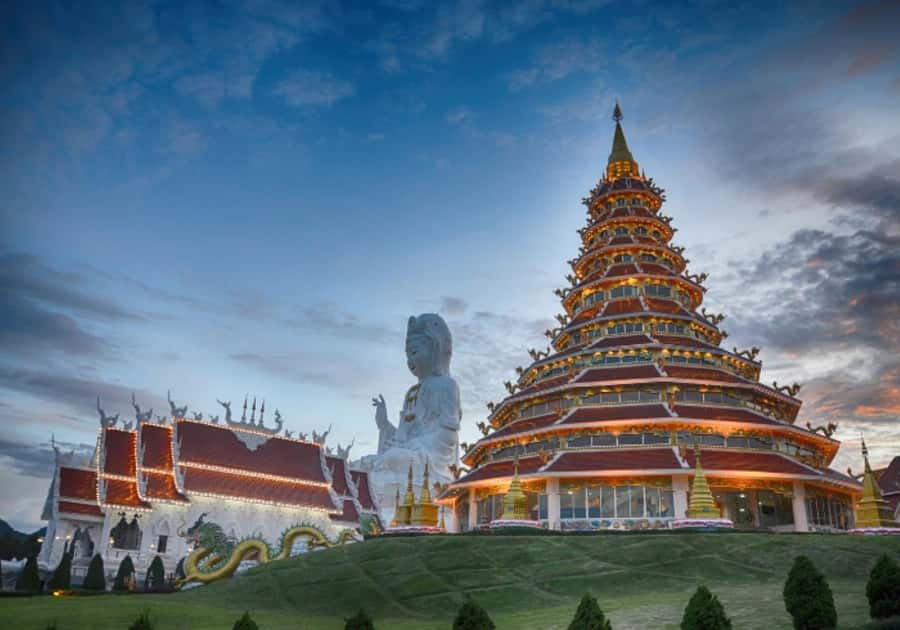
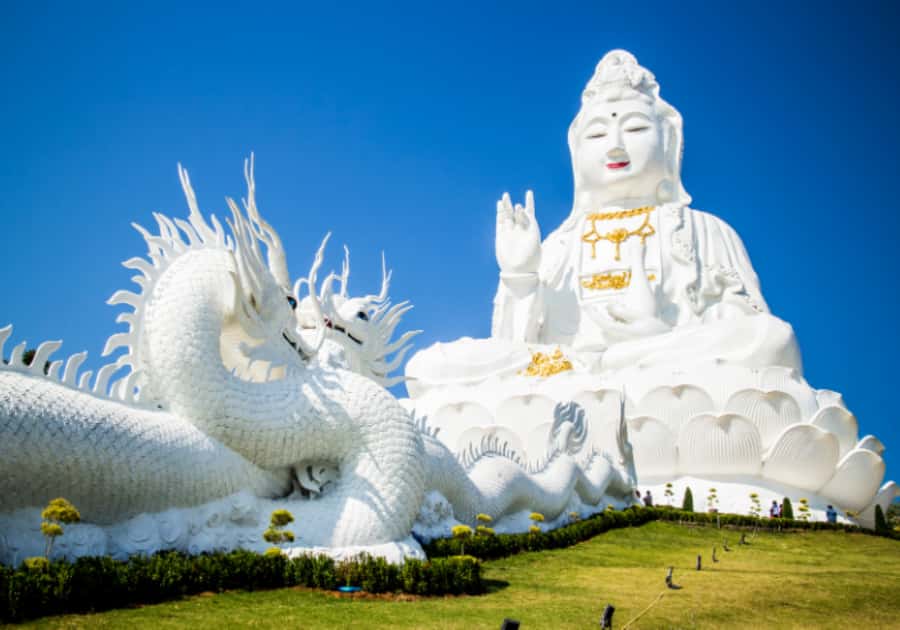
The last major temple stop is Huay Pla Kang Temple, locally known as Wat Huay Pla Kang. This place has a simple selling point: the 9-floor pagoda and its scale. It’s famous for that structure, plus 12 surrounding structures.
On top of that, you’ll see a giant Buddha statue. Together, those elements make the Red Temple feel more dramatic and “big picture” than the White Temple’s fine-texture feel.
What you’ll likely enjoy is the way the guide frames the space. A temple can feel like an architectural set-piece unless you understand why it’s arranged the way it is. When the guide explains the meaning behind the structures you’re seeing, you get more than a snapshot—you get a story.

Lunch and breaks: how the tour keeps people sane
The tour includes a Thai lunch meal, and it’s set up as part of the day so you don’t have to hunt for food between temples. Based on how this runs in practice, lunch can include options like chicken and vegetarian dishes, which makes it easier if you don’t eat everything.
The best “hidden value” of included lunch is timing. You’re not burning time deciding where to eat, especially during a day with multiple scheduled temple visits.
Also, this itinerary gives you breaks where they matter:
- after the morning drive (hot springs stop)
- during temple time (time to explore and reset)
That’s why you’ll see many guides praised for keeping the schedule smooth while still giving people breathing room.
Getting back to Chiang Mai: plan for a late day
Return transfer back to Chiang Mai usually lands around 7:00pm. That means you’ll likely be tired, even if the van ride feels comfortable.
From what’s shared about this tour style, the minivan setup can be a bit tight for some people’s legs on longer stretches. If you’re tall or sensitive to cramped seating, bring a small comfort item (like a light layer and something for back support).
Once back, you’ll be done—no juggling routes, no figuring out tuk-tuk prices, no “how do we get there” stress.
Guides make or break it: Bee, Goi, Koi, Paul, and friends
One reason this tour earns such strong scores is the human factor. The guides who run this often combine structure with personality—fun facts, clear timing, and help with photos.
I’ve seen names like Bee, Goi, Koi, and Paul mentioned for energetic explanations and for answering questions without making people feel rushed. If you’re traveling solo, that kind of attention matters: it can be the difference between getting usable temple photos and just snapping from a distance.
A tip that comes up in this style of guiding: arrive with at least a basic curiosity mindset. When you ask a question—about what you’re seeing, why certain elements exist, or how the temples relate to belief—you’ll get more out of the stop.
What this tour is best for (and who should skip it)
This tour fits best if you want:
- Top Chiang Rai temples in a single day from Chiang Mai
- A guide that explains meaning, not just logistics
- Small-group comfort and included entry fees and lunch
It may not be ideal if:
- You hate early mornings and long drives
- You need lots of wheelchair-friendly access (this tour is not suitable for wheelchair users)
- You’re traveling with a lot of luggage (large bags and luggage aren’t allowed)
Also, you’ll want to keep your day focused. This isn’t the tour for “I want to linger all day and skip anything.” The value is in seeing the highlights efficiently.
Practical packing and temple etiquette that keeps things smooth
Temple rules are not a minor detail on this day—they’re part of the experience.
Bring:
- Light layers that still cover shoulders and knees
- Shoes you can remove fast and put back on
- A small bag you can keep under the allowed limits
Keep in mind:
- Shoes off before entering main chapel areas
- Dress must be respectful (covered shoulders and knees)
- Pets aren’t allowed
- Large luggage isn’t allowed; only a small personal item is permitted (it needs to fit within size and weight limits and must lay on your leg)
If you want the easiest day possible, travel light.
Value check: is $57 per person worth it?
At $57 per person, the value looks solid—mostly because the tour bundles the cost drivers:
- roundtrip transfer from Chiang Mai
- air-conditioned van
- driver and live guide
- entry fees
- Thai lunch
- a bottle of drinking water
The big question isn’t whether the temples are worth it. They are. The real question is whether you want to spend your day navigating transportation and paying multiple entry tickets on your own. If you’d rather outsource the planning, this price works well for what you get.
Yes, it’s still a long day, and you may feel a bit cramped in the van. But you’re paying for convenience plus guided context across three major temple stops.
Should you book this Chiang Rai White, Blue, and Red Temples plus Long Neck tour?
Book it if you want an efficient, guided “highlights of Chiang Rai” day with major visual stops: Wat Rong Khun, Wat Rong Suea Ten, and Wat Huay Pla Kang, plus Long Neck Village and a practical hot-springs break.
Skip it (or consider something slower) if you hate long travel days or want lots of free time to wander without a schedule. This tour is built to cover ground and hit the icons.
If you do book, my best advice is simple: dress for temple rules, travel light, and treat the guide as part of the attraction. When you listen for the meaning behind what you’re seeing, these temples stop being just impressive buildings and start feeling like a real cultural experience.
FAQ
What time does pickup happen?
Pickup is usually between 7:00am and 7:45am. You should wait at your hotel lobby.
What time do you return to Chiang Mai?
The return to Chiang Mai is around 7:00pm.
How long is the tour?
The full experience runs for about 12 hours.
What temples are included?
You visit three temples: Wat Rong Khun (White Temple), Wat Rong Suea Ten (Blue Temple), and Huay Pla Kang Temple (Wat Huay Pla Kang, the Red Temple).
Is the Mae Khachan Hot Springs stop for swimming?
No. It’s described as a stop to pass by and stretch your legs. It is not presented as a swimming spot.
What is included in the price?
Roundtrip transfer, an air-conditioned van, driver, tour guide, Thai lunch meal, all entry fees, and 1 bottle of drinking water (500ml).
What should I know about dress code?
You need respectful behavior and dress in Thai temples, including covering shoulders and knees, and removing your shoes before entering the main chapel.
What luggage can I bring?
Pets are not allowed, and luggage or large bags aren’t allowed. Only 1 small personal item is permitted, within the given size/weight limits, and it must lay on your leg.