REVIEW · CHIANG MAI
Chiang Mai: Ethical Elephant Encounter Feeding Program
Book on GetYourGuide →Operated by Elephant Jungle Sanctuary Chiang Mai · Bookable on GetYourGuide
Elephants in Chiang Mai, minus the circus. This ethical encounter at EJS Chiang Mai brings you close to rescued elephants in a quiet sanctuary setting, with a 1-hour format that fits a busy day.
You’ll do more than pose. You get to feed, watch their social behavior, and hear why the rules matter.
What I like most is the hands-on part done the right way: you get to feed the elephants as part of a guided session, not a random photo scrum. I also really like the education angle—your guide explains elephant behavior and history, including how they communicate.
One thing to consider: it’s short. The interaction window is only an hour, and the site can feel remote, so you’ll want to plan your ride back (especially if you’re timing it tightly).
In This Review
- Key things to know before you go
- Chiang Mai timing: how a 1-hour elephant session fits your day
- Arriving at the sanctuary: what you’ll do first
- Feeding the elephants the ethical way: what “up close” actually means
- The learning part: elephant behavior, communication, and history
- Extra stops you might get: education room and arts-and-crafts
- Photographer and photos: what to expect
- Price and value: is $22 for 1 hour fair?
- Ethics in practice: the rules that protect the elephants
- What to bring (and what will make you miserable in the sun)
- Group size and the best time to book
- Who this ethical elephant encounter is best for
- Should you book the Chiang Mai ethical elephant feeding session?
- FAQ
- How long is the Chiang Mai ethical elephant encounter?
- Where do I meet for the tour?
- What is included in the $22 price?
- What should I bring?
- Is riding the elephants allowed?
- Can I feed the elephants on my own?
- What is not allowed during the experience?
- Are meals included?
Key things to know before you go

- It’s a real sanctuary visit, not a ride or a show, with rules meant to protect the elephants
- 1 hour goes fast: feeding and learning happen in a tight, well-managed block of time
- Elephant food is included, plus a free drink per ticket
- You may get extra activities like an education room visit and arts-and-crafts with elephant paper
- Small groups can happen, so earlier starts may feel quieter
- A photographer may be available in some sessions for free photos
Chiang Mai timing: how a 1-hour elephant session fits your day
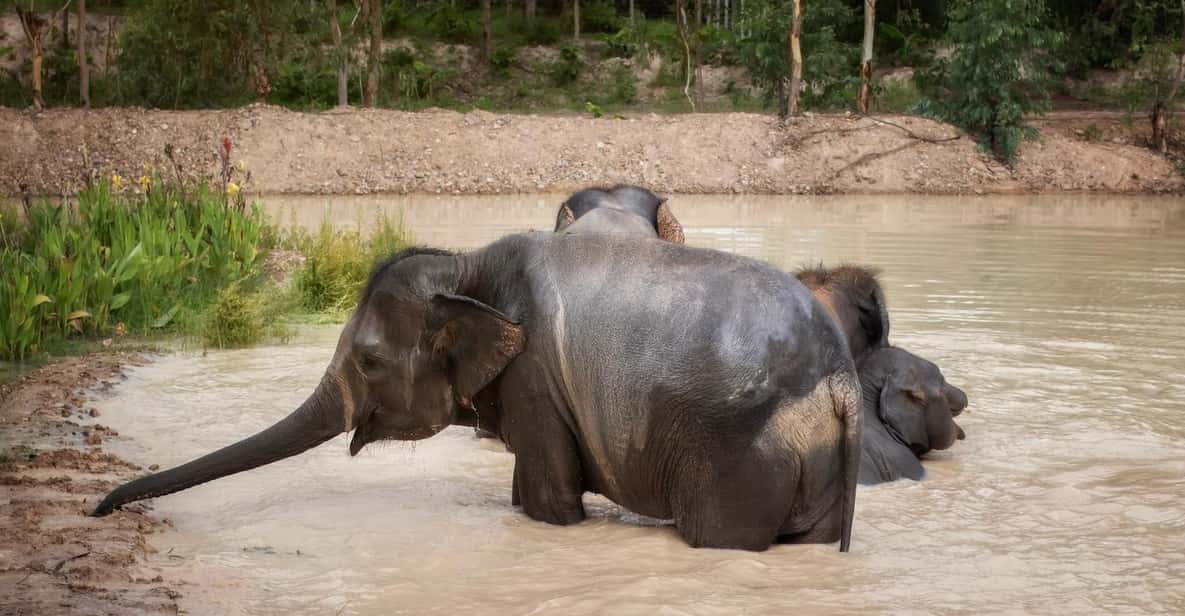
This is the kind of elephant experience that works when you’re short on time but still want something meaningful. The tour runs for 1 hour, and you meet at the sanctuary 10 minutes before your start time. That early check-in matters because they don’t want you wandering around before staff are ready.
In practical terms, you’re not committing to a half-day or full-day log. If you’ve already got plans in Chiang Mai—markets, temples, or a day trip—this can slot in cleanly without stealing your whole schedule.
One more timing reality: the sanctuary is a bit out of the way. In at least some cases, people needed to wait for a taxi afterward. So if you’re trying to line this up perfectly with dinner plans or another booking right after, build in a buffer.
You can also read our reviews of more tours and experiences in Chiang Mai.


Arriving at the sanctuary: what you’ll do first
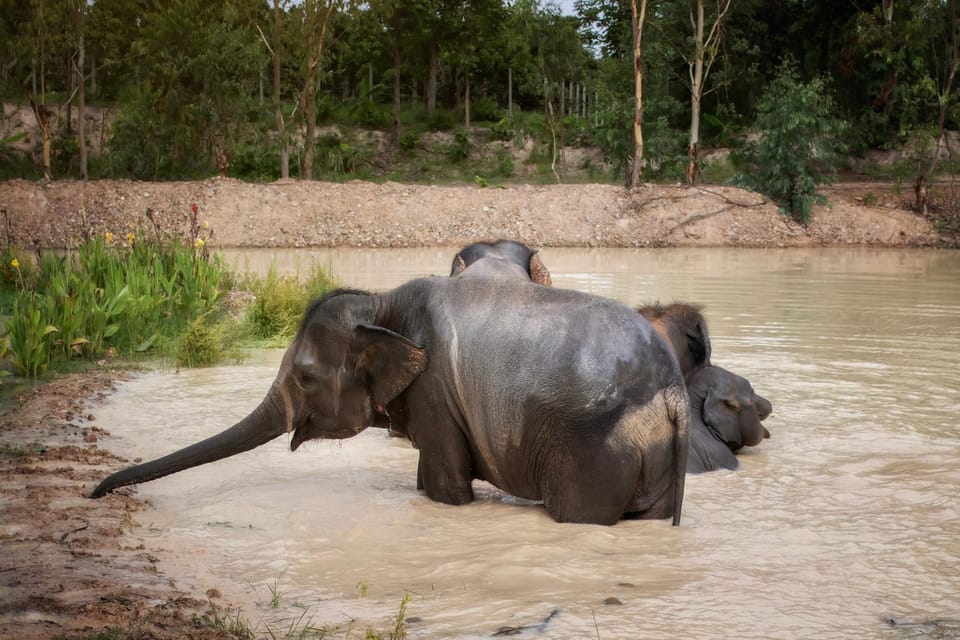
Your first job is simple: show up on time, stay focused, and follow instructions. You’ll meet at the sanctuary, and staff will guide you through how the interaction will work during your session.
Since this is an ethical encounter, the rules are strict for a reason. For example:
- No riding the animals
- You don’t smoke
- You don’t feed animals on your own outside the staff-led portion
- You respect the elephants and the boundaries staff set
You’ll also get some basics covered fast. The package includes elephant food, and you’ll have a free drink per ticket. That matters more than it sounds, because Chiang Mai sun can drain you quickly—especially if your tour time is earlier or later and the heat hits in waves.
Feeding the elephants the ethical way: what “up close” actually means
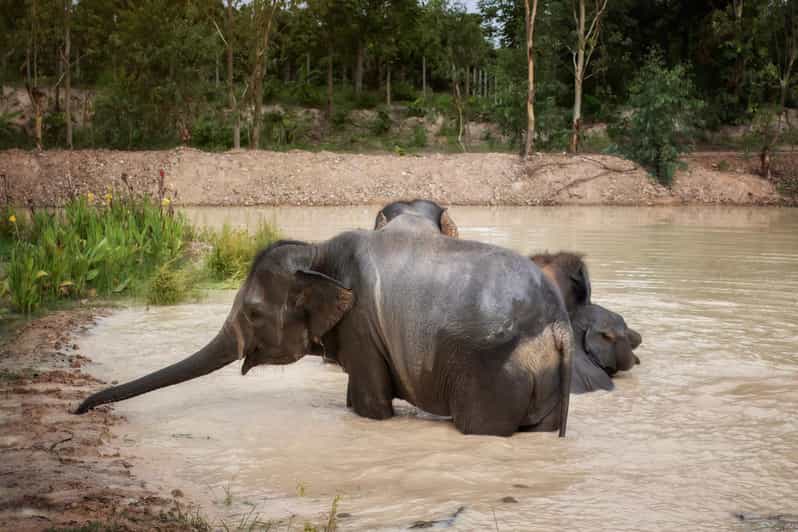
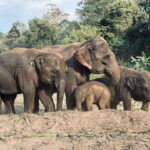
Feeding is the headline for a reason. You’ll prepare special treats and watch the elephants enjoy the food with staff managing the safe, respectful flow.
The key detail here is that the experience is designed around observation and calm interaction, not control. You’re there to connect, but with guardrails: where you stand, when you feed, and how much touch is allowed. You’ll get guidance on the do’s and don’ts, and that is a huge part of why people rate this so highly.
Also, don’t expect a choreographed performance. Elephants are social. Sometimes they’re curious. Sometimes they’re calm. Sometimes they’re just… elephants. A couple reviews mention how they get hot and like to chill, which feels normal when you remember they’re living in real conditions, not a theme-park environment.
One more detail that surprised people: interaction can feel personal even with a group. Some sessions appear to run with very small numbers, and on a quieter day you might feel like you’re learning at your own pace instead of being shuffled.
The learning part: elephant behavior, communication, and history
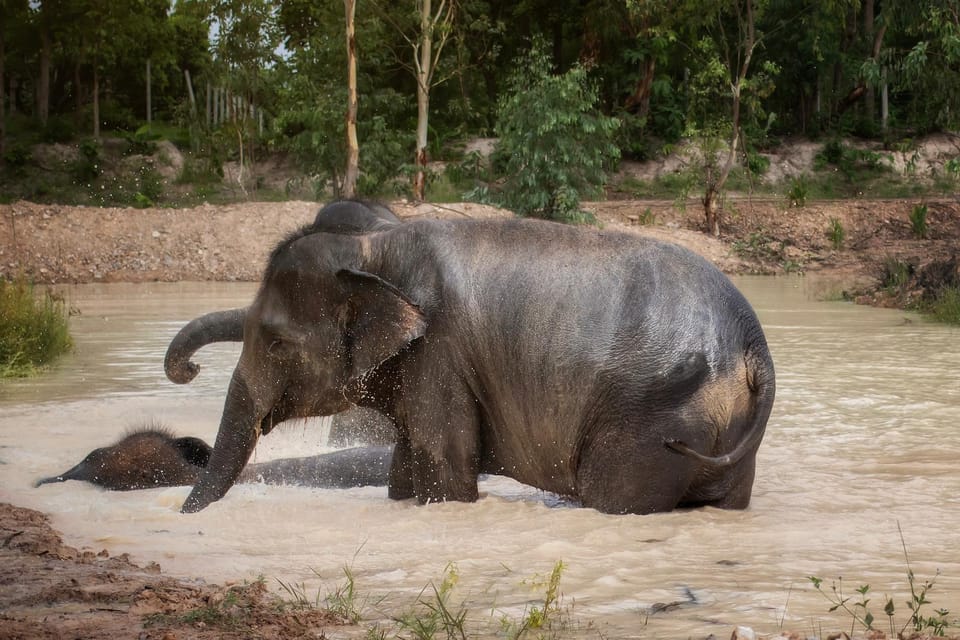
This is where the hour becomes more than just feeding. A guide walks you through elephant behavior and history, and you’ll also get “fun facts” related to care and feeding.
The most useful explanations are the ones that change how you watch the elephants. When you understand what you’re seeing—how they respond to their environment, how they interact socially, and how they communicate—you stop thinking in photos and start thinking in behavior.
What you might hear includes:
- how elephants communicate (not just with sound, but also through gestures and body language)
- patterns in daily behavior that staff track for welfare
- why certain care choices matter for rescued elephants
Even one review wishing for more explanation is a clue: the guide usually covers a lot, but if you’re the type who asks a million questions, you might want to come ready with your curiosity.
Extra stops you might get: education room and arts-and-crafts
Not every tour may include these extras in exactly the same way, but it’s worth knowing what can show up with this program.
Some sessions include an elephant education room, where you learn more in a less hands-on format. That’s a nice balance if the feeding part is so fast you want something to reflect on afterward.
And several people mention an arts-and-crafts component tied to elephant conservation. The most specific example: making elephant dung cards or elephant paper. It’s creative, it’s hands-on, and it uses an unexpected resource from elephant care. It’s also optional in the sense that not everyone loves crafts, so if you’re not into that kind of souvenir activity, just treat it like a bonus, not the core event.
If you’re lucky—or simply book at the right time—some reviews mention seeing a young calf (including very young elephants) during the visit. That kind of moment can make the trip feel extra special, but it’s not something you can count on every day.





Photographer and photos: what to expect
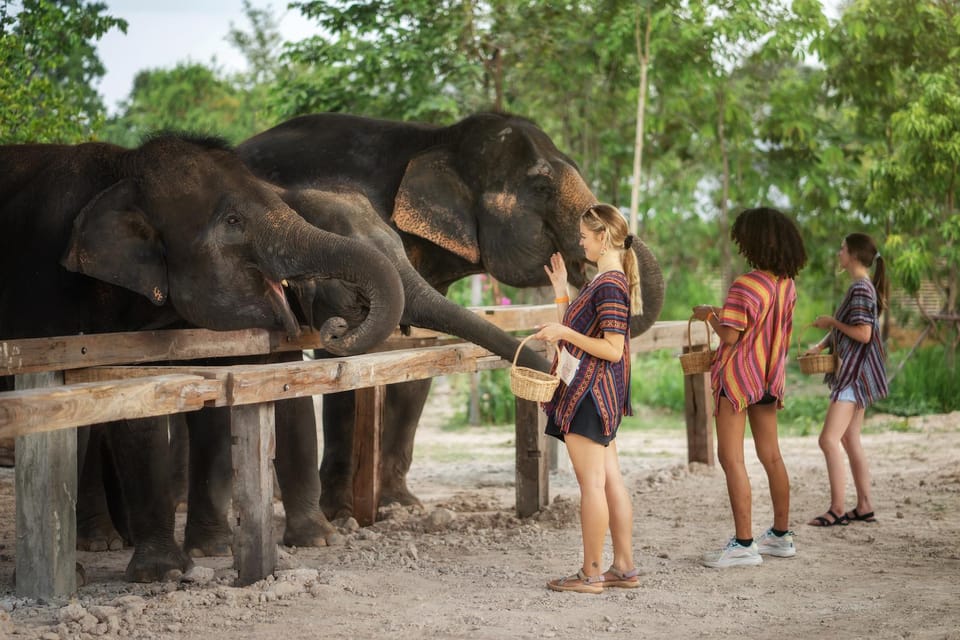
A couple reviews mention that a photographer may be available and that photos were provided free of charge. That’s not listed in the core included items, so consider it a possible bonus rather than a guaranteed add-on.
Still, you can plan like this:
- bring your camera (or phone)
- be ready for quick moments around feeding
- keep your hands free where staff need you to be steady and safe
If you want the best photos, aim for calm behavior and clean angles. Feeding time tends to be fast, so the goal is capturing moments, not waiting for perfection.
Price and value: is $22 for 1 hour fair?
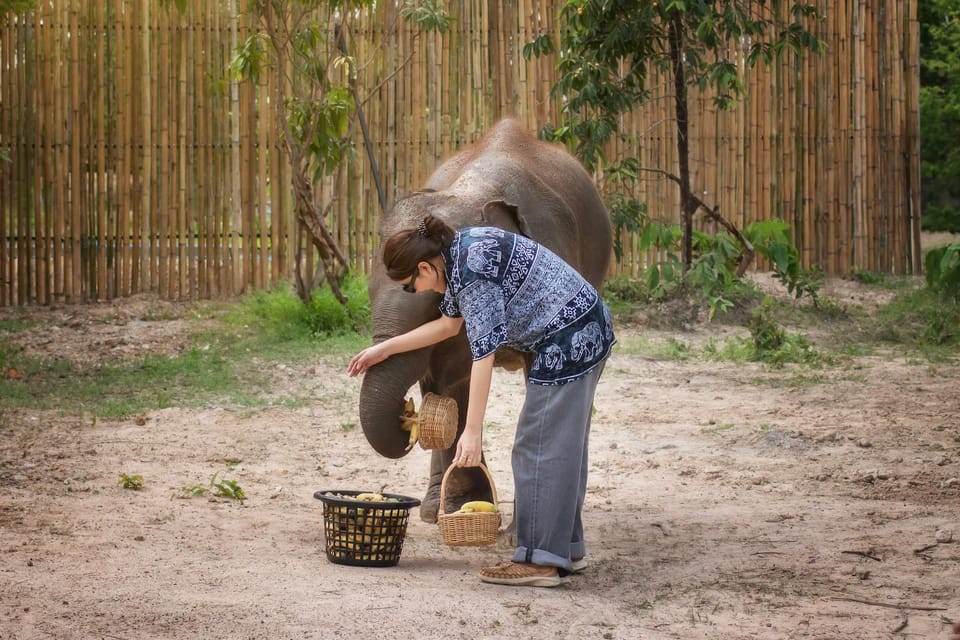
At $22 per person for 1 hour, this is priced like a short, focused experience. The smart part isn’t just the number—it’s what you get inside that hour: elephant food, a free drink, and accident insurance are included.
Here’s how I’d think about value:
- If you want a full-day trek with lots of walking and multiple activities, this might feel too short.
- If you want a clear, ethical encounter without losing a whole day, this is a strong deal.
- If you care about welfare rules—no riding, controlled interaction, guided care explanations—this is exactly the type of tour that justifies a premium over cheaper, sketchier options.
People who love this program often say they wanted something short and got exactly that. At the same time, a common complaint is that they wish it were longer. That’s not a deal-breaker; it just means you should match your expectations to the format.
Ethics in practice: the rules that protect the elephants
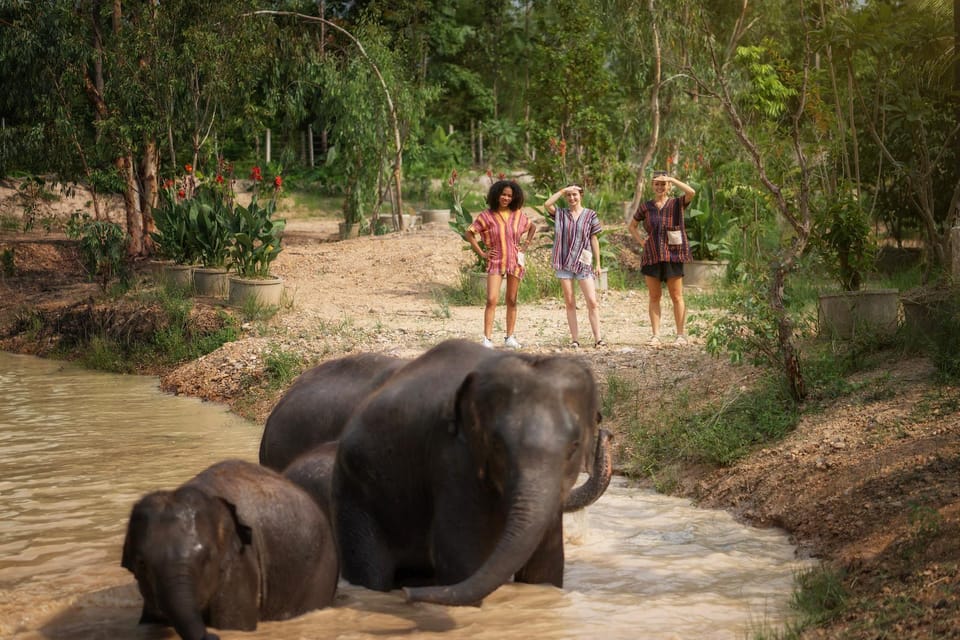
When you see elephants in Thailand, it’s easy to get lost in marketing. This program is built around restrictions that aim to reduce harm and stress.
The big welfare signals in the provided info:
- No riding
- no smoking
- feeding is controlled by staff (you aren’t meant to improvise)
- you’re expected to respect elephants and follow the guide’s instructions
Those rules aren’t just fine print. They change the vibe immediately. You’re not lifting yourself onto an animal. You’re not forcing contact. You’re learning where to stand and how to interact at a pace the sanctuary can manage.
And the positive experiences people describe—elephants looking healthy and content, with careful interaction—fit the pattern: when staff prioritize welfare, visitors usually feel the difference in how calmly the encounter runs.
What to bring (and what will make you miserable in the sun)

This is one of those tours where packing like a local pays off. Bring:
- Hat
- Sunscreen
- Water
- comfortable clothes and shoes for walking
- insect repellent
- camera
Comfort matters because you’ll likely stand, walk a bit around the sanctuary area, and spend time observing during feeding and explanations. If you show up in sandals or flimsy shoes, you’ll feel it.
Also, apply sunscreen early. The hour sounds short, but heat sneaks up fast when you’re not moving much and you’re staring at elephants who are doing their own thing.
Group size and the best time to book
A few reviews point to smaller groups in some slots—sometimes even just two people on the tour. That’s not guaranteed, but it’s enough to suggest a smart strategy: book earlier in the morning if your schedule allows.
Why earlier can be better:
- you may avoid larger crowds
- the light is often nicer for photos
- you’ll start cooler, which helps you enjoy the session instead of thinking about shade
If you want a calmer, more personal feel, you’ll probably like those earlier hours.
Who this ethical elephant encounter is best for
This program suits you if:
- you’re in Chiang Mai for a short stay and don’t want a full-day commitment
- you want ethical elephant contact without riding
- you prefer a guided education component alongside the feeding
- you like practical, no-frills experiences where the focus stays on the animals
It might not be ideal if:
- you want lots of time to hang out and repeat feeding cycles
- you expect a long, theatrical experience
- you hate crafts or education-room style add-ons (though those sound like optional bonuses)
If your main goal is to see elephants safely and learn while you’re there, this fits.
Should you book the Chiang Mai ethical elephant feeding session?
I’d say yes if you match the vibe: short, calm, and guided. For $22, with elephant food, a drink, and insurance included, it’s a solid value when you want a genuine sanctuary-style encounter instead of a ride-and-run setup.
Book it if:
- you want a straightforward 1-hour ethical elephant experience
- you’re okay with a tight schedule and following rules closely
- you enjoy learning while you watch animals behave naturally
Skip it (or at least consider other options) if:
- you know you’ll feel rushed and would rather spend half a day
- you’re very sensitive to heat and won’t pack for it
- you need a perfectly timed return ride and can’t build in a buffer
If you do book, show up early with sunscreen, water, and your camera ready. Then spend the hour watching, not rushing the moment.
FAQ
How long is the Chiang Mai ethical elephant encounter?
The experience lasts 1 hour.
Where do I meet for the tour?
Meet at the sanctuary about 10 minutes before the start time.
What is included in the $22 price?
Elephant food, accident insurance, and a free drink per 1 ticket are included.
What should I bring?
Bring a hat, camera, sunscreen, water, comfortable clothes, and insect repellent.
Is riding the elephants allowed?
No. Riding the animals is not allowed.
Can I feed the elephants on my own?
The rules say feeding animals isn’t allowed, so you should only feed as staff guide you during the interaction.
What is not allowed during the experience?
Smoking is not allowed. Also, riding the animals and feeding animals are not allowed.
Are meals included?
No, meals are not included.