REVIEW · CHIANG MAI
Chiang Mai: Elephants, Sticky Waterfalls, Market and Temple
Book on GetYourGuide →Operated by Elephant Welfare Sanctuary · Bookable on GetYourGuide
Sticky waterfalls and elephants in one day. This tour is a full-on mix of Bua Thong adventure and Northern Thai culture, stitched together with a local market stop and Wat Ban Den’s colorful Lanna architecture. I like that it keeps moving but never feels rushed, because each stop has a clear purpose.
My favorite part is the chance to spend real time at the Elephant Welfare Sanctuary, including making herbal vitamin/medicine balls, feeding, walking, and bathing. One drawback to keep in mind: the waterfall portion is active, wet, and a bit muddy—so bring the right gear, and don’t plan this day if you’re not up for climbing.
In This Review
- Key things that make this day different
- How the day flows: market, waterfall, temple, countryside, elephants
- The morning market stop: bugs, snacks, and rural food habits
- Bua Thong sticky waterfalls: yes, it’s sticky, and yes, it’s a climb
- Wat Ban Den: colorful Lanna temple time that’s calmer than the biggest hits
- The countryside road drive: rice fields, villages, and orchard views
- Elephant Welfare Sanctuary: mahout-style activities, feeding, and bathing
- Lunch and snacks: included local fuel for a full day
- Price and value: what $70 buys you in a Chiang Mai full-day
- Small-group van day: why group size changes the whole experience
- What to bring (and what can ruin your day)
- Who this tour fits (and who should skip it)
- Should you book this Chiang Mai combo tour?
- FAQ
- What time does pickup happen for this tour?
- How long is the tour?
- How big is the group?
- What’s included in the price?
- Is the waterfall part included, and do I need to bring clothes?
- What temple will you visit?
- Is lunch included?
- Are soft drinks or alcohol included?
- Who should not take this tour?
Key things that make this day different
- Sticky waterfall fun at Bua Thong: you climb and walk on wet rock in a very specific way.
- A market stop that’s more than shopping: bugs, local snacks, and rural food habits get explained.
- Wat Ban Den’s colored Lanna style: peaceful, sacred, and often calmer than the big-name sites.
- Countryside driving with real views: rice fields, villages, and orchards along the way.
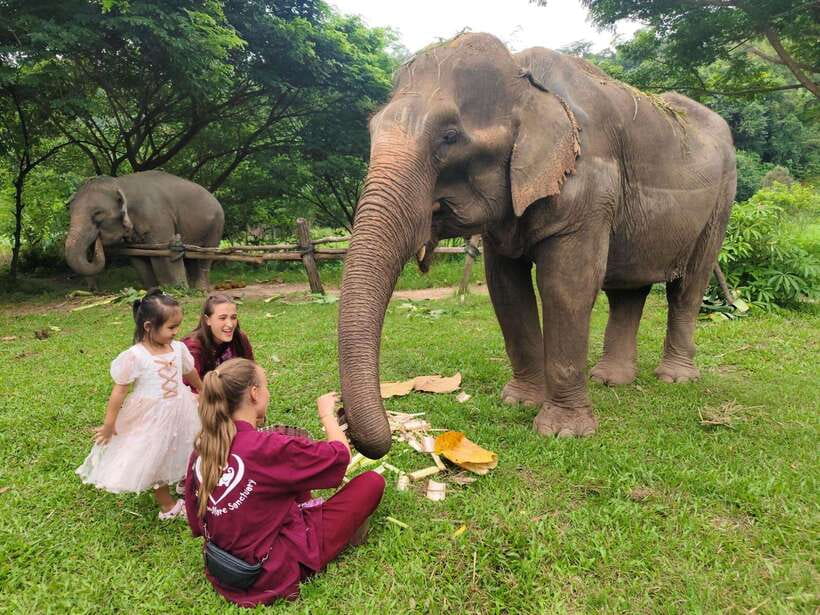
- Hands-on elephant time: mahout-style uniforms, feeding, walking, and bathing.
- Small-group pace: limited to 9 people, with hotel pickup and an English tour guide.
How the day flows: market, waterfall, temple, countryside, elephants
This is built as one long Chiang Mai day—about 7.5 to 8.5 hours—starting with pickup around 10:45 am. You’ll ride in a van with stops planned in sequence: local market first, then Bua Thong Sticky Waterfalls, then Wat Ban Den, then a chunk of countryside road, and finally the elephant sanctuary experience.
The best part of this order is how it changes your pace. Morning starts with smells and flavors at the market. Midday shifts to physical play at the waterfall. Then you get calmer, quieter time at the temple before you finish with something big and memorable at the sanctuary.
The van transfers also matter. Even with a full schedule, the transport is set up as round-trip transfer from your hotel/area, plus an English-speaking, TAT-licensed guide. That means you’re not fighting logistics while you’re trying to enjoy the day.
You can also read our reviews of more tours and experiences in Chiang Mai.

The morning market stop: bugs, snacks, and rural food habits
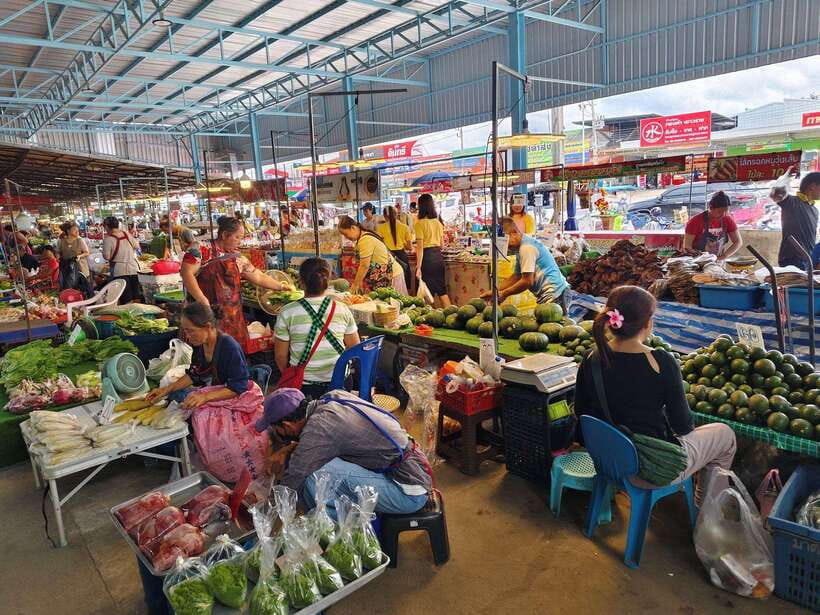
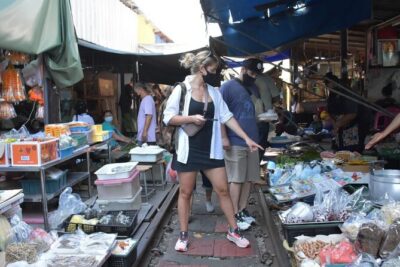
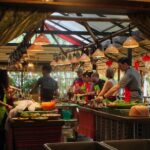
Your first guided stop is a local market (the one listed as ตลาดเจดีย์แม่ครัว). Expect a real look at how people eat and live in the region, not a staged tourist spread.
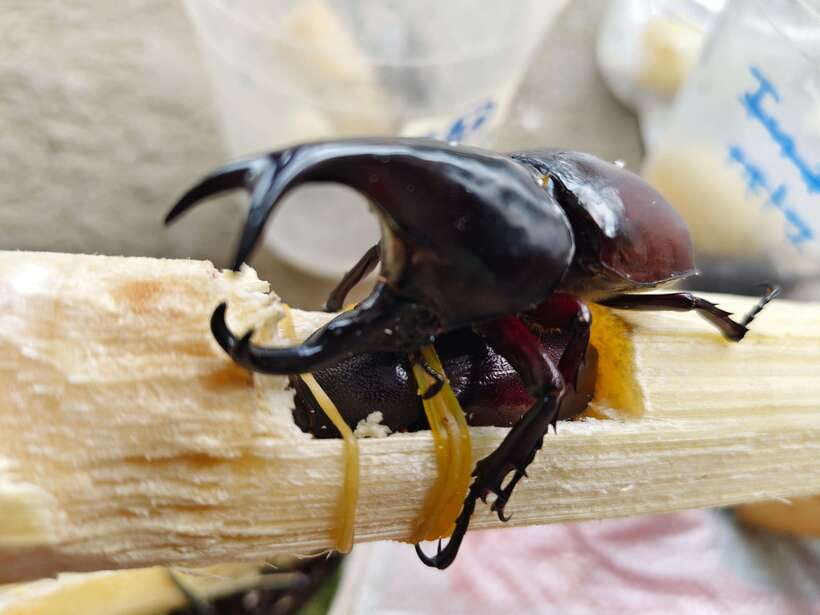
What stands out here is the mix of foods. Some of it is familiar Thai street food, but you may also see and hear about items like bugs, worms, and insects. If you’re curious, this is a fun place to ask questions—your guide is there to connect the food to everyday life in the countryside.
Practical tip: markets can be hot and fast-moving. Wear comfortable clothes and bring a bit of cash for anything personal. You’ll also get snacks during the day, but this is still a great time to decide if you want to taste extra items.
Bua Thong sticky waterfalls: yes, it’s sticky, and yes, it’s a climb
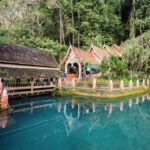
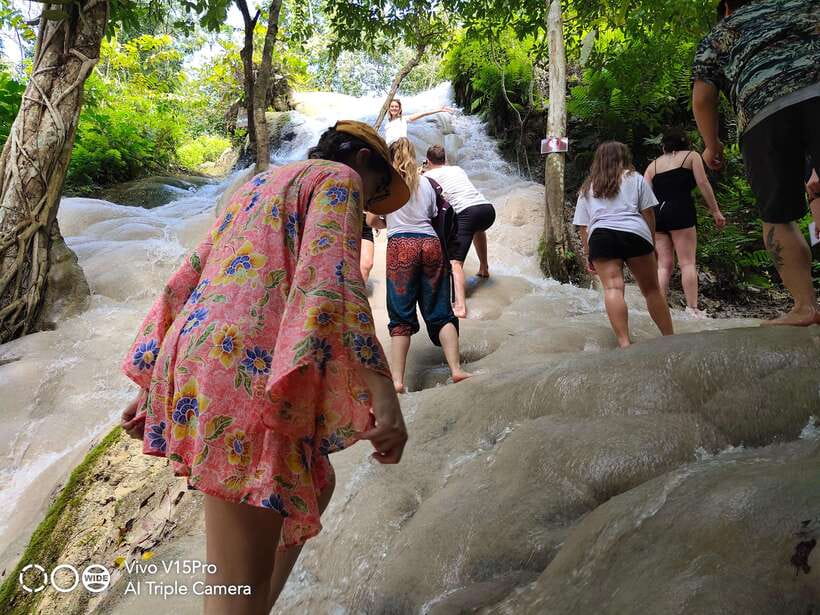
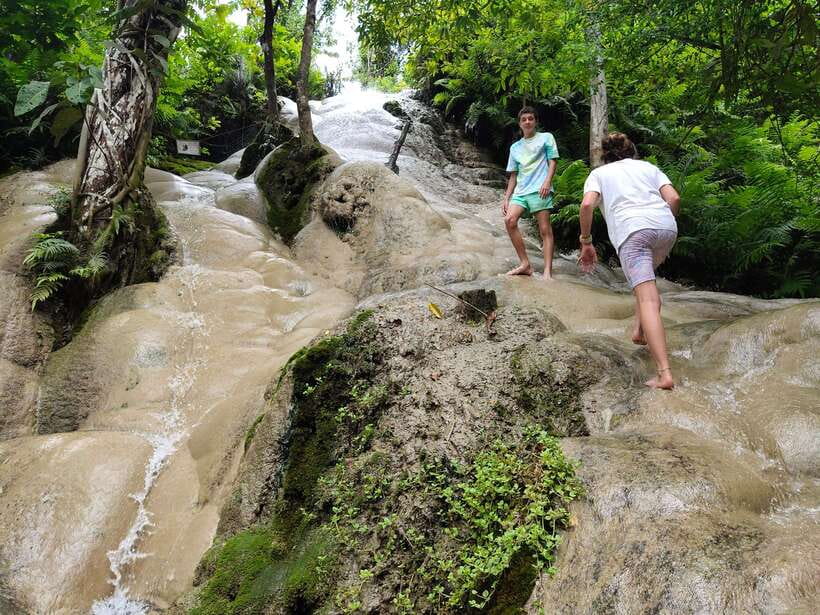
Next comes the big adventure: Bua Thong Sticky Waterfalls. You’ll change clothes when you arrive (bring what you need), then follow a natural path down to the falls. The activity here is not just looking.
You’ll be walking on and up wet rock that feels sticky underfoot, which is why people describe it like climbing. You’ll move up and down, and you should plan on getting wet. Even when the water looks clear, the rocks can be slick and slippery.
A couple smart gear notes from real-world experience:
- If you can, bring water shoes or shoes you don’t mind soaking. One tip people swear by is water shoes for this exact section.
- Consider socks if you’re the type to worry about temple feet later. One guide tip in the crowd was to make temple shoe-off time easier.
Also note timing: at peak holidays/high season, it can be busy. It’s still a great time, but you’ll feel more people at the climb and viewpoints than during quieter periods.
Wat Ban Den: colorful Lanna temple time that’s calmer than the biggest hits
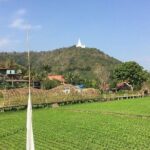
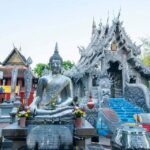
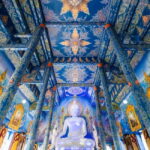
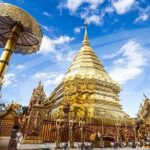
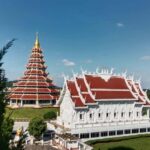
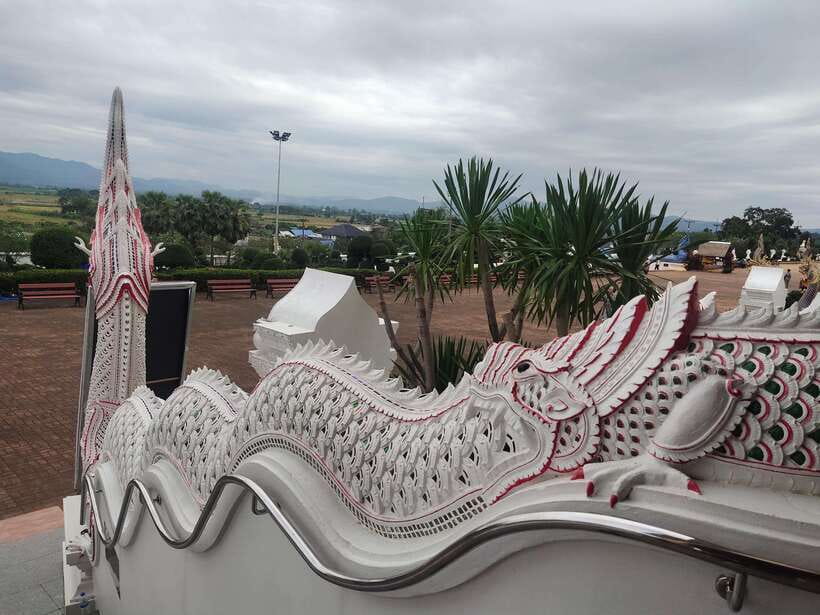
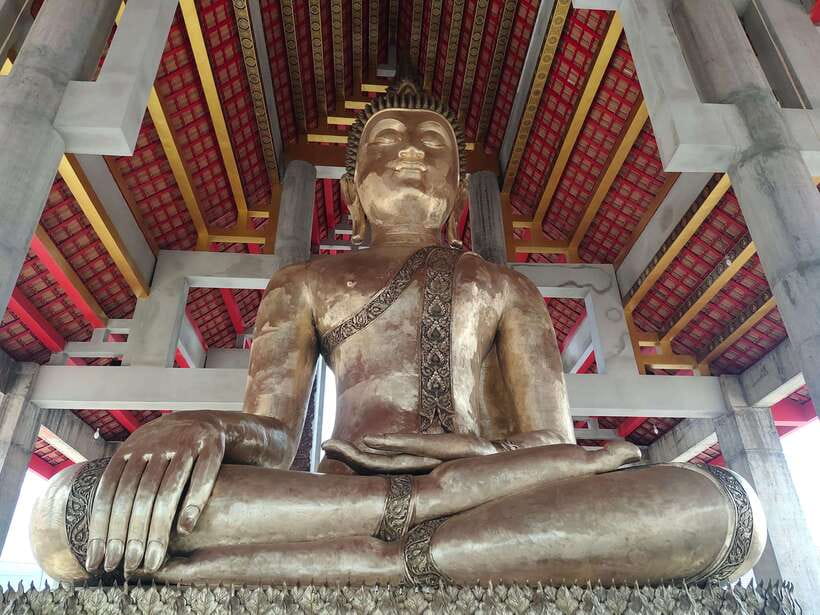
After the waterfall, the day pivots to a temple visit: Wat Ban Den. This place is known for its colorful mix—white, green-blue, and pink tones—and for Lanna-style temple architecture that feels different from the famous white temple look in Chiang Rai.
What I like about Wat Ban Den is the vibe. It’s presented as a sacred place locals visit to worship and pray, not just a photo set. That matters, because you’re more likely to feel calm here and not stuck in a constant selfie line.
Expect a guided visit focused on the temple’s design and the Lanna elements. And yes, you’ll want a camera, because the colors and angles are photogenic—but you’ll also get time to sit and watch the space instead of treating everything like a checklist.
Also, wear shoes you can manage easily. In Thailand, temples often mean removing footwear, and one practical tip people gave was to wear something that keeps your feet comfortable once sandals come off.
The countryside road drive: rice fields, villages, and orchard views
Between the temple and the elephant sanctuary, you’ll spend time driving through Chiang Mai Province on countryside roads. This part isn’t a random transfer; it’s there so the day doesn’t feel like just three attractions.
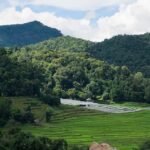
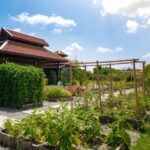
You’ll pass paddy rice fields, villages, farms, and orchards. It’s a nice counterweight to the wet waterfall and the colorful temple—basically a breather window where you can look out the van window and take in the region’s rhythm.
Two hours of countryside time (plus driving segments) can sound long on paper, but it works well because it gives your legs a rest before the sanctuary activities.
If you’re a photo person, this is a better time to grab slow shots. At the waterfall, everyone is focused on the climb. On the road, you’ll see more easy-to-capture scenes: fields, homes, and the way the land spreads out.

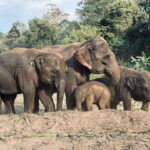
Elephant Welfare Sanctuary: mahout-style activities, feeding, and bathing
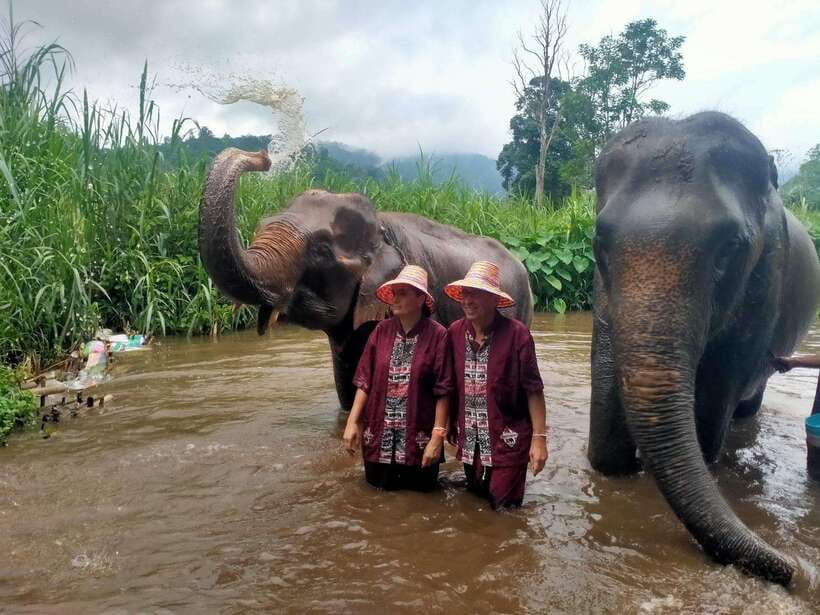
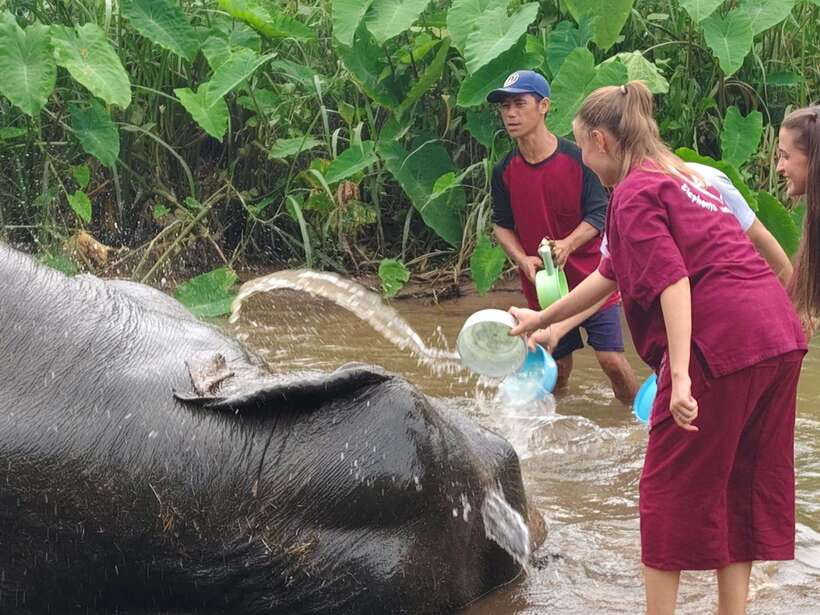
Then comes the reason many people choose this tour: elephants at a sanctuary setting with hands-on activities. You’ll put on Mahout uniforms, so you’re not just watching from the edge.
The elephant segment includes a themed activity: making herbal elephants vitamin and medicine balls meant to help with digestion. The tour explains that elephants can have digestion issues after eating, and the vitamin balls are part of how they support them.
After that, you’ll move into the core interactions:
- Feeding (bananas and sugarcane are included)
- Walking with the elephants and observing them
- Photos during the interaction
- Bathing them in the water
You’ll also be able to see how caretakers manage the experience. Some staff members in this sanctuary world use fun nicknames—one example you might hear is a caretaker called Cookie Monster—so don’t be surprised if the briefing feels warm and casual.
Now for the balanced part: one person did raise a concern that the sanctuary experience didn’t feel totally ethical because touching and photo interactions were involved and the elephants seemed trained for tourist-style moments. That doesn’t mean everyone should avoid it, but it does mean you should think about your own comfort level with direct contact and photo opportunities.
Lunch and snacks: included local fuel for a full day
Lunch is included, served at a local area, and it’s built into the flow so you don’t lose time searching for food. This is one of those “small” inclusions that actually matters, because a day with waterfall and elephants can make you hungry fast.
You’ll also get snacks during the tour and drinking water. That means you can plan your energy without stopping mid-day, and it helps you focus on the experience instead of managing your own logistics.
If you’re sensitive to spicy food, you may want to mention it during lunch ordering. The tour itself doesn’t say anything about menus, so assume the restaurant will follow local style.
Price and value: what $70 buys you in a Chiang Mai full-day
At $70 per person for a 450–510 minute full-day tour, the value comes from combining multiple major stops that would each cost money on their own.
You’re not just paying for a transfer. The package includes:
- Admission fees
- Round-trip transfer from your pickup area
- Lunch
- Snacks and drinking water
- Elephant feeding supplies and vitamin balls
- Mahout-style caretaker uniforms
- Insurance and an English tour guide
That total matters because the waterfall and temple visits are straightforward, but elephants usually add the real cost. By bundling the elephant portion with food, admission, and a guide, the price starts to look fair—especially since the group is limited to 9 people, which helps keep things smooth.
One more value point: the guide-led structure means you’re less likely to end up spending extra time figuring out what’s where, especially with waterfall prep and temple etiquette.
Small-group van day: why group size changes the whole experience
This is a small group tour, capped at 9 participants. In practice, that matters for two reasons.
First, it’s easier to get help quickly at the waterfall when you’re changing clothes and figuring out the right way down. Second, temple and elephant instructions are more manageable when the guide isn’t talking to a busload of people.
Transport also gets praise for comfort, with people calling out leg room and easy van logistics. Since the day has several moving parts, comfortable seating helps. You’ll appreciate it most after the waterfall, when your legs are tired and you’re ready for that longer drive segment.
What to bring (and what can ruin your day)
Do not show up unprepared for wet and changing conditions. The tour lists the essentials, and you should treat them like non-negotiables:
Bring:
- Comfortable shoes
- Sun hat and sunscreen
- Change of clothes and a towel (for sticky-waterfall + elephant bathing)
- Insect repellent
- Camera
- Cash for personal expenses
- Comfortable clothes you can get wet
And keep in mind the rules:
- No smoking indoors
- No food in the vehicle
If you forget the towel or change of clothes, the elephant bathing part can turn into a long uncomfortable ride afterward.
Who this tour fits (and who should skip it)
This day blends physical activity, water, and a hands-on animal experience, so it’s not for everyone.
It’s not suitable for:
- Wheelchair users
- Pregnant women
- Children under 2 years (and under 3 years per category listings)
- People over 75 years (also listed as over 95 years, which is very strict)
- Babies under 1 year
- Anyone outside those age limits
If you love active travel, you’ll probably feel right at home—especially because the waterfall segment is part adventure, part workout.
If you’re traveling with family, it can work for older kids and teens, but you’ll want to be honest about whether your group can handle wet climbing and shoe-off temple moments.
Should you book this Chiang Mai combo tour?
I’d book it if you want one day that hits four big targets without juggling separate tours: sticky waterfalls, a real local market, a standout Wat Ban Den temple, and a hands-on Elephant Welfare Sanctuary experience.
I’d think twice if you strongly dislike wet climbing, you’re very sensitive about animal-contact/photo formats, or you fall into any of the listed “not suitable” categories. This isn’t a sit-and-stroll day.
If you’re ready to get damp, use the towel, and go with the flow of a small-group van schedule, it’s the kind of day you’ll remember the moment you step back into Chiang Mai’s evening streets.
FAQ
What time does pickup happen for this tour?
Pickup starts at 10:45 am from your hotel lobby or one of the listed meeting points.
How long is the tour?
The total duration is 450 to 510 minutes (about 7.5 to 8.5 hours).
How big is the group?
The group is limited to up to 9 participants.
What’s included in the price?
The tour includes round-trip transfers, an English-speaking TAT license guide, admission fees, lunch, snacks, drinking water, insurance, and elephant activity items like banana and sugarcane feeding plus elephant vitamin/medicine balls and mahout uniforms.
Is the waterfall part included, and do I need to bring clothes?
Yes. The tour includes the Bua Thong Sticky Waterfalls activity. You should bring change of clothes and a towel, plus comfortable shoes.
What temple will you visit?
You’ll visit Wat Ban Den in Chiang Mai.
Is lunch included?
Yes, lunch is included.
Are soft drinks or alcohol included?
No. Soft drinks and alcoholic beverages are not included.
Who should not take this tour?
The tour lists limits and exclusions including pregnant women, wheelchair users, people over 75, and very young children (under 2 and under 3 categories), along with infants under 1 year.