REVIEW · KO SAMUI
Samui:Elephant Jungle experience & The First Elephant Museum
Book on GetYourGuide →Operated by SamuiElephantHome · Bookable on GetYourGuide
An elephant museum and a forest walk in the same 3 hours sounds unusual. That mix is exactly why Samui Elephant Home works so well: you get the story first, then you see the elephants roaming in their jungle space.
I especially like the way the visit connects Thai elephant heritage to what daily ethical care looks like now. I also like the hands-on conservation twist with seed bombs, because it turns your curiosity into something practical you did with your own hands.
One thing to keep in mind: the day has a fair bit of museum and explanation time, and if you want maximum minutes following elephants through the trees, you may wish for more field time.
In This Review
- Key things I noticed that matter
- From your Samui hotel to Samui Elephant Home
- Inside Samui’s Elephant Museum: Thai elephant heritage without the noise
- The jungle walk: watching elephants forage at a respectful distance
- Mahouts and organic food: how nutrition fits elephant wellbeing
- Seed bombs in the forest: turning care into action
- Cooling down after the jungle walk: shade, water, calm routine
- Price and value: is $64 for 3 hours worth it?
- What to expect in practice: timing, pace, and small realities
- Who this Samui elephant experience is best for
- Should you book Samui Elephant Jungle & The First Elephant Museum?
- FAQ
- How long is the Samui Elephant Jungle experience?
- Where are you picked up?
- What parts of the experience are included?
- Do I get to see elephants in the jungle?
- Is the seed bomb activity included?
- What language is the guide?
- What should I bring?
- Are there any restrictions during the tour?
- Can I cancel or reserve without paying right away?
Key things I noticed that matter
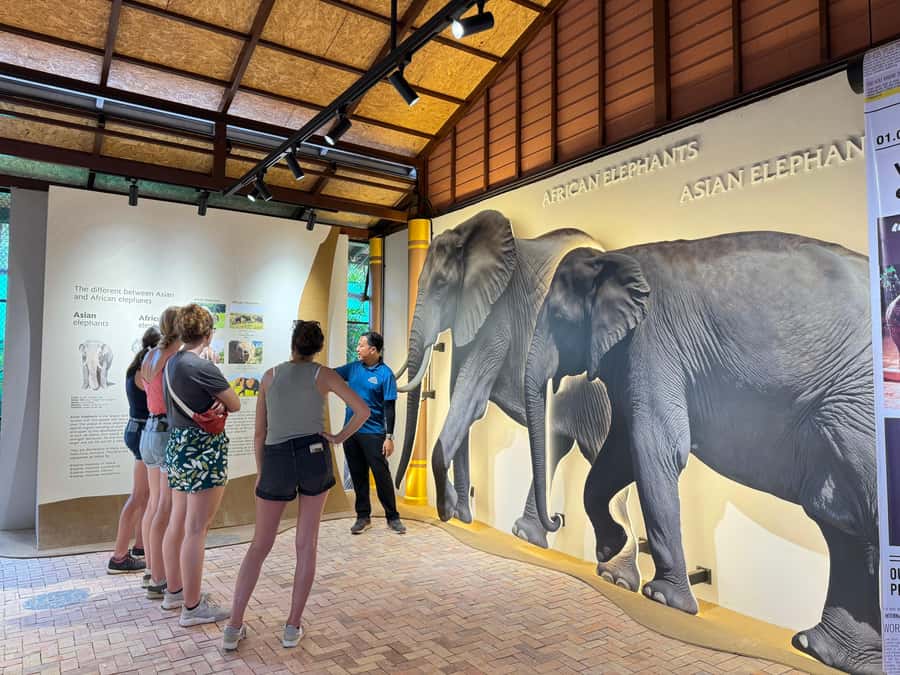
- Elephant Museum first: you learn Thai elephant history and natural behavior before you head into the jungle
- Freedom with boundaries: you walk at a respectful distance while elephants forage and move naturally
- Mahout-led nutrition: you see organic food preparation tied to health and daily routine
- Seed bombs with a slingshot: clay + native seeds + launching into the forest to support future habitat
- Natural cooling down: shade, water, and calm after the jungle walk, not forced show behaviors
From your Samui hotel to Samui Elephant Home
You’ll get picked up from Ko Samui hotels around the island area, then transferred to the center. Plan for a short wait at your lobby—arriving a little early makes things smooth.
The whole experience is built around an easy, guided flow: safety briefing first, then museum time, then jungle viewing and activities. It’s also in English, so you’re not stuck piecing together what’s happening while you’re sweaty and staring at elephants.
You can also read our reviews of more tours and experiences in Ko Samui.



Inside Samui’s Elephant Museum: Thai elephant heritage without the noise
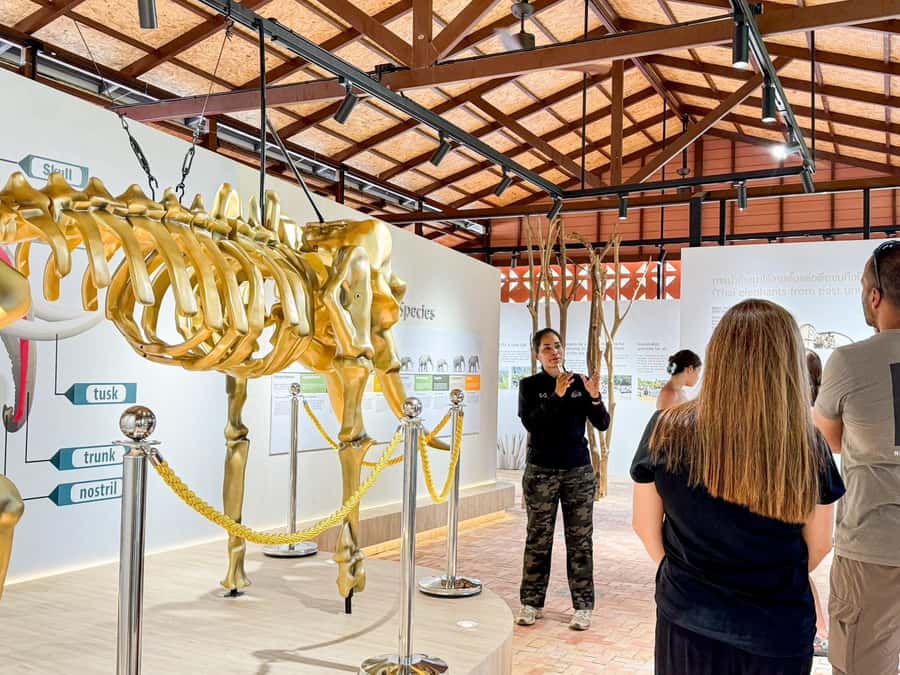
The museum portion sets the tone fast. Instead of jumping straight to animals, you learn the larger context: elephants’ role in Thailand’s heritage, spirituality, and daily life. That helps you understand why this place cares about respectful treatment, not just entertainment.
You’ll also learn about natural behavior in the heat—what “cool down” really means for elephants in a tropical climate. Guides such as Angie, Kathy, Noot, and Katy are referenced for their storytelling and clarity, and it shows in how they connect the exhibits to what you later see in the jungle.
The museum area itself feels maintained and easy to orient around, so you’re not scrambling for shade or getting lost mid-lesson. Still, if you prefer nonstop outdoor time, this is one of the few moments where the pacing can feel more classroom than field.
The jungle walk: watching elephants forage at a respectful distance
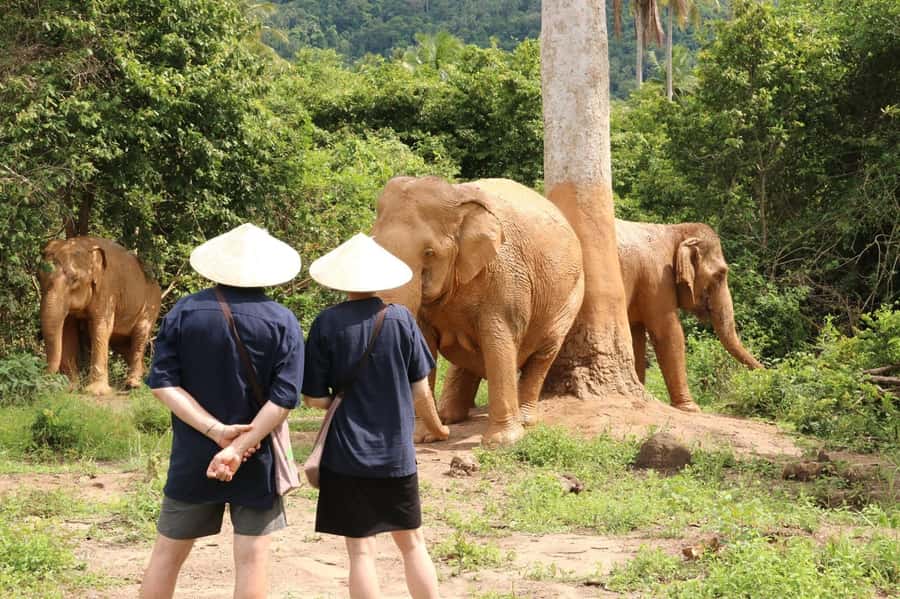
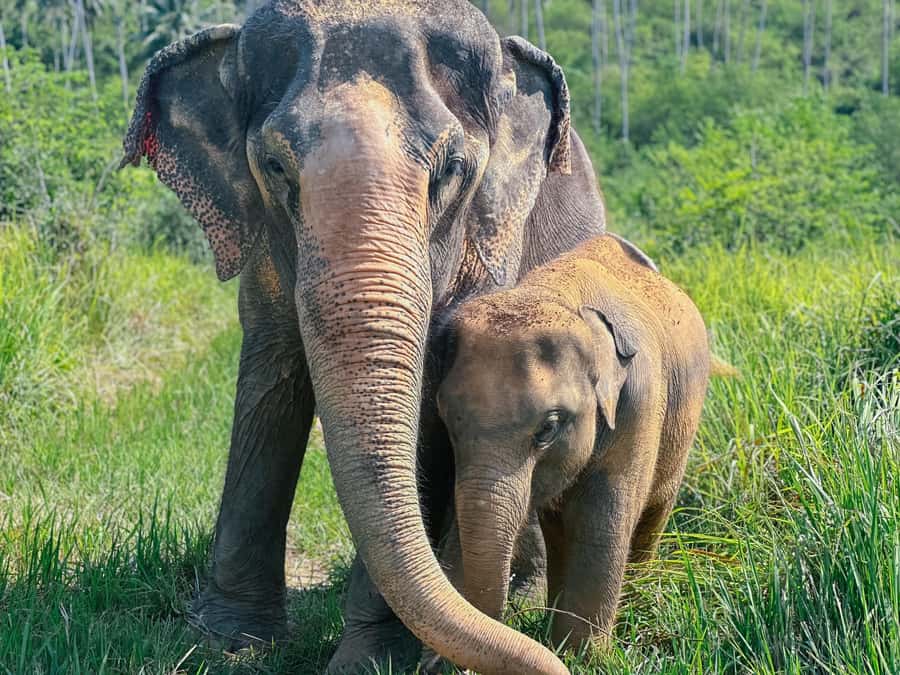
After the museum, you head into the jungle where the elephants roam freely. This is the part many people remember most, because you’re not in a crowd line or forced into a trick. You walk through the forest with a respectful buffer while the elephants forage, explore, and interact with their environment.
What I like here is the “natural first” vibe. The program is careful about space. Even when you’re close enough to see personalities, you’re not expected to crowd, chase, or corner anyone—elephants are doing elephant things, not performing for your camera.
You may have a quick photo stop along the way, but the viewing focus stays on observation. One practical tip: wear shoes you trust. You’ll likely be moving on uneven ground, and you don’t want your day ruined by blisters when you still want a good look at the herd.
Mahouts and organic food: how nutrition fits elephant wellbeing
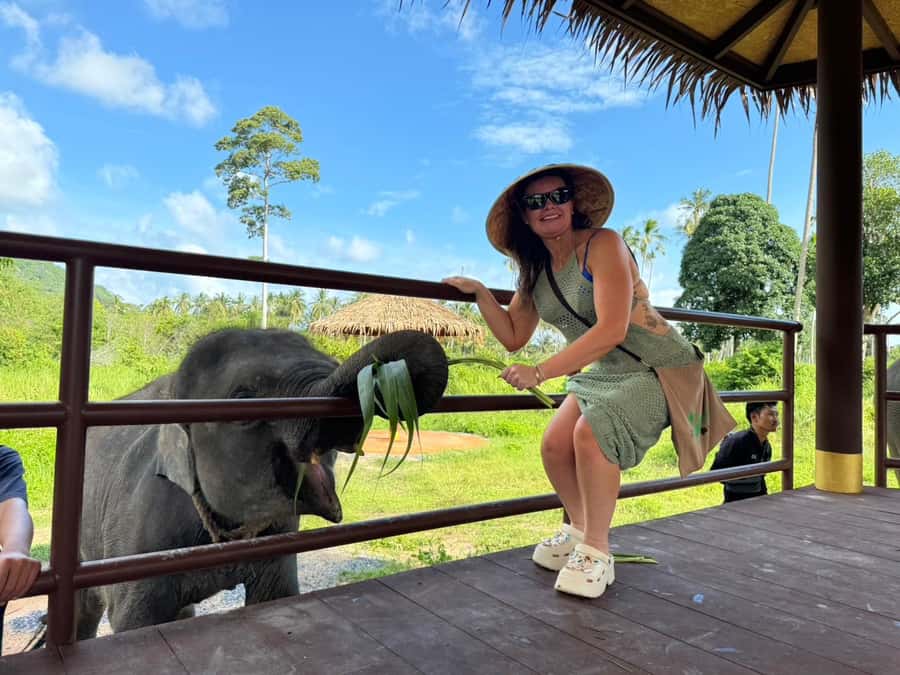
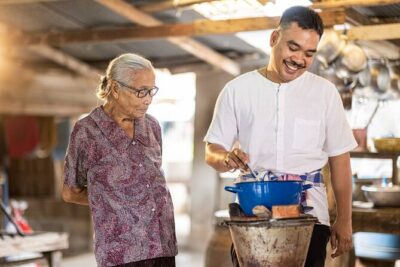
A big chunk of the educational value comes from watching experienced mahouts explain daily nutrition. You’ll see how organic food is prepared, and you’ll hear about why nutrition matters at different life stages.
This isn’t just “here’s bananas” talk. You’re learning how caretakers think about health and routine, and how the feeding process supports elephants living under ethical care. It helps you see the center as a living system rather than a one-time attraction.
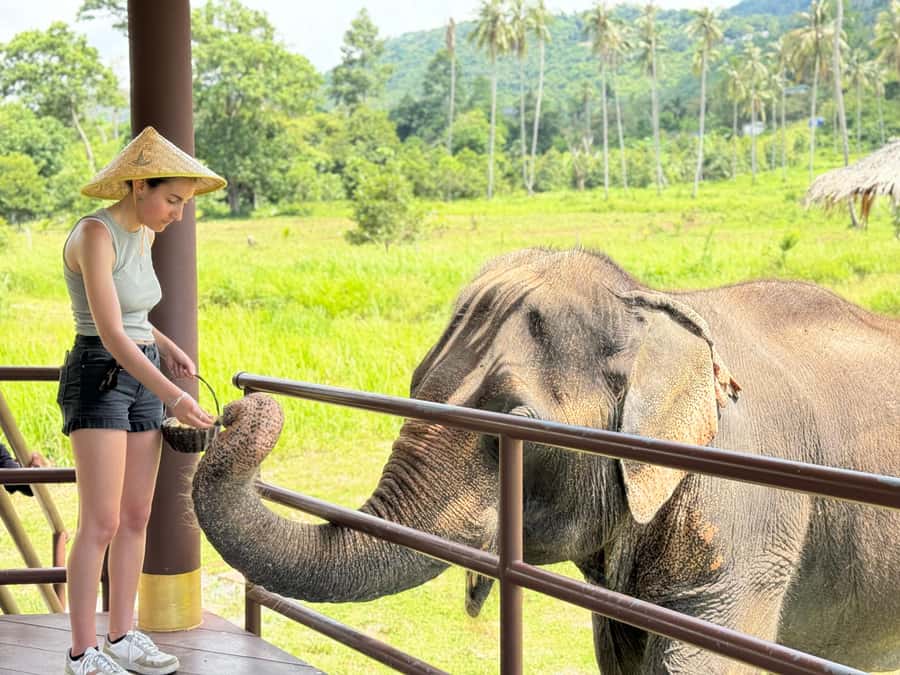
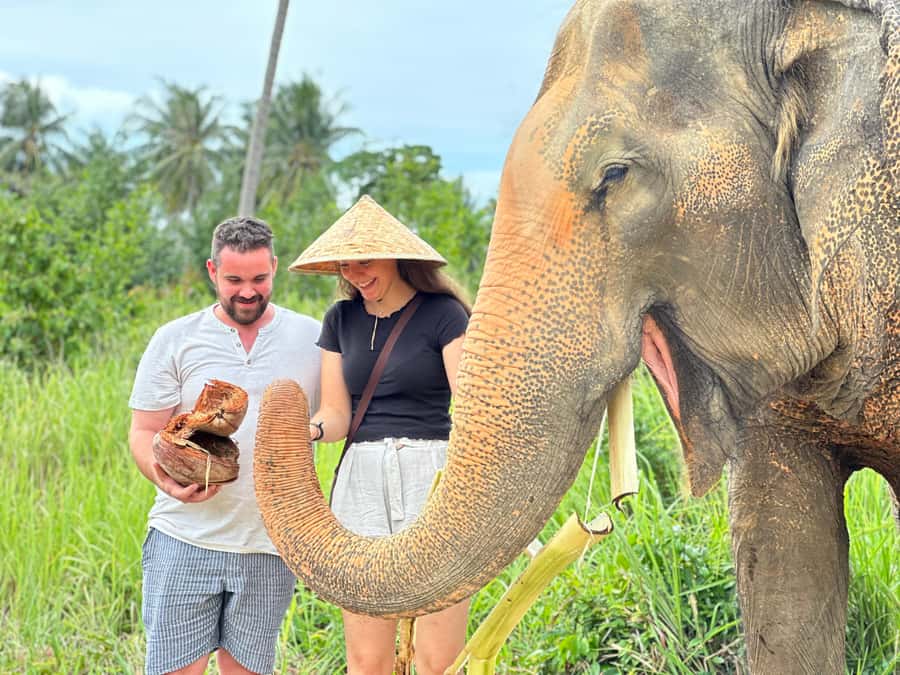
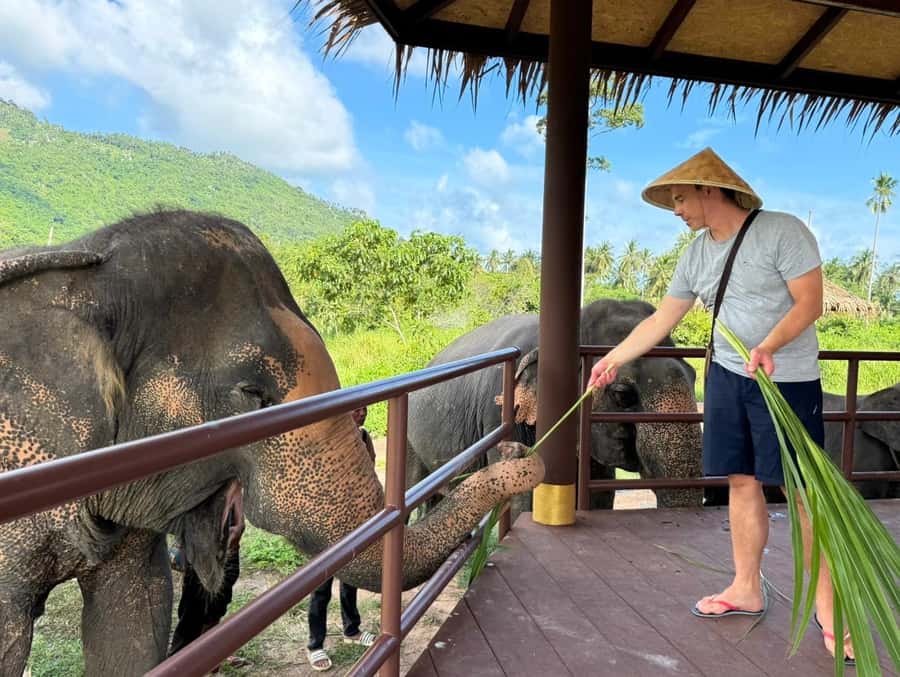
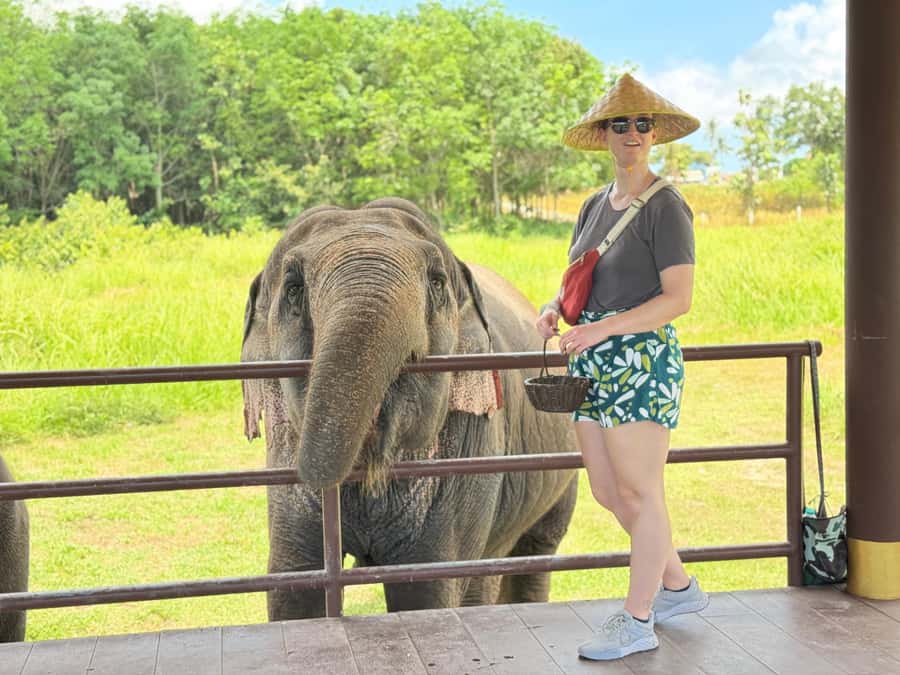
Some people report opportunities to offer food during the visit (and in a way that feels more like helping than grabbing). If you’re offered treats, follow the guide’s instructions closely. Also remember: camera and attention should never override elephant comfort or personal space.
Seed bombs in the forest: turning care into action
Then comes the most fun conservation moment. You make seed bombs using clay and native plant seeds, and you use a traditional slingshot to launch them. The goal is simple: help restore forest areas so future plants can grow back, supporting elephants and the broader environment.
One nice detail is that you’re not just watching staff do it. You’ll craft them yourself, which makes the activity feel real instead of symbolic. In some cases, guides may focus on specific seed types like pumpkin seeds, giving your conservation contribution a clearer target.
Is it guaranteed to change the forest overnight? No. But this is the kind of activity that lets you feel connected to the long game. It’s also a good contrast to elephant attractions that sell souvenirs but don’t support habitat work.






Cooling down after the jungle walk: shade, water, calm routine
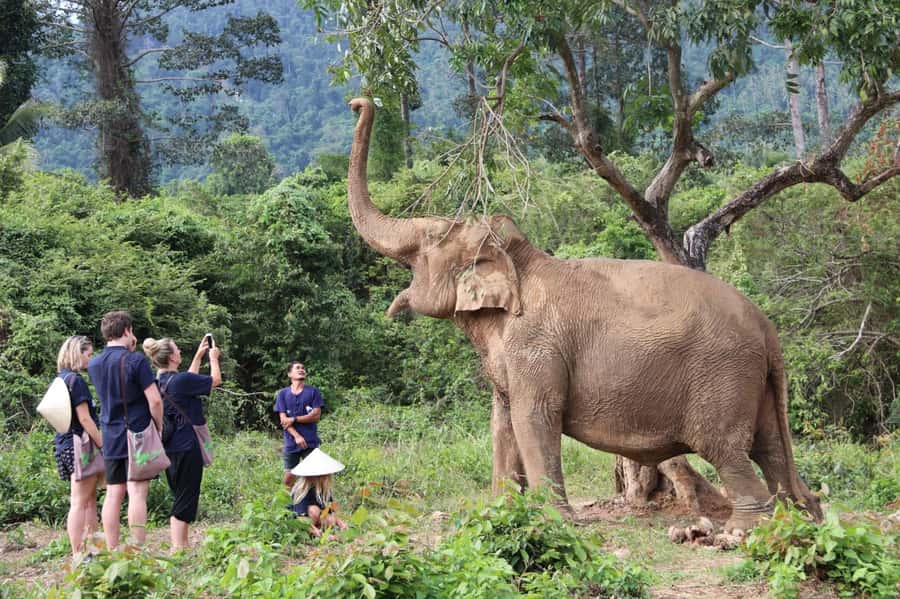
Near the end, the focus shifts to what happens after outdoor time. You’ll observe how mahouts support the elephants after their jungle walk so they can cool down naturally in the tropical heat.
This is worth paying attention to because it explains the practical side of elephant welfare: comfort isn’t just a concept. It’s shade, water, and calm routines that reduce stress during hot conditions.
You’ll also learn why certain high-contact activities are avoided. For example, some programs skip mud bathing because it can be risky. In this experience, the message stays consistent: the priority is animal safety and natural behavior, not dramatic spectacles.
Price and value: is $64 for 3 hours worth it?
At about $64 per person for a 3-hour experience, you’re paying for more than a quick zoo-style visit. You’re getting:
- roundtrip transfer from Ko Samui hotels
- full insurance
- a guided museum tour
- a guided jungle walk / wildlife viewing component
- seed bomb crafting to support the forest environment
- a welcome drink, plus a safety briefing
- English-language guidance and skip-the-line entry
Here’s how I judge the value: you’re not only observing elephants—you’re learning the ethical “why” behind care, then taking part in a conservation action. Many elephant experiences cost similar money but stop at photos and performance. This one keeps the story attached to wellbeing and habitat.
The time split also matters. If your main goal is a long, hands-on elephant interaction, you may feel the pace is not built for that. If your goal is education, observation, and a meaningful activity (seed bombs) in a short timeframe, this price starts to make sense fast.
What to expect in practice: timing, pace, and small realities
The day runs on a tight schedule, and heat plays a real role on Ko Samui. That means your comfort matters, and you should treat the visit like a “morning-friendly” activity even if your start time varies.
Bring what the center recommends:
- comfortable shoes
- hat
- sunscreen
- camera
- insect repellent
Also note the basics: alcohol and drugs aren’t allowed. That may sound obvious, but it matters because a sober, calm environment helps everyone follow instructions and keep elephants comfortable.
Group size can feel more personal. Some visits are reported as small-group, which usually means more attention from the guide and fewer people blocking your view. You can’t bank on a specific headcount, but the experience is designed for guided attention rather than mass chaos.
Who this Samui elephant experience is best for
I think this tour is a strong match if you:
- want an ethical elephant sanctuary vibe instead of entertainment-driven behavior
- care about learning before interacting
- enjoy guided storytelling in English
- like conservation projects that involve doing something (seed bombs)
It’s also a good fit for mixed-age groups, since the museum + jungle structure creates variety. If you’re traveling with teens or someone who gets bored in long animal lectures, the seed-bomb step and the outdoor viewing usually reset the energy.
Who should think twice? If you mainly want lots of field time with frequent elephant tracking and very prolonged feeding, the structure may feel more balanced than you’d prefer. One visitor felt the museum/classroom time should be shorter. If that’s your style, you might still enjoy the experience, but go in knowing the day includes solid explanation.
Should you book Samui Elephant Jungle & The First Elephant Museum?
I’d book it if your priority is a respectful, educational elephant day that doesn’t treat the animals like props. The museum component helps you understand what you’re seeing in the jungle, and the seed bomb activity adds a conservation action that feels connected to the real world.
If your ideal elephant experience is 100% outdoor time with maximum feeding or attention from elephants, you might not love the pacing. But if you want a careful balance—museum context, jungle observation, mahout-led nutrition talk, then launching seed bombs—this is one of the more thoughtful elephant experiences on Ko Samui.
FAQ
How long is the Samui Elephant Jungle experience?
It lasts about 3 hours.
Where are you picked up?
You get roundtrip transfer from hotel pickup locations around Ko Samui.
What parts of the experience are included?
The experience includes a guided tour of the Elephant Museum, a walk with elephants in their natural habitat, and a seed bomb crafting activity.
Do I get to see elephants in the jungle?
Yes. You walk through the forest to observe rescued elephants roaming freely in their natural jungle habitat.
Is the seed bomb activity included?
Yes. You’ll craft seed bombs using clay and native plant seeds, and you help launch them using a traditional slingshot.
What language is the guide?
The live tour guide is available in English.
What should I bring?
Wear comfortable shoes. Bring a hat, sunscreen, a camera, and insect repellent.
Are there any restrictions during the tour?
Alcohol and drugs are not allowed.
Can I cancel or reserve without paying right away?
Free cancellation is available up to 24 hours in advance for a full refund, and you can reserve now and pay later.
If you tell me your travel month and what you most want from the day (museum learning, jungle time, or conservation activity), I can help you decide whether this matches your style.