REVIEW · CHIANG MAI
Chang Mai: Doi Inthanon Day Tour w/Waterfalls & Hilltribes
Book on GetYourGuide →Operated by Chiang Mai Footsteps Travel · Bookable on GetYourGuide
Doi Inthanon in one day is a lot. This Chiang Mai tour strings together two major waterfalls, the King’s and Queen’s Pagodas, hilltribe markets, and the climb to Thailand’s highest point. I especially like how the day balances nature with culture, and I also like the small-group feel that makes the stops easier to enjoy. One thing to consider: the schedule is full, so if clouds roll in (or a waterfall is closed), you may not get the exact feel you hoped for.
You’ll start with hotel pickup in Chiang Mai around 8:00–8:30 AM, then head north into cooler air as you climb. I love that you get a proper walk on the Ang Ga trail, not just a quick look, and you also stop for coffee at a hilltribe plantation instead of another generic souvenir moment. The pace can feel like a brisk day trip, so you’ll want comfortable footwear and realistic expectations for time at each viewpoint.
One more practical note: the altitude can surprise you. Even when Chiang Mai feels warm, the top of Doi Inthanon can feel much colder, so bring a light jacket and plan for changing weather.
In This Review
- Key highlights you should care about
- Doi Inthanon From Chiang Mai: Why This Day Tour Works
- Ascending Thailand’s Highest Peak and Walking the Ang Ga Trail
- King’s and Queen’s Pagodas: Why These Stops Matter
- Hilltribe Markets and Villages: Hmong, White Karen, and Coffee
- Waterfall Stops on One Day: Sirithan and Wachirathan Realities
- Lunch, Coffee, and the Small-Group Pace
- Guides, Safety, and Getting Good Photos Without Stress
- What to Bring for Doi Inthanon’s Cooler Air and Village Stops
- Value for $61: What’s Included and What You Might Add
- Who Should Book This Doi Inthanon Day Tour
- Should You Book This One-Day Doi Inthanon Tour?
- FAQ
- What time is pickup in Chiang Mai?
- How long is the Doi Inthanon day tour?
- What’s included in the ticket price?
- Do you visit Thailand’s highest peak and take a walk?
- Are the waterfalls included?
- What should I bring for this tour?
Key highlights you should care about
- Thailand’s highest peak (2,565 m): Big views up high, with time to actually enjoy the viewpoint.
- Ang Ga trail: A real walking break in cooler forest air, not just roadside photo stops.
- King’s and Queen’s Pagodas: Distinctive architecture with mountain views that can look dramatic in fog.
- Hmong village market + White Karen coffee stop: Culture and a coffee process you can watch, not only eat.
- Sirithan and Wachirathan waterfalls: Two stops that deliver different waterfall moods, with flexibility if closures happen.
- Small group up to 12: Often means easier photo timing and a guide who can manage the day smoothly.
Doi Inthanon From Chiang Mai: Why This Day Tour Works
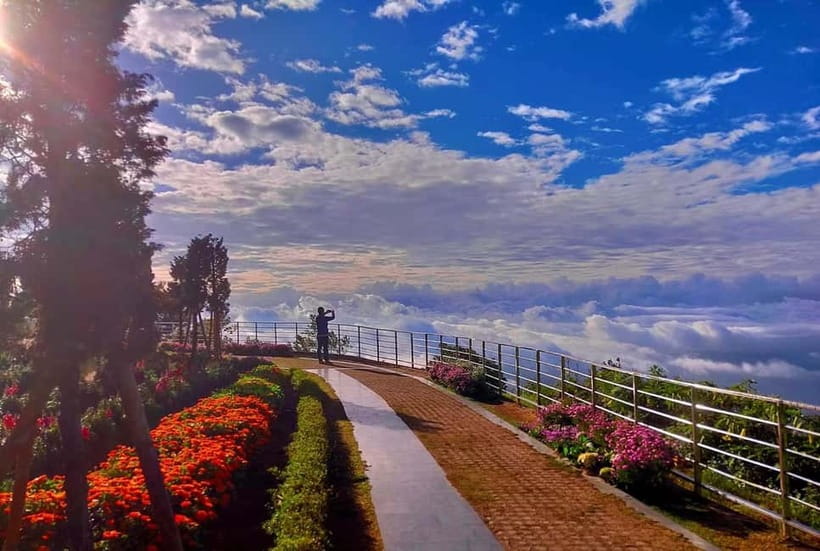
This is the kind of tour that makes sense if you want the best hits of Northern Thailand without stretching your schedule to two or three days. The big win is how efficiently the route stacks experiences: high-altitude nature early, major landmarks mid-day, then waterfall and village stops later.
Hotel pickup in Chiang Mai between 8:00 and 8:30 AM sets you up for a full day while still getting back at night. You’ll be in a small group (limited to 12 participants), which matters when you’re stopping for viewpoints and walking paths. It’s also nice that an English-speaking guide is included, because Doi Inthanon isn’t just pretty—it has context.
Price-wise, at $61 per person you’re not paying for a private driver plus multiple entrances on your own. What you are getting is round-trip transfer, lunch, entrance fees, drinking water, and a guide—all folded into the ticket. That’s usually where value shows up on day tours like this: fewer surprises, less logistics stress.
The main drawback is also baked in: this is a one-day plan. If you hate time pressure or want long, slow breaks in every village or viewpoint, you may feel rushed at least once during the day.
You can also read our reviews of more tours and experiences in Chiang Mai.


Ascending Thailand’s Highest Peak and Walking the Ang Ga Trail
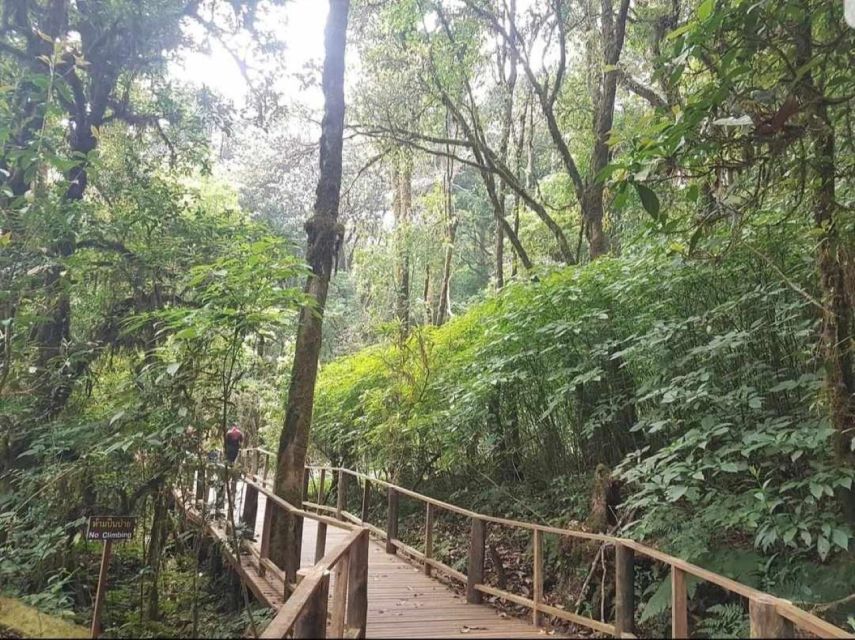
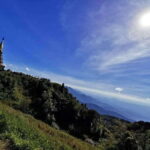
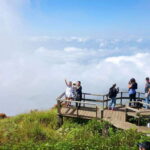
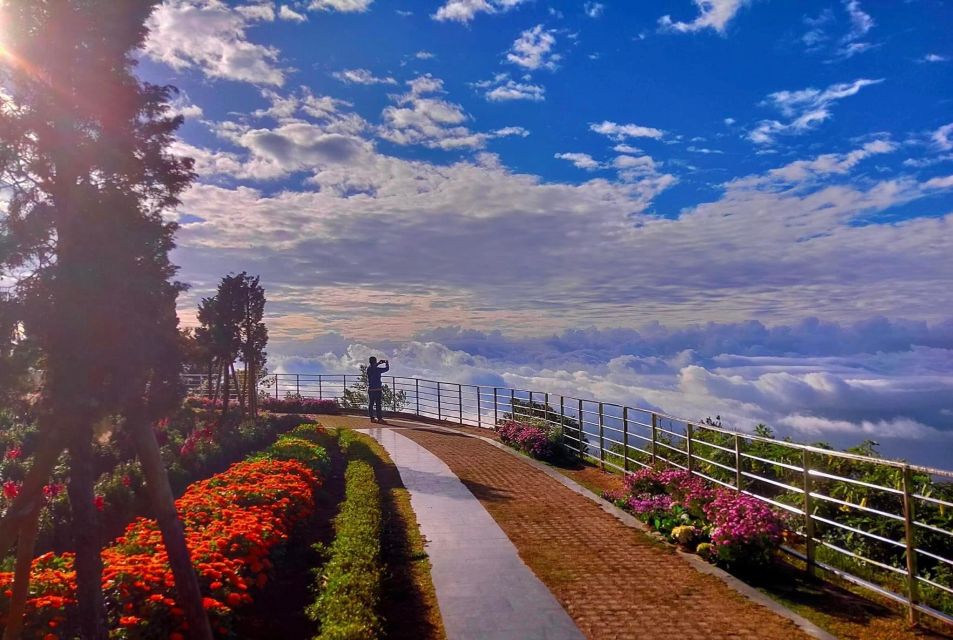
Doi Inthanon National Park sits high enough that the air feels different almost immediately. The tour heads toward Thailand’s highest peak at 2,565 meters, where the reward is panoramic mountain views. On clear days, you’ll see far; on foggy or cloudy days, you’ll still get that moody, mountain-in-the-cloud feel—just less distance.
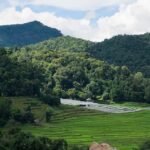
What I like here is that you don’t only get a look from a parking spot. You’ll have time for walking on the Ang Ga trail, which is where the day turns from car windows to fresh air. Even a short hike at altitude changes the experience. The air feels crisp, and you get lush forest views that are a strong contrast from the city.
If you’re bringing hiking shoes, this is the moment you’ll be glad you did. The trail is part of what makes the day feel like more than a checklist. Also, remember the cold factor: the top can be chilly even if Chiang Mai is warm when you leave.
Practical tip: eat breakfast before pickup. Since you’ll be traveling and climbing early, a late breakfast can make the first hours feel longer.
King’s and Queen’s Pagodas: Why These Stops Matter
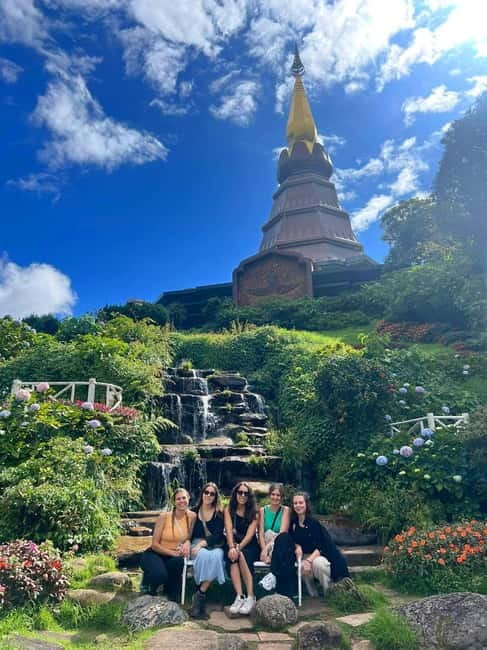
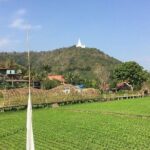
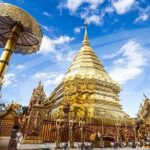
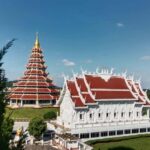
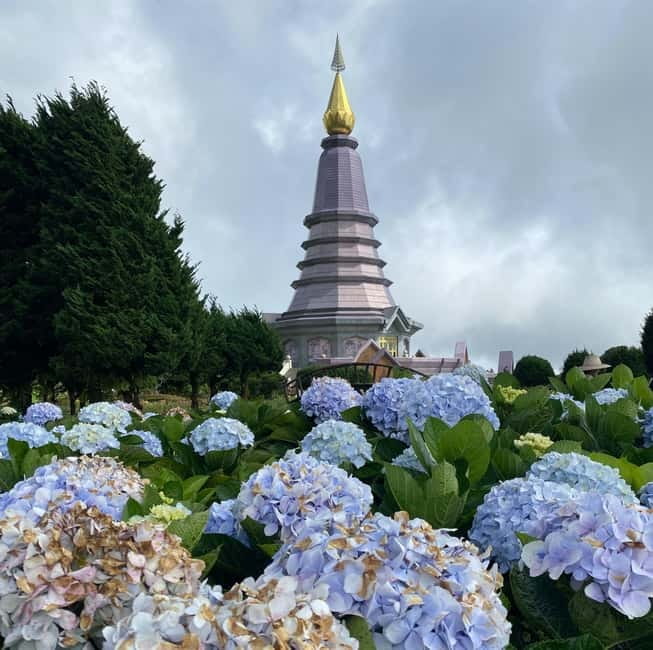
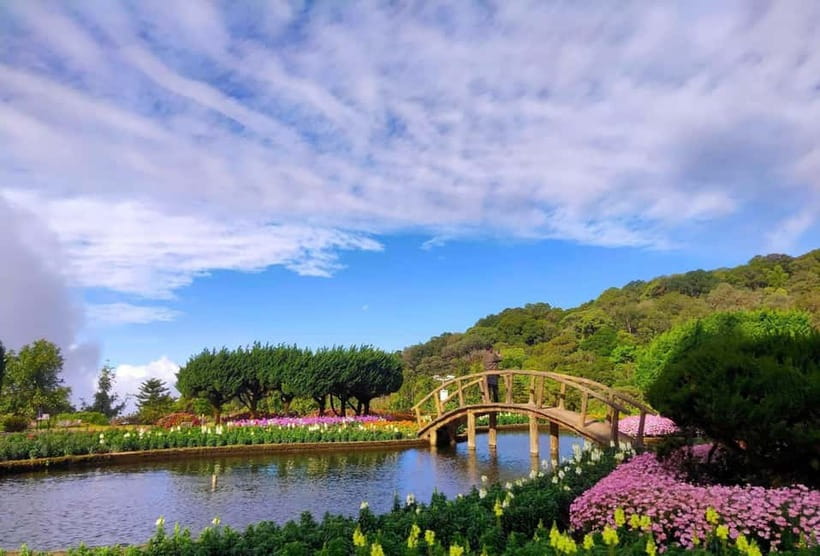
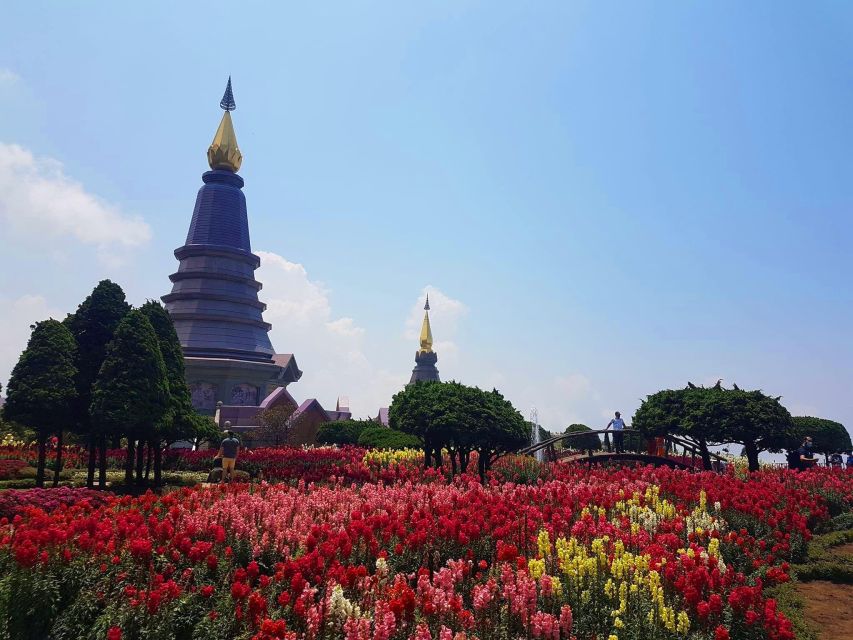
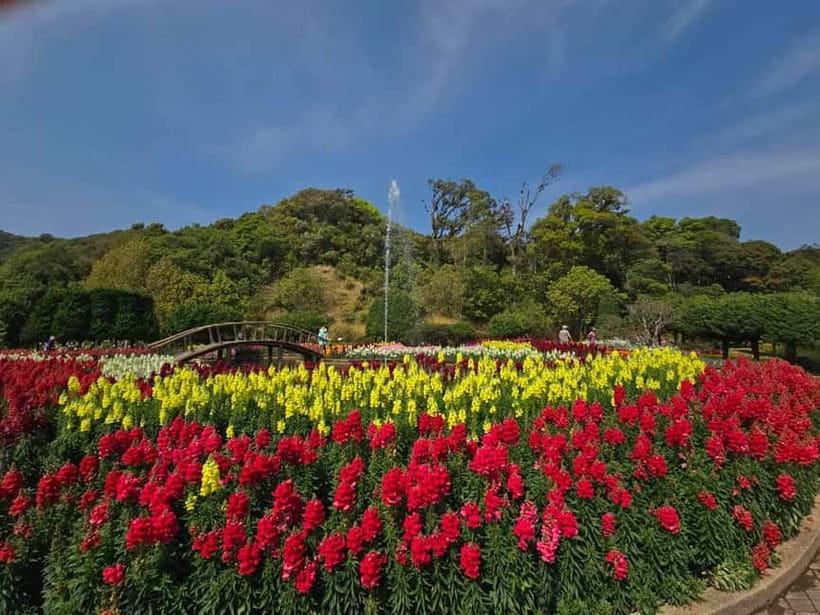
After the peak, the tour shifts toward cultural landmarks: the King’s and Queen’s Pagodas. These pagodas are famous for their distinct architectural style and the way they sit up on the mountain. Even when visibility isn’t perfect, the structures still make a strong impression.
Why I think this stop matters for you: pagodas give you a “human scale” to the day. You’ve just been dealing with altitude, walking, and weather, and then suddenly you’re looking at carefully built monuments with meaning behind them. It helps the day feel rounded instead of only nature-focused.
One real-world consideration: if the pagodas are in thick cloud, the views can be limited. That doesn’t make the pagodas pointless, but it can reduce the dramatic backdrop you might be expecting. If you’re the kind of traveler who wants maximum skyline views, pack flexibility for weather.
Hilltribe Markets and Villages: Hmong, White Karen, and Coffee
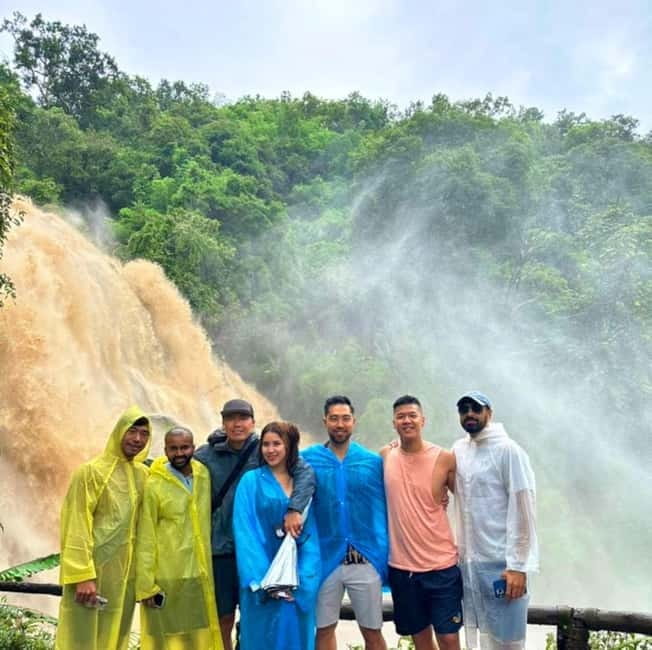
This tour includes two different hilltribe experiences, and they feel different from each other.
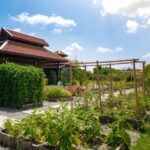
First up is the Hmong village market. This is where you can see local goods and interact with people. I like market stops because they’re active. You can ask questions, browse, and pick up small souvenirs at your own pace, rather than being herded through a single photo angle.
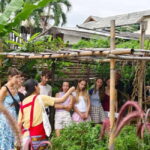
Then, in the afternoon, you visit the White Karen hilltribe village with a focus on coffee plantations. The standout here is the freshly brewed coffee. You’ll learn about the coffee-making process and then taste the result. For me, that turns a “coffee stop” into an actual activity. It’s also a good way to understand how crops and daily life connect in Northern Thailand.
One caution: a village market can sometimes be more commercial than educational depending on the day and how the schedule hits. If you want deep cultural immersion, you might wish you had extra time to ask longer questions and slow down. Still, the coffee process is practical and hands-on enough to feel worth the visit.
Waterfall Stops on One Day: Sirithan and Wachirathan Realities
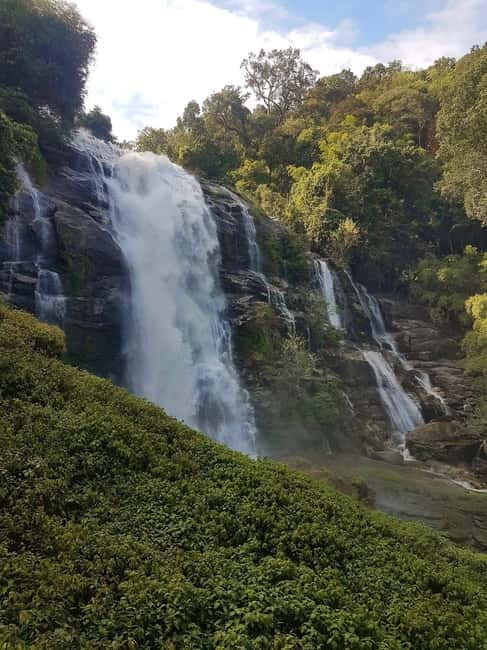
Waterfalls are one of the main reasons people choose this tour, and you’ll stop at Sirithan and Wachirathan. The idea is simple: you get two major waterfall moments in a single day, each with its own atmosphere.
Here’s the balanced truth: waterfall conditions can vary. One of the reviews-style experiences I’m taking into account is that the second waterfall can be closed sometimes. If that happens, you’ll likely adjust timing rather than lose the whole highlight. It’s a good reminder to hold expectations lightly and treat the day as flexible.
To enjoy this part of the day:
- Wear shoes you don’t mind getting a bit damp or muddy.
- Bring sunscreen and plan for mist.
- Expect walking and short transitions between viewpoints.
If clouds roll in at altitude, the waterfalls can still be beautiful, but the overall light might be softer. That can actually be a plus for photos if you like less harsh contrast.


Lunch, Coffee, and the Small-Group Pace
Your day includes lunch at a local restaurant, and there’s drinking water provided. This matters more than people think. After hours of car time and walking, you’ll notice whether the meal is satisfying and whether the guide keeps the day moving without cutting out rest.
In the experiences I’m drawing from, lunch has often been called a highlight—something with a good spread and refills available. Even when people felt lunch was merely fine, nobody complained about it being skipped or chaotic. That’s a win on a packed day.
Timing is another theme. The tour is designed so you can see a lot without it feeling like you’re stuck in one place forever. Still, one drawback that comes up with tours like this is the feeling of being on the go. If you want long, slow time at each site, you may feel the schedule squeeze.
The small group (up to 12) helps with this. It makes it easier for your guide to manage photo stops, regroup the group, and keep the energy from slipping. You’ll also have more room to ask questions rather than competing for the guide’s attention.
Guides, Safety, and Getting Good Photos Without Stress
A day like this lives or dies on guide style. The strongest feedback patterns I’m paying attention to point to guides who are energetic, attentive, and willing to explain what you’re seeing as you go.
You’ll likely get an English-speaking guide who points out photo spots and adds context—sometimes with humor, sometimes with deeper plant and animal talk depending on the day and the route conditions. Names that have come up in strong feedback include Tae, Dum, Paul, Don, Sarah, and others. The point isn’t who you’ll get; it’s that the tour’s success seems closely tied to guide engagement.
Safety is handled with a careful driver and a guide who watches the group on stops and transitions. Mountain roads can feel bumpy, and altitude roads can be slower than you expect. When the driver is smooth and confident, you feel it right away.
For best results:
- Tell your guide right at the start what you care about: waterfalls, views, coffee, or culture.
- Ask about best timing for photos at the pagodas and peak.
- If you’re motion-sensitive, sit where you feel most comfortable in the van.
What to Bring for Doi Inthanon’s Cooler Air and Village Stops
This is a practical packing list kind of day. Here’s what you should bring, and why.
- Sunglasses and sunscreen: Bright mountain light and sun reflect off mist.
- Hat: Helpful at waterfalls and peak viewpoints.
- Hiking shoes: You’ll walk on the Ang Ga trail and likely move around waterfall areas.
- Camera: The pagodas, peak, and waterfalls are the obvious photo targets.
- Light jacket or long-sleeve shirt: Temperatures drop higher up.
- Insect repellent: Village areas and forest edges can mean bugs.
- Small essentials: Bring what you need for water breaks and quick bathroom stops.
Also, do yourself a favor and eat breakfast before the pickup. A cold morning climb with an empty stomach can turn the whole day sour fast.
One more note: the tour isn’t suitable for wheelchair users based on the available access needs.
Value for $61: What’s Included and What You Might Add
At $61 per person, you’re paying for a lot of moving parts: round-trip transfer, an English guide, lunch, entrance fees, drinking water, and insurance. For a one-day “big sights” itinerary, that’s solid value because you’re not paying separately for each entrance and transport leg.
Where you might add to the experience depends on your style:
- If you want more time for photos or shopping, bring extra cash for small purchases at markets.
- If you’re sensitive to altitude, plan for slower walking on the trail and take your time at the peak.
- If coffee matters to you, you’ll likely enjoy the plantation tasting more if you pay attention during the process and ask questions.
If you’re comparing to doing this on your own, you’d need to handle transport, entrances, guide interpretation, and the long driving time planning. This tour bundles that work, so you can focus on the sights.
Who Should Book This Doi Inthanon Day Tour
This tour is a good fit if you:
- Want Northern Thailand’s major highlights in a single day.
- Like guided explanation rather than self-driving with zero context.
- Enjoy a mix of nature and culture: peak views, pagodas, waterfalls, markets, and coffee.
- Prefer a small group pace instead of being lost in a giant bus crowd.
It’s also a great “first Chiang Mai” day trip. If you’re new to the region, you’ll get a quick sense of how the countryside changes with altitude and how hilltribe communities connect to everyday life and farming.
If you’re the type who hates packed schedules or wants long stays in villages, you might feel the pressure. This plan doesn’t pretend to be slow. It’s designed to maximize variety.
Should You Book This One-Day Doi Inthanon Tour?
My take: book it if you want value, variety, and a guided day that hits the big landmarks without extra planning headaches. The included lunch, entrance fees, and water reduce the annoying logistics. The combination of the highest peak, Ang Ga trail walking, pagodas, and two waterfall stops is exactly the kind of mix that works well for a day trip.
Skip it or reconsider if:
- You need lots of downtime and long stops.
- Weather and visibility are your top priority. Fog can change the view quality at altitude and at the pagodas.
- You strongly prefer village visits that feel like slow cultural learning rather than a timed stop.
If you book, do it with the right mindset: this is a full day, and you’ll get the best results by dressing for altitude, wearing good shoes, and going with curiosity.
FAQ
What time is pickup in Chiang Mai?
Pickup is optional, and they pick you up from your hotel between 8:00 AM and 8:30 AM. If you’re not being picked up, you meet at Baan Meesuk in the old town.
How long is the Doi Inthanon day tour?
The tour runs for one day.
What’s included in the ticket price?
The tour includes round-trip transfer, insurance, lunch, all entrance fees, drinking water, and an English-speaking guide.
Do you visit Thailand’s highest peak and take a walk?
Yes. The tour goes to Thailand’s highest peak (2,565 meters) and includes a walk on the Ang Ga trail.
Are the waterfalls included?
Yes. The plan includes stops at Sirithan and Wachirathan Waterfalls. As with any outdoor site, conditions can affect what you see that day.
What should I bring for this tour?
Bring sunglasses, a hat, camera, hiking shoes, sunscreen, a jacket (temperatures drop at higher altitudes), and insect repellent. Eating breakfast before the tour is also recommended.