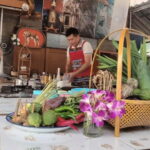
Thai cooking starts at the market. The Rice Barn Thai Cooking Farm Chiang Mai turns a simple cooking class into a real lesson on Thai flavor, from the shopping stop to your own workstation in the kitchen. I like that you get a guided market walk first, so the ingredients make sense before they hit the pan.
Two things I especially love: the hands-on setup (you work at your own station, so you’re not just watching), and the teacher energy—people consistently describe the instructors as funny and engaging, which makes a long 6-hour experience feel lighter. You’ll also be cooking multiple dishes, not one repeat recipe, so you leave with a broader sense of Thai cooking style.
One consideration: alcohol is not included, and you may want cash in baht for small extras you can buy on-site. If you’re expecting everything to be fully covered, plan for that upfront so there are no surprises.
In This Review
- Key things to know before you go
- From market ingredients to Thai flavor you can explain
- Hands-on cooking that actually keeps you busy
- Five menu options means you can match your cravings
- Your kitchen lesson: authentic dishes made for real life
- What’s included in the price (and what you’ll pay for separately)
- Pickup, timing, and group size that affects your experience
- Practical tips so the class feels smooth
- Who this cooking farm class is best for
- Should you book The Rice Barn Thai Cooking Farm Chiang Mai?
- FAQ
- How long is the cooking course?
- Is hotel pickup offered?
- Do I need any cooking experience?
- What’s included in the price?
- Are alcoholic beverages included?
- How many people are in the group?
- Do I get a mobile ticket?
- Should I bring cash?
- What is the cancellation policy?
Key things to know before you go
- Market walk with a teacher so you understand why Thai dishes taste different from place to place
- Hands-on stations for every person (no prior skills needed)
- Choose from five different menus for variety in what you cook
- Ingredients and materials provided, plus coffee or tea to start
- Small group size up to 20 travelers, which usually keeps the class interactive
- Pickup offered and the activity ends back at the meeting point
From market ingredients to Thai flavor you can explain
Most Thai cooking classes start when you’re already hungry and the station is already set up. This one starts earlier—at the market—so you learn how Thai cooks think. It’s not just a tour for photos. You’re there to recognize ingredients and understand how timing affects flavor, which is a big reason Thai food can taste so different from restaurant to restaurant even when the dishes sound similar.
That market-to-kitchen flow helps you stop guessing. You start connecting ingredients to the dish you’re about to cook. And when you taste something later that seems stronger, fresher, or more balanced, you’ll have a framework for why.
You can also read our reviews of more tours and experiences in Chiang Mai.



Hands-on cooking that actually keeps you busy
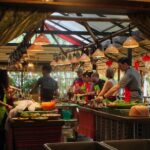
Here’s what makes this class worth your time: it’s hands-on in a real way. Each person commands his or her own cooking station. That matters because Thai cooking rewards doing, not watching. You can ask questions while you’re actively working, and you’re not stuck waiting for a turn at a shared pot.
It also tends to work well for beginners. The point isn’t to impress anyone with knife skills. It’s to learn the basics of Thai-style cooking—how flavors are built, how ingredients are handled, and how dishes come together. If you’ve never cooked Thai food before, you’re not behind. You’re learning the system from scratch.
And yes, the pace is long enough to be satisfying. Expect an approximately 6-hour course, typically split between learning time and cooking time, so you finish with several dishes you can talk about back home.
Five menu options means you can match your cravings
The Rice Barn Thai Cooking Farm Chiang Mai lets you choose from five different and varied menus. That’s a practical detail: it means the class isn’t automatically the same dishes for every departure. If you’re a fan of noodles, you can plan around that. If you want a mix of savory and aromatic dishes, you have options.
In practice, menus like this often translate into a better memory later. When you cooked a dish yourself, you remember the order of steps and the flavor logic. When you repeat it at home, you’re not just copying a recipe—you’re reproducing an approach.
Your kitchen lesson: authentic dishes made for real life
Back in the kitchen, the teaching style is built around what you’re making. The teacher walks you through the process, then supports you while you cook your own version at your station. The course is designed to be educational and entertaining, and the instructor style is part of the product—people consistently call out the fun, engaging vibe.
Another useful angle: the class focuses on what makes Thai dishes taste distinct, not just a list of ingredients. Thai food often hinges on fresh components and how they’re used at the right time. You’re learning why those steps matter, not only what to add.
You’ll also be working with food and materials included in the cost, so you’re not tracking down specialty items at local shops mid-trip. That lowers the friction of trying Thai cooking for yourself later.
What’s included in the price (and what you’ll pay for separately)
At $29.35 per person, you’re buying more than “a cooking demo.” You’re paying for a full 6-hour class with an air-conditioned vehicle transfer, a market portion, and the actual cooking instruction plus ingredients and materials. The value comes from the hands-on format and the fact that you’re cooking multiple dishes rather than sitting through one long lecture.
Here’s what’s included:
- Coffee and/or tea
- Food and materials
- Air-conditioned vehicle
Not included:
- Alcoholic beverages (you can buy at the cooking school)
So, if you drink, budget for that separately. If you don’t, you’ll probably find the cost feels fair for the time and the amount of food you make.


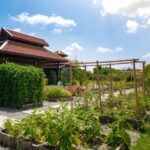


Pickup, timing, and group size that affects your experience
This is one of those tours where logistics quietly matter. Pickup is offered, and the experience ends back at the meeting point. That makes it simpler if you’re staying in or near central Chiang Mai and you don’t want to mess with taxis for a multi-hour activity.
You’re also capped at a maximum of 20 travelers. Small enough to feel personal, large enough that the room doesn’t feel dead. In a hands-on class, group size affects how quickly questions get answered and how often instructors can check your station.
A final timing note: the market and kitchen learning are part of the full session, so you’ll want to plan your day so you’re not rushing afterward. Give yourself space to eat, relax, and digest everything you learned.
Practical tips so the class feels smooth
A few smart moves will make this go better for you:
- Bring cash in baht if you want to buy a few extras on-site. It’s explicitly worth noting.
- Wear something comfortable for standing and moving around. You’re cooking, not just touring.
- Plan to stay hydrated. You’ll be tasting and working for hours, so water helps.
- If you have dietary needs, it’s worth asking ahead of time. The menus are varied, and it’s easier to handle adjustments with advance notice.
Who this cooking farm class is best for
This tour fits best if you want Thai food you can recreate, not just something you eat once.
You’ll likely enjoy it if:
- You love cooking and want a structured way to learn Thai flavors
- You’re traveling with friends or family and want a shared experience
- You’re in Chiang Mai for a short time and want one high-value activity
- You don’t have cooking experience and want a class that still feels doable
It might feel less ideal if you’re looking for a super short activity or a purely passive show. This is hands-on, so you’ll be actively cooking the whole time.
Should you book The Rice Barn Thai Cooking Farm Chiang Mai?
If you want one activity in Chiang Mai that’s practical, fun, and leaves you with skills you can use later, I’d book it. The combination of a market walk, a hands-on station for each person, and multi-dish cooking is exactly the kind of format that makes cooking classes worth paying for.
Two reasons to feel confident: the class is built so you can join without experience, and the instructor style is consistently described as energetic and engaging. Just remember the one main caveat—alcohol isn’t included, and having cash in baht for small extras is a smart call.
If you’re ready to cook real Thai dishes in a real way (and you don’t mind spending about half a day doing it), this is a strong choice.
FAQ
How long is the cooking course?
It runs for approximately 6 hours.
Is hotel pickup offered?
Yes. Pickup is offered, and the activity ends back at the meeting point.
Do I need any cooking experience?
No. The class is designed so you can do it even if you have no prior cooking experience.
What’s included in the price?
Coffee and/or tea, food and materials, and an air-conditioned vehicle are included.
Are alcoholic beverages included?
No. Alcoholic beverages are not included, and you can buy them at the cooking school.
How many people are in the group?
The experience has a maximum of 20 travelers.
Do I get a mobile ticket?
Yes. Mobile ticket delivery is included.
Should I bring cash?
You should bring baht in cash for a few extra things you may want to buy on-site.
What is the cancellation policy?
Free cancellation is available up to 24 hours in advance for a full refund. If you cancel less than 24 hours before the start time, you won’t get a refund.