REVIEW · CHIANG MAI
Evening Cooking Class in Organic Farm with Local Market Tour
Book on Viator →Operated by The Best Thai Cookery School · Bookable on Viator
A 3:30 pm start makes this class easy to fit. You get an organic farm ingredient hunt plus an individual cooking station, and then you actually eat what you make. I especially like the practical, hands-on approach (not just watching), with a pro teacher who keeps things fun. The main thing to consider: it’s a 5-hour evening, so you’ll want an early dinner-free window before pickup.
If you’ve been craving real Thai technique, this is a solid way to learn it fast. You’ll visit Somphet Market first to see and smell the ingredients, then head out to the farm area to cook. One small drawback to plan for: it’s designed for a maximum group size of 10, so if you want a long, slow chat-fest with the teacher, you may have to take your questions at the best moments.
In This Review
- Key highlights at a glance
- Why This 5-Hour Evening Class Works in Chiang Mai
- Somphet Market Stop: Learn What the Food Really Starts With
- The Organic Farm Angle: Picking Ingredients Changes How You Cook
- Curry Paste and the Core Skills You Can Actually Reuse
- Your Cooking Station: How the Class Keeps It Hands-On
- The Big Meal Moment: Eat What You Cook (Then Get Back to Hotel)
- Price and Logistics: Is $29 Actually Good Value?
- Who Should Book This Cooking Class (and Who Might Skip It)
- Should You Book This Evening Cooking Class in Chiang Mai?
- FAQ
- What time does the cooking class start?
- How long is the experience?
- Is hotel pickup and drop-off included?
- What’s included in the market stop?
- How many dishes will I cook?
- What’s the group size?
Key highlights at a glance
- Somphet Market visit: short, focused intro to ingredients you’ll cook with
- Organic farm picking: hands-on selection of fresh items before class
- Individual cooking stations: you’re not stuck watching while others do the work
- Curry paste practice: learn how Thai cooking starts from the flavor base
- Six dishes + meal included: cook, then sit down to eat your results
- Chef Perm: a teacher known for humor and bringing ingredients to life
Why This 5-Hour Evening Class Works in Chiang Mai
Chiang Mai evenings can get busy fast. This class starts at 3:30 pm and runs about 5 hours, which means you can still enjoy the city before pickup and have a built-in dinner plan afterward. It’s also useful if you don’t want a full day tour—this one is structured, but not exhausting.
At $29, the value is mostly in what you get to do. You pay for a guided market introduction, farm ingredient time, pro instruction, your own station, and a sit-down meal that’s tied to the dishes you cooked. In other words, you’re not just paying to taste; you’re paying to learn technique and eat the payoff.
Also, with round-trip hotel transfers included, you’re not stuck negotiating transport after dark. That’s a big deal in Chiang Mai, especially when you’re carrying a phone, wallet, and maybe a few souvenirs.
You can also read our reviews of more tours and experiences in Chiang Mai.



Somphet Market Stop: Learn What the Food Really Starts With
The Somphet Market stop is about 30 minutes, with admission included. It’s not a long shopping spree, and you shouldn’t treat it like one. Think of it as getting your bearings: you see common ingredients used in northern and Thai cooking, then you’re ready for the cooking lesson with context.
What makes this part work is the sensory element. In the class experience, the teacher points out ingredients and has you smell herbs and plants, which helps your brain connect flavor to the real item. That’s the difference between memorizing a recipe and understanding why it tastes the way it does.
If you’re the type who likes to cook later, this market timing is smart. You’re not spending hours distracted by snacks or bargaining. You’re collecting mental notes fast so the farm stop feels more purposeful.
The Organic Farm Angle: Picking Ingredients Changes How You Cook
After the market, you head to the farm area a short drive away from Chiang Mai. The teaching focus is on organic farming and using fresh ingredients you’ve personally selected. Even if you don’t become an herb-gathering expert, the process trains you to notice what’s ripe, what’s fragrant, and what looks ready to cook.
This is where the class feels more “Thai local routine” than “tour show.” You get to hand-pick ingredients, and that small act matters because Thai flavors depend on balance: sour, salty, sweet, heat, and fresh aromatics. When you choose the ingredients yourself, you’re more likely to pay attention to how the flavors develop later in the wok.
From a practical standpoint, this also helps you avoid one of the biggest cooking-class disappointments: leaving with a lesson that only works if you buy a specific brand. Here, you learn the method behind the flavor base, so you can repeat it even with different ingredient options back home.
Curry Paste and the Core Skills You Can Actually Reuse
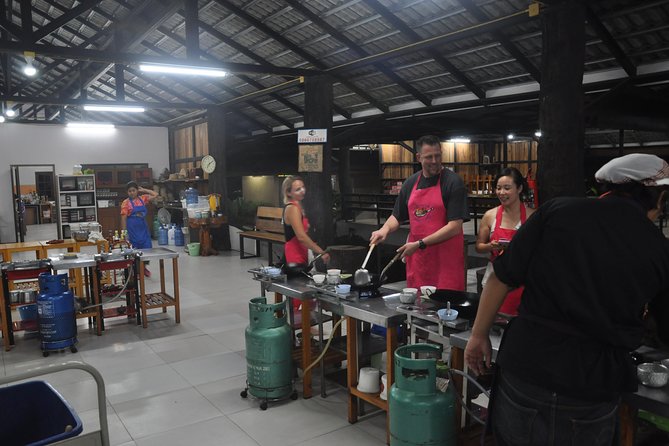
The cooking course centers on making authentic curry paste—and that’s a great place to start for beginners. Thai curry paste isn’t just chopped seasoning. It’s where aroma, heat, and depth begin. Once you understand how the paste is built and handled, the rest of the cooking becomes easier.
You also learn a set of Thai favorites from scratch at your station. The class description includes a process-based approach: the teacher shows techniques, then you practice. That’s why people tend to call this a highlight.
A helpful detail from the experience: the teacher (Chef Perm) is known for being funny and upbeat, and that matters more than you’d think. If you’re nervous in a kitchen, confidence can vanish fast. A teacher who keeps the vibe light helps you stay focused on technique and not worry about making mistakes.
Your Cooking Station: How the Class Keeps It Hands-On
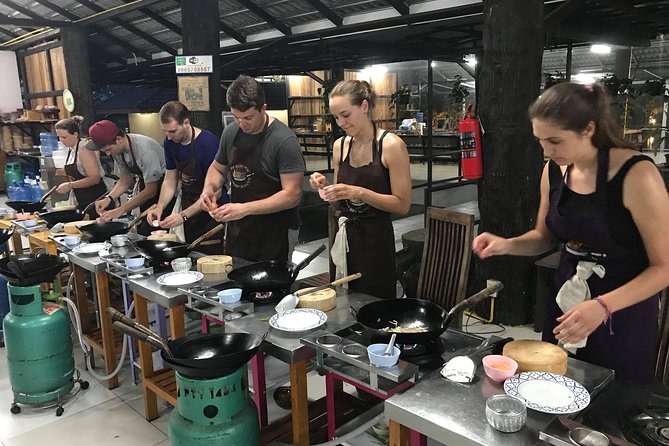
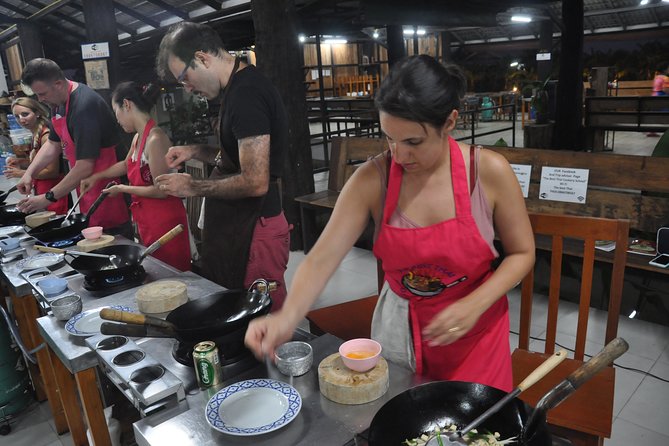
You get an individual cooking station, which is a huge quality-of-life upgrade. In many classes, one pot is shared and you only help in small bursts. Here, you’re set up to work through the steps yourself, so the lesson sticks.
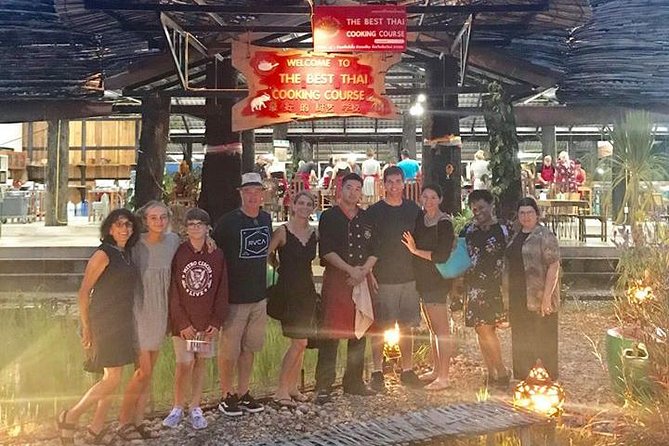
Group size is capped at 10 travelers, and that helps keep the teacher reachable. You should expect real guidance rather than a situation where everyone hovers at the edges waiting for attention.
The class experience also includes a cooking demonstration. You’ll specifically see papaya salad and mango sticky rice elements demonstrated, then you’ll create dishes during your hands-on session. That blend of instruction + practice is how you learn Thai cooking without relying on memorizing someone else’s rhythm.


The Big Meal Moment: Eat What You Cook (Then Get Back to Hotel)
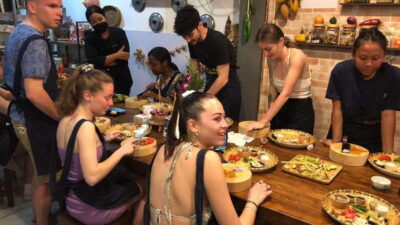
After cooking, you sit down and dine on what you made. This is one of the best parts of Thai cooking classes because it closes the loop. You learn the steps, you taste the results, and you can connect what you did—grinding, mixing, seasoning—to how the finished dish lands.
The class is built around a full set of dishes: the description says you’ll create six dishes, plus you’ll have demonstration highlights for papaya salad and mango sticky rice. That’s a lot of food for one evening, and it’s why it’s smart to keep your schedule open from early afternoon.
Then comes the practical finish: you return to your Chiang Mai hotel after the meal. That round-trip transfer takes away the stress of figuring out transport after you’re full and slightly tired from cooking.
Price and Logistics: Is $29 Actually Good Value?
For $29, the value comes from combining five things at once: market intro, organic farm ingredient time, pro instruction, individual cooking stations, and meal. If any one of those pieces were missing, the price would feel steeper. But because they’re bundled, you’re paying for a complete evening that ends with a satisfying dinner.
A quick reality check: this isn’t a high-end, multi-course dining experience where you just watch chefs perform. It’s more about learning and doing. If that’s what you want, the price feels fair.
Also, with a mobile ticket and pickup offered, it’s designed to be straightforward. You’ll want to be ready a bit earlier than you think so you don’t feel rushed when the pickup time arrives.
One more consideration: start time is 3:30 pm. If you hate late evenings, this could feel like a long day. If you like the balance of cooking now and resting later, it fits nicely.
Who Should Book This Cooking Class (and Who Might Skip It)
This class is a great fit if you:
- want beginner-friendly Thai cooking basics without getting lost
- like hands-on meals where you do the work, not just sample it
- enjoy markets and ingredients, not just the finished dish
- want an easy dinner plan with hotel transfers
You might consider skipping it if:
- you’re looking for a long deep cultural lesson with lots of walking time
- you dislike structured schedules (this one is time-boxed by design)
- you only want a tasting class and not real cooking practice
The max group size of 10 helps it feel personal enough, and that’s a strong point for couples, solo visitors, and small friend groups. If you want to learn, ask questions, and then eat the results while you’re still excited about the flavors, this class does that well.
Also, if you like the idea of learning Thai flavor building—like curry paste—and then repeating it later at home, you’ll get more mileage than with a class that only teaches one dish.
Should You Book This Evening Cooking Class in Chiang Mai?
Yes, if you want a practical, enjoyable Thai cooking lesson with a real ingredient start. I’d book it if you care about learning basics you can reuse—especially curry paste technique—and you like the idea of eating the dishes you made the same night.
It’s also worth booking if you want a smoother logistics setup: hotel pickup and return, a short market stop, and an evening end that doesn’t leave you scrambling for transport. With Chef Perm bringing humor into the mix and the class working from individual stations, it’s built for people who learn best by doing.
If your travel style is more about slow wandering than planned activities, this may feel a bit structured. But for most food-focused visitors, it’s a smart way to spend an evening in Chiang Mai and come away with both skills and dinner.
FAQ
What time does the cooking class start?
The start time is 3:30 pm.
How long is the experience?
It runs for about 5 hours (approximately).
Is hotel pickup and drop-off included?
Yes, round-trip hotel transfers are included for added convenience.
What’s included in the market stop?
You’ll visit Somphet Market for about 30 minutes, and admission is included.
How many dishes will I cook?
The course includes cooking a total of six dishes, and there is also a demonstration featuring papaya salad and mango sticky rice.
What’s the group size?
The experience has a maximum of 10 travelers.