REVIEW · CHIANG MAI
Chiang Mai: White, Blue & Big Buddha Temples in Chiang Rai
Book on GetYourGuide →Operated by Trips Chiang Mai · Bookable on GetYourGuide
Chiang Rai’s temples look unreal in daylight. This full-day trip pulls you out of Chiang Mai and into a temple circuit where the colors are extreme, the details are obsessive, and the payoff is huge for one day of effort. I love the way the route strings together Wat Rong Khun, the Blue Temple, and Huay Pla Kang so you get three very different artistic moods.
Two things I really liked: the planned breaks. You get a natural hot spring stop for a breather, plus a proper Thai buffet lunch before you hit the next temple. The other win is the small-group feel (limited to 12), which makes it easier to keep up with the guide and actually notice what’s in front of you.
One possible drawback is the schedule pressure. It’s a long day and the drive back can be slow, so you’ll be on a timer at each site (especially if you want linger time at the White or Blue temples).
In This Review
- Key points before you go
- A Full Day in Chiang Rai: Why These Three Temples Work Together
- Getting From Chiang Mai: The Drive Is Long, But It’s Part of the Deal
- The Long-Neck Karen Village Stop: Pick Option A or Option B
- Wat Rong Khun: The White Temple’s Art Is the Whole Point
- Blue Temple (Wat Rong Suea Ten): Blue-Gold Color With Mural Storytelling
- Huay Pla Kang Big Buddha: The 25-Meter Guanyin and the View Point
- The Drive-Refresh Formula: Hot Spring Stop, Lunch Break, and Rest Stops
- Guide Matters Here: The Difference Between Seeing Temples and Understanding Them
- Price and Value: Is About $51 Worth It?
- Practical Tips: What to Bring, What to Wear, and How to Time Your Photos
- Should You Book This Chiang Rai Temple Tour?
- FAQ
- FAQ
- What’s the difference between Option A and Option B for the Long Neck Village?
- How long is the tour?
- Which temples are included?
- Is lunch included, and can I request vegetarian food?
- Is the elevator ticket included for Huay Pla Kang?
- Where does pickup happen?
Key points before you go
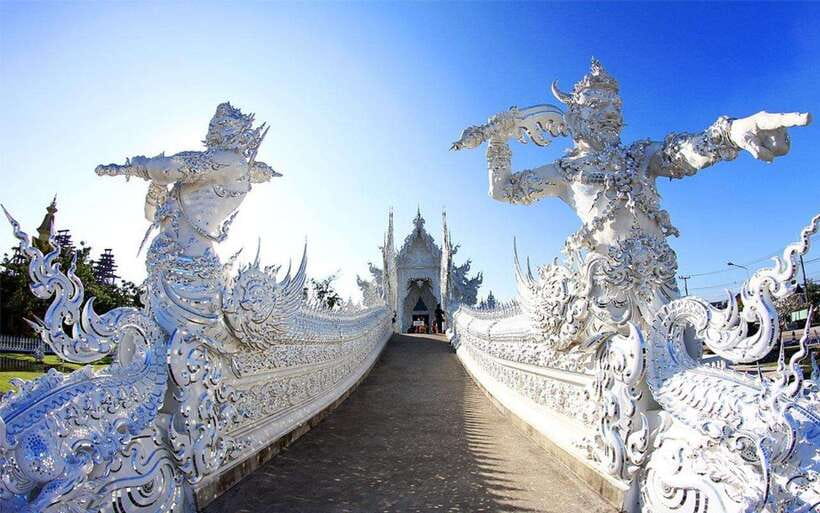
- Three temple styles in one day: white mirror-glass art, blue-and-gold mural storytelling, then the huge Guanyin at Huay Pla Kang
- Hot spring + Thai buffet lunch: built-in downtime so you’re not just temple-hopping all day
- Small group up to 12: you can ask questions and get grouped back quickly after photos
- Long-Neck Karen Village choice matters: Option A includes it; Option B means a short wait at a coffee stop instead
- Huay Pla Kang has an included elevator ticket: easier access to the view area once you’re climbing
A Full Day in Chiang Rai: Why These Three Temples Work Together
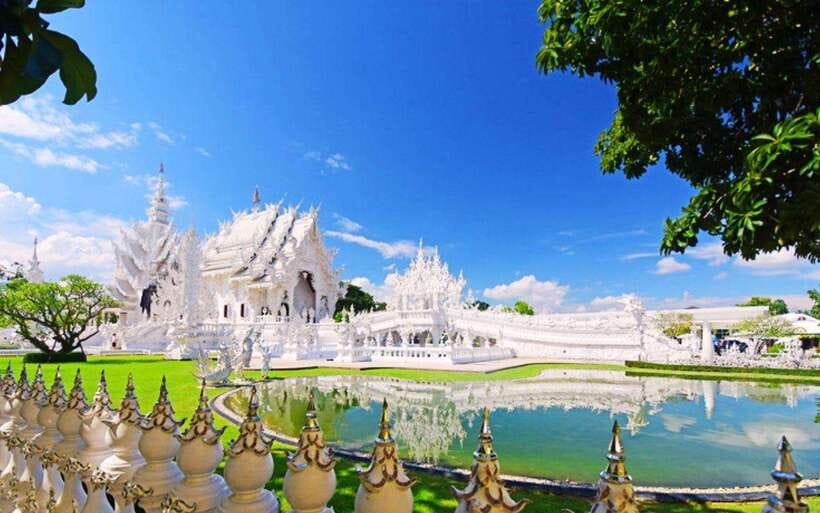
If you’ve only got one day for Chiang Rai, this route makes sense. Instead of one famous temple, you get a contrast set: the White Temple leans into surreal, fine-detail symbolism; the Blue Temple pushes bold color and mythy mural scenes; and Huay Pla Kang turns the volume up with a monumental statue and wide views.
The clever part is pacing. You see enough to feel the themes, but you also get breaks to reset your eyes and legs. That matters because these are places where you notice more the longer you look—so it helps that the tour doesn’t feel like one endless walk.
You can also read our reviews of more tours and experiences in Chiang Mai.


Getting From Chiang Mai: The Drive Is Long, But It’s Part of the Deal
This is a day trip with major road time: you leave Chiang Mai early and you’re back the same day. The tour runs about 12 hours total, and you should expect that the trip will feel like a full-day commitment rather than a quick excursion.
That said, the transport is air-conditioned and the group size is small. Many people find the ride passes quickly because the guide uses the drive time to set context and help you understand what you’re about to see. One practical tip I’d copy from the way guides operate here: keep your questions for the car moments—it’s when you get clear answers without rushing.
The Long-Neck Karen Village Stop: Pick Option A or Option B
This tour includes a Long Neck Karen Village stop, but you control whether you actually go in.
- Option A (Incl. Long Neck) includes entrance to the Long Neck Karen Village (no extra payment required on the day). It also lists entrance fees to Long Neck Karen and Hilltribes as included.
- Option B (Excl. Long Neck) means the Long Neck Karen Village is not included. If you don’t join, you wait at the coffee shop in front of the village for about 30 minutes.
Here’s how I’d think about this choice. If you want the full cultural package and you’re curious to see how the village area is presented to visitors, Option A gives you that time. If you’re unsure, Option B lets you still be on the tour without feeling stuck in a place you’d rather skip. Either way, the program has a short photo stop / free-time window built in, so it’s not just a drive-by.
Wat Rong Khun: The White Temple’s Art Is the Whole Point
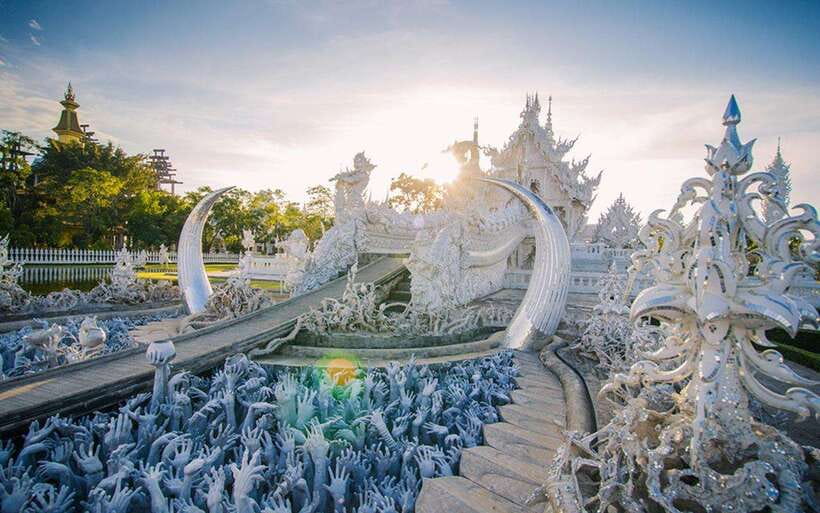
Wat Rong Khun is the star of Chiang Rai’s imagination. Even before you start reading anything, your brain registers something unusual: the temple is radiantly white with surfaces that look built for sparkle. It feels like you’re walking into a symbol-heavy art project.
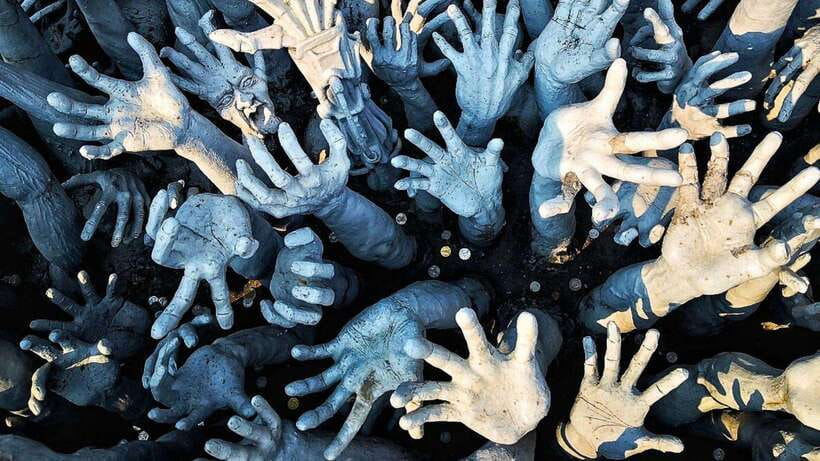
You’ll spend about one hour exploring. I like that the time is long enough to do two things at once: enjoy the outside carvings and then shift gears to the inside. Outside, you’re hunting details—sculptures, fine decoration, and the patterns that make the temple feel like it’s covered in meaning. Inside, the vibe changes to more intricate sculpture and murals, so your attention moves from color to story.
A practical note: it can get bright and hot. Sunglasses and sunscreen are a must, and wear shoes that don’t hate you on uneven temple ground. If you want photos, try to do a quick sweep of major angles early, then slow down for the details after.
Blue Temple (Wat Rong Suea Ten): Blue-Gold Color With Mural Storytelling
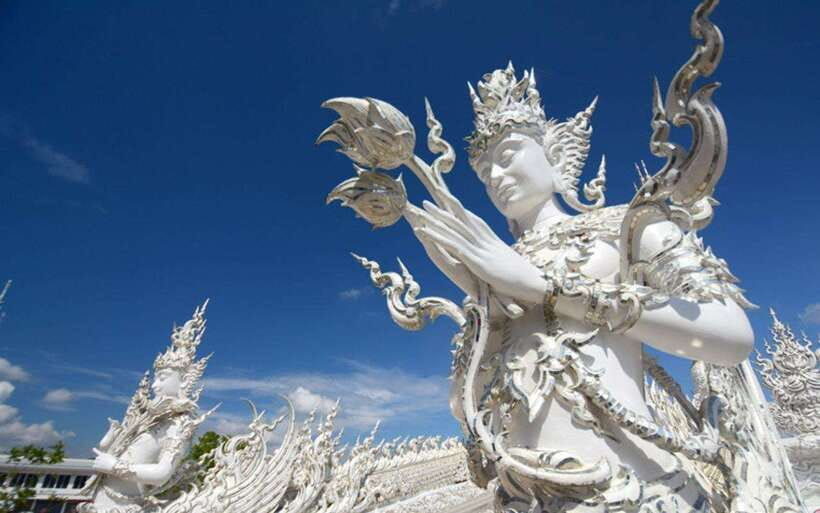
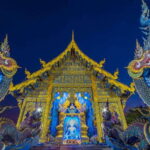
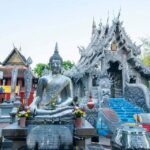
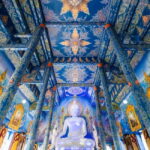
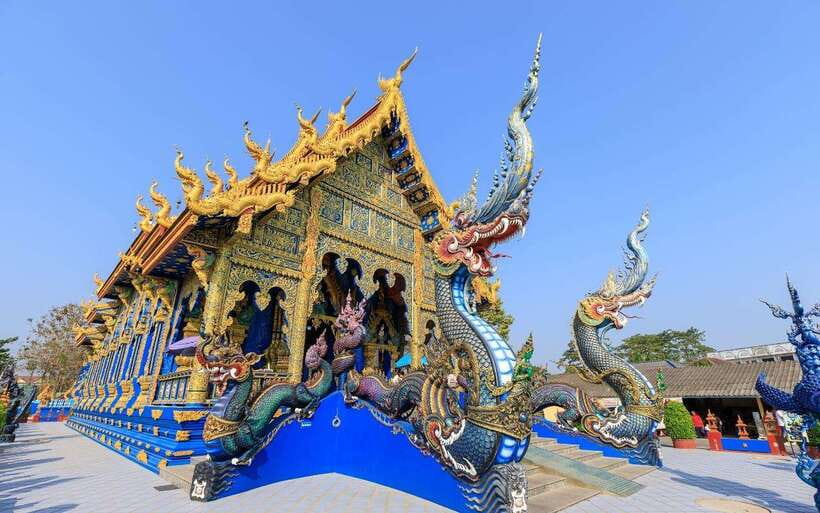
The Blue Temple is a different kind of wow. Where Wat Rong Khun feels icy and surreal, this one is blue and gold, with murals that depict local mythology and Buddhism. It’s one of those places where the color grabs you first, but the artwork keeps you there once you start looking closely.
Your stop is about 45 minutes, with guided time plus free time. That’s usually enough to see the key areas and read the guide’s explanations, but it’s not a slow, all-day museum tempo. If you’re the type who hates being rushed, aim to ask your guide questions fast at the start of the visit, then spend the rest time doing your own pace.
One extra cost to know: donations at the Blue Temple are not included. It’s common at Buddhist sites, so budget a little if you want to participate rather than just observe.


Huay Pla Kang Big Buddha: The 25-Meter Guanyin and the View Point
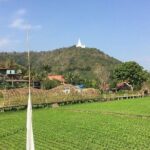
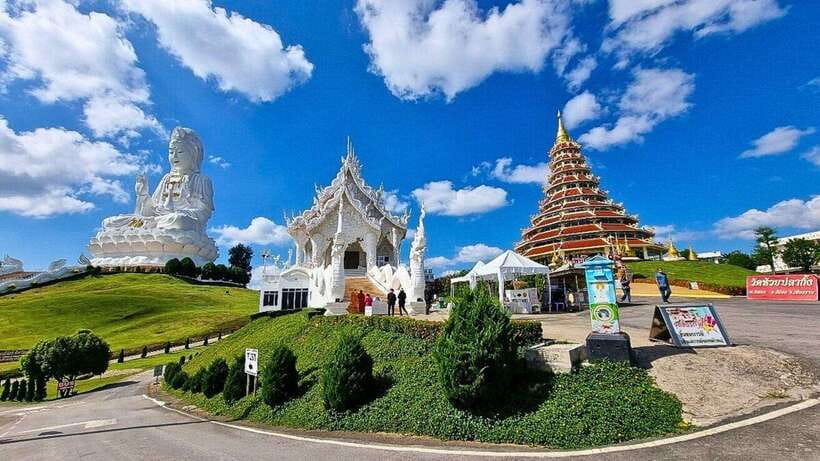
Huay Pla Kang is the temple that feels built for scale. This complex includes a golden pagoda, a prayer hall, and a massive 25-meter Guanyin statue. The highlight is that you can climb up to an observation platform around the statue area.
Expect about one hour exploring the complex. What makes this stop different is that you’re not just looking at art—you’re moving through it. There’s also an elevator ticket included for the view point, which helps with the logistics of getting to the best vantage without making it all stairs.
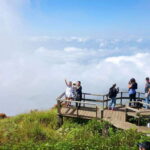
If you like panoramic views, this is where you’ll feel you earned them. The temple grounds also have a lot of carved surfaces and murals, so even if you’re focused on the statue climb, you’ll still find plenty to look at afterward.
The Drive-Refresh Formula: Hot Spring Stop, Lunch Break, and Rest Stops
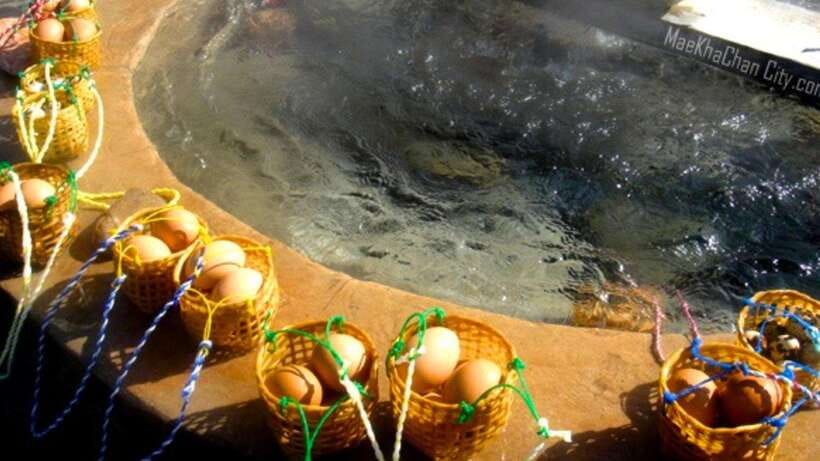
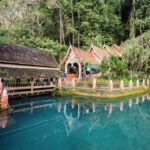
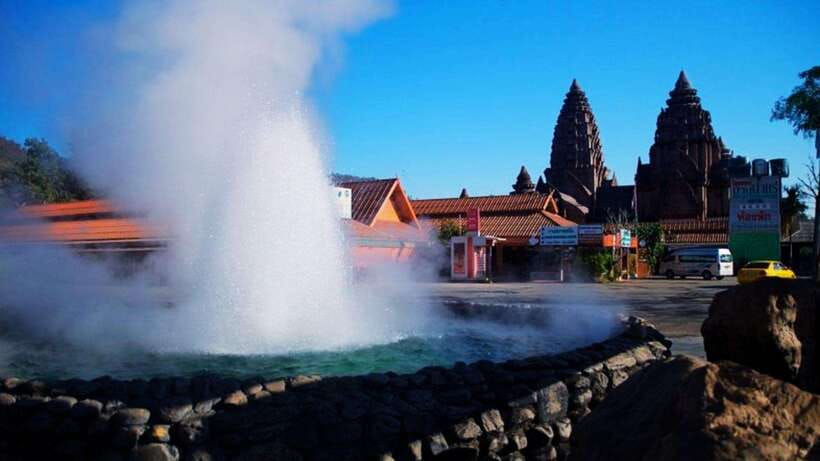
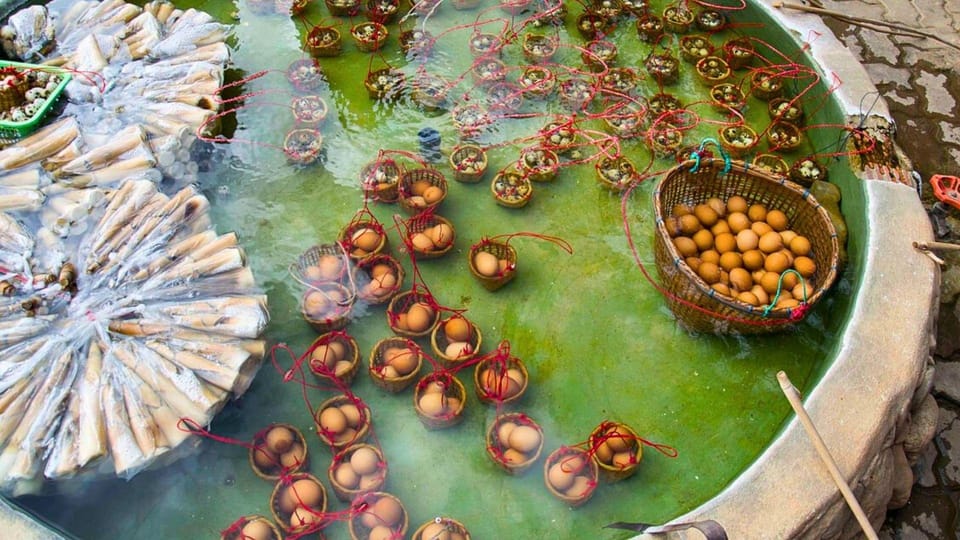
Not every temple tour actually includes a real break. This one does. You’ll enjoy a stop at a natural hot spring along the way, which is a smart reset for a day that starts early and ends late. Even if you don’t soak deeply, it gives you that moment where the day stops being only temples.
Lunch is another anchor. You’ll have a Thai buffet lunch at a local restaurant for about one hour. Vegetarian is available upon request, and if the restaurant is closed, the plan switches to a set menu. The buffet format matters because after a long morning, you don’t want to gamble on one dish—you want options and flexibility.
Carry small comforts. The tour info suggests hand sanitizer or tissues, plus clothes and shoes that handle heat and temple rules. I’d add one simple habit: keep your phone charged for photos, and bring a light layer. Morning warmth can swing fast, and temple days make you feel the temperature more than you expect.
Guide Matters Here: The Difference Between Seeing Temples and Understanding Them
Small group tours can either feel scripted or genuinely lively. This program aims for the second one, and the guide role comes through strongly in the people who have done it.
I saw repeated praise for guides like Goi, MM (M&M), Bee, Anna, Paul, Tae, and Daniel. Common thread: they explain what you’re looking at, not just where to stand for a photo. Some guides also help with practical things like keeping the group together and even teaching how to say temple names in Thai. Others are noted for humor and high energy, which can make a long day feel manageable.
If you care about context—why these temples look the way they do—this kind of guide makes a real difference. The art isn’t random, and when someone gives you a framework, your time at each stop gets better.
Price and Value: Is About $51 Worth It?
For around $51 per person, you’re paying for a lot of coordination: round-trip air-conditioned transport from Chiang Mai, a guided day, temple access where fees are listed (including White Temple entry), and the included elevator ticket at Huay Pla Kang. You also get drinking water and a buffet lunch, plus guidance for temple etiquette.
The value equation here is simple: you’re buying convenience plus structure. You’re also buying the right kind of group support for a day trip. The alternative is DIY-ing Chiang Rai from Chiang Mai, which usually means negotiating transport, timing, and ticketing while trying to squeeze in three separate temple sites.
The one value caveat is time. You’re paying to see a lot, not to linger. If your dream day is slow, one temple at a time, you might want a longer Chiang Rai stay. But if you want maximum return on one day, the schedule is built for that.
Practical Tips: What to Bring, What to Wear, and How to Time Your Photos
The tour info is very clear about what helps. Bring comfortable shoes, sunglasses, a sun hat, and sunscreen. Temple days mean you’ll be on your feet, and you don’t want sore ankles messing with your focus on art.
Clothes matter. You’ll want clothing that fits temple expectations, since you’ll be entering temple spaces. If you’re unsure, go with conservative, breathable layers you can adjust.
For photos, don’t just stand still. Do a quick exterior scan at the White Temple first, then come back for details. At Huay Pla Kang, plan for a photo rhythm: statue first, then views, then slower exploration of carvings and murals.
Also, the tour isn’t set up for wheelchair users. The program includes climbing and walking on temple terrain, so it’s best for visitors who can handle stairs, steps, and uneven ground.
Should You Book This Chiang Rai Temple Tour?
Book it if you want a structured, high-impact day from Chiang Mai. I’d especially recommend it if you like art that’s symbolic and you want a guide to translate the meaning behind the details. The mix—White Temple sparkle, Blue Temple murals, and Huay Pla Kang’s giant Guanyin climb—gives you a full snapshot of why Chiang Rai is called a temple city for people who like modern creativity in old spiritual settings.
Skip it or switch your expectations if you hate long drives or you’re the type who wants hours and hours at one site. This tour gives you good time at each stop, but it keeps moving. If you do want lingering time, you’d be better off staying overnight in Chiang Rai and choosing fewer places.
If you’re deciding between options, I’d say this: choose Option A when you want the complete village portion, and choose Option B when you’re unsure and prefer to keep your day focused on the temples.
FAQ
FAQ
What’s the difference between Option A and Option B for the Long Neck Village?
Option A includes entrance to the Long Neck Karen Village. Option B excludes it. If you choose Option B, you can wait at the coffee shop in front of the village for about 30 minutes instead of visiting.
How long is the tour?
The experience runs for about 12 hours, with an early morning pickup from Chiang Mai.
Which temples are included?
You visit Wat Rong Khun (White Temple), Wat Rong Suea Ten (Blue Temple), and Wat Huay Pla Kang (Big Buddha Temples, including the Guanyin statue area).
Is lunch included, and can I request vegetarian food?
Yes. The tour includes a Thai buffet lunch, and vegetarian options are available upon request. If the restaurant is closed, you’ll be given a set menu instead.
Is the elevator ticket included for Huay Pla Kang?
Yes. The tour includes an elevator ticket for the view point at Huay Pla Kang Temple.
Where does pickup happen?
Pickup is included in downtown Chiang Mai. If you’re outside the pickup zone, you’ll use a meeting point such as McDonald’s Im Thapae or the MAYA Lifestyle Shopping Center (near Starbucks), depending on your location.