REVIEW · CHIANG MAI
Chiang Mai: Evening Cooking Class and Local Market Visit
Book on GetYourGuide →Operated by Galangal Cooking Studio · Bookable on GetYourGuide
Thai cooking tastes better when you make it.
What makes this evening class in Chiang Mai work is the full “from ingredients to dinner” flow: you’ll shop like a local in a market and then stroll through an organic garden before cooking. I also love that the course is structured enough to be beginner-friendly but still hands-on, so you leave with the kind of practical Thai cooking skills you can actually repeat at home. One possible drawback: you should come hungry, because the session runs about five hours and you’ll eat what you cook.
In This Review
- What You’ll Like and What to Watch
- Key Highlights That Matter
- Getting to Dinner Time: Why This 5-Hour Evening Works
- Hotel Pickup in Central Chiang Mai: The Easiest Part of the Night
- First Stop: The Market Like You’re Buying for Real Cooking
- Second Stop: The Organic Garden Walk (Herbs Aren’t Magic, They’re Plants)
- Inside the Kitchen: What You’ll Cook (and Why It’s Not Overly Complicated)
- How the Menu Choices Work: Stir-Fry, Soup, Appetizer, Curry
- Stir-fry choices
- Soup choices
- Appetizer choices
- Curry / curry paste choices
- Dietary options you can plan around
- Eating the Results: You Cook, Then You Actually Get to Taste
- The Value Check: Is $28 a Good Deal?
- Who Should Book This (and Who Might Not Love It)
- A Few Real-World Tips to Get Better Results
- Should You Book This Chiang Mai Evening Cooking Class?
- FAQ
- What’s the duration of the Chiang Mai cooking class?
- Does the class include hotel pickup and drop-off?
- What will I cook during the class?
- Are there vegetarian, vegan, Halal, or gluten-free options?
- What should I bring or avoid?
- Can an adult or child observe instead of participating?
What You’ll Like and What to Watch
I’m a fan of the way this class keeps food decisions personal. You can pick dishes from stir-fried options, soups, appetizers, and curries, and the staff also offer alternatives for vegan/vegetarian/Halal needs and gluten-free preferences. The only real consideration is logistics: your hotel pickup is included for central areas, but some farther neighborhoods may not be covered, so confirm your accommodation address ahead of time.
Key Highlights That Matter
- Hotel pickup and drop-off in central Chiang Mai keeps the night simple.
- Market + organic garden gets you thinking about ingredients before the stove.
- Hands-on cooking with guided steps and plenty of time to learn.
- Choose your menu from stir-fry, soup, appetizer, and curry options.
- Take-home recipe help via a PDF recipe book to recreate dishes later.
- Dietary flexibility including vegan, vegetarian, Halal, and gluten-free options.
You can also read our reviews of more tours and experiences in Chiang Mai.



Getting to Dinner Time: Why This 5-Hour Evening Works
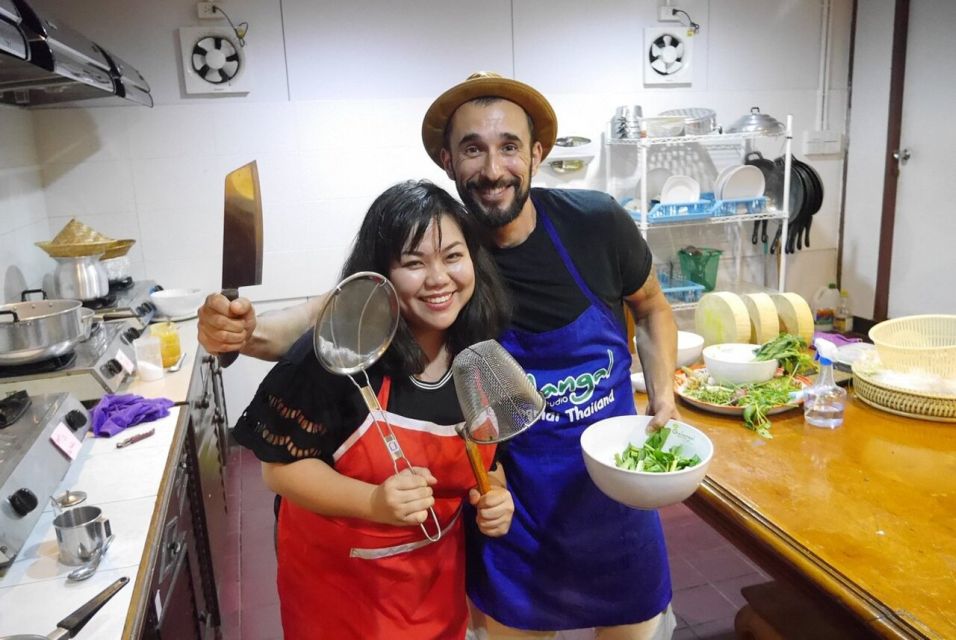
This is an evening cooking class built around a very Thai rhythm. You’re encouraged to arrive with an empty stomach, because Thai dinner starts around 4 or 5 pm. That matters, because it changes how you experience the food. Instead of nibbling and rushing, you cook with focus, then sit down for the full payoff.
The total time is about 5 hours, which is long enough to do more than one-and-done recipes. You’re not just watching. You’re selecting ingredients, chopping, stirring, tasting, and learning what makes Thai flavors work—especially the balance between sour, salty, sweet, spicy, and aromatic herbs.
The room itself is also practical: the class includes an indoor air-conditioned kitchen/dining setup, which is a relief in Chiang Mai’s heat and humidity. Even if you’re coming in on a hot day, you’ll end up cooking in comfort rather than sweating through your lesson.
Hotel Pickup in Central Chiang Mai: The Easiest Part of the Night
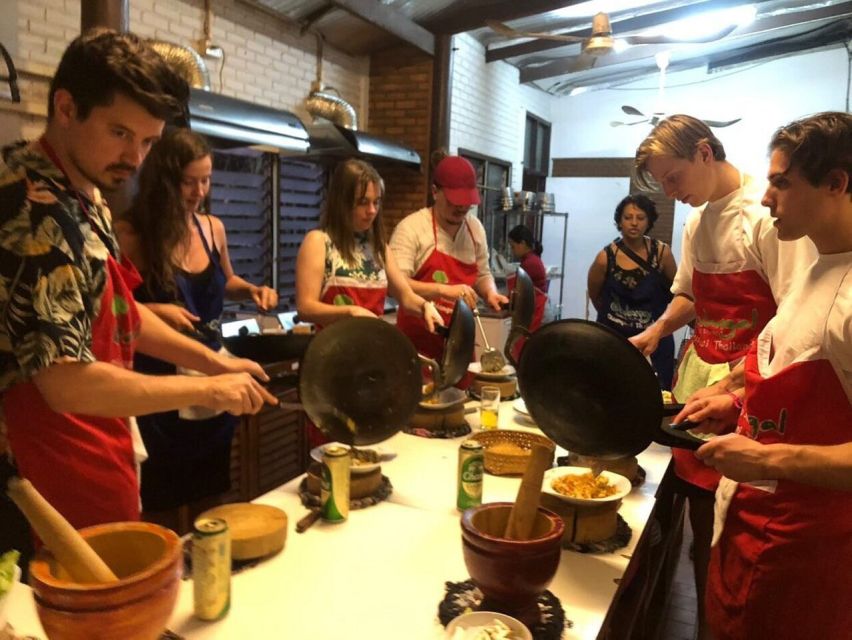
One of the best parts is that the class includes hotel pickup and drop-off for many hotels in Chiang Mai’s core areas, including the old city, Santitham, and the Huay Keaw road stretch (from Kad Suan Keaw to Maya Shopping Mall). Pickup can also cover some areas of Nimmandhaemin Road, Sirimongkrajan Road, Wat Ket Road, Chang Pheuk, Changklan, and Changmoi, but only some of the farther zones.
How it feels in real life:
- You should be ready in the lobby about 5–10 minutes before pickup.
- The driver waits no longer than 5 minutes after the scheduled pickup time.
- Pickup may start a bit earlier in the afternoon because evening traffic and multiple pickup points can slow things down.
If your hotel is outside the pickup range, you’ll be told and you’ll need to make your own way to the school or market. The class notes that you can also come by yourself, and they’ll send arrival info and addresses. Translation: don’t stress, but do confirm where you’re staying.
First Stop: The Market Like You’re Buying for Real Cooking
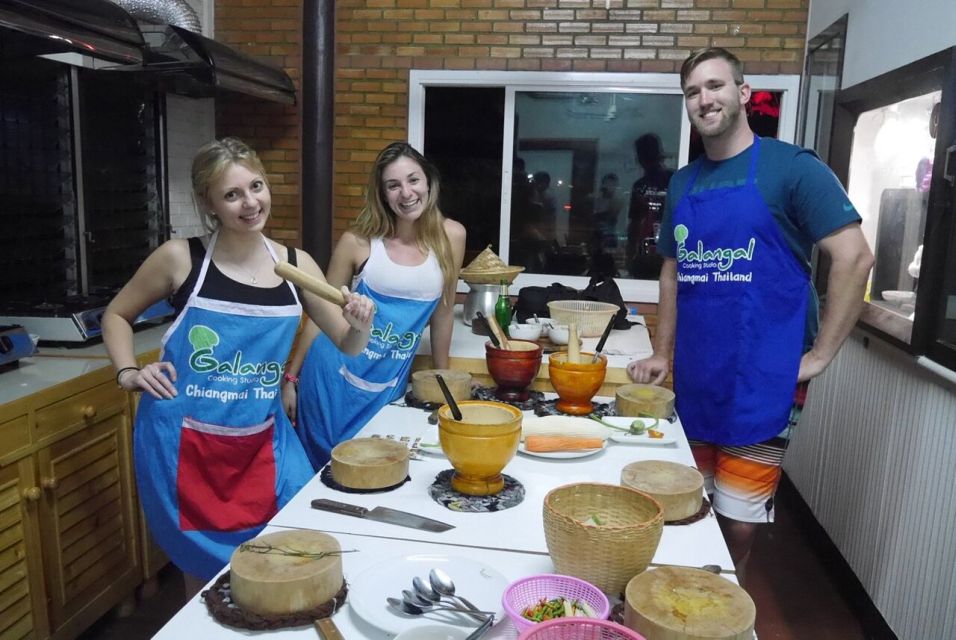
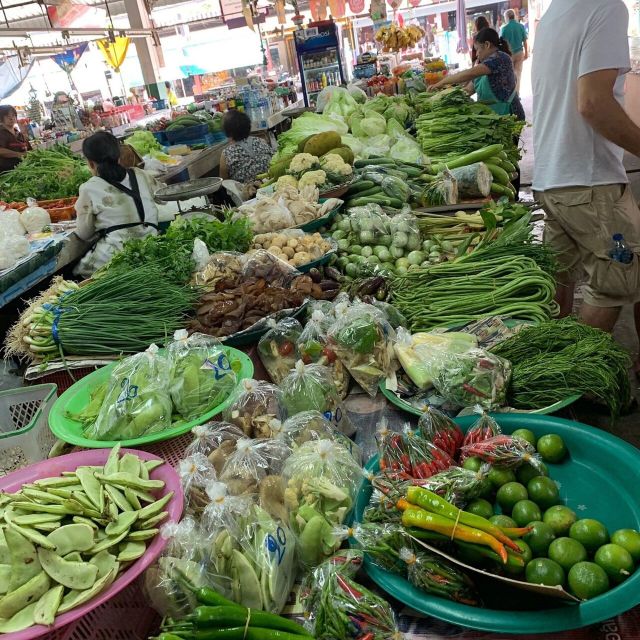
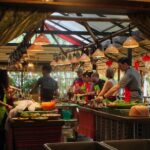
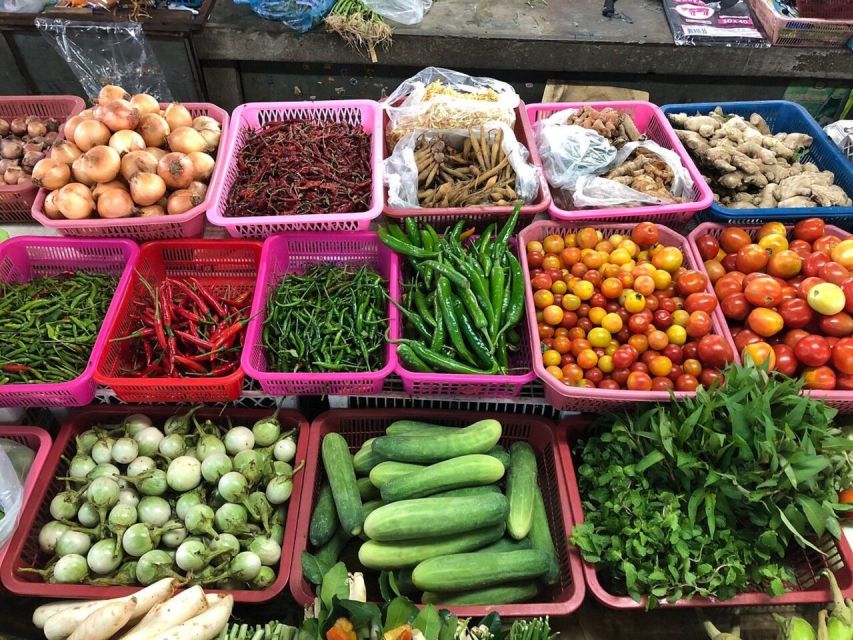
The class starts with a market visit, and this is where you start thinking like a cook, not a tourist. You’ll see fresh vegetables and ingredients used in Thai cuisine, and your guide explains what to look for and why certain items matter.
This market time isn’t just sightseeing. It’s part of the menu process. You’ll be able to hand-pick ingredients based on the dishes you want to cook. If you’ve ever wondered why the same dish tastes different at home, it often comes back to ingredient choice—especially herbs, aromatics, and how fresh produce is at the time it’s prepared.
A practical tip from the way the class is run: ask questions while you’re there. If your instructor points out differences between ingredients, that’s the knowledge that will help your stir-fry or curry taste right later, even if you’re shopping in a different country.
Second Stop: The Organic Garden Walk (Herbs Aren’t Magic, They’re Plants)
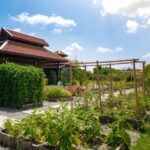
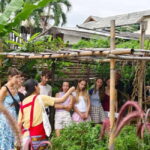
After the market, you’ll visit an organic garden and take a stroll through how herbs and vegetables are cultivated in Thailand. Even if you’re not a gardening person, this is useful. Thai cuisine relies heavily on plant flavor: basil, lemongrass, herbs for salads, and other aromatic greens that don’t taste the same if they’re old or wilted.
Seeing plants growing helps you understand what you’re actually aiming for when you cook. It also explains why some dishes smell so “Thai” even before the sauce goes in.
Is it a long garden tour? No. It’s paced to keep you moving toward dinner time. But it gives you context, and that context makes ingredient descriptions during cooking much easier to remember.



Inside the Kitchen: What You’ll Cook (and Why It’s Not Overly Complicated)
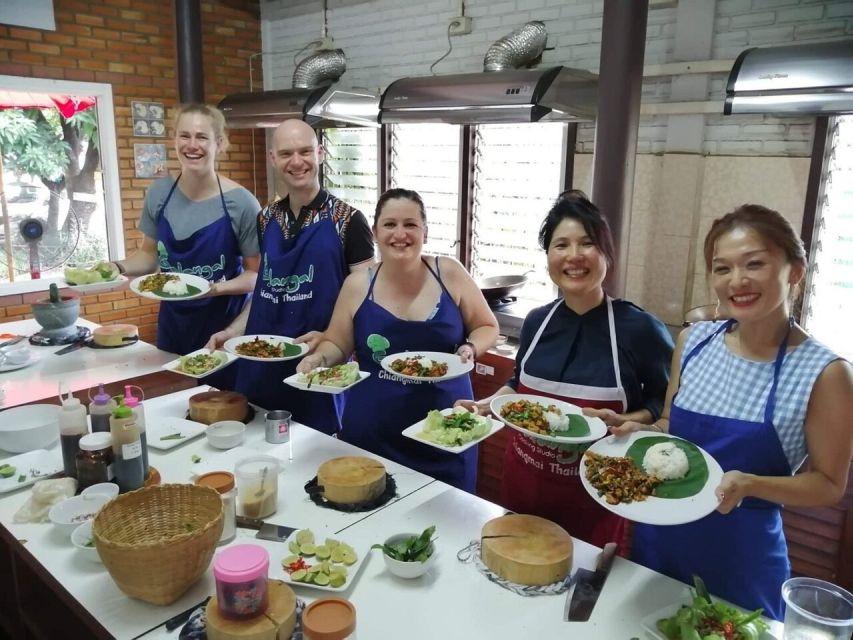
The core of the class is learning to cook five Thai dish categories, including stir-fry, soup, an appetizer, curry, and curry paste making. In practice, you choose your dishes from menus within those categories, and the cooking instruction is designed to be learnable, not show-off complicated.
You’ll also eat everything you make at the end. That’s a big deal for value: the class isn’t just technique. It becomes dinner.
Also worth noting: the class is taught in English, and the lesson includes cooking instructions plus water, tea, and coffee. You’re not being asked to bring anything beyond personal medication.
How the Menu Choices Work: Stir-Fry, Soup, Appetizer, Curry
This is one of the more fun parts because you get to tailor the meal. The class says you can choose one dish from each category.
Stir-fry choices
Pick one:
- Pad Thai (fried noodles Thai style)
- Pad See Ew (stir-fried chicken with fresh noodles)
- Kai Pad Med Mamuang Him Ma Pan (chicken cashew nut)
- Pad Kaphao Kai (minced chicken with holy basil)
If you choose one of the noodle or basil dishes, you’ll likely appreciate how Thai stir-fries hinge on heat and timing. It’s not just dumping ingredients into a pan. The guide’s job is to teach you how the dish comes together so it tastes lively instead of heavy.
Soup choices
Pick one:
- Tom Yum Kung (hot and sour prawn)
- Tom Kha Kai (chicken in coconut milk)
- Tom Kha Je (vegetarian/vegan in coconut milk)
- Tom Zap Kai (hot and sour with chicken)
Soups are often where people get frustrated at home, because balance matters. Tom Yum and Tom Kha rely on the right combination of sour, creamy coconut, and aromatics. Having a guide walk you through the structure helps you avoid the common mistake of making it too sour or too flat.
Appetizer choices
Pick one:
- Som Tam (papaya salad)
- Por Pia Thod (spring roll)
- Larb Kai (chicken salad)
- Yam Woon Sen (glass noodle salad)
Appetizers here are great because they show Thai flavor layering. Salads and spring rolls force you to understand texture and seasoning choices, not just sauce.
Curry / curry paste choices
Pick one:
- Kaeng Massaman (Massaman curry)
- Kaeng Kieaw Wan Kai (green curry)
- Kaeng Panaeng Kai (Panang curry)
- Khao Soi (Chiangmai noodle with chicken)
- Kaeng Ped (red curry)
- Kaeng Karee (yellow curry)
- Pad Prik Kaeng (dry red curry)
Curry is where curry paste making comes in. Even if you’re not selecting the paste as a stand-alone dish, you’ll learn the technique behind Thai curry flavor. That’s the shortcut to better results when you cook later, because you’ll understand what the paste is doing, not just what it looks like.
Dietary options you can plan around
This class states it’s available for vegan, vegetarian, Halal, and gluten-free needs, plus people who have allergies to any kinds of things. That’s not just a marketing line. You’ll want to mention your needs clearly when you book, so the staff can guide you to the right dish choices and substitutions.
Eating the Results: You Cook, Then You Actually Get to Taste
At the end, you’ll savor the dishes together. This is where the night becomes memorable. You’re not going home with a handful of photos and a single decent bite. You’re eating a full, self-made meal.
The vibe is also relaxed. You’ll likely get plenty of guidance as you cook, then sit down without feeling like you missed your own dinner. A big practical reminder from the way the class is described: come in the afternoon early enough that you can start the lesson on an empty stomach.
And yes, the group sizes and timing can change. The class notes that the 4 pm–8:30 pm window is for larger groups (10–12 or more). If fewer people are in your session, you may finish earlier. That means it’s a flexible plan for an evening, not a rigid, clock-punishing schedule.
The Value Check: Is $28 a Good Deal?
At $28 per person for about five hours, this class is priced like a true activity, not a quick sampling tour. You’re getting:
- Hotel pickup and drop-off
- Market visit and organic garden time
- Hands-on instruction and all ingredients/equipment
- Water, tea, and coffee
- A PDF recipe book so you can reproduce at home
If you’ve priced cooking classes elsewhere, you know that “all ingredients included” and a take-home recipe matter. Here, they’re part of the package. Also, you’re not just learning one recipe. The structure spans stir-fry, soup, appetizer, and curry/paste work. That’s a lot of cooking knowledge for the time.
One more value point: the class appears to run with English instruction, and the teaching style is consistent across multiple sessions based on how the instructors are described. People talk about clear explanations and staying on track. That reduces the risk of a lesson that feels chaotic or too basic.
Who Should Book This (and Who Might Not Love It)
This is ideal if you:
- Want a hands-on Thai cooking lesson rather than just a food tour
- Like the idea of choosing your own menu items
- Appreciate practical skills you can repeat back home
- Prefer an evening plan with hotel transport
It may not be ideal if you:
- Have altitude sickness (the activity notes it’s not suitable)
- Want a super short experience or just a light snack—this is full dinner-making
If you’re traveling with someone who likes food but worries they won’t be good at cooking, this class is a good fit. The structure is designed so you can follow steps, learn ingredient roles, and end up with a meal you’re proud to eat.
A Few Real-World Tips to Get Better Results
Don’t show up hungry out of fear. Show up hungry because it helps you enjoy the tasting part. You’re eating what you cook.
Also, pay attention to what your instructor emphasizes about ingredients. This class is set up around market selection and garden context, so the “why” behind ingredients is a major part of the learning—not just the recipe steps.
Finally, if you have dietary needs or allergies, ask questions early. The class explicitly says dietary substitutions are possible for vegan, vegetarian, Halal, gluten-free needs, and allergies. The easier you make it for the staff to plan your menu choices, the smoother your cooking time will be.
Should You Book This Chiang Mai Evening Cooking Class?
Yes, if you want a well-paced evening where you cook a real meal, not just watch food happen. The combination of market shopping, organic garden context, hotel pickup/drop-off, and a take-home recipe PDF gives you both the experience and the tools to recreate Thai flavors later.
Book it especially if you like options. Choosing from stir-fry, soup, appetizer, and curry menus makes the class feel custom, and the dietary flexibility is clearly part of how the school runs.
If you’re short on time, you might consider a shorter food option—but for an evening plan that turns into dinner plus cooking skills, this is a strong call. Bring empty stomach energy, confirm your pickup area, and you’ll come home with more than memories. You’ll come home with recipes that make sense.
FAQ
What’s the duration of the Chiang Mai cooking class?
The class runs for about 5 hours, starting in the afternoon and finishing in the evening.
Does the class include hotel pickup and drop-off?
Yes. Pickup and drop-off are included for many hotels in central Chiang Mai areas, including the old city and specific nearby roads. Some farther areas may not be covered, so your accommodation address matters.
What will I cook during the class?
You’ll learn how to cook Thai dishes across categories including stir-fry, soup, an appetizer, curry, and curry paste making. You can choose one dish from each category, and then eat what you make.
Are there vegetarian, vegan, Halal, or gluten-free options?
Yes. The activity notes availability for vegan, vegetarian, Halal, and gluten-free needs, and it also mentions alternatives for allergies.
What should I bring or avoid?
Bring personal medication if needed. Smoking indoors and alcohol and drugs are not allowed.
Can an adult or child observe instead of participating?
Observers are allowed but must pay a fee: 500 THB per person for adults and 350 THB per child (ages 6–12).