REVIEW · CHIANG MAI
Chiang Mai: Ethical Half Day Elephant Sanctuary & Waterfall
Book on GetYourGuide →Operated by Joy Elephant Sanctuary · Bookable on GetYourGuide
A quiet jungle morning beats the typical elephant show. This Chiang Mai half-day program with Joy Elephant Sanctuary focuses on watching elephants act like elephants, not performing. You’ll feed them, follow their slow foraging pace, then cool off at a waterfall area with tea and a swim.
What I like most is the emphasis on respecting boundaries: no petting, no riding, and no elephant bathing. I also like that the day isn’t just “elephant time”—you get lunch plus a hands-on Thai craft, so you leave with something more than photos. Still, plan for some real walking in uneven jungle ground, and if you’re sensitive to it, you may want to think twice.
In This Review
- Key things to know before you go
- Why Joy Elephant Sanctuary’s rules matter more than the selfies
- Chiang Mai pickup and the road trip: plan your comfort
- Feeding elephants: hands-on, but still controlled and respectful
- Walking alongside the herd in the jungle
- Waterfall time: tea, swimming, and clear boundaries
- Lunch plus the Thai handmade craft: two ways to keep the memory
- The $54 value check: what you’re really paying for
- Who this fits well (and who might struggle)
- Should you book this Chiang Mai elephant sanctuary experience?
- FAQ
- How long is the experience?
- Do I get hotel pickup and drop-off?
- Is lunch included?
- Can I touch or pet the elephants?
- Is elephant bathing included?
- What activities are included besides the elephant time?
- What should I bring?
- Is it suitable for wheelchair users?
- Is free cancellation available?
Key things to know before you go
- A true observation-first approach: you watch relaxed elephants and follow their lead, not the other way around
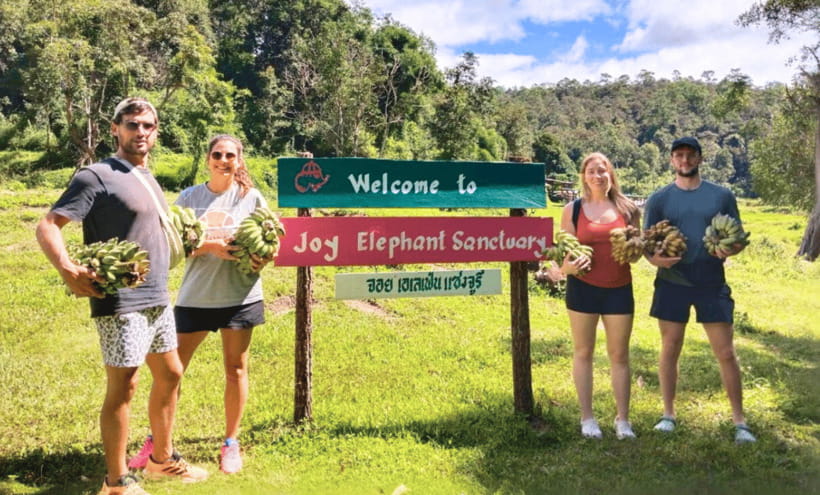
- Feeding is part of the routine: elephant food is provided, and you learn the basics before you start
- Waterfall break has a hard rule: you swim nearby, but not with elephants
- You’ll make a Thai souvenir: a handmade herbal inhaler craft (Ya Dom-style) to take home
- Pickup is built in: round-trip transfer from a set area in Chiang Mai Old City
- Comfort matters: bring swimwear and good shoes because you’ll go from jungle walking to water
Why Joy Elephant Sanctuary’s rules matter more than the selfies
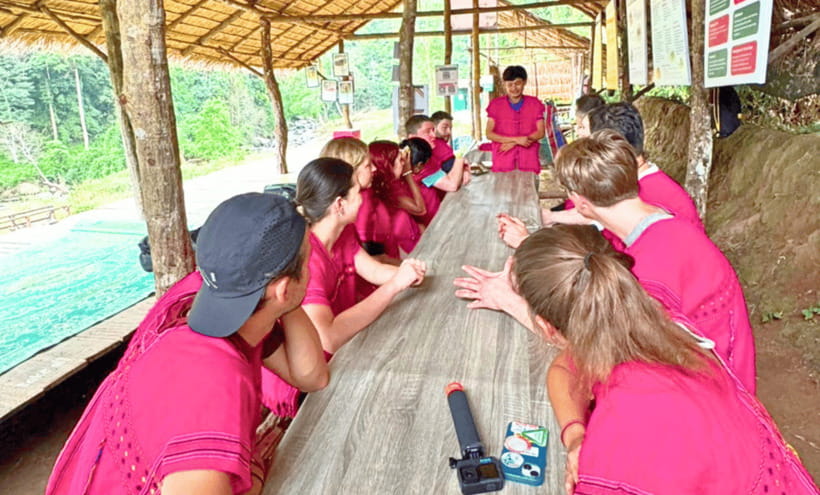
Chiang Mai has no shortage of elephant experiences. What makes this one feel different is the clear behavior-first mindset you’re guided to follow. At Joy Elephant Sanctuary, the interaction is structured around observation and feeding, while keeping elephants unforced. You’re close enough to see what matters—how they move, forage, and respond to their environment—but not close enough for exploitation-style “tourist contact.”
That matters for your experience because it changes the vibe. Instead of chasing an elephant for a performance, you settle in and read the herd’s rhythm. You also learn the basic care-and-ethics picture from the team on site. In plain terms: you’re there to learn how elephants live, not to turn them into an attraction.
The other “rules feel good” detail: the program doesn’t include elephant bathing. Reviews and the program description both point to the same idea—water time is separate from elephant handling. That keeps the focus on dignity and safety rather than forced water tricks.
You can also read our reviews of more tours and experiences in Chiang Mai.


Chiang Mai pickup and the road trip: plan your comfort
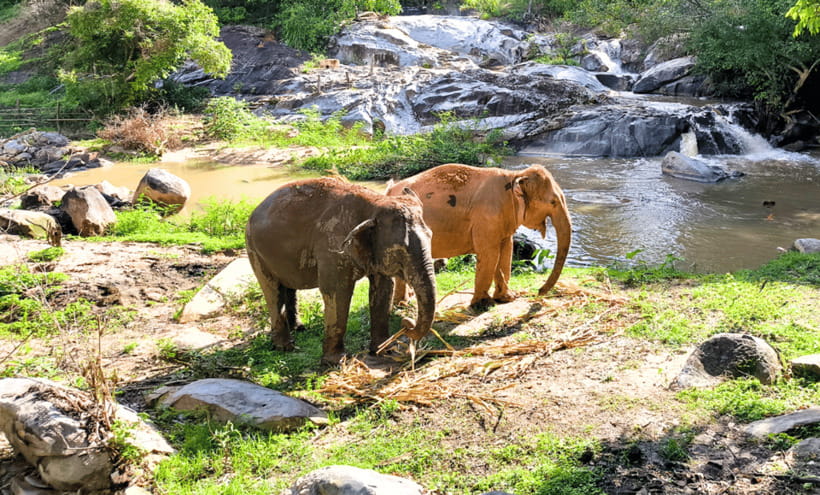
You’ll start with pickup from your accommodation area in Chiang Mai’s Old City zone (within 5 km), then ride out by minivan to the Mae Wang district. The total transfer time is about 1.5 hours each way, so even though it’s called a half-day program, you’re likely spending most of the day in motion and activities.
A few practical notes help your body:
- Bring insect repellent and sunscreen. Even before you “arrive in nature,” Chiang Mai sun and bugs show up fast.
- Wear comfortable shoes you can walk in, because the day switches from vehicle time to jungle ground.
- If you get motion-sick, consider taking precautions before the van ride. Some guests noted the drive felt bumpy.
This isn’t a reason to skip the trip. It’s just a heads-up so you don’t arrive tired and then feel annoyed during the jungle portion. The drive is part of seeing the countryside around Chiang Mai, and it sets up the next phase: elephants in a more natural zone.
Feeding elephants: hands-on, but still controlled and respectful
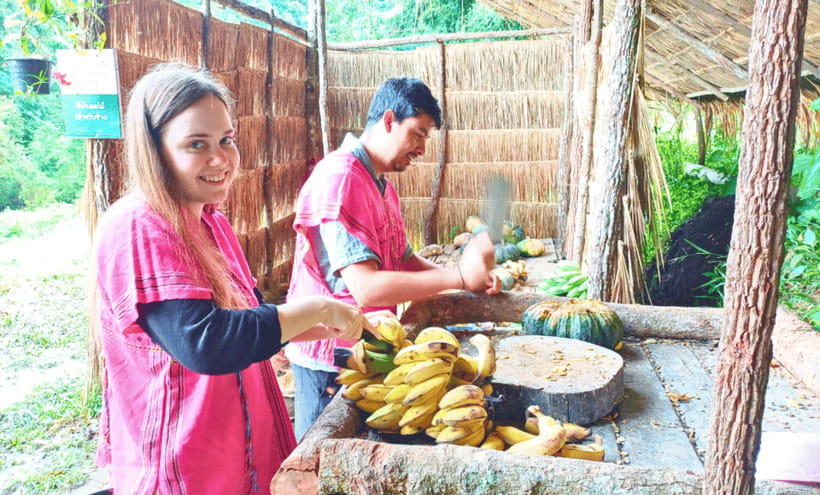
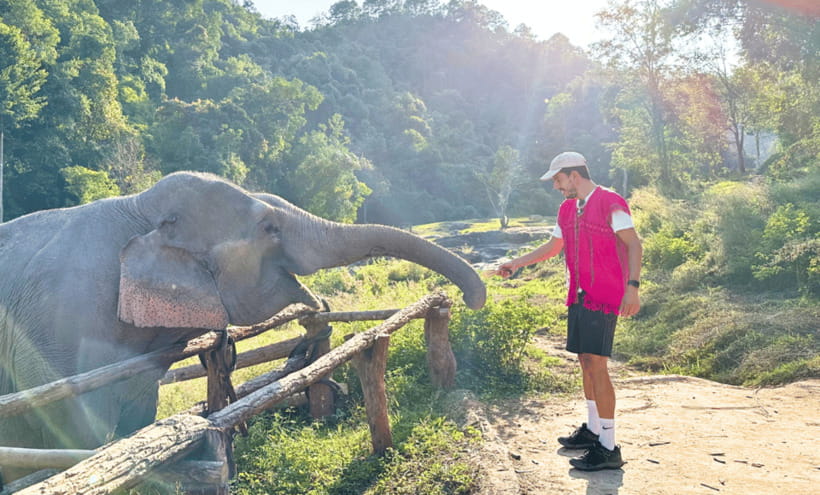
Your morning (or afternoon) starts with hands-on prep and instruction. You’ll prepare food and then feed the elephants as the team guides you. Elephant food is included, so you don’t need to figure out what to bring or worry about accidental “wrong feeding” habits.
What’s worth paying attention to is the learning component. You’re not just handed bananas and told go for it. You’ll get explanations about elephant behavior and how to interpret what you see—like how a herd chooses where to forage and how individual elephants move relative to the group.
The feeding moment is a highlight for most people because it gives you context. Once you’ve watched how they take food and keep their calm, the rest of the program makes more sense: you’ll be walking alongside them, following their pace, rather than trying to create action.
A quick practical mindset shift: treat feeding as the start of observation, not the main event. When you do that, you’ll enjoy the slower, more meaningful parts later—especially the jungle walk.
Walking alongside the herd in the jungle
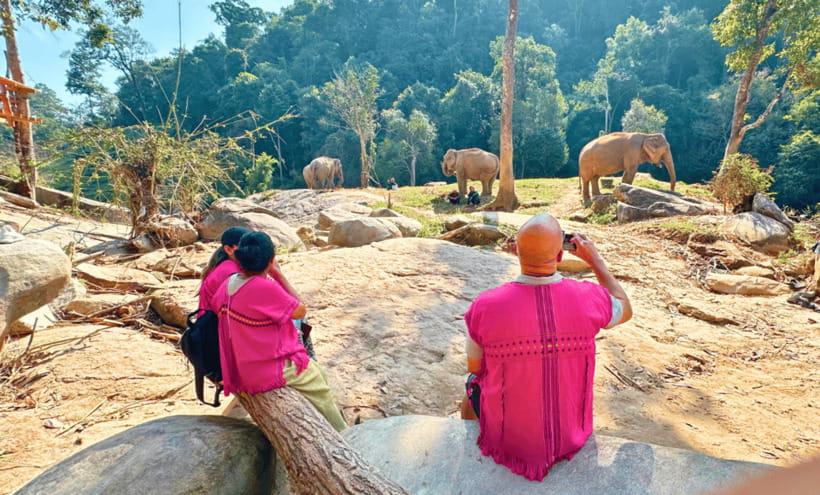
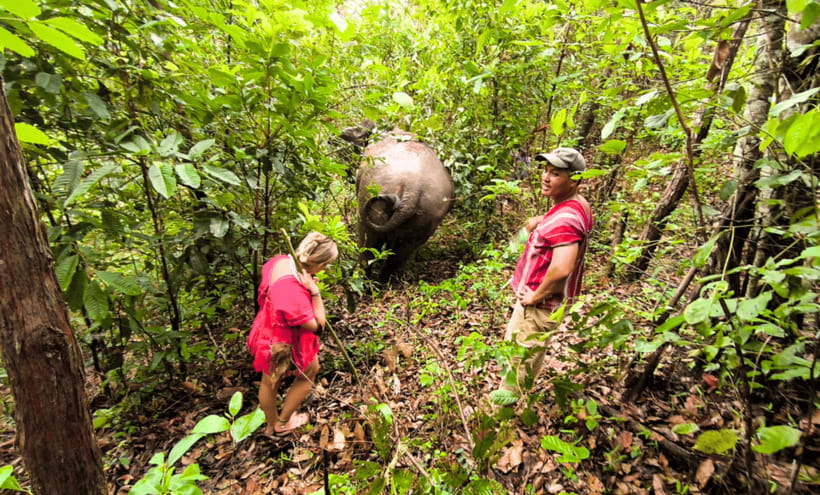
After feeding, you’ll move into the jungle area for a guided experience where you can walk alongside the elephants as they forage. This is one of the most memorable parts because the herd is doing what elephants do—moving, grazing, and pausing when they choose.
Here’s what to expect on the ground:
- You’ll likely walk at a slow-to-moderate pace, matching the rhythm of the elephants rather than powering through.
- You’ll keep a respectful distance and follow guide rules, since visitors are not allowed to pet elephants.
- Your footing matters. Good shoes beat flip-flops, and long pants can help with comfort if the path gets brushy.
The “ethical” promise is visible in how you’re managed. The program description and the strong review theme both point to the same reality: you’re not allowed to touch or force interactions, and you’re not doing a scripted performance. You’re there to see how relaxed elephants behave when they’re not being used for entertainment.
One consideration: the walk isn’t described as wheelchair-friendly, and the tour specifically says it’s not suitable for wheelchair users. If mobility is an issue for you, this could be a deal-breaker even if you’re comfortable with elephants in theory.
Waterfall time: tea, swimming, and clear boundaries
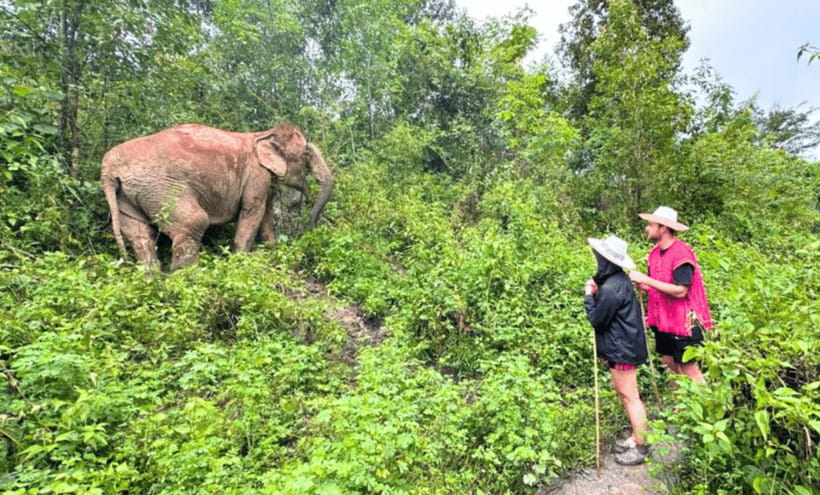
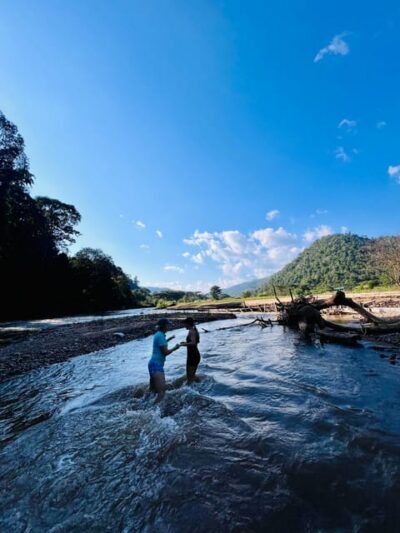
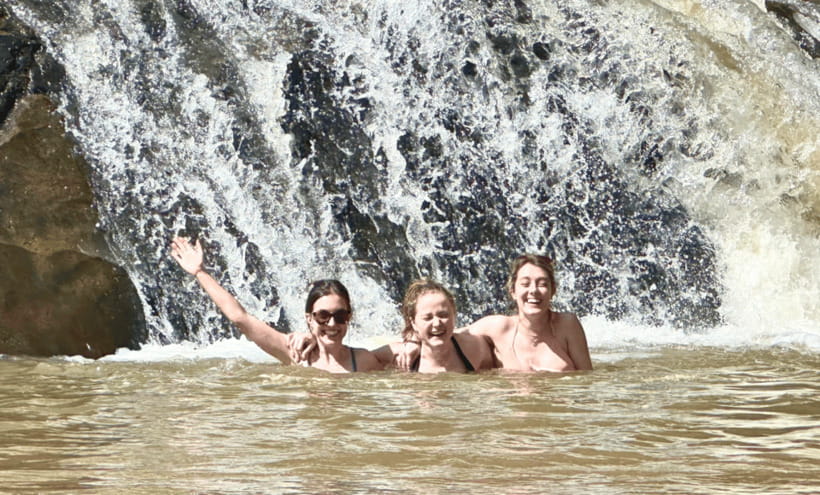
The day’s mid-to-late stage shifts from jungle pace to a calmer break at a waterfall area. The program includes herbal tea and a chance to cool off, with a towel provided. Importantly, there’s no elephant bathing here—so you’re not watching wildlife “forced into a show.”
You should bring swimwear and a change of clothes. Several guests specifically mention swimming in the area near the waterfall. That’s a nice reset after walking. It also turns the day into something more balanced: you get nature, shade, water, and downtime before your next activity.
A practical tip from the way people describe the experience: don’t assume the waterfall is huge. Some guests said it wasn’t as big as they expected. Think of it as a refreshing water stop in a scenic setting, not a movie-scale waterfall.
Also, keep your expectations anchored. The whole point is that elephants stay out of the bathing zone. That rule keeps things more respectful and helps you enjoy the water without feeling like the animals are being “used again.”





Lunch plus the Thai handmade craft: two ways to keep the memory
After the waterfall break, you’ll have lunch for about 30 minutes. Lunch is included, and multiple descriptions mention dishes like pad Thai and fresh fruit. That means you’re not stuck hunting food after a long ride and a busy morning.
What I appreciate is that lunch feels like a normal Thai meal stop, not a rushed buffet designed to speed you along. You’ll be able to sit, refuel, and then gear up mentally for the last part of the program: a cultural craft.
Your souvenir is a DIY Thai handmade item. The recurring craft in the experience is a herbal inhaler style souvenir (often called Ya Dom). You’ll make it using local spices and herbs, creating something you can smell and use later. That matters for souvenir value because it’s tied to the region’s everyday culture, not just a generic keychain.
If you like leaving with one meaningful item, this craft is a winner. It’s also a nice “quiet” activity after you’ve spent hours watching animals and moving through nature.
The $54 value check: what you’re really paying for
At $54 per person for a program that runs around seven hours total, the value hinges on what’s included and what’s excluded.
Included highlights:
- Round-trip hotel pickup/drop-off within a defined Old City area
- An English-speaking guide
- Lunch and drinks (water included)
- Elephant food
- A towel
- Insurance
More importantly, this program avoids several common “paid-for extras” that often show up in less ethical elephant outings, like bathing elephants or riding them. You’re spending your money on access and guidance, not on physical stunts.
So how do you judge the cost fairly?
- If you care about ethical standards, the price feels reasonable because the experience requires staff time, training, and structure.
- If you only want a quick photo moment with minimal walking, you might feel the time cost more than the animal time cost.
But for most people—especially those who want a genuine wildlife encounter—the mix of feeding, observation, jungle walking, a waterfall break, a proper lunch, and a craft makes it strong value. You’re not buying a single moment. You’re buying a full half-day flow.
Who this fits well (and who might struggle)
This experience is a great fit if you want:
- Elephant observation with clear ethical boundaries
- A structured guide who explains what you’re seeing and how to behave
- Nature time beyond the elephants, including the waterfall swim and tea break
- A hands-on cultural item to take home
You might reconsider if you:
- Have mobility limits or need wheelchair access. The tour is not suitable for wheelchair users.
- Don’t handle uneven jungle walking well. Comfortable shoes are not optional.
- Expect elephant bathing or riding. The program specifically excludes those.
If you’re the kind of traveler who wants animals treated as animals, this is likely the right lane. If you’re chasing a theme-park style spectacle, your day may feel slower than you want.
Should you book this Chiang Mai elephant sanctuary experience?
If you’re planning a Chiang Mai trip and want one elephant activity that prioritizes ethical interaction, this is an easy “yes” to consider. The reason is simple: the program focuses on respectful distance, feeding, and watching elephants roam, then adds real downtime at the waterfall with tea and swimming. You also finish with lunch and a meaningful Thai craft, so the day feels complete.
Book it if you can do some walking and you’re okay with following rules closely. Skip it if mobility or comfort on jungle paths is a problem, or if you specifically want elephant bathing or riding. For the right traveler, it’s a thoughtful way to see elephants in a setting that doesn’t treat them like props.
FAQ
How long is the experience?
The duration is listed as 7 hours total.
Do I get hotel pickup and drop-off?
Yes. Round-trip transfer is included from accommodations within a 5 km radius of Chiang Mai’s Old City.
Is lunch included?
Yes, lunch is included (and the day also includes water).
Can I touch or pet the elephants?
No. The experience is designed around respectful observation and feeding, with no touching allowed.
Is elephant bathing included?
No elephant bathing is included. The waterfall part includes tea and a break, and swimming is described as separate from the elephants.
What activities are included besides the elephant time?
You’ll feed and observe elephants, walk alongside them in the jungle, take a waterfall break with herbal tea, enjoy lunch, and do a Thai handmade souvenir craft.
What should I bring?
Bring comfortable shoes, swimwear, a change of clothes, sandals, sunscreen, and insect repellent.
Is it suitable for wheelchair users?
No. It’s not suitable for wheelchair users.
Is free cancellation available?
Yes. You can cancel up to 24 hours in advance for a full refund.