REVIEW · CHIANG MAI
Chiang Mai: Elephant Sanctuary, Monk Trail & Doi Suthep Tour
Book on GetYourGuide →Operated by PON ELEPHANT (THAILAND) CO., LTD. · Bookable on GetYourGuide
Elephants and temples, all in one calm day. I like how Pon Elephant sanctuary keeps it hands-on with feeding and river bathing while still forbidding riding, and how the day also includes a Wat Pha Lat monk trail walk through peaceful jungle.
I also love the way guides explain Doi Suthep so you actually understand what you’re looking at, from pagoda details to how temple rituals work. The only real drawback is that this is a long day with hiking and water/splashes, and the meal can be hit-or-miss in temperature, so pack smart since a towel and a change of clothes are not included.
In This Review
- Quick hits before you go
- A full-day Chiang Mai plan that actually balances animals and culture
- Wat Pha Lat and the monk trail: jungle calm with a temple twist
- Doi Suthep: the sacred pagoda plus the meaning behind what you see
- Pon Elephant Thailand in Mae Wang: ethical care with real rules
- What the elephant feeding and river bath teach you
- The Thai meal break: useful fuel between temple and camp
- Timing, transport, and how the day actually feels
- What to pack for Chiang Mai heat, temples, and wet elephant fun
- Who should book this tour (and who should skip it)
- Value check: is $57 a fair deal for this mix?
- Should you book this Chiang Mai Elephant Sanctuary, Monk Trail & Doi Suthep tour?
- FAQ
- Is elephant riding allowed on this tour?
- What should I wear for the temple stops?
- Will I get wet during the elephant activities?
- Do I need to bring a towel?
- How long is the tour and what’s the overall pace like?
- Is pickup included?
- Is the guide English-speaking?
- What’s included with lunch and water?
- Who is the tour not suitable for?
Quick hits before you go
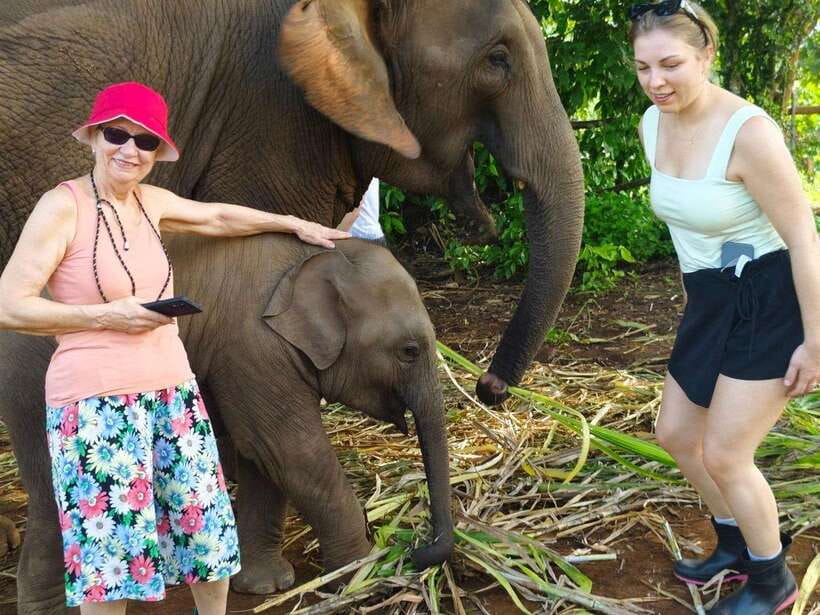
- Ethical elephant care at Pon, with elephant interactions that don’t involve riding
- Wat Pha Lat monk trail: forest temple vibes, including a wooden tunnel and stream area
- Doi Suthep with guidance: you’ll learn what to notice and how to pray properly
- A full schedule, not a sampler: elephant time runs long enough to feel worth the effort
- Plan for getting wet and muddy: bring swimwear and hiking shoes if conditions are damp
- Good small-group energy: recent days have included very intimate setups with personal time
A full-day Chiang Mai plan that actually balances animals and culture
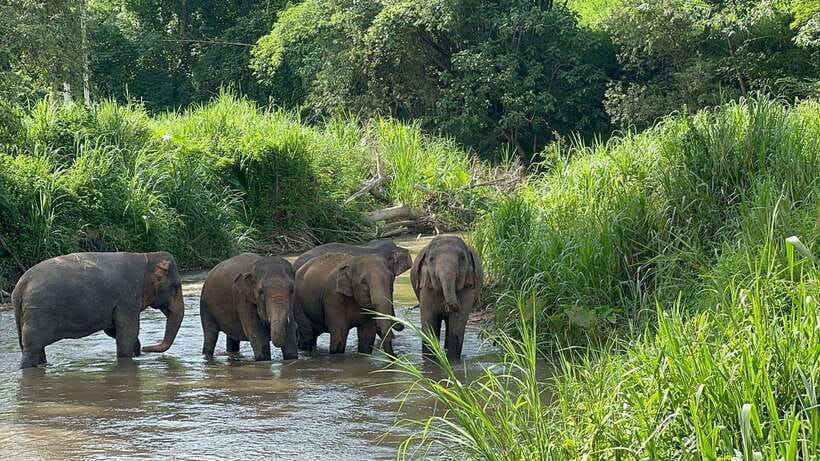
This tour works because it doesn’t force you to choose between nature and temples. You start with Wat Pha Lat in a quieter, greener setting, then shift into the most famous Chiang Mai landmark at Wat Phra That Doi Suthep. Finally, you spend a solid chunk of your day with Pon Elephant Thailand, where the focus stays on care, behavior, and respectful interaction.
For me, the winning formula is pacing. The elephant portion is long enough that it feels like learning, not just a quick photo stop. And the temple portion isn’t thrown at you like a checklist—your English guide helps you slow down and understand the sites instead of rushing through them.
You can also read our reviews of more tours and experiences in Chiang Mai.


Wat Pha Lat and the monk trail: jungle calm with a temple twist
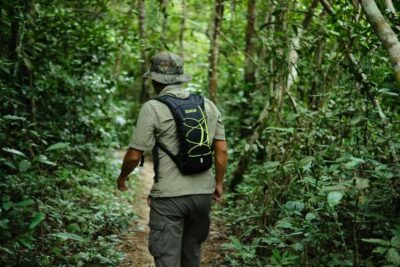
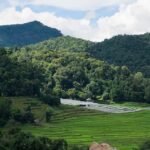
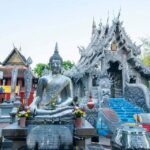
Wat Pha Lat sits in the hills outside the busiest tourist routes. You don’t just walk up to a temple sign and call it done. This stop includes a nature trail hike that takes you toward the forest temple area and its meditation-leaning atmosphere.
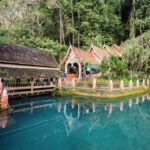
Expect details that make it feel different from the typical temple circuit: a wooden tunnel, areas with ordained trees, and a quiet stream setting where the whole place sounds and feels more natural than ceremonial. The mood is part of the value here. Even when you’re with a group, the trail helps you reset your pace before the later climb and viewpoints at Doi Suthep.
Practical note: the walking time is around 40 minutes, and your comfort depends on footwear and weather. If it’s been raining, the ground can get slick or muddy, so don’t rely on flip-flops for the trail.
Doi Suthep: the sacred pagoda plus the meaning behind what you see
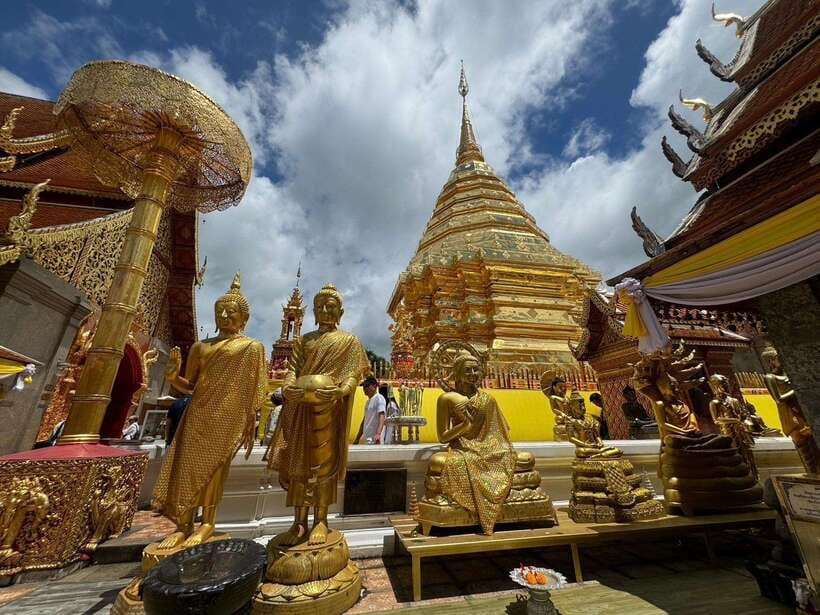
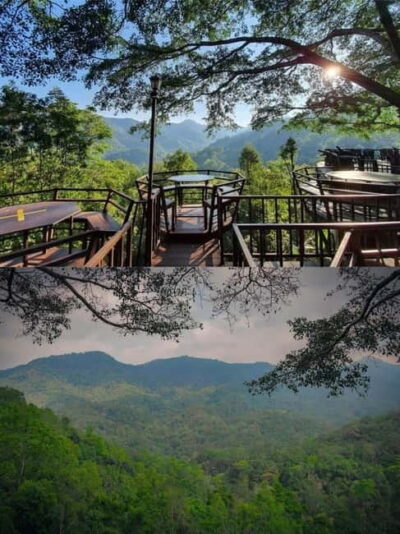
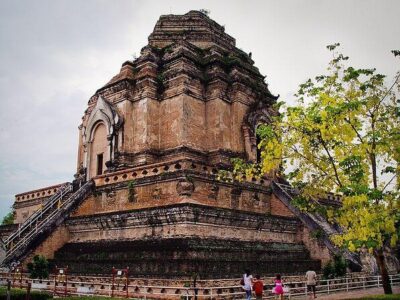
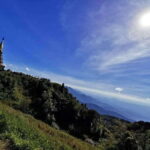
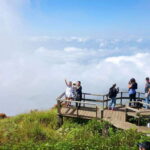
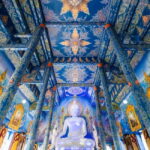
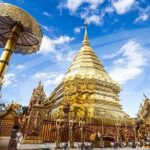
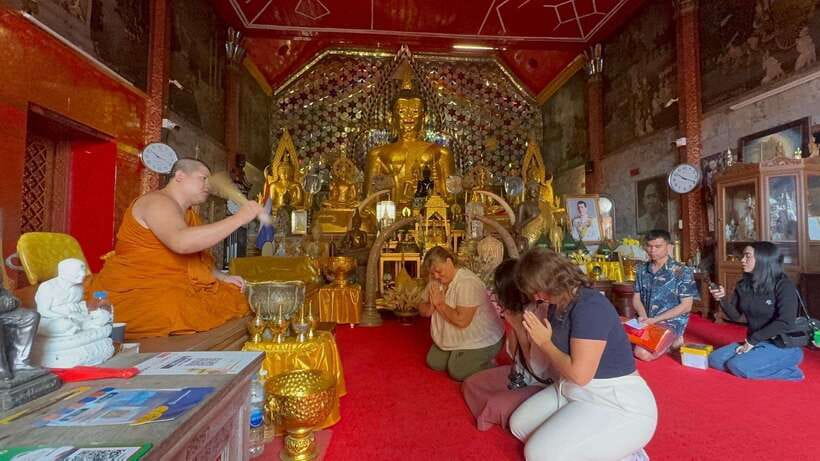
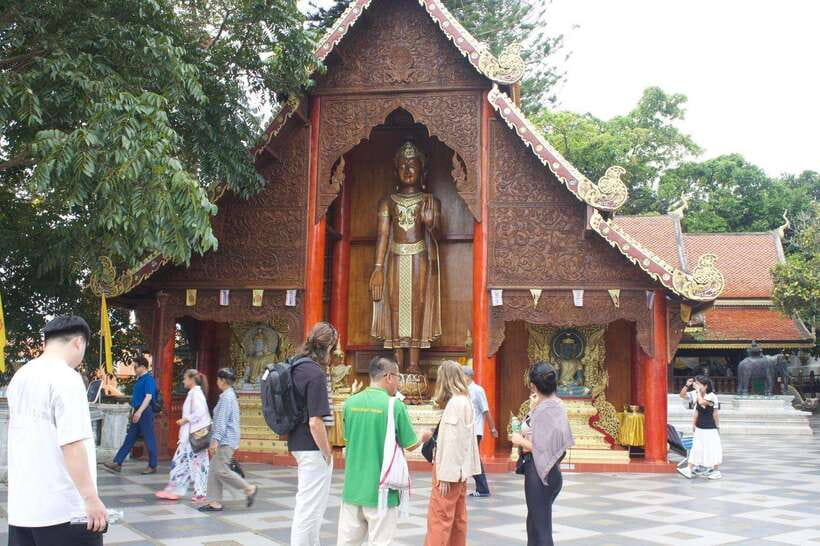
No Chiang Mai day feels complete without Wat Phra That Doi Suthep. It’s the temple most people recognize, thanks to the golden pagoda and the views from the mountain setting. But what makes this stop better on a guided day is context.
Your guide explains what you’re seeing—temple halls, shrines, and the areas where people come to pay respect. Then you’re guided on how to pray in a way that matches local practice, not just a tourist version. In the past, guides such as Sumit, Paul, and Ronnie have stood out for pairing good storytelling with practical directions like where to look and what rituals mean.
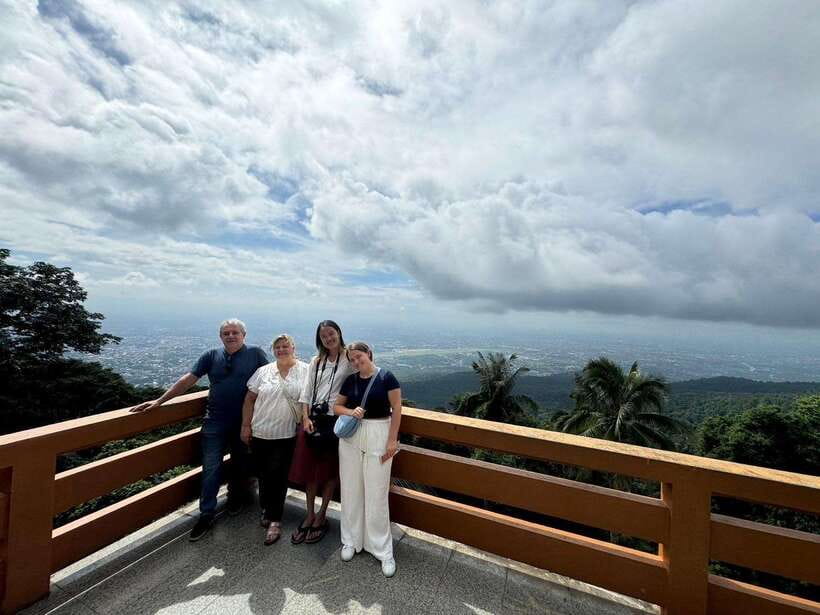
Time-wise, plan about 1.5 hours at Doi Suthep. That’s enough to see the pagoda and walk the terrace areas without feeling trapped on a tight schedule.
Pon Elephant Thailand in Mae Wang: ethical care with real rules
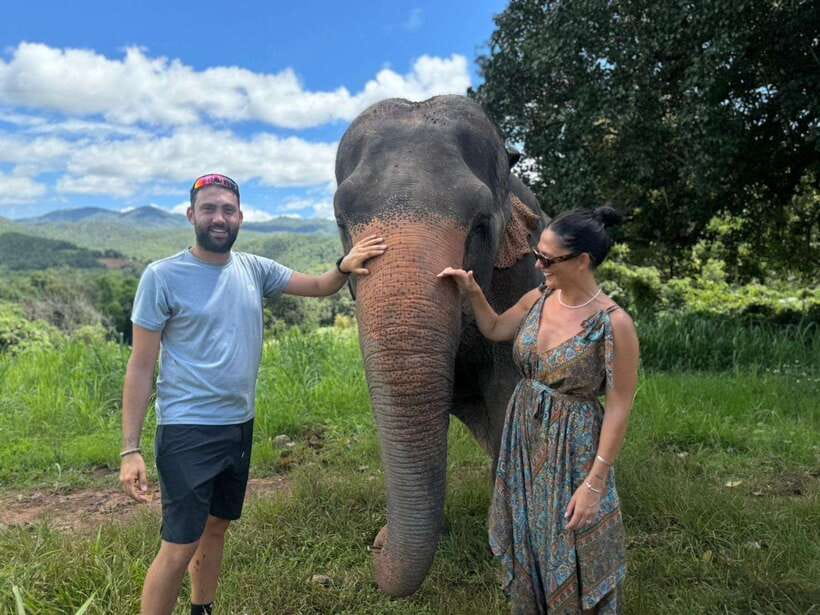
This is the heart of the tour, and it matters that the elephant portion follows an ethical format. At Pon Elephant Thailand in Mae Wang District, you’re not there for riding. The tour explicitly says elephant riding is prohibited, and you’ll see that the elephants aren’t forced into performances.
What you’re doing is learning and participating in care-style activities:
- Feeding elephants (including food prepared for the experience)
- Walking alongside them in a natural setting
- Bathing them in a river environment
- Making medicine balls to help nourish the elephants
A couple of extra details can make a big difference to your expectations. Some experiences here move through multiple feeding points, so you may feel like you’re working with a “process,” not just standing in one spot. Also, the camp provides shower rooms and toilets, which is a relief because you will likely get wet.
If you’re paying attention to animal ethics, this is one of the main reasons to choose this tour over the classic elephant attraction style.
What the elephant feeding and river bath teach you
Up close, elephants aren’t loud or chaotic. You’ll likely notice how calm their body language can be, and how much of the interaction is about routine and gentleness. You’ll be guided through what to do, and the experience is structured so you can participate without turning it into a circus.
The river bath part is where you should get practical fast:
- Bring swimwear.
- Expect splashes and muddy water.
- Bring a change of clothes and a towel, since those are not included.
If you forget those, you’ll still go ahead—but you’ll feel the discomfort afterward. That one small packing miss can ruin the last hour of an otherwise great day.
Photo lovers: the day is set up with plenty of opportunities to capture your experience, and guides often help with photos so you’re not constantly handing your phone to strangers.



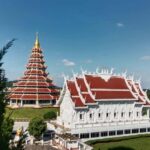

The Thai meal break: useful fuel between temple and camp

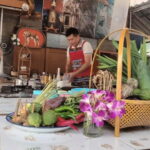
After the elephant activities, you’ll have a homemade Thai meal provided by a local family. The tour includes lunch, drinking water, and also seasonal fruit and local desserts as part of the experience.
One caution from real-world timing: the meal may not always be served steaming-hot, even when it tastes good. So if you’re picky about hot food, consider bringing small snacks for the gap between activities, especially if you tend to get hungry during hikes.
The upside is that this isn’t a generic roadside stop. The meal feels like part of the culture rather than a rushed refuel.
Timing, transport, and how the day actually feels
This runs as a true full-day loop: pickup from Chiang Mai city center, van travel between sites, then return to drop-off.
In practice, many recent departures have started around 8am and wrapped up around 5pm. The total walking isn’t extreme, but it is spread out:
- a hike at Wat Pha Lat (about 40 minutes)
- temple walking at Doi Suthep (more strolling than climbing, but you’ll still move)
- a longer active block at Pon (about 3.5 hours)
That last part is the reason the day works. You get enough elephant time to pay attention to behavior and care rather than treating the camp like a quick stop.
Transport is by van, with comfort-focused time between sites. AC helps on humid days, and you’ll want it.
What to pack for Chiang Mai heat, temples, and wet elephant fun
Bring a kit that matches the reality of the day: sun, temples, hiking, and water.
Most important items:
- Comfortable shoes (hiking shoes are best for the trail)
- Swimwear for the river bath
- A change of clothes and a towel (not included)
- Sunscreen and insect repellent
- Shorts or lightweight clothing that can get dirty
- Flip-flops for camp downtime (not for the trail)
- Cash if you want extra buys
Temple dress matters. You’ll want clothes that cover shoulders and knees. If you show up in shorts and a tank top, you’ll feel rushed fixing it, so plan ahead.
Who should book this tour (and who should skip it)
This experience is a great match if you want:
- ethical elephant interaction without riding
- a balanced day of temples plus nature
- time with an English guide who can explain Buddhist practice and elephant behavior in plain terms
It’s also a good choice if you enjoy being active but not doing hardcore trekking. The walking is manageable, and the camp time is where you’ll feel the day’s energy.
But it may not be a good fit if you have physical or medical constraints. The tour lists it as not suitable for people with:
- mobility impairments or wheelchair users
- heart problems, epilepsy, altitude sickness concerns, or recent surgeries
- low level of fitness, motion sickness, or people afraid of heights
- animal allergies related to the activity setting
- pregnancy and children under 2 (and some age extremes)
So if any of those apply, it’s worth skipping—or choosing a different Chiang Mai day that fits your body and comfort level.
Value check: is $57 a fair deal for this mix?
At around $57 per person for a 1-day experience, the value comes from how many major pieces you’re getting in one go:
- a jungle temple trail at Wat Pha Lat
- a guided cultural stop at Doi Suthep
- a long, structured elephant care day at Pon
- entrance tickets, plus lunch, drinking water, and elephant feeding food
You’re paying for time, transportation between sites, and the guide plus camp structure. What could reduce value for some people isn’t the price—it’s expectations. If you want the easiest, least active day possible, this isn’t that. If you want a quick photo and then back to your hotel, the elephant block is too long.
For the right traveler, though, it’s a solid deal because you’re not just seeing Chiang Mai. You’re also learning how people interact with elephants in a welfare-focused camp setting.
Should you book this Chiang Mai Elephant Sanctuary, Monk Trail & Doi Suthep tour?
I’d book it if your top goals are ethical elephant care, learning temple meaning (not just sightseeing), and getting a real taste of Chiang Mai beyond the city center.
I’d pause if:
- you hate getting wet and can’t handle muddy walking conditions
- you’re looking for a short, low-effort day
- you need a totally flexible schedule (this is a structured, full-day loop)
If you’re the kind of traveler who plans clothes for temples and footwear for trails, this is one of the stronger “one day in Chiang Mai” choices.
FAQ
Is elephant riding allowed on this tour?
No. Elephant riding is prohibited on this experience.
What should I wear for the temple stops?
Dress properly for temples: your knees and shoulders should be covered.
Will I get wet during the elephant activities?
Yes. The tour includes a bathing activity, so bring swimwear and plan for you to get wet. A change of clothes is recommended.
Do I need to bring a towel?
Yes, a towel is not included. You should bring one, plus a change of clothes.
How long is the tour and what’s the overall pace like?
It’s a 1-day full tour. Expect a long day with a hiking portion at Wat Pha Lat, about 1.5 hours at Doi Suthep, and around 3.5 hours at the elephant camp.
Is pickup included?
Hotel transfers are included to and from Chiang Mai city center. Pickup is optional, and staff will show a sign at your lobby (with a short wait before departure).
Is the guide English-speaking?
Yes. The tour has an English guide.
What’s included with lunch and water?
The tour includes drinking water and lunch, and you’ll also have food prepared for elephant feeding. Entry tickets are included too.
Who is the tour not suitable for?
The tour lists it as not suitable for children under 2, pregnant women, people with back problems, mobility impairments, heart problems, epilepsy, animal allergies, and several other health or physical limitations, plus some age ranges (like people over 80 or over 95).