REVIEW · CHIANG MAI
Chiang Mai: Elephant Dream Project Sanctuary – Half-Day
Book on GetYourGuide →Operated by Elephantdreamproject · Bookable on GetYourGuide
One word: gentle giants. This half-day trip in Chiang Mai Province lets you spend real time in native jungle habitat with Asian elephants, guided by locals like JJ and supported by the Elephant Dream Project’s no-forcing approach. Two things I especially like: you can feed and walk alongside the elephants in a respectful, choice-based way, and you also get a village-and-lunch break that feels tied to local life instead of a tourist stop. The one drawback to plan for is physical effort: you’ll be on uneven ground, and the schedule moves fast for a 4-hour experience.
You’ll start early with hotel pickup, then ride about 1.5 hours out of Chiang Mai to the sanctuary area. Once you arrive, the day is structured around learning the elephants’ behavior and working with the rhythms they set—no staged tricks, no riding, and no treating the animals like entertainment props.
In This Review
- Key things to know before you go
- Jungle Elephant Time Without the Ride-and-Tricks Script
- A small consideration
- Hotel Pickup at 7:00, Then a Real Drive Into the Mountains
- Arrival Briefing: Learning Elephant Life From a Local Guide (JJ)
- Feeding the Elephants: The Moment That Makes It Real
- Walking in the Jungle With the Elephants: Natural Habits Over Performances
- Village Time and Lunch: Thai Food + Local Life
- The practical takeaway
- Watching Bathing and River Moments (Without the Water-Stage)
- Price and Value: Why $51 Can Make Sense (And When It Doesn’t)
- What to Bring for a Jungle Morning (So You Can Enjoy It)
- Who This Elephant Sanctuary Works Best For
- Should You Book Elephant Dream Project Sanctuary in Chiang Mai?
- FAQ
- How long is the Elephant Dream Project Sanctuary half-day tour?
- Where does pickup happen?
- What time does the tour start?
- What’s included in the price?
- Are soft drinks included?
- Do you ride the elephants or do tricks?
- Is the tour in English?
- What should I bring?
- Who might not be able to join?
Key things to know before you go
- JJ’s guide style: upbeat, positive, and centered on elephant welfare, not “performance.”
- You follow elephant choice: if an elephant doesn’t want to participate, the day adapts.
- Feeding that teaches: you’re not just taking photos; you learn what the feeding moment means.
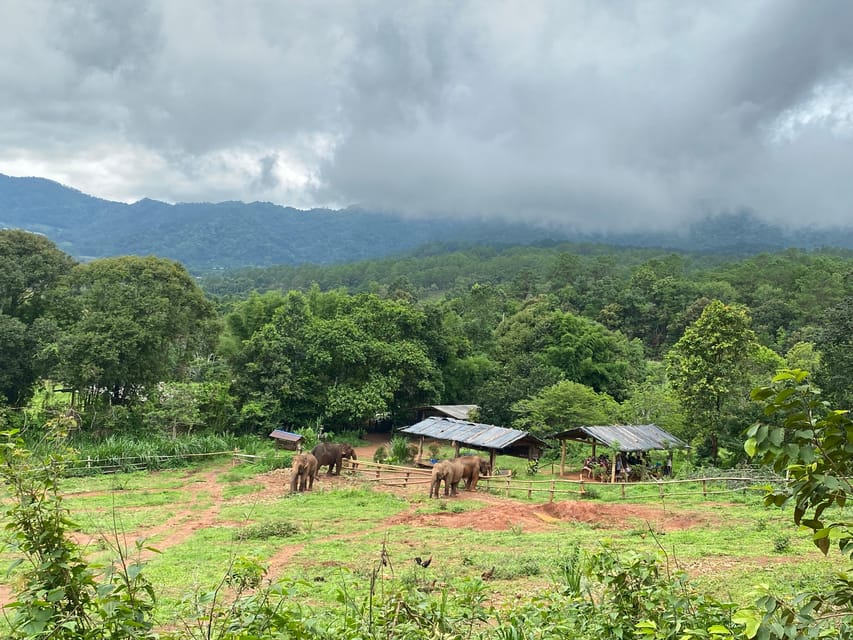
- Jungle walking, not a show: you move with them through natural surroundings at a calm pace.
- Thai lunch included: a real meal with seasonal fruits, not just a quick snack.
- Small-sanctuary feel: the vibe is family-run and local, not a factory-tour setup.
Jungle Elephant Time Without the Ride-and-Tricks Script
If you’re going to Chiang Mai looking for elephants, you’ll quickly notice the market has two very different styles. One style is built around human control—riding, bathing as a performance, and animal “acts.” This one is built around the opposite idea: elephant happiness and comfort guide the experience.
That shows up in how the day is described and how people talk about it. The sanctuary runs based on the elephants’ natural willingness, so you’re not “making it happen.” Multiple mentions emphasize that elephants are not forced to do things they don’t want to do, and that you stay respectful in how close you get. Practically, that means you’ll spend your time watching what elephants actually do—feeding, walking, and moving through the space they already use.
I also like the education angle. You don’t just get a quick intro and then a photo sprint. You get an explanation from an expert local guide about Asian elephants and the Elephant Dream Project’s purpose, plus a lot of “why this matters” context that helps you understand what you’re seeing instead of treating it as a checklist.
You can also read our reviews of more tours and experiences in Chiang Mai.


A small consideration
Because the whole point is to keep it natural, you shouldn’t expect a perfectly timed, always-the-same program. If elephants decide to pace the area differently that day, your experience shifts with them. That’s a good thing ethically, but it means you need flexibility.
Hotel Pickup at 7:00, Then a Real Drive Into the Mountains
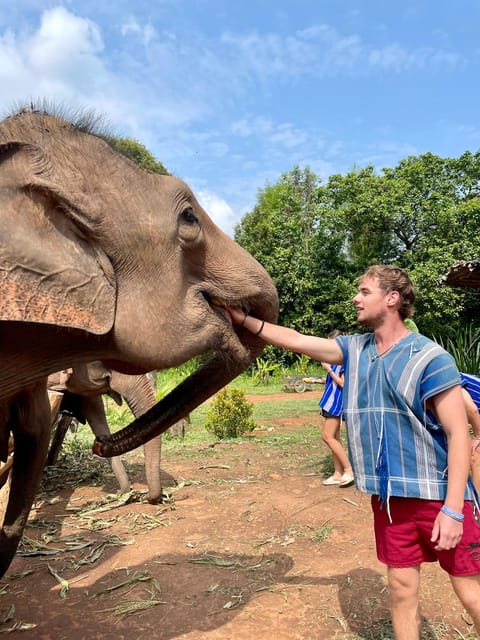
The day starts early—hotel pickup typically begins around 7:00 to 7:30. Then you’re on the road for roughly 1.45 hours to reach the sanctuary area outside Chiang Mai. This matters more than it sounds. It’s the difference between city-adjacent “elephant stops” and a genuine change of scenery.
En route, expect the ride itself to be part of the day’s rhythm. Several people mention safe, professional driving and a comfortable van. Once you’re out past the city, the air and terrain shift fast, and you feel like you’ve gone somewhere that isn’t built only for tourists.
You also gain a practical benefit from the travel time: it helps set expectations. By the time you arrive, you’re ready to slow down. This isn’t a tight, rush-through attraction. It’s closer to a morning in the hills with a structured plan that stays simple.
Arrival Briefing: Learning Elephant Life From a Local Guide (JJ)
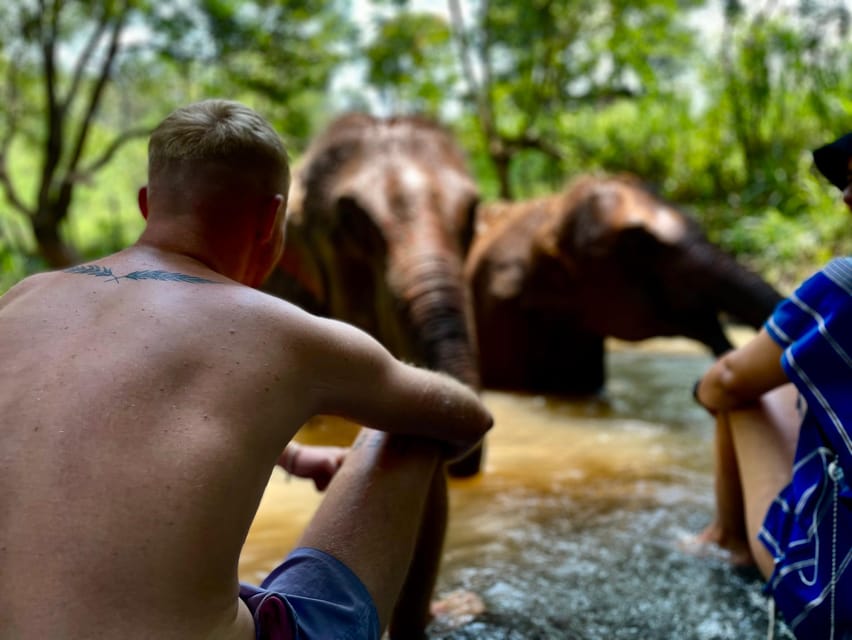
When you reach the sanctuary, you get an introduction from an expert local tour guide. In many accounts, JJ is the name that comes up again and again. The overall theme is consistent: he explains elephants and their behavior, and he frames the mission around caring for elephants in a way that respects them as living animals—not props.
This is valuable because elephants can look “friendly” from a distance, but their comfort level changes with the situation. Knowing the basics before you’re close helps you follow the rules without overthinking them. It’s also how the day stays calm. If you understand what the elephants are doing and why, you won’t act like you’re waiting for a trick.
You’ll also get a sense of the sanctuary’s ethical approach early. The tour is designed around elephant happiness, and the rules are based on that. You’ll hear that there’s no forcing for entertaining. You’ll also learn how the staff manage safety and comfort as the day unfolds.
Feeding the Elephants: The Moment That Makes It Real
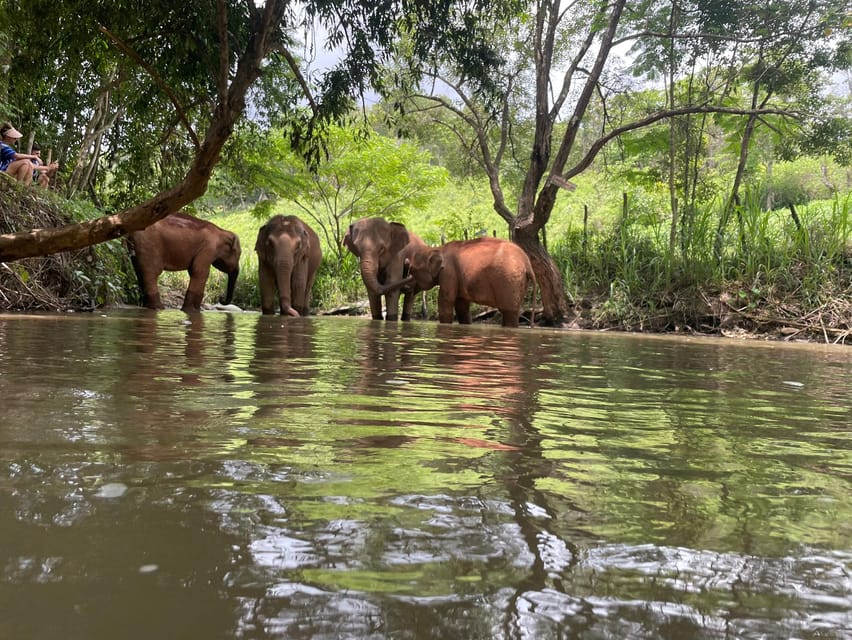
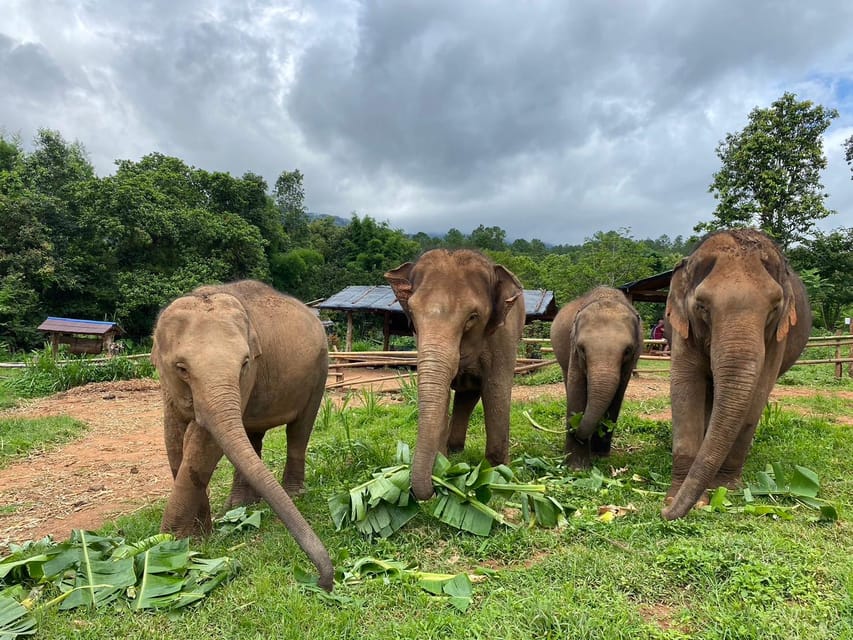
Feeding is one of the headline activities, and it’s the part that most people remember first. It’s not described as a “petting” interaction. It’s more like working with the elephants in a way that keeps things natural and respectful.
You’ll receive food for feeding the elephants, and you’re guided on how to do it properly. This is important because food can turn an experience into a zoo if everyone swarms or acts too grabby. The sanctuary approach focuses on spacing and calm movement, so feeding stays a quiet, meaningful moment rather than a chaotic photo-op.
A practical reality: elephants eat a lot. People mention the elephants’ big appetites and the way you quickly understand how much energy they need and how dedicated the staff must be to care for them well.
If you care about ethics, feeding is also where you can see the difference between control and comfort. The day is built so you’re not demanding the elephants perform. You’re participating in their routine.




Walking in the Jungle With the Elephants: Natural Habits Over Performances
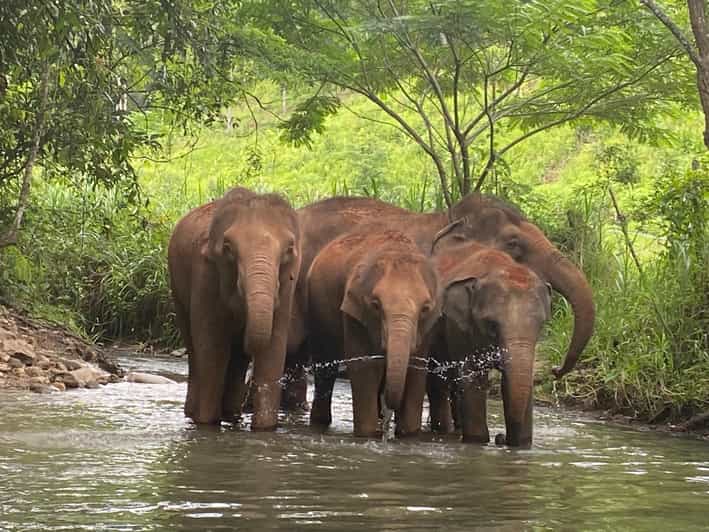
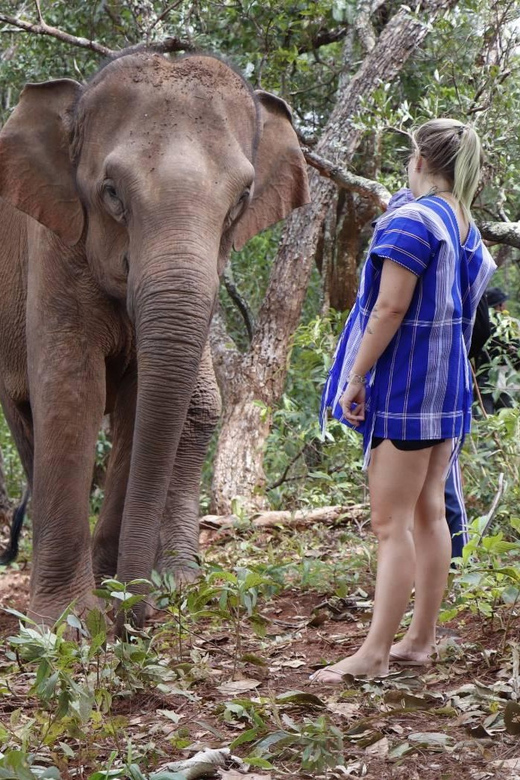
After feeding, you’ll have time to walk with the elephants in the jungle. This is where the “sanctuary vs. show” difference becomes obvious fast.
In a typical tourist elephant setup, humans lead and elephants follow a script. Here, you’re moving through the elephants’ habitat while they decide how they want to move. Staff guidance is gentle, and multiple mentions say elephants aren’t made to participate if they don’t want to. That changes the whole feel of the walk.
You’ll enjoy the natural habitat aspect. This is not about a narrow, manicured path for crowds. It’s about being in the environment the elephants actually use. You’ll want hiking shoes and steady footing because jungle terrain can be slippery and uneven. If you’ve ever walked in rainy season conditions, you’ll recognize that “careful steps” feeling.
This section is also educational. Your guide can explain what you’re seeing—how elephants move, what they’re attracted to, and how their presence fits the landscape. It’s a much better use of time than standing behind a rope waiting for someone to stage a moment for you.
Village Time and Lunch: Thai Food + Local Life
A big part of the half-day value is what happens after elephant time. You’ll share lunch with Thai food and seasonal fruits. This isn’t just to fill the gap before the drive back. It’s part of the sanctuary’s local character.
You’ll also spend time in the village with locals and see their way of life. That adds a layer most elephant tours skip. It helps you understand the elephants aren’t living in a tourist bubble. They’re part of a community and a long-term care story.
You should expect a calm meal that ties into the day’s theme: elephants, people, and a responsibility that lasts beyond the visit. Several people mention that lunch is delicious and filling, and that the food feels like it belongs in the region rather than on a buffet cart.
The practical takeaway
Plan for lunch to be your proper reset before the return drive. Don’t schedule anything right after this tour that requires heavy decision-making. You’ll likely feel satisfied, a little tired, and ready to head back.
Watching Bathing and River Moments (Without the Water-Stage)
One detail worth calling out: the day can include time to observe the elephants as they bathe. Importantly, you’re not put into the water with them for a “bath experience.”
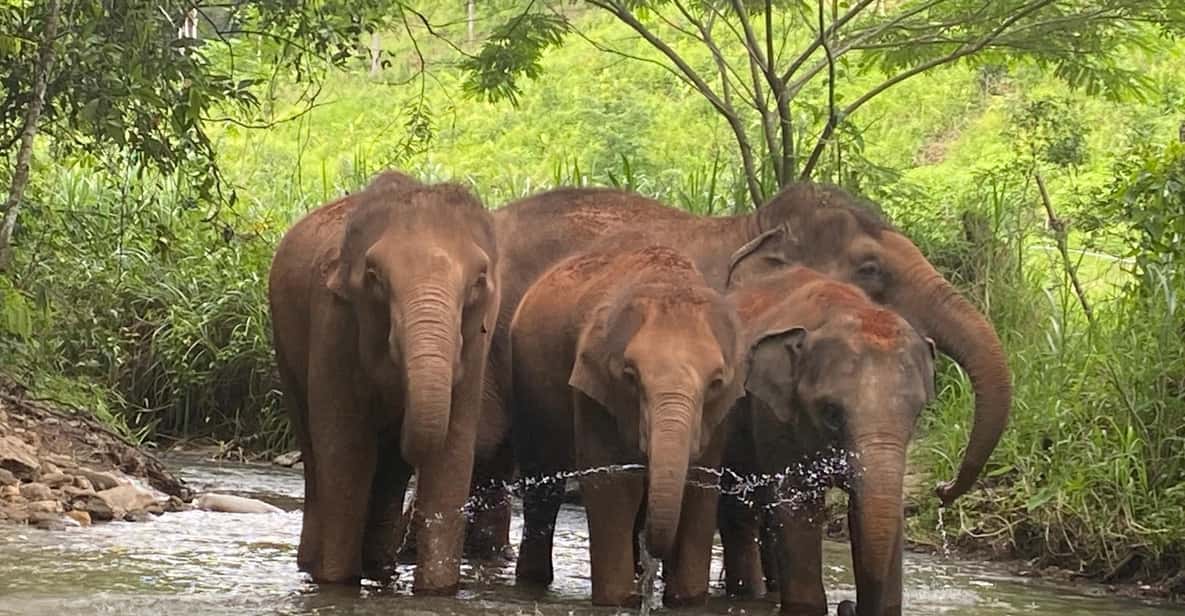
That difference matters. A water-stage bath can turn into a performance where elephants get handled and pushed. Here, the idea is that elephants do their own thing, and you watch respectfully. You may also see drinking from water sources, as part of their natural routine.
This is a great balance for most people. You get the visual “wow” moment, but without the questionable parts that come with forcing animals into human-led activities.
If you’re wondering about comfort and safety, just follow staff instructions and keep distance where they ask. Elephant encounters are powerful enough without extra risks.
Price and Value: Why $51 Can Make Sense (And When It Doesn’t)
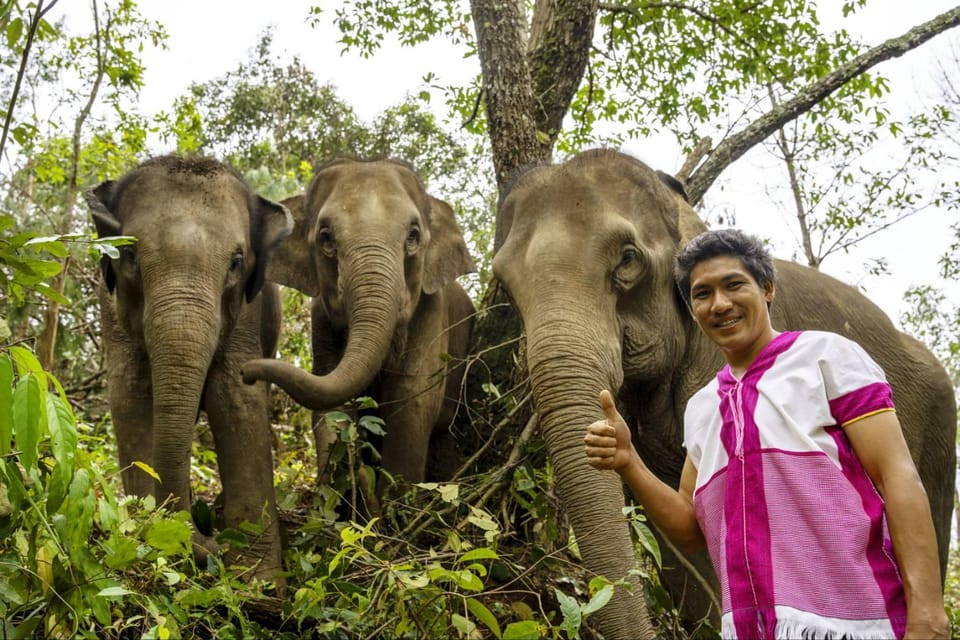
At about $51 per person for roughly 4 hours total, the value is mostly in what’s included. You’re paying for more than entry tickets.
Included items are: roundtrip transfer in Chiang Mai, lunch, water, entry tickets, and food for feeding elephants. Soft drinks are not included. For a short day that covers transportation, food, guide time, and sanctuary access, it’s priced in a way that feels fair compared with the more expensive “big package” elephant experiences that often load the schedule with riding and extra attractions.
But here’s my balanced take: this is still an early morning drive out of town and a physical experience through natural terrain. If you want an ultra-comfortable, fully seated, zero-effort tour, this might feel like more work than you expected. If you’re okay with walking, wearing the right shoes, and letting the day be elephant-led, it’s strong value.
Also, think about the “why” behind your payment. Many people book this style of sanctuary specifically because it supports local care and long-term welfare, not animal performances that rely on control. That mission focus is part of what you’re paying for.
What to Bring for a Jungle Morning (So You Can Enjoy It)
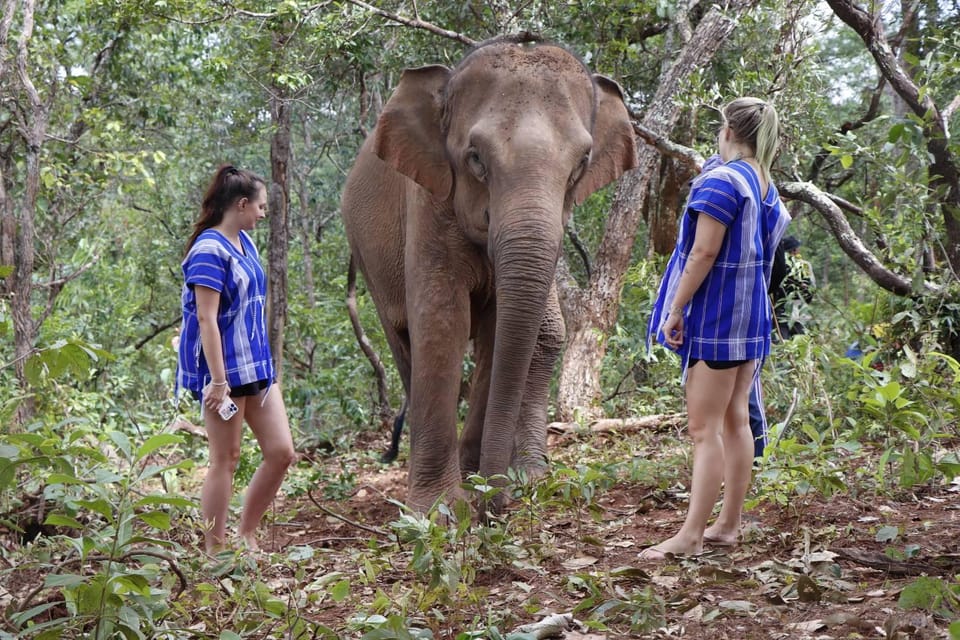
This tour gives you the essentials for elephant feeding, but you still need to show up ready for outdoors. Bring:
- Change of clothes (you’re in a jungle environment, and you may get dirty)
- Towel
- Hiking shoes with good traction
- Sunscreen
- Insect repellent
A small but smart tip: wear breathable clothes and plan for a few “real-world” sensations—heat, insects, and uneven footing. The day is only half-day length, but it’s outdoors the whole time once you’re at the sanctuary.
If you don’t like sweaty neck-and-ankle moments, treat this as a proper hiking morning, not a city walk.
Who This Elephant Sanctuary Works Best For
This is a strong match for you if:
- You want to see elephants in a more natural, choice-based way
- You care about animal welfare and dislike riding and tricks
- You enjoy guided learning, not just watching from far away
- You’re comfortable walking on uneven ground
It’s not suitable for some people. The tour is listed as not suitable for wheelchair users, and for older age groups over certain limits (over 80 years and over 95 years). If you’re in the gray area, it’s worth taking a careful look at your mobility needs and how much walking you can handle safely.
Should You Book Elephant Dream Project Sanctuary in Chiang Mai?
If you want an elephant experience that feels built around welfare and real habitat time, I’d say yes—this is the kind of half-day tour that matches that goal. You get hotel pickup, lunch, a proper guide-led introduction, feeding, and a jungle walk where the elephants’ choices matter.
Book it if you’re the type of person who’d rather see elephants behave like elephants than collect a checklist of staged moments. You’ll probably leave happier because you’re participating in something calmer and more respectful.
Skip it only if you need a fully accessible, totally seated experience, or if you can’t manage a walking-based, outdoor morning. Otherwise, this one is a solid way to spend a few hours in Chiang Mai doing something meaningful without turning the elephants into entertainment.
FAQ
How long is the Elephant Dream Project Sanctuary half-day tour?
The duration is about 4 hours.
Where does pickup happen?
Pickup is included from any hotel in Chiang Mai city.
What time does the tour start?
Pickup is scheduled around 7:00 to 7:30 AM, depending on your pickup time.
What’s included in the price?
Roundtrip transfer, lunch, water, entry tickets, and food for feeding the elephants are included.
Are soft drinks included?
Soft drinks are not included.
Do you ride the elephants or do tricks?
The experience is described as not forcing elephants for entertaining, and the ethical approach focuses on welfare rather than riding or tricks.
Is the tour in English?
Yes, the live tour guide is English-speaking.
What should I bring?
Bring change of clothes, a towel, hiking shoes, sunscreen, and insect repellent.
Who might not be able to join?
The tour is not suitable for wheelchair users, people over 80 years, or people over 95 years.