REVIEW · CHIANG MAI
Chiang Mai – Doi Suthep Temple & Wat Pha Lat Hike
Book on Viator →Operated by WanderSiam · Bookable on Viator
Jungle trails, big temples, and no wasted time. I love the walk to Wat Pha Lat, where the whole place feels tucked into the forest, and I also love how Doi Suthep turns into a real viewpoint payoff up high. The main downside is the transport: you’ll ride in an open-air songthaew with no air-conditioning, and on curvy mountain roads that can mean heat or exhaust irritation for some people.
This is a small-group tour (max 10) built around two northern Thailand temple stops plus a hike that’s usually around 30–40 minutes one way. You get an English-speaking guide, bottled water, and a plan that balances nature time with the temple stories behind the statues and murals.
In This Review
- Key highlights I’d plan around
- Wat Pha Lat: the forest temple you actually hike for
- The monk’s trail hike: time on your feet, with a guide who handles the details
- Doi Suthep: sacred views and the dragon staircase (yes, it’s a workout)
- Sunrise vs afternoon: the timing choice that changes the hike
- Getting there on a Chiang Mai songthaew: authentic ride, real comfort limits
- Guides: the difference between seeing temples and understanding them
- Budget and value: what’s included vs what you’ll pay in cash
- What to watch out for on the day
- Who this tour fits best
- Should you book this Chiang Mai Doi Suthep and Wat Pha Lat hike?
- FAQ
- How long is the Chiang Mai Doi Suthep and Wat Pha Lat hike tour?
- Is hotel pickup included?
- What entrance fees should I bring cash for?
- Is the cable car included?
- How long is the monk’s trail hike to Wat Pha Lat?
- What should I wear to visit the temples and hike?
- Does the tour offer a sunrise program?
Key highlights I’d plan around
- Wat Pha Lat’s secret jungle feel with statues and a calm, garden-like temple space
- The monk’s trail to Wat Pha Lat on a route monks used when heading toward Doi Suthep
- Dragon staircase energy at Doi Suthep with more than 300 steps and a seven-headed Naga theme
- Temple murals that explain the meaning of what you’re seeing, not just where it is
- Sunrise option that can make the hike easier by hiking down after visiting Doi Suthep first
Wat Pha Lat: the forest temple you actually hike for
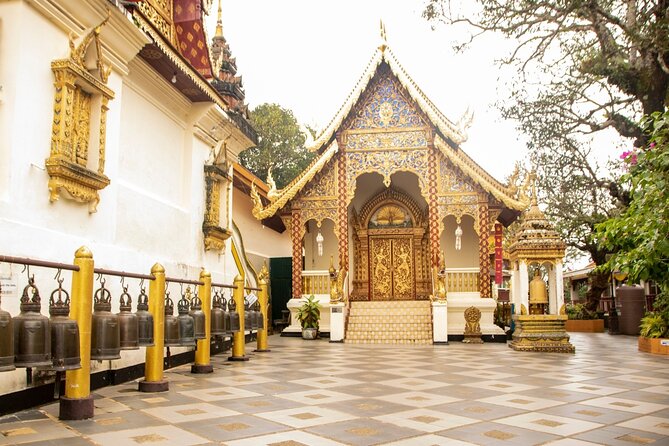
Wat Pha Lat is one of those places in Chiang Mai that feels like it’s meant for quiet, not crowds. The tour sends you to a temple setting described as a hidden spot in the forest, and you’ll spend time wandering through grounds with statues and a calm atmosphere.
What makes Wat Pha Lat worth your time is that it isn’t just scenery. Your guide also explains what you’re looking at and points you toward wall paintings that help connect the site to the wider Buddhist world you’ll see again at Doi Suthep. If you like temples where you can slow down and look closely, this part of the tour tends to hit.
Practical tip: there’s an entrance fee for the Wat Pha Lat Monk’s Trail area. You must pay cash on the day (THB 100 per person), so don’t assume everything is prepaid.
You can also read our reviews of more tours and experiences in Chiang Mai.



The monk’s trail hike: time on your feet, with a guide who handles the details
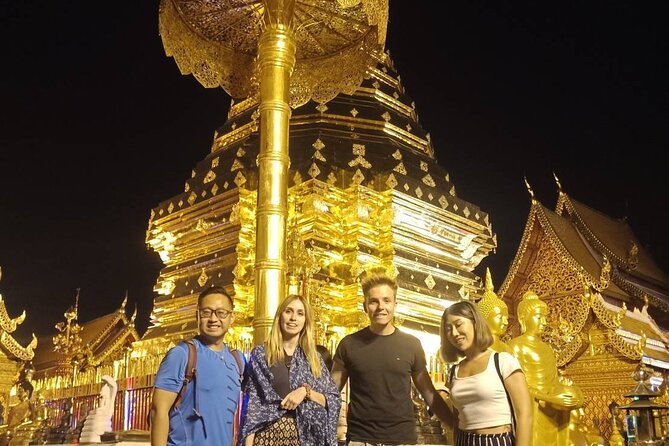
This tour’s hiking chunk is not the whole day, but it is the heart of the “authentic” feel. After the songthaew drops you at the trail start, you walk along the monk’s trail—an older pilgrimage route tied to monks ascending Doi Suthep (Suthep Mountain) toward Wat Phra That Doi Suthep.
Expect about 30–40 minutes on foot to reach Wat Pha Lat. It’s enough walking that good shoes matter, but it’s not an all-day trek. The terrain can be uneven, and rain can make it muddy; one reason this works well with a guide is that the pace stays human, especially if your group is small.
Now, the real-world considerations:
- Wear proper walking shoes. The tour request is clear on this, and it’s the difference between enjoying the trail and rushing through it.
- Plan for dogs. Some people worry about feral dogs on the trail, and the guide’s job includes managing the situation. When you’re with a small group, you’re not on your own.
- Bring your attention. This is a hike that’s also a narrative walk: your guide is connecting the trail to why monks used it.
There’s also an important option in the tour notes: if you can’t do the hike up the mountain, you can go up with the songthaew. That won’t remove the need for walking entirely, but it does mean the tour has a built-in way to accommodate people who struggle with the climb.
Doi Suthep: sacred views and the dragon staircase (yes, it’s a workout)
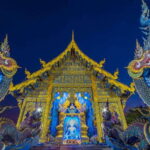
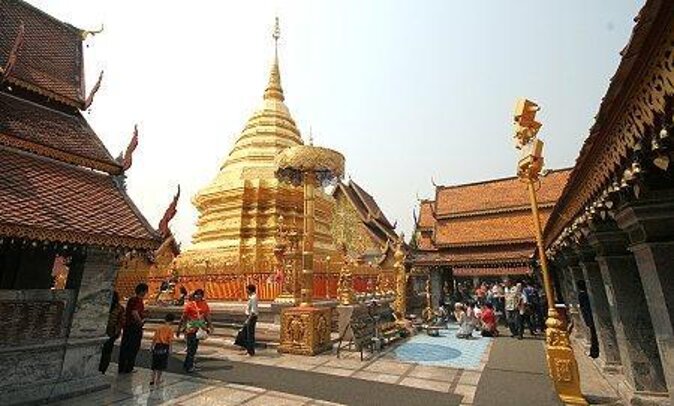
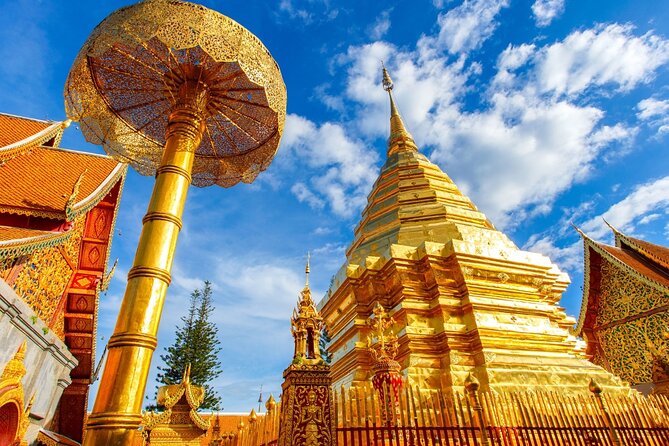
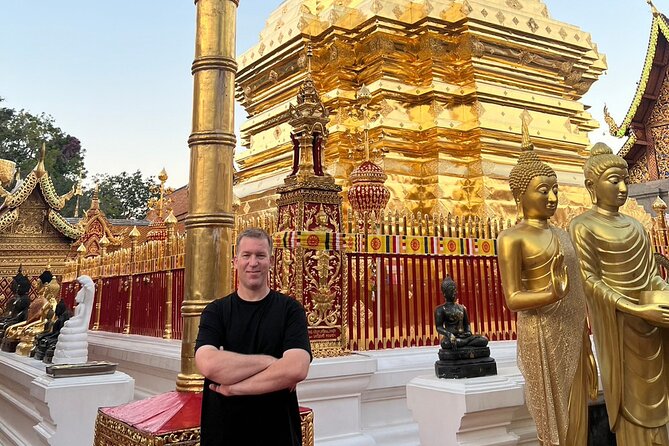
Once you’re at Doi Suthep, you’re stepping into one of northern Thailand’s most sacred temple zones. The big iconic feature is the staircase—more than 300 steps—flanked by Naga sculptures, with the theme of a mythical serpent said to have seven heads.
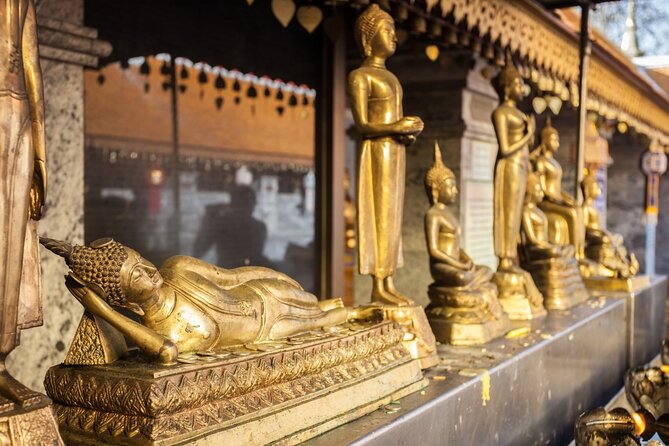
This is the part of the tour where you’ll feel the altitude. If you choose to walk the stairs, build in time to pause for photos and to take in the statues, pagodas, shrines, bells, and Buddhist drawings inside the grounds.
Two details I think you’ll enjoy having explained:
- The copper chedi is the original most sacred focus at Wat Phra That Doi Suthep.
- The wall paintings help decode what you’re seeing, especially the life of Buddha imagery.
There’s also a cable car option at Doi Suthep, and the tour data notes that entrance fee and the cable car option are not included (listed at THB 80 per person). If stairs aren’t your thing on the day you go, use that option rather than forcing it.
Sunrise vs afternoon: the timing choice that changes the hike
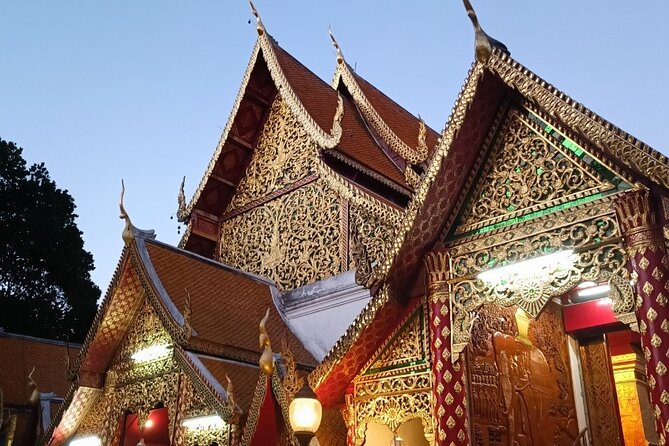
This tour has a sunrise-style program that changes the feel in a big way. The sunrise option starts at 5:00 in the morning and visits Doi Suthep first. After sunrise, the program continues to Wat Pha Lat, where you start the Monk’s Trail and hike down the mountain instead of up.
That difference matters. Hiking down usually feels easier on legs than climbing up, and starting with Doi Suthep early helps you catch the temple in a quieter mood. If you’re the type who likes fewer crowds and better light for photos, sunrise is the smart pick.
If you’re going for a later slot, you trade that early-morning calm for a more flexible start. You’ll still do the hike to Wat Pha Lat, but the cooling effect of late day can make it feel more comfortable. One afternoon timing mentioned is around 4pm, and people like that it’s cooler for the climb and can set you up for sunset vibes after.
Getting there on a Chiang Mai songthaew: authentic ride, real comfort limits
The transport is part of the culture here. You’ll ride in a typical Thai songthaew (a converted pickup truck) with two benches in the back, open sides, and no air-conditioning. That means you get fresh air and a local travel feel, but you also feel the weather and the road.
Some people mention exhaust fumes and heat, especially on curvy roads where the truck sits and the air can feel stuffy even with the open sides. Also, if you’re prone to motion sickness, the mountain twists can bother you. This isn’t a reason to avoid the tour, but it is a reason to prepare for the ride as part of the experience.
Good news: the tour includes free pick up and drop off inside the old (walled) city of Chiang Mai. If you’re not staying inside the pickup area, the designated meeting point is in front of Burger King at the Tha Pae Gate. And one more heads-up: pickups can begin up to 45 minutes before the scheduled start time, so keep your morning or afternoon plans flexible.





Guides: the difference between seeing temples and understanding them

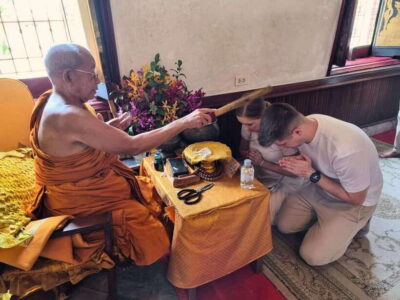
This tour’s reputation is built less on the buildings themselves and more on the explanations you get while you’re there. The guide is English-speaking, and the best parts of the experience come from how they connect temple details to Buddhist meaning.
I saw several guide names tied to strong moments on this route: Saman, Jane, Amy, Emmy, Bright, Pia, Maggie, and Sanam. Different personalities, same theme: they walk you through what matters, explain monk life, and talk about why paintings or specific Buddha depictions are shown in particular ways.
One small but useful example from guide commentary: at Doi Suthep, you might learn how certain Buddha imagery is described and why a reclining or positioned Buddha can show meaning through orientation. You don’t need to memorize it, but understanding the symbolism makes the whole temple circuit feel less like a checklist.
If you like asking questions, you’ll usually get good answers. And if you just like listening, you’ll still come away with clearer context than if you walked this route solo.
Budget and value: what’s included vs what you’ll pay in cash
The tour price is $26.09 per person, and what you get at that level matters. Included in the price:
- songthaew transport (pickup and drop-off as described)
- bottled drinking water
- an English-speaking guide
Not included (and paid in cash on the day):
- Wat Pha Lat / Monk’s Trail entrance fee: THB 100 per person
- Wat Phra That Doi Suthep entrance fee and the cable car option (if you use it): listed as THB 80 per person
So the real value question is simple: you’re paying for guided transport plus two major temple sites plus a meaningful hike, and you’re not planning the route. When you add in the fact that it’s a small group (max 10), the guide time gets more personal than big mass tours.
My practical recommendation: budget for both cash entrance fees, and decide ahead of time whether you want the stairs at Doi Suthep or the cable car. That choice affects how tiring the day feels.
What to watch out for on the day
This is one of those tours that’s rewarding, but it asks a few things of you. Here are the main friction points to plan around:
- Stairs and walking are part of it. Wat Pha Lat involves the monk’s trail hike, and Doi Suthep’s identity includes the dragon staircase (unless you take the cable car).
- Rain can make it slick. Mud shows up on the trail when it’s wet. If rain is in the forecast, bring something to keep your shoes and legs comfortable.
- Open-air transport means comfort is weather-dependent. No air-conditioning on the songthaew, and some riders have reported exhaust irritation on the ride.
- Start time matters. One review notes issues when the driver was late and communication was difficult. Even though that sounds like an exception, it’s smart to arrive early to the meeting point and keep an eye on pickup timing.
- Dogs on the trail can be a worry. The guide knows how to handle encounters. You still need the right mindset: stay close to the group, don’t panic, and trust the plan.
Balanced view: when conditions are good and the guide is dialed in, the experience usually feels smooth and worth it. When timing or coordination goes sideways, the temples can still be great, but the day’s pacing can feel stressful.
Who this tour fits best
This tour is a strong match if you want:
- Nature plus culture in one half-day block
- a guided temple experience where paintings and statues get explained
- a moderate hike that’s long enough to feel real, but short enough to finish the day strong
You might think twice if you:
- want zero walking or zero stairs
- get motion sick easily in open-air vehicles on mountain roads
- prefer fully indoor, climate-controlled touring
The good news is that the tour notes include a transport option if you can’t handle the mountain climb. Still, the trail to Wat Pha Lat is a walking part you should plan for.
Should you book this Chiang Mai Doi Suthep and Wat Pha Lat hike?
Yes, if you’re looking for a guided combo that feels authentic: jungle temple atmosphere at Wat Pha Lat, sacred Doi Suthep views, and a monk’s trail that adds meaning beyond sightseeing. I’d especially book the sunrise option if you want cooler air, quieter temple time, and a hike down the mountain after visiting Doi Suthep.
I’d consider skipping or choosing a different style of tour if you hate stairs, can’t do uneven ground, or you know open-air rides trigger discomfort. Otherwise, this is the kind of tour that makes Chiang Mai feel like more than a base for markets and malls.
FAQ
How long is the Chiang Mai Doi Suthep and Wat Pha Lat hike tour?
The duration is about 4 hours.
Is hotel pickup included?
Yes. There is free pick up and drop off inside the old (walled) city of Chiang Mai. If you aren’t in an official pickup area, you meet at the Burger King in front of Tha Pae Gate.
What entrance fees should I bring cash for?
Wat Pha Lat Monk’s Trail costs THB 100 per person in cash on the day. Wat Phra That Doi Suthep entrance (and the cable car option) is listed at THB 80 per person and is not included.
Is the cable car included?
No. The cable car at Wat Phra That Doi Suthep is not included in the tour price.
How long is the monk’s trail hike to Wat Pha Lat?
It takes about 30 to 40 minutes to hike the monk’s trail to Wat Pha Lat.
What should I wear to visit the temples and hike?
Wear proper walking shoes. Temples require respectful dress, so your shoulders and knees need to be covered.
Does the tour offer a sunrise program?
Yes. There is a sunrise program starting at 5:00. It visits Wat Phra That Doi Suthep first, then goes to Wat Pha Lat and hikes down the monk’s trail instead of up.