REVIEW · CHIANG MAI
Chiang Mai: Doi Inthanon National Park and Pha Dok Siew Trek
Book on GetYourGuide →Operated by Trips Chiang Mai · Bookable on GetYourGuide
Chiang Mai’s cool mountains start fast. This full-day trip ties together Doi Inthanon National Park with the Pha Dok Siew nature walk, plus the famous twin pagodas and Wachirathan Waterfall. I love that it feels like a real Northern Thailand day—big sights, then a guided hike through jungle and rice terraces—without needing advanced hiking skills. One heads-up: even though it’s classed easy to moderate, the route has lots of steps downhill, so your knees will notice.
I also really like the small, human touches built into the schedule: a stop for freshly brewed coffee from local beans (often paired with tastings), and a Thai set-menu lunch that’s handled with vegetarian options if you request them. The day is led in English (and the guides I saw referenced by name—like Matthew, Bobo, Mint, Steven, and Kanlaya Langphun—tend to keep energy high). The possible drawback is that the day is packed with stops, so if you want long time in just one place, you may feel a bit rushed.
In This Review
- Key highlights to know before you go
- Doi Inthanon National Park: why it feels like a different Thailand day
- Pickup, van comfort, and the real rhythm of a full-day tour
- Doi Inthanon stops: photo time that doesn’t feel wasted
- Twin Pagodas and gardens: scenic viewpoints with a cultural backbone
- Lunch break: Thai set menu (with a vegetarian option you should request)
- Pha Dok Siew Nature Trail: the gentle hike with real-world footing tips
- Rice terraces change by season
- Rain and footing
- Karen village coffee and tastings: what you’ll learn, and how to make it count
- A practical expectation
- Mae Klang Luang and market time: shopping that can be either fun or fast
- Wachirathan Waterfall: the payoff you’ll remember
- Price and what $39 really covers (and when you may need cash)
- Option A: All fees included
- Option B: Entrance fees excluded
- Comfort gear that prevents misery (and keeps the hike enjoyable)
- Best fit: who this tour suits well, and who should choose something else
- Should you book this Chiang Mai Doi Inthanon and Pha Dok Siew tour?
- FAQ
- How long is the Pha Dok Siew trek?
- Is the hike difficult?
- What’s included in the tour price?
- If entrance fees are not included, how much do I pay?
- What should I bring for the day?
- Is the tour suitable for everyone?
Key highlights to know before you go
- Doi Inthanon’s cool air and high-elevation park: Thailand’s highest peak area makes the whole day feel different from city Chiang Mai.
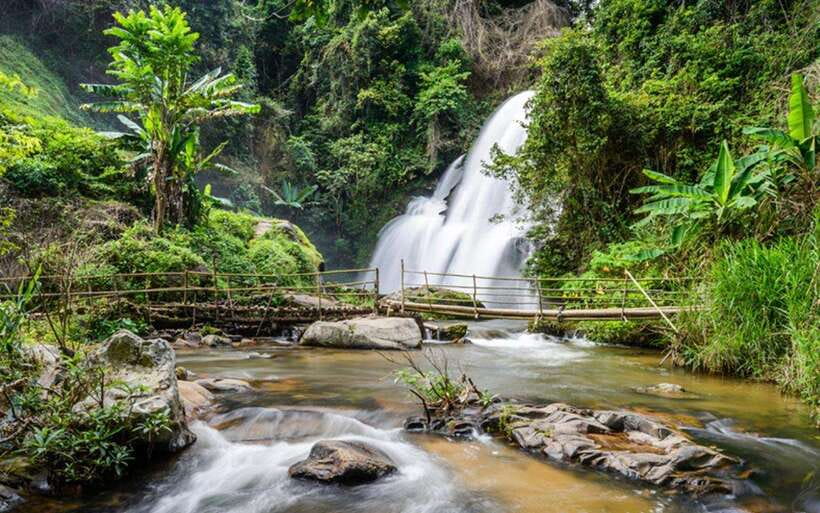
- Pha Dok Siew Nature Trail: a gentle guided hike along a mountain stream with rice terraces and waterfall cascades.
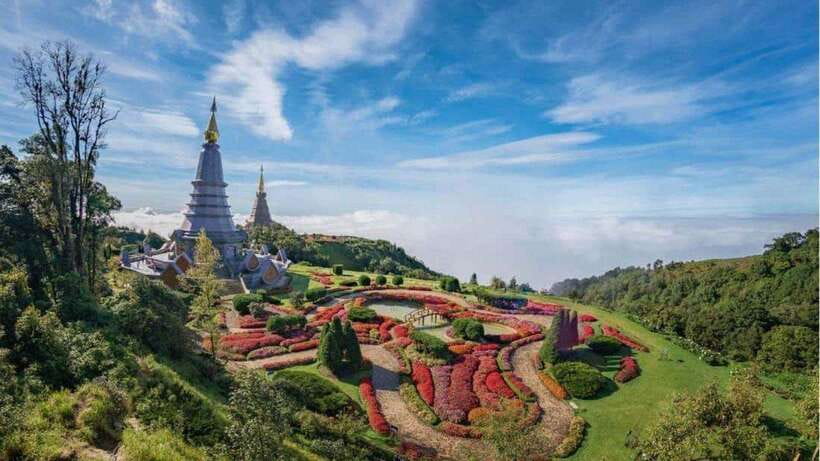
- Twin Pagodas at Doi Inthanon: iconic King and Queen pagodas, gardens, and scenic viewpoints on a short walk.
- Coffee-and-culture stops: Karen village-style coffee brewing and learning about local life (plus possible tastings depending on the day).
- Wachirathan Waterfall: a dedicated break to enjoy the waterfall’s multiple cascades.
- Guide-led pacing: the hike is structured, with English support and local guides on the trail.
Doi Inthanon National Park: why it feels like a different Thailand day
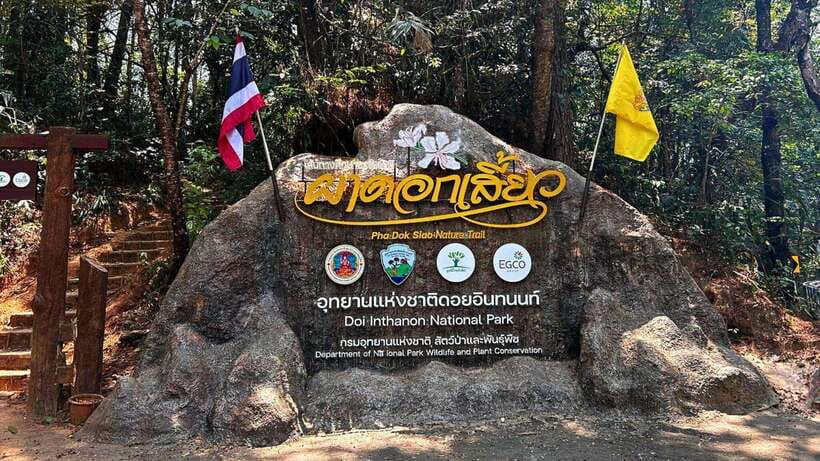
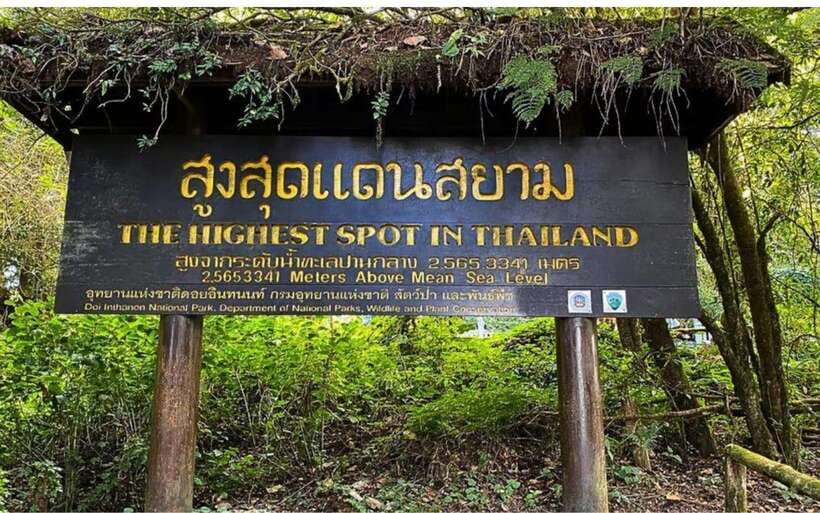
Doi Inthanon sits up at about 2,565 meters, so the first “wow” is often the temperature shift. Even when Chiang Mai is warm, the park area tends to feel cooler and less sticky, which makes waterfalls and jungle paths more pleasant. It’s also the main reason this tour works for first-timers: you get one day that covers a lot of the signature Doi Inthanon experience, without you having to stitch together routes yourself.
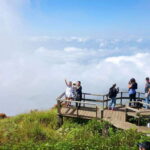
The park time is built around a photo stop and guided tour with a bit of free time. That structure is useful. You’ll hear the basics while you’re still fresh, then you can slow down for photos without feeling like you’re falling behind. If the weather is cloudy or misty, you may not catch every panoramic view, but the forest still delivers—especially around waterfall areas.
You can also read our reviews of more tours and experiences in Chiang Mai.



Pickup, van comfort, and the real rhythm of a full-day tour
This is a true full-day outing. You’ll start with hotel pickup in downtown Chiang Mai, then ride in an air-conditioned van. The schedule includes breaks built in: a local café stop for coffee or snacks early on, and another short café break later on the way back.
That matters because Doi Inthanon is not next door. Between pickup timing, driving, and the time spent at multiple photo and culture stops, you should plan for a long day that depends on traffic. The tour isn’t a good match for same-day arrival plans or super-tight itineraries.
For meeting points (if you’re outside the pickup zone), the tour lists two clear options: McDonald’s Im Thapae and MAYA Lifestyle Shopping Centre. The pickup is placed right in front of the building at those locations, which is handy if you want to meet confidently without hunting.
Doi Inthanon stops: photo time that doesn’t feel wasted
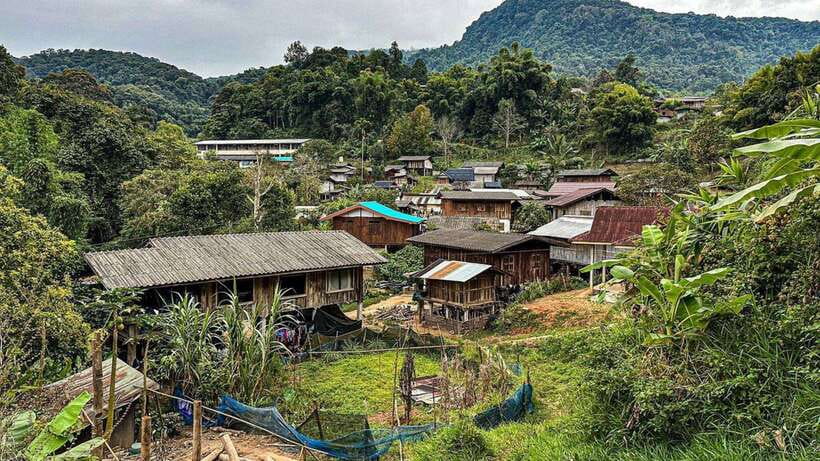
Inside the park, the itinerary gives you roughly 1.5 hours for photo stops, a guided tour, and some free time. In practice, that usually means you’ll see the main park highlights first, then have a little flexibility to linger for photos or to grab a quick snack.
One reason I like this approach is psychological. If you only arrive and then spend hours figuring out what to see, the day can feel stressful. Here, the guidance helps you focus on what’s worth your attention—then you spend your own time on the parts that catch your eye.
Twin Pagodas and gardens: scenic viewpoints with a cultural backbone
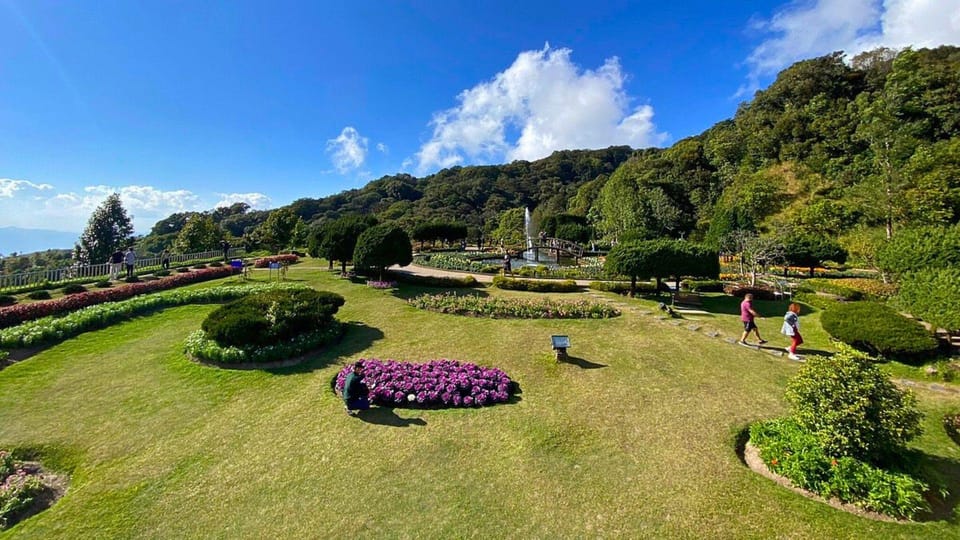
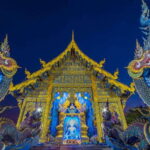
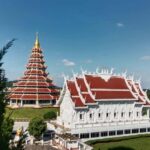
The King and Queen Twin Pagodas are a major reason people remember this tour. The stop includes a photo stop, sightseeing, and a walk of about 45 minutes around Pra Mahatat Noppamethanedon and Pra Mahatat Nopphonphusiri.
The pagodas themselves aren’t just a quick photo. The itinerary includes time to enjoy their landscaped gardens and the panoramic mountain views (when conditions allow). This is one of those stops where timing feels important: you want to be there before the day’s “big energy” turns into pure rushing.
If you’re someone who likes spiritual architecture paired with views, this is a good anchor point. It also breaks up the heavier nature hiking with something slower and calmer.
Lunch break: Thai set menu (with a vegetarian option you should request)
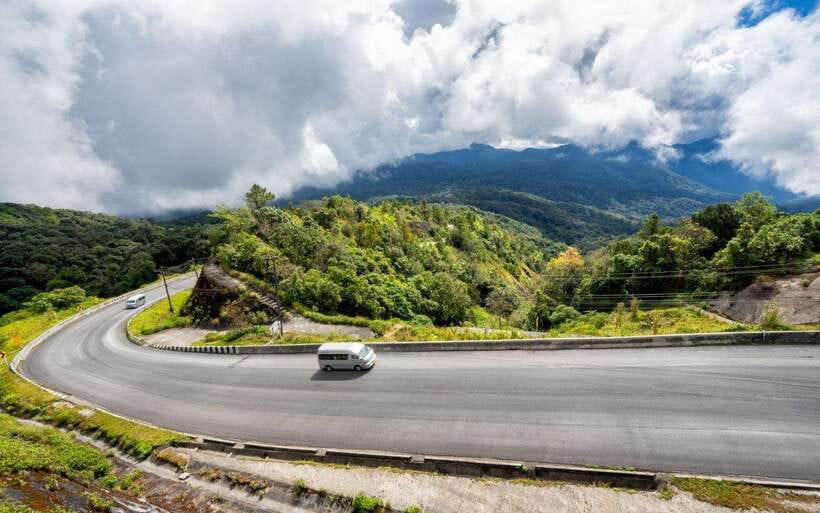
Lunch is included, and it’s a Thai set-menu at a local restaurant with vegetarian options available if you request them. You’ll have about an hour, which gives you enough time to eat without turning lunch into a scramble.
This portion of the day matters more than you might think. After a morning of driving and sightseeing, a real sit-down meal helps you keep energy stable for the trek later. And for food quality, set-menu lunch tends to be consistent for groups, which usually means fewer surprises with timing.



Pha Dok Siew Nature Trail: the gentle hike with real-world footing tips

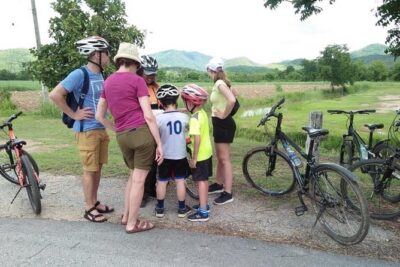
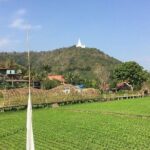
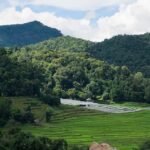
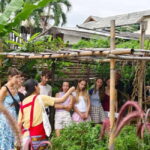
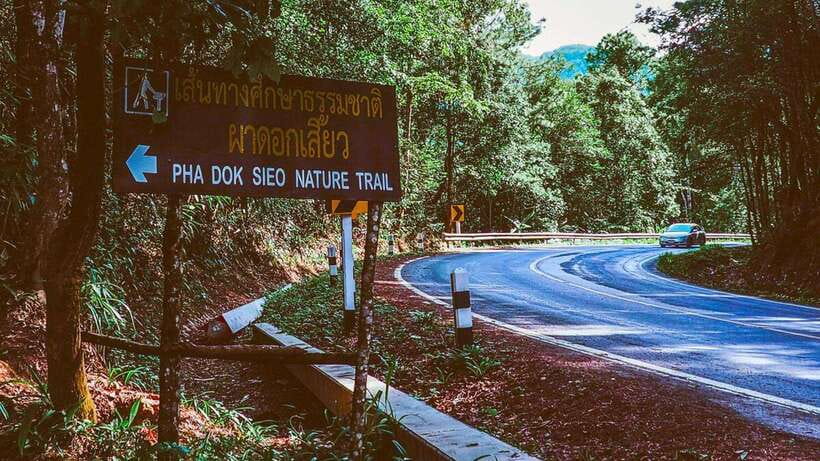
This is the heart of the outing. The Pha Dok Siew Nature Trail hike is guided and lasts about two hours (often described as a gentle 2–3 hour trek overall, depending on pacing and conditions). The route follows a mountain stream through rice terraces, forest paths, and toward hidden waterfall cascades.
Here’s the key detail: the tour is listed as easy to moderate, with a downhill component of about 500 meters descent. That’s good news for cardiovascular effort. But the reviews and common-sense reality both point to the same thing: downhill can be tough on knees and ankles, especially with stairs and steps. So think of this as “not too hard aerobically,” but still active.
Rice terraces change by season
One of the most interesting parts is that you’re walking through rice-growing scenery that changes with the year:
- July to September (rainy season): greener terraces
- October to November: golden fields ready for harvest
- December to June: terraces may be dry or freshly planted
You can’t control the weather or farming cycles, so don’t treat this as guaranteed gold or guaranteed green. Instead, treat it as a seasonal snapshot. If you go during rainy months, the jungle feels thicker and waterfalls can be more dramatic.
Rain and footing
Wet season is where preparation pays off. Trails can get slick, and you’ll be surrounded by forest shade. Solid hiking shoes are non-negotiable here. In wetter months, you should also expect you might encounter leeches along the trail, so wearing long trousers is a smart move.
If it’s rainy, build in caution for footing—especially near steps and narrow sections near the stream. A guide and local guide can help spot the safer lines, but your shoes still matter.
Karen village coffee and tastings: what you’ll learn, and how to make it count
The itinerary includes a Karen village stop plus coffee. The coffee is described as freshly brewed from locally grown beans, and the tour also includes learning about traditional lifestyle from your guide.
This type of stop is valuable because it links the scenery to how people live with it. You’re not just walking through nature; you’re hearing how local communities interpret the same terrain—water, plants, farming, and daily rhythms.
A small bonus noted by some guide-led days is strawberry tasting, which may be part of the coffee-and-refreshment culture on the route. If it happens for your group, it’s a fun, small way to sample what’s growing locally rather than just grabbing a drink and moving on.
A practical expectation
Time at cultural villages is limited. You’ll get a guided explanation and coffee, but it won’t replace a full community visit. If you’re the type who loves slow, in-depth conversation, bring a few thoughtful questions and ask your guide what’s most meaningful to learn on this particular day.
Mae Klang Luang and market time: shopping that can be either fun or fast
Later in the day, you’ll reach Mae Klang Luang for a photo stop, guided visit, free time, and shopping. The time block is short (about 30 minutes), which keeps the day on track for the waterfall finish.
You’ll likely also pass through market-style stops earlier in the park area around the visitor center, including local snacks and a food market visit. Some people enjoy the quick look and tasting vibe; others prefer the nature sections more. Either way, it’s easy to treat these stops as a chance to sample something small and then refocus on the main event.
One more thing: the tour’s full day format means you’ll be moving, so shopping time is best used for practical items (snacks, small souvenirs, maybe a cold drink) rather than big decisions.
Wachirathan Waterfall: the payoff you’ll remember
The final natural highlight is Wachirathan Waterfall. You get a break for photo taking, sightseeing, and a short visit (about 20 minutes).
Why it works: you’re not just seeing one point of water and leaving. Waterfalls in this area come in cascades, and the park setting is cooler and greener. Even when it’s cloudy, the structure of the falls usually still looks strong.
This is also a good moment to slow down and reset. By the time you reach the waterfall, you’ve already walked through jungle, rice terraces, and cultural stops. A dedicated waterfall break makes the day feel earned, not just scheduled.
Price and what $39 really covers (and when you may need cash)
The listed price is about $39 per person for a 1-day Chiang Mai tour, and the value depends on which fee option you choose.
Option A: All fees included
If you pick the option that includes all entrance fees, then the price covers national park and Twin Pagodas entry fees. That’s the simplest setup. No day-of cash guessing.
Option B: Entrance fees excluded
If you choose the cheaper option that excludes entrance fees, plan to pay in cash on the day:
- National Park: 300 THB per person
- Twin Pagodas: 100 THB per person (optional; if you skip, you can wait at the parking area)
For most people, the practical value is peace of mind. If you don’t want to handle cash at multiple places, choose the all-fees-included option. If you’re comfortable carrying some cash and want to keep costs down, the excluded-fees route can make sense.
Either way, the price also covers what’s hardest to DIY in one go from Chiang Mai: transport by air-conditioned vehicle, English-speaking tour guide support, a local hiking guide, lunch set menu, drinking water, and the hiking trail fee. There’s also accident insurance included, and the provider requires a passport copy/photo to activate it.
Comfort gear that prevents misery (and keeps the hike enjoyable)
This day can include sun, shade, steps, possible rain, and insect bites. The essentials the tour calls out are worth following:
- Sunglasses and a hat
- Hiking shoes (with grip)
- Sunscreen
- Insect repellent
- Hand sanitizer or tissues
Add two “real-world” upgrades based on how people describe the hike:
- Bring a light sweater or rain jacket. Even though Chiang Mai can be warm, higher elevation can feel chilly.
- If your knees are sensitive, consider going slower on steps. Downhill is where people tend to feel it most.
And one personal safety note: pets aren’t allowed, so plan to leave pets behind.
Best fit: who this tour suits well, and who should choose something else
This tour is best for people who want nature plus culture in one structured day. It’s especially good if you like waterfalls, gentle-to-moderate hiking, and hill tribe coffee stops.
It’s also listed as suitable for families, beginners, and older hikers—because the hike is guided and downhill helps reduce the cardio burn. But the steps still matter. If you have knee or ankle issues, you’ll want to think carefully before booking.
It’s not suitable for:
- Pregnant women
- Wheelchair users
Should you book this Chiang Mai Doi Inthanon and Pha Dok Siew tour?
If you want a single, well-planned day that combines Doi Inthanon National Park, the Twin Pagodas, a guided Pha Dok Siew trek, and Wachirathan Waterfall, this is a strong choice. You also get a built-in lunch and a coffee culture stop, which makes it feel like more than just driving to viewpoints.
Book it if you’re okay with a packed schedule and want the convenience of guides handling timing and route. Skip or reconsider if you’re sensitive to downhill walking with stairs, or you want long, slow time in just one area.
If your main goal is waterfalls and rainforest paths with a manageable hike, you’ll likely come away happy—and with sore calves or at least a better appreciation for good shoes.
FAQ
How long is the Pha Dok Siew trek?
The guided hike on the Pha Dok Siew Nature Trail lasts about 2 hours, and the trek is described as a gentle 2–3 hour walk overall depending on pacing and conditions.
Is the hike difficult?
The tour is rated easy to moderate. It includes a downhill component of around 500 meters descent, and the trail can include stairs and steps.
What’s included in the tour price?
Included are hotel pickup and drop-off in Chiang Mai (downtown), air-conditioned transport, an English-speaking tour guide, a local hiking guide, lunch set menu (vegetarian available upon request), drinking water, and the hiking trail fee. Accident insurance is included, and entrance fees are included only if you choose the option that covers them.
If entrance fees are not included, how much do I pay?
If you choose the option excluding entrance fees, you pay cash on the day: 300 THB per person for the national park and 100 THB per person for the Twin Pagodas. The Twin Pagodas entry is optional.
What should I bring for the day?
Bring sunglasses and a hat, hiking shoes, sunscreen, insect repellent, and hand sanitizer or tissues.
Is the tour suitable for everyone?
It is not suitable for pregnant women or wheelchair users, and pets are not allowed. Timing can also vary due to traffic, so it’s not recommended for travelers with same-day arrivals or tight schedules.