REVIEW · KO SAMUI
Samui: Elephant Nutrition and Care Education Experience
Book on GetYourGuide →Operated by SamuiElephantHome · Bookable on GetYourGuide
Elephants and food are a strange combo on paper. In practice, this Koh Samui stop is about nutrition education and ethical care, not rides or gimmicks. I love how the guide’s teaching sticks to real daily needs—what elephants eat, why it matters, and how staff protect their wellbeing. I also like the hands-on part: you get to help prepare natural supplementary food and see it offered in a calm, respectful way.
One thing to keep in mind: this is education-focused, so you should expect limited interaction. Also, even though the slot says 2 hours, some visits can feel closer to about an hour depending on flow on the day.
At SamuiElephantHome, the experience is led by English-speaking guides like Noi, who explains the elephants’ backgrounds and daily routines with a lot of heart. You’ll also notice how the staff manage contact and space to keep the elephants relaxed—especially around procedures like training and introductions.
In This Review
- Key things that make this elephant education tour worthwhile
- Samui Elephant Nutrition: The real reason this tour works
- Hotel pickup and what the first hour feels like
- Enter Samui Elephant Home and hear the elephants’ real backgrounds
- The hands-on elephant food lesson: bananas, pumpkin, sticky rice, and more
- Feeding time: calm, respectful viewing and how photos actually work
- Nutrition lessons you’ll actually use on your next elephant conversation
- Ethical elephant care in Koh Samui: what you’re supporting
- Price check: is $32 good value?
- What to bring (and what not to expect)
- Who this elephant nutrition tour suits best
- Should you book SamuiElephantHome in Koh Samui?
- FAQ
- How long is the Samui Elephant Nutrition and Care Education Experience?
- Is hotel pickup and drop-off included?
- What’s included in the price of the tour?
- Are food and drinks provided?
- What do I need to bring?
- Is this experience wheelchair accessible?
Key things that make this elephant education tour worthwhile
- Hotel pickup to Samui Elephant Home so you spend less time commuting and more time learning.
- Food prep with natural ingredients like bananas, pumpkin, sticky rice, and herbs.
- A staff-led routine that keeps elephants calm and stresses wellbeing over attention-grabbing interaction.
- Elephant stories and individual histories, explained by guides such as Noi, with a clear focus on care.
- Mahouts and carers show up as part of the day’s explanation, not just elephant handlers in the background.
- Photos and videos from a respectful distance, plus staff help documenting the moment while keeping stress low.
Samui Elephant Nutrition: The real reason this tour works
If you care about elephants, it’s easy to get pulled into tours that promise magic moments and then deliver something noisier than caring. This one feels different because the core of the visit is health and nutrition—the boring stuff that elephants need and most tourist experiences ignore.
You’ll spend your time at the Elephant Home Nursery in Koh Samui learning how diet supports long-term wellbeing. That means you’re not just watching elephants eat. You’re getting an explanation for how food fits into daily care, why different diets matter, and how staff adapt routines for elephants of different ages.
And yes, you’ll still get the human-friendly highlight: watching elephants eat calmly while you’re present. But the vibe stays grounded. The staff focus on care first, and that sets the tone for everything else in the program.
You can also read our reviews of more tours and experiences in Ko Samui.



Hotel pickup and what the first hour feels like
This tour runs from Ko Samui with hotel pickup and drop-off included, which is a big deal on an island where “worth it” often comes down to time and hassle. After you book, you’ll get a pick-up time and you’ll want to wait in the lobby about 15 minutes before. The pickup makes the experience feel organized from minute one, especially if you don’t want to figure out transport on your own.
Once you arrive, there’s typically a safety briefing and a guided orientation. You’ll also get a feel for the facility’s daily rhythm—how staff approach elephants with the goal of reducing stress and maintaining routines.
Practical note: bring your ID. A passport or ID card is required for entry. And since food and drinks aren’t included, it’s smart to drink water before you go and avoid scheduling this right when you’re famished. You’ll be busy, not stuck in a café.
Enter Samui Elephant Home and hear the elephants’ real backgrounds
The most emotional part is usually the human one: the staff explain the elephants’ stories and what brought each animal to their care. Guides like Noi talk about elephant histories and general Asian elephant context, then bring it back to what matters today—how nutrition and routine support wellbeing now.
I like that they don’t treat the elephants as one big “wow” moment. Instead, you get to hear individual backgrounds and understand why each elephant needs care tailored to their situation. It helps you connect fast, because you’re not just looking at animals. You’re learning who they are and what they’ve been through.
You may also meet or hear about mahouts (elephant carers). That matters because it puts the focus on long-term responsibility, not on short-term performance. In this kind of setting, the people who care every day are the story.
The hands-on elephant food lesson: bananas, pumpkin, sticky rice, and more
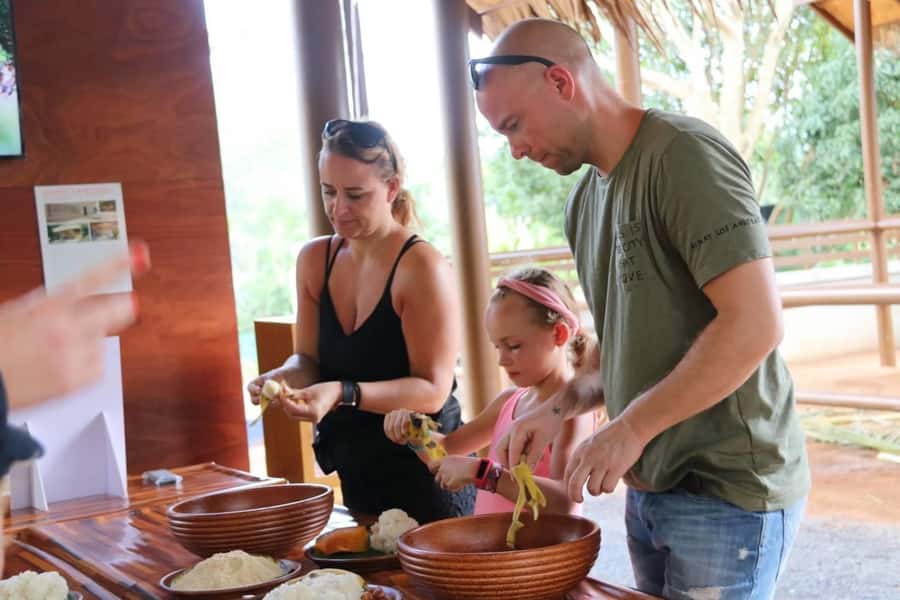
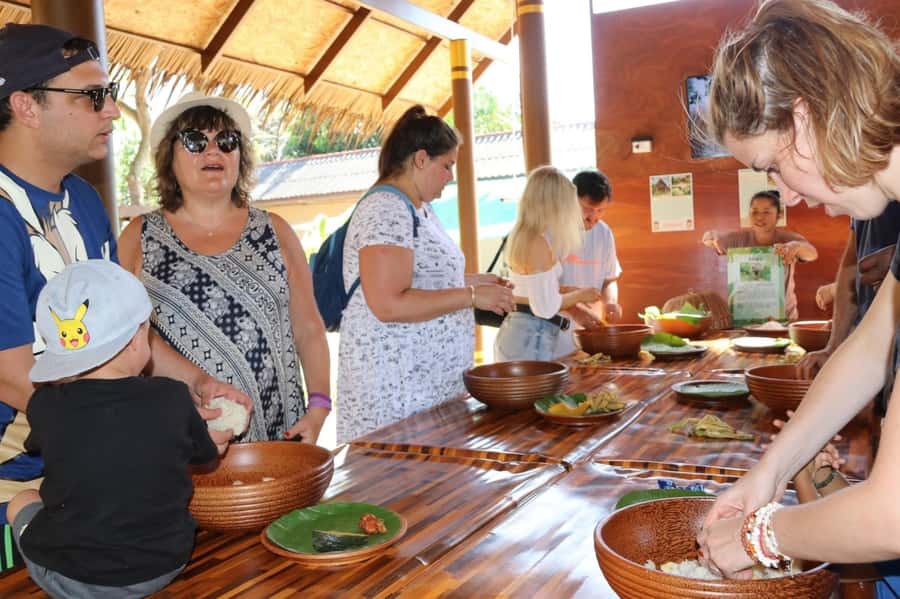
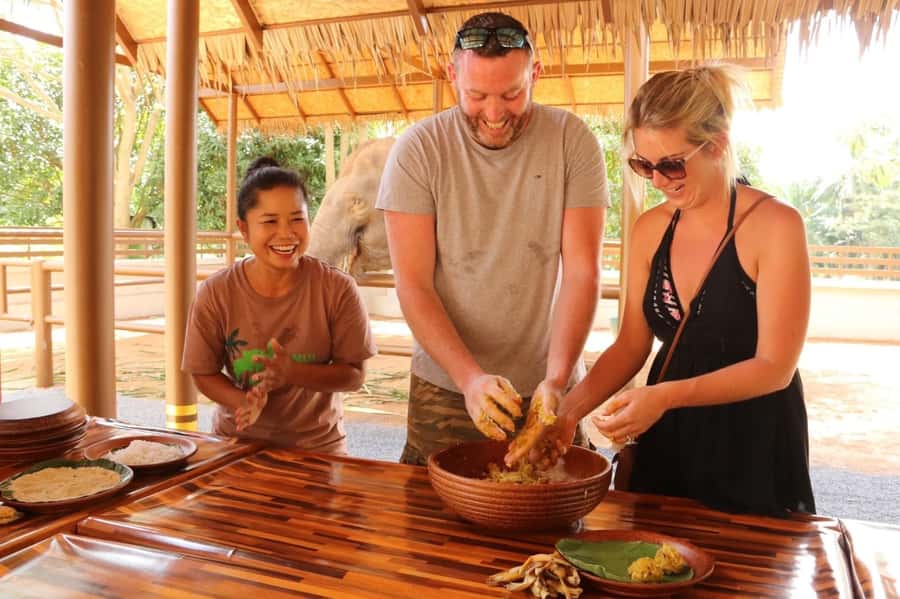
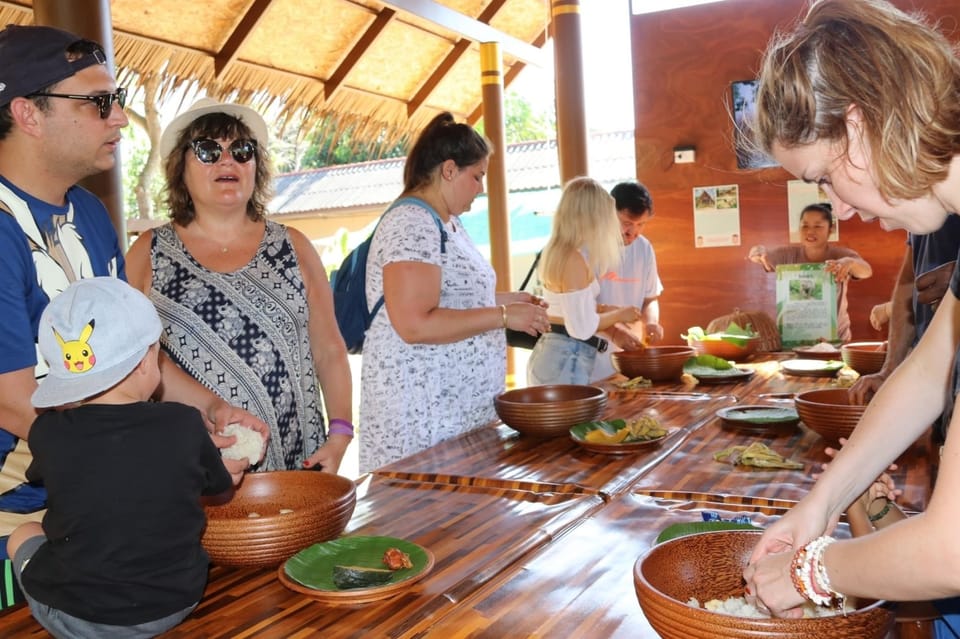
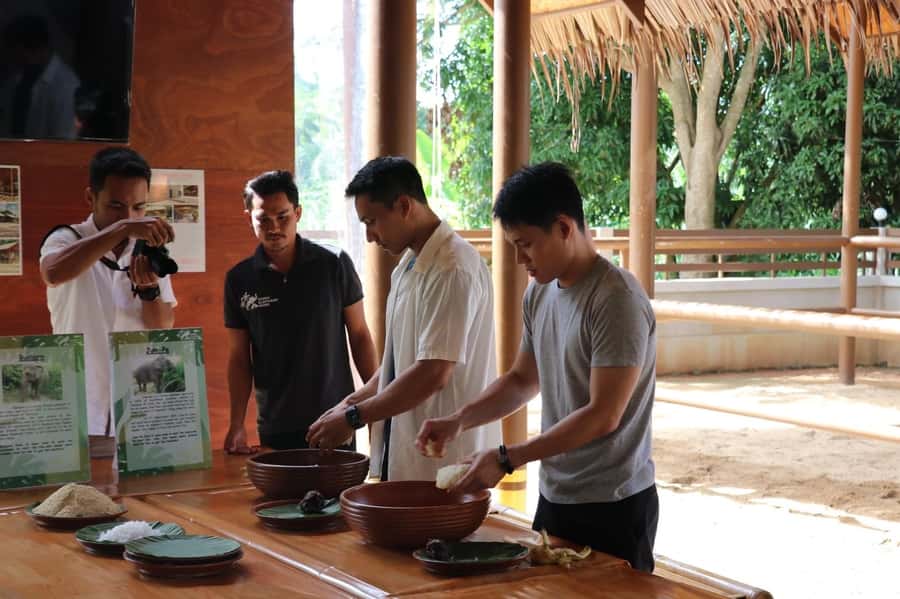
This is where the tour gets fun in a practical way. You’ll watch staff demonstrate how the elephants’ supplementary food is prepared using natural ingredients such as bananas, pumpkins, sticky rice, and herbs.
Then you’ll likely participate in making parts of the food. Some visitors describe preparing items like protein balls as part of the food-making activity. Either way, the key idea is simple: you’re building the food mixture that staff offer as supplementary nourishment, not doing a random “feed the elephant” stunt.
Why this matters for you: nutrition is not one-size-fits-all. Elephants have different needs depending on age and individual health. The guide explains how the diet is adapted, from younger calves to older elephants. You’ll leave understanding that feeding is care work, not entertainment.
Also, you’ll notice how staff keep control. If you’re expecting to be completely in charge of feeding, recalibrate. The program gives you a meaningful role, but the elephants and their calm routine stay in the driver’s seat.
Feeding time: calm, respectful viewing and how photos actually work
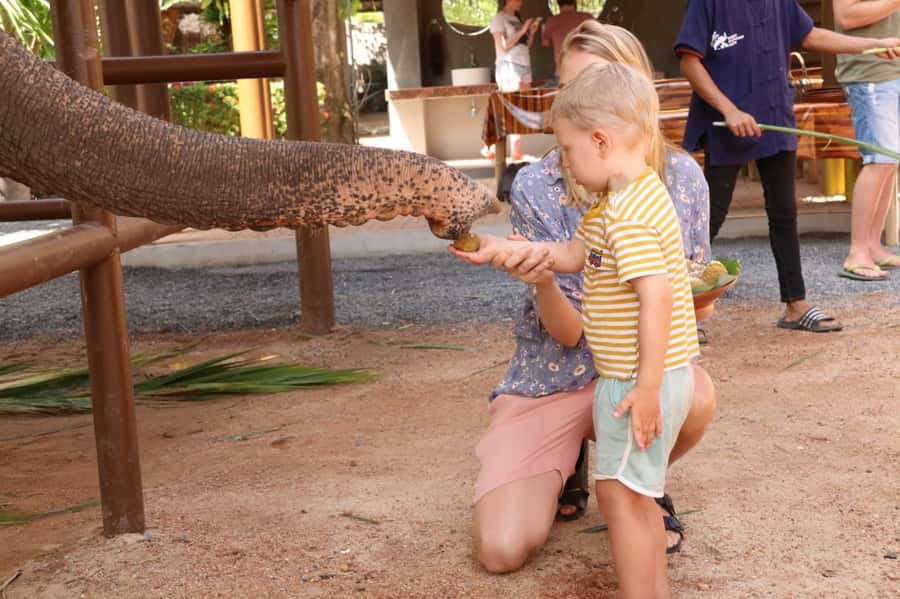
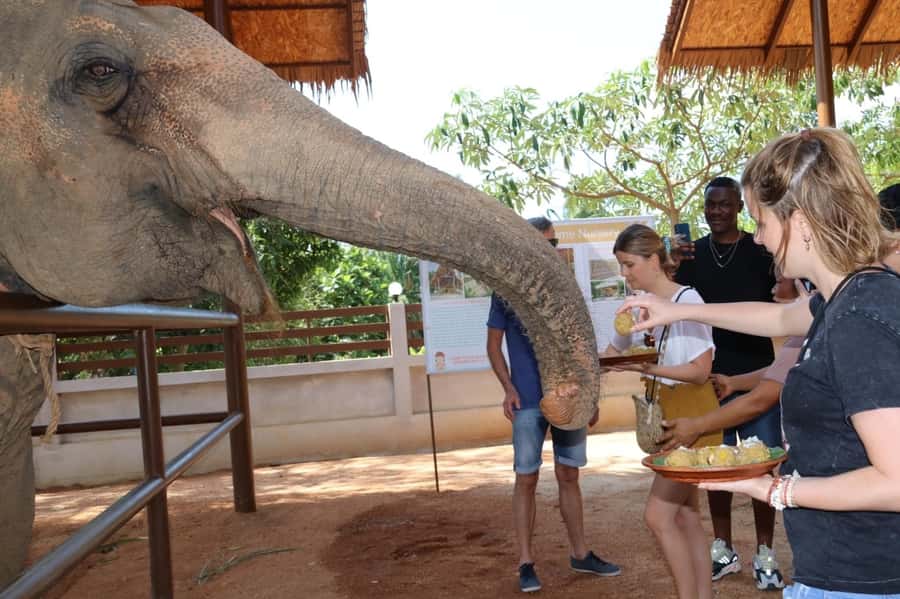
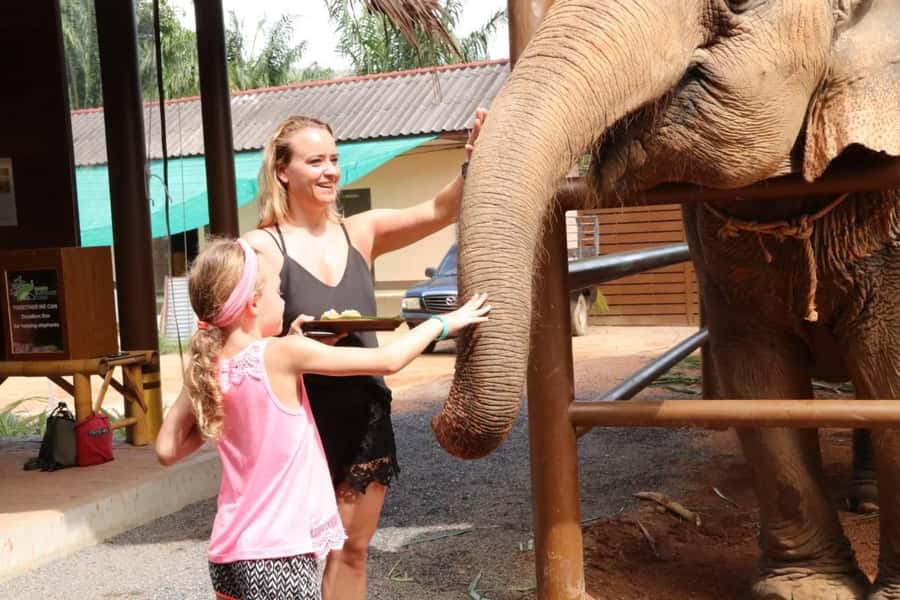
Watching elephants eat calmly is memorable. The best part here is the environment: staff keep the process safe and respectful, so elephants don’t look overwhelmed by a crowd or a chaotic flow.
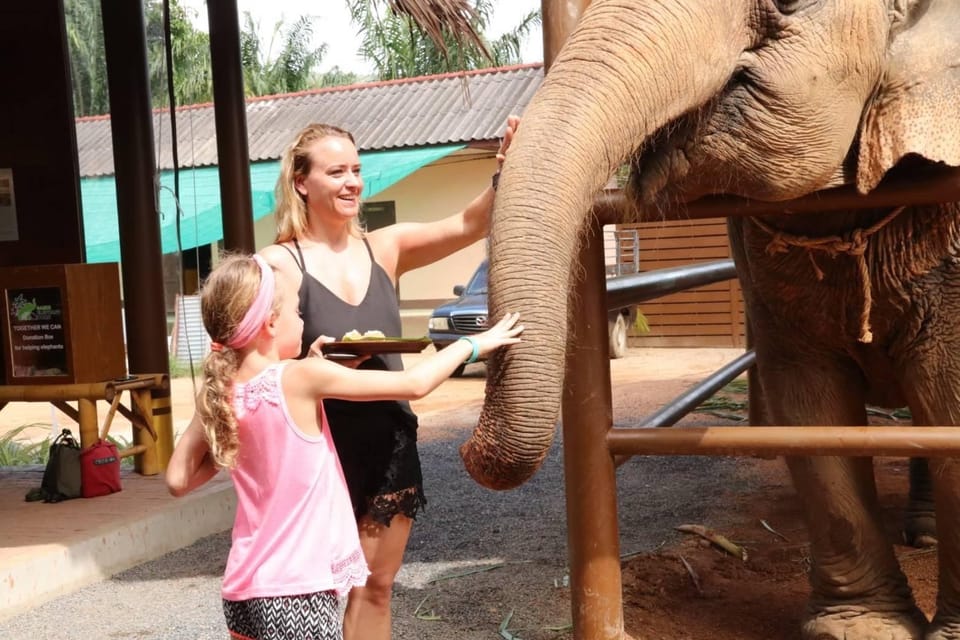
You’ll have opportunities to take photos and videos from a respectful distance. In several accounts, staff also take lots of pictures and videos for you while you feed—meaning you get more “real moment” memories and less time juggling your phone.
One detail I’m glad the experience doesn’t push: bathing or riding. A separate package may exist for bathing and is priced differently, but this program stays focused on nutrition, care education, and feeding. That’s a good fit if you want an ethical, welfare-first outing rather than a high-contact show.
A quick consideration: depending on how the day runs, the time in the feeding area can feel shorter than the advertised 2 hours. The program itself is still structured, but your best mindset is to treat it as an intentional education block, not a long half-day hang with elephants.





Nutrition lessons you’ll actually use on your next elephant conversation
Even if you never plan another elephant tour, you’ll walk away with a better way to think about care. The guide connects nutrition to health and long-term wellbeing, which is the big umbrella idea behind the day.
Here’s what I’d focus on when you listen:
- Different ages need different diet approaches. Younger elephants and older elephants won’t be cared for the same way.
- Supplementary feeding has a purpose. It supports wellbeing and routine under staff guidance.
- Herbs and natural ingredients aren’t just marketing. They’re part of a balanced supplementary mix designed by carers.
You’ll also get insight into daily routines and how staff manage stress. Some visitors mention the facility training elephants gradually and limiting touching or contact during introductions. That detail is a major ethical signal. Real welfare includes training and boundaries, not just access.
And if you’re worried about being too close, the program structure gives you enough interaction to feel involved without turning the elephants into a photo prop. That balance is the point.
Ethical elephant care in Koh Samui: what you’re supporting
This kind of sanctuary model is built around rescue and long-term responsibility. Guides and staff explain that elephants at the nursery were previously involved in harmful activities, and the facility focuses on helping them live better lives.
You can also see how funding works in practical terms. Some accounts mention the high cost of caring for elephants and that the project is supported partly by tourism. In other words, your ticket is not just paying for your own experience. It contributes to food, care, and ongoing rescue work.
The ethical approach shows up in the daily decisions:
- education over spectacle
- stress management in how elephants are approached
- no riding-based attractions
- a routine built around care and calm feeding
That’s why this feels like a meaningful donation with structure. You leave with learning you can repeat to friends, plus the comfort that the day isn’t built on harm.
Price check: is $32 good value?
At $32 per person for a 2-hour guided education and feeding experience with hotel pickup, this is strong value—mainly because the visit includes more than a quick look.
You get:
- transport included (pickup and drop-off)
- an English-speaking guide
- a full guided education component
- hands-on or assisted participation in making natural supplementary food
- the opportunity to watch calm feeding in a respectful setting
If you compare this to many elephant experiences that charge more for shorter attention spans or risky interaction models, the math favors this one. You’re paying for care education and for the facility’s daily work, not for a bucket-list performance.
Small caveat: food and drinks aren’t included. Plan a snack or hydrate before you go so you’re not hungry while you’re trying to focus on the education.
What to bring (and what not to expect)
Bring:
- your passport or ID card
- comfortable shoes you don’t mind getting a little dusty
- water, since food and drinks aren’t included
Wear:
- breathable clothes for Koh Samui heat and humidity
- something practical for standing during brief viewing and explanations
What not to expect:
- elephant riding as part of this program
- a full-day jungle trek or a long, open-ended wander
- total control of feeding
You’ll participate, learn, and feed within staff-guided boundaries. That’s the ethical trade-off: less spectacle, more care-focused involvement.
Who this elephant nutrition tour suits best
This is a great choice if you want:
- an ethical Koh Samui elephant visit focused on nutrition and daily wellbeing
- a guided experience with an English-speaking host like Noi
- a hands-on element that’s still welfare-first (food prep and calm feeding)
- an experience that works well even if you’re nervous about elephant tours
It’s also a strong option for families with children, since the learning is explained and the activities are structured. And if you care about what you’re supporting, the rescue-and-care framing makes the ticket feel purposeful.
If you want maximum contact or bathing, check for separate add-on options. Some experiences in this area offer bathing as a different package at a higher price, but it’s not part of this education-and-feeding focus.
Should you book SamuiElephantHome in Koh Samui?
Yes, I’d book this if your goal is to understand elephant nutrition and ethical care, not just post photos. The program’s structure—hotel pickup, guided explanation, hands-on natural food prep, calm feeding, and respectful viewing—adds up to a day that feels responsible and genuinely informative.
I’d pause before booking only if you’re expecting a longer, high-interaction experience. This is education-focused, and interaction is intentionally limited to protect elephant wellbeing.
If you want a meaningful, welfare-first elephant encounter on Koh Samui, this one is a solid pick.
FAQ
How long is the Samui Elephant Nutrition and Care Education Experience?
The experience is listed as 2 hours.
Is hotel pickup and drop-off included?
Yes. Pickup and drop-off in Ko Samui are included.
What’s included in the price of the tour?
The tour includes hotel pickup and drop-off, an English-speaking guide, and insurance.
Are food and drinks provided?
No. Food and drinks are not included.
What do I need to bring?
You should bring your passport or ID card.
Is this experience wheelchair accessible?
Yes, it is listed as wheelchair accessible.