REVIEW · KO SAMUI
Koh Samui: Ethical Elephant Home Guided Tour with Transfers
Book on GetYourGuide →Operated by SamuiElephantHome · Bookable on GetYourGuide
Feeding free-roaming elephants sounds like magic. This Koh Samui Ethical Elephant Home tour mixes a hands-on day at the Samui Elephant Museum with respectful jungle observing, plus real conservation work like launching seed bombs. Guides such as Nana and Katie (and the longer-term caretakers like Pat) make the rescue-and-rehab story feel personal, not staged.
Two things I really like: you get to help prepare elephant food and then feed them in a calm, humane way, and you finish with a practical forest-restoration activity that actually supports the local ecosystem. One thing to keep in mind: the on-site time can feel short if you’re craving deeper Thailand elephant history and heritage in a classroom-style way.
In This Review
- Key highlights to look for
- A 4-hour ethical elephant day on Koh Samui
- Samui Elephant Museum: Thai elephant heritage without the fluff
- Jungle time: watching elephants roam freely (and calmly)
- Cooking elephant food and feeding the right way
- Cooling down: water, shade, and no pressure
- Seed bombs: small action, real forest intent
- Transfers, meals, and what to bring
- Value check: is the $96 price fair?
- Who should book this (and who might not)
- A balanced look at the trade-offs
- Should you book the Koh Samui Ethical Elephant Home guided tour?
- FAQ
- How long is the Koh Samui Ethical Elephant Home guided tour with transfers?
- What’s included in the price?
- Do I get to feed the elephants?
- Is elephant riding part of the tour?
- Will I see the elephants in the jungle?
- What conservation activity is included?
- Is there water or bathing involved?
- What food will I eat?
- What should I bring?
- Is cancellation flexible?
Key highlights to look for
- Museum-first education: Learn about Thai elephant heritage and how the program treats elephants with respect.
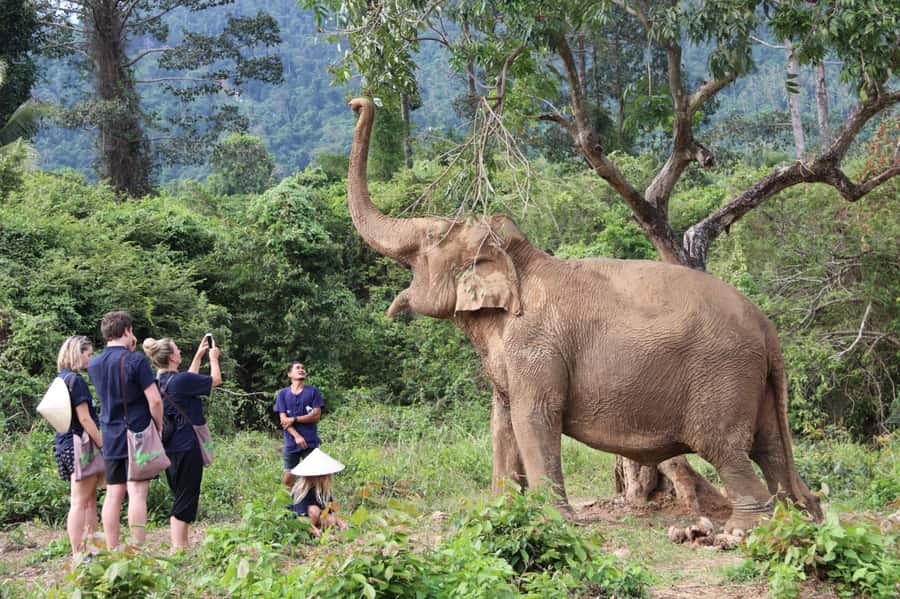
- Jungle walk at elephant pace: Watch elephants forage and roam without forcing interaction.
- Organic food prep + feeding: See (and help with) daily nutrition routines led by staff.
- Natural cooling moments: Shade, water, and calm routines come first; bathing isn’t forced.
- Seed bomb conservation workshop: Make seed bombs with clay and native seeds, then launch them to help restore forest areas.
A 4-hour ethical elephant day on Koh Samui
This is a short-but-full tour built around one core idea: elephants should behave like elephants. The pacing is designed so you watch, learn, and participate in a way that doesn’t turn the animals into a show.
The big win for you is that the day doesn’t stop at the basics. You start with museum-style learning, then move into the jungle to observe natural behaviors at a respectful distance. After that, you join care-related activities—food prep, feeding, and conservation—so you leave with more than photos.
Timing matters here. In a place like Koh Samui, half-day tours can feel rushed. This one tries hard not to. Still, if you’re the type who wants hours of uninterrupted viewing time, you might wish it ran longer.
You can also read our reviews of more tours and experiences in Ko Samui.



Samui Elephant Museum: Thai elephant heritage without the fluff
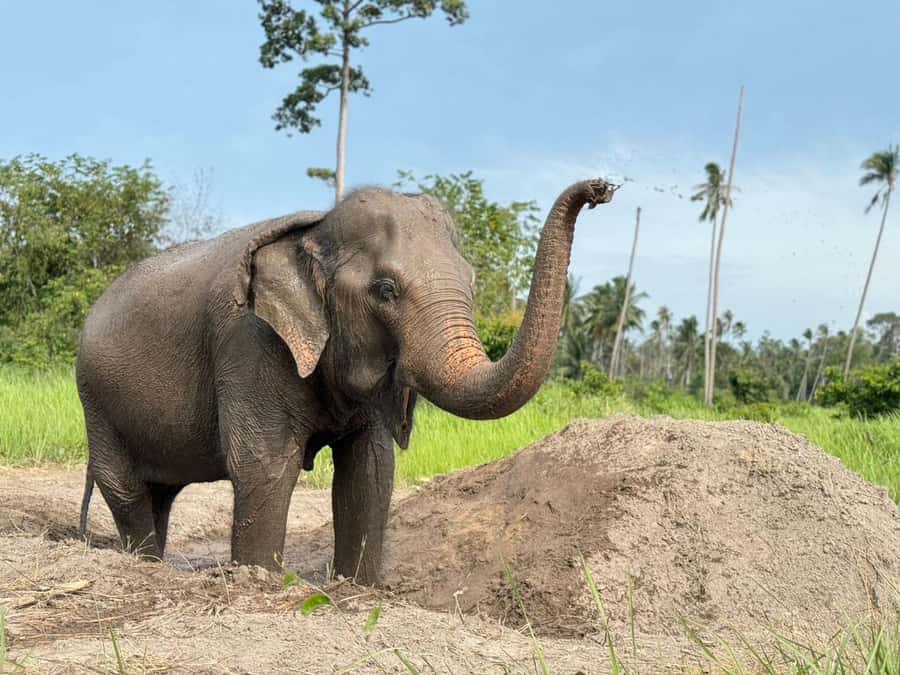
The day begins at the Samui Elephant Museum, which is the kind of stop that makes your later jungle time make sense. Instead of just saying elephants are important, it frames how they fit into Thai heritage and daily life—plus why the rescue and rehabilitation work exists in the first place.
What I like about starting here is simple: you get the context first. When you later watch elephants in their environment, you’ll understand what you’re seeing—social bonds, natural movement, and how caretakers think about wellbeing.
You also get a safety briefing early. That sounds basic, but it matters. It sets the tone that this is about calm observation and careful interaction, not chaos. It’s the difference between feeling like you’re visiting wildlife and feeling like you’re part of the animals’ routine.
Jungle time: watching elephants roam freely (and calmly)
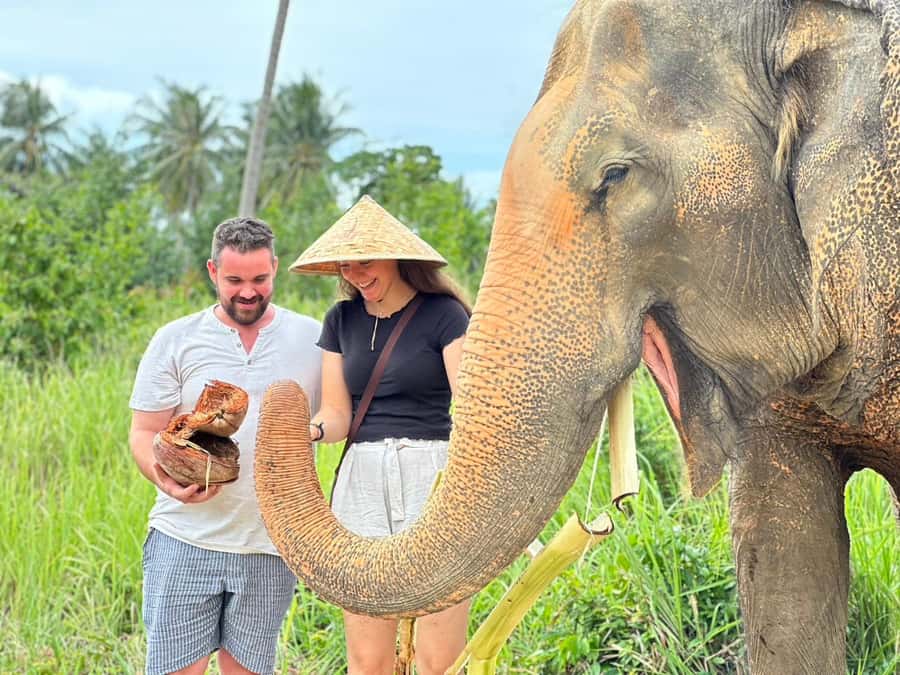
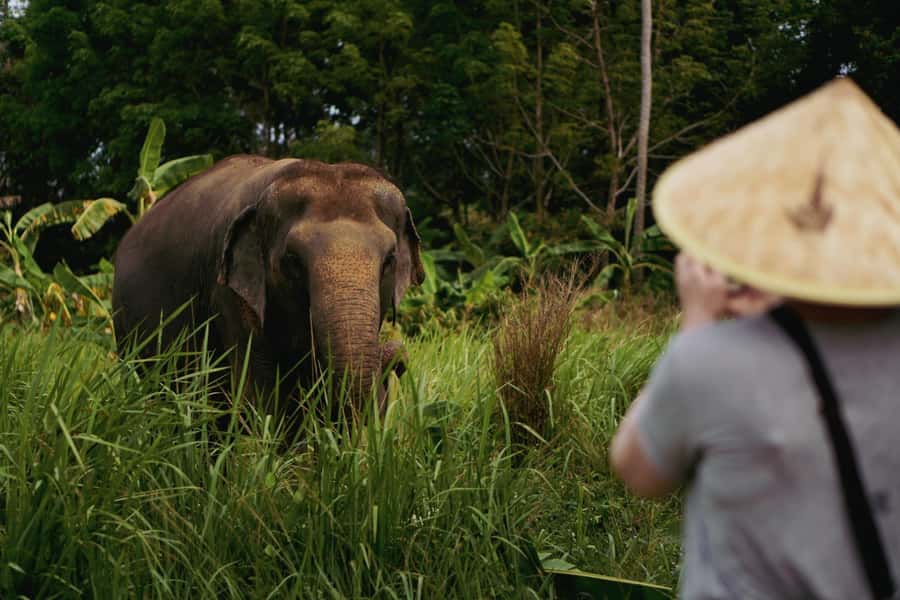
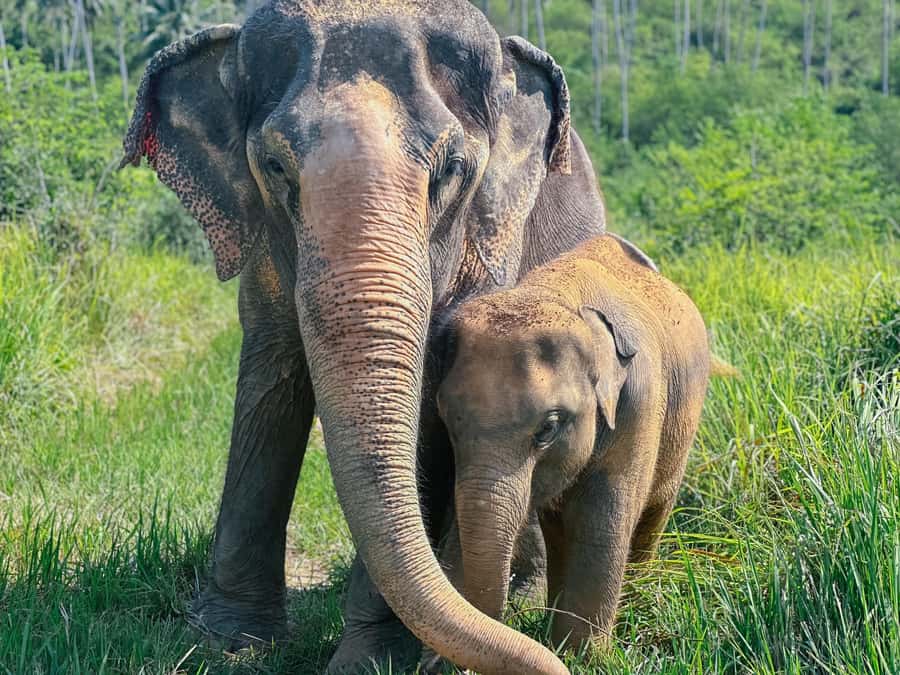
After the museum introduction, you head into the jungle area where elephants roam freely. Your experience is built around respectful distance and quiet watching as they forage and explore. That’s the part people love most, because it’s the closest you’ll get on Koh Samui to seeing elephant behavior that isn’t shaped for humans.
Look for the small signals: elephants choosing where to go, slowing down in comfortable spots, and staying with their social group. Guides help connect those dots so you don’t just see big animals—you understand what their choices mean.
Also note the “elephant-led” approach that shows up in how staff manage visitor interaction. In practice, that means you’re not pushing elephants into a schedule. If an animal doesn’t want a certain activity, the program doesn’t force it. You feel that in how the day flows.
Cooking elephant food and feeding the right way
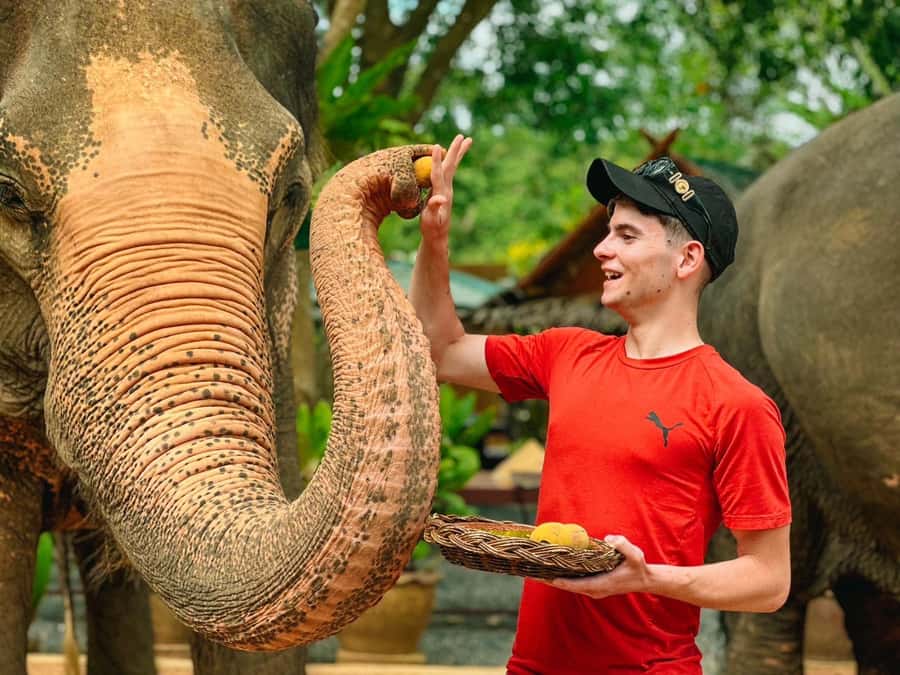
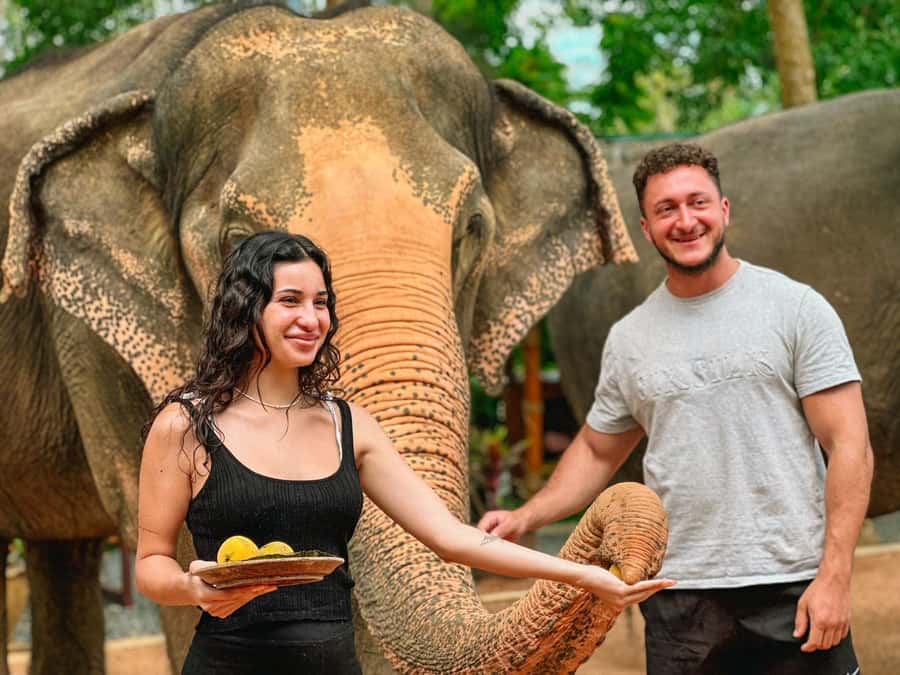
One of the most hands-on parts is the organic food routine. Mahouts demonstrate how daily nutrition is prepared, and then you get to join in. This isn’t just a souvenir-style feeding moment. You learn why certain ingredients and preparation steps matter for elephants.
In the same care-focused spirit, you’ll also get the chance to feed them yourself—under staff guidance and at a pace that keeps everyone comfortable. Several participants highlight the feel of the experience: close enough to be meaningful, with clear boundaries and calm handling practices.
This is also where the emotional side kicks in. You can see that the caretakers focus on everyday wellbeing: nutrition, health considerations, and feeding methods that support elephants at different life stages. It’s education you can feel, not just facts you memorize.
Cooling down: water, shade, and no pressure
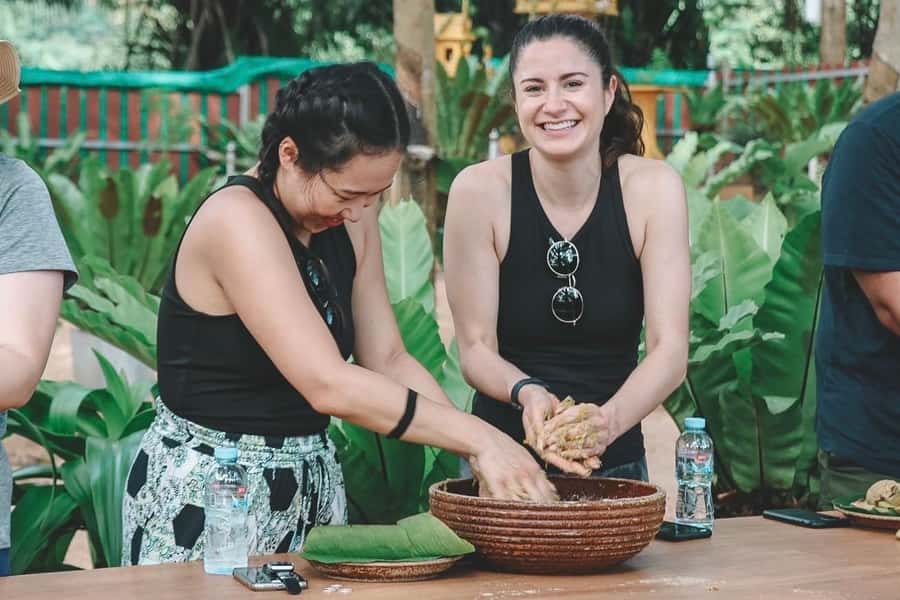
In the tropical heat, elephants need help cooling off—but the approach here is natural, not performative. After the jungle walk, mahouts support elephants’ cooling time using shade and water, and the routine stays calm and respectful.
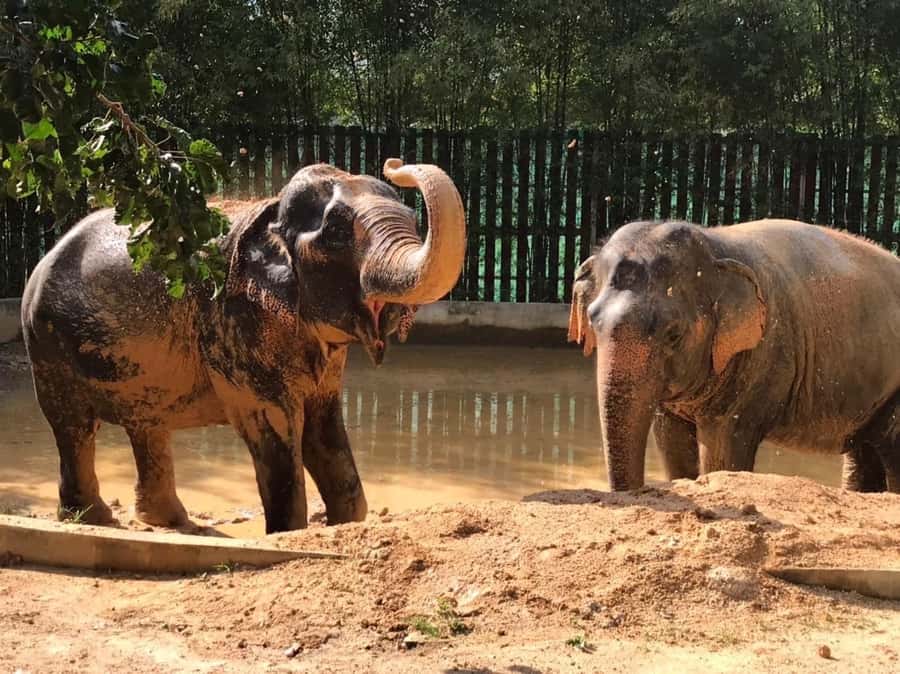
Some days include visible mud-bath or bathing-pool moments, and you may also see elephants sprayed with water. The key point is that it’s framed as the elephants’ choice, not a must-do activity for visitors. If they don’t want to bathe, the program can skip that portion.
This is one of those moments where the ethics show in the details. You’re not trying to “catch” an animal doing something cute. You’re observing a normal behavior that happens when conditions are right.





Seed bombs: small action, real forest intent
Then you move into conservation. The seed bomb workshop is one of the most distinct activities on the schedule. You craft seed bombs using clay and native plant seeds, and you launch them using a traditional slingshot.
The purpose is straightforward: help restore forest areas so there’s more future plant life—supporting a healthier environment over time. It’s also a nice mental shift. You’re not only learning about elephants; you’re doing something that supports the habitat elephants rely on.
It’s the kind of “give-back” activity that feels grounded. You can hold the materials, understand what they’re for, and then watch how it ties back to the bigger conservation story the guides explain.
Transfers, meals, and what to bring
The tour includes pickup and drop-off around the island, and the transport is widely praised for being smooth and well-organized. In practice, that means you won’t be stuck figuring out routes in Samui’s traffic while trying to keep your day on schedule.
You’ll also get refreshments, including tea and coffee, plus soft drinks. Food is vegetarian, and you’ll have a seasonal buffet. There’s also a surprise video movie during the activities, which helps break up the day between watching and hands-on moments.
What to pack is simple but important:
- Comfortable shoes (there’s walking in the forest area)
- A change of clothes
- A towel (handy if water cooling becomes part of your day)
If you’re prone to feeling hot, plan for it. Koh Samui weather can be intense, and even calm walking adds up over a half-day.
Value check: is the $96 price fair?
At about $96 per person for a 4-hour program, the value comes from the combination. You’re not paying for one highlight—you’re paying for a whole structured sequence:
- guided museum education
- jungle observing time
- staff demonstrations around nutrition
- hands-on food prep and feeding
- the seed-bomb conservation workshop
- vegetarian meals and drinks
- English-speaking guide
- insurance coverage
- transfers and pickup/drop-off
If you’ve paid for elephant experiences elsewhere that were shorter and less structured, the difference here is the “care and conservation” framework. You’re spending money on education and habitat support, not on riding or performances.
The main cost-factor to think about is time. Four hours is long enough to feel like a real experience, but short enough that you’re not going to linger forever. If your priority is maximum elephant time above all else, you may feel you want more. Still, the day includes enough variety—museum, jungle, feeding, cooling, seed bombs—that it usually lands as a solid half-day buy.
Who should book this (and who might not)
You should strongly consider it if you:
- want an ethical elephant experience with no riding and no performance-style interaction
- care about rescued elephants and the rehab story behind them
- like hands-on learning (food prep, feeding, conservation activities)
- prefer calm observation over constant crowd spectacle
You might think twice if you:
- want a long, deep lecture-style history of elephants in Thailand
- are the type who gets restless with a shorter viewing window
- need maximum time purely watching elephants and nothing else
Also, if you’re a first-time visitor to Samui, this tour is a good anchor. It gives you the animal-and-environment angle without eating your entire day.
A balanced look at the trade-offs
Let’s be honest. This experience is highly rated for a reason: the staff clearly focus on elephant wellbeing, and the day is built around respectful interaction. People also love how close they can get while still feeling boundaries are respected.
The trade-off is scale and depth. The site doesn’t feel like a massive wildlife reserve where you spend hours wandering. And if you were hoping for a heavier focus on Thai elephant history beyond the museum context, you may find the educational portion brief.
Weather can also be a practical factor. You might be in light rain or wet conditions, and since the tour includes outdoor time, bring your mindset accordingly. The program keeps moving, but you’ll still feel the outdoors.
Should you book the Koh Samui Ethical Elephant Home guided tour?
Book it if you want a short, structured day where ethical elephant care and conservation aren’t just slogans. You get a museum intro, a jungle observing block, hands-on food prep and feeding, natural cooling moments, and a seed-bomb workshop that supports forest restoration.
Skip it (or adjust your expectations) if you want a longer, purely observational elephant safari vibe or deep history lessons that take most of the day. Four hours is real-time, not a blur, and it may leave you wishing for one more hour—especially if you fall hard for one elephant (Maria is one that seems to have made a mark for some visitors).
If your heart is set on an elephants-welfare-first experience with meaningful activities, this is an easy yes.
FAQ
How long is the Koh Samui Ethical Elephant Home guided tour with transfers?
The tour runs for about 4 hours.
What’s included in the price?
Pickup and drop-off, an English-speaking guide, soft drinks (including tea and coffee), vegetarian food and a seasonal buffet, a surprise video movie during the activities, and full insurance.
Do I get to feed the elephants?
Yes. You can help prepare elephant food and then feed the elephants yourself as part of the guided experience.
Is elephant riding part of the tour?
Riding is not part of the experience described. The focus is on observation, feeding, and care activities.
Will I see the elephants in the jungle?
Yes. Part of the tour includes a walk to observe elephants roaming freely in their natural jungle habitat at a respectful distance.
What conservation activity is included?
You’ll make seed bombs using clay and native plant seeds and launch them using a traditional slingshot.
Is there water or bathing involved?
You’ll learn how elephants cool down naturally. Depending on how the elephants respond, you may observe cooling moments such as bathing or being sprayed with water.
What food will I eat?
You’ll get vegetarian foods and a seasonal buffet, plus drinks like tea and coffee.
What should I bring?
Comfortable shoes, a change of clothes, and a towel.
Is cancellation flexible?
Yes. Free cancellation is available up to 24 hours in advance for a full refund.