REVIEW · KHAO LAK
Ethical Elephant Sanctuary Experience in Khao Lak
Book on GetYourGuide →Operated by LOVE KHAOLAK HOLIDAY · Bookable on GetYourGuide
Elephants, but no circus.
This 3-hour Khao Lak experience is built around elephant-led behavior, guided by mahouts, not schedules or staged moments. I especially like the way you get real context first, with a video-and-audio intro in up to 40 languages, then move into quiet, respectful observing. You also get genuine Thai culture time, like making a Ya Dom herbal inhaler and cooking Khanom Krok, not just standing near animals.
Here’s the catch: this is not an up-close, hands-on meet-and-play tour. There’s a strict no riding, no touching, no forced bathing approach, so if your idea of an elephant day includes direct contact or getting in the water, you’ll want to skip this one.
That said, the format is exactly why it works. You’re not competing with crowds, and the day feels more like learning and witnessing than performing.
In This Review
- Key takeaways before you go
- Why this Khao Lak elephant sanctuary feels different
- The drive from Khao Lak: calm, quick, and crowd-free
- The orientation: elephants explained in 40 languages
- Herbal elephant care prep: a hands-on activity with meaning
- Meeting the elephants: individuals, not props
- The observation walk: following behind, not controlling
- Mud-bath viewing from a natural creek platform
- Ya Dom workshop: a traditional menthol inhaler you’ll actually use
- Khanom Krok: making Thailand’s coconut pancakes
- Facilities and practical comfort: plan for basic but clean
- Price and value: $56 is what you’re really buying
- Who this suits best (and who should skip it)
- What to bring for a smooth day
- Should you book this Khao Lak elephant sanctuary experience?
- FAQ
- How long is the elephant sanctuary experience in Khao Lak?
- What’s included with the ticket price?
- Is there elephant riding or forced interaction?
- Can I watch elephants bathe or play in mud?
- Is there a meal included?
- What should I bring?
- Does pickup happen only at certain hotels?
- Is this tour suitable for everyone?
- Where is the experience located?
Key takeaways before you go
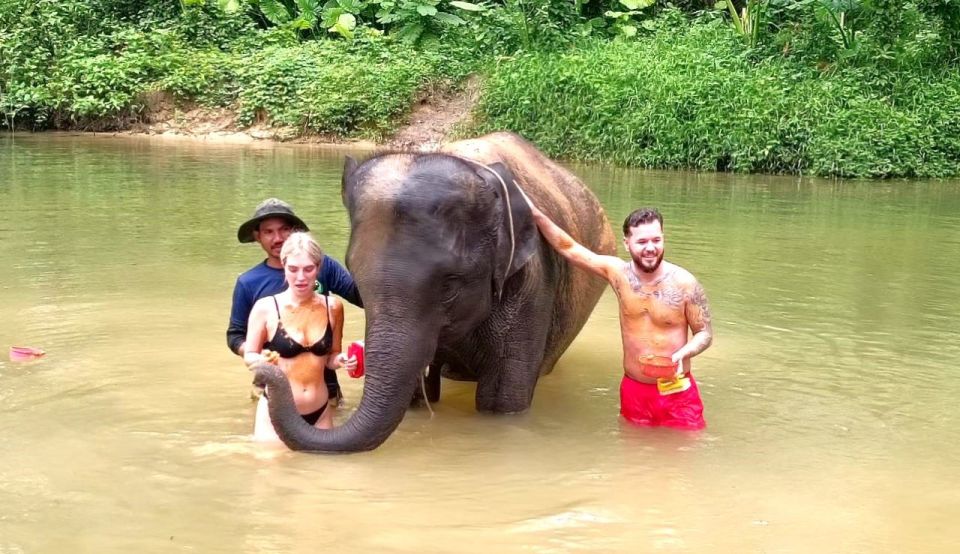
- Observation-first elephant time with mahouts supervising from a respectful distance
- No riding, no touching, no forced bathing so you’re watching welfare-based care, not a show
- Herbal elephant care activity: you prepare a traditional supplement that caretakers offer later
- Ya Dom workshop: make a Thai menthol herbal inhaler used in everyday life
- Khanom Krok snack cooking: coconut pancake street food, made at an unhurried pace
Why this Khao Lak elephant sanctuary feels different
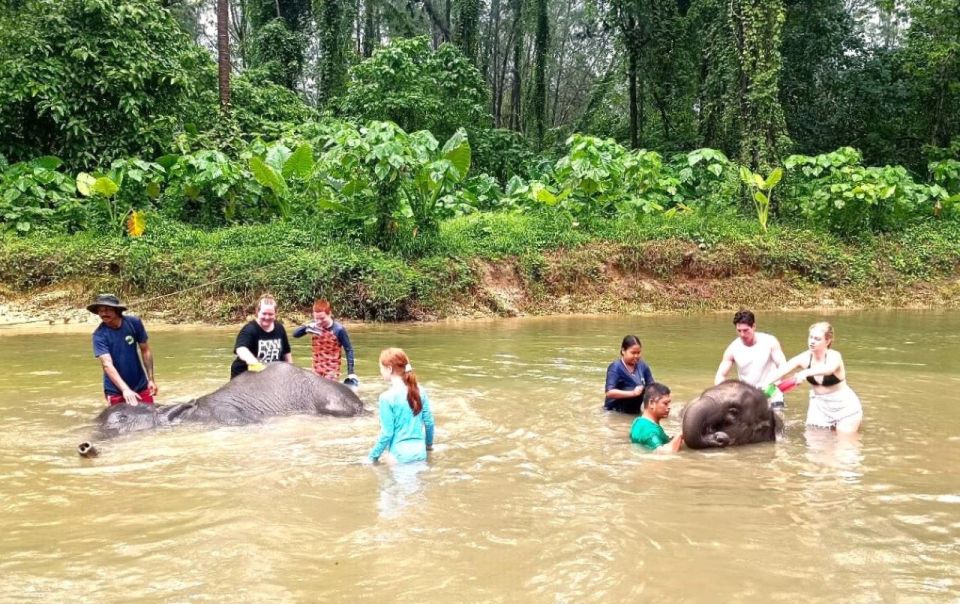
In Khao Lak, elephant tours are everywhere. The hard part is sorting the feel-good marketing from what actually happens on the ground. This one is structured around observation, with caretakers and mahouts doing the care work while you stay at a respectful viewing distance.
What makes it compelling is the sequence. You don’t run straight from the van to animal selfies. First you get an explanation of elephants in Thai culture, the modern welfare challenges domestic elephants face, and what responsible tourism means in practice. Then you move into the sanctuary and watch how elephants choose their own pace—walking, pausing, and if they want it, heading toward a natural creek area for mud and water.
I also like that the day includes Thai hands-on culture that doesn’t feel like filler. The Ya Dom inhaler and Khanom Krok workshop make you slow down and connect with local everyday life. It’s the kind of “animal day” that turns into an actual Thai day.
You can also read our reviews of more tours and experiences in Khao Lak.


The drive from Khao Lak: calm, quick, and crowd-free
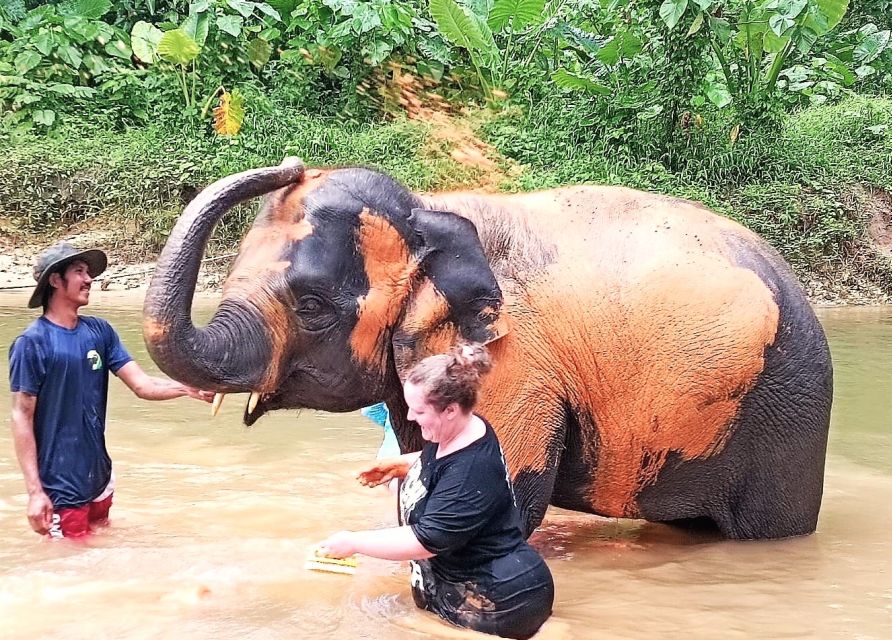
The tour starts with hotel pick-up within the Khao Lak area, then a comfortable air-conditioned van ride for about 30 minutes. You’re leaving the busiest parts of town behind, which matters because elephants aren’t a theme park attraction. Fewer stops, fewer delays, and a more focused arrival sets the tone.
At the sanctuary, you’ll get welcome refreshments (including coffee or tea depending on what’s offered that day), plus local snacks and a guided orientation. A lot of tours rush this part. Here, you get enough breathing room to understand what you’re about to see—before you’re standing in front of elephants and trying to figure out the rules by guessing.
The orientation: elephants explained in 40 languages
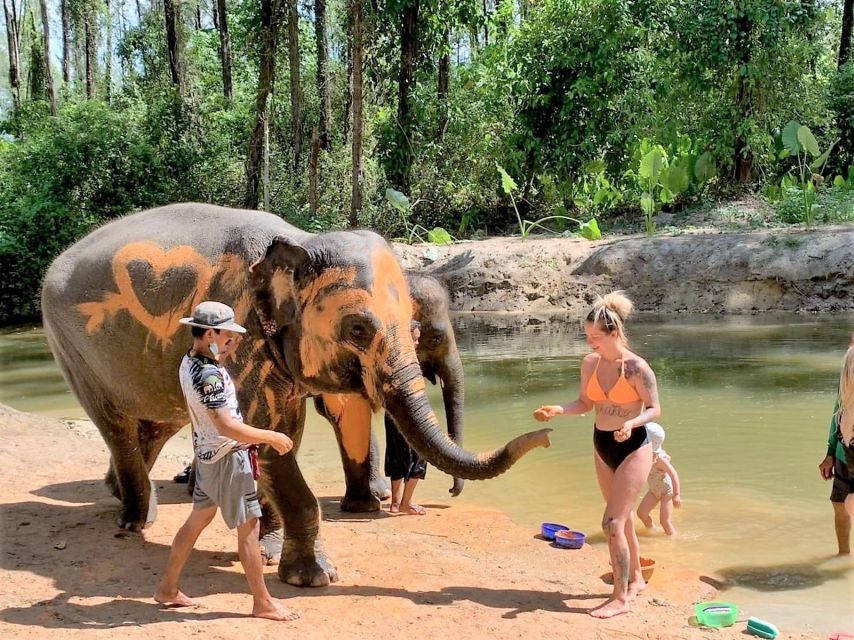
Before you meet the elephants, you’ll sit through a visual and audio introduction. It covers the cultural history of elephants in Thailand, the welfare issues facing domestic elephants today, and the sanctuary’s approach to responsible tourism.
One detail I appreciated: the media is available in 40 languages. That means you’re not relying on spotty translations or guessing at what you’re supposed to be learning. For many people, that’s the difference between a nice encounter and a meaningful one.
You’ll also hear how this sanctuary supports rescued domestic elephants long-term. The messaging is consistent: elephants are cared for, not used.
Herbal elephant care prep: a hands-on activity with meaning
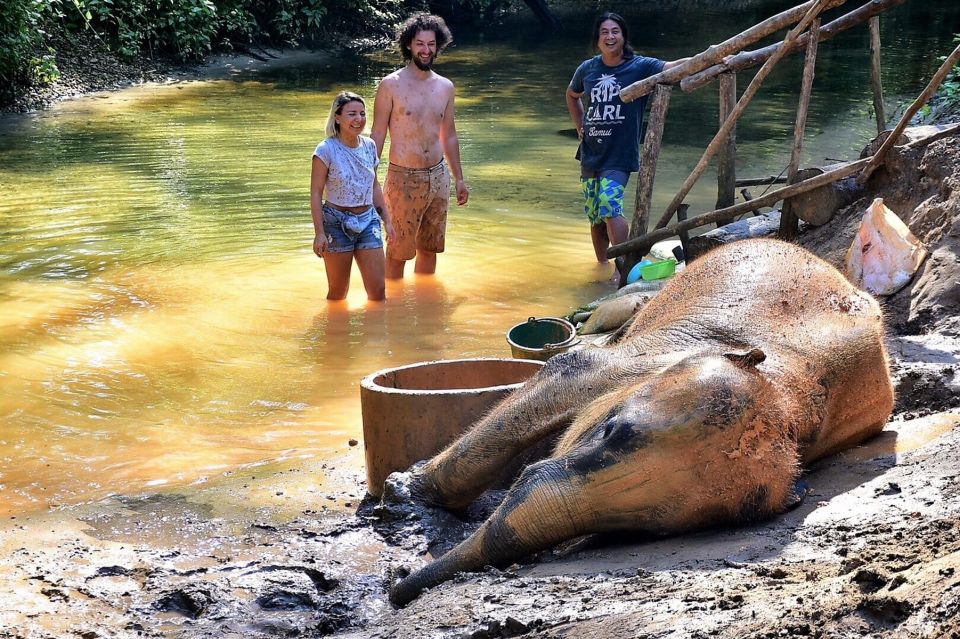
After the intro, you’ll do a calm, hands-on cultural activity preparing a traditional herbal health supplement for elephants. This isn’t just an arts-and-crafts moment. The point is to connect local knowledge about elephant wellness with how caretakers make welfare-based choices.
Here’s how it works in the day flow: you prepare the supplement, then the caretakers offer it to the elephants later. That keeps the experience anchored in respect and routine rather than turning your participation into a performance.
This is also a good “values moment.” It reminds you that ethical elephant tourism is about supporting care systems, not chasing one dramatic action from the animals.
Meeting the elephants: individuals, not props
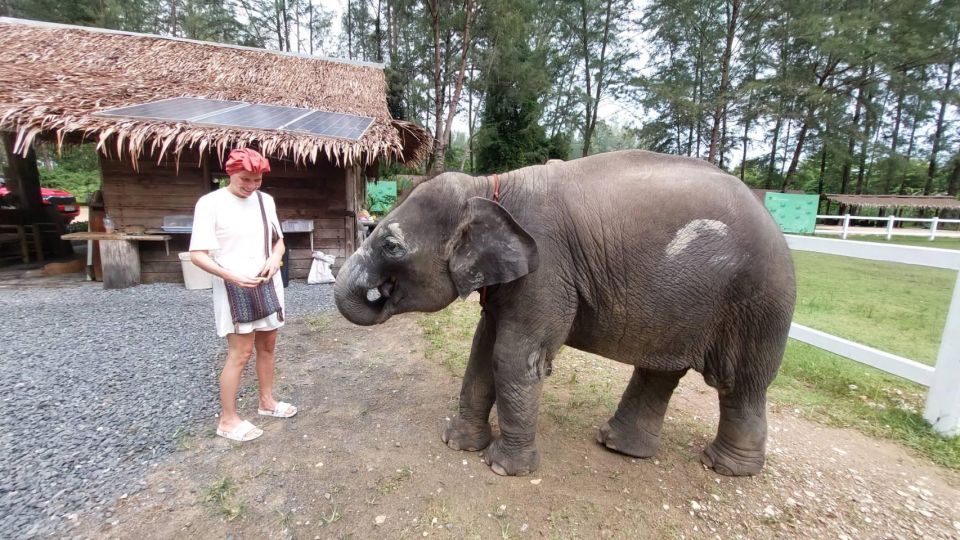
Once you step into the sanctuary grounds, you meet the elephants as individuals. You’re not learning them like a checklist. You get context about each elephant’s background and the care approach behind their everyday life.
Mahouts (experienced caretakers) share what ethical elephant care looks like beyond traditional tourism. They also explain the relationships and routines that matter for elephants living in a safe environment.
If you’re someone who’s been uneasy around elephant tourism in the past, this is where you should start feeling relief. The emphasis is on respectful observation and natural behavior, not “look what we can make them do.”





The observation walk: following behind, not controlling
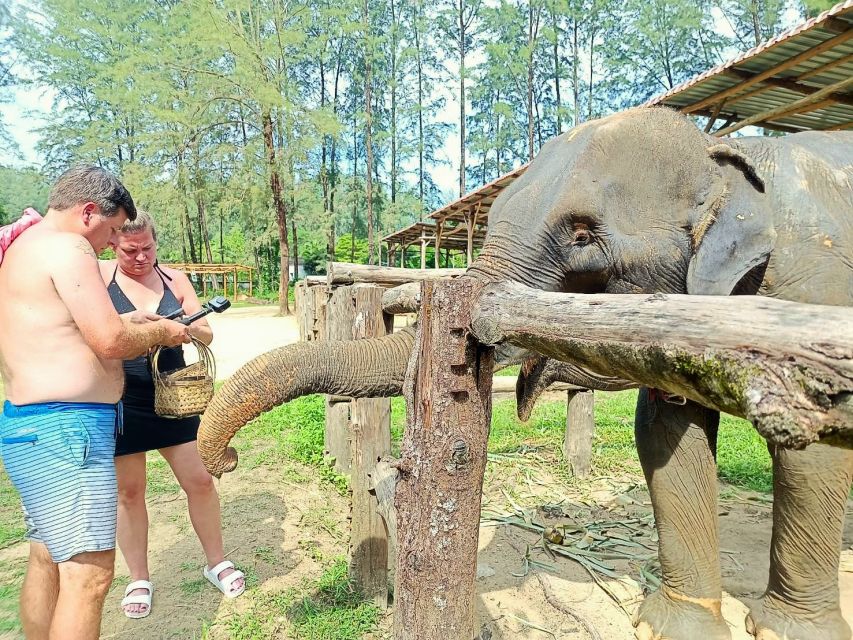
The core elephant portion is a guided observation walk. You follow behind the elephants from a respectful distance within a defined area.
Key rule: guests do not touch, lead, or control the elephants. That means your role is basically to watch and listen while mahouts supervise and guide the overall situation.
This format changes the whole experience. Instead of feeling like you’re steering a day around animal antics, you’re letting the elephants set the rhythm. Some elephants may move calmly. Others may pause, investigate, or redirect toward what they’re interested in at that moment.
One more practical note: defined areas and structured guidance keep things safer for everyone. It also stops that chaotic “everyone crowd the elephant” dynamic that you’ve probably seen in other settings.
Mud-bath viewing from a natural creek platform
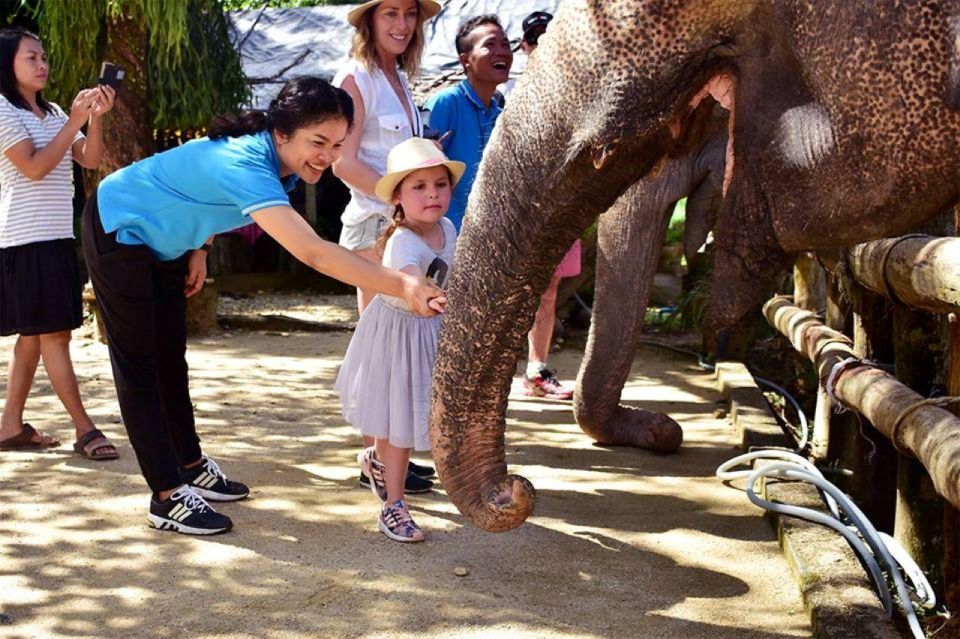
At a designated viewing platform near a natural creek, you pause and observe the elephants if they choose to bathe or play in the mud. This is elephant-led. There’s no schedule and no expectation that anything must happen for the sake of your ticket time.
This matters more than you think. In many animal attractions, the day is built around predictable triggers. Here, the point is to watch what’s natural for the elephants and accept that mud-bathing might take five minutes—or might not happen at all.
You’ll also learn what bathing behavior can signal in elephant life: comfort, thermoregulation, and social rhythms. Even if mud doesn’t become the main event, you’re still getting a clearer view of how elephants use their environment.
Ya Dom workshop: a traditional menthol inhaler you’ll actually use
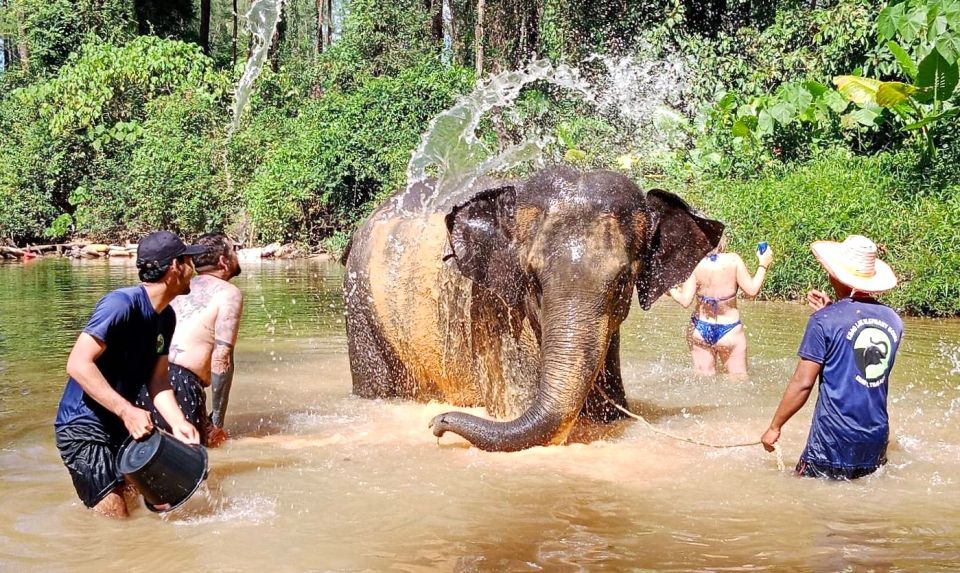
One reason I like this tour beyond the elephants is the Thai cultural workshop. You create your own Thai herbal inhaler called Ya Dom. It’s a traditional wellness item used in everyday Thai life.
You’re not just buying a souvenir. You’re making it, which helps the whole day feel personal. It’s also a small, practical memory you can bring home and use later, instead of something that sits in a drawer.
The workshop is part of that “slow down and learn” vibe. You’ll get the feeling of why herbs and everyday rituals matter in Thailand—especially in a region where health and comfort routines are part of daily culture, not just tourist experiences.
Khanom Krok: making Thailand’s coconut pancakes
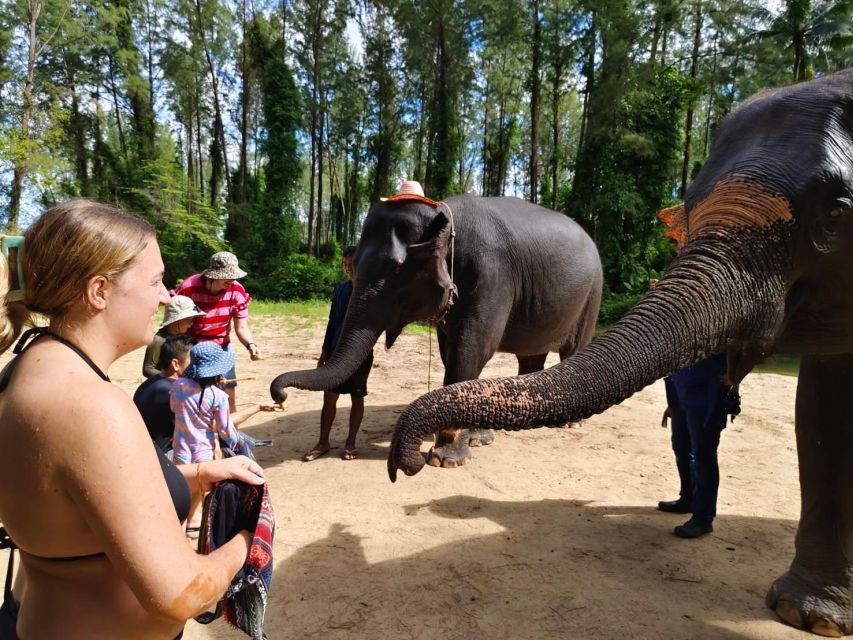
Next up is Khanom Krok, a beloved Thai street snack often described as coconut pancakes. You’ll make them in a friendly, unhurried setting.
Why it’s worth paying attention to: Khanom Krok is one of those foods that’s simple in concept but easy to mess up if you rush it. Doing it as part of the tour gives you a taste of local cooking rhythm, not just a sample handed to you.
You’ll also get beverages during the snack portion (water and cola are included). It helps break up the physical side of the day—because even in an observation-first experience, you’ll still spend time standing, walking short stretches, and being in warm weather.
Facilities and practical comfort: plan for basic but clean
This is a sanctuary setting, not a resort. Expect basic facilities. From what people report, showers and toilets are simple but kept clean.
Also plan for humidity and sun. Even if the tour is only 3 hours, it can feel longer once you factor in the time in outdoor areas and the standing-and-watching moments.
Price and value: $56 is what you’re really buying
At about $56 per person for a 3-hour experience, the value comes from what’s bundled into the ticket: hotel pick-up and drop-off, air-conditioned transportation, sanctuary admission, guided elephant observation with mahouts, plus multiple included cultural activities.
You’re getting more than “elephant time.” You’re also getting:
- a guided welfare-focused orientation (in multiple languages)
- a hands-on herbal elephant care activity
- Ya Dom inhaler making
- Khanom Krok snack cooking
- beverages like water and cola
There’s no meal included, so if you’re hungry afterward, you’ll need to plan a snack or dinner after you return to Khao Lak. But inside the tour, the food and drink components are enough to keep you comfortable during the experience window.
If your goal is an ethical elephant day that also teaches you something about Thai life, this price starts to look fair.
Who this suits best (and who should skip it)
This tour is best for you if:
- You care about ethical elephant tourism and prefer observation over interaction
- You want mahout-led context about elephant care and welfare
- You enjoy cultural activities like Thai herbal products and street food cooking
- You like experiences that feel calm and unrushed
It may not be the best fit if:
- You want direct contact, riding, or hands-on bathing
- You need a tour designed for mobility access (it’s not suitable for people with mobility impairments)
- You’re pregnant (not suitable for pregnant women)
What to bring for a smooth day
The tour provides beverages and guidance, but you should handle your own comfort. Bring:
- sun hat
- change of clothes
- towel
- sunscreen
- insect repellent
- passport or ID card (a copy is accepted)
A change of clothes and towel are especially useful because sanctuary days can get warm and occasionally muddy near water areas, even when you’re only observing.
Should you book this Khao Lak elephant sanctuary experience?
If you want an elephant experience that respects the animals and doesn’t rely on forcing behavior, I’d say yes. The combination of observation-only elephant time, mahout guidance, and real Thai cultural workshops makes it a strong “day in Khao Lak” choice.
But don’t book it if your main goal is hands-on bathing, riding, or close physical interaction. This program is built to keep the elephants in control of their own behavior, and it stays true to that.
If you’re on the fence, here’s the simplest way to decide: if you’re excited to learn, watch, and come away with a better understanding of ethical care, you’ll likely love it. If you’re expecting a stunt-filled animal encounter, you’ll be disappointed.
FAQ
How long is the elephant sanctuary experience in Khao Lak?
The tour lasts about 3 hours.
What’s included with the ticket price?
Hotel pick-up and drop-off within the Khao Lak area, air-conditioned transport, admission, elephant observation with mahouts, and included cultural activities like elephant herbal supplement prep, Ya Dom inhaler making, and Khanom Krok. Water and cola are included.
Is there elephant riding or forced interaction?
No. The experience is observation-only, with a no riding, no touching, and no forced interaction approach.
Can I watch elephants bathe or play in mud?
Yes, you can observe bathing and mud play from a designated viewing platform. The behavior is elephant-led, with no schedule.
Is there a meal included?
No full meal is included. You’ll have beverages, and there may be snacks during the program, but you’ll want to plan for your own meal.
What should I bring?
Bring a sun hat, change of clothes, towel, sunscreen, insect repellent, and your passport or an ID card copy.
Does pickup happen only at certain hotels?
Pickup is included within the designated Khao Lak area. You’ll wait in the hotel lobby about 10 minutes before your scheduled pickup, and drivers wait no longer than 5 minutes after the pickup time.
Is this tour suitable for everyone?
It’s not suitable for pregnant women or people with mobility impairments.
Where is the experience located?
It takes place at Khao Lak Elephant Conservation in Khao Lak, in the Gulf of Thailand region.