REVIEW · KHAO LAK
Khao Lak: 2-Hour Elephant Sanctuary Eco-Walk with Guided
Book on GetYourGuide →Operated by Khao Lak Ethical Elephant Sanctuary · Bookable on GetYourGuide
Elephants have choices here. This Khao Lak 2-hour eco-walk at an ethical sanctuary lets you watch rescued elephants roam, eat, and interact on their own terms, with an English guide and hotel pickup. It’s built around respectful observation, not tricks, and the jungle walk is the main event.
What I like most is the focus on ethical elephant care—these are rescued animals from riding/show/logging backgrounds, and the rules are clear about no riding and no forcing. I also love the hands-on way you help during feeding with herbal vitamin ball making, plus the chance to see how feeding and water time fit their routines (when they choose).
One thing to plan for: you can get wet and muddy, plus you’ll want mosquito repellent. The elephants’ natural behavior drives the pace, so the “perfect plan” depends on the day and the elephants’ comfort.
In This Review
- Key highlights worth centering your day on
- Khao Lak Ethical Elephant Sanctuary: what makes this eco-walk different
- Price and time: does $73 for 2–3 hours feel fair?
- Morning pickup and the calm start before the elephants
- What you do first: bananas, cane sugar, and vitamin balls
- The guided jungle walk: watching them move like real elephants
- Water time and bathing behavior: refreshing, but on their schedule
- Elephant rules that keep the experience ethical (and why you should care)
- Guides and group energy: names you’ll likely hear on the day
- What to pack (so you don’t spend the day annoyed)
- Who should book this eco-walk (and who might not love it)
- Should you book the Khao Lak 2-hour Eco-Walk?
- FAQ
- How long is the elephant sanctuary eco-walk?
- Is hotel pickup included?
- Do you ride the elephants on this tour?
- What activities are included during the visit?
- What do you use to feed the elephants?
- Is the guide English-speaking?
- Where and when do I need to arrive?
- If the elephants don’t do an activity, do I get a refund?
- What are the cancellation options?
Key highlights worth centering your day on
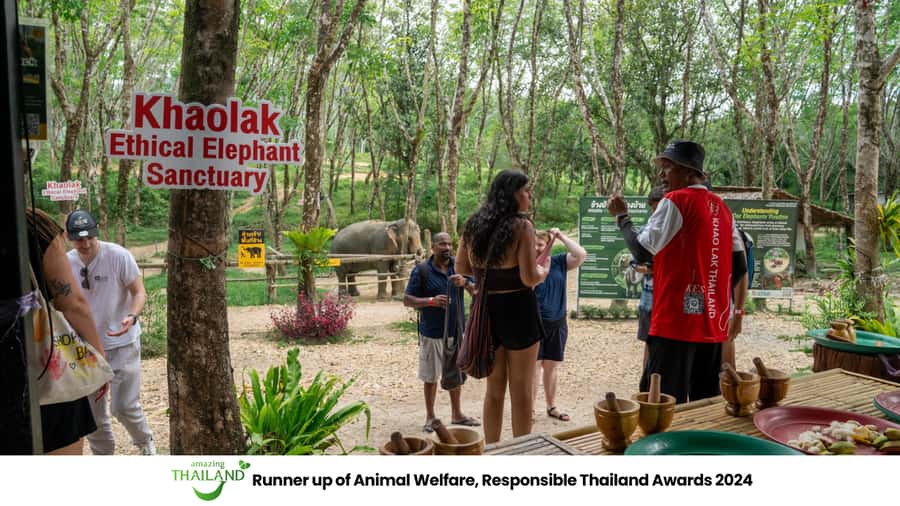
- Rescued-elephant focus: ex-working elephants from riding/show/logging backgrounds, cared for with respect.
- Your role in feeding: gather bananas and cane sugar, then make herbal vitamin balls.
- Jungle walk with elephants nearby: observe their behavior as they move through the park habitat.
- Water time is choice-based: you may see them enjoy a refreshing water session, including bathing behavior.
- Clear rules: no riding; activities are designed around the elephants’ willingness.
- Guides who bring context: names like Tony, Win, Jungle Boy/JungleMan, Mike, and Mai show up in recent guide feedback.
Khao Lak Ethical Elephant Sanctuary: what makes this eco-walk different
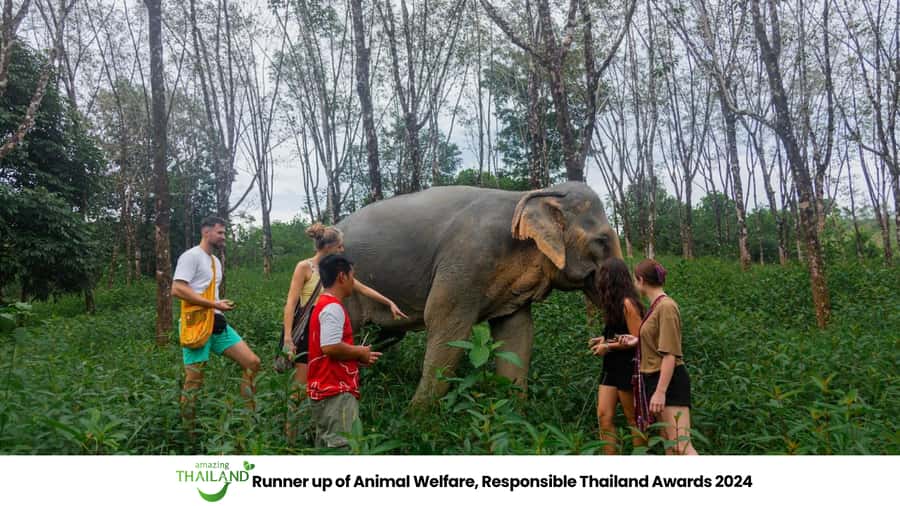
This isn’t a short photo stop where you watch elephants from a safe distance. The whole experience is structured so you’re close enough to learn real body language—how elephants shift weight, slow down to sniff, and move like living animals, not performers.
The sanctuary approach matters here. You’re told the elephants are rescued from industries like riding, show work, and logging, and that they live with care and respect. Most importantly, the program is designed around their choices. That means you’re not handed a script and told to force-feed a moment for the camera. If an activity can’t happen the way it was planned because the elephants aren’t comfortable, the rules still prioritize the animals’ natural behavior.
That philosophy is why guide quality can make or break the day. In feedback, names like Tony, Win, and Jungle Boy/JungleMan come up again and again for being friendly, engaging, and genuinely invested in explaining elephant routines and histories. And yes, you should expect time for questions and some relaxed photo moments without the constant pressure to keep moving.
You can also read our reviews of more tours and experiences in Khao Lak.


Price and time: does $73 for 2–3 hours feel fair?
At about $73 per person for roughly 2–3 hours, this costs more than a generic day tour—so it helps to think about what you’re paying for.
You’re paying for three things that tend to raise price in the ethical-elephant world:
- A licensed English-speaking guide who explains what you’re seeing and keeps the interaction rules elephant-first.
- Hands-on feeding support (bananas and cane sugar) plus herbal vitamin ball making, which isn’t just a look-and-leave.
- Transport with pickup/drop-off where the hotel option is selected, using an air-conditioned van.
You’re not paying for riding access or entertainment-style programming. And that’s the value equation. If your priority is an honest look at rescued elephants in a safe, ethical setup—learning their behavior and contributing to feeding in a controlled, respectful way—this price can make sense.
If you’re extremely price-sensitive and only want quick animal photos, you may feel it’s pricey. But if you want a guide-led experience that has real animal-time and real explanation, $73 for a half-day-style encounter is in the realm of fair.
Morning pickup and the calm start before the elephants
Most schedules start with pickup from your accommodation by air-conditioned van, with timing that typically lands about 15–30 minutes before the activity begins. That matters because the drive gives you a smoother start than trying to figure out transport on your own.
You’ll also have a scenic ride to the sanctuary, then you meet your English-speaking guide and get brief orientation. A key detail: the sanctuary visit starts early, and you’re asked to arrive before 9am at the Khaolak Elephant Sanctuary. Going on time helps you get into the flow of feeding and walking without rushing.
From the review-style feedback, the best days tend to feel organized but not hectic. Some tours also start with time to meet elephants and feed them while small groups gather. That makes the morning feel less like a conveyor belt and more like a guided introduction.
One small practical note: the sanctuary day can shift with weather and with the elephants’ willingness. So pack for rain and mud, even if the forecast looks okay.
What you do first: bananas, cane sugar, and vitamin balls
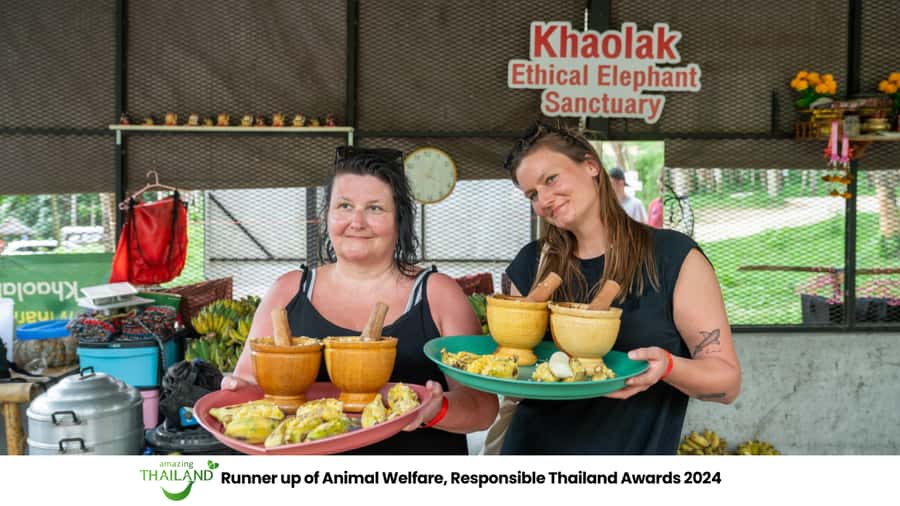
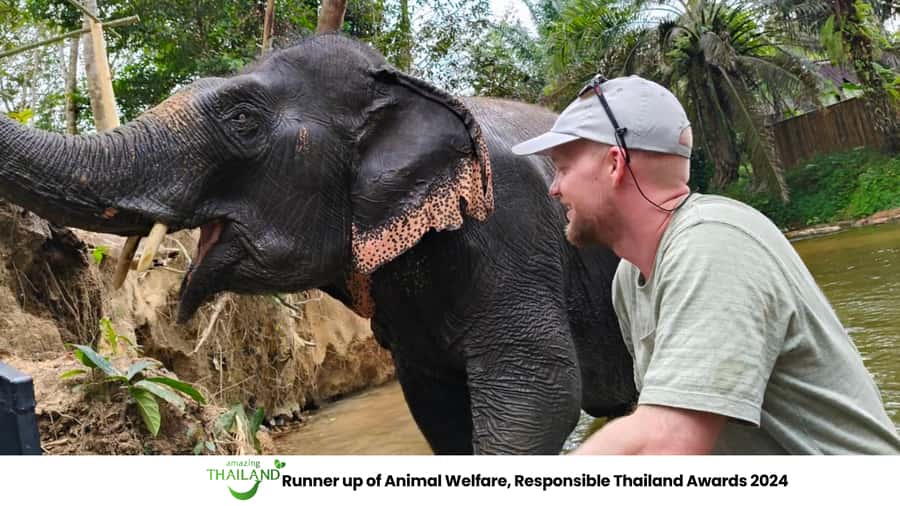
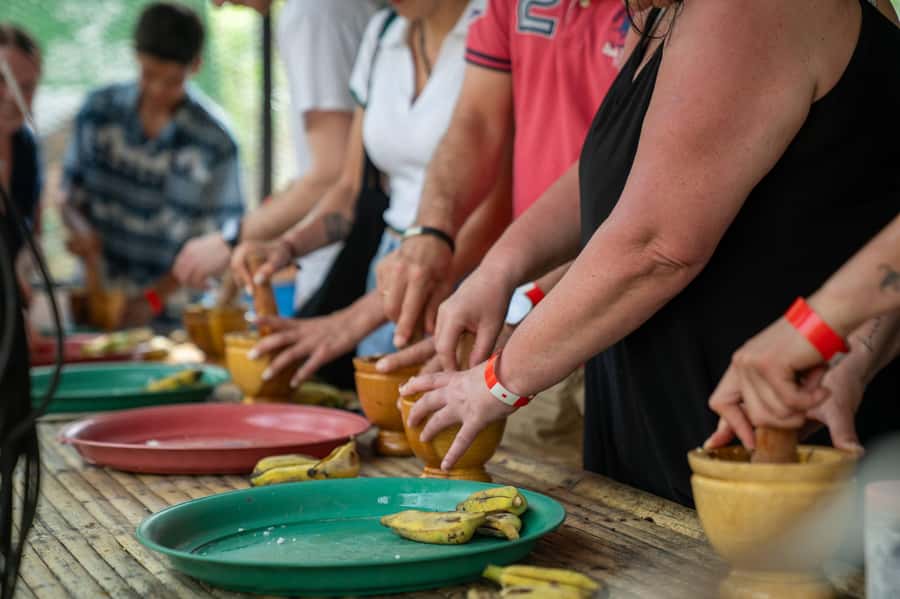
This tour gives you a direct role in feeding, but it’s done in a structured way. Early on, you gather bananas and cane sugar, walk through the park with your guide, and prepare to observe the elephants up close in the sanctuary environment.
Then comes the memorable part: making herbal vitamin balls for the elephants. You’re not just watching from behind a line—you’re participating in a food-prep activity that ties into elephant nutrition. The guides explain what you’re making and why, and you’ll learn alongside the feeding sessions rather than after-the-fact.
Why this matters for your experience: it turns a generic elephant encounter into something you can actually connect to. You get a sense of routine—what elephants eat, how feeding happens, and how the sanctuary supports healthy behavior.
Also, if you’re the type who likes to ask questions, this is a great time. Guides such as Tony and Mr Wind (as named in feedback) are singled out for talking you through feeding and for being willing to answer questions while you’re doing the hands-on prep.
The guided jungle walk: watching them move like real elephants
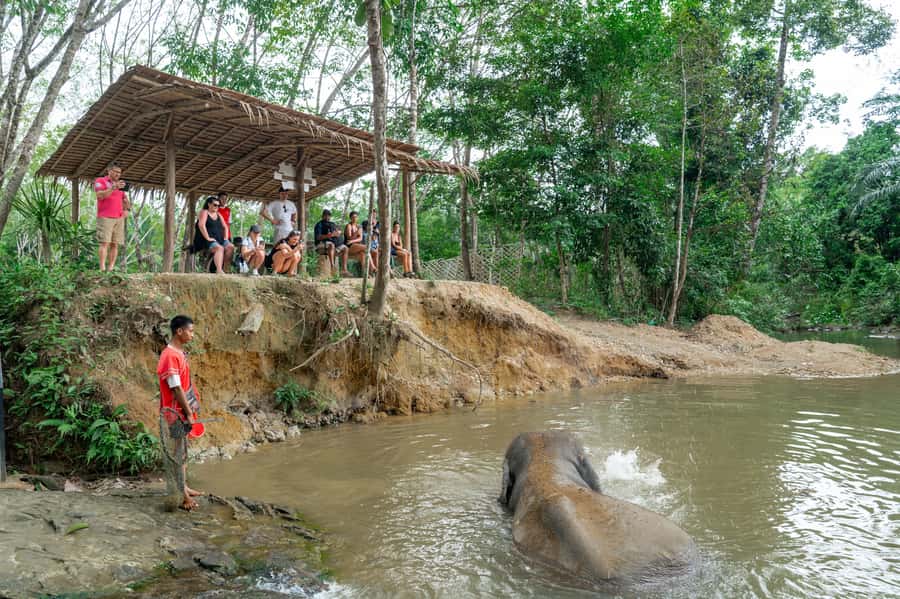
After you meet the elephants and learn the basics, you join them for a walk through the jungle. This is the heart of the eco-walk. Your job is mainly to observe, learn, and photograph at your leisure—while the guide helps you understand elephant behavior.
A big ethical point is how the walking works. You aren’t yanked around on a schedule, and you aren’t forcing the elephants into a stunt route. The elephants walk through their habitat because that’s what they do. You follow in a safe, respectful way, and your guide manages the pace so you’re not crowding or stressing them.
In real feedback, people appreciated how elephants can move into areas like water and how guides prioritize safety and elephant comfort. That’s also where you’ll notice the difference between a sanctuary visit and an attraction built around showmanship. With the sanctuary rules, the elephants look calmer and more at ease, and your interaction stays grounded in observation.
One practical drawback to keep in mind: you may not always walk with a single elephant as your only subject. Some experiences can group participants so multiple groups share time with the same elephant. If you’re imagining a private one-on-one walk, set expectations for a shared sanctuary visit.





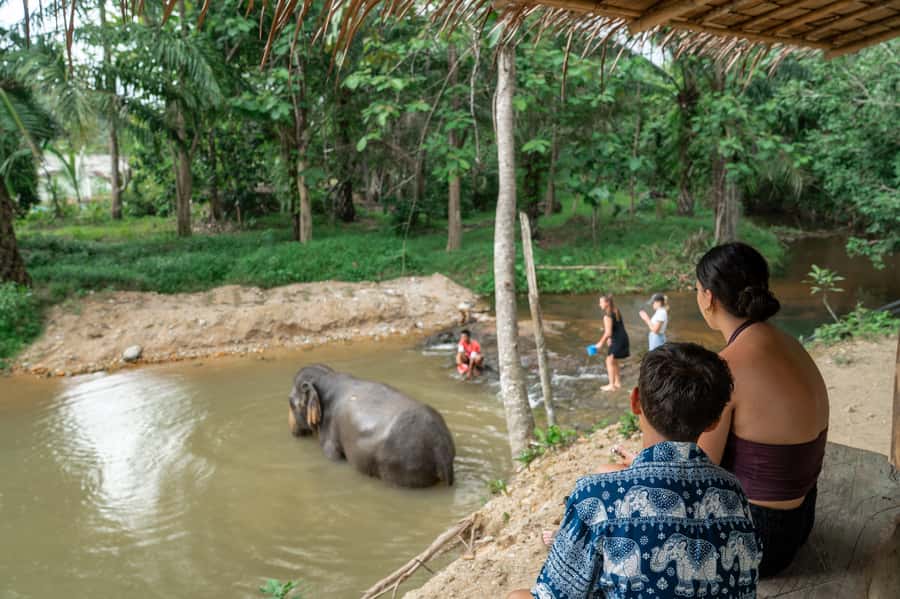
Water time and bathing behavior: refreshing, but on their schedule
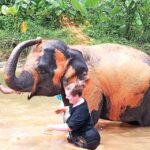
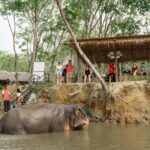
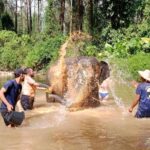
One of the standout elements is the refreshing water session. In feedback, you can see this range from elephants going for a bath in a river to water play moments where people help splash water during bathing behavior.
The key rule is still the same: nothing is forced. The elephants decide. If they want to engage with water, your guide helps you participate in a respectful way. If they don’t, you still get the core experience—walking, observing, and feeding—without chasing a staged moment.
Why this is valuable: water sessions reveal something elephants do naturally and socially. It’s not just a fun photo. It’s part of how they regulate comfort, behavior, and routine in the environment.
If you want to get the most enjoyment out of this section, wear clothes you’re willing to ruin a little. Keep your phone protected. And bring a towel if you have one, because “dry clothes” usually comes after the fact, not before.
Elephant rules that keep the experience ethical (and why you should care)
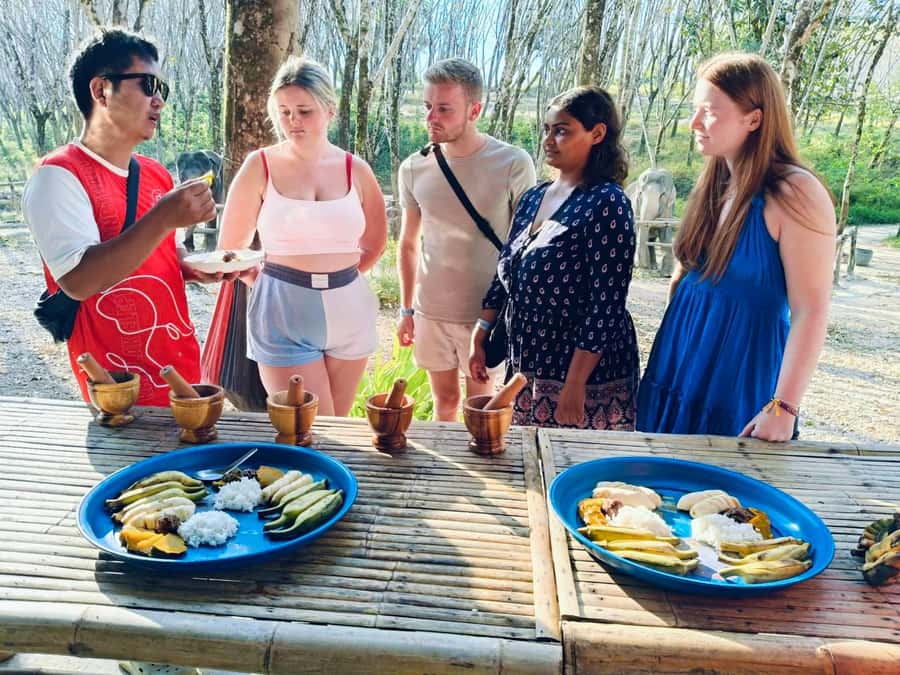
The big promise is simple and important: no riding. The sanctuary also states that elephants were rescued from riding, show, and logging industries, and they’re treated with respect. Beyond that, the program explicitly notes they’re never forced into activities they don’t want.
You’ll also notice this in how interactions are described: feeding is supported because it matches natural behavior, not because it creates a performance. That affects your day in subtle ways. You won’t be “trained” to do the same pose. Instead, your guide helps you read what the elephant is communicating.
A final ethical factor: activity choice can matter. If an activity can’t be conducted as planned due to the elephants’ choice, the sanctuary notes that no refunds can be provided. That’s not a downside in the strict animal-welfare sense—it’s a tradeoff. You’re buying an experience that prioritizes the elephants’ comfort over a guaranteed script.
Guides and group energy: names you’ll likely hear on the day
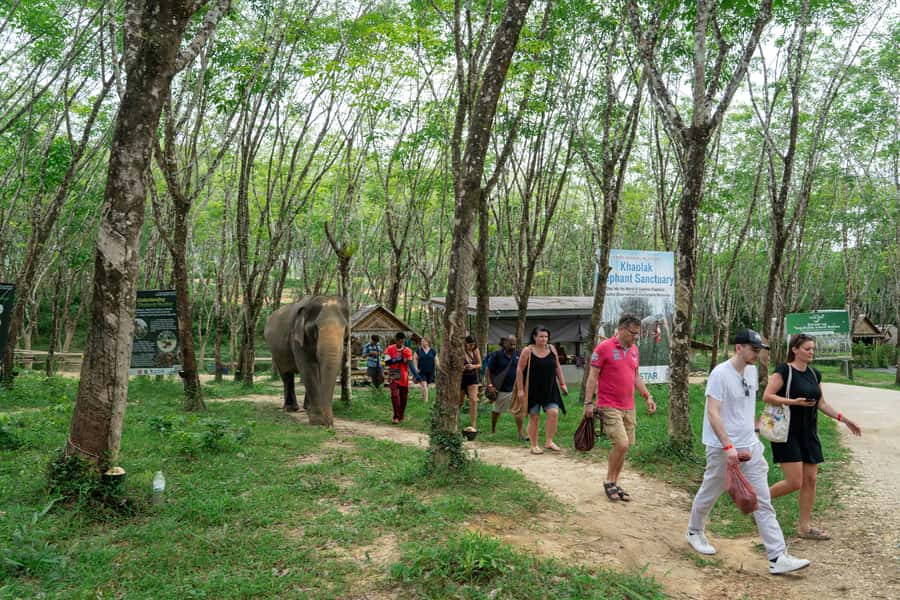
Guide personalities shape the tone of the walk. Recent guide feedback names people like Tony, Win, Mr Wind, Jungle Boy/JungleMan, Mike, and Mai. Across those comments, a common thread is warmth plus real explanation of elephant stories and behavior.
Even the “small practical details” get attention: guides taking photos while you’re focused on feeding, helping you stay comfortable, and keeping the experience moving at an animal pace rather than a human pace.
One more recurring theme: people appreciated calmer group dynamics, including times when tours felt less crowded than expected. That doesn’t mean it’s always quiet, but it suggests this sanctuary’s tours can feel manageable.
What to pack (so you don’t spend the day annoyed)
This tour is only a few hours long, but it’s not a “dry and tidy” kind of outing. Build your comfort kit around three realities: mud, water, and insects.
Bring:
- A change of dry clothes (seriously).
- Mosquito repellent before you arrive. Rain can make it worse, and the jungle is where bugs live.
- Water-friendly shoes or sandals with grip, depending on the conditions.
- A small waterproof bag or zip pouch for your phone/camera.
If it’s raining, don’t cancel mentally. People have still had a great time even in downpours—mainly because the sanctuary routine stays focused on elephant care, not on forcing a perfect weather window.
Who should book this eco-walk (and who might not love it)
This tour is a strong fit for you if:
- You want an ethical elephant experience with no riding and clear welfare rules.
- You like guided learning and not just “stand and snap photos.”
- You enjoy hands-on animal-focused activities like feeding and making herbal vitamin balls.
- You’re okay with the elephants setting the pace.
You might hesitate if:
- You want a guaranteed one-on-one experience with a specific elephant the entire time.
- You’re extremely uncomfortable with getting wet, muddy, or dealing with insects.
- You need a rigid schedule and don’t like that elephant comfort can affect what happens on the day.
Should you book the Khao Lak 2-hour Eco-Walk?
My take: if your priority is seeing rescued elephants in a sanctuary-style environment where the rules protect their agency, this booking makes a lot of sense. The most valuable parts are the feeding involvement (bananas, cane sugar, and herbal vitamin balls), the guided jungle walk for real behavior watching, and the water session when the elephants choose to engage.
Just go in with the right expectations: it’s not a ride-and-go show. It’s a respectful encounter that depends on animal comfort. Pack for mud and mosquitoes, bring patience for the schedule to be elephant-led, and you’ll get a day that feels more like learning than consuming a spectacle.
If you want one clear decision tip: choose this tour when you care more about how the elephants are treated than about how many minutes you can be near them.
FAQ
How long is the elephant sanctuary eco-walk?
It runs for about 2 to 3 hours.
Is hotel pickup included?
Hotel pickup and drop-off are included if you select the option for your location.
Do you ride the elephants on this tour?
No. Riding the animals is not allowed.
What activities are included during the visit?
You get a guided tour and eco-walk, elephant encounter, elephant feeding observation, and you also make herbal vitamin balls.
What do you use to feed the elephants?
The experience includes gathering bananas and cane sugar for feeding.
Is the guide English-speaking?
Yes. There is a live licensed guide and the tour is offered in English.
Where and when do I need to arrive?
Please arrive before 9am at the Khaolak Elephant Sanctuary.
If the elephants don’t do an activity, do I get a refund?
The sanctuary states they do not force activities, and if an activity cannot be conducted due to the elephants’ choice, no refunds can be provided.
What are the cancellation options?
You can cancel up to 24 hours in advance for a full refund.