REVIEW · KO LANTA
Ko Lanta: Half-Day Mangrove Kayaking Tour with Lunch
Book on GetYourGuide →Operated by Diamond Cave Tour · Bookable on GetYourGuide
Monkeys in mangrove kayaks sounds risky, but fun. I love gliding through Ban Thung Yee Peng mangrove channels, and I love the monkey stop where guides keep interactions controlled and safe. The trade-off is simple: expect getting wet, even with a waterproof bag.
This is a 3-hour Ko Lanta outing that starts with hotel pickup and ends back at your door, with lunch included. Since mangroves are tidal, what you see can shift day to day, so plan your expectations around the tide schedule.
In This Review
- Key highlights at a glance
- Kayaking Ko Lanta’s Ban Thung Yee Peng Mangroves
- Wildlife You Can Actually See: Mudskippers, Crabs, Birds, and More
- Monkey Time From the Boat: Controlled, Safety-First, and a Little Wild
- Village and Fish Farm: How Local Life Fits Into the Day
- Lunch on Site: Fried Rice, Fresh Fruit, and Soft Drinks
- Timing and Tides: Why 3 Hours Can Feel Different
- What You Get Included (And What You Should Bring Anyway)
- Price and Value: Is $26 Worth a Half-Day in Ko Lanta?
- Guide Names You’ll Hear: Karim, Ramadon, Alim, Aleem, and Karin
- Who This Tour Fits Best (And Who Might Want a Different Plan)
- Should You Book This Ko Lanta Mangrove Kayaking Tour?
- FAQ
- How long is the Ko Lanta half-day mangrove kayaking tour?
- What is included in the price?
- What wildlife can I expect to see?
- Do I get to feed the monkeys?
- Will I get wet while kayaking?
- What language is the guide?
- Is lunch included, and what does it include?
- Can I cancel for a refund?
Key highlights at a glance
- Ban Thung Yee Peng mangroves: slow, scenic paddling through winding channels
- Wildlife spotting: mudskippers, fiddler crabs, birds, and occasional snakes
- Monkey encounters with rules: you’ll get close enough to feel it, without turning it into chaos
- Village + fish farm stop: a real look at local routines and how the fish are handled
- Lunch on site: fried rice plus seasonal fruit and soft drinks
Kayaking Ko Lanta’s Ban Thung Yee Peng Mangroves
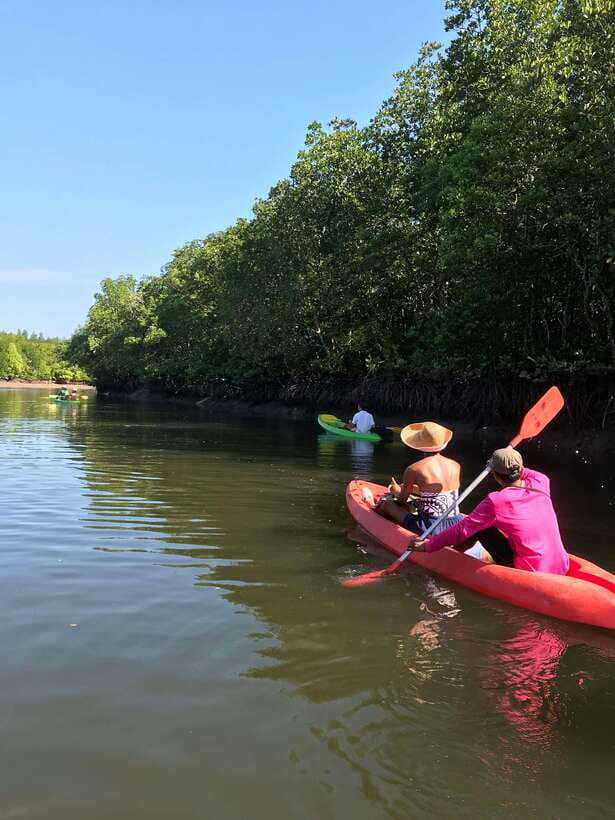
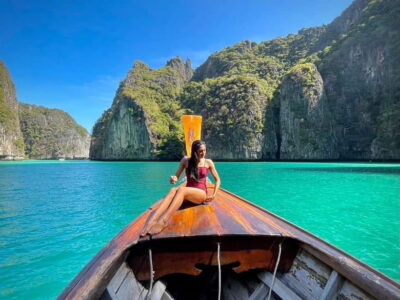
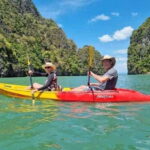
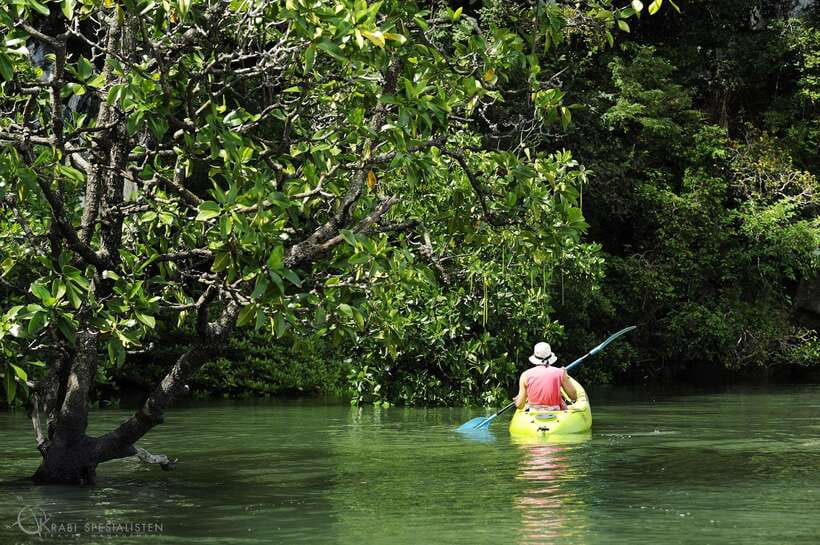
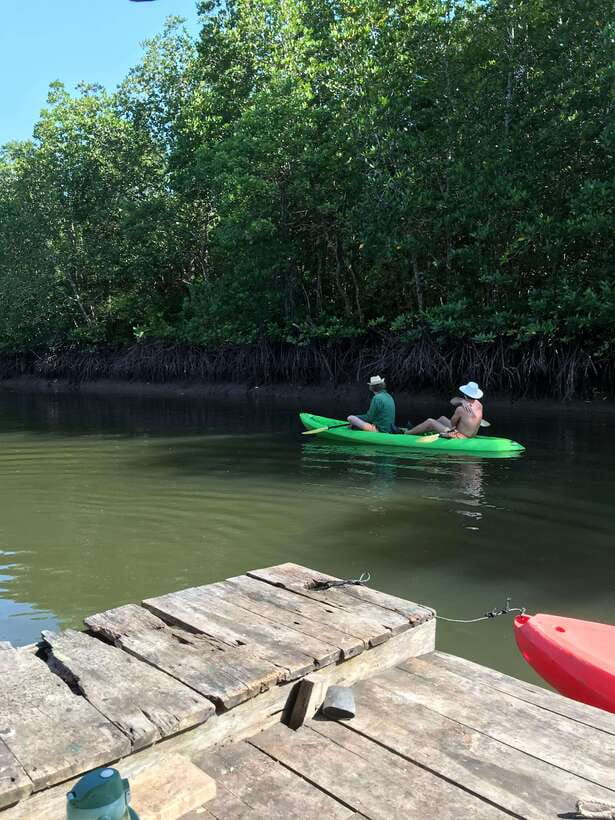
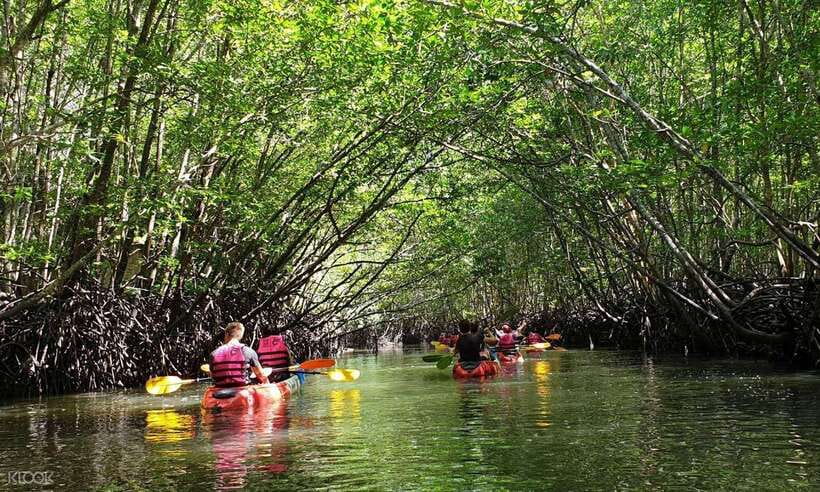
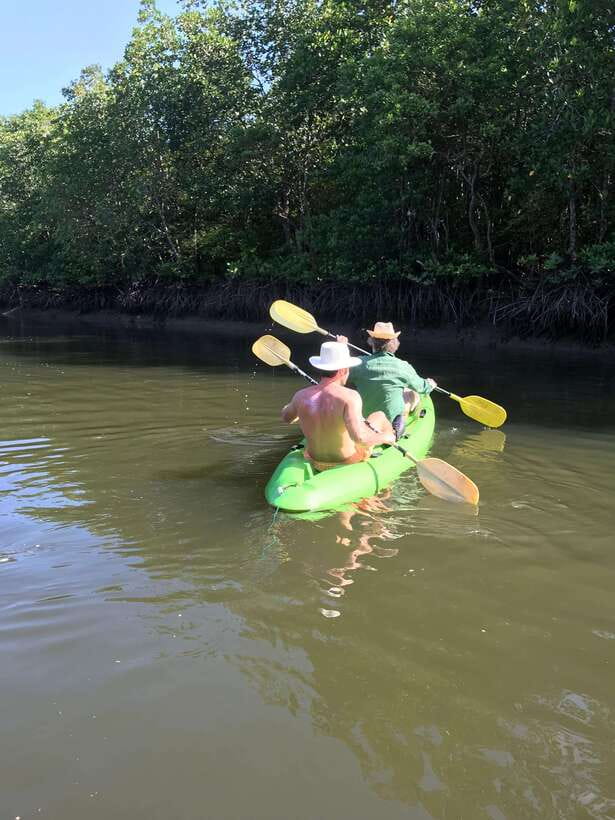
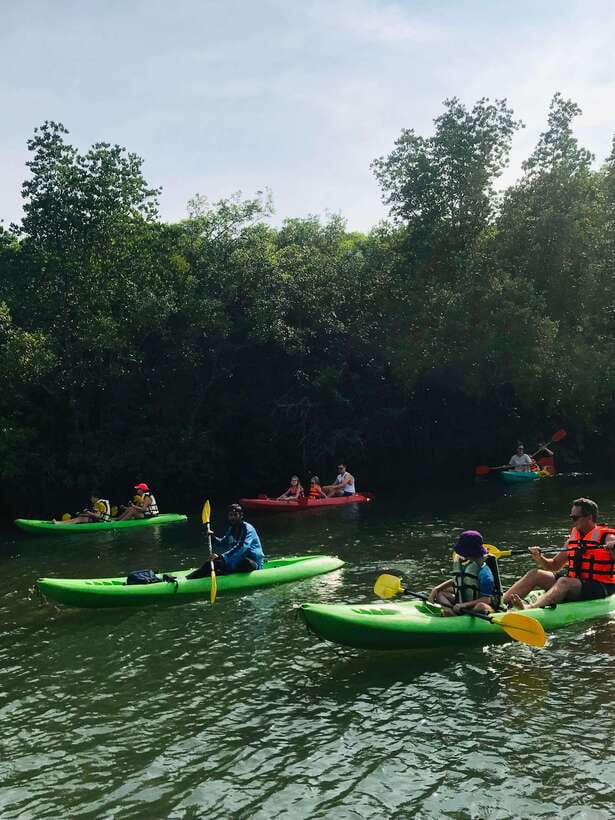
The heart of this tour is the paddling through the mangrove forest near Ban Thung Yee Peng. Mangroves can feel like a wall of green from the shore, but by kayak you get a whole different view: narrow waterways, low branches, and that slightly eerie-but-calm feeling of being surrounded on all sides.
The route is designed for easy access by short half-day timing. You’re not trying to “conquer” the ocean. Instead, you’re moving slowly, stopping when the guide spots wildlife, and letting the ecosystem do the show. Reviews repeatedly mention that guides use the kayak pace well—brief safety and technique tips up front, then time on the water that feels relaxed rather than rushed.
One practical note: mangrove kayaking in Thailand is rarely bone-dry. Even when the water is calm, kayak paddling makes water hop over the sides. If you only bring normal dry clothes, you’ll regret it.
You can also read our reviews of more tours and experiences in Ko Lanta.
Wildlife You Can Actually See: Mudskippers, Crabs, Birds, and More
This is one of the best-value parts of the tour because the guide isn’t just pointing at scenery. You get multiple chances to spot small-life signals that you’d never notice from a beach.
Common sightings include mudskippers, fiddler crabs, and other tiny shoreline creatures. People also report seeing walking fish and mud crabs along the banks during stops. The mangrove edge is where the action is: birds that use the perches, plus the occasional bigger moment when the guide calls something out.
Several guides on this tour are praised for scanning carefully and teaching as they go—especially when it comes to how this ecosystem works. You may also see birds of prey, curlews, and even snakes on branches. The odds of a specific animal are never guaranteed, but the tour route clearly aims at that mix: small creatures, birds, and a few surprise sightings if conditions cooperate.
If you’re the kind of person who likes wildlife but gets impatient at long explanations, this tour still works. Stops are timed to what you can see right there, so you can connect the story to the real creature in front of you.
Monkey Time From the Boat: Controlled, Safety-First, and a Little Wild
The monkey encounter is the flashpoint of the whole experience—and it’s also the part where the guide’s job matters most.
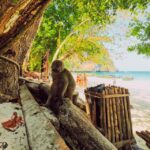
The tour typically includes a stop where monkeys are active around the waterways, and the group is allowed to interact in a limited way from the boat. Many guests mention that they feed monkeys water from the kayak. Other guests note that some guides avoid feeding to protect the animals’ natural behavior. Either way, the goal is the same: respectful interactions with clear rules.
Safety details show up in reviews. You’ll often be asked to stay back—one guest recalls guidance around keeping roughly 5–10 meters away to reduce monkeys jumping onto kayaks. Still, this is wildlife. If someone near you breaks the distance rule, monkeys may hop closer anyway. When that happens, guides are reported to handle it quickly and keep the situation under control. One memorable example: a guide retrieved a stolen dry bag by getting off the kayak and shaking a tree until it dropped items.
What I’d take from that for your planning: don’t treat monkeys like a petting zoo. Keep your hands to yourself, keep plastics secured, and follow the guide’s distance instructions without bargaining.
Village and Fish Farm: How Local Life Fits Into the Day
After kayaking, the tour slows down for land time: a visit to a small village and a local fish farm.
This part is valuable because it adds context. Mangroves aren’t just “pretty nature.” They support local livelihoods, including fishing and fish farming. At the fish farm stop, guests mention seeing fish being fed and learning a bit about how the operation works. It’s not a lecture. It’s more like a guided look at what locals do day to day.
At the village portion, you get a glimpse of rural Ko Lanta life—quiet, practical, and more grounded than the tourist strip. Some tours also include a small bit of entertainment tied to the fishing village setting, but the main point is understanding the human side of the area you just paddled through.
The drawback here is timing: this is still a half-day, so you won’t get deep access or long conversations with residents. Think of it as a well-scaffolded taste of local life rather than a culture immersion program.
Lunch on Site: Fried Rice, Fresh Fruit, and Soft Drinks
By the time lunch arrives, you’ll likely appreciate it. Mangrove kayaking works muscles you don’t use in daily life—especially if you’re doing careful, steady strokes rather than sprinting.
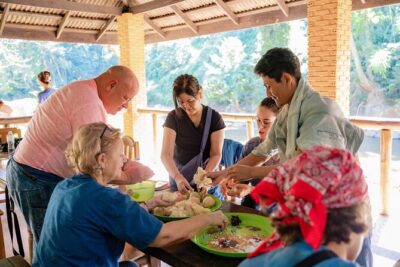
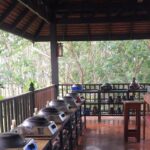
Lunch commonly includes fried rice (chicken or vegetable are both mentioned) plus seasonal fruits and soft drinks. Several guests specifically call out the fried rice as a satisfying follow-up after time on the water. It’s also a nice reset because you can dry off a bit and fuel up before heading back.
If you’re someone who has a sensitive stomach, this is still “Thai meal at a tour site,” not a fine-dining menu. But most feedback points to it tasting fresh and well portioned for the half-day format.
Timing and Tides: Why 3 Hours Can Feel Different
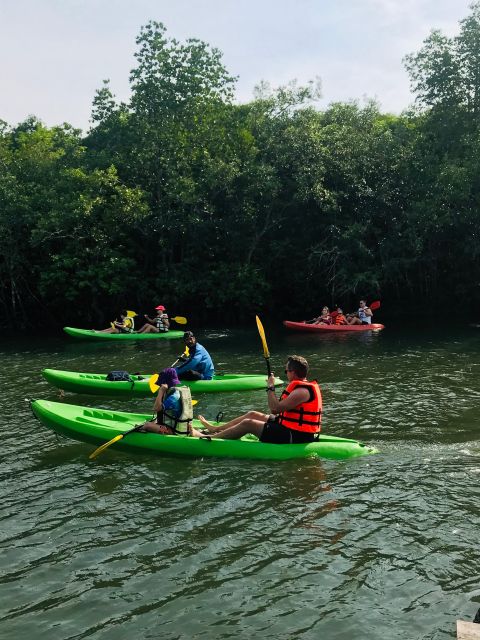
This tour is strongly affected by tidal conditions. Mangroves are tidal systems. One guest notes that a high-tide morning reduced the number of animals spotted, while other feedback highlights how far you can paddle depends on tide and that the tour tries to go as far as possible within conditions.
So if you’re choosing between morning and afternoon options, think like this:
- If tide and timing line up, you may see more shoreline activity and wildlife moments.
- If tide changes the water depth and access, you may still enjoy the scenery, but the animal count can shift.
Also, weather can change the vibe. Rain doesn’t necessarily cancel the experience. Guests mention doing the tour even with bad weather, as long as you bring the right clothing. A waterproof bag helps, but you still get splash and spray, so pack a change of clothes and a rain layer you’re comfortable wearing.
What You Get Included (And What You Should Bring Anyway)
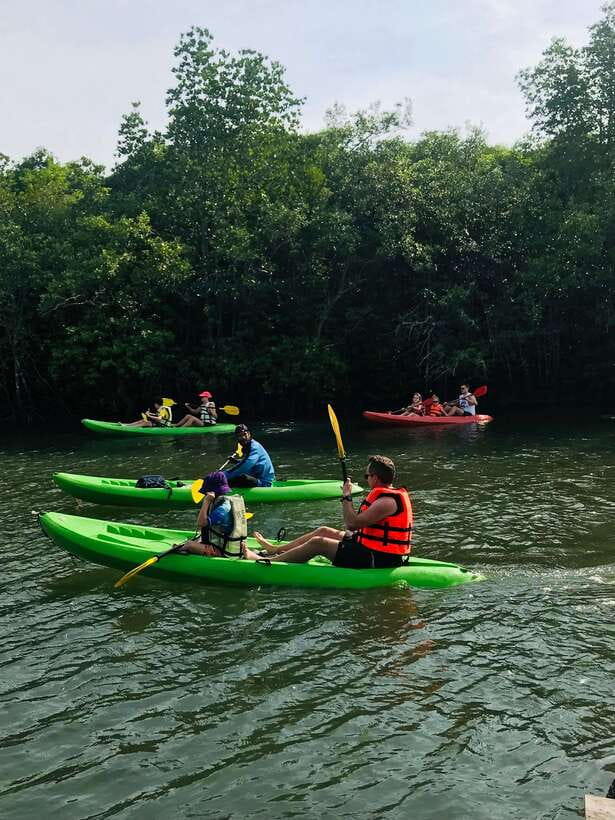
Diamond Cave Tour includes the basics that matter for safe kayaking: a guide, kayak tour, life jackets, a waterproof bag, plus hotel pickup and drop-off. Lunch, seasonal fruits, and soft drinks are included too.
From the reviews, the biggest “bring your own” items are comfort and dryness:
- Wear shorts or clothing that can handle getting wet. Several people mention the kayak ride makes the lower body wet.
- Bring a change of clothes for the drive back.
- Add a raincoat or at least a light waterproof layer. Even when the rain is brief, the splash adds up.
- If you’re carrying valuables, use the waterproof bag correctly and keep it closed. Monkey theft stories exist, and you don’t want passport chaos as part of your afternoon.
If you’re prone to cold after rain (or you’re traveling in shoulder-season weather), plan for damp and cool conditions right after paddling.
Price and Value: Is $26 Worth a Half-Day in Ko Lanta?
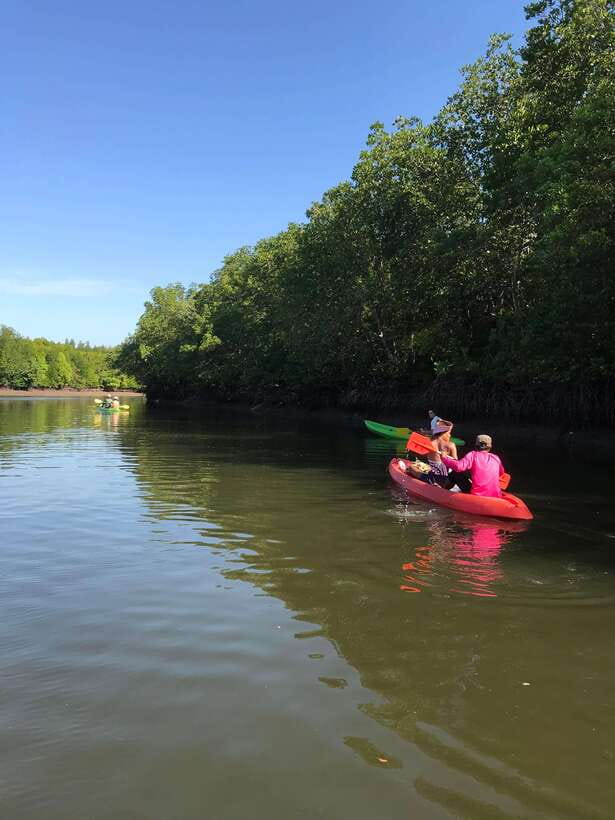
At $26 per person for about 3 hours, this tour has strong value on paper. You’re not just paying for a kayak rental. You’re paying for:
- Hotel pickup and drop-off
- A live guide in Thai and English
- Life jacket + waterproof storage
- Lunch with fruit and soft drinks
- Time built around wildlife and a village/fish farm stop
That combination is the key. Many standalone kayak activities cost a lot more once you add transport and food. Here, you get a full “experience package,” which makes it easier to spend one half day well rather than stitching together multiple small activities.
The only value caveat is weather and tide. If conditions reduce wildlife visibility, the scenery still delivers, but your excitement may depend on how much you care about animals. If you’re going primarily for the ecosystem and scenery with some wildlife as a bonus, the price still makes sense.
Guide Names You’ll Hear: Karim, Ramadon, Alim, Aleem, and Karin
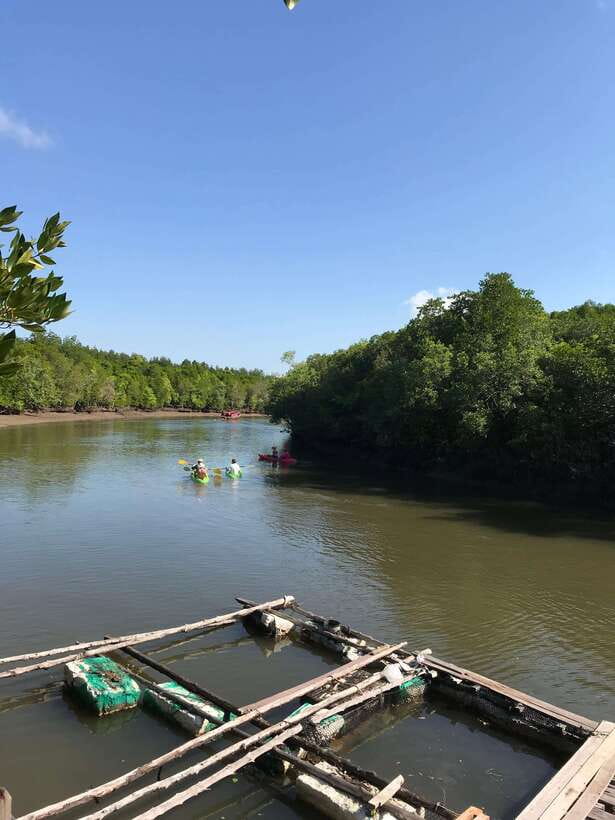
A theme across the feedback is guide quality. Several names get singled out: Karim is described as funny, informative, and good at handling monkey moments safely. Ramadon (also spelled Ramadan in a few notes) is praised for strong English and keeping the group organized and safe. Other guides mentioned include Aleem, Alim, Karim again, and Karin.
What matters for you isn’t just the name. It’s how guides run the experience:
- They provide clear kayaking instructions at the start.
- They pause often enough to make wildlife spotting feel real.
- They manage animal behavior with rules and quick reactions when monkeys get curious.
- They help everyone stay together and understand the plan.
If you have a chance to request a guide, it can’t hurt to ask. But even without that, the pattern suggests the tour invests in guides who take safety and the ecosystem seriously.
Who This Tour Fits Best (And Who Might Want a Different Plan)
This is a great fit if you:
- Want a half-day nature activity that doesn’t feel like a long bus ride followed by nothing.
- Like wildlife, even if you don’t get every animal sighting.
- Prefer a guided experience over solo paddling—especially around monkeys.
- Appreciate a small culture add-on (village + fish farm) without sacrificing relaxation.
It may be less ideal if you:
- Hate getting wet and don’t want to deal with damp clothing afterward.
- Are extremely uncomfortable around monkeys and want zero chance of them hopping near kayaks. You can stay further back, but you can’t make it impossible.
Families can do it too. One review mentions the tour worked for kids using life jackets, and the ride pace was manageable. Still, keep expectations realistic: you’re in wildlife territory, so flexibility matters.
Should You Book This Ko Lanta Mangrove Kayaking Tour?
Book it if you want a simple, efficient half day that mixes mangrove paddling, wildlife moments, monkey encounters with rules, and a real local stop, all for a price that doesn’t ask you to do extra planning. The included lunch makes it easier on your schedule, and the hotel pickup is a big plus if you don’t want to drive to Tung Yee Peng Pier yourself.
Skip or choose a different option if you’re unwilling to get wet, can’t tolerate animals near your space (even from a distance), or you’re only excited by guaranteed sightings. With tides and weather in play, the exact animal count varies.
If you do book, pack like a kayak day, follow the guide’s distance instructions around monkeys, and treat this as a nature-first outing. Do that, and $26 can feel like you bought yourself a whole afternoon of Ko Lanta that most people miss.
FAQ
How long is the Ko Lanta half-day mangrove kayaking tour?
The total duration is about 3 hours, including hotel pickup and drop-off, kayaking time, and the lunch and stops.
What is included in the price?
The tour price includes hotel pickup and drop-off, a guide, the kayak tour, lunch, seasonal fruits, soft drinks, life jackets, and a waterproof bag.
What wildlife can I expect to see?
You may see marine life such as mudskippers and fiddler crabs, along with birds. The tour also includes a monkey stop, and some groups report seeing snakes as well.
Do I get to feed the monkeys?
The experience includes an interaction from the boat, and many guests mention feeding monkeys water. Some guests note feeding may be limited depending on the guide’s approach, so follow the instructions given during the tour.
Will I get wet while kayaking?
Yes. Paddling causes water to spill, and multiple guests mention bringing a change of clothing or wearing swimwear/shorts. A waterproof bag is provided, but you should still plan for a damp ride.
What language is the guide?
The tour offers live guidance in Thai and English.
Is lunch included, and what does it include?
Lunch is included, and guests mention fried rice (including chicken or vegetable options), plus seasonal fruits and soft drinks.
Can I cancel for a refund?
Yes. The tour offers free cancellation up to 24 hours in advance for a full refund.